Who Should I Contact for Elevator Inspection Requirements in SC?
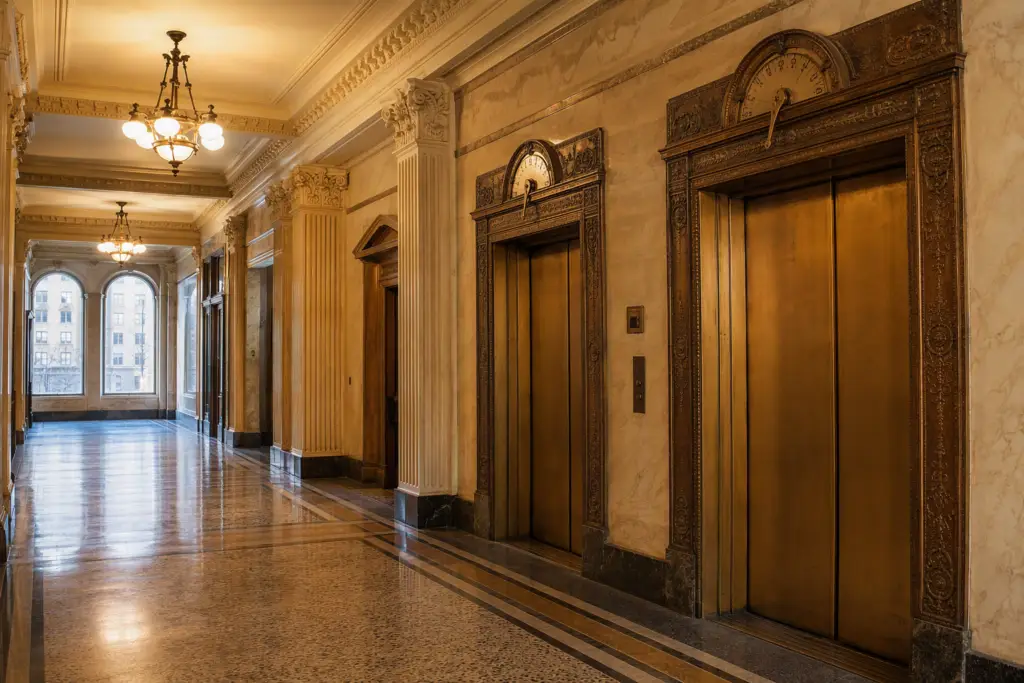
Navigating elevator inspection requirements in South Carolina can be complex, but understanding exactly who to contact — and when — is the first step toward maintaining a safe, compliant vertical transportation system. Whether a property owner is managing a commercial high-rise, a healthcare facility, or a multifamily residential building, South Carolina has a clearly defined regulatory structure that dictates inspection intervals, permitting requirements, and enforcement authority. This page provides a comprehensive breakdown of that structure, the relevant codes that govern it, and what building owners should know going into 2026.
—
What State Agency Governs Elevator Inspections in South Carolina?
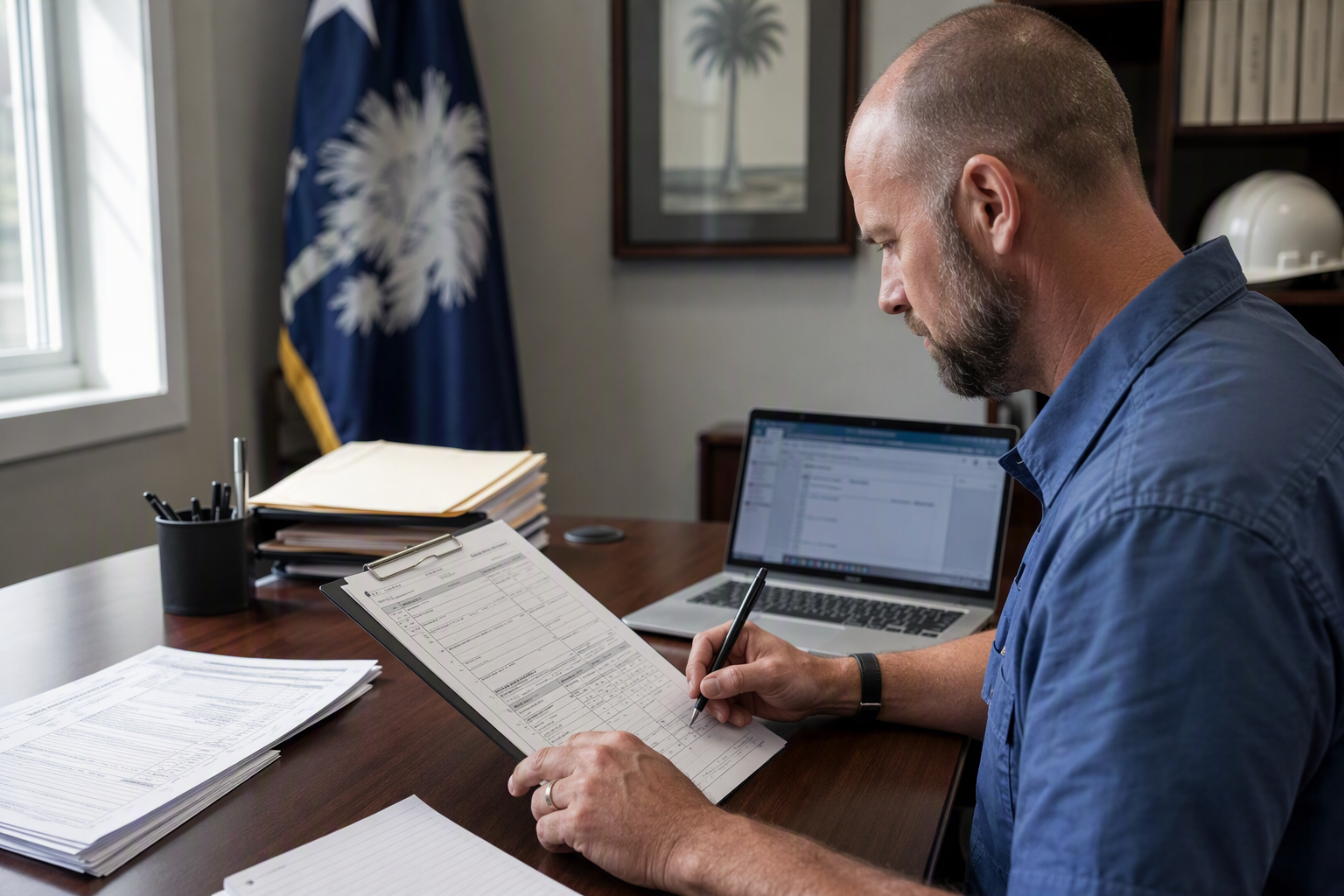
The South Carolina Department of Labor, Licensing and Regulation (SC LLR) is the primary state authority for elevator safety regulation. Within SC LLR, the Elevator Division administers the South Carolina Elevator Safety Act, which establishes the legal framework for elevator installation, alteration, and inspection throughout the state.
The SC LLR Elevator Division:
- Issues permits for new elevator installations and major alterations
- Maintains a roster of licensed elevator inspectors and contractors
- Accepts and processes inspection reports from Qualified Elevator Inspectors (QEIs)
- Has authority to order equipment out of service when safety violations are identified
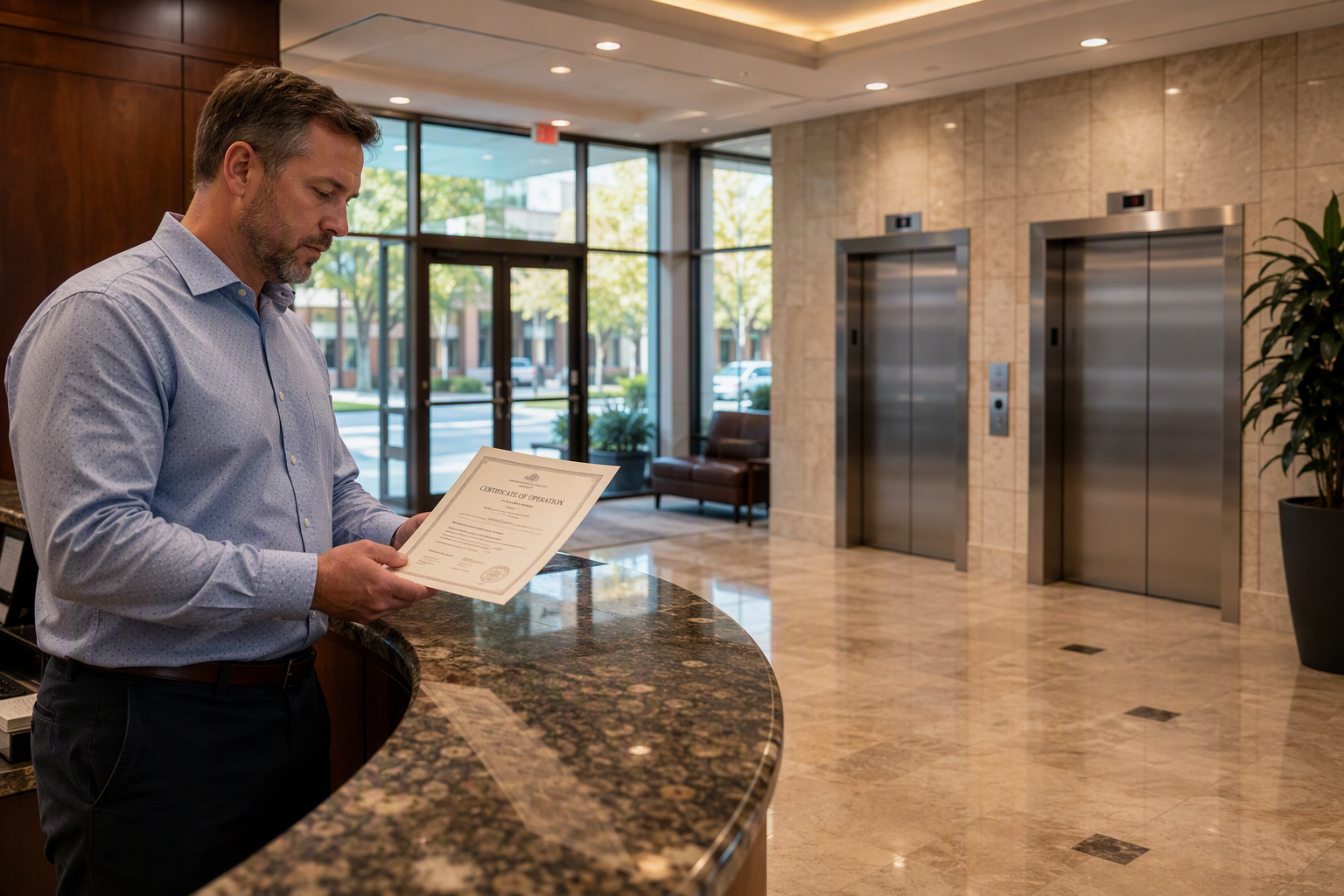
- Provides the Certificate of Operation that legally allows an elevator to be used by the public
Building owners and facility managers should direct all regulatory questions, permit applications, and certificate inquiries directly to the SC LLR Elevator Division. Their contact information and online services portal are available through the official SC LLR website.
—
What Code Standards Apply to Elevator Inspections in SC?
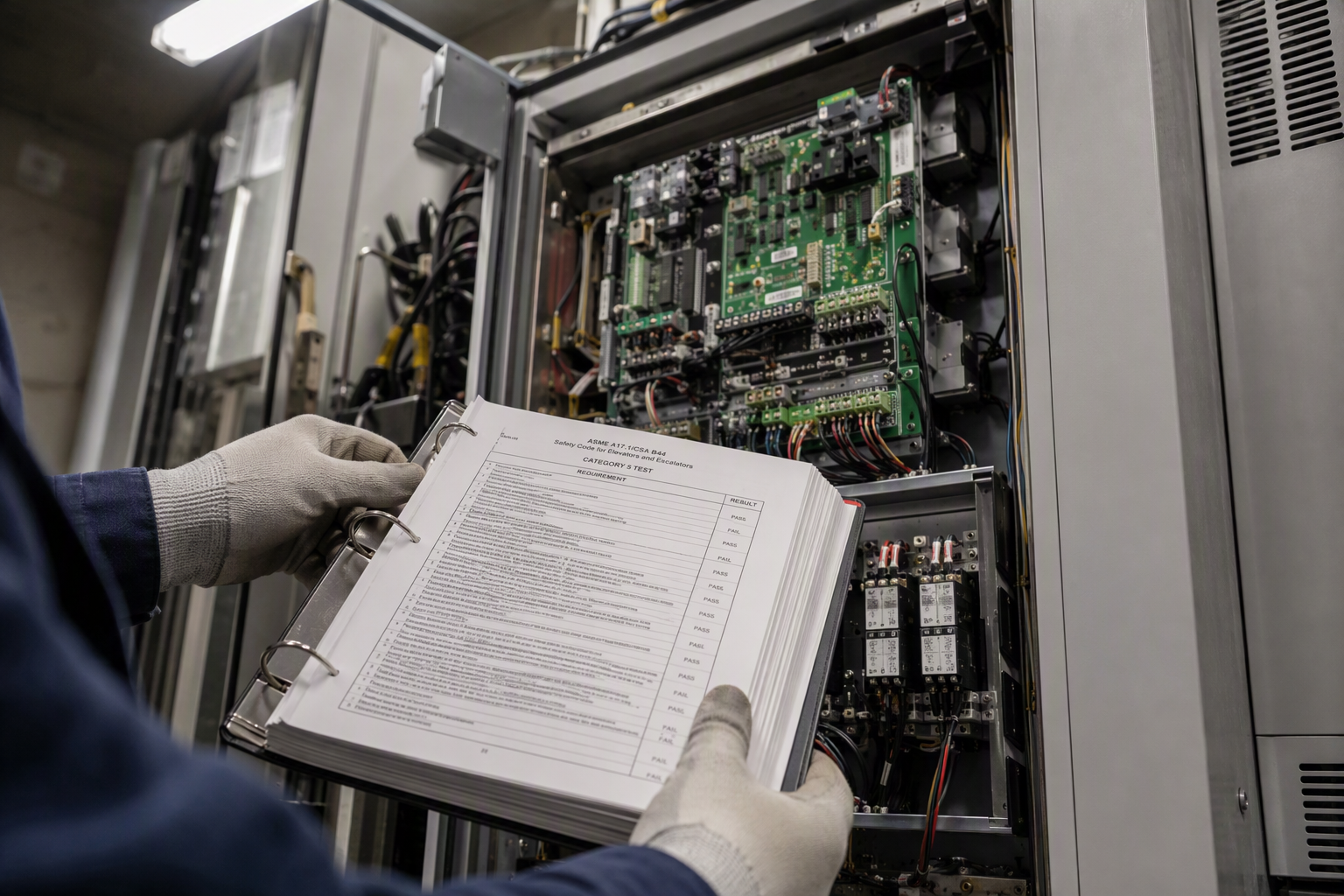
South Carolina adopts the ASME A17.1 Safety Code for Elevators and Escalators as the foundational technical standard for elevator safety. This code, published by the American Society of Mechanical Engineers, specifies design, construction, operation, inspection, testing, and maintenance requirements for elevators and escalators across the country, including in South Carolina.
Key ASME A17.1 requirements that apply within SC include:
- Periodic inspections and tests: The code requires routine inspections and specific periodic tests at defined intervals to verify that safety systems are functioning correctly.
- Category testing: The code classifies tests by category (Category 1, Category 3, Category 5) based on the type of equipment and the systems being evaluated, with different intervals assigned to each.
- Maintenance requirements: The code establishes standards for ongoing maintenance to support safe operation between inspections.
In addition to ASME A17.1, the Americans with Disabilities Act (ADA) sets accessibility standards for elevators in public accommodations and commercial facilities. ADA compliance is a parallel obligation — separate from the SC LLR safety inspection process — and must be maintained by building owners independently.
Workplace elevator safety in facilities where elevators serve employees also falls under the oversight of OSHA, which references consensus standards including ASME A17.1 in its enforcement guidance.
—
Who Is Authorized to Perform Elevator Inspections in South Carolina?
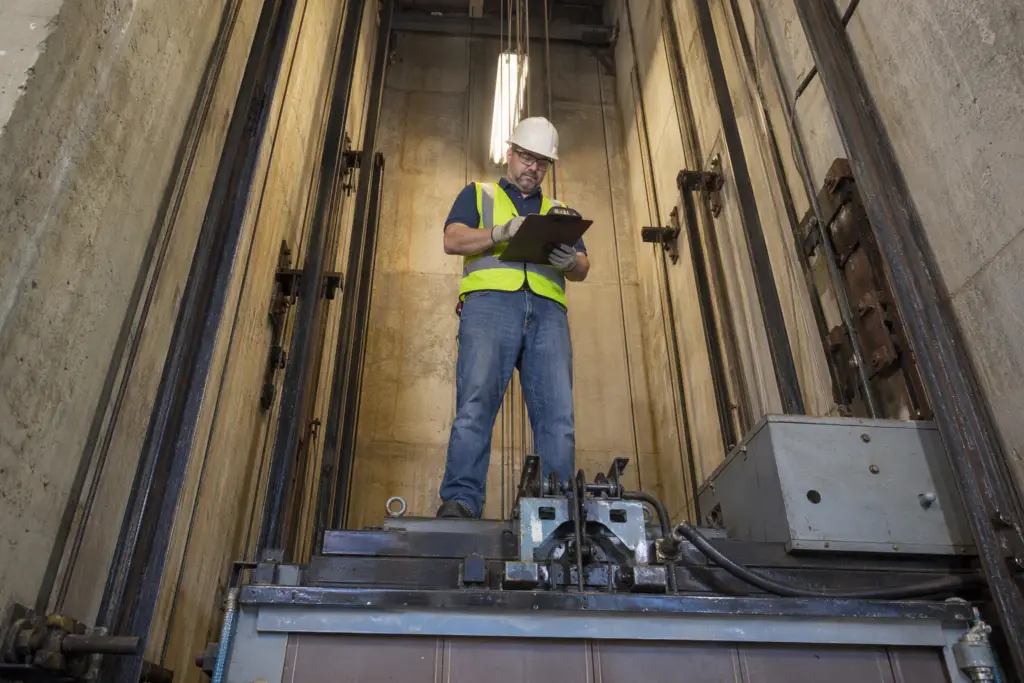
Under South Carolina law, elevator inspections must be conducted by a Qualified Elevator Inspector (QEI). A QEI is an individual who holds a current certification from a nationally recognized certification body — most commonly the QEI certification administered through the National Association of Elevator Safety Authorities International (NAESA International) — and who is licensed by SC LLR to perform inspections in the state.
This means:
- Building owners cannot self-inspect their elevators
- General contractors or maintenance technicians without QEI credentials cannot conduct regulatory inspections
- The inspection must be performed by a QEI whose credentials are current and whose license is in good standing with SC LLR
Elevator service companies that employ or contract with QEI-certified inspectors can facilitate the inspection process on behalf of building owners. Carolina Elevator Service works within this regulatory framework to help South Carolina property owners coordinate inspections, submit required documentation, and maintain compliance with SC LLR requirements.
—
What Is the Step-by-Step Process to Get an Elevator Inspected in SC?
- Verify current Certificate of Operation status: Confirm whether a valid Certificate of Operation has been issued by SC LLR for the elevator in question. Certificates typically expire annually and must be renewed through a successful inspection.
- Contact a licensed elevator service provider: Engage an elevator contractor that employs or has access to a QEI licensed in South Carolina. The contractor can schedule the required periodic inspection and any category tests due under ASME A17.1 Safety Code for Elevators and Escalators.
- Complete any outstanding maintenance or repairs: Before the inspection, address known deficiencies. An elevator with open safety violations is unlikely to receive a passing inspection result.
- Conduct the inspection: The QEI performs the required inspection and any applicable tests. This may include a full operational test, safety system checks, and category-specific testing depending on the equipment type and inspection history.
- Receive the inspection report: The QEI provides a written inspection report documenting findings, any deficiencies identified, and recommendations.
- Submit the report to SC LLR: The inspection report is submitted to the SC LLR Elevator Division, either by the inspector or the service contractor on the building owner’s behalf.
- Obtain the Certificate of Operation: Upon a satisfactory inspection, SC LLR issues or renews the Certificate of Operation. This certificate must be posted in or near the elevator.
- Address any cited deficiencies: If deficiencies are noted, the building owner must arrange for corrective repairs and may be subject to a follow-up inspection before the Certificate of Operation is issued or renewed.
—
How Often Are Elevators Required to Be Inspected in South Carolina?
South Carolina follows the inspection intervals established in the ASME A17.1 Safety Code for Elevators and Escalators. Generally, passenger elevators are subject to periodic inspections on an annual basis, and certain category tests are required at longer intervals depending on the equipment type and safety systems installed.
The specific inspection and testing schedule for any given elevator depends on:
- The type of driving machine (hydraulic, traction, machine-room-less)
- The type of safety systems and buffers installed
- The category of tests that have been previously completed and when
- Any state-specific amendments SC LLR has adopted to the base ASME code
Building owners should not rely on a general rule of thumb alone. A licensed elevator service provider can review the specific equipment and maintenance history to determine exactly which inspections and tests are currently due and when the next cycle begins.
—
What Happens If an Elevator Fails Inspection in South Carolina?
When an elevator fails inspection, SC LLR has the authority to require that the equipment be taken out of service until the identified deficiencies are corrected. Operating an elevator without a valid Certificate of Operation can expose building owners to significant liability and potential civil penalties.
A failed inspection typically triggers the following:
- A written deficiency notice identifying the specific code violations or safety concerns
- A required timeline for corrective action
- A follow-up inspection to verify that repairs have been made
- Potential restrictions on elevator use until compliance is restored
Prompt engagement with a qualified elevator contractor after receiving a deficiency notice is essential to minimize downtime and restore compliance as efficiently as possible.
—
Does ADA Compliance Factor Into Elevator Inspections in SC?
ADA compliance and the SC LLR safety inspection are two separate but related obligations. The Americans with Disabilities Act requires that elevators in public accommodations and commercial facilities meet specific accessibility standards, including requirements for cab dimensions, control panel height, door timing, and audio/visual signals.
SC LLR inspectors focus primarily on safety system functionality under ASME A17.1. ADA compliance is enforced through a separate federal framework, but building owners can face significant legal and financial exposure if elevators are not accessible. A comprehensive elevator assessment should address both safety code compliance and ADA accessibility requirements simultaneously.
—
Are New Elevator Installations Subject to Additional Requirements in SC?
Yes. New elevator installations in South Carolina require a permit issued by SC LLR prior to the commencement of work. The permit process involves:
- Submission of engineered drawings and equipment specifications
- Review and approval by SC LLR before installation begins
- Inspections at defined stages of the installation process
- A final acceptance inspection by a QEI before the elevator is placed into service
- Issuance of an initial Certificate of Operation upon successful final inspection
Major alterations to existing elevators — such as drive system replacements, cab rebuilds, or safety system upgrades — may also require permits and inspections before the modified equipment returns to service. Building owners planning modernization projects should confirm permit requirements with SC LLR and their elevator contractor before work begins.
—
What Should Building Owners Look for When Choosing an Elevator Inspection and Service Provider in SC?
Selecting the right elevator service partner is a critical decision that affects both compliance and long-term equipment reliability. When evaluating providers, building owners should consider:
- QEI access: Does the company employ or work with inspectors who hold current QEI certification and SC LLR licensure?
- ASME A17.1 familiarity: Does the company demonstrate working knowledge of the ASME A17.1 Safety Code for Elevators and Escalators and its application in South Carolina?
- Permit and documentation support: Will the provider handle permit applications, inspection report submissions, and SC LLR correspondence on the building owner’s behalf?
- Maintenance capabilities: Can the provider deliver ongoing preventive maintenance between inspections to reduce the likelihood of failures and deficiencies?
- Multi-code awareness: Does the company address both ASME safety requirements and ADA accessibility standards in its assessments?
- Transparency: Does the provider offer clear, written documentation of findings and recommendations without pressure tactics?
Carolina Elevator Service approaches elevator compliance as a data-driven process — using inspection history, equipment age, and code requirements to give building owners a clear picture of their current compliance status and what actions are needed to maintain it.
—
What Are the Industry Trends Affecting Elevator Inspections in SC for 2025–2026?
Several trends are shaping the elevator inspection and compliance landscape heading into 2026:
- Remote monitoring adoption: More building owners are exploring elevator monitoring technologies that track performance data in real time. While these systems do not replace required QEI inspections, they can help identify emerging issues between inspection cycles and support more proactive maintenance planning.
- Modernization demand: Aging elevator infrastructure across South Carolina’s commercial and multifamily building stock is driving increased demand for modernization projects. As equipment is upgraded, new inspection and permitting obligations are triggered, making regulatory awareness more important than ever.
- Code edition updates: ASME periodically updates the A17.1 code, and states adopt new editions on varying timelines. Building owners and service providers should remain attentive to whether SC LLR has adopted a more recent code edition, as this can affect testing intervals and equipment requirements.
- Inspection backlog awareness: Across many states, post-pandemic backlogs in regulatory processing have created delays in Certificate of Operation issuance. Proactive scheduling of inspections well ahead of certificate expiration dates is increasingly important to avoid compliance gaps.
- Workforce and QEI availability: The pool of QEI-certified inspectors remains a finite resource. Demand for inspections across commercial, healthcare, and residential sectors is placing pressure on scheduling timelines, reinforcing the value of establishing a relationship with a reliable service provider early.
—
Who Is Responsible If an Elevator Is Out of Compliance in a Leased Building in SC?
This is a question that arises frequently in commercial real estate transactions and multi-tenant properties. As a general matter, the building owner — not the tenant — is responsible for maintaining elevator compliance under South Carolina law. The Certificate of Operation is tied to the building and the equipment, not to the occupancy.
However, lease agreements may include provisions that allocate maintenance and compliance responsibilities between landlord and tenant. Building owners entering into new leases or renewing existing ones should review these provisions carefully and ensure that elevator maintenance and inspection obligations are clearly defined. When in doubt, consulting with legal counsel alongside a qualified elevator service provider is advisable.
—
What Documentation Should Building Owners Maintain for SC Elevator Compliance?
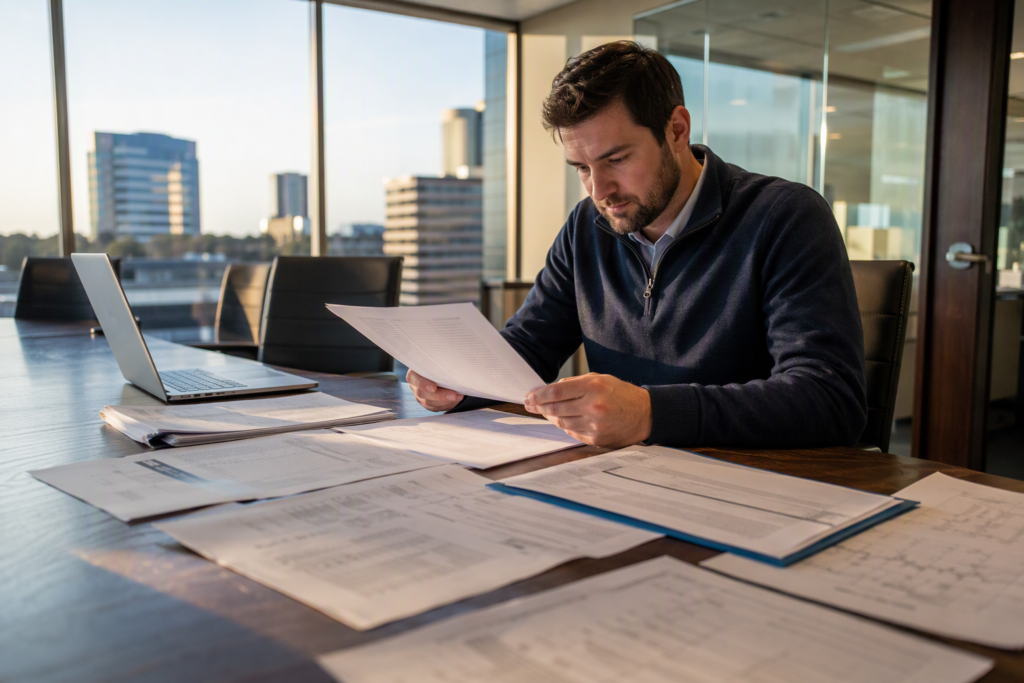
Maintaining a complete and organized compliance record protects building owners in the event of a regulatory audit, insurance review, or liability claim. Key documents to retain include:
- Current Certificate of Operation (must be posted in or near the elevator)
- All inspection reports from QEI inspections, including any deficiency notices
- Records of corrective repairs made in response to deficiency notices
- Maintenance logs and service records
- Permit documentation for any installations or major alterations
- Category test records with dates and results
Some building owners choose to work with their elevator service provider to maintain a centralized compliance file. Carolina Elevator Service supports clients in organizing and tracking this documentation as part of a structured compliance management approach.
—
Contact Carolina Elevator Service for a Free Elevator Assessment
Understanding elevator inspection requirements in South Carolina is the first step — but ensuring your equipment is fully compliant requires professional expertise and a systematic approach. Carolina Elevator Service provides building owners, property managers, and facility directors across South Carolina with the knowledge and services needed to navigate SC LLR requirements, coordinate QEI inspections, and maintain safe, code-compliant elevators.
Whether a Certificate of Operation is approaching expiration, a recent inspection revealed deficiencies, or a new installation or modernization project is on the horizon, Carolina Elevator Service is equipped to help.
Contact Carolina Elevator Service for a free elevator assessment: 803-865-1400
Need elevator service you can rely on? Carolina Elevator Service is ready to help.