Elevator Service in Columbia, SC | Carolina Elevator Service
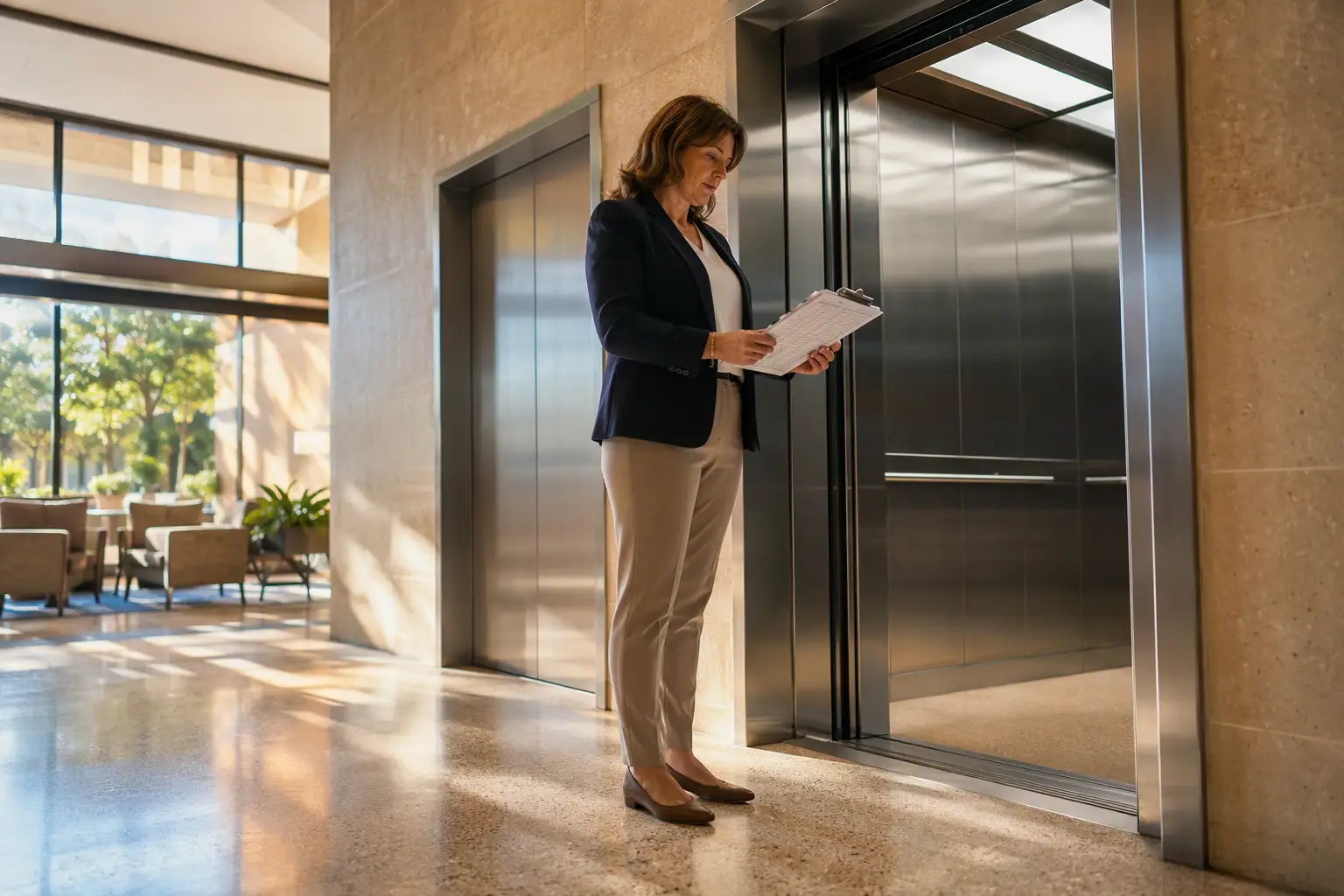
Building owners and facility managers in Columbia, SC who are closing out 2026 and building their 2027 capital plans need to account for a predictable set of elevator-related expenses. South Carolina law places the responsibility for safe, code-compliant elevator operation squarely on the owner, making proactive budgeting the most effective way to avoid unplanned costs, compliance gaps, and equipment downtime in the year ahead.
What elevator line items belong in every 2027 South Carolina capital budget?
Any Columbia property with a commercial elevator should carry the following baseline line items in its 2027 plan:
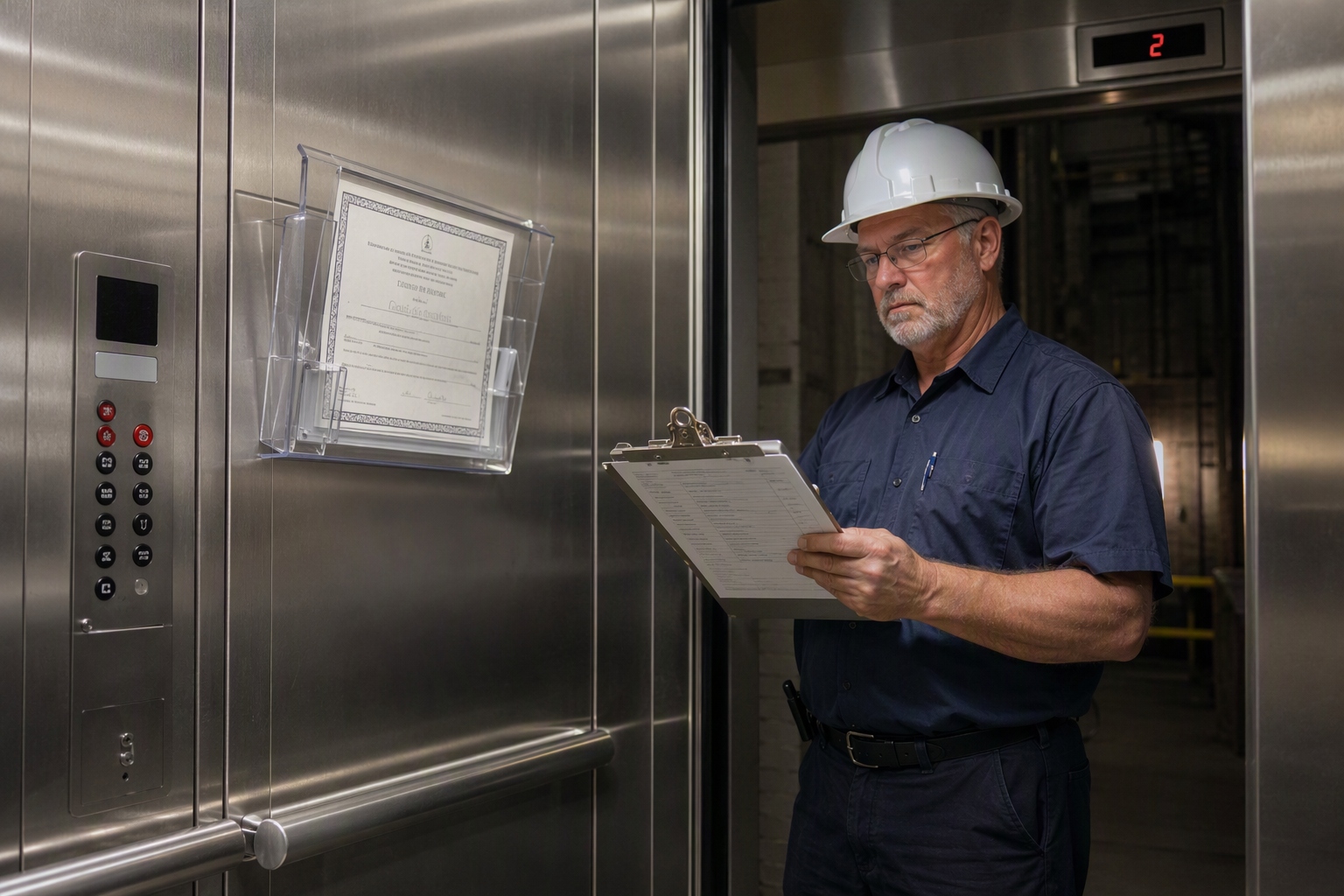
- Annual inspection and operating certificate renewal. Under S.C. Code Title 41, Chapter 16, no elevator facility may operate without a current certificate of registration and an operating certificate from the South Carolina Department of Labor, Licensing and Regulation (LLR), Office of Elevators and Amusement Rides. Elevators must be inspected at least once a year before the certificate is renewed.
- Preventive maintenance contract. Routine lubrication, adjustment, parts replacement, and safety testing keep equipment performing between inspections and reduce the likelihood of costly emergency repairs.
- Repair and modernization reserves. Inspection findings from 2026 may generate a list of required corrections. Budget a contingency for those repairs before the 2027 renewal deadline.
- ADA compliance upgrades. Federal requirements under the Americans with Disabilities Act apply to publicly accessible elevators regardless of the building’s age. Controls, signage, door timing, and cab dimensions are common areas of review.
- Permit fees for any planned alterations. South Carolina requires a state construction permit before any elevator facility is erected, constructed, altered, or installed. If a modernization project is planned for 2027, the permit must precede the work.
What does South Carolina law require for annual elevator inspections?
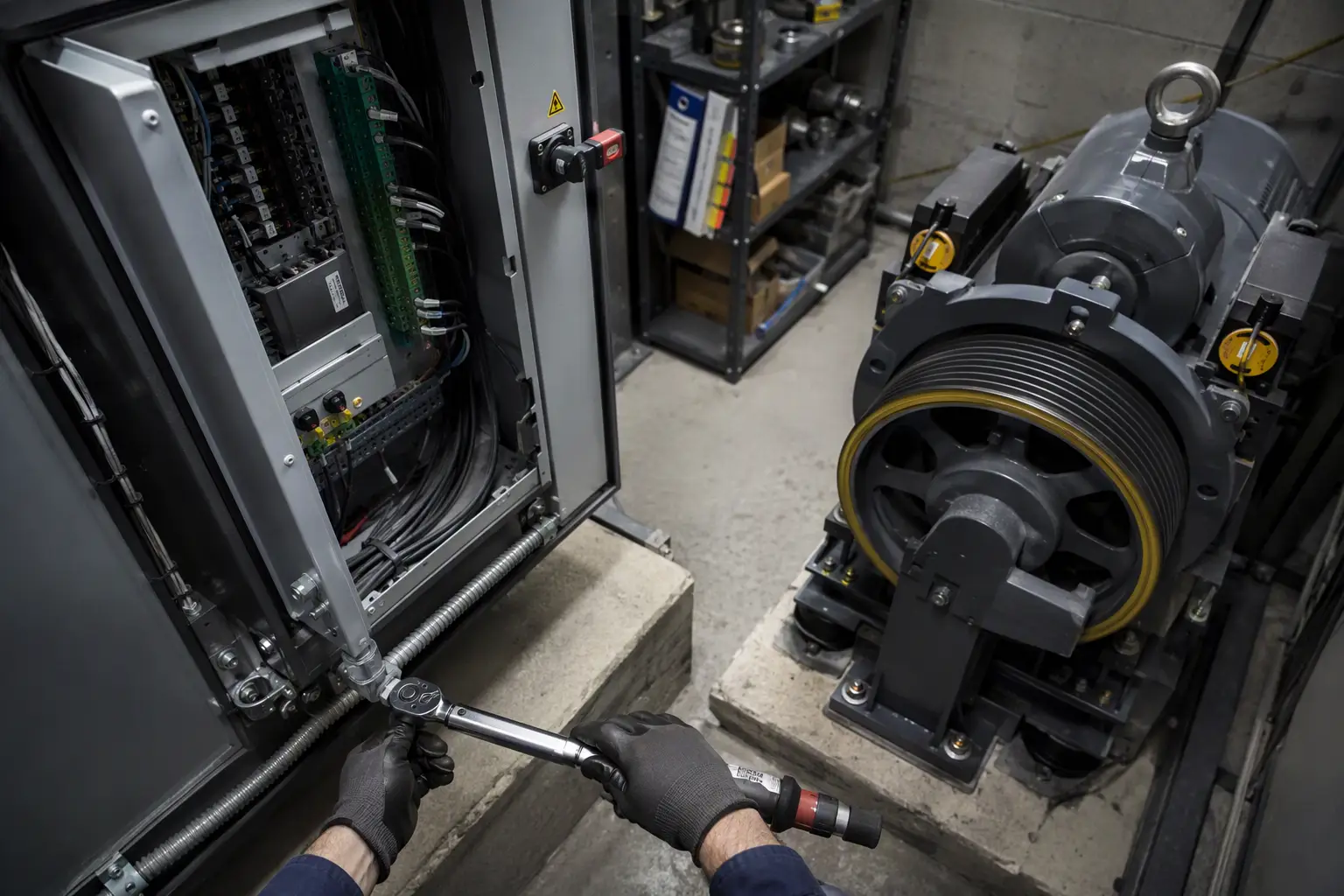
South Carolina requires that standard passenger and freight elevators be inspected at least once a year. Inspections may be conducted only by state inspectors or licensed special inspectors who meet the qualifications set out in the 2018 edition of QEI-1, the American National Standard for Qualification of Elevator Inspectors. A special inspector’s report may be accepted in place of a state inspection, but a special inspector may not inspect any elevator on which the inspector or the inspector’s employer holds a current service or warranty contract. The operating certificate — or a copy — must be displayed conspicuously inside each elevator car at all times.
Are inspection intervals different for non-standard lift equipment?
Yes. South Carolina sets specific inspection cycles for equipment that differs from a standard passenger elevator:
- Handicap lifts — inspected every five years
- Manlifts, television tower elevators, and special purpose elevators — inspected every seven years
- Dumbwaiters — inspected when installed or altered
If your Columbia property includes any of this equipment, confirm where each unit falls in its inspection cycle before finalizing the 2027 budget. A unit coming due in 2027 will need both the inspection and a renewed operating certificate.
What modernization work commonly surfaces during annual inspections?
Inspections conducted under ASME A17.1-2019/CSA B44:19 — the edition adopted by South Carolina — and the existing-elevator safety requirements of the 1986 edition of ANSI A17.3 (applicable to equipment installed before July 1, 1986) frequently identify the following categories of corrective work:
- Door operator and safety edge replacements
- Controller upgrades to current code
- Hydraulic system repairs, including cylinder encasement for underground hydraulic elevators (South Carolina requires plastic outer containment on newly installed underground hydraulic cylinders to limit electrolytic corrosion)
- Firefighters’ service upgrades — new installations in South Carolina must use the five-pin S.C. #1000 key
- Standby power systems — South Carolina requires passenger elevators to carry standby power that runs emergency lighting and the alarm bell for at least four hours if normal power fails
- Cab interior and fixture refurbishment to meet ADA and current code requirements
Each of these items carries its own material and labor cost, and some trigger the permit process described above. Capturing inspection findings early in the year gives the capital plan enough lead time to scope, bid, and schedule work before year-end deadlines.
How should a Columbia facility manager prioritize elevator capital spending?
A practical prioritization framework starts with compliance obligations — items that are legally required before the operating certificate can be renewed — and works outward toward reliability and passenger experience improvements:
- Resolve any open violations or deficiencies cited in the most recent inspection report.
- Confirm that the annual inspection and certificate renewal are scheduled and funded for every elevator unit on the property.
- Review the preventive maintenance log for patterns — repeated callbacks on the same component often signal an impending larger repair.
- Audit ADA compliance of all public-access elevators and document any gaps for remediation.
- Evaluate equipment age and manufacturer support status; controllers and hydraulic systems approaching end-of-support life carry escalating parts costs and downtime risk.
- Obtain written scopes and estimates for any modernization or alteration work so permit timelines can be built into the project schedule.
- Set a capital reserve for emergency repairs — unexpected failures happen, and having a pre-approved budget line avoids lengthy approval delays when a unit goes out of service.
What happens if an elevator is operated without a valid certificate in South Carolina?
Operating an elevator without a current certificate of registration and operating certificate is a violation of S.C. Code Title 41, Chapter 16. The South Carolina Department of Labor, Licensing and Regulation (LLR), Office of Elevators and Amusement Rides, has authority to enforce the statute. Beyond the regulatory exposure, an unlicensed unit that injures a passenger creates significant liability for the property owner. South Carolina also requires that any accident that seriously injures a person other than an employee be reported to the state before the end of the next working day, underscoring the seriousness with which the law treats elevator safety.
Does South Carolina’s elevator code apply to every building type?
The South Carolina Elevator Code does not apply to equipment located in a single private dwelling. All other commercial, multifamily, and public-access properties with vertical transportation equipment fall under the statute. Local ordinances that conflict with the South Carolina Elevator Code or its regulations are void, so municipal rules in Columbia cannot reduce or replace state requirements.
How can Carolina Elevator Service support 2027 capital planning in Columbia, SC?
Carolina Elevator Service works with property owners, facility managers, HOAs, healthcare facilities, commercial office buildings, and hospitality properties across South Carolina. The team provides inspection coordination, preventive maintenance programs, modernization assessments, and repair services — all aligned with South Carolina LLR requirements and the ASME A17.1-2019/CSA B44:19 code adopted by the state. Engaging a qualified service provider before year-end allows owners to enter 2027 with a fully scoped plan, realistic cost estimates, and compliance deadlines already on the calendar.
For properties with emergency service needs, Carolina Elevator Service maintains availability for situations that take units out of service unexpectedly — an important consideration when building a capital reserve line.
Schedule a free consultation with Carolina Elevator Service at 803-865-1400.
Need elevator service you can rely on? Carolina Elevator Service is ready to help.