How to Get a Quote for Decommissioning an Elevator in a Healthcare Facility
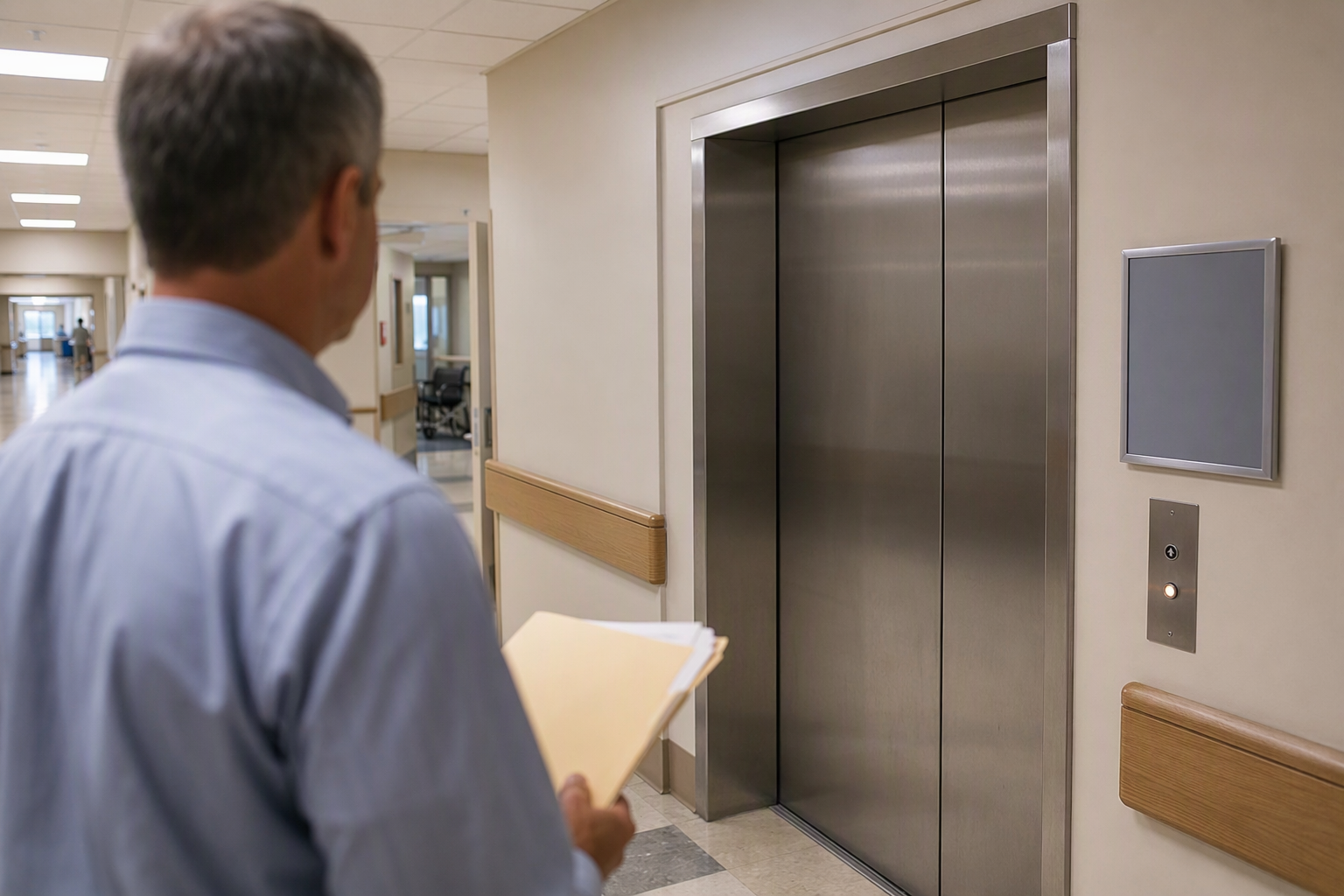
Decommissioning an elevator in a hospital, outpatient clinic, long-term care facility, or medical office building is a regulated process in South Carolina. The procedure involves more than simply shutting down equipment — it requires permit coordination, compliance verification, and careful planning to protect patients, staff, and the public throughout the process. This page explains what healthcare facility managers in Columbia, SC need to know before requesting a quote.
What Does Elevator Decommissioning Mean for a Healthcare Facility?
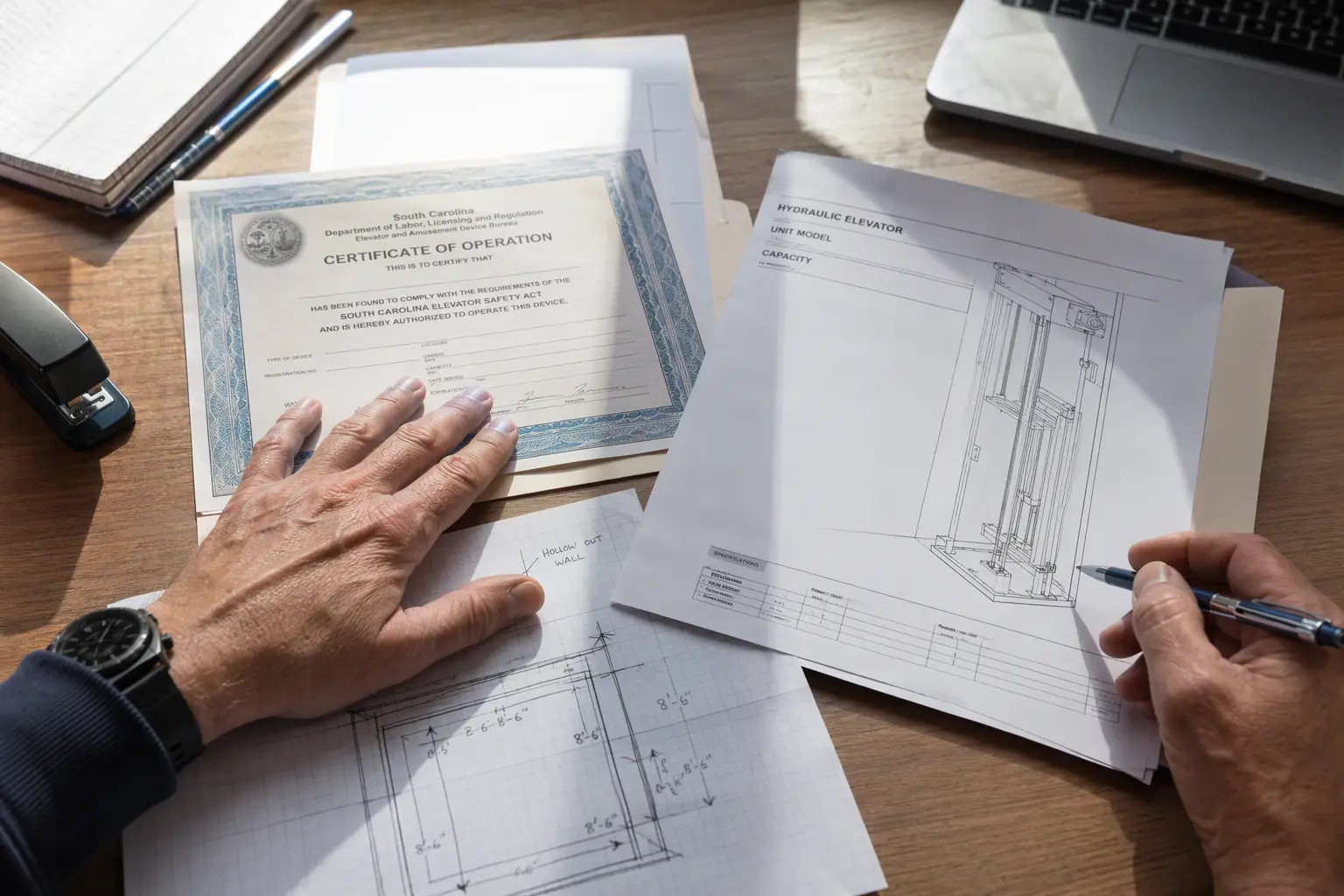
Elevator decommissioning refers to the permanent or temporary removal of an elevator from service. In a healthcare setting, this typically occurs during facility renovations, building repurposing, mergers of hospital campuses, or when aging equipment can no longer be cost-effectively maintained. Decommissioning differs from standard modernization or repair — it ends the operating lifecycle of the unit entirely.
Because healthcare facilities serve patients with mobility limitations, decommissioning also triggers Americans with Disabilities Act (ADA) considerations. If removing an elevator reduces accessible routes to required services, alternate accessible paths must be established before the unit goes offline.
What Information Do You Need Before Requesting a Quote?
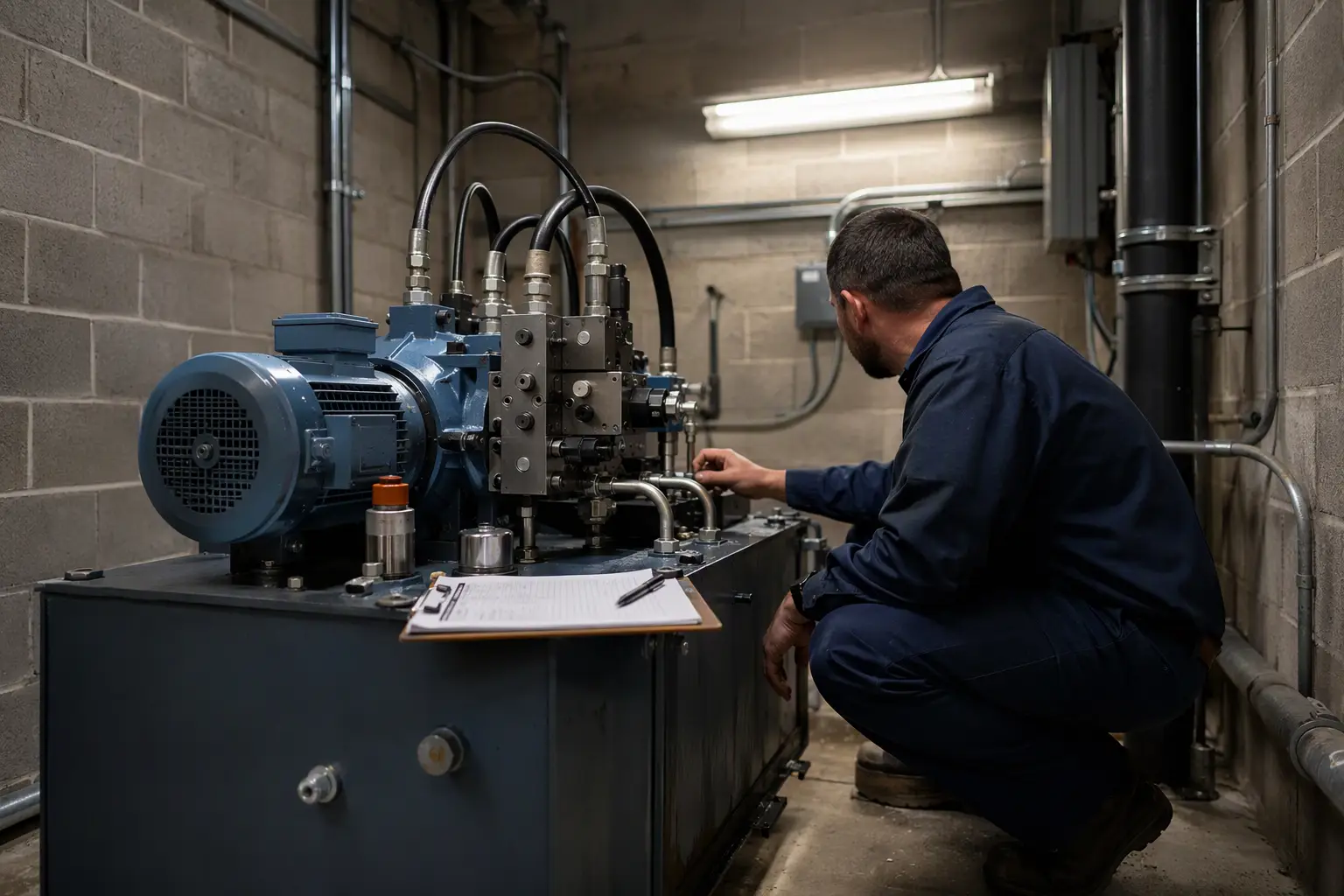
Gathering the right documentation before contacting a service provider speeds up the quoting process and produces a more accurate estimate. Facility managers should prepare the following:
- Current operating certificate: Under S.C. Code Title 41, Chapter 16, no elevator may operate in South Carolina without a valid certificate of registration and an operating certificate. The certificate number and expiration date are required for permit filings.
- Equipment specifications: Unit type (hydraulic, traction, MRL), model, capacity, travel distance, and number of openings.
- Floor plans: Structural drawings showing the hoistway, machine room (if applicable), and pit dimensions.
- Inspection history: Most recent inspection report from a state or special inspector.
- Hazardous material records: Older hydraulic units may contain petroleum-based hydraulic fluid or legacy materials that require compliant disposal.
- Accessibility plan: Documentation of remaining accessible routes if the unit serves floors that must remain ADA-compliant.
What Permits Are Required to Decommission an Elevator in South Carolina?
South Carolina requires a state construction permit before any elevator facility is erected, constructed, altered, or installed. Decommissioning — which constitutes an alteration to the elevator facility — falls under the jurisdiction of the South Carolina Department of Labor, Licensing and Regulation (LLR), Office of Elevators and Amusement Rides. Facilities must not begin physical removal or permanent disconnection work until the appropriate permit has been issued.
South Carolina elevator facilities are governed by S.C. Code of Regulations Chapter 71, Article 5 (Safety Standards for Elevator Facilities), Regulations 71-5000 through 71-5700, and by the ASME A17.1/CSA B44 Safety Code for Elevators and Escalators, 2019 edition, which South Carolina adopted effective July 23, 2021. Work must conform to the edition in effect at the time the permit is issued.
Carolina Elevator Service helps healthcare clients identify which permit filings apply to their specific decommissioning scope and coordinates documentation requirements with the LLR on the facility’s behalf.
How Is a Healthcare Elevator Decommissioning Quote Structured?
A professional quote for healthcare elevator decommissioning typically breaks down into several components:
- Site assessment fee: An on-site inspection to measure the hoistway, evaluate structural conditions, identify hazardous materials, and confirm accessibility impacts.
- Permit and filing costs: State construction permit fees charged by the LLR, plus any administrative costs associated with canceling the operating certificate and certificate of registration.
- Disconnection and removal labor: Mechanical disconnection of the drive system, electrical de-energization, removal of the car, sling, counterweights (for traction units), or hydraulic cylinder (for hydraulic units).
- Hydraulic fluid and materials disposal: Hydraulic elevators require compliant removal of hydraulic fluid. South Carolina regulations additionally require that newly installed underground hydraulic elevator cylinders be encased in plastic outer containment — during decommissioning, the condition of any existing cylinder must be assessed before removal.
- Hoistway infill or sealing: Structural work to close or repurpose the hoistway opening, typically coordinated with a licensed general contractor.
- Final inspection: A close-out inspection confirming that the equipment has been removed and the facility is no longer operating an elevator that requires a certificate.
How Long Does the Decommissioning Process Take for a Hospital or Medical Facility?
The timeline for healthcare elevator decommissioning depends on the complexity of the unit, the facility’s operational constraints, and permit processing times at the LLR. Healthcare environments present unique scheduling challenges: patient transport routes cannot be disrupted without advance planning, and infection control protocols may restrict contractor access to certain floors or hours.
A straightforward hydraulic unit in a small medical office building generally requires less time than a full-capacity traction elevator serving an inpatient hospital floor. Carolina Elevator Service works with healthcare facility operations teams to develop phased decommissioning schedules that minimize disruption to patient care.
What ADA Obligations Apply When Removing a Healthcare Elevator?
The ADA requires that places of public accommodation and commercial facilities — categories that include virtually all healthcare facilities — maintain accessible routes to all areas open to the public. Removing an elevator that serves as the sole accessible means of reaching a floor or department may create an ADA violation unless an equivalent accessible alternative is provided.
Before decommissioning proceeds, the facility’s ADA Coordinator or legal counsel should confirm that all required accessible routes remain available. The quoting process should include an accessibility gap analysis as a standard step.
What ASME Standards Govern the Physical Removal Work?
Physical removal and alteration of elevator equipment in South Carolina must conform to the ASME A17.1/CSA B44 Safety Code for Elevators and Escalators, 2019 edition, the edition South Carolina has adopted. This standard establishes safety requirements for elevator construction, alteration, inspection, testing, maintenance, and repair. Any alteration — including decommissioning — triggers inspection requirements under both the ASME standard and South Carolina’s annual inspection and certificate renewal framework.
South Carolina also requires that inspections be performed only by state inspectors or licensed special inspectors who hold qualifications consistent with the 2018 edition of QEI-1, the American National Standard for Qualification of Elevator Inspectors. Importantly, a special inspector may not inspect an elevator on which the inspector or the inspector’s employer has a current service or warranty contract.
Questions Your Inspector Will Ask
When a South Carolina LLR or special inspector reviews a decommissioning project, expect the following questions to arise during the permit or close-out inspection process:
- Is a valid state construction permit on file for this alteration?
- Has the operating certificate and certificate of registration been formally surrendered or marked for cancellation?
- Has hydraulic fluid been removed and disposed of in compliance with applicable environmental requirements?
- For hydraulic units: has the cylinder been assessed and removed in a manner that addresses electrolytic corrosion risk?
- Has the hoistway been structurally secured to prevent falls or unauthorized access?
- Have all electrical disconnects been de-energized and locked out per OSHA lockout/tagout standards?
- Are accessible routes to all required areas still intact and ADA-compliant following the removal?
- Has the facility retained documentation of the decommissioning for its records?
- If the facility has standby power systems connected to the elevator, have those connections been safely isolated? (South Carolina requires passenger elevators to have standby power capable of running emergency lighting and the alarm bell for at least four hours.)
How Do Annual Inspection Requirements Affect Decommissioning Timing?
South Carolina requires elevators to be inspected at least once a year before the operating certificate is renewed. If a healthcare facility is approaching its annual inspection date and also planning decommissioning, coordinating the timing can avoid unnecessary renewal fees. Carolina Elevator Service advises facility managers on how to align decommissioning permit filings with the facility’s existing inspection and certificate cycle to reduce administrative overhead.
Are There Special Considerations for Older Healthcare Elevators?
South Carolina elevator facilities that were in operation before July 1, 1986, must comply with the 1986 edition of ANSI A17.3, the safety code for existing elevators and escalators. Many older hospital buildings in Columbia still have equipment from this era. During decommissioning, inspectors may reference these legacy code requirements when evaluating the original installation and any subsequent alterations. A thorough site assessment will identify which code edition governs the existing equipment’s history.
What Should a Healthcare Facility Ask When Comparing Decommissioning Vendors?
When evaluating proposals from elevator service companies, healthcare facility managers should ask each vendor the following questions:
- Does your company handle the LLR permit application, or is that the facility’s responsibility?
- How do you coordinate with the facility’s infection control and patient safety teams during physical removal?
- Does your quote include hydraulic fluid disposal and documentation?
- Who performs the close-out inspection, and how is inspector independence confirmed under South Carolina’s special inspector conflict-of-interest rule?
- How do you handle discovery of unexpected structural or hazardous material conditions during removal?
- What documentation will the facility receive at project completion?
Carolina Elevator Service serves healthcare clients across the Columbia, SC area and structures its quoting process to address each of these considerations transparently.
How Do You Get a Quote from Carolina Elevator Service?
The process of obtaining a decommissioning quote from Carolina Elevator Service begins with a free elevator assessment. During the assessment, a qualified team member visits the facility, reviews the equipment and hoistway, confirms the unit’s current permit and certificate status with the LLR, and identifies any ADA or ASME compliance considerations specific to the healthcare environment. The written quote produced following the assessment itemizes each scope component so facility administrators can present a clear cost breakdown for capital planning or budget approval purposes.
Because healthcare facilities operate under strict regulatory scrutiny — from The Joint Commission, state health licensing agencies, and federal conditions of participation — having documented compliance throughout the decommissioning process protects the facility in the event of future audits or accreditation reviews. Carolina Elevator Service provides the documentation trail healthcare clients need.
Ready to Start the Decommissioning Process?
Contact Carolina Elevator Service for a free elevator assessment. A qualified team member will visit your Columbia, SC healthcare facility, review your equipment and compliance status, and provide a transparent written quote covering every phase of the decommissioning process — from LLR permit filing through final close-out inspection.
Call Carolina Elevator Service today: 803-865-1400
Need elevator service you can rely on? Carolina Elevator Service is ready to help.