Elevator Service in Columbia, SC | Carolina Elevator Service
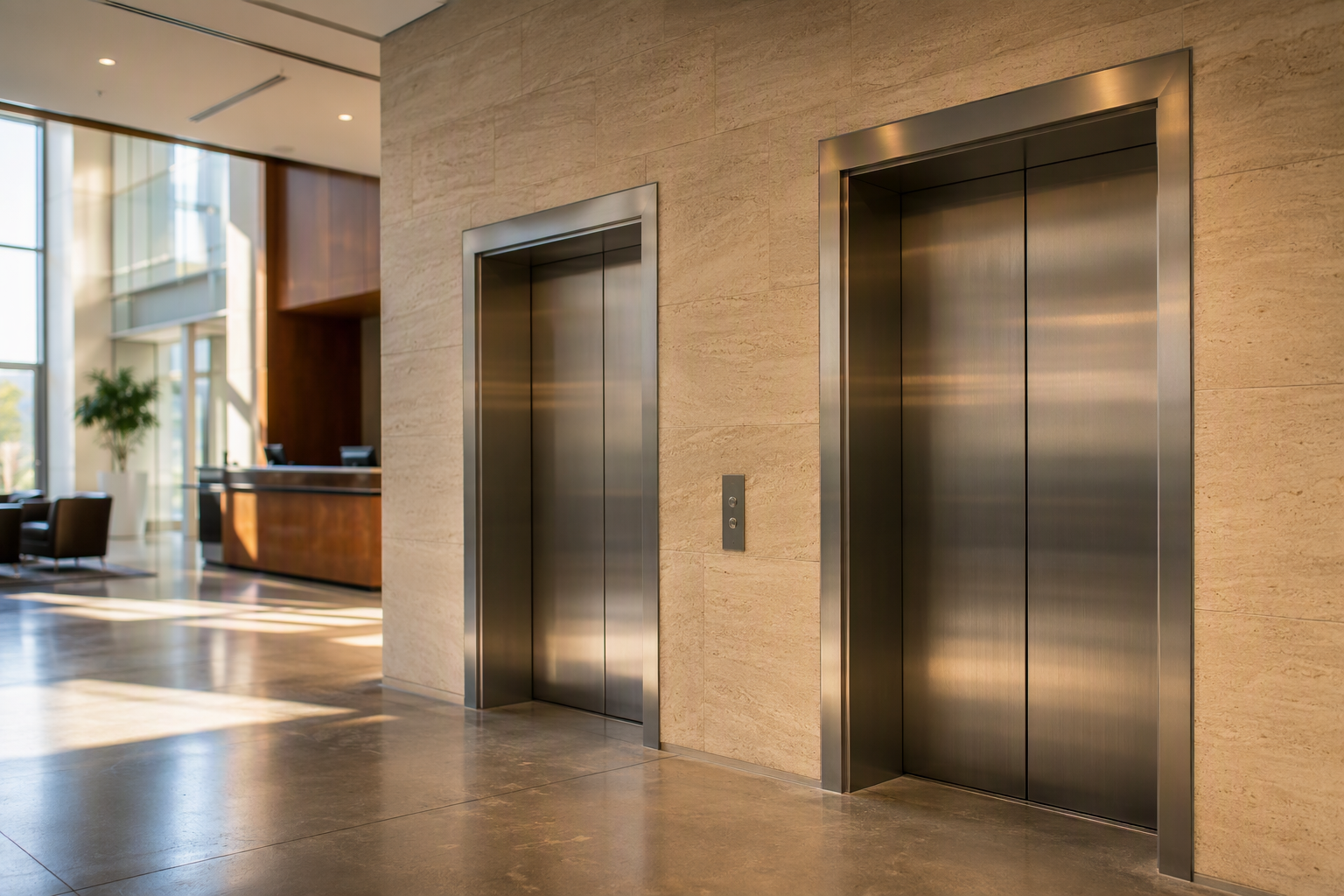
Commercial elevators are long-term capital investments, but they are not indefinite. Understanding when a unit has reached the end of its practical service life — versus when targeted repairs or phased modernization can extend it — is one of the most consequential decisions a Columbia, SC building owner or property manager will make. Carolina Elevator Service helps commercial property owners across South Carolina navigate that decision with clarity, code compliance, and a focus on long-term value.
—
How Long Does a Commercial Elevator Typically Last Before It Needs to Be Replaced or Fully Modernized?
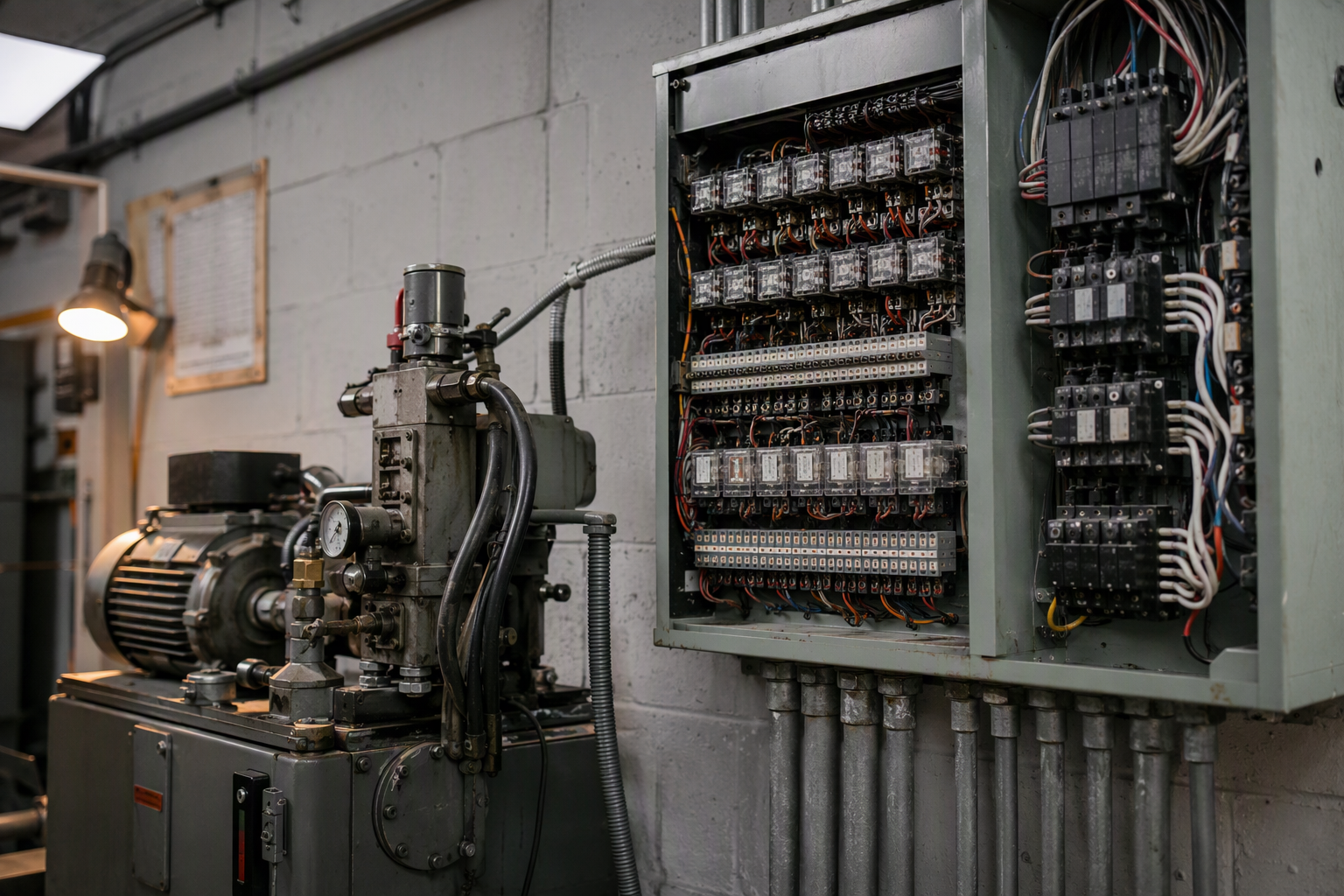
Most commercial elevators have a practical service life of roughly 20 to 25 years under normal operating conditions and with consistent preventive maintenance. However, “lifespan” in the elevator industry is not a hard expiration date — it is better understood as the window during which major systems begin to approach obsolescence simultaneously. After that threshold, the cost of continued reactive repairs frequently outpaces the investment of a structured modernization or replacement.
Several variables determine where any specific unit falls on that spectrum:
- Maintenance consistency: Elevators that receive regular, documented preventive maintenance consistently outlast units that operate on a break-fix model.
- Usage volume: A hydraulic elevator in a two-story medical office serves very different demands than a traction elevator in a high-traffic Columbia hotel or mixed-use development.
- Equipment type: Hydraulic, geared traction, gearless traction, and machine-room-less (MRL) elevators each have different component lifespans and modernization pathways.
- Parts availability: Once a manufacturer discontinues a product line, sourcing components becomes costly and time-consuming, which often accelerates the modernization timeline.
- Code compliance: South Carolina elevator law requires owners to keep every elevator facility in safe operating condition and in line with state regulations. As codes evolve, older units may require upgrades to maintain a valid operating certificate.
—
What Are the Key Signs That a Commercial Elevator Needs Modernization Rather Than Routine Repair?
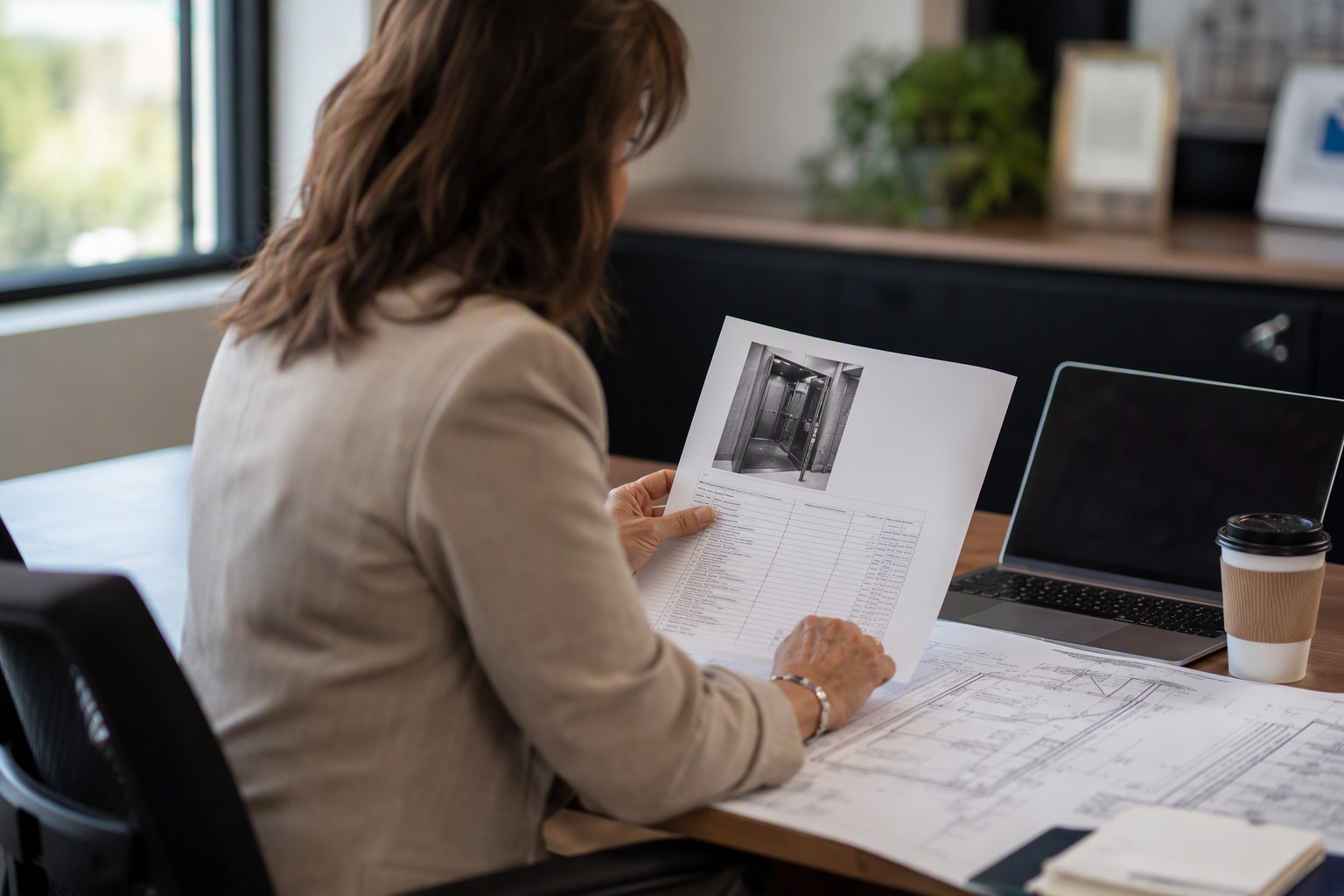
Modernization is warranted — not just recommended — when multiple systems are failing at or near the same time. Common indicators include:
- Frequent callbacks and unplanned outages that disrupt building operations
- Obsolete or discontinued control systems for which replacement parts are no longer manufactured
- Aging hydraulic cylinders, particularly single-bottom cylinders installed before environmental containment standards
- Outdated cab interiors and accessibility features that no longer meet Americans with Disabilities Act (ADA) requirements
- Persistent leveling problems that create a trip hazard at the landing
- Inability to pass annual state inspections or maintain a valid operating certificate
- Rising energy consumption compared to modern variable-frequency drive systems
When two or more of these conditions are present simultaneously, a full modernization assessment is typically more cost-effective than continuing to replace individual components piecemeal.
—
What Does South Carolina Law Require Regarding Elevator Inspections and Operating Certificates?
Commercial elevator compliance in South Carolina is governed by S.C. Code Title 41, Chapter 16 (South Carolina Elevator Code), administered by the South Carolina Department of Labor, Licensing and Regulation (LLR), Office of Elevators and Amusement Rides.
Key compliance requirements every Columbia building owner should understand include:
- No elevator facility may be operated without both a certificate of registration and an operating certificate issued by the state.
- Commercial passenger elevators must be inspected at installation, registration, alteration or repair, and at least once every year before the operating certificate is renewed.
- The operating certificate — or a legible copy — must be displayed conspicuously inside each elevator car at all times.
- A state construction permit is required before any elevator facility is erected, constructed, altered, or installed.
- Required inspections may be conducted only by state inspectors or licensed special inspectors; a special inspector’s inspection may be accepted in place of a state inspection.
- Special inspectors must demonstrate qualifications under the 2018 edition of QEI-1, the American National Standard for Qualification of Elevator Inspectors.
- A special inspector may not inspect an elevator on which the inspector or the inspector’s employer holds a current service or warranty contract.
- Accidents that seriously injure anyone other than an employee must be reported to the state before the end of the next working day.
South Carolina has adopted the ASME A17.1/CSA B44 Safety Code for Elevators and Escalators, 2019 edition, effective as of July 23, 2021. New installations must comply with the edition in effect when the permit is issued. Elevator facilities in operation before July 1, 1986 must comply with the 1986 edition of ANSI A17.3, the safety code for existing elevators and escalators.
—
What Is the Difference Between Elevator Modernization and Full Replacement?
These terms are often used interchangeably, but they represent meaningfully different scopes of work:
Modernization involves upgrading major systems — controls, drives, door operators, cab finishes, safety devices — while retaining the existing hoistway and structural components. Modernization is often the most cost-effective path for units with a sound hoistway and structural shell but aging or obsolete mechanical and electrical systems.
Full replacement involves removing all equipment and installing a new elevator system, sometimes with modifications to the hoistway itself. Replacement is typically warranted when the hoistway requires structural correction, when the equipment type is being changed (for example, converting from hydraulic to traction), or when modernization costs approach or exceed the cost of a new installation.
A structured assessment by a qualified elevator service provider — including a review of maintenance records, inspection history, and component age — is the appropriate starting point before committing to either path.
—
Do Underground Hydraulic Cylinders Have a Separate Compliance Consideration in South Carolina?
Yes. South Carolina code specifically requires that newly installed underground hydraulic elevator cylinders be encased in a plastic outer containment to limit electrolytic corrosion. Older single-bottom hydraulic cylinders that predate modern environmental standards are a well-documented modernization driver, both because of corrosion risk and because of the difficulty in sourcing compatible replacement parts as those units age.
Building owners with older hydraulic elevators should discuss cylinder condition and containment compliance with their service provider as part of any long-term planning conversation.
—
What Happens to Code Compliance During a Modernization Project?
Modernization is classified as an alteration under South Carolina elevator law, which means a state construction permit is required before work begins, and the altered equipment must be inspected before it returns to service. The inspected systems must comply with the currently adopted edition of ASME A17.1, which in South Carolina is the 2019 edition.
This is an important planning consideration: a modernization project is an opportunity to bring an older unit into full current-code compliance, but it also means that altered components will be held to the current standard rather than the standard that applied when the elevator was originally installed.
Carolina Elevator Service helps Columbia-area property owners plan modernization scopes that satisfy state permitting requirements and position the elevator for a new, extended service cycle.
—
What Should a Columbia Property Owner Do When an Elevator Reaches End-of-Life?
- Gather maintenance and inspection records. Compile all available service logs, annual inspection certificates, and repair invoices. This documentation reveals the history of the unit and identifies recurring failure patterns.
- Commission a condition assessment. A qualified elevator service provider should evaluate the mechanical room or machine space, controller, drive, door systems, cab, hoistway, and — for hydraulic units — the cylinder and piping.
- Confirm current compliance status. Verify that the unit holds a valid operating certificate from the South Carolina Department of Labor, Licensing and Regulation (LLR) and that the certificate is posted inside the cab.
- Evaluate modernization versus replacement costs. Using the condition assessment, compare the projected cost of modernization against the cost of full replacement, accounting for hoistway condition, parts availability, and projected service life of each option.
- Obtain a state construction permit before work begins. Any alteration or new installation requires a permit from the LLR Office of Elevators and Amusement Rides prior to commencement of work.
- Schedule post-completion inspection. Arrange the required inspection before the unit returns to service so the operating certificate can be renewed without delay.
—
How Does Carolina Elevator Service Support Columbia, SC Buildings Through Modernization and Replacement?
Carolina Elevator Service provides commercial elevator maintenance, repair, modernization, and installation services across South Carolina, including Columbia and the surrounding Midlands region. The team works with a broad range of commercial property types — office buildings, healthcare facilities, hospitality properties, government buildings, and multi-family residential developments.
Services are structured to support building owners at every phase of an elevator’s lifecycle: from preventive maintenance programs designed to extend service life, to condition assessments that inform capital planning, to full modernization and replacement projects managed in compliance with South Carolina elevator law and the adopted ASME A17.1 Safety Code.
For buildings where elevator downtime has operational or safety implications, Carolina Elevator Service maintains availability for emergency service needs. Property owners are encouraged to discuss service coverage and response protocols directly when establishing a service relationship.
Carolina Elevator Service is also familiar with ADA and OSHA requirements as they intersect with elevator accessibility and workplace safety, helping ensure that modernization projects address the full compliance picture — not only the state elevator code.
—
Schedule a Free Consultation
If your Columbia, SC commercial elevator is approaching or past its typical service horizon, or if recurring repairs are becoming a recurring budget concern, Carolina Elevator Service can help you assess your options and develop a clear plan. Contact the team today to schedule a free consultation.
Call Carolina Elevator Service: 803-865-1400
Carolina Elevator Service — Elevator Maintenance, Modernization, and Installation Across South Carolina.
Need elevator service you can rely on? Carolina Elevator Service is ready to help.