Do Elevator Service Companies Handle Residential In-Home Elevators, or Only Commercial Elevators? A Complete FAQ Guide
Elevator service companies that hold the proper certifications and training routinely service both residential and commercial elevator systems. Whether a homeowner in Columbia, SC is considering a new in-home lift or a property manager oversees a multi-story office building, the same core disciplines — installation, maintenance, inspection, and repair — apply. What changes is the governing code, the inspection frequency, the equipment type, and the regulatory path required by South Carolina law. This FAQ hub answers every key question a property owner, builder, or facility manager needs to understand before engaging an elevator service provider in 2026.
Do elevator service companies work on residential home elevators or only commercial units?
Qualified elevator service companies work on both residential and commercial elevator systems, and in South Carolina, regulatory requirements determine which properties fall under state oversight and which do not.
The distinction matters because South Carolina regulates nearly all elevator facilities in commercial, multi-family, and public-access buildings, while applying a specific exemption for equipment installed in a single private dwelling. Under S.C. Code Title 41, Chapter 16 (South Carolina Elevator Code), the state’s elevator regulations do not apply to equipment in a single private dwelling. This means a private homeowner is not bound to the same certificate-of-registration and annual-inspection requirements that a hotel or office building faces — but it does not mean the equipment is safe to operate without professional service.
Responsible elevator service providers extend their expertise to residential clients even when state inspections are not mandated, because the same mechanical failure modes — worn cables, hydraulic leaks, faulty safeties — exist regardless of whether the elevator sits in a private home or a downtown Columbia office tower. Carolina Elevator Service works with both residential and commercial clients throughout the Columbia, SC market, applying the same technical standards to every system it services.
What types of residential elevator systems can a service company maintain?
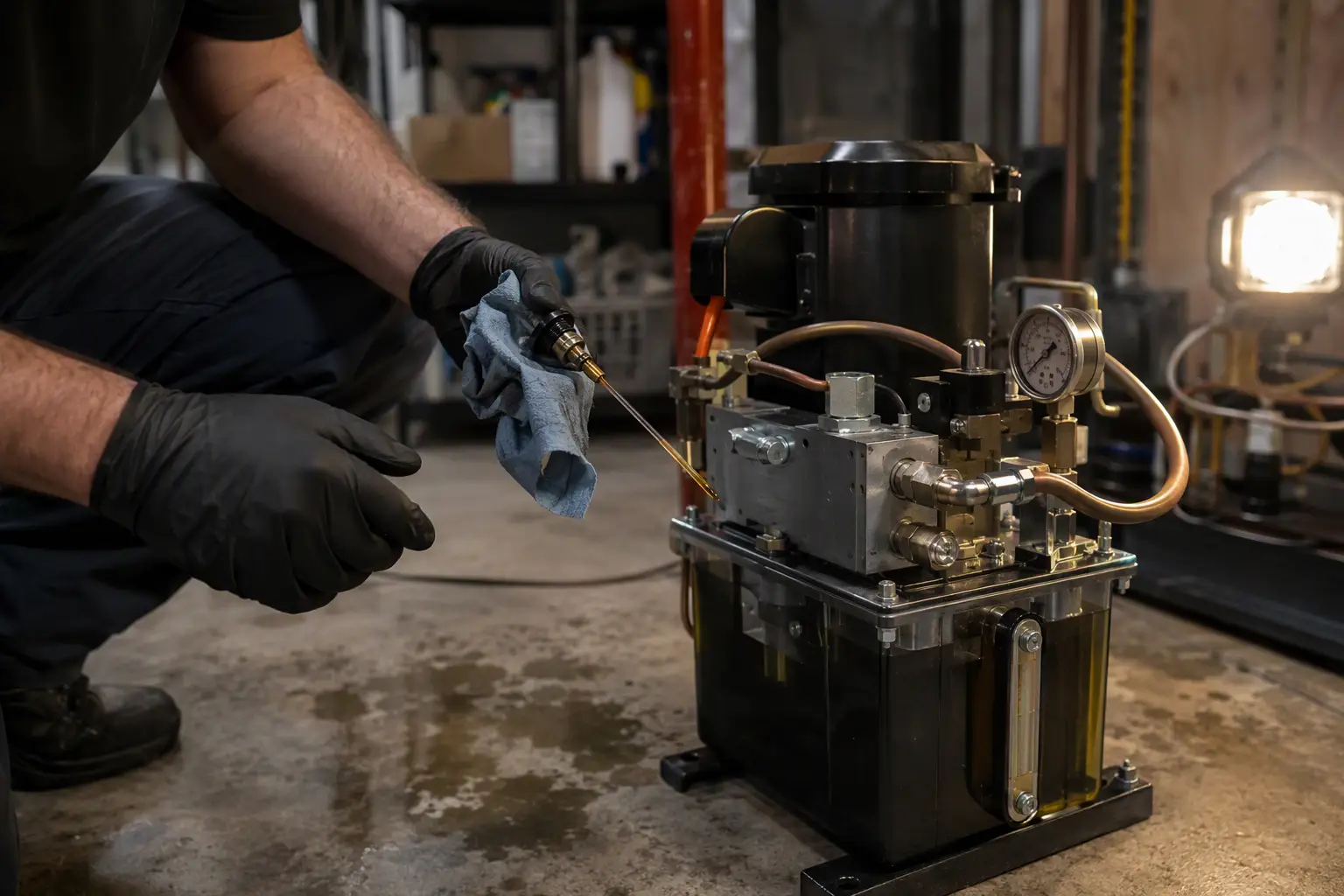
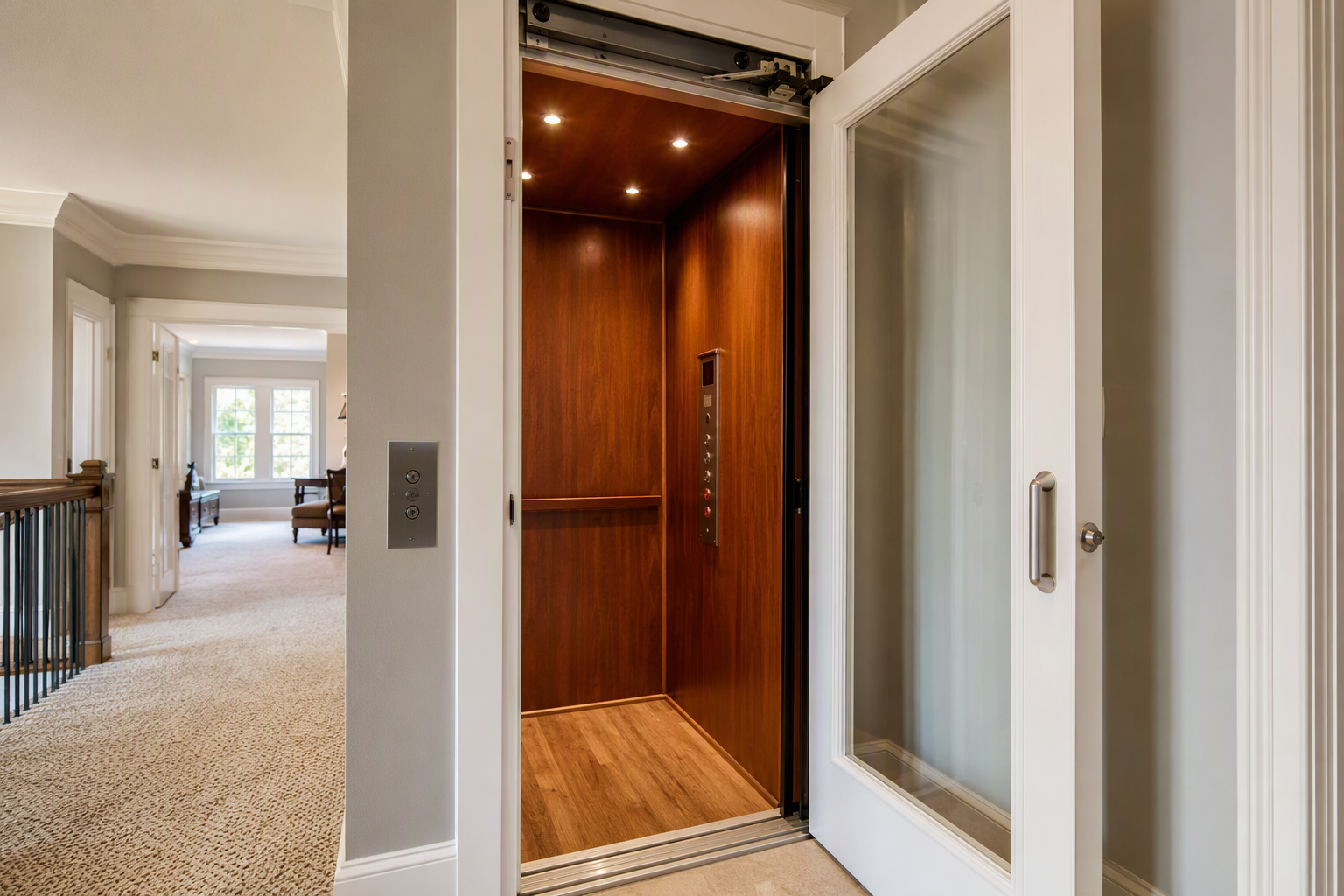
Residential elevator service companies typically maintain hydraulic home elevators, cable-driven traction units, pneumatic (air-driven) elevators, and platform or inclined wheelchair lifts designed for private residences.
Each system type has distinct maintenance needs. Hydraulic residential elevators require periodic fluid checks, cylinder inspections, and monitoring for underground cylinder corrosion — a concern South Carolina specifically addresses by requiring that newly installed underground hydraulic cylinders be encased in plastic outer containment to limit electrolytic corrosion. Traction units require rope or belt inspections, counterweight checks, and controller testing. Pneumatic elevators depend on airtight tube integrity and vacuum pump condition. Platform lifts involve drive mechanism lubrication, travel limit adjustments, and safety interlock verification.
A capable service provider assesses each system against the manufacturer’s maintenance schedule and, where the installation falls under state jurisdiction, against the requirements of the ASME A17.1/CSA B44 Safety Code for Elevators and Escalators — the 2019 edition of which South Carolina adopted effective July 23, 2021.
What types of commercial elevator systems do service companies handle?
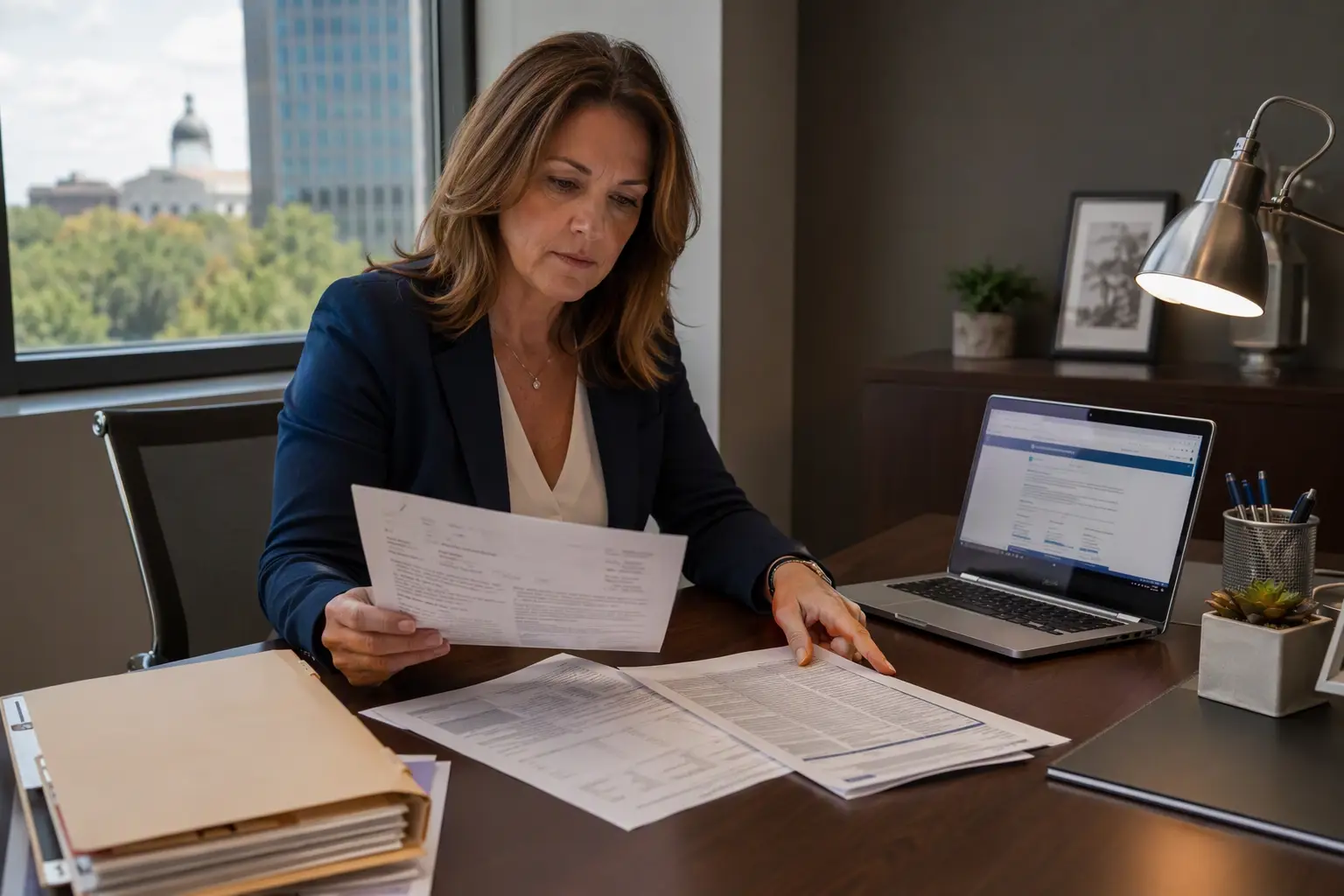
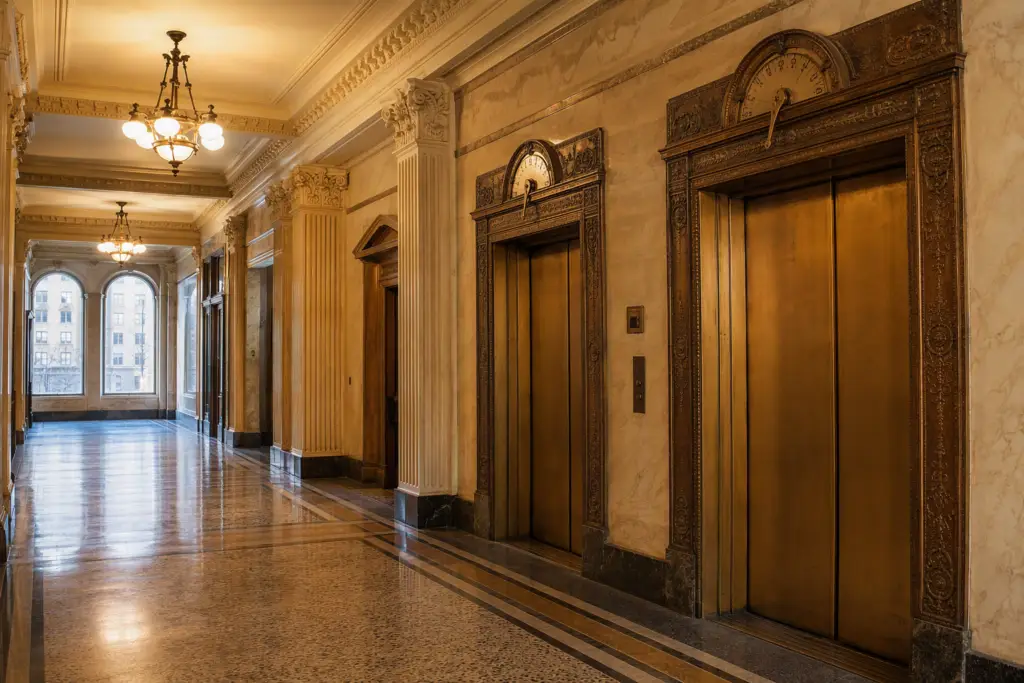
Commercial elevator service encompasses traction passenger elevators, hydraulic freight elevators, escalators, moving walks, dumbwaiters, manlifts, and special-purpose elevators in offices, retail centers, hospitals, hotels, and multi-family residential buildings.
South Carolina’s adopted edition of ASME A17.1-2019/CSA B44:19 governs new commercial installations, while facilities in operation before July 1, 1986 must comply with the 1986 edition of ANSI A17.3, the safety code for existing elevators and escalators. Commercial systems require an operating certificate issued by the South Carolina Department of Labor, Licensing and Regulation (LLR), Office of Elevators and Amusement Rides, and that certificate — or a copy — must be displayed conspicuously inside each elevator car. Carolina Elevator Service assists commercial property owners throughout the Columbia area in meeting every step of this compliance pathway.
How are inspection requirements different for residential versus commercial elevators in South Carolina?
In South Carolina, commercial and public-access elevators require at minimum an annual inspection before operating certificates are renewed, while equipment in a single private dwelling is exempt from the state’s inspection mandate entirely.
South Carolina requires elevators to be inspected at installation, registration, alteration or repair, and at least once a year after that before the operating certificate is renewed. For other regulated lift categories, the state applies different intervals: handicap lifts are inspected every five years; manlifts, television tower elevators, and special purpose elevators every seven years; and dumbwaiters are inspected when installed or altered. These intervals reflect the South Carolina Elevator Code (S.C. Code Title 41, Chapter 16) and the associated S.C. Code of Regulations Chapter 71, Article 5, Regulations 71-5000 through 71-5700.
For private home elevator owners who are exempt from mandatory state inspections, periodic voluntary maintenance inspections by a qualified service provider remain the prudent standard — because mechanical wear does not respect regulatory boundaries.
Who is authorized to conduct elevator inspections in South Carolina?
In South Carolina, required elevator inspections may be performed only by state inspectors employed by the LLR or by licensed special inspectors who meet the qualification standards set out in the 2018 edition of QEI-1, the American National Standard for Qualification of Elevator Inspectors.
A special inspector’s inspection may be accepted in place of a state inspection. However, South Carolina law imposes an important independence requirement: a special inspector may not inspect an elevator on which the inspector or the inspector’s employer has a current service or warranty contract. This conflict-of-interest rule ensures inspections remain objective. Property owners should confirm that their inspection provider and their service provider are appropriately independent where required by statute.
Does South Carolina require a permit before installing a residential or commercial elevator?
Yes — in South Carolina, a state construction permit is required before any elevator facility is erected, constructed, altered, or installed, with the noted exception that the South Carolina Elevator Code does not apply to equipment in a single private dwelling.
For commercial and multi-family installations, the permit process is initiated through the South Carolina Department of Labor, Licensing and Regulation (LLR), Office of Elevators and Amusement Rides. New elevator facilities must comply with the officially adopted edition of ASME A17.1 in effect when the permit is issued — which, for permits issued after the July 23, 2021 effective date, means ASME A17.1-2019/CSA B44:19. No elevator facility may be operated in South Carolina without both a certificate of registration and an operating certificate from the state.
What is the difference between a home elevator and a residential platform lift?
A home elevator is a fully enclosed cab that travels in a hoistway between floors, while a residential platform lift (sometimes called a vertical platform lift or stair lift) is an open or partially enclosed platform designed for accessibility rather than general passenger travel.
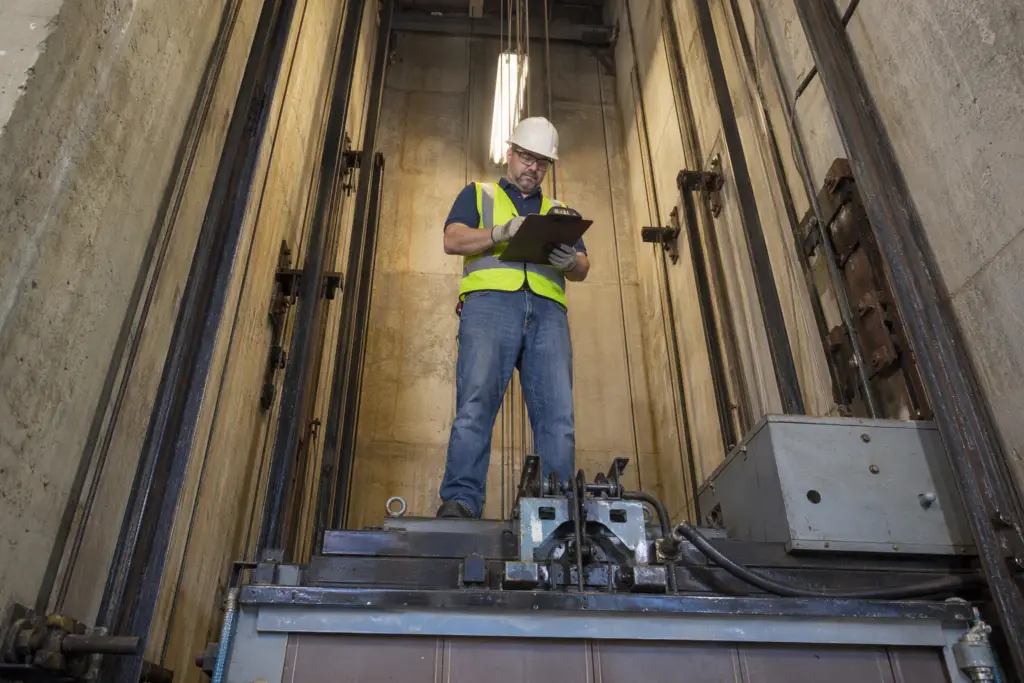
From a service perspective, home elevators are more mechanically complex, requiring hoistway inspections, governor and safety device testing, and pit and overhead clearance verification consistent with ASME A17.1 standards. Platform lifts are mechanically simpler but require careful attention to safety interlocks, load-sensing devices, and obstruction sensors. Both types benefit from scheduled maintenance, and both are within the scope of a full-service elevator company. When a platform lift is installed in a facility that falls under South Carolina jurisdiction (rather than a single private dwelling), state requirements for handicap lifts — including the five-year inspection interval — apply.
How does ADA compliance apply to residential and commercial elevator installations?
The Americans with Disabilities Act (ADA) applies to places of public accommodation and commercial facilities — not to private single-family residences — so ADA elevator standards are a commercial and multi-family compliance matter rather than a private homeowner obligation.
For commercial buildings in Columbia, SC, ADA requirements govern minimum cab dimensions, door clear width, control panel height, floor designation Braille markings, audible signals, and leveling accuracy. A service provider experienced in commercial elevator compliance will audit these elements during maintenance visits and flag deficiencies before they become enforcement issues. While ADA does not compel a private homeowner to install or modify a home elevator, many homeowners choose to apply ADA dimensional guidelines voluntarily to ensure their home remains accessible as mobility needs evolve.
What should a homeowner look for when choosing an elevator service company?
A homeowner selecting an elevator service company should prioritize technical competence with their specific equipment type, familiarity with the manufacturer’s maintenance protocols, and the ability to source genuine replacement parts promptly.
Additional factors worth evaluating include whether the company’s technicians carry any nationally recognized credentials relevant to elevator work, whether the company has experience with both residential and commercial systems (a sign of broader technical depth), and whether the company can provide a written maintenance scope outlining exactly which components are covered and on what schedule. In South Carolina, where local ordinances that conflict with the South Carolina Elevator Code are void, working with a service provider who understands state-level regulatory requirements is particularly valuable for any installation that falls under LLR jurisdiction — including multi-unit residential buildings.
What routine maintenance tasks does a residential elevator require?
Routine residential elevator maintenance typically involves lubricating moving components, testing safety devices and interlocks, inspecting hydraulic fluid levels and hose integrity, verifying door operator function, checking electrical connections and controller boards, and confirming that the cab levels accurately at each landing.
The specific maintenance schedule depends on the drive type and the manufacturer’s recommendations. As a general discipline, a qualified service technician should visit the system at intervals determined by usage volume and manufacturer specification. In a private home where the elevator sees relatively low daily cycles, annual or semi-annual service visits are a commonly applied baseline — but the equipment’s condition at each visit should drive the actual service interval, not a fixed calendar alone. Carolina Elevator Service applies this assessment-based approach to every residential system it services in the Columbia area.
What happens if a commercial elevator fails inspection in South Carolina?
If a commercial elevator fails inspection in South Carolina, the operating certificate may be withheld or revoked, and the elevator may not legally be operated until the deficiencies are corrected and a passing inspection is completed.
Under S.C. Code Title 41, Chapter 16, the owner carries the affirmative obligation to keep every elevator facility in safe operating condition and in line with state regulations. Following a failed inspection, the owner must arrange for necessary repairs through a qualified service provider, then coordinate re-inspection. The timeline depends on the severity of the deficiency and part availability. Proactive maintenance is the most effective way to avoid a failed inspection — catching deteriorating components during a scheduled visit is far less disruptive than an emergency shutdown and regulatory action. Facilities managers in Columbia can contact Carolina Elevator Service for a comprehensive pre-inspection maintenance assessment.
What is the process for getting a new elevator installed in a Columbia, SC building?
- Determine the equipment type appropriate for the building’s traffic requirements, structural constraints, and budget.
- Engage a qualified elevator contractor to prepare construction drawings and specifications consistent with ASME A17.1-2019/CSA B44:19.
- Submit an application for a state construction permit through the South Carolina Department of Labor, Licensing and Regulation (LLR), Office of Elevators and Amusement Rides, before any installation work begins.
- Complete the installation in accordance with the approved permit and the adopted code edition.
- Schedule a state or qualified special inspector to perform the required installation inspection — noting that the inspecting party must not have a current service or warranty contract on the equipment.
- Obtain the certificate of registration and operating certificate from the LLR.
- Post the operating certificate (or a copy) conspicuously inside the elevator car before placing the unit in service.
- Establish a recurring maintenance and annual inspection program to keep the operating certificate current.
How does standby power affect elevator operation in South Carolina?
South Carolina requires passenger elevators to have standby power capable of running emergency lighting and the alarm bell for at least four hours if normal power fails.
This requirement protects building occupants from entrapment in the event of a power outage. During routine maintenance, a qualified technician should test the standby power system to verify that the battery or generator source can sustain the required duration and that the alarm bell and emergency lighting function correctly under standby conditions. This is not an optional courtesy check — it is a compliance element that an inspector will verify. Elevator service providers who understand South Carolina’s specific standby power requirement build this test into their standard maintenance protocols.
What is the role of firefighters’ service requirements, and does it apply to residential elevators?
Firefighters’ service (also called fire service recall) is a code-required feature on regulated elevators that allows emergency personnel to commandeer elevator operation during a fire event; in South Carolina, new installations must use the five-pin S.C. #1000 key for this function.
Firefighters’ service requirements under ASME A17.1 apply to regulated elevator installations — commercial buildings, multi-family residential buildings, and similar facilities subject to LLR oversight. Because the South Carolina Elevator Code does not apply to equipment in a single private dwelling, private home elevators are not subject to this specific statutory key requirement, though some home elevator manufacturers incorporate fire recall features voluntarily. Service technicians verify that firefighters’ service operates correctly as part of any regulated elevator’s maintenance and pre-inspection checklist.
How should a property owner respond to an elevator accident or serious injury in South Carolina?
- Ensure the immediate safety of any injured person and call emergency services without delay.
- Secure the elevator — take it out of service and prevent further use until the cause has been investigated.
- Under South Carolina law, an accident that seriously injures anyone other than an employee must be reported to the state before the end of the next working day.
- Contact the elevator service provider to begin a technical investigation of the equipment.
- Document the scene thoroughly, including photographs of the elevator interior, control panel, hoistway, and any visible defects, before any repair work begins.
- Coordinate with the LLR Office of Elevators and Amusement Rides regarding any required follow-up inspection before returning the unit to service.
- Review maintenance records to establish the unit’s service history and identify any prior reported anomalies.
What is the cost difference between servicing a residential versus commercial elevator?
Service costs for residential and commercial elevators differ based on equipment complexity, parts availability, inspection requirements, and the regulatory compliance activities that commercial systems require but private home elevators may not.
Commercial elevators typically involve higher service costs because they operate under mandatory state inspection cycles, require operating certificates, and often have more complex drive systems, higher duty cycles, and more stringent code compliance obligations. Residential home elevators in private dwellings, while exempt from state certificate requirements in South Carolina, still require genuine manufacturer parts and skilled technicians, which carry their own cost. Rather than publishing standardized pricing — which varies widely by equipment type, age, and condition — a qualified service provider will assess the specific installation and provide a maintenance scope and cost estimate accordingly. Property owners are encouraged to contact Carolina Elevator Service directly at 803-865-1400 for a site-specific evaluation.
Can a commercial elevator service company service older residential elevator equipment?
Yes — elevator service companies with broad commercial experience are often better equipped than residential-only specialists to service older home elevator equipment, because aging components frequently require custom fabrication, adapted parts sourcing, and diagnostic skills developed across diverse equipment types.
Older hydraulic residential elevators may use cylinders, valves, or controllers that are no longer in active production. South Carolina’s requirement that underground hydraulic elevator cylinders be encased in plastic outer containment applies to newly installed cylinders, but older installations may lack this protection, making periodic corrosion inspection especially important. A technician familiar with both legacy commercial equipment and residential systems will recognize these vulnerabilities and recommend appropriate remediation before a failure occurs.
How does the South Carolina exemption for single private dwellings affect condominium and apartment elevators?
The South Carolina Elevator Code exemption applies only to equipment in a single private dwelling — meaning that elevators in condominiums, apartment buildings, and any other multi-unit residential structures remain fully subject to state regulation, including annual inspections and operating certificate requirements.
This is a critical distinction that building owners and homeowners’ associations sometimes misunderstand. A condominium elevator that serves common areas or multiple units is not a “single private dwelling” elevator and must comply with all requirements under S.C. Code Title 41, Chapter 16 and the associated regulations, including obtaining and displaying a current operating certificate. Associations that have not confirmed their compliance status should engage a qualified elevator service provider to conduct a regulatory audit without delay.
What is a comparison of key regulatory requirements for different elevator types in South Carolina?
The table below summarizes the key regulatory distinctions that South Carolina property owners and facilities managers should understand when evaluating their elevator service obligations.
| Equipment Type | South Carolina Inspection Interval | Operating Certificate Required | State Permit at Installation | Private Dwelling Exemption |
|---|---|---|---|---|
| Passenger Elevators (commercial/multi-family) | At least annually | Yes | Yes | No |
| Freight Elevators (commercial) | At least annually | Yes | Yes | No |
| Handicap/Platform Lifts (regulated facilities) | Every 5 years | Yes | Yes | No |
| Manlifts / Special Purpose Elevators | Every 7 years | Yes | Yes | No |
| Dumbwaiters | At installation or alteration | Yes | Yes | No |
| Elevators in a Single Private Dwelling | Not mandated by state | Not required | Not required by SC Elevator Code | Yes |
Source: S.C. Code Title 41, Chapter 16; S.C. Code of Regulations Chapter 71, Article 5 (Regulations 71-5000 through 71-5700); ASME A17.1-2019/CSA B44:19 as adopted by South Carolina effective July 23, 2021.
Why should Columbia, SC property owners choose a locally experienced elevator service company?
A locally experienced elevator service provider understands South Carolina’s specific regulatory framework, maintains working familiarity with the LLR’s inspection and permitting processes, and can respond effectively to the equipment types common in the Columbia market — advantages that a national vendor unfamiliar with state-specific requirements may not offer.
South Carolina’s elevator regulatory environment includes state-specific requirements — from the S.C. #1000 firefighters’ key standard to the four-hour standby power rule and the QEI-1 qualification requirement for special inspectors — that differ from those in other states. A service company rooted in the South Carolina market applies this regulatory knowledge to every installation it touches, whether that installation is a private home elevator in a Columbia neighborhood or a high-use commercial passenger elevator in a downtown office building. Carolina Elevator Service brings this locally grounded expertise to both residential and commercial clients throughout the Columbia, SC area, covering the full range of service from initial installation permitting through annual compliance maintenance.
Ready to Schedule Your Elevator Assessment?
Whether the goal is maintaining a home elevator safely outside the state’s mandatory inspection cycle, bringing a commercial or multi-family elevator into full compliance with South Carolina’s certificate and inspection requirements, or planning a new installation that meets ASME A17.1-2019/CSA B44:19 and ADA standards, professional guidance from a qualified service provider is the right first step.
Contact Carolina Elevator Service for a free elevator assessment. Serving residential and commercial clients throughout Columbia, SC, Carolina Elevator Service applies certified technical expertise to every system — from private home elevators to regulated commercial installations subject to full LLR oversight.
Call today: 803-865-1400
Need elevator service you can rely on? Carolina Elevator Service is ready to help.