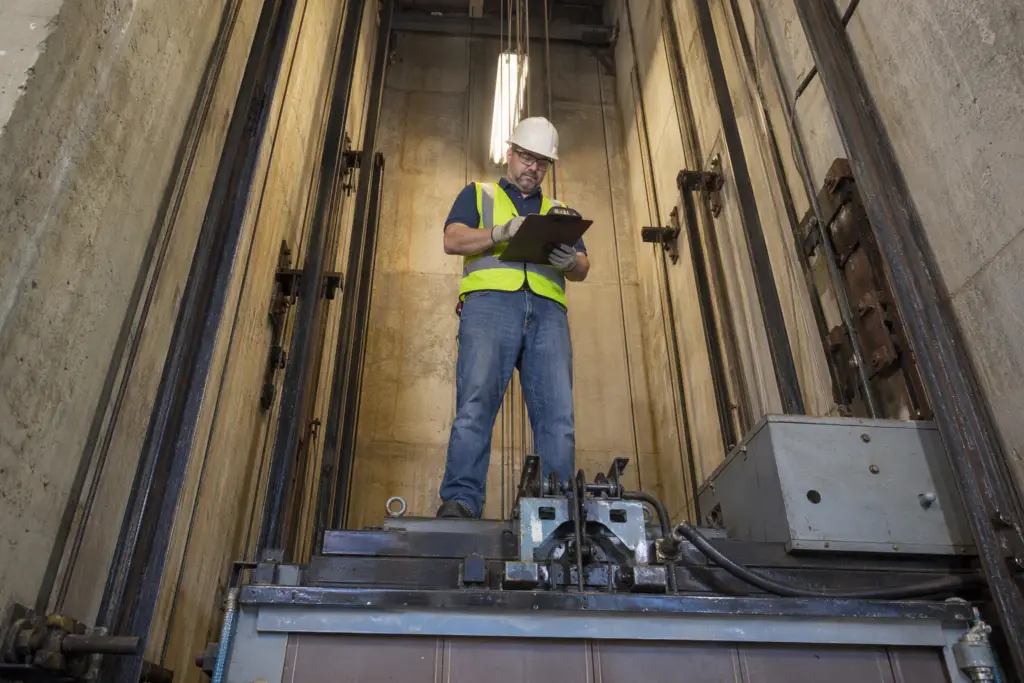
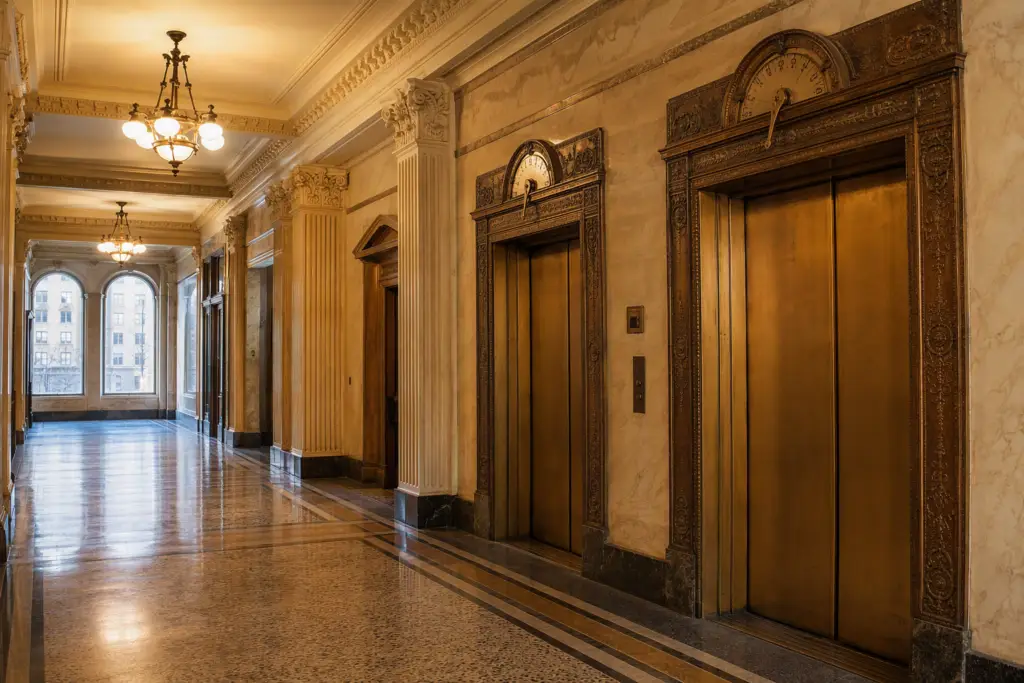
How Long Does a Commercial Elevator Repair Take — and Do You Need Repair or Full Replacement?
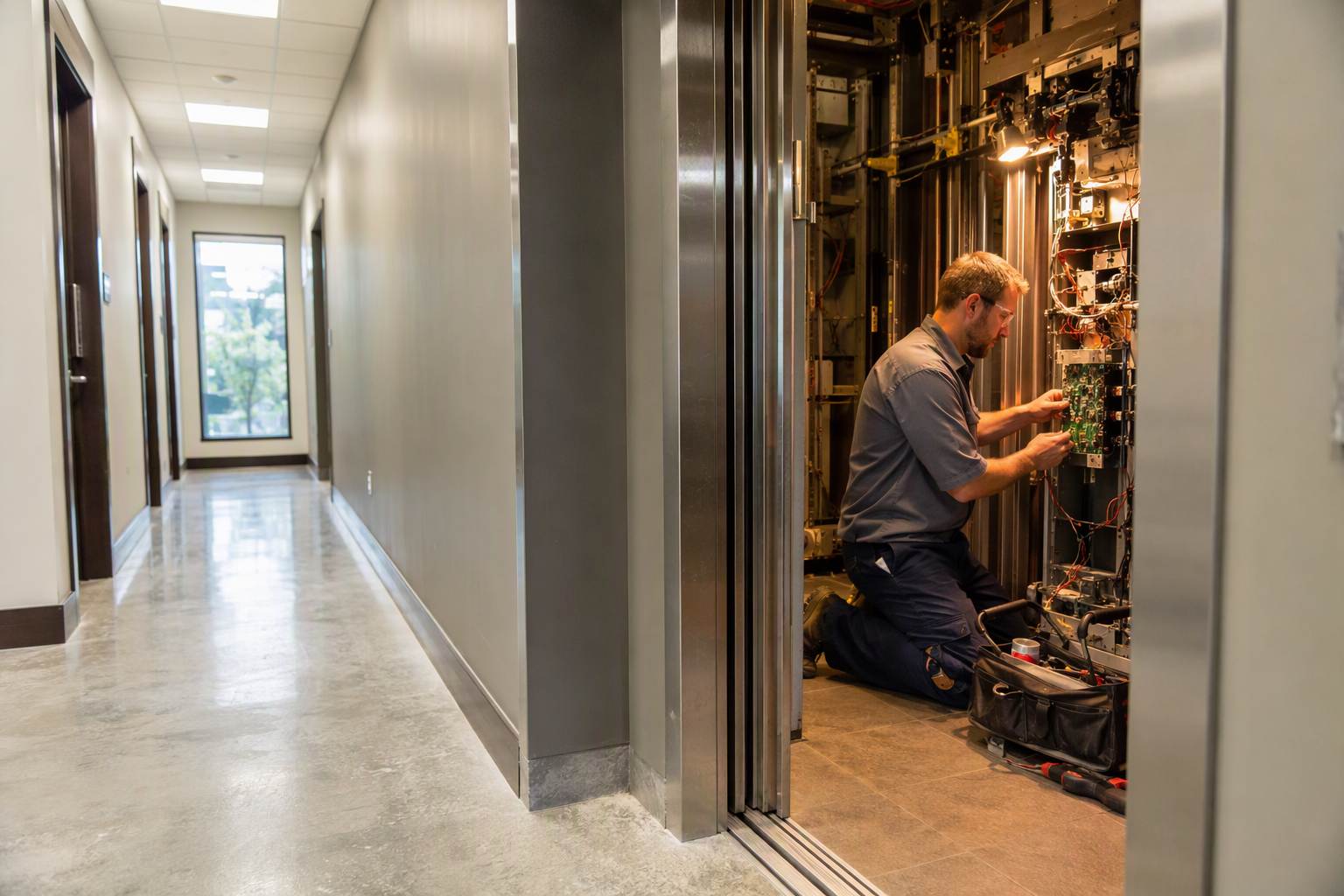
If your commercial elevator is out of service — or showing warning signs — the two questions every building owner or facility manager in South Carolina needs answered quickly are: how long will this take? and am I fixing the right problem? The answer to both questions depends on what is wrong, how old the equipment is, and what the South Carolina Elevator Code (S.C. Code Title 41, Chapter 16) requires before the elevator can legally return to service. This page breaks down repair timelines, replacement decision criteria, compliance checkpoints, and the questions Carolina Elevator Service hears most often from South Carolina property owners.
How Long Does a Typical Commercial Elevator Repair Take?
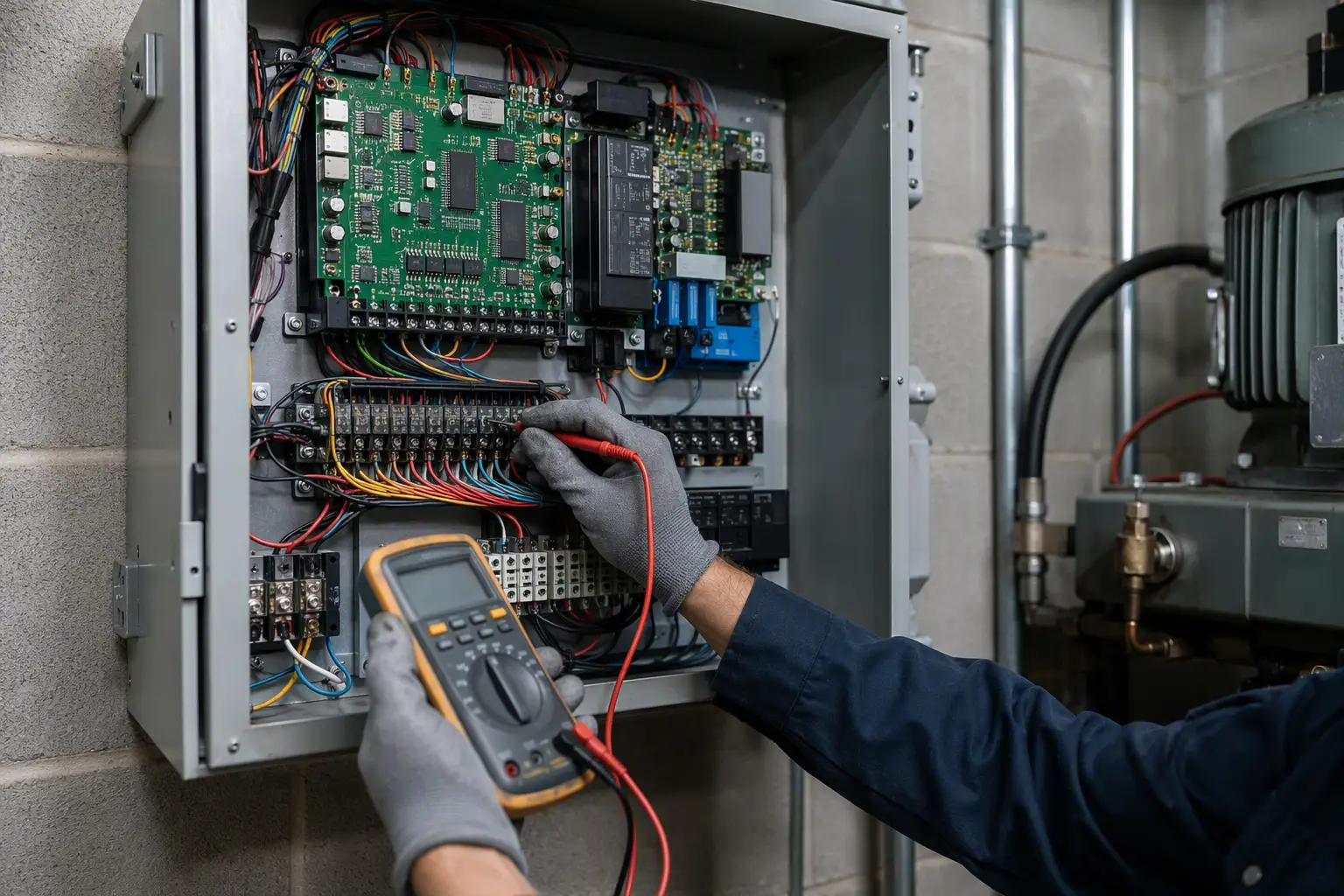
Repair duration varies significantly based on what component has failed, parts availability, and whether the work triggers an inspection or permit requirement under South Carolina law. The following ranges reflect what is typical in commercial settings — not guarantees tied to any specific contractor’s schedule.
- Minor repairs (door sensors, button panels, lighting, phone systems): Often completed in a single service visit of two to six hours.
- Moderate repairs (controller boards, rope or cable adjustments, hydraulic valve replacement): Typically one to three business days, partly dependent on parts lead times.
- Major repairs (motor replacement, full hydraulic cylinder work, modernization of a single system like controls): Generally one to four weeks, and may require a South Carolina construction permit and a post-repair inspection before the operating certificate can be renewed.
- Full modernization or replacement: Can range from four weeks to several months, depending on equipment type, building access, and permit processing timelines through the South Carolina Department of Labor, Licensing and Regulation (LLR), Office of Elevators and Amusement Rides.
One factor that South Carolina building owners often underestimate is regulatory lead time. Under S.C. Code Title 41, Chapter 16 and S.C. Code of Regulations Chapter 71, Article 5, a state construction permit is required before any elevator facility is erected, constructed, altered, or installed. After qualifying repair or alteration work is completed, an inspection must be performed before the operating certificate can be renewed — meaning the clock includes both the repair itself and the inspection scheduling window.
What Factors Make a Commercial Elevator Repair Take Longer?
Several variables extend timelines beyond the actual repair work:
- Parts procurement: Proprietary components for older or discontinued elevator systems may have lead times of weeks or longer. Obsolete controller parts are a frequent bottleneck.
- Permit and inspection requirements: In South Carolina, alterations and repairs that qualify as “alterations” under the code require a state construction permit before work begins and a state or special inspector review after completion.
- Inspector conflicts of interest: South Carolina law prohibits a special inspector from inspecting an elevator on which the inspector or the inspector’s employer has a current service or warranty contract — which means scheduling an independent qualified inspector adds coordination time.
- Emergency versus planned repairs: Emergency shutdowns initiated by a state inspector require the elevator to remain out of service until deficiencies are corrected and re-inspected. Planned maintenance repairs can be scheduled to minimize downtime.
- Hydraulic cylinder work: South Carolina specifically requires that newly installed underground hydraulic elevator cylinders be encased in plastic outer containment to limit electrolytic corrosion. This adds material and labor steps to any cylinder replacement project.
- Standby power compliance: South Carolina passenger elevators must have standby power capable of running emergency lighting and the alarm bell for at least four hours if normal power fails. Any repair touching electrical systems may require a standby power evaluation before the unit returns to service.
How Do I Know If My Elevator Needs Repair or Full Replacement?
This is the defining question for any facility manager facing repeated breakdowns or a significant component failure. There is no universal rule, but the decision framework used by experienced elevator professionals typically weighs five factors:
- Equipment age relative to its design life. Hydraulic systems and traction elevators have design lives that vary by manufacturer and maintenance history. When major components begin failing in clusters, the cost-benefit equation of repair versus replacement shifts.
- Frequency of unplanned service calls. A single isolated repair is almost always worth making. A pattern of escalating, recurring failures — especially in controls, hydraulics, or roping systems — signals that underlying system fatigue is driving symptoms rather than isolated component failure.
- Code compliance gap. South Carolina elevator facilities in operation before July 1, 1986 must comply with the 1986 edition of ANSI A17.3 (the safety code for existing elevators and escalators). New installations and alterations must comply with ASME A17.1/CSA B44, 2019 edition, which South Carolina adopted effective July 23, 2021. When a repair triggers the need to bring a large portion of an older system up to the current adopted code, the incremental cost of modernization over repair narrows considerably.
- Parts availability. If the failed component is no longer manufactured and no equivalent replacement is available, repair may not be a viable option.
- ADA accessibility compliance. Repairs that do not address ADA accessibility gaps in an older unit may leave a property owner exposed to access complaints even after the mechanical repair is complete. A full modernization can address multiple compliance obligations in one project.
What Are the Signs a Commercial Elevator Needs Immediate Repair?
Certain conditions indicate an elevator should be taken out of service or evaluated urgently. Building owners and facility managers in South Carolina should watch for:
- Doors that fail to close, reopen unexpectedly, or close with excessive force
- The elevator car stopping above or below floor level (mis-leveling)
- Unusual sounds — grinding, banging, or squealing — during travel
- Hydraulic fluid leaks visible in the machine room or pit
- Failure of the alarm bell or emergency communication system
- Flickering or failed cab lighting
- Unscheduled stops between floors
- A violation notice or out-of-service order from a state inspector
Under S.C. Code Title 41, Chapter 16, the building owner bears the legal obligation to keep every elevator facility in safe operating condition and in line with state regulations. Continuing to operate an elevator with known deficiencies is not a neutral decision — it is a regulatory and liability exposure.
What Should I Do Immediately If My Commercial Elevator Fails or Is Ordered Out of Service?
- Take the elevator out of service immediately and post clear, visible signage so occupants do not attempt to use it.
- Review the operating certificate displayed inside the elevator car to confirm it is current and identify the issuing authority.
- Contact a qualified elevator service contractor to perform a diagnostic evaluation — do not rely on building maintenance staff to assess mechanical or hydraulic elevator components.
- Determine whether the work requires a South Carolina state construction permit before any repair or alteration begins. Work that proceeds without a required permit can void the operating certificate and complicate reinspection.
- Coordinate inspection scheduling with the South Carolina Department of Labor, Licensing and Regulation (LLR), Office of Elevators and Amusement Rides, or a qualified special inspector who does not hold a current service or warranty contract on the elevator.
- Report any serious injury to the appropriate state authority before the end of the next working day, as required under South Carolina law.
- Obtain updated documentation — including a renewed operating certificate — before returning the elevator to service.
Does South Carolina Require an Inspection After Every Repair?
Not every repair triggers a mandatory inspection, but the threshold is meaningful. Under S.C. Code Title 41, Chapter 16 and S.C. Code of Regulations Chapter 71, Article 5, South Carolina requires elevators to be inspected at installation, registration, alteration or repair, and at least once a year before the operating certificate is renewed. Work that qualifies as an “alteration” under the adopted ASME A17.1-2019/CSA B44:19 code standard requires both a construction permit before work begins and an inspection upon completion. Minor maintenance items may not trigger an alteration inspection, but the distinction requires a knowledgeable assessment — not an assumption.
How Often Are Commercial Elevators in South Carolina Required to Be Inspected?
South Carolina’s inspection schedule under S.C. Code of Regulations Chapter 71, Article 5 varies by equipment type:
- Standard passenger and freight elevators: At least once per year, before the operating certificate is renewed.
- Handicap lifts: Every five years.
- Manlifts, television tower elevators, and special purpose elevators: Every seven years.
- Dumbwaiters: When installed or altered.
These inspections may be conducted by state inspectors or by licensed special inspectors — provided the special inspector holds qualifications meeting the 2018 edition of QEI-1, the American National Standard for Qualification of Elevator Inspectors, and does not have a current service or warranty contract on the elevator being inspected. Failing to maintain a valid operating certificate is a violation under South Carolina law, and no elevator facility may be legally operated without one.
What Is the Difference Between Elevator Repair, Modernization, and Full Replacement?
These three project types have distinct cost, timeline, and compliance implications:
- Repair addresses a specific failed or failing component — a door operator, a hydraulic valve, a control board — without changing the fundamental system configuration. Repairs are typically the fastest and least expensive path when the underlying system is sound and compliant.
- Modernization replaces major subsystems — controls, drive systems, cab interiors, door systems — while retaining the existing hoistway and structural elements. Modernization typically brings older equipment closer to current ASME A17.1 and ADA requirements and can significantly extend the useful life of the installation. It also requires a South Carolina construction permit and post-completion inspection.
- Full replacement removes the existing equipment entirely and installs new equipment in the hoistway. This is the most disruptive and capital-intensive option but produces a new design life, full code compliance with the current adopted edition, and a clean maintenance and inspection history. All new installations must comply with ASME A17.1-2019/CSA B44:19 as adopted by South Carolina.
How Does Elevator Age Affect the Repair-vs-Replace Decision?
Elevator age affects the repair-versus-replace calculus in two compounding ways: mechanical reliability and code compliance burden. As equipment ages, components that were once standard become proprietary, obsolete, or discontinued, making parts sourcing slower and more expensive. Simultaneously, the gap between an older installation’s as-built specification and the requirements of the currently adopted ASME A17.1-2019/CSA B44:19 code grows wider. When a repair triggers an alteration under the code, the alteration may require upgrading adjacent systems to current standards — a scope that can approach modernization costs. South Carolina elevator facilities in operation before July 1, 1986 carry an additional baseline compliance obligation under the 1986 edition of ANSI A17.3. Evaluating the total cost of repair plus required code upgrades against the cost of modernization is the financially sound approach for older units.
What ADA Requirements Apply to Commercial Elevator Repairs in South Carolina?
The Americans with Disabilities Act (ADA) imposes accessibility requirements on elevators in commercial facilities. Repair work that does not involve the elevator cab, controls, or doors may not independently trigger ADA upgrades, but any project that touches those elements should be evaluated for ADA compliance — including control height, braille and raised characters on buttons, audible signals, and door timing. When a modernization is already underway, addressing outstanding ADA gaps in the same project scope is typically more cost-effective than addressing them in a separate future project. Carolina Elevator Service evaluates ADA compliance as part of its comprehensive equipment assessments for South Carolina commercial properties.
What Safety Codes Govern Commercial Elevator Repairs in South Carolina in 2026?
As of 2026, the governing framework for commercial elevator repairs in South Carolina is:
- S.C. Code Title 41, Chapter 16 — the South Carolina Elevator Code, which establishes permit, inspection, registration, and operating certificate requirements.
- S.C. Code of Regulations Chapter 71, Article 5, Regulations 71-5000 through 71-5700 — the Safety Standards for Elevator Facilities, which incorporate the adopted technical code.
- ASME A17.1/CSA B44, 2019 edition — adopted by South Carolina effective July 23, 2021, and applicable to new installations and alterations. This is the primary technical standard governing design, construction, installation, operation, inspection, testing, maintenance, alteration, and repair of elevators.
- ANSI A17.3 (1986 edition) — applicable to elevator facilities in operation in South Carolina before July 1, 1986.
- ADA accessibility standards — applicable to elevators in commercial facilities subject to federal accessibility law.
- OSHA — federal workplace safety standards apply to elevator construction, maintenance, and repair workers on the job site.
The South Carolina Department of Labor, Licensing and Regulation (LLR), Office of Elevators and Amusement Rides, is the state authority that administers these requirements. Local ordinances that conflict with the South Carolina Elevator Code are void under state law.
What Industry Trends Are Shaping Commercial Elevator Repair Decisions in 2025–2026?
Several qualitative trends are influencing how South Carolina commercial property owners approach repair and replacement decisions in 2025 and 2026:
- Aging installed base: A significant portion of the commercial elevator inventory across the United States was installed during periods of heavy construction in past decades. As these units age past typical modernization thresholds, the volume of major repair and replacement projects is growing.
- Supply chain normalization — but with caution: Parts availability for elevator components improved after pandemic-era supply disruptions, but proprietary and legacy parts for older systems remain difficult to source. Building owners planning deferred maintenance are finding that waiting further increases risk.
- Energy efficiency drivers: Modern elevator systems — particularly machine-room-less (MRL) traction systems and regenerative drives — offer meaningful reductions in energy consumption compared to older hydraulic or geared traction systems. For properties with sustainability goals, energy performance is increasingly part of the modernization conversation.
- Remote monitoring adoption: Predictive maintenance platforms that monitor elevator performance in real time are becoming more accessible. These systems can flag early indicators of impending failure — reducing unplanned downtime and allowing repairs to be scheduled before an emergency shutdown becomes necessary.
- Code cycle awareness: South Carolina adopted ASME A17.1-2019 in 2021. As the ASME code development cycle continues, property owners undertaking major projects in 2026 should anticipate that future code adoptions may raise the compliance bar for existing installations.
How Does Carolina Elevator Service Approach Repair vs. Replacement Evaluations?
Carolina Elevator Service provides data-driven assessments for commercial elevator owners throughout South Carolina. Rather than defaulting to a repair-first or replacement-first recommendation, the evaluation process examines equipment condition, maintenance history, code compliance standing under both the South Carolina Elevator Code and the adopted ASME A17.1-2019/CSA B44:19 standard, and the total projected cost of each path over a defined planning horizon. This approach gives building owners and facility managers the factual foundation needed to make defensible capital decisions — not just immediate repair decisions.
Carolina Elevator Service operates exclusively in South Carolina and is familiar with the requirements of the South Carolina Department of Labor, Licensing and Regulation (LLR), Office of Elevators and Amusement Rides, including permit coordination, post-repair inspection protocols, and operating certificate renewal timelines.
What Questions Should I Ask Any Elevator Repair Contractor Before Authorizing Work?
- Does this repair require a South Carolina state construction permit before work begins?
- Will this repair trigger an alteration inspection under ASME A17.1-2019 and South Carolina regulations?
- How will you coordinate the post-repair inspection, and what is the estimated timeline to receive a renewed operating certificate?
- Are the replacement parts OEM or aftermarket, and what is the lead time for sourcing them?
- Will this repair address the underlying cause of failure, or is it a symptomatic fix that leaves the root problem unresolved?
- Does this repair create any new code compliance obligations for adjacent systems?
- What is your recommended maintenance protocol after this repair to reduce recurrence risk?
Get a Data-Driven Elevator Assessment from Carolina Elevator Service
If your commercial elevator in South Carolina is showing signs of trouble — or if you are trying to decide between repair and replacement — the right first step is an objective, code-informed assessment. Carolina Elevator Service provides free elevator assessments for commercial property owners throughout South Carolina, evaluating equipment condition, compliance standing under the South Carolina Elevator Code and ASME A17.1-2019/CSA B44:19, and the practical options available to your building.
Contact Carolina Elevator Service for a free elevator assessment: 803-865-1400
Need elevator service you can rely on? Carolina Elevator Service is ready to help.