Elevator Service in Columbia, SC | Carolina Elevator Service
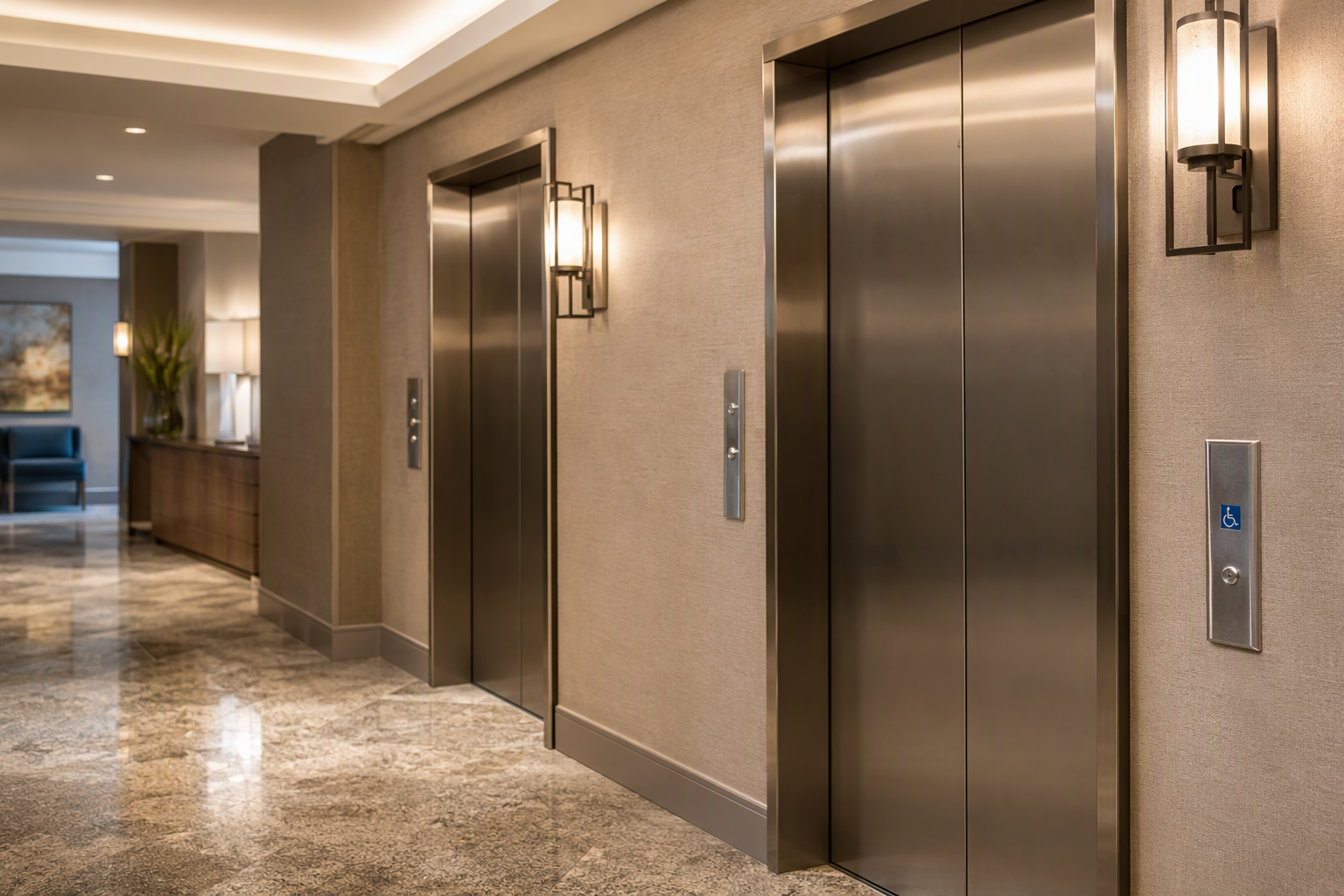
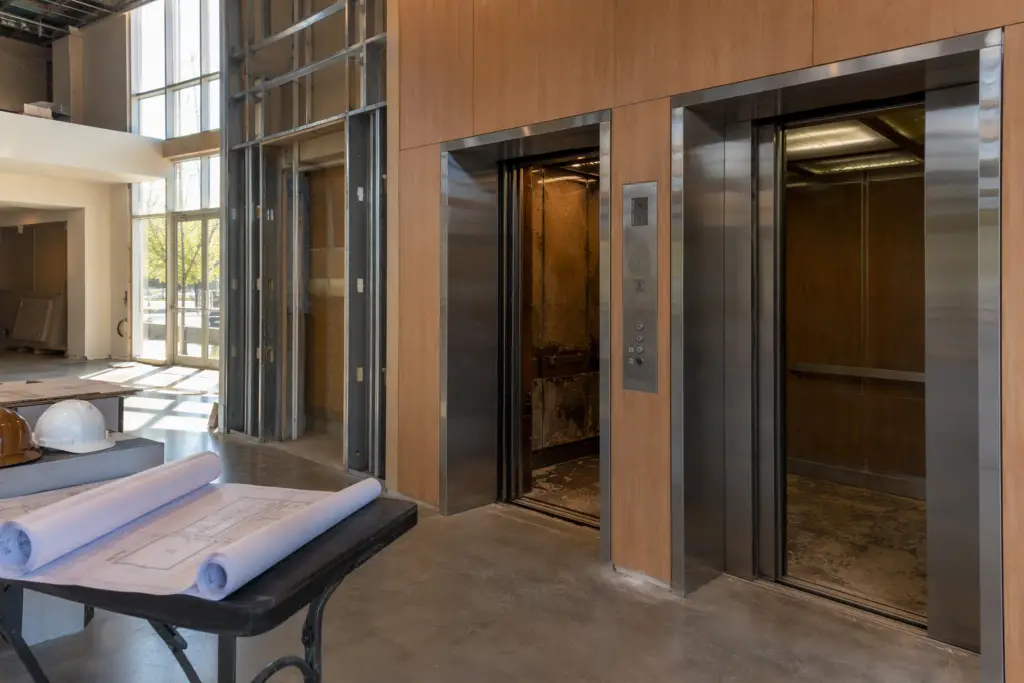
Hotel renovations are among the most complex projects in the commercial construction world, and elevators sit squarely at the intersection of safety, accessibility, and code compliance. For hotel owners and facility managers in Columbia, SC, understanding which elevator upgrades are legally required — versus which are strongly recommended — before work begins can prevent costly project delays, failed inspections, and potential liability.
Carolina Elevator Service works with hotel owners, general contractors, and property managers throughout South Carolina to navigate these requirements. This page outlines the regulatory framework, common upgrade triggers, and the inspection process hotel operators can expect when a major renovation is underway.
—
What South Carolina Law Requires When an Elevator Is Altered During a Hotel Renovation?
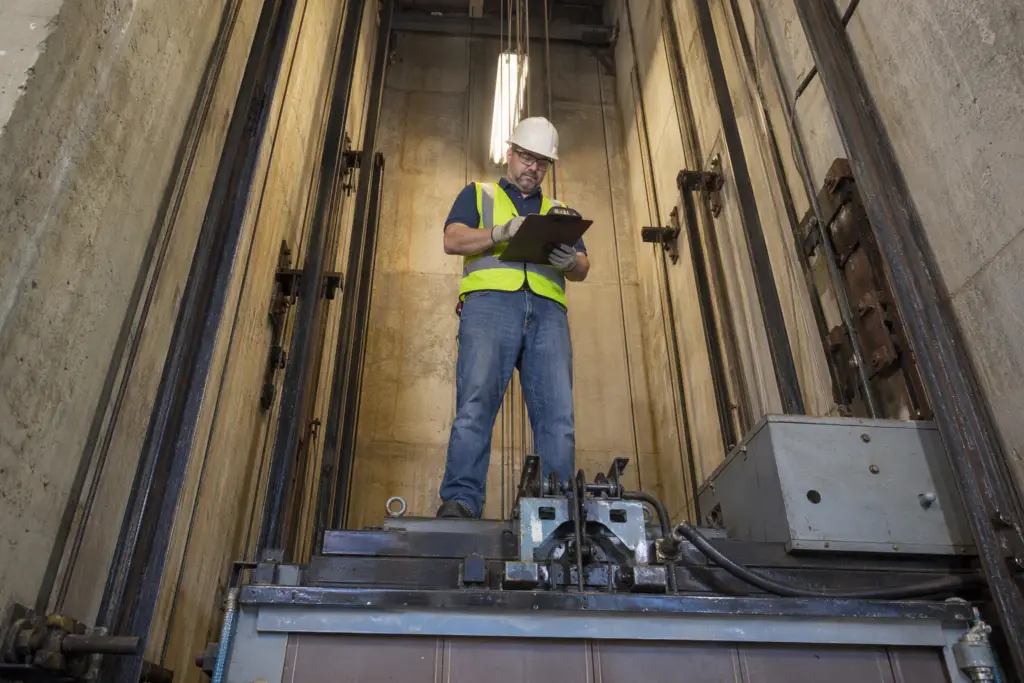
Under S.C. Code Title 41, Chapter 16 (the South Carolina Elevator Code) and S.C. Code of Regulations Chapter 71, Article 5 (Regulations 71-5000 through 71-5700), any elevator that is erected, constructed, altered, or installed requires a state construction permit before work begins. No hotel may skip this step, regardless of how minor the alteration may seem.
After the work is complete, the elevator must be inspected — either by a state inspector or a licensed special inspector — before the operating certificate is renewed and the elevator returns to passenger service. South Carolina requires that no elevator facility operate without both a valid certificate of registration and a current operating certificate displayed conspicuously inside the car.
The adopted code standard in South Carolina is the ASME A17.1-2019/CSA B44:19 Safety Code for Elevators and Escalators, adopted without amendment and effective as of July 23, 2021. New elevator facilities and newly altered equipment must comply with the edition of ASME A17.1 in effect at the time the permit is issued.
—
Does a Hotel Renovation Automatically Trigger a Full Elevator Upgrade?
Not necessarily — but the scope of required upgrades depends on what changes are being made to the building and to the elevator system itself. Alterations to elevator components, control systems, cab finishes that affect structural elements, or changes to building access and egress can all trigger compliance review under ASME A17.1-2019 and South Carolina regulations.
Even if the elevator itself is not being physically touched, a major renovation may change the hotel’s occupancy classification, alter the load demands on the elevator, or modify egress paths in ways that bring the equipment under renewed regulatory scrutiny. Hotel owners are strongly advised to consult with a qualified elevator service company before finalizing renovation plans, so that permit requirements and potential upgrade triggers are identified early.
—
What ADA Requirements Apply to Hotel Elevators During a Renovation?
The Americans with Disabilities Act (ADA) establishes accessibility standards for places of public accommodation, and hotels are explicitly covered. When a hotel undergoes a major renovation, the ADA’s path-of-travel requirements may obligate the property to bring elevators into compliance with current accessibility standards as part of the project.
Common ADA-related elevator upgrades that arise during hotel renovations include:
- Installing or upgrading Braille and raised-character floor designations at each landing
- Ensuring door reopening devices that detect objects or people in the door’s path are functioning correctly
- Verifying that cab interior dimensions meet minimum floor area requirements
- Upgrading emergency communication systems to provide two-way communication accessible to individuals with hearing or speech disabilities
- Ensuring controls are mounted at accessible heights with tactile indicators
- Reviewing floor identification signals and audible announcements
Because ADA requirements can layer on top of ASME and South Carolina state requirements, hotel owners benefit from having all three reviewed together rather than in isolation.
—
What Happens to Older Elevator Equipment That Was Installed Before Modern Codes?
South Carolina addresses existing equipment through a separate standard. Elevator facilities that were in operation before July 1, 1986 must comply with the 1986 edition of ANSI A17.3, the safety code for existing elevators and escalators. For hotel equipment that falls into this category, a major renovation is an important opportunity — and in many cases a regulatory trigger — to bring aging systems up to current safety and performance standards.
Older hydraulic systems, in particular, warrant close attention. South Carolina requires that newly installed underground hydraulic elevator cylinders be encased in plastic outer containment to limit electrolytic corrosion. While this requirement applies to new installations, it is also relevant when hydraulic components are replaced or significantly altered as part of a renovation project.
—
What Are the Most Common Elevator Upgrades Requested During Hotel Renovations?
Beyond strict code compliance, hotel owners frequently address the following during major renovation projects:
- Cab interior modernization: Flooring, wall panels, lighting, and ceiling upgrades that improve guest experience while maintaining compliance with load and dimensional requirements
- Control system modernization: Replacing obsolete relay-logic controls with modern solid-state or microprocessor-based controllers for improved reliability and diagnostic capability
- Door operator replacement: Upgrading door systems reduces nuisance callbacks and improves passenger flow — a meaningful consideration for high-traffic hotel lobbies
- Emergency lighting and power: South Carolina requires passenger elevators to have standby power sufficient to run emergency lighting and the alarm bell for at least four hours if normal power fails — renovations are a natural time to verify or upgrade this system
- Firefighters’ service compliance: South Carolina requires that firefighters’ service on new installations use the five-pin S.C. #1000 key — alterations that touch the fire service features must align with this requirement
- Communication system upgrades: Replacing analog emergency phone systems with digital or cellular-based two-way communication to meet both ADA and current ASME requirements
- Energy efficiency improvements: Variable-frequency drives, LED cab lighting, and standby mode controls that reduce operating costs over time
—
What Is the Inspection and Permit Process a Hotel Should Expect in South Carolina?
The following steps describe the standard compliance process for elevator alterations during a hotel renovation in South Carolina:
- Pre-renovation planning: Consult with a qualified elevator service company to identify which components will be altered and whether those alterations trigger permit and inspection requirements under South Carolina regulations.
- Apply for a state construction permit: Submit the required permit application to the South Carolina Department of Labor, Licensing and Regulation (LLR), Office of Elevators and Amusement Rides, before any alteration work begins. Work that proceeds without a permit can result in failed inspections and mandatory shut-downs.
- Complete the permitted alteration work: All work must be performed in accordance with the ASME A17.1-2019/CSA B44 Safety Code as adopted by South Carolina.
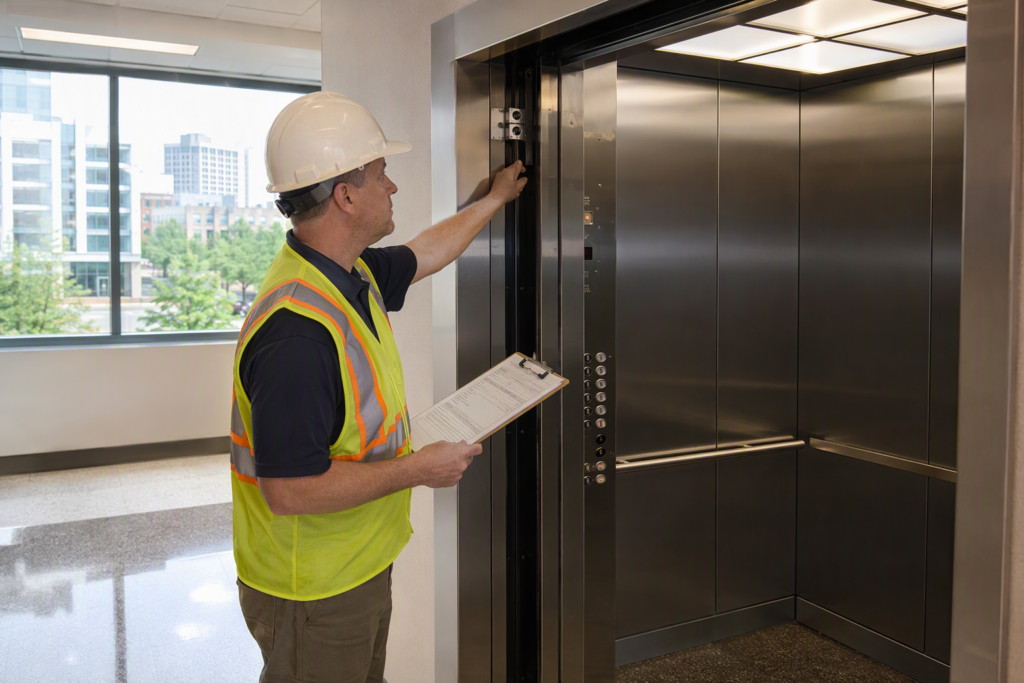
- Schedule the required inspection: After work is complete, a state inspector or a licensed special inspector must inspect the elevator before it returns to service. Note that a special inspector may not inspect equipment on which the inspector or the inspector’s employer holds a current service or warranty contract.
- Obtain the renewed operating certificate: Once the inspection is passed, the updated operating certificate must be displayed conspicuously inside the elevator car before passengers are carried.
- Maintain annual inspection cadence: After returning to service, the elevator must be inspected at least once a year and the operating certificate renewed accordingly.
—
How Should Hotel Owners Document and Maintain Elevator Compliance After a Renovation?
Under South Carolina law, the owner is responsible for keeping every elevator facility in safe operating condition and in compliance with state regulations. For hotel operators, this means maintaining organized records of permits, inspection reports, and operating certificates — both to satisfy regulatory requirements and to protect the property in the event of an incident.
South Carolina also requires that any accident that seriously injures a person other than an employee must be reported to the state before the end of the next working day. Post-renovation, hotels should ensure that their internal maintenance protocols, emergency response procedures, and record-keeping practices reflect these obligations.
Carolina Elevator Service assists South Carolina hotel operators with preventive maintenance programs designed to keep equipment performing reliably between required annual inspections, supporting the owner’s obligation to maintain safe operating conditions year-round.
—
Why Does Working With a Local South Carolina Elevator Service Company Matter?
South Carolina’s regulatory framework for elevators operates entirely within state-specific statutes, regulations, and inspection protocols administered by the South Carolina Department of Labor, Licensing and Regulation (LLR), Office of Elevators and Amusement Rides. Local ordinances that conflict with the South Carolina Elevator Code are void under state law — meaning that state requirements set the floor for compliance throughout Columbia and the rest of South Carolina.
Working with a service company that operates exclusively in South Carolina means the team understands the LLR permit process, the special inspector licensing requirements under the 2018 edition of QEI-1, and the practical realities of scheduling inspections and managing project timelines within the state’s regulatory environment. For hotels in Columbia and across South Carolina, that local knowledge directly reduces the risk of permit delays, failed inspections, and unplanned equipment downtime during a renovation.
Carolina Elevator Service serves hotel properties, commercial buildings, healthcare facilities, and other markets throughout South Carolina, providing installation, modernization, maintenance, and emergency service support tailored to the state’s regulatory requirements.
—
Schedule a Free Consultation
Planning a hotel renovation in Columbia, SC or anywhere in South Carolina? Carolina Elevator Service can review your existing elevator equipment, identify applicable upgrade requirements under South Carolina law and ASME A17.1-2019, and help coordinate the permit and inspection process from start to finish.
Call Carolina Elevator Service today to schedule a free consultation: 803-865-1400
Ensuring your hotel elevators meet every required standard before guests return to service is not just a regulatory obligation — it is the foundation of a safe, welcoming property. Let the Carolina Elevator Service team help you navigate the process with confidence.
Need elevator service you can rely on? Carolina Elevator Service is ready to help.