Elevator Service in Columbia, SC | Carolina Elevator Service
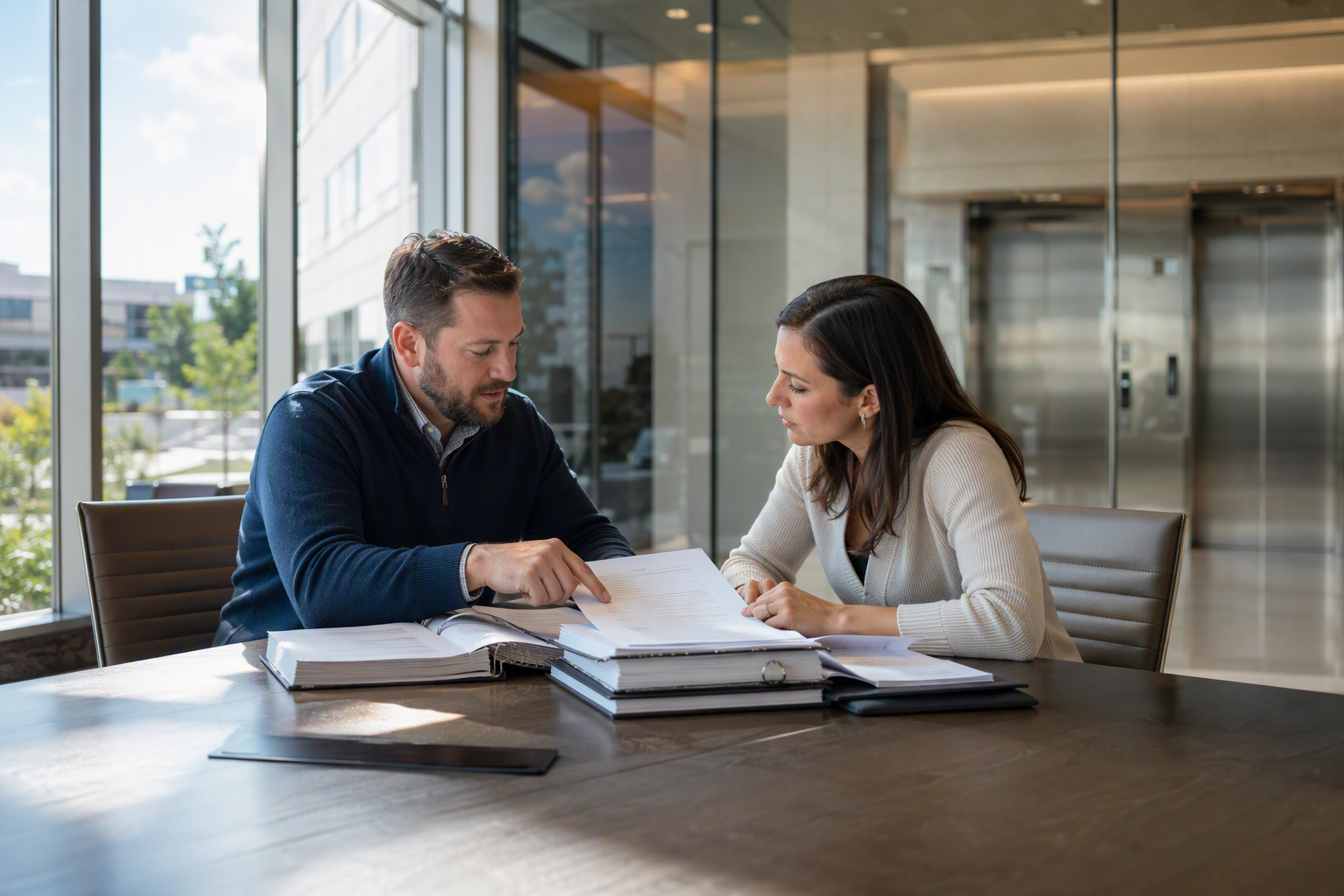
When a commercial building in Columbia, SC changes hands, the elevator maintenance contract is one of the most commonly overlooked details in due diligence. Under South Carolina law, the owner of record is legally responsible for keeping every elevator facility in safe operating condition and in compliance with state regulations — meaning that responsibility transfers with the deed, whether or not the service contract does. Carolina Elevator Service works with buyers, sellers, and property managers throughout the Midlands region to make elevator transitions smooth, compliant, and fully documented.
What Happens to an Elevator Maintenance Contract When You Sell a Commercial Building in South Carolina?
A maintenance contract is a private agreement between a building owner and a service provider. When a commercial property sells, that contract does not automatically transfer to the new owner. One of three outcomes typically occurs:
- Assignment with consent: The seller assigns the contract to the buyer, subject to the service provider’s written approval. The buyer steps into the seller’s contractual position, inheriting the remaining term, pricing, and any service obligations.
- Termination at closing: The contract is cancelled at or before closing, and the buyer negotiates a new agreement with the existing or a preferred service provider.
- Assumption by the buyer: In some transactions, the buyer agrees to assume the contract as part of the purchase and sale agreement, but this still requires the service provider’s acceptance to be binding on all parties.
Regardless of which path is chosen, the new owner inherits the legal duty under S.C. Code Title 41, Chapter 16 to maintain the elevator in safe operating condition from the moment they take title.
What South Carolina Compliance Obligations Does a Buyer Inherit?
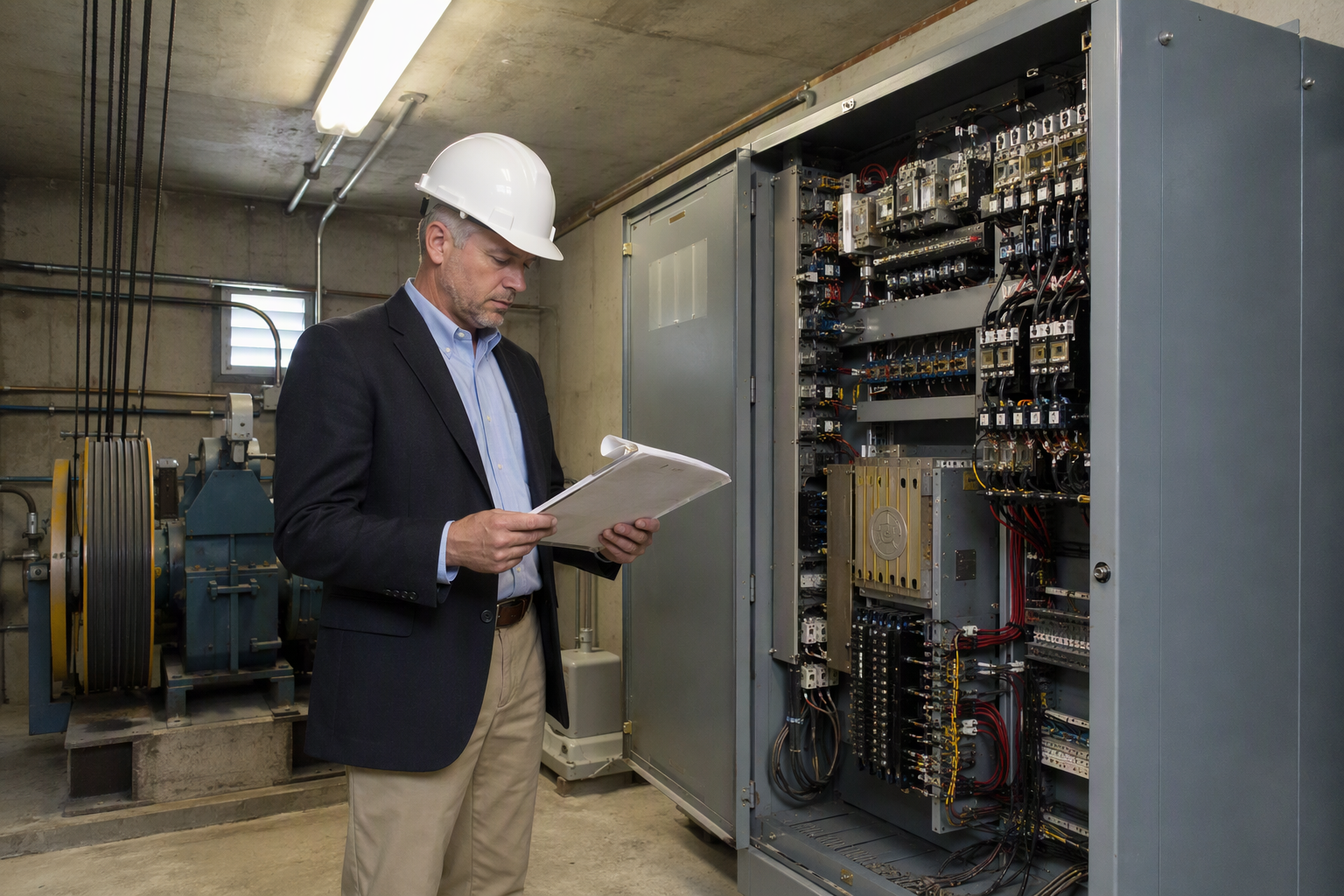
South Carolina’s elevator oversight sits with the South Carolina Department of Labor, Licensing and Regulation (LLR), Office of Elevators and Amusement Rides. When a buyer takes ownership of a commercial building, several compliance obligations attach immediately:
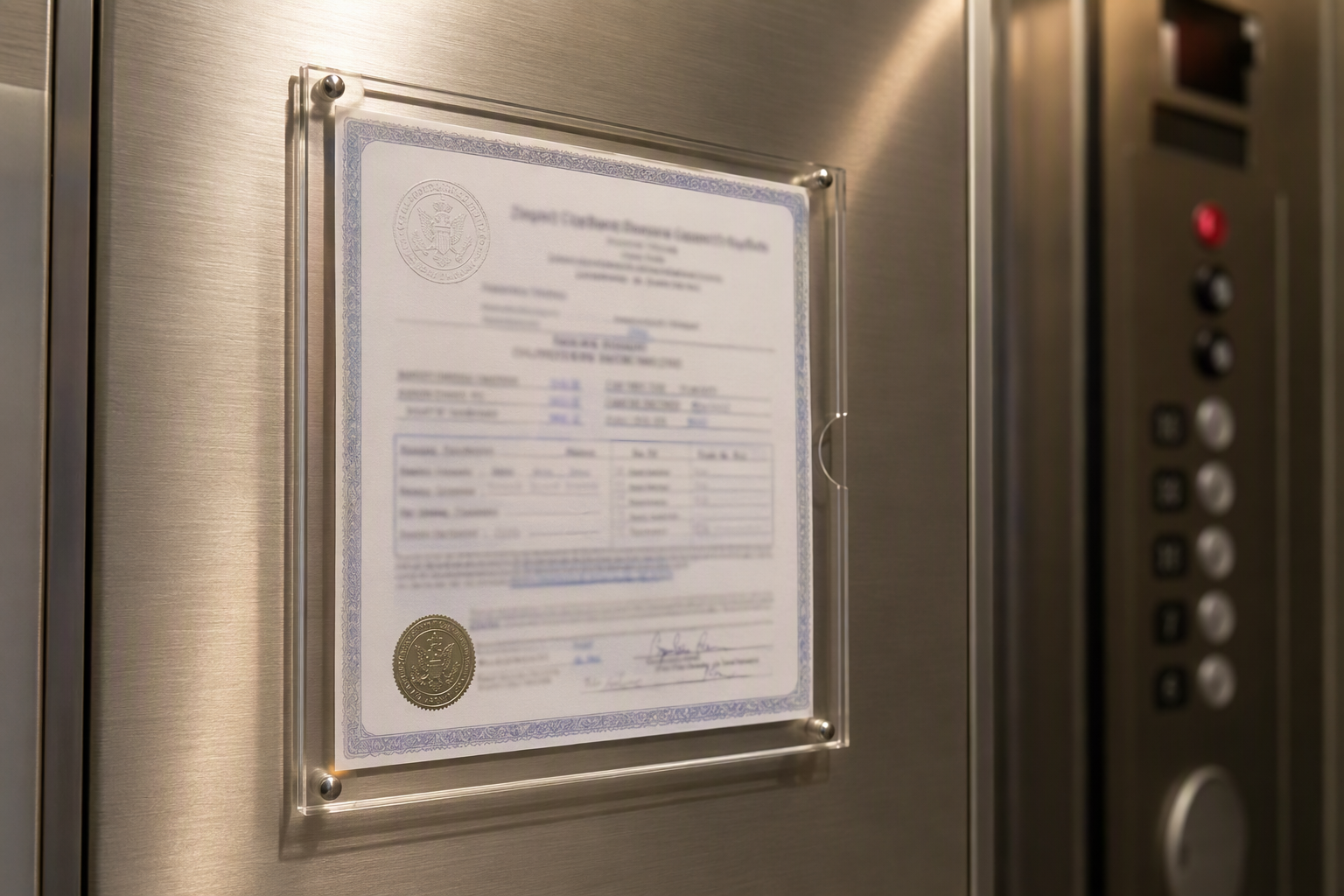
- No elevator may be operated without a valid certificate of registration and a current operating certificate issued by the state.
- The operating certificate, or a copy, must be displayed conspicuously inside each elevator car at all times.
- The owner is responsible for ensuring the elevator complies with S.C. Code of Regulations Chapter 71, Article 5 (Regulations 71-5000 through 71-5700) and the adopted ASME A17.1/CSA B44, 2019 edition.
- Annual inspections must be completed — by a state inspector or a licensed special inspector — before the operating certificate can be renewed.
- Any accident that seriously injures a person other than an employee must be reported to the state before the end of the next working day.
Buyers should request copies of all current certificates, recent inspection reports, and any outstanding violation notices as part of their due diligence package.
What Should a Seller Do Before Closing to Protect Themselves?
- Confirm the elevator’s operating certificate is current and will remain valid through the closing date.
- Locate all inspection records, permits, and correspondence from the South Carolina Department of Labor, Licensing and Regulation (LLR).
- Review the maintenance contract for assignment, termination, and notice provisions — and notify the service provider in writing of the pending sale.
- Disclose any known deficiencies, open violations, or deferred maintenance to the buyer as required under the purchase and sale agreement.
- Coordinate with legal counsel to determine whether the contract will be assigned, assumed, or terminated at closing.
- Obtain written confirmation from the service provider if the contract is being assigned or terminated, so no ambiguity remains after the transaction closes.
What Should a Buyer Do Immediately After Closing?
- Verify that a valid certificate of registration and operating certificate are on file and posted inside the elevator cab.
- Request and review the complete maintenance and inspection history from the seller or the current service provider.
- Confirm whether the existing maintenance contract has been assigned, assumed, or terminated — and obtain written documentation of that determination.
- If entering a new service agreement, ensure the chosen provider understands the current condition of the equipment and any outstanding compliance items.
- Schedule a condition assessment or pre-contract inspection with a qualified elevator service company to establish a clear baseline before assuming ongoing responsibility.
- Note the annual inspection renewal date and build it into the property management calendar to avoid a lapse in the operating certificate.
Can a Special Inspector Who Services the Elevator Also Inspect It in South Carolina?
No. Under South Carolina regulations, a special inspector may not inspect an elevator on which the inspector or the inspector’s employer has a current service or warranty contract. This conflict-of-interest prohibition is an important consideration when a building changes hands: if the new owner’s service provider is the same company that previously performed inspections, a fresh, independent inspection arrangement may be required. South Carolina special inspectors must be licensed and demonstrate qualifications consistent with the 2018 edition of QEI-1, the American National Standard for Qualification of Elevator Inspectors.
Does the South Carolina Elevator Code Apply to All Commercial Buildings?
The South Carolina Elevator Code applies broadly to commercial elevator facilities throughout the state. However, it does not apply to equipment installed in a single private dwelling. Additionally, any local ordinances that conflict with the South Carolina Elevator Code or its regulations are void — meaning county or municipal rules cannot impose requirements that contradict state law. Buyers of commercial properties in Columbia and throughout the Midlands can rely on a uniform statewide standard rather than a patchwork of local rules.
Elevators installed before July 1, 1986 must comply with the 1986 edition of ANSI A17.3 (the safety code for existing elevators and escalators). Newer installations must comply with the ASME A17.1/CSA B44, 2019 edition, which South Carolina adopted effective July 23, 2021.
How Does an Elevator Contract Transition Affect ADA Compliance?
Ownership transfer does not pause Americans with Disabilities Act (ADA) obligations. A new owner steps into the same accessibility compliance responsibilities as the seller. If the elevator has known ADA deficiencies — such as outdated controls, inadequate cab dimensions, or non-compliant signage — those issues travel with the property. Buyers are advised to include an ADA accessibility review as part of any pre-purchase elevator assessment, particularly for older buildings where equipment may predate current accessibility standards.
What Role Does Carolina Elevator Service Play During a Building Transaction in Columbia, SC?
Carolina Elevator Service provides elevator condition assessments, contract reviews, and compliance consultations to commercial real estate buyers, sellers, and brokers throughout Columbia and the broader South Carolina market. The team works with property managers, commercial attorneys, and real estate professionals to ensure that elevator-related compliance gaps do not delay closings or create post-sale liability. Services include reviewing current certificate status, identifying deferred maintenance items, and structuring new maintenance agreements that align with the incoming owner’s operational needs and South Carolina’s regulatory requirements.
Because the South Carolina Department of Labor, Licensing and Regulation (LLR) holds owners directly accountable for elevator safety, engaging a knowledgeable local service partner before — not after — closing is a practical risk management step for any commercial property transaction in the Midlands region.
Schedule a Free Consultation
If you are buying or selling a commercial building in Columbia, SC or anywhere in South Carolina, Carolina Elevator Service can help you understand your elevator compliance obligations, review existing maintenance contracts, and establish a service plan that keeps your elevator fully certified and operational. Contact the team today to schedule your free consultation.
Call Carolina Elevator Service: 803-865-1400
Need elevator service you can rely on? Carolina Elevator Service is ready to help.