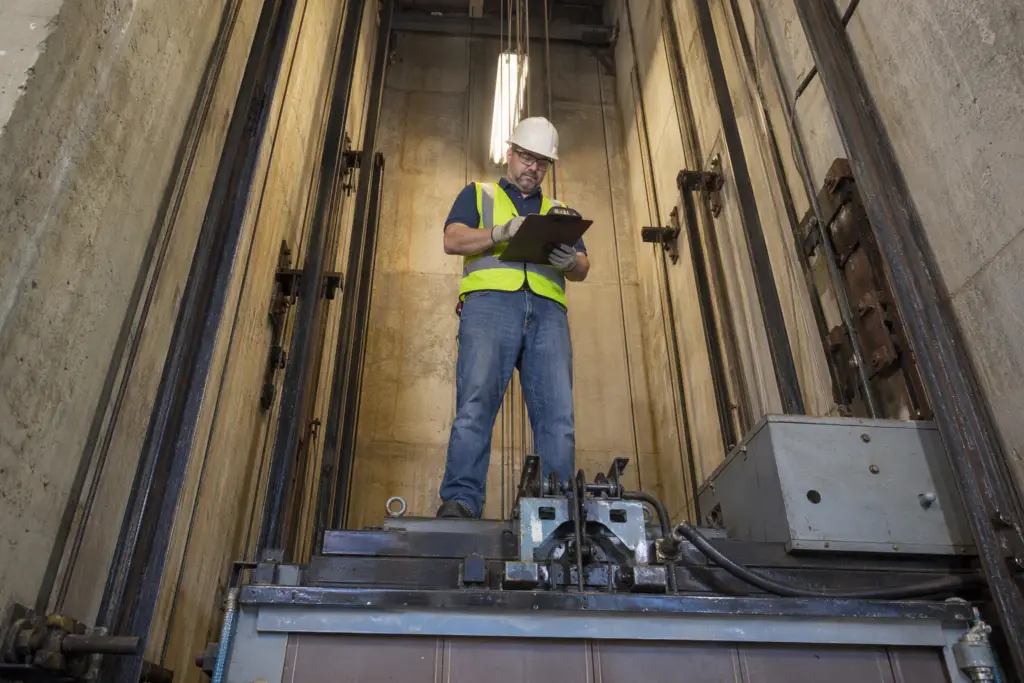
Quick Answer: As a building owner or property manager in South Carolina, the essential elevator records you must keep on file include your certificate of registration, current operating certificate (displayed inside each elevator car), inspection reports, maintenance logs, repair and alteration permits, modernization records, and any accident or incident reports — all required to demonstrate compliance with S.C. Code Title 41, Chapter 16 (the South Carolina Elevator Code).
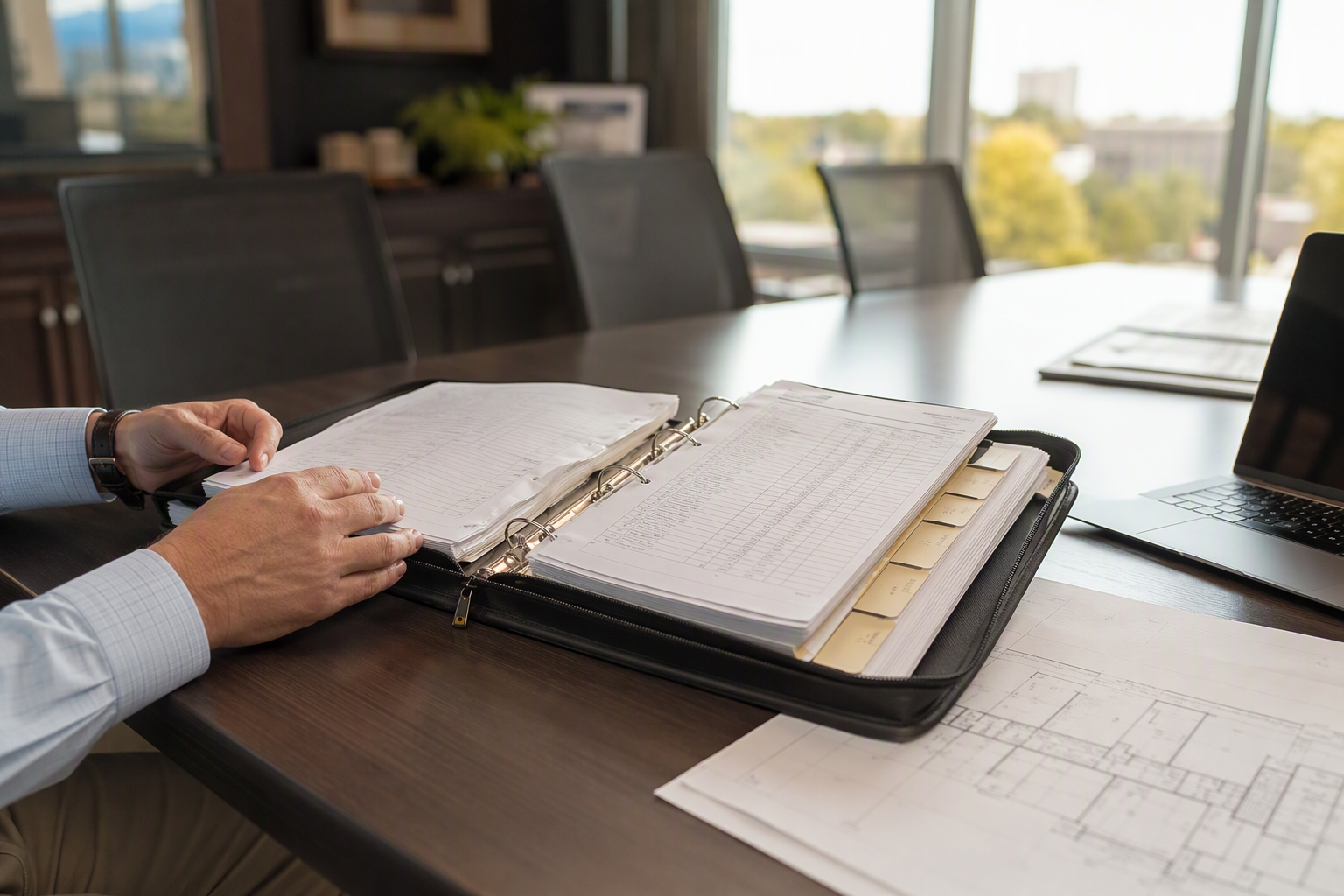
Managing elevator documentation is not a back-office formality — it is a legal obligation in South Carolina. The South Carolina Department of Labor, Licensing and Regulation (LLR), Office of Elevators and Amusement Rides enforces documentation requirements that affect your ability to legally operate every elevator in your building. A missing certificate, an unfiled inspection report, or an incomplete maintenance log can result in an elevator being taken out of service, expose your organization to liability, or cause a failed renewal of your operating certificate.
This guide walks Columbia building owners and property managers through every category of elevator documentation required or strongly recommended under South Carolina law and best practice in 2026. Carolina Elevator Service helps property teams across South Carolina organize, audit, and maintain compliant elevator record systems.
What Are the Core Categories of Elevator Documentation?
Elevator records fall into six broad categories. Each serves a distinct compliance or liability purpose.
| Record Category | Who Requires It | How Long to Retain | Displayed in Car? |
|---|---|---|---|
| Certificate of Registration | SC LLR — Office of Elevators and Amusement Rides | Indefinitely (renew as required) | No — keep in management files |
| Operating Certificate | SC LLR — Office of Elevators and Amusement Rides | Current certificate active at all times | Yes — conspicuously inside each car |
| Inspection Reports (state and special inspector) | SC LLR; ASME A17.1-2019 | Retain all prior reports; minimum life of equipment recommended | No |
| Construction and Alteration Permits | SC LLR — required before construction, alteration, or installation | Indefinitely | No |
| Maintenance and Repair Logs | ASME A17.1-2019 maintenance program requirements | Minimum life of equipment recommended | No |
| Accident and Incident Reports | SC LLR (serious injuries to non-employees reported by next working day) | Indefinitely | No |
What Exactly Is a Certificate of Registration and Do I Need One?
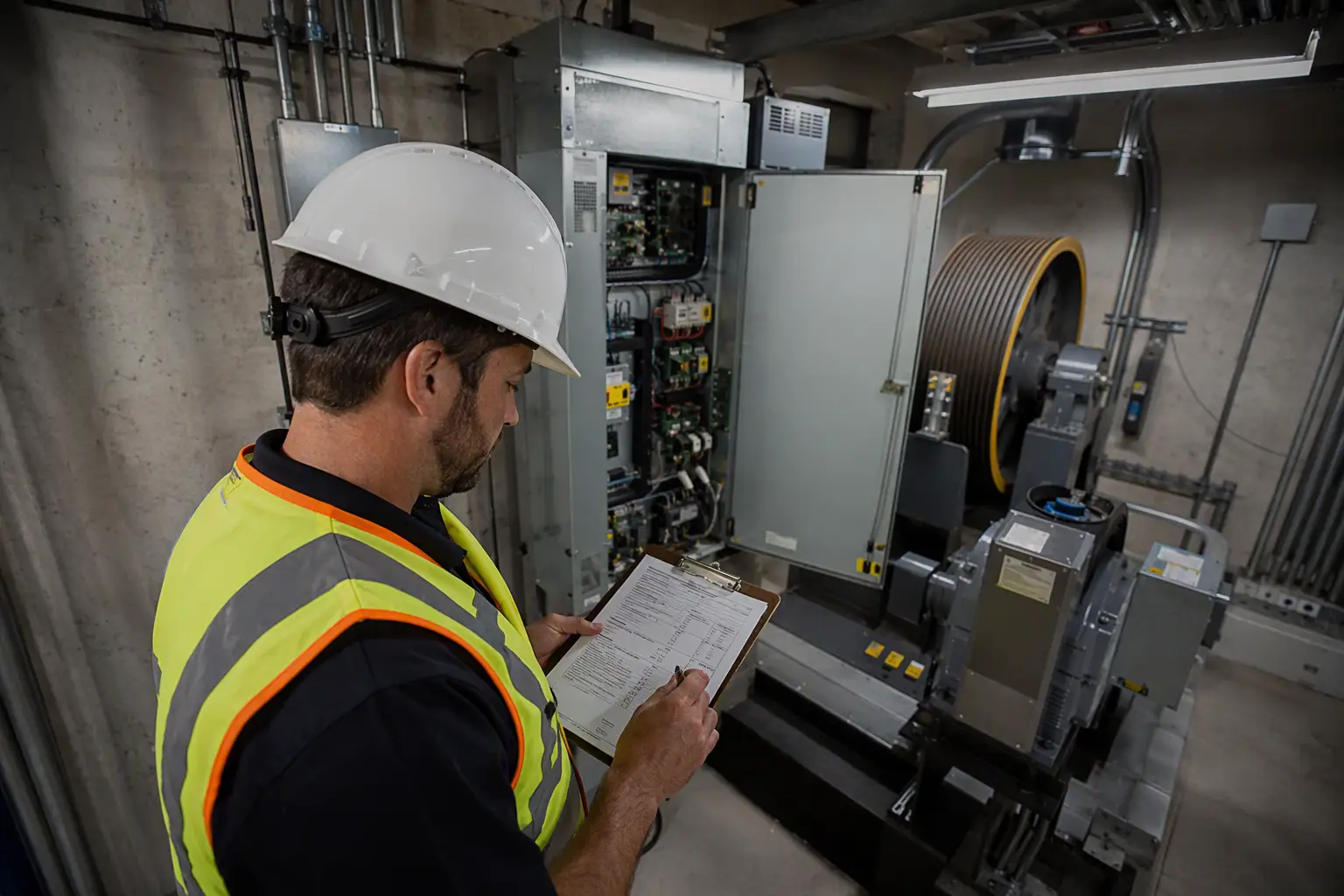
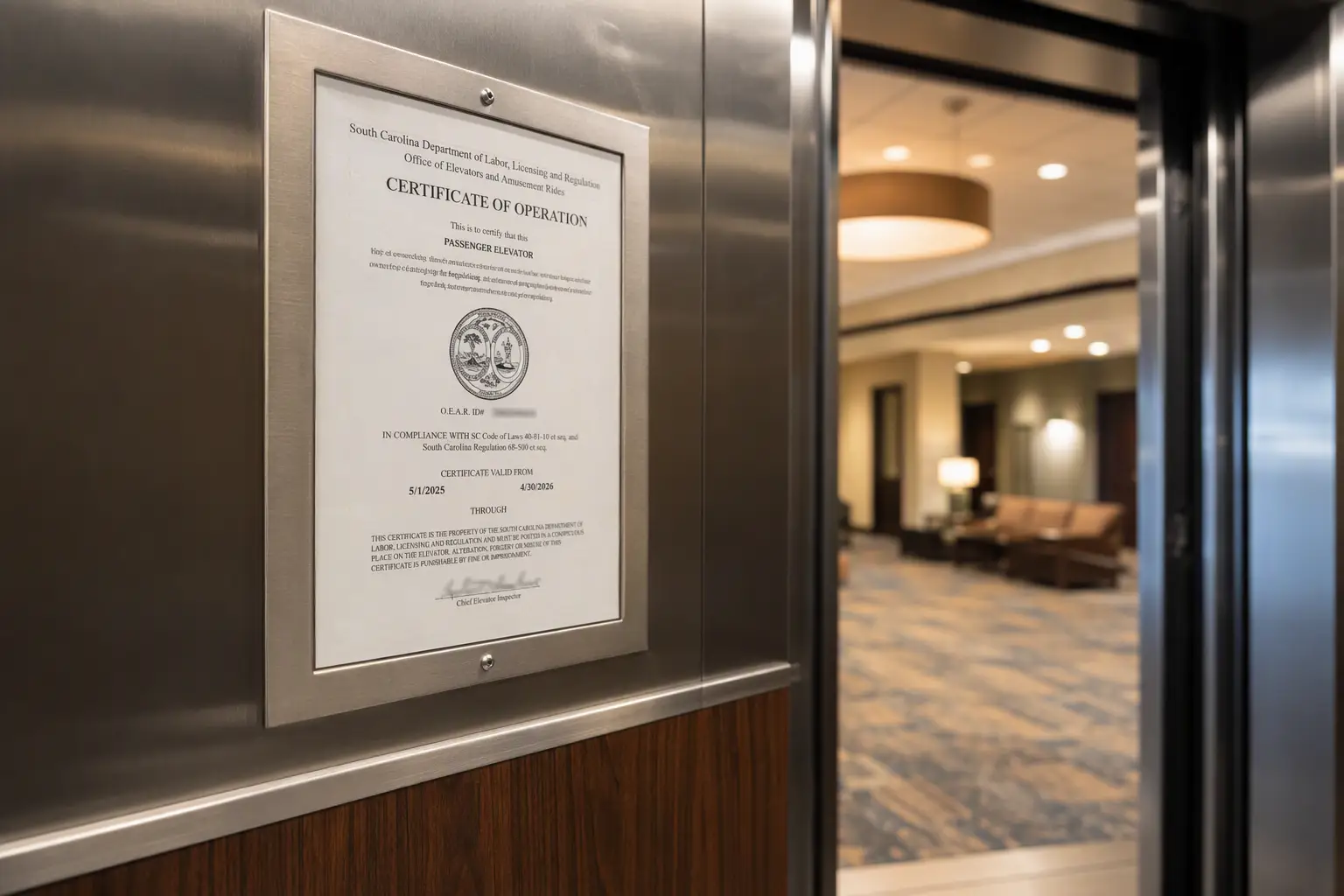
Under S.C. Code Title 41, Chapter 16, no elevator facility in South Carolina may be operated without both a certificate of registration and a current operating certificate issued by the state. The certificate of registration establishes the elevator in the state’s records system and is specific to each individual unit. The operating certificate is the annually renewable document that confirms the elevator has passed inspection and is legally authorized to carry passengers or freight.
The operating certificate — or a legible copy — must be displayed conspicuously inside each elevator car. A certificate left in a management office drawer is not in compliance. Property managers overseeing multiple buildings should confirm that each car in each property has its current certificate visibly posted.
These requirements apply to commercial, residential multi-unit, institutional, and industrial elevators throughout South Carolina. The South Carolina Elevator Code does not apply to equipment located in a single private dwelling.
How Often Must My Elevator Be Inspected and What Records Does That Generate?
Inspection frequency under South Carolina law varies by equipment type. The following intervals are established by S.C. Code Title 41, Chapter 16 and S.C. Code of Regulations Chapter 71, Article 5:
| Equipment Type | Required Inspection Frequency | Records Generated |
|---|---|---|
| Standard passenger and freight elevators | At installation; then at least annually before operating certificate renewal | Inspection report, operating certificate |
| Handicap (accessibility) lifts | Every five years | Inspection report, certificate |
| Manlifts, television tower elevators, special purpose elevators | Every seven years | Inspection report, certificate |
| Dumbwaiters | At installation or alteration | Inspection report, permit documentation |
| Any equipment after alteration or repair requiring a permit | Before return to service | Permit, inspection report, updated certificate |
Required inspections may be conducted by state inspectors employed by the LLR or by licensed special inspectors. A special inspector’s report may be accepted in place of a state inspection. However, South Carolina prohibits a special inspector from inspecting any elevator on which that inspector or the inspector’s employer holds a current service or warranty contract. Building owners should confirm the independence of any special inspector they engage.
Every inspection generates a written report. Retain all inspection reports for the life of the equipment. These records establish a compliance history that protects building owners during regulatory audits, insurance reviews, and legal proceedings.
What Maintenance and Repair Records Should I Keep?
The ASME A17.1 Safety Code for Elevators and Escalators — adopted by South Carolina in its 2019 edition (ASME A17.1-2019/CSA B44:19, effective July 23, 2021) — includes requirements for a documented maintenance control program. Under South Carolina law, the building owner is responsible for keeping every elevator facility in safe operating condition and in compliance with state regulations. Maintenance logs are the primary evidence that this obligation is being met.
A complete maintenance record set should include:
- Dated entries for every routine maintenance visit, including tasks performed
- Records of lubrication, adjustment, cleaning, and testing activities
- Parts replacement records, including the part description and the reason for replacement
- Callback logs documenting service calls, the problem reported, and the corrective action taken
- Test records for safety devices, door operators, governors, and safeties
- Records of any work performed under an emergency repair call
- Contractor or technician identification on each entry (name and company)
Carolina Elevator Service recommends that property managers request complete written maintenance records from any service provider at the conclusion of each visit and retain those records in a dedicated elevator file for each unit.
What Permit and Construction Records Must I Retain?
Under S.C. Code Title 41, Chapter 16, a South Carolina state construction permit is required before any elevator facility is erected, constructed, altered, or installed. This includes major modernization projects, hydraulic cylinder replacements, control system upgrades, and alterations to car enclosures or entrances.
Building owners should retain the following permit-related documents indefinitely:
- Copies of all state construction or alteration permits issued for each unit
- Approved drawings or specifications submitted with each permit application
- Inspection reports conducted after each permitted installation or alteration
- Certificates issued following post-alteration inspection
- Contractor documentation submitted as part of any permit application
New elevator facilities in South Carolina must comply with the officially adopted edition of ASME A17.1 in effect when the permit was issued. For work permitted after the July 23, 2021 effective date, that means ASME A17.1-2019/CSA B44:19. Retaining permits allows future owners, inspectors, and service providers to identify which code edition governs specific equipment.
South Carolina also imposes specific technical requirements that generate their own documentation needs. For example, newly installed underground hydraulic elevator cylinders must be encased in plastic outer containment to limit electrolytic corrosion, and new installations must use the five-pin S.C. #1000 key for firefighters’ service. Any work addressing these requirements should be documented in the permit and post-installation inspection records.
What Accessibility and ADA Documentation Should Be on File?
Federal Americans with Disabilities Act (ADA) requirements apply to elevators and accessible lifts in places of public accommodation and commercial facilities. While ADA compliance enforcement is a federal matter separate from South Carolina’s elevator inspection program, property managers should maintain documentation demonstrating that vertical transportation equipment meets applicable accessibility standards.
Recommended ADA-related records include:
- ADA compliance assessments or accessibility audits conducted by qualified professionals
- Records of any modifications made to meet ADA requirements (door timing, call button placement, Braille signage, etc.)
- Transition plan documentation if a phased compliance approach has been adopted
- Correspondence with the ADA National Network or legal counsel regarding compliance determinations
Carolina Elevator Service can identify accessibility-related deficiencies during an elevator assessment and provide documentation of findings to support a property’s compliance records.
How Should Accident and Incident Reports Be Handled?
South Carolina law requires that any elevator accident that seriously injures a person other than an employee must be reported to the state before the end of the next working day. This reporting obligation falls on the building owner. Beyond the immediate reporting requirement, building owners should maintain a complete internal accident file for each incident.
A complete accident file should include:
- The date, time, and location of the incident
- A description of the event and the equipment involved
- The names and contact information of any injured parties and witnesses
- Photographs of the scene taken immediately after the incident
- A copy of the state report submitted to the LLR Office of Elevators and Amusement Rides
- Records of any out-of-service period imposed following the accident
- Documentation of inspections and repairs conducted before the elevator was returned to service
- Copies of any communications with insurance carriers related to the incident
Retain accident records indefinitely. These documents are essential in the event of litigation, insurance claims, or regulatory investigations.
What Is a Recommended Document Retention Schedule for Elevator Records?
| Document Type | Recommended Retention Period | Why It Matters |
|---|---|---|
| Certificate of Registration | Indefinitely | Required to operate legally; needed for ownership transfers |
| Operating Certificate (current and past) | Indefinitely | Documents continuous legal operation; current must be posted in car |
| Inspection Reports | Life of equipment | Establishes compliance history; required in litigation |
| Construction and Alteration Permits | Indefinitely | Identifies governing code edition; required at future alteration |
| Maintenance Logs | Life of equipment | Demonstrates owner’s duty-of-care obligation under SC law |
| Repair Records and Parts Replacement Logs | Life of equipment | Supports insurance claims; required for pattern-of-failure analysis |
| Accident and Incident Reports | Indefinitely | Required for state reporting; critical in litigation |
| Emergency Recall Test Records | Life of equipment | Demonstrates firefighters’ service operability |
| ADA Compliance Documentation | Indefinitely | Federal compliance defense; required at ownership transfer |
| Contractor Agreements and Service Contracts | Duration of contract plus minimum seven years | Defines liability responsibilities; needed in disputes |
Should Records Be Kept Physically, Digitally, or Both?
South Carolina law does not prescribe a specific format for elevator record storage. However, best practice for property managers overseeing one or more buildings in the Columbia area is to maintain both a physical file on-site and a digital backup stored securely off-site or in the cloud.
| Storage Method | Pros | Cons | Best For |
|---|---|---|---|
| Physical on-site binder | Immediately accessible to inspectors; no technology required | Vulnerable to fire, flood, theft; difficult to search | Current certificates, posted documents |
| Digital cloud storage | Searchable; accessible across multiple locations; disaster-proof backup | Requires consistent scanning discipline; access controls needed | Historical inspection reports, permits, logs |
| Property management software integration | Automated reminders for renewals; audit trail; multi-unit management | Subscription cost; data migration complexity; training required | Portfolio managers with multiple elevator units |
| Hybrid (physical + digital) | Maximum redundancy; meets any inspector’s preference | Requires discipline to keep both current | Recommended for all South Carolina building owners |
What Happens If Records Are Missing or Incomplete During a State Inspection?
The LLR Office of Elevators and Amusement Rides has authority to prevent an elevator from operating if it cannot confirm the unit holds a valid certificate of registration and current operating certificate. Beyond the immediate risk of shutdown, incomplete records create broader risks:
- Renewal delays: Missing inspection reports or permit documentation can delay operating certificate renewal, forcing the elevator out of service.
- Liability exposure: In the event of an accident or personal injury claim, the absence of maintenance logs or inspection records undermines an owner’s defense that the equipment was properly maintained.
- Insurance complications: Many commercial property insurers require documented evidence of compliance as a condition of coverage.
- Ownership transfer complications: Buyers and lenders conducting due diligence will request a complete elevator record file. Gaps can delay closings or reduce property valuation.
Building owners who have inherited a property with incomplete elevator records should prioritize a records audit as early as possible. Carolina Elevator Service can conduct a comprehensive elevator assessment that helps identify what documentation exists, what is missing, and what steps are needed to restore compliance.
What Records Are Needed When Buying or Selling a Commercial Property With Elevators?
During a property transaction, the buyer’s due diligence team will typically request the full elevator record file as part of the physical condition assessment. Sellers should be prepared to produce:
- Certificate of registration for each elevator unit
- Most recent operating certificate and the prior two to three years of certificates
- Complete inspection report history
- All construction, installation, and alteration permits
- Current service contract (with attention to any independence restrictions on special inspectors)
- Maintenance logs for at least the most recent three to five years
- Any open deficiencies or violations cited in inspection reports and the status of correction
- Accident and incident reports for the life of ownership
- Modernization records and warranty documentation if applicable
Buyers should note that South Carolina prohibits operating any elevator without a valid certificate of registration. At change of ownership, confirm whether registration must be updated with the LLR Office of Elevators and Amusement Rides to reflect the new owner of record.
How Can a Third-Party Elevator Service Provider Help With Record Management?
A qualified independent elevator service provider plays a direct role in the quality and completeness of a building’s elevator records. Every maintenance visit should generate a written service report. Every test should be documented. Every repair should be recorded with parts used and work performed.
Property managers selecting an elevator service provider should confirm that the contractor:
- Provides written documentation of every service visit
- Maintains records in a format the building owner can retain independently
- Does not hold a service or warranty contract on any elevator it is also inspecting as a special inspector (as prohibited under South Carolina law)
- Is familiar with the record-keeping requirements of the LLR Office of Elevators and Amusement Rides
- Can assist with records organization during transitions between service contractors
Carolina Elevator Service is an independent elevator service provider operating across South Carolina. Carolina Elevator Service works with building owners and property managers in the Columbia area to ensure that maintenance documentation, repair records, and compliance files are complete, organized, and ready for state inspection or due diligence review.
Step-by-Step: How to Conduct an Elevator Records Audit for Your South Carolina Property
- Compile all existing documentation. Gather every piece of elevator-related paperwork on file, including certificates, permits, inspection reports, maintenance logs, service contracts, and accident records. Create a separate folder for each elevator unit.
- Confirm the certificate of registration is on file for each unit and matches the equipment currently installed. Contact the LLR Office of Elevators and Amusement Rides if any certificate cannot be located.
- Verify that the current operating certificate is posted inside each elevator car conspicuously. Replace any expired or missing certificate immediately.
- Review inspection reports. Confirm that inspection frequency aligns with the state-mandated intervals for each equipment type. Identify any gaps in the inspection history.
- Review maintenance logs. Confirm that logs cover the full service history of each unit. Request historical records from any prior service contractors if documentation is incomplete.
- Check permit records. Confirm that every major alteration or installation has a corresponding permit on file. Flag any alteration performed without a permit for follow-up with the LLR Office of Elevators and Amusement Rides.
- Review open deficiencies. Check whether any prior inspection report identified items requiring correction. Document the corrective action taken and the date of completion for each item.
- Organize records by unit and by category, using the retention schedule above. Establish both a physical binder on-site and a digital backup.
- Set calendar reminders for operating certificate renewal deadlines, next scheduled inspection dates, and service contract review dates.
- Engage an independent elevator service provider to review the physical condition of each unit against the documentation on file and confirm that records accurately reflect the elevator’s current configuration and maintenance status.
Quick-Reference Compliance Checklist for South Carolina Building Owners
| Compliance Item | Required? | Status Check |
|---|---|---|
| Certificate of registration on file for each unit | Yes — SC law | Confirm with LLR if missing |
| Current operating certificate posted inside each car | Yes — SC law (conspicuous display required) | Check each car physically |
| Annual inspection completed (standard elevators) | Yes — SC law | Confirm report on file; date of next inspection known |
| State construction permit for any installation or alteration | Yes — SC law | Permit on file for all work performed |
| Maintenance log current and complete | Best practice; supports owner’s duty under SC law | Review with current service contractor |
| Accident reporting protocol established | Yes — serious injuries to non-employees reported by next working day | Confirm staff know the reporting requirement |
| Special inspector independence confirmed | Yes — SC law prohibits inspection by party with service contract | Verify inspector has no service or warranty contract on unit |
| Firefighters’ service key (S.C. #1000) documented for new installations | Yes — SC requirement for new installations | Confirm in installation or alteration records |
| Standby power documentation (passenger elevators) | SC law requires emergency lighting and alarm bell for at least four hours | Confirm test records on file |
| ADA accessibility documentation on file | Federal ADA requirement for applicable facilities | Review with legal counsel or accessibility consultant |
Get Your Elevator Records in Order — Starting Today
Incomplete or missing elevator documentation puts South Carolina building owners and property managers at risk of shutdown orders, insurance complications, liability exposure, and delays in property transactions. A records audit is the first step toward full compliance with the requirements of the South Carolina Department of Labor, Licensing and Regulation (LLR), Office of Elevators and Amusement Rides.
Carolina Elevator Service provides independent elevator assessments for commercial and residential multi-unit buildings throughout South Carolina. An assessment can identify record gaps, compliance deficiencies, and maintenance issues — giving building owners a clear action plan before the next inspection cycle.
Contact Carolina Elevator Service for a free elevator assessment: 803-865-1400
Need elevator service you can rely on? Carolina Elevator Service is ready to help.