Do You Service Residential Friction Elevators? Complete FAQ Guide for Columbia, SC Homeowners
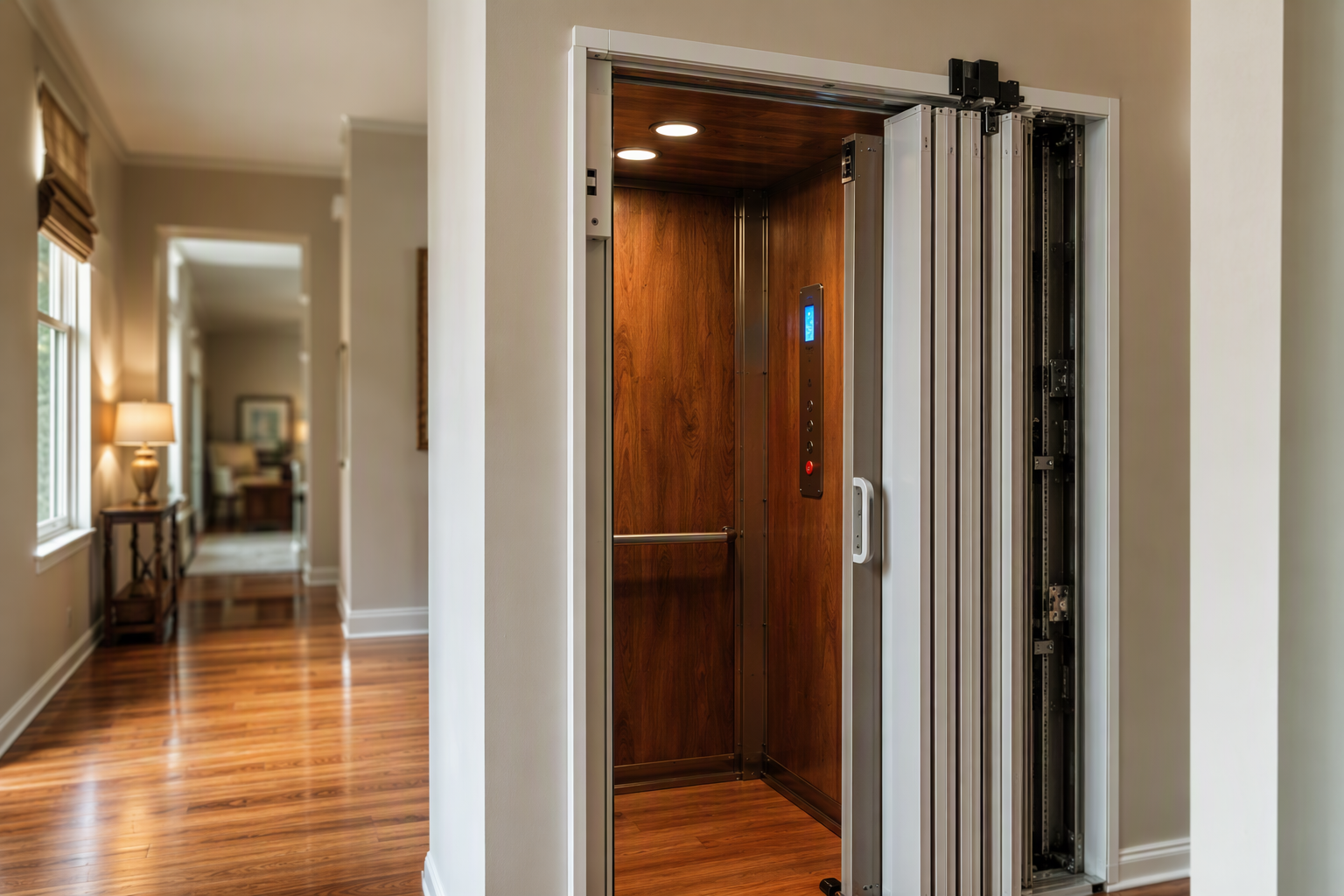
Residential friction elevators — sometimes called friction drive or cable-drum home elevators — are a popular choice in Columbia, SC homes for accessibility and convenience. Knowing how to maintain them, when they require professional service, and how South Carolina regulations apply is essential for every homeowner. This FAQ covers every dimension of residential friction elevator ownership, from routine upkeep to compliance considerations.
What Is a Residential Friction Elevator?
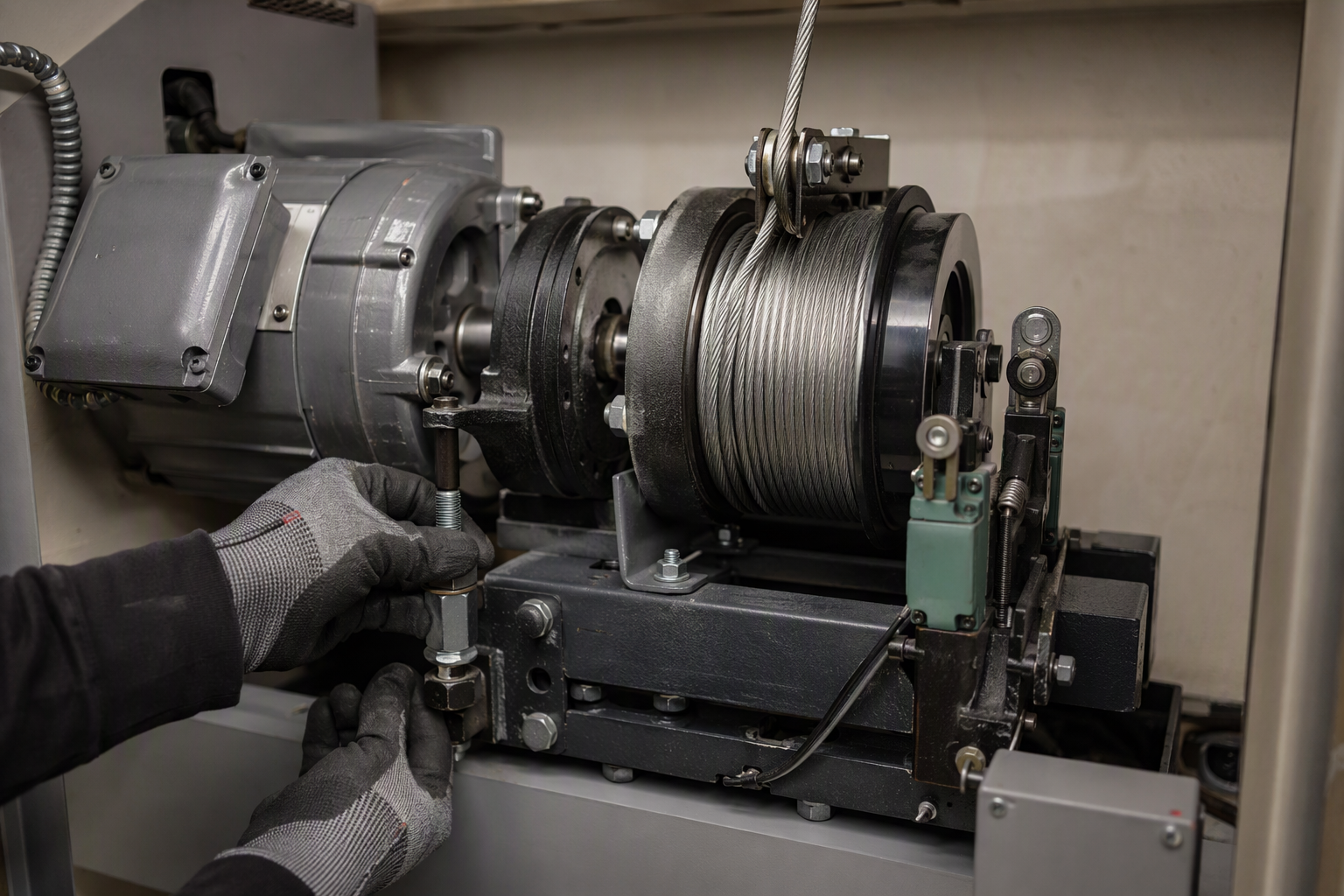
A residential friction elevator is a home elevator that uses a motor-driven friction wheel or cable-drum mechanism to raise and lower the cab along a guide rail, without the hydraulic fluid or machine-room overhead equipment typical of commercial installations.
Unlike hydraulic elevators, which rely on pressurized oil, or traction elevators with counterweights and sheaves, friction drive systems grip a steel cable or rail directly. The drive motor turns a grooved drum or wheel that grips the hoist cable under tension, moving the car up or down. Because there is no underground hydraulic cylinder or large overhead machine room required, friction elevators are compact and well-suited to residential applications where space is at a premium.
Common residential friction elevator brands encountered in Columbia, SC homes include Savaria, AmeriGlide, and Harmar, though many other manufacturers produce similar drive systems. Each uses slightly different motor and drive configurations, so service technicians must be familiar with brand-specific components, cable tension specifications, and safety device settings.
Does South Carolina Regulate Residential Friction Elevators?
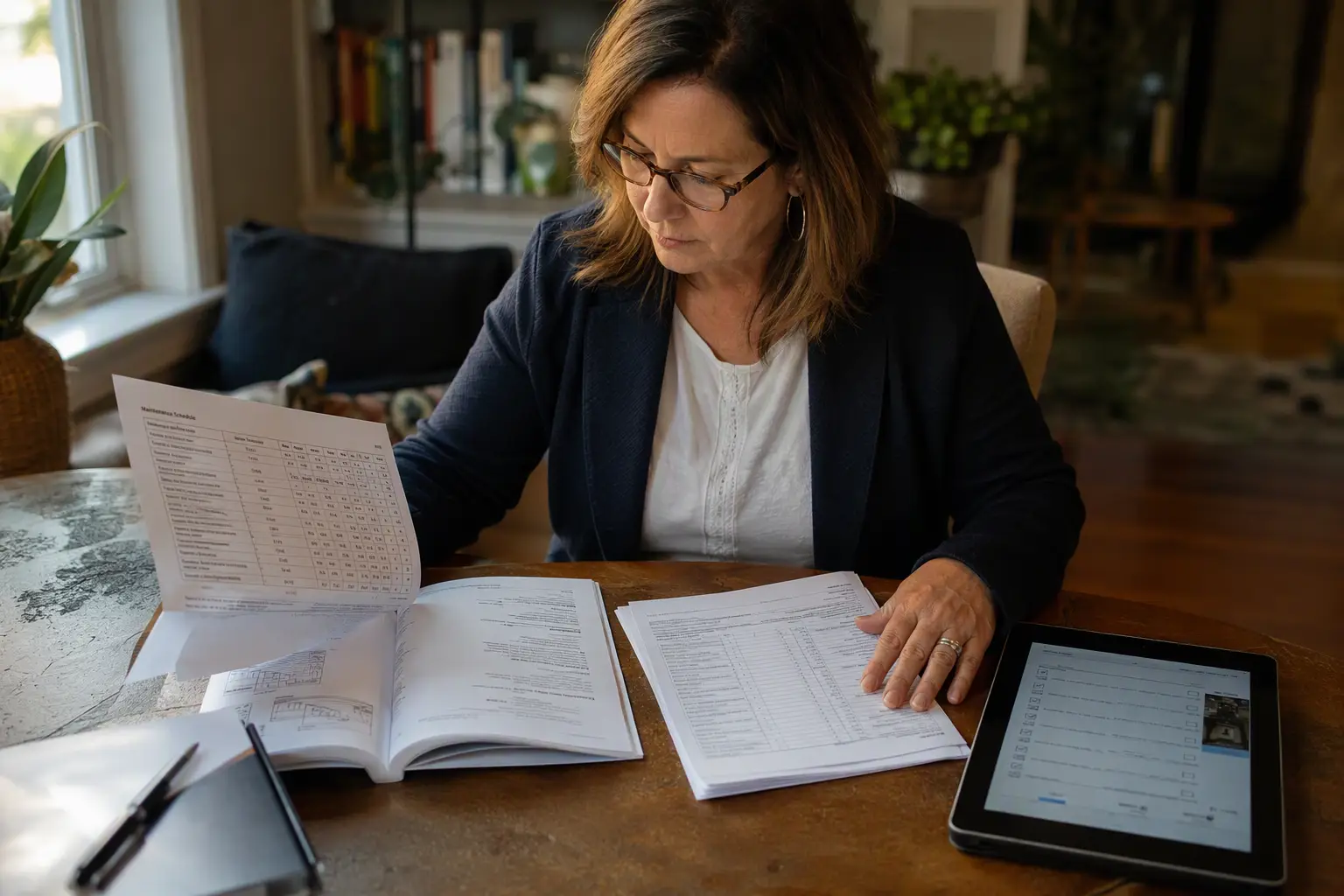
South Carolina law under S.C. Code Title 41, Chapter 16 (South Carolina Elevator Code) explicitly exempts equipment installed in a single private dwelling from the state elevator code, meaning most single-family home friction elevators do not fall under mandatory state inspection requirements.
This exemption is significant. While commercial and multifamily elevator facilities must obtain a certificate of registration and an operating certificate from the South Carolina Department of Labor, Licensing and Regulation (LLR), Office of Elevators and Amusement Rides, a friction elevator installed solely within a private single-family residence is not subject to those requirements under current South Carolina law.
However, this exemption does not eliminate the owner’s responsibility for safety. The equipment is still subject to the manufacturer’s maintenance requirements and to the edition of ASME A17.1/CSA B44 on which its design was certified. Homeowners are strongly encouraged to follow manufacturer-recommended service intervals and to engage a qualified elevator service company — such as Carolina Elevator Service — to perform periodic inspections and preventive maintenance.
If a friction elevator is installed in a multifamily building, mixed-use property, or any non-single-family dwelling setting, the South Carolina Elevator Code and its registration and inspection requirements apply in full.
What Federal Safety Standards Apply to Residential Friction Elevators?
Residential elevator design in the United States is governed primarily by the ASME A17.1/CSA B44 Safety Code for Elevators and Escalators, which contains specific sections addressing private residence elevators, including requirements for car enclosures, gates, safety devices, and maximum speed and capacity limits.
South Carolina has adopted the 2019 edition of ASME A17.1/CSA B44 (ASME A17.1-2019/CSA B44:19) for new elevator facilities, effective as adopted by notice in the S.C. State Register on July 23, 2021. New residential elevator installations permitted after that date must comply with the requirements of that edition.
Older installations in South Carolina that were in operation before July 1, 1986 must comply with the 1986 edition of ANSI A17.3, the safety code for existing elevators and escalators, to the extent they fall within regulated scope. For the single-family exemption, ASME A17.1’s private residence elevator sections still represent the engineering baseline that responsible service and inspection follow.
The Americans with Disabilities Act (ADA) applies primarily to places of public accommodation and commercial facilities and does not generally impose requirements on elevators within private single-family homes. However, when a residential friction elevator is installed in a covered multifamily housing project or a facility open to the public, ADA accessibility requirements become relevant and must be evaluated carefully.
What Are the Main Components of a Friction Elevator That Require Service?
A residential friction elevator has several critical subsystems that require regular inspection, lubrication, adjustment, and eventual component replacement to maintain safe operation.
| Component | Function | Primary Service Activity | Potential Failure Risk if Neglected |
|---|---|---|---|
| Drive Motor | Powers the friction drum or wheel | Electrical inspection, thermal check, lubrication | Overheating, motor burnout, cab stall |
| Friction Drive Wheel / Drum | Grips cable to raise/lower car | Cable tension check, wear measurement, alignment | Cable slippage, uncontrolled movement |
| Hoist Cable | Suspends and moves the car | Inspection for broken wires, kinks, corrosion | Cable failure, free-fall (safety device activates) |
| Guide Rails | Keep car travel straight and aligned | Cleaning, lubrication, bracket tightening | Rough ride, increased wear on rollers/guides |
| Safety Device (Governor/Catcher) | Stops car if overspeed detected | Functional test, governor calibration | Uncontrolled descent in cable failure |
| Car Gate / Door Interlocks | Prevent operation with open gate | Interlock function test, contact cleaning | Entrapment hazard, shear injury risk |
| Control System / PCB | Manages call buttons, limits, safeties | Diagnostic scan, limit switch testing | Erratic operation, failure to level at landings |
| Travel Limit Switches | Stop cab at top and bottom landings | Position verification, adjustment | Over-travel, structural damage |
| Emergency Lowering Device | Allows manual lowering during power loss | Functional test | Occupant entrapment during outage |
| Pit and Overhead Clearances | Safe zones at travel extremes | Measurement verification per ASME A17.1 | Crush injury at pit bottom or overhead |
How Often Should a Residential Friction Elevator Be Serviced?
Residential friction elevators should receive professional maintenance at least once per year, with the specific interval determined by the manufacturer’s recommendations, the age of the equipment, and frequency of use in the home.
Because the single-family private dwelling exemption in South Carolina law means the state does not mandate a specific inspection interval for home elevators, the responsibility for setting an appropriate service schedule falls entirely on the homeowner and their chosen service provider. Annual preventive maintenance visits allow a qualified technician to inspect the hoist cable for wire breakage, verify safety device operation, test door and gate interlocks, lubricate guide rails and moving parts, and check motor and drive wheel condition before small issues become failures. Homes with elderly residents or individuals with mobility impairments who rely on the elevator daily may benefit from more frequent service visits to minimize downtime risk.
What Happens During a Professional Residential Friction Elevator Inspection?
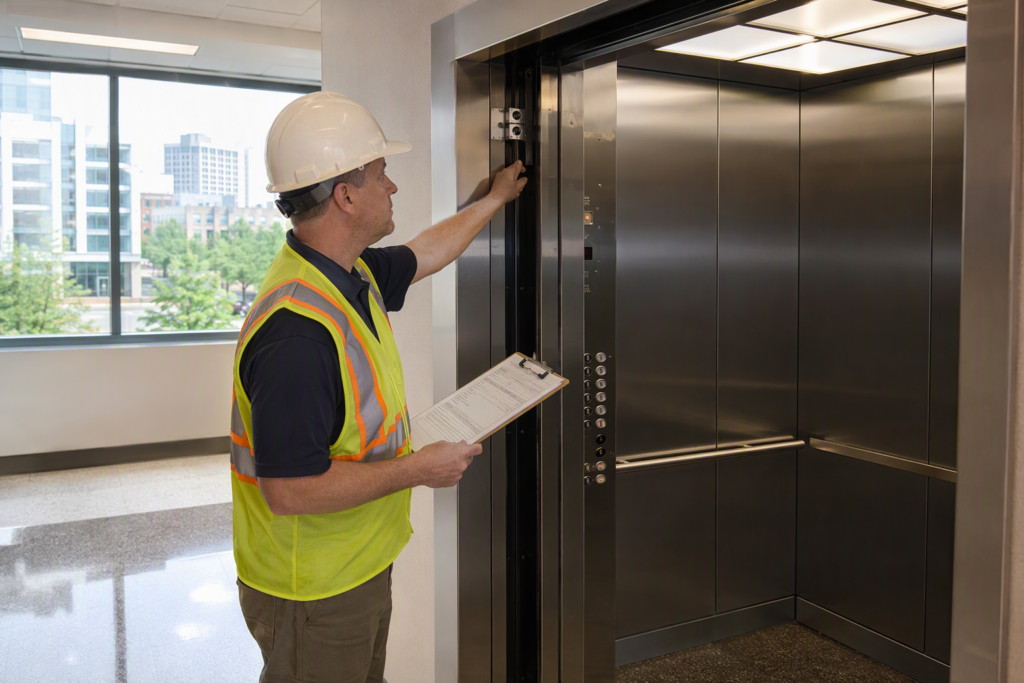
A professional inspection of a residential friction elevator follows a systematic protocol based on the component categories defined in ASME A17.1/CSA B44 for private residence elevators, adapted to the specific drive type and brand involved.
- Pre-inspection review: The technician reviews the elevator’s installation documentation, previous service records, and any reported issues from the homeowner before beginning physical examination.
- Visual inspection of pit: The pit area is examined for water intrusion, debris, proper lighting, and condition of buffers and guide rail bases.
- Hoist cable examination: The cable is inspected along its full accessible length for broken wires, kinks, corrosion, and proper seating in the drum or drive wheel groove.
- Drive mechanism check: The friction wheel or drum is inspected for wear, cable slippage signs, and correct cable tension per manufacturer specification.
- Safety device test: The overspeed governor and car safety (catcher) are functionally tested to verify they engage within the correct speed parameters.
- Gate and door interlock test: Each car gate and landing door interlock is tested to confirm the elevator will not operate with any gate or door open.
- Limit switch verification: Top and bottom travel limit switches are tested to confirm the car stops correctly at both extremes of travel.
- Motor and control system check: The motor’s electrical connections, thermal protection, and control board are inspected; call buttons and indicators are tested.
- Lubrication: Guide rails, rollers, and other friction points are lubricated per manufacturer specifications.
- Emergency lowering test: The manual emergency lowering device is operated to confirm it functions correctly in a simulated power failure scenario.
- Final operational run: The elevator is run through multiple complete cycles from all landings to verify smooth, level operation and correct door sequencing.
- Written report: The technician documents all findings, items repaired, and any recommendations for future repairs or component replacements.
What Are the Most Common Repair Issues Found on Residential Friction Elevators?
Worn or frayed hoist cables, misaligned drive wheels, and failed gate interlock contacts are among the most frequently encountered repair needs on residential friction elevators in Columbia, SC.
Cable wear is particularly common because the friction drive system places repetitive mechanical stress on the same section of cable at the drum contact point. Over time, individual wires within the cable strand begin to break, and a cable that appears intact externally may have internal wire breaks detectable only by close inspection with proper lighting and magnification. ASME A17.1/CSA B44 establishes criteria for when a hoist cable must be replaced — once those criteria are met, continued operation is unsafe regardless of cost or inconvenience.
Drive wheel misalignment causes uneven cable wear and can lead to cable jump or slippage under load, which the safety device must then catch. Control board failures are increasingly common on older units where electronic components age out of tolerance. Gate interlock failures are among the most consequential defects because they directly affect entrapment protection — a gate interlock that has failed open will allow the car to move with the gate open, creating a shear hazard at landings.
Can a Residential Friction Elevator Be Modernized or Upgraded?
Yes — residential friction elevators can be modernized through control system upgrades, cable replacement with higher-capacity wire rope, drive motor replacement, and the addition of modern safety devices that may not have been present on older installations.
Modernization decisions should be driven by the age of the equipment, availability of replacement parts from the original manufacturer, and the cost comparison between ongoing repairs and full replacement. When a friction elevator’s manufacturer has ceased production or no longer supplies parts, sourcing compatible components requires careful engineering evaluation to ensure the replacement parts meet the same safety specifications. Any alteration to an elevator facility that falls within the regulated scope of South Carolina’s elevator code requires a state construction permit from the LLR, Office of Elevators and Amusement Rides, before work begins.
Does the ADA Require a Residential Friction Elevator to Meet Specific Standards?
The Americans with Disabilities Act does not impose elevator requirements on private single-family homes, but it does apply when an elevator is part of a covered multifamily housing project or a place of public accommodation or commercial facility.
When a residential-style friction elevator is installed in a covered facility — for example, a bed-and-breakfast open to the public or a multifamily building covered by the Fair Housing Act — the applicable accessibility standards must be evaluated and met. For those contexts, cab dimensions, control heights, door widths, and landing sill gaps must conform to ADA Standards for Accessible Design. Homeowners who are unsure whether their property triggers ADA obligations should consult qualified legal counsel alongside their elevator service provider.
What Should a Homeowner Do If a Residential Friction Elevator Becomes Stuck or Malfunctions?
If a residential friction elevator stalls mid-travel or fails to respond, the occupant and homeowner should follow a clear, calm sequence to ensure safety before any service action is taken.
- Stay calm and do not attempt to exit a stalled car between floors — the space between the car and the landing presents a fall and entrapment hazard.
- Use the car’s emergency communication device or a mobile phone to alert someone in the home or call for assistance.
- Do not attempt to force the gate or door open if the car is not level with a landing.
- If accessible and safe to do so, activate the emergency stop switch in the car to ensure the car remains stationary.
- A household member outside the car may activate the manual emergency lowering device per the manufacturer’s instructions to bring the car to the nearest lower landing — this should only be attempted if the device is clearly labeled and the person has been trained in its use.
- Once the occupant is safely out, take the elevator out of service by turning off its main power disconnect until a qualified technician inspects it.
- Contact a certified elevator service company — such as Carolina Elevator Service — to diagnose and repair the fault before returning the elevator to service.
- Document the malfunction including the conditions, any error codes displayed on the control panel, and sounds heard, to assist the technician in diagnosis.
How Does a Residential Friction Elevator Differ From a Residential Hydraulic Elevator in Terms of Service Needs?
Friction and hydraulic residential elevators have distinct mechanical systems that create different service priorities — friction elevators center maintenance on cable and drive component condition, while hydraulic elevators require fluid system integrity and cylinder inspection.
| Characteristic | Friction (Cable-Drum) Elevator | Hydraulic Elevator |
|---|---|---|
| Primary drive system | Motor-driven friction wheel or cable drum | Hydraulic pump and cylinder |
| Key maintenance item | Hoist cable condition and drive wheel wear | Hydraulic fluid level, seals, and cylinder integrity |
| Environmental concern | Cable corrosion in humid environments | Hydraulic fluid leaks and soil contamination risk |
| Space requirement | Minimal — no separate machine room typically required | May require a machine room or in-line power unit |
| Speed characteristic | Generally consistent across travel height | Can slow as fluid pressure varies with temperature |
| SC plastic containment rule | Not applicable | Applies to new underground hydraulic cylinders in SC |
| Power consumption | Motor runs during full travel | Pump motor runs on up travel; gravity assists descent |
| Emergency lowering | Manual cable release or emergency lowering device | Manual valve release allows gravity descent |
Service technicians must understand these differences to apply the correct diagnostic approach. A technician experienced only in hydraulic systems who encounters a friction drive unit may misdiagnose operational characteristics as defects, or miss cable-specific failure modes that are not present in hydraulic equipment.
How Long Does a Residential Friction Elevator Typically Last With Proper Maintenance?
With consistent professional maintenance, a well-built residential friction elevator can provide reliable service for many years, though the lifespan of specific components — particularly the hoist cable, drive wheel, and control electronics — varies based on use intensity, environment, and installation quality.
The hoist cable is typically the highest-wear consumable component. Humid climates, like those common in Columbia, SC, can accelerate surface corrosion on uncoated cable. Proper lubrication of the cable and guide rails reduces both corrosion and mechanical wear. Control system electronics have a finite component life that is unrelated to mechanical use and may require board-level repair or replacement as the unit ages. Homeowners who invest in annual preventive maintenance consistently see fewer emergency service calls and longer intervals between major component replacements compared to those who defer service until a failure occurs.
What Should Homeowners Look for When Choosing a Friction Elevator Service Provider in Columbia, SC?
Homeowners selecting a friction elevator service company should prioritize demonstrated familiarity with residential friction drive systems specifically, transparent documentation practices, and knowledge of South Carolina’s regulatory framework as it applies to residential equipment.
Because South Carolina elevator mechanic and contractor licensing requirements were not verified in state-published sources available at time of publication, homeowners should ask prospective service companies about their technicians’ training backgrounds and whether their work on commercial-regulated elevators is performed in compliance with South Carolina’s elevator regulations. Companies whose technicians regularly service regulated elevator facilities under South Carolina’s LLR oversight bring a disciplined, code-grounded approach to residential work even when the private dwelling exemption applies.
Carolina Elevator Service serves Columbia, SC homeowners and is familiar with the range of residential friction elevator brands and configurations found throughout the region. Engaging a company with deep local presence means shorter response times and technicians who understand the specific humidity, dust, and construction environments common to midlands South Carolina homes.
Does Homeowner’s Insurance Cover Residential Friction Elevator Repairs?
Coverage for residential elevator repairs depends entirely on the specific homeowner’s insurance policy and the cause of the failure — mechanical breakdown is typically excluded from standard homeowner’s policies, while damage caused by a covered peril such as fire or storm may be covered.
Standard homeowner’s insurance policies generally cover sudden and accidental damage from named perils but exclude mechanical or electrical breakdown of equipment. Homeowners who want protection against friction elevator mechanical failures should ask their insurer about equipment breakdown endorsements or riders that specifically cover residential elevator systems. Detailed service records from Carolina Elevator Service documenting preventive maintenance and component condition can support insurance claims by demonstrating that the failure was not the result of owner neglect.
What Warning Signs Indicate a Residential Friction Elevator Needs Immediate Service?
Several observable symptoms indicate that a residential friction elevator should be taken out of service and professionally inspected without delay.
- Unusual noises during operation — grinding, squealing, or cable slapping sounds suggest drive wheel wear, cable misseating, or guide rail lubrication failure.
- Jerky or uneven movement — hesitation, surging, or rough travel often indicates cable tension problems, drive wheel slippage, or control board faults.
- Failure to level at landings — if the car consistently stops above or below the landing floor level, limit switch calibration or control issues are likely present.
- Gate or door that does not fully engage its interlock — if the gate requires extra force to close or the car will move with the gate improperly latched, interlock failure has occurred.
- Visible cable wear or fraying — any visible broken wires, kinking, or bird-caging of the hoist cable is grounds for immediate out-of-service status.
- Burning smell or motor heat — electrical burning odor or excessive motor heat indicates a motor or wiring fault requiring immediate attention.
- Unexpected stops or error codes — modern control systems display fault codes; any undiagnosed fault code should be investigated before continued operation.
Are There Any South Carolina Reporting Requirements if a Residential Friction Elevator Is Involved in an Accident?
South Carolina law requires that any accident involving an elevator facility that seriously injures someone other than an employee must be reported to the state before the end of the next working day — however, this reporting obligation applies to elevator facilities subject to the South Carolina Elevator Code, and the private single-family dwelling exemption means most residential friction elevators fall outside that mandatory reporting scope.
Despite the exemption, any accident causing serious injury should be documented thoroughly, the elevator should be taken out of service immediately, and a qualified service company should conduct a thorough inspection before the elevator is returned to use. Property owners in multifamily or other regulated settings must comply fully with South Carolina’s accident reporting requirements under S.C. Code Title 41, Chapter 16. Regardless of regulatory applicability, early contact with the homeowner’s insurance carrier is also advisable following any injury incident.
How Are Residential Friction Elevators Installed in Columbia, SC Homes?
Residential friction elevator installation in Columbia, SC requires careful pre-installation planning covering structural reinforcement, hoistway construction, electrical supply, and coordination with the elevator manufacturer’s installation requirements derived from ASME A17.1/CSA B44 private residence elevator sections.
The hoistway must be framed to the manufacturer’s specified dimensions, with adequate structural members to carry the guide rail brackets and top drive unit. Electrical supply — typically a dedicated circuit meeting the motor’s voltage and amperage requirements — must be run by a licensed electrician prior to installation. While the single-family private dwelling exemption under South Carolina law means a state construction permit from the LLR is not required for single-family home installations, local building permits may still apply depending on the jurisdiction, and homeowners should confirm requirements with their local building authority in Columbia or Richland County. For any elevator installation in a regulated facility, a South Carolina state construction permit is required before erection, construction, alteration, or installation begins.
What Is the Difference Between Preventive Maintenance and a Repair Service Call for a Residential Friction Elevator?
Preventive maintenance is a scheduled, proactive service visit designed to inspect, lubricate, adjust, and identify developing issues before they cause a failure, while a repair service call is a reactive response to an already-occurred malfunction or breakdown.
Preventive maintenance visits allow the technician to catch cable wear, drive wheel alignment drift, and interlock contact degradation at early stages when correction is straightforward and inexpensive. A repair service call, by contrast, typically addresses a system that has already failed in some way — a stalled car, a tripped safety device, or a non-functional control system — and may involve component replacement, diagnostic time, and the inconvenience of an out-of-service elevator. Homeowners who schedule annual preventive maintenance with Carolina Elevator Service typically experience more reliable elevator operation than those who wait for something to go wrong before calling for service.
Can a Residential Friction Elevator Be Used by Individuals With Disabilities, and What Features Support Accessibility?
Yes — residential friction elevators can fully support individuals with mobility impairments, wheelchair users, and others with disabilities, and several design and feature choices improve accessibility within the home setting.
Key accessibility features to consider include wider car platforms to accommodate wheelchairs, folding or vertical-bi-parting gates that maximize door opening width, low-threshold car-to-landing sill gaps, large-button controls at accessible heights, and audible and visual floor indicators for individuals with visual or hearing impairments. While ADA standards do not apply to private single-family residences, they represent a well-developed framework for accessible elevator design and can serve as a useful reference for homeowners planning a new installation or modernization with accessibility as a goal. Carolina Elevator Service can evaluate existing residential friction elevators for accessibility enhancement opportunities during a service visit.
What Records Should Homeowners Keep for a Residential Friction Elevator?
Homeowners should maintain a complete, organized file of documentation related to their residential friction elevator, including installation records, manufacturer manuals, all service and maintenance reports, component replacement history, and any warranty documentation.
Good recordkeeping serves multiple purposes: it allows the service technician to understand the complete history of the equipment and make better-informed maintenance decisions; it supports insurance claims if equipment damage occurs; it provides evidence of diligent ownership if any liability question ever arises; and it is essential if the home is ever sold, as prospective buyers and their inspectors will want to understand the elevator’s age, condition, and service history. Service reports from Carolina Elevator Service include detailed findings and recommendations in written form, giving homeowners a clear audit trail for each visit.
How Do I Get Residential Friction Elevator Service in Columbia, SC?
Scheduling residential friction elevator service in Columbia, SC with a qualified local provider is the most direct way to keep home elevator equipment operating safely and reliably year after year.
Carolina Elevator Service is available to Columbia, SC homeowners for residential friction elevator inspections, preventive maintenance, troubleshooting, repairs, and modernization consultations. The company’s familiarity with the South Carolina regulatory environment — including the LLR’s oversight of regulated elevator facilities under S.C. Code Title 41, Chapter 16 and the adopted ASME A17.1-2019/CSA B44:19 — means homeowners receive service grounded in current code knowledge even for equipment that falls within the private dwelling exemption. Proactive homeowners who schedule annual maintenance are in the best position to maximize elevator life, minimize unexpected repair costs, and ensure the elevator is available when it is needed most.
Schedule Your Free Elevator Assessment Today
Don’t wait for a breakdown to find out your residential friction elevator needs attention. Contact Carolina Elevator Service for a free elevator assessment and let a qualified team familiar with Columbia, SC homes and South Carolina elevator regulations evaluate your equipment. Call us today at 803-865-1400 to schedule your visit.
Need elevator service you can rely on? Carolina Elevator Service is ready to help.