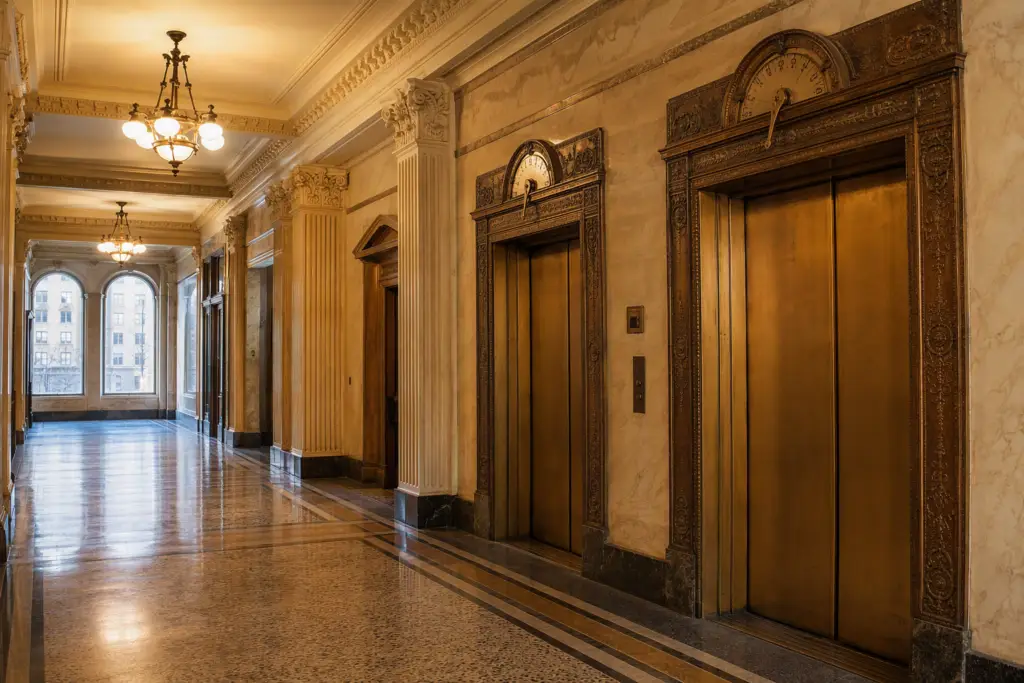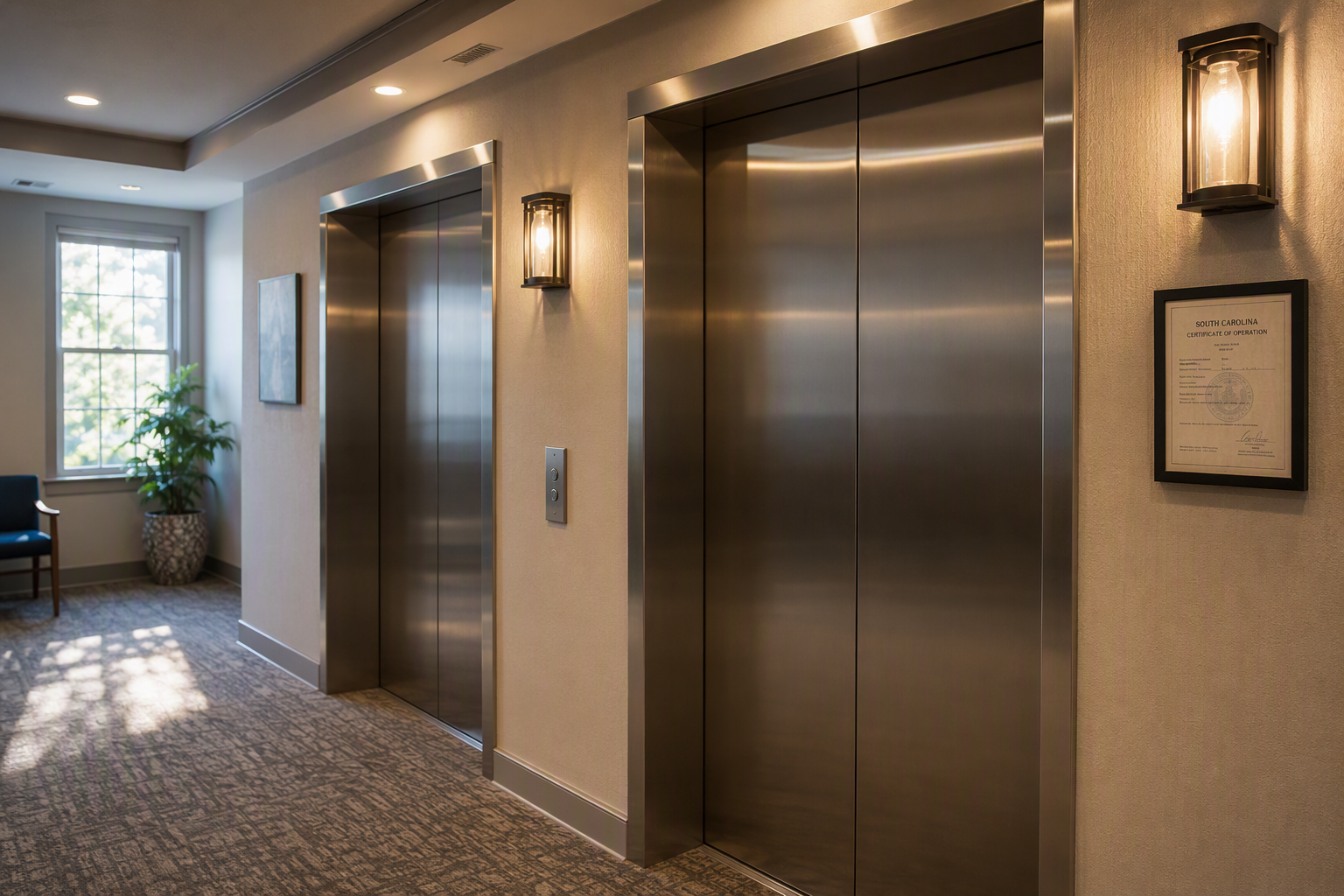
Apartment building owners and property managers in Columbia, SC face a layered set of elevator maintenance obligations that span federal accessibility law, nationally recognized safety codes, and South Carolina state inspection requirements. Keeping elevators safe, compliant, and reliable is not optional — it is a legal duty and a core responsibility to residents. This guide covers everything property managers need to know about elevator maintenance requirements in 2026.
—
What Are the Core Legal Requirements for Apartment Elevator Maintenance?
Apartment elevator maintenance requirements stem from three primary sources of authority that work in tandem:
- ASME A17.1 Safety Code for Elevators and Escalators — The nationally recognized standard that governs the design, construction, operation, inspection, testing, and maintenance of elevators. Most states and municipalities adopt ASME A17.1 as the foundation of their elevator safety rules. The 2019 edition (and subsequent supplements) remains the most widely enforced version as of 2026. Learn more at ASME.
- ADA Accessibility Standards — The Americans with Disabilities Act requires that elevators in multi-story apartment buildings be accessible to people with disabilities. This includes door timing, button dimensions, auditory signals, and Braille markings. Maintenance programs must preserve these features in working condition.
- South Carolina State Elevator Safety Program — South Carolina requires periodic inspections by state-certified inspectors, and elevator owners must maintain valid certificates of operation. Failure to comply can result in mandatory shutdowns and fines.
Carolina Elevator Service works with apartment property managers in Columbia, SC to ensure maintenance programs are structured around all three of these compliance pillars — not just one.
—
How Often Must Apartment Elevators Be Inspected?
Under ASME A17.1, elevators are subject to periodic inspections and tests at defined intervals. Generally, a full periodic inspection is required annually, while certain safety tests — such as safety device testing and load testing — may follow longer intervals specified in the code. South Carolina’s elevator safety program enforces these intervals through its state inspection authority.
Beyond mandatory inspections, industry best practice calls for a preventive maintenance schedule that includes monthly, quarterly, and annual service tasks. Preventive maintenance performed between statutory inspections is what keeps elevators safe day-to-day — inspections confirm compliance, but ongoing maintenance prevents failures.
—
What Does a Preventive Maintenance Program for an Apartment Elevator Include?
A thorough preventive maintenance program for a residential apartment elevator typically encompasses the following categories of work:
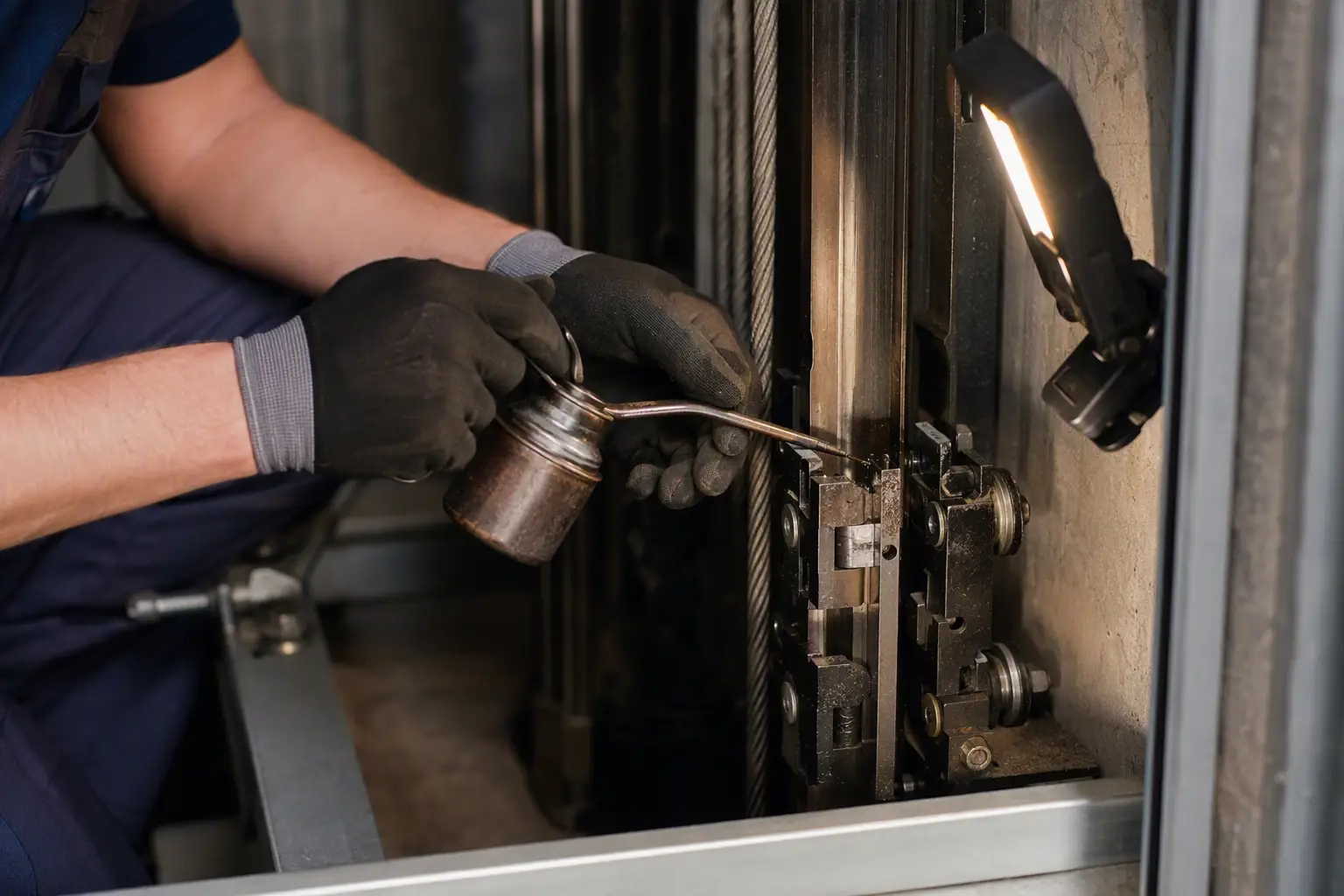
- Lubrication: Rails, cables, sheaves, and guide shoes require regular lubrication at manufacturer-specified intervals to reduce wear.
- Safety device testing: Governor, safeties, buffers, and interlocks must be tested to confirm correct operation.
- Door system inspection: Door operators, clutches, rollers, and contacts are among the most common sources of elevator service calls and must be inspected frequently.
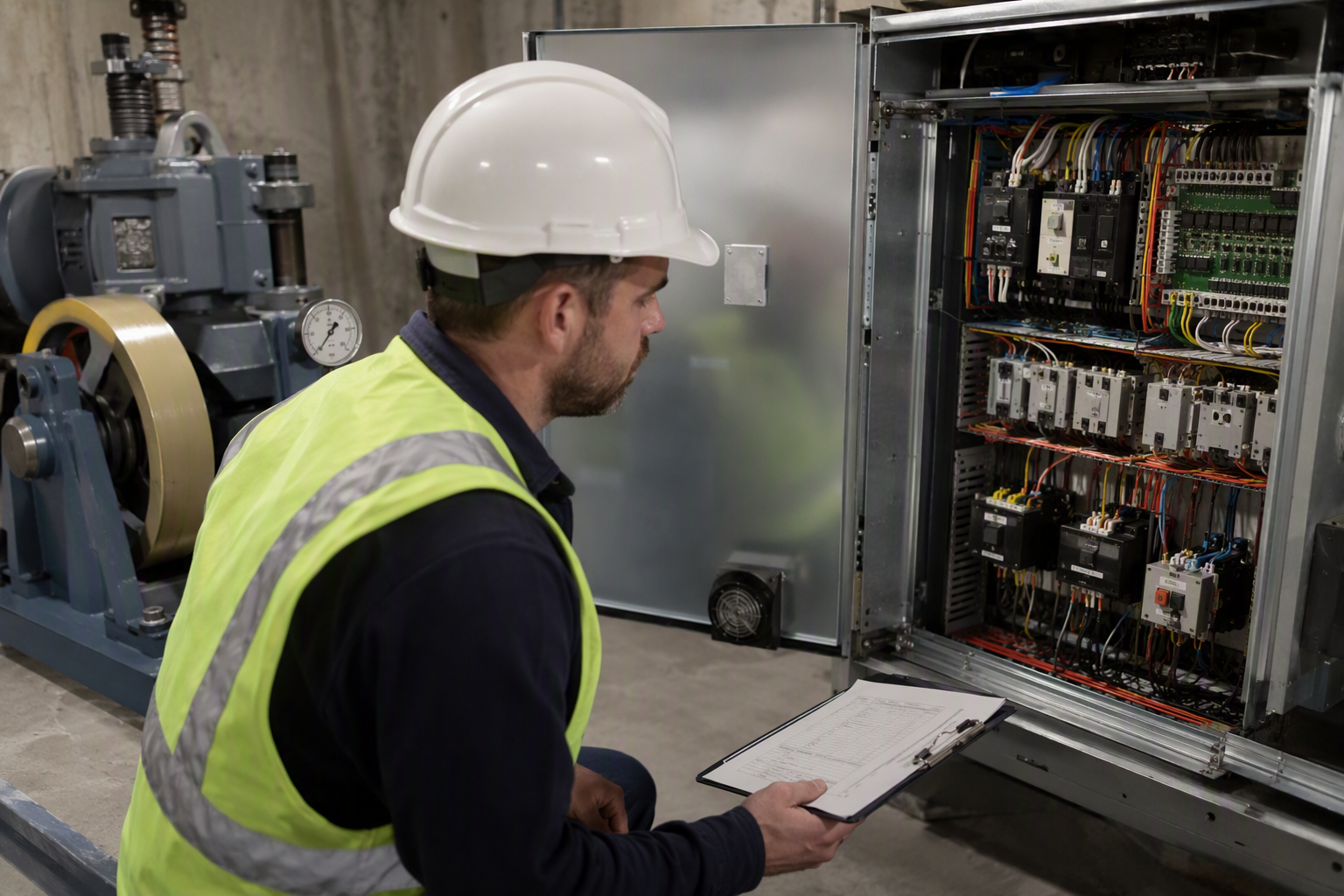
- Electrical system checks: Control panels, wiring, lighting, and emergency communication systems require regular review.
- Hydraulic system service (for hydraulic elevators): Fluid levels, cylinder condition, and valve operation must be monitored to prevent leaks and failures.
- Cab interior: Emergency lighting, ventilation, and ADA-compliant features — including working intercoms — must remain functional at all times.
- Documentation: All maintenance activities must be recorded in a logbook kept in or near the machine room, as required by ASME A17.1 and state regulations.
Carolina Elevator Service provides structured preventive maintenance agreements for apartment buildings in the Columbia, SC area, with maintenance scopes designed to meet ASME A17.1 requirements and South Carolina state standards.
—
What Are the ADA Requirements Apartment Elevator Maintenance Must Preserve?
The ADA imposes specific functional requirements on elevator operation that maintenance programs must actively protect. Key elements include:
- Door reopening devices must function when obstructed and remain operational throughout the door’s closing cycle.
- Call buttons must be a minimum specified size and must be illuminated or audibly confirmed when activated.
- Raised and Braille characters must be present and legible on floor buttons and door jamb designations.
- Audible and visual floor indicators must work correctly so passengers who are visually or hearing impaired can navigate independently.
- Emergency two-way communication systems must be operable and accessible without a handset.
A maintenance program that allows any of these features to fall into disrepair exposes building owners to ADA liability as well as safety risk. During maintenance visits, each of these features should be verified, not assumed.
—
What Happens If an Apartment Elevator Fails a State Inspection?
If a South Carolina state inspector finds a violation during a periodic inspection, the outcome depends on the severity of the deficiency:
- Minor violations typically result in a written notice with a deadline to correct the deficiency before a re-inspection is scheduled.
- Serious or imminent-danger violations can result in an immediate order to take the elevator out of service until repairs are completed and the unit passes re-inspection.
- Repeated non-compliance may result in escalating fines and enforcement action by the state authority.
- Owner notification obligations: In a multi-unit residential building, a prolonged elevator shutdown may trigger obligations to inform residents and, in some jurisdictions, to provide alternative accommodations for residents with disabilities.
- Re-inspection and certificate reinstatement: The elevator cannot legally return to service until a passing inspection result has been documented and a valid certificate of operation is restored.
Proactive maintenance — rather than reactive repairs — is the most effective way to prevent inspection failures and the disruption they cause to residents.
—
How Do Maintenance Requirements Differ for Hydraulic vs. Traction Elevators in Apartment Buildings?
Both hydraulic and traction elevator types are common in apartment buildings, and each carries distinct maintenance considerations under ASME A17.1:
- Hydraulic elevators require periodic testing of the hydraulic unit, inspection of underground or in-ground cylinders for potential leaks (an environmental concern), and pressure relief valve testing. Older hydraulic systems may also be subject to cylinder replacement timelines based on age and condition assessments.
- Traction elevators require wire rope inspection, sheave groove measurement, brake adjustment and testing, and governor and safety device testing. Machine-room-less (MRL) traction elevators have additional requirements related to access procedures and specialized components.
A qualified elevator maintenance provider will tailor the maintenance scope to the specific equipment type and model rather than applying a one-size-fits-all checklist.
—
What Records Must Apartment Building Owners Keep for Elevator Maintenance?
Documentation is a legal requirement, not merely a best practice. Under ASME A17.1 and South Carolina state requirements, apartment building owners must maintain:
- The current certificate of operation, which must be posted in or on the elevator car.
- A maintenance record log in or adjacent to the machine room, recording all maintenance tasks, dates, and the identity of the performing contractor.
- Inspection and test reports from all periodic state inspections.
- Repair records for any corrective work performed between inspections.
These records may be requested during any state inspection and are critical evidence of compliance in the event of a liability claim following an incident.
—
What Is the Cost of Apartment Elevator Maintenance in Columbia, SC?
Maintenance costs vary based on elevator type, age, building height, number of stops, and the scope of the maintenance agreement. Rather than quoting a specific figure — which would not reflect the actual variables involved in any given building — property managers are best served by requesting a site assessment and written proposal from a qualified elevator service provider.
What is consistent across the industry is that deferred maintenance costs significantly more than preventive maintenance. Equipment failures, emergency call-outs, component replacements driven by neglect, and the cost of failed inspections all exceed the investment in a regular maintenance program.
Carolina Elevator Service offers free elevator assessments for apartment building owners in Columbia, SC, providing a clear picture of current equipment condition and what a compliant maintenance program would involve.
—
How Should Property Managers Select an Elevator Maintenance Contractor?
Selecting the right maintenance contractor is one of the most consequential decisions a property manager makes for building safety and compliance. Key criteria to evaluate include:
- State authorization: Confirm the contractor is authorized to perform elevator work in South Carolina.
- Familiarity with the equipment brand and type in the building — not all contractors have equal experience with all elevator systems.
- Scope clarity: A written maintenance agreement should specify exactly what tasks are included, at what frequency, and what is excluded.
- Documentation practices: The contractor should provide written maintenance logs after every visit.
- Local presence: A contractor with a local presence in the Columbia, SC area can respond more effectively to service needs than a national firm dispatching technicians from a distance.
- Communication: The contractor should provide clear notifications when deficiencies are found and written recommendations for any needed repairs.
—
Questions Your Inspector Will Ask
When a South Carolina elevator inspector arrives for a periodic inspection of your apartment building elevator, being prepared for their review can make the process smoother. Inspectors typically verify the following:
- Is the certificate of operation current and posted in the cab? An expired or missing certificate is an immediate violation.
- Is the maintenance logbook present and up to date? Inspectors review the log to confirm maintenance has been performed at required intervals.
- When was the last category test performed? ASME A17.1 establishes categories of tests (Category 1, Category 3, Category 5) with different intervals; inspectors verify these have been completed on schedule.
- Are all safety devices — governor, safeties, buffers — in proper working condition?
- Is the emergency lighting and two-way communication system functional?
- Are ADA-required features — Braille, audible indicators, door timing — intact and operational?
- Is the machine room secured, properly ventilated, and free of non-elevator storage? ASME A17.1 prohibits storage of non-elevator materials in machine rooms.
- Are there any visible oil leaks, unusual wear, or deferred repairs noted in the maintenance log but not yet corrected?
Property managers who work with Carolina Elevator Service receive maintenance visits documented in sufficient detail to answer every one of these questions with confidence.
—
What Should a Property Manager Do Immediately After an Elevator Incident?
- Ensure any occupants are safe and assist anyone who may be trapped or injured. Contact emergency services if needed.
- Take the elevator out of service immediately and place clear out-of-service signage on all landings.
- Contact your elevator maintenance contractor to report the incident and arrange for inspection before the elevator is returned to service.
- Notify the South Carolina elevator inspection authority if the incident involves injury or significant equipment damage — state regulations may require formal incident reporting.
- Preserve all records: Do not alter, delete, or dispose of maintenance logs, inspection records, or any equipment components until the incident has been fully reviewed.
- Document the scene: Photograph any visible damage or conditions relevant to the incident before repairs begin.
- Notify building insurance: Report the incident to your liability insurer promptly and provide all maintenance and inspection documentation upon request.
—
Schedule Your Free Elevator Assessment Today
Apartment building owners and property managers in Columbia, SC deserve a maintenance partner who understands the full scope of compliance obligations — from ASME A17.1 and ADA requirements to South Carolina state inspection standards.
Contact Carolina Elevator Service for a free elevator assessment and learn exactly what your building needs to stay safe, compliant, and reliable for every resident who depends on it.
Call: 803-865-1400
Need elevator service you can rely on? Carolina Elevator Service is ready to help.