Apartment building owners and property managers in Columbia, SC face a layered set of elevator maintenance obligations — from routine lubrication and safety testing to full-code compliance inspections coordinated with state authorities. Understanding who is responsible, what standards apply, and how to find the right contractor protects residents, limits liability, and keeps elevators legally operational. The guidance below addresses the most common questions property owners ask when navigating elevator maintenance requirements in a residential multi-family setting.
—
What Type of Contractor Should Handle Apartment Elevator Maintenance?
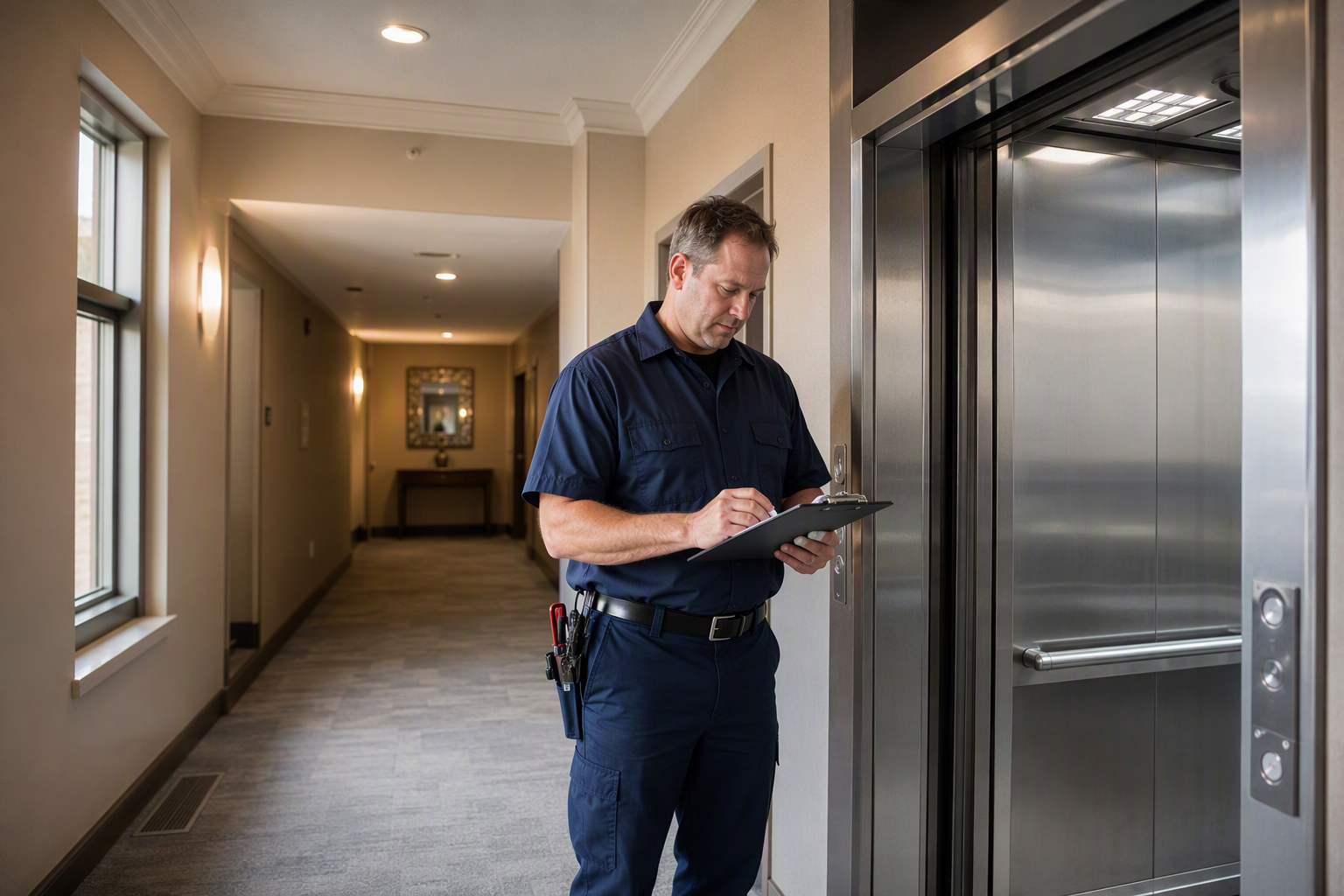
Elevator maintenance in apartment buildings must be performed by a qualified elevator contractor — a company whose technicians hold the appropriate state licensure to work on conveyance equipment. In South Carolina, elevator work is regulated through the South Carolina Department of Labor, Licensing and Regulation (SC-LLR), which requires contractors to meet specific qualification standards before performing maintenance, repair, or alteration work on vertical transportation equipment.
Property managers should not rely on general building maintenance staff or unlicensed handymen for elevator work. Doing so creates serious liability exposure and may result in failed state inspections, fines, or elevator shutdown orders. Carolina Elevator Service is a certified elevator service company operating in the Columbia, SC market, qualified to perform the full range of maintenance and compliance services apartment properties require.
What Codes and Standards Govern Apartment Building Elevators?
Several overlapping codes and standards apply to residential apartment elevators in 2026:
- ASME A17.1 Safety Code for Elevators and Escalators: The foundational national standard covering design, construction, operation, inspection, testing, maintenance, alteration, and repair of elevators. South Carolina adopts this code by reference, making compliance mandatory for apartment elevator owners.
- Americans with Disabilities Act (ADA): Multi-family buildings that fall under ADA jurisdiction — including those subject to Fair Housing Act requirements — must ensure elevators meet accessibility standards for cab dimensions, control panel height, door timing, and audible/visual signals.
- South Carolina Elevator Safety Act: State law administered by SC-LLR that establishes inspection frequency, permit requirements, and contractor licensing rules specific to South Carolina properties.
- OSHA regulations: Apply to elevator technicians performing maintenance and repair work, establishing lockout/tagout, fall protection, and confined space requirements that your contractor must follow.
How Often Does an Apartment Building Elevator Need to Be Inspected?
Under the ASME A17.1 Safety Code for Elevators and Escalators, elevators are subject to periodic inspections and tests at intervals defined by the code and enforced by the adopting jurisdiction. South Carolina requires that apartment building elevators receive routine periodic inspections by a state-authorized inspector, and that the building owner maintain a current certificate of inspection posted inside the elevator cab.
Separate from state inspections, apartment owners should maintain a preventive maintenance agreement with a qualified contractor. Preventive maintenance visits — typically scheduled monthly or quarterly depending on the equipment type, age, and usage volume — address lubrication, adjustment, safety device testing, and component wear assessment before failures occur.
What Does an Apartment Elevator Preventive Maintenance Agreement Include?
A comprehensive preventive maintenance agreement for an apartment building elevator typically covers:
- Lubrication of all moving components including guide rails, hoist ropes, and door operator mechanisms
- Adjustment of door timing, leveling accuracy, and cab speed
- Testing of all safety devices including governor, safeties, and buffers
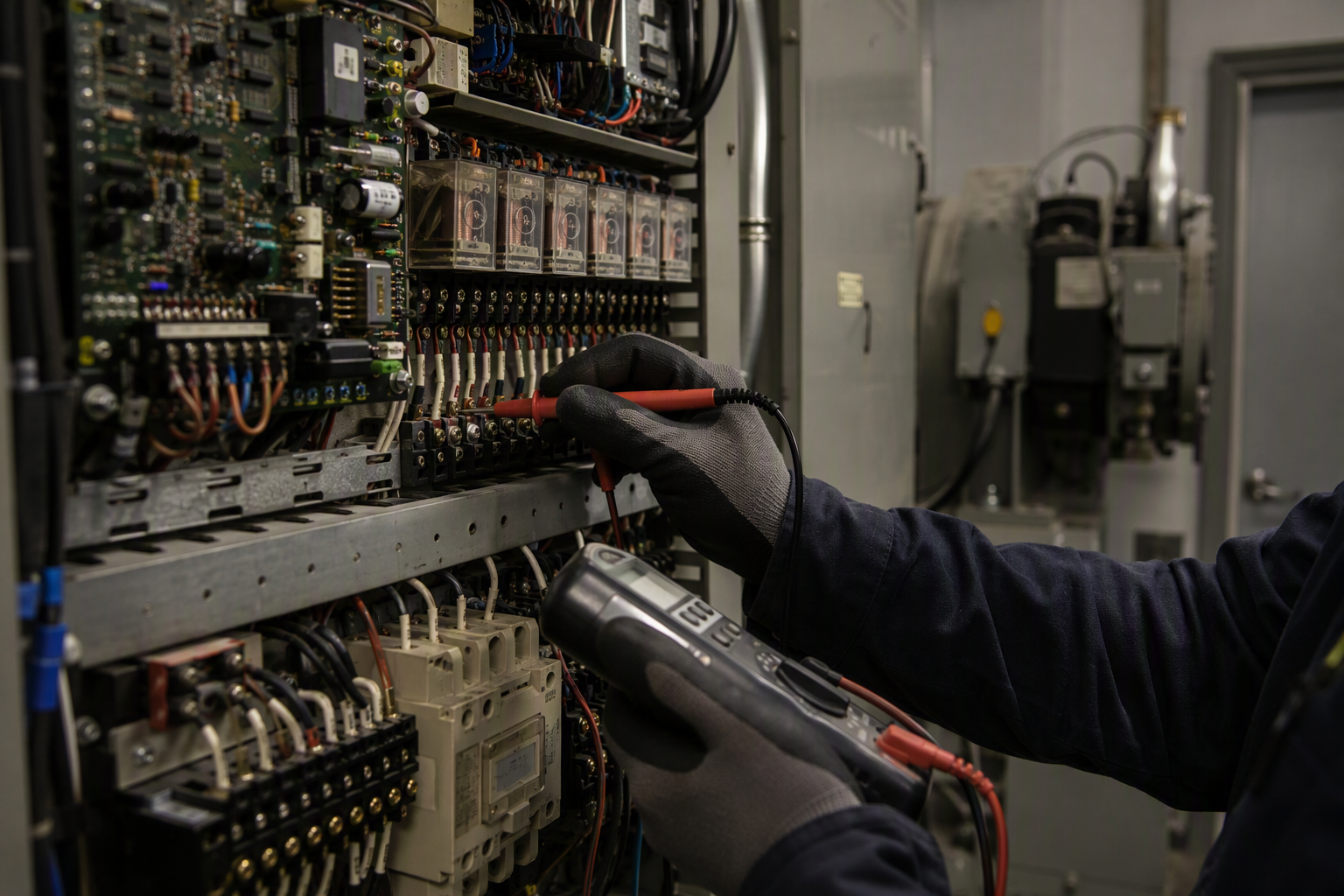
- Inspection of the machine room environment, including temperature, cleanliness, and fire protection
- Review of the controller, wiring, and electrical connections
- Documentation of findings and maintenance performed for state inspection records
Carolina Elevator Service structures maintenance programs to align with the specific requirements of each property’s equipment type and usage patterns, helping apartment owners maintain continuous code compliance rather than reacting to failures.
Does ADA Compliance Apply to My Apartment Building’s Elevator?
ADA elevator requirements apply to multi-family residential buildings covered under Title III of the ADA and under the Fair Housing Act’s accessibility guidelines. Buildings with four or more units where at least one unit is above the ground floor generally have elevator-related accessibility obligations. Key compliance areas include:
- Minimum cab interior dimensions
- Control button height and tactile marking requirements
- Door reopening device sensitivity and timing
- Audible and visible floor indicators
- Accessibility of the elevator lobby call station
If your elevator was installed or substantially altered after the relevant ADA effective dates, full compliance is required. Older elevators may benefit from a voluntary accessibility audit to identify and remediate gaps. Refer to ADA.gov for the current accessibility standards applicable to your property type.
What Happens If My Apartment Elevator Fails a State Inspection?
If a South Carolina state inspector identifies violations during a periodic inspection, the elevator may be issued a conditional approval requiring corrections within a defined timeframe, or in serious cases, an out-of-service order requiring immediate shutdown until deficiencies are corrected and re-inspected. The sequence property owners should follow is:
- Receive the inspection report and review all cited violations in detail.
- Contact a licensed elevator contractor immediately to assess the scope of required corrections.
- Obtain a written scope of work and timeline for completing the repairs or alterations.
- Coordinate with the contractor to complete all corrective work within the timeframe specified by the inspector.
- Request a follow-up inspection from the state to verify corrections and restore the certificate of inspection.
- Update your maintenance records to reflect the corrective actions taken.
Acting quickly and engaging a qualified contractor at the first step minimizes building disruption and resident inconvenience.
How Do I Choose the Right Elevator Maintenance Contractor for My Apartment Building?
When evaluating elevator maintenance contractors, apartment building owners and property managers should assess the following criteria:
- State licensure: Verify the contractor holds a current South Carolina elevator contractor license through SC-LLR.
- Manufacturer authorization: Some elevator systems require maintenance by contractors authorized by the original equipment manufacturer (OEM) to maintain warranty coverage.
- Code familiarity: The contractor should demonstrate working knowledge of the current edition of ASME A17.1, South Carolina-specific amendments, and applicable ADA standards.
- Maintenance documentation practices: Look for contractors who provide detailed written records of every maintenance visit — documentation is essential during state inspections.
- Local presence: A contractor based in or near Columbia, SC will have familiarity with local inspection authorities and can respond efficiently to service needs.
Carolina Elevator Service serves apartment properties throughout the Columbia, SC area and is structured to meet the maintenance, repair, and compliance needs of residential multi-family buildings.
What Records Should an Apartment Building Keep for Elevator Compliance?
South Carolina law and ASME A17.1 both require that specific records be maintained and available for inspection. Apartment building owners should retain:
- Current certificate of inspection (posted in the elevator cab)
- All past state inspection reports and violation correction records
- Maintenance logs from the service contractor, documenting every visit and action taken
- Records of any repairs, alterations, or modernization work performed, including permits
- Equipment manuals and as-built drawings (typically kept in the machine room)
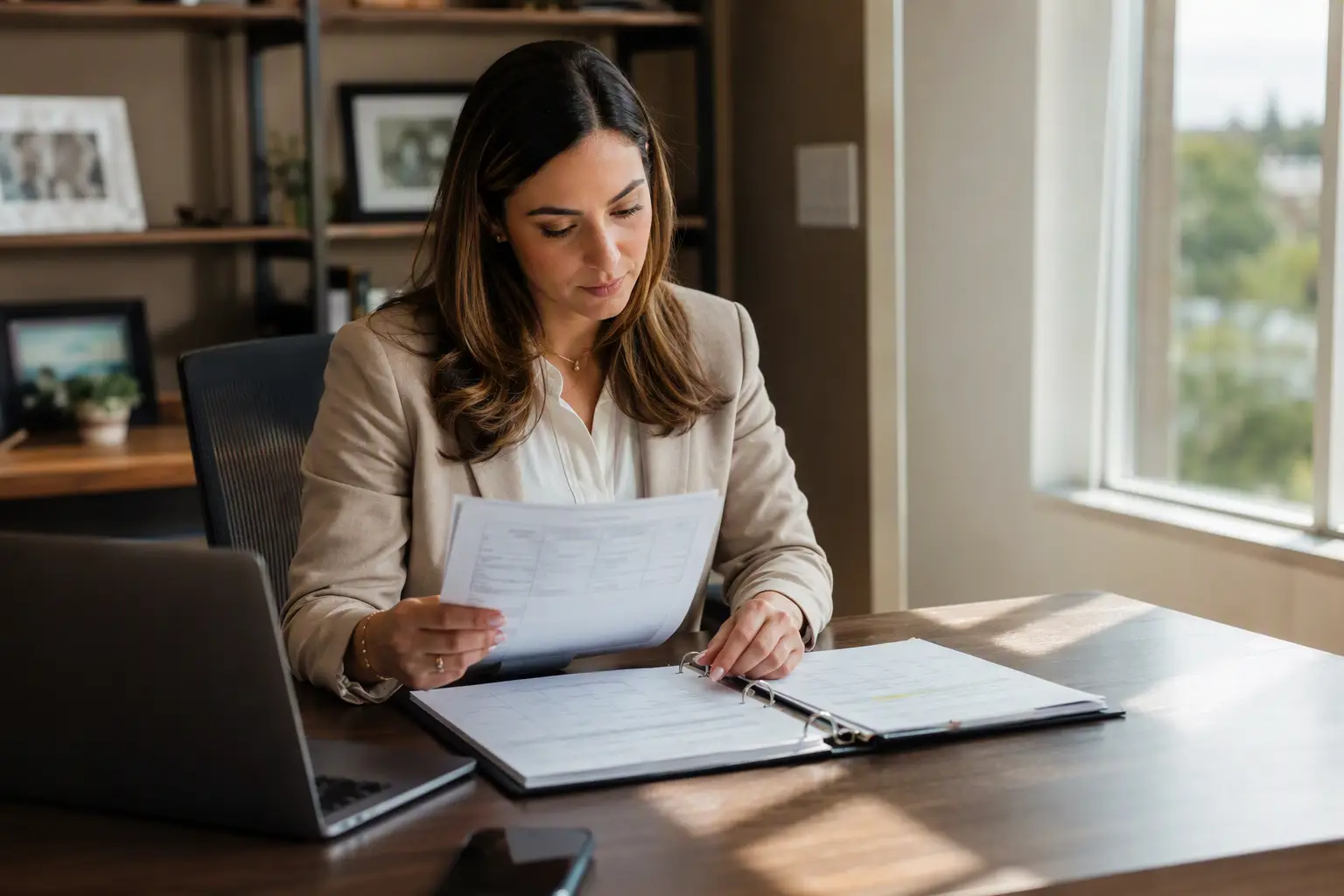
Maintaining organized, complete records demonstrates due diligence and can be the difference between a smooth state inspection and a citation for administrative violations.
When Should an Apartment Building Consider Elevator Modernization Instead of Ongoing Maintenance?
Older elevator systems reach a point where the cost and frequency of reactive repairs make continued maintenance economically inefficient — and where aging components begin to create compliance challenges as codes are updated. Signs that modernization may be appropriate include:
- Increasing frequency of breakdowns or callback service calls
- Difficulty sourcing replacement parts for obsolete equipment
- State inspection findings citing components that no longer meet current code
- ADA deficiencies that cannot be remediated without structural changes to the cab or shaft
- Energy inefficiency compared to modern drive systems
A qualified contractor can help apartment building owners evaluate whether a targeted modernization — upgrading controls, doors, cab finishes, or the drive system — or a full equipment replacement is the most practical path forward.
—
Questions Your Inspector Will Ask
When a South Carolina state elevator inspector arrives at your apartment building, expect to address the following:
- Is the certificate of inspection current and posted inside the cab? An expired or missing certificate is an immediate violation.
- Do you have a written maintenance agreement with a licensed contractor? Inspectors look for documented, ongoing maintenance programs.
- When was the last maintenance visit, and where are the service records? Logs should be available in the machine room.
- Have any repairs or alterations been performed since the last inspection? Unpermitted work is a serious violation under South Carolina elevator law.
- Is the machine room secure, clean, and maintained within required temperature ranges? Machine room conditions are a routine inspection focus.
- Are all required safety devices — governor, safeties, buffers, door reopening devices — functioning and tested? Device functionality is verified physically during the inspection.
- Is the emergency lighting and communication system operational? Cab emergency lighting and a two-way communication device are required by ASME A17.1.
- Has the elevator been tested under the required periodic test schedule? ASME A17.1 mandates specific tests at defined intervals; inspectors verify these have been completed.
—
Why Apartment Buildings in Columbia, SC Choose Carolina Elevator Service
Apartment building owners and property managers in Columbia, SC select Carolina Elevator Service because the company understands the specific compliance environment South Carolina properties operate within — from SC-LLR licensing requirements to the adopted edition of ASME A17.1 and local inspection protocols. Carolina Elevator Service provides preventive maintenance programs, repair services, and compliance support designed to keep residential elevators operating safely and in continuous code compliance.
Working with a locally rooted, certified elevator service company means that maintenance records align with what South Carolina inspectors expect to see, code questions are answered with jurisdiction-specific accuracy, and service coordination with the property’s management team is straightforward.
—
Get a Free Elevator Assessment for Your Apartment Building
Whether you manage a single apartment building or a multi-property portfolio in the Columbia, SC area, understanding your elevator maintenance obligations is the first step toward protecting residents and staying in compliance. Contact Carolina Elevator Service for a free elevator assessment and find out exactly what your property needs to meet current code requirements.
Contact Carolina Elevator Service for a free elevator assessment: 803-865-1400
Need elevator service you can rely on? Carolina Elevator Service is ready to help.