Elevator Maintenance Tasks to Complete Before Winter and at Year-End
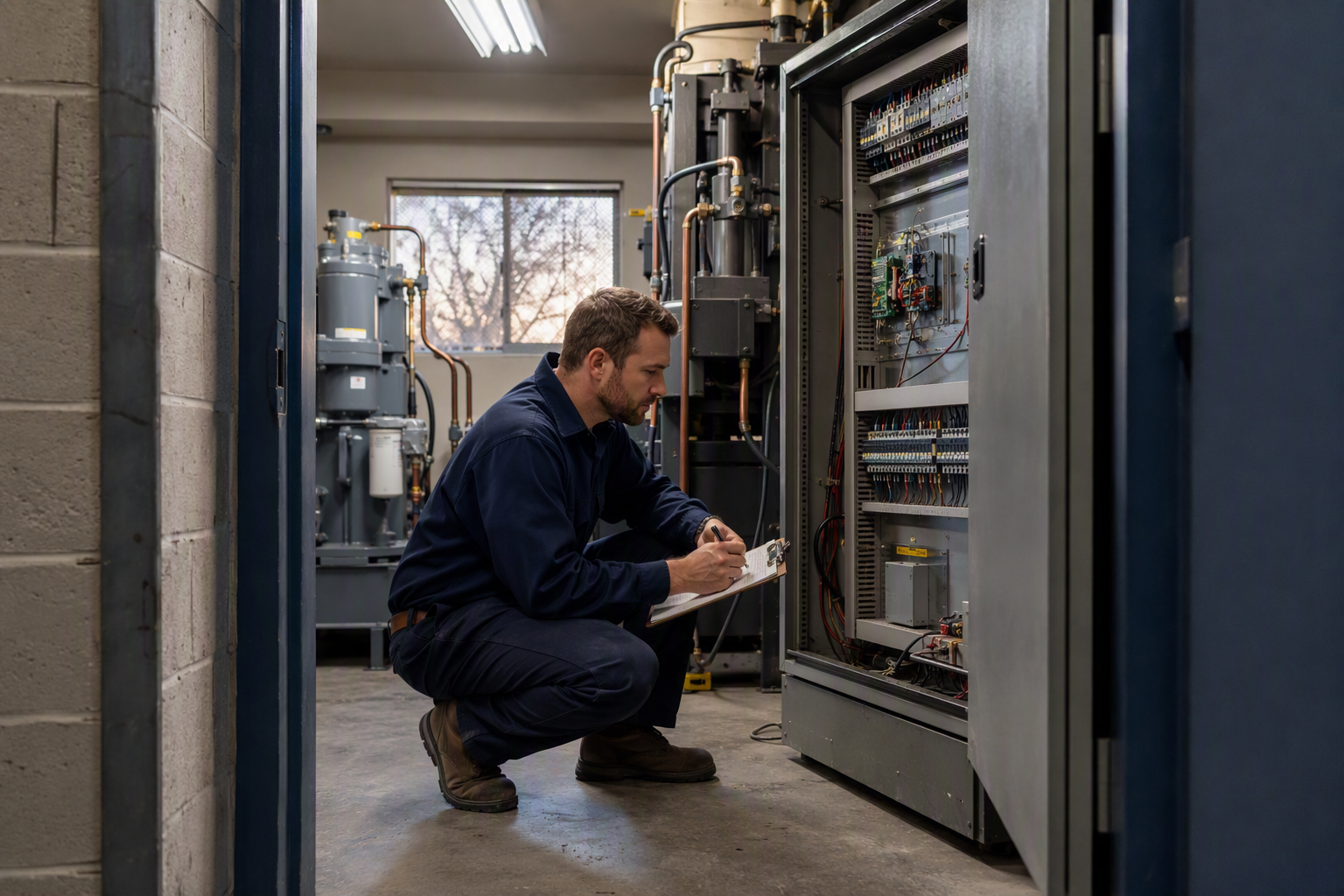
Winter conditions and year-end deadlines converge to create a critical maintenance window for elevator systems in South Carolina. Cold temperatures, increased moisture, and heavier holiday traffic all stress elevator components in ways that can be anticipated — and prevented — with a structured pre-winter maintenance plan. This page covers every task, compliance consideration, and planning step facility teams need to protect their elevators through the colder months.
Why Does Elevator Maintenance Matter More Before Winter?
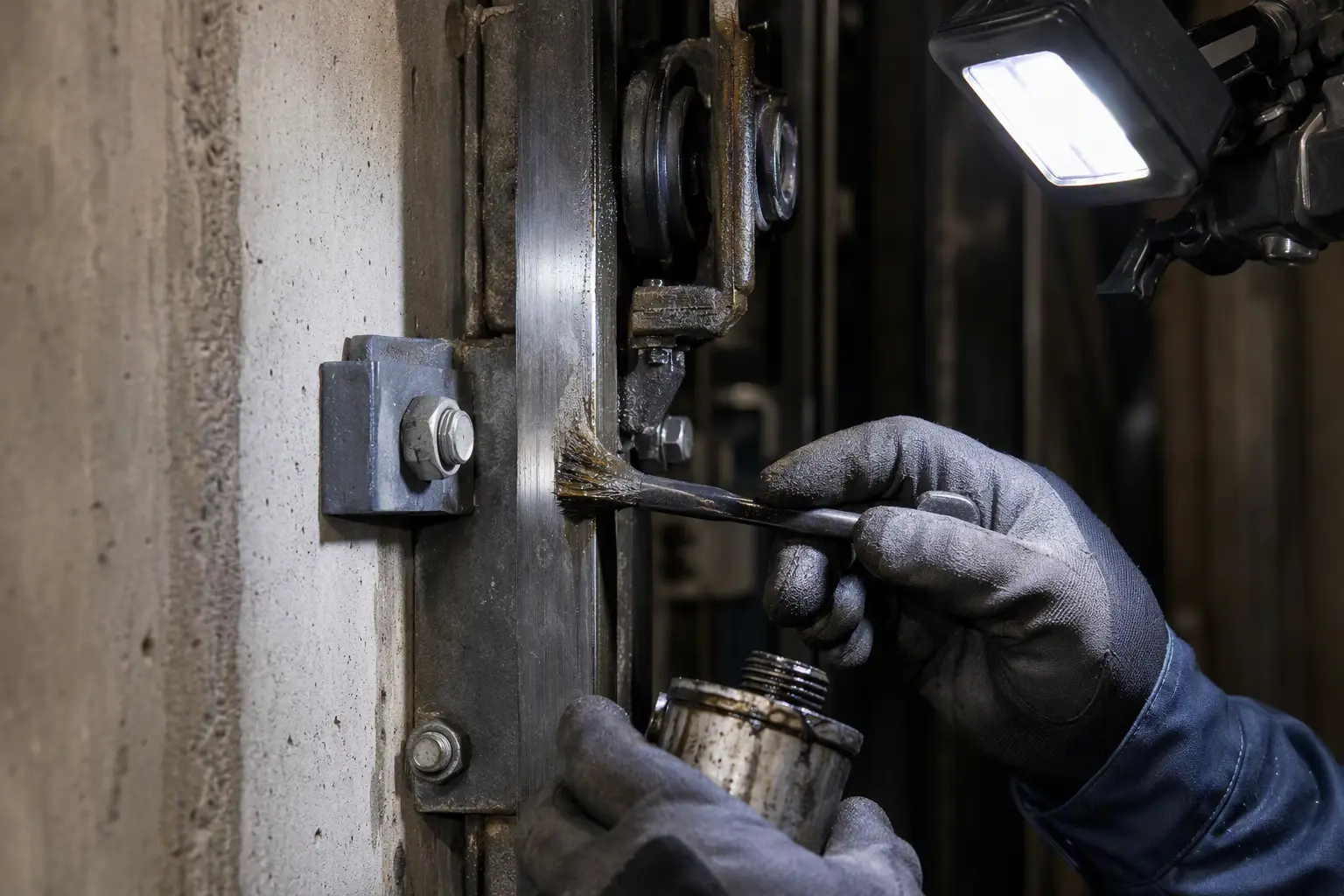
Elevator mechanical systems respond to temperature and humidity changes in predictable ways. Lubricants thicken in cold weather, hydraulic fluids lose viscosity, door tracks contract and create misalignment, and condensation in pits accelerates corrosion. In South Carolina’s climate — where winter temperatures can swing dramatically, particularly in the Upstate — these effects are real even if winters are milder than northern states.
Beyond mechanical stress, the end of the calendar year is also a compliance checkpoint. South Carolina building owners are responsible for ensuring their elevators hold current periodic inspection certificates. A lapsed inspection certificate heading into the new year creates both legal exposure and liability risk. Coordinating maintenance with a qualified service provider before December 31 allows building managers to enter the new year in good standing.
Carolina Elevator Service approaches year-end maintenance as a data-driven process — systematically reviewing equipment records, inspection histories, and manufacturer service schedules to build a pre-winter scope of work tailored to each installation.
What Are the Core Elevator Maintenance Tasks for Winter Preparation?
The following tasks represent the essential scope of a pre-winter elevator maintenance visit. They are drawn from the requirements and guidance of the ASME A17.1 Safety Code for Elevators and Escalators, manufacturer service documentation, and established industry practice:
- Lubrication of guide rails, rollers, and sheaves. Cold temperatures cause lubricants to thicken and lose their protective film strength. Guide rail lubrication should be verified and replenished to manufacturer specifications before temperatures drop, preventing metal-on-metal wear during winter operation.
- Hydraulic fluid inspection and fluid level check. For hydraulic elevators, fluid viscosity must be appropriate for the expected ambient temperature range. Technicians should verify fluid levels, inspect for contamination or moisture intrusion, and confirm the hydraulic power unit is functioning within design parameters.
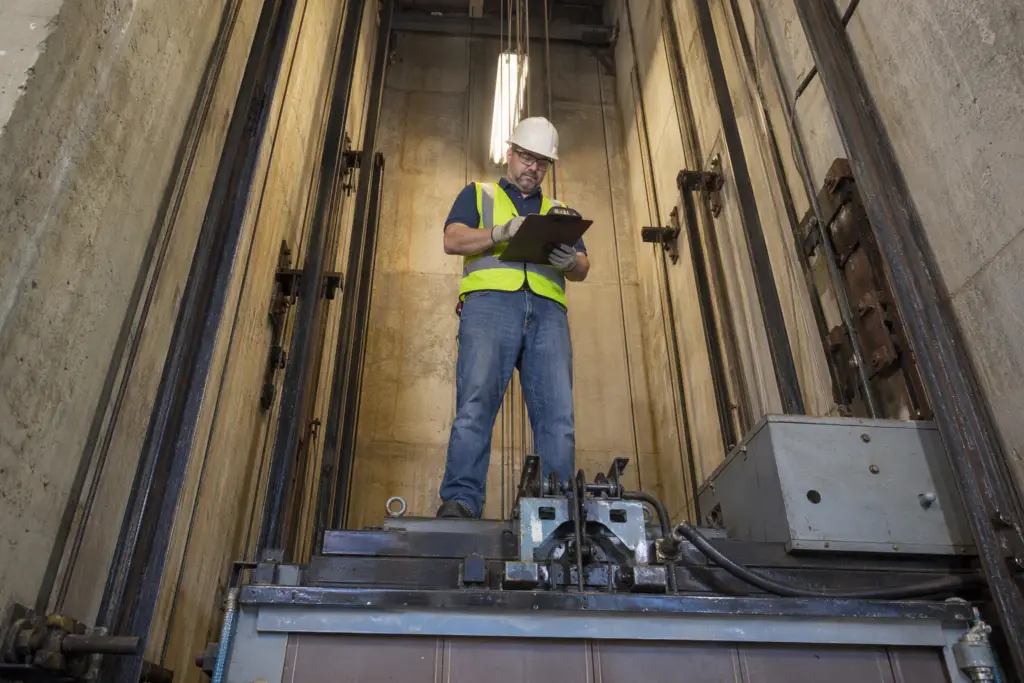
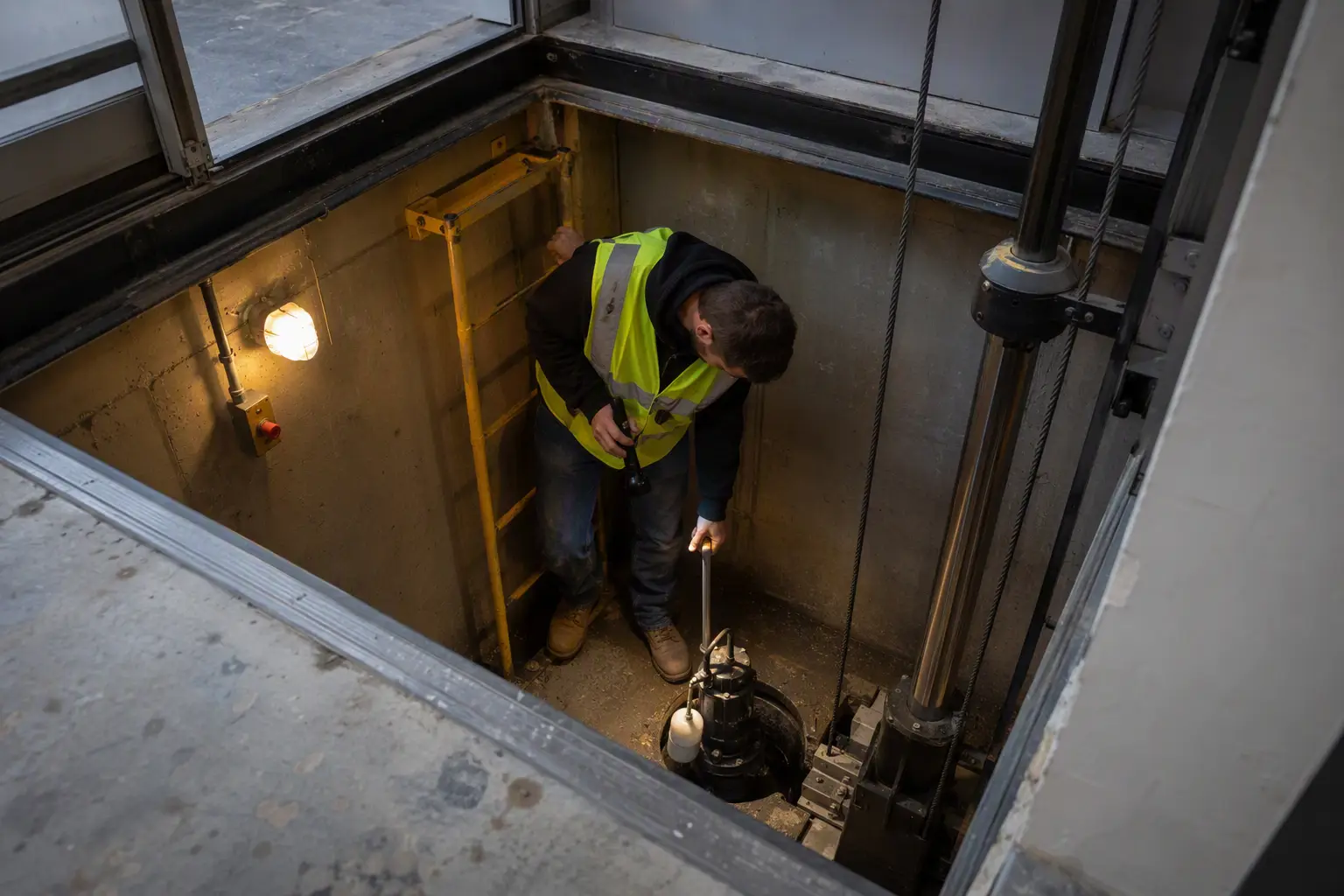
- Pit inspection and sump pump/drainage verification. Winter precipitation increases the risk of water infiltration in elevator pits. Pit areas should be inspected for standing water, sump pump operation should be tested, and pit lighting and safety switches should be confirmed functional per ASME A17.1 requirements.
- Door operator and door contact adjustment. Door tracks, gibs, and rollers contract slightly in cold weather, and seasonal humidity changes can cause swelling or warping in door panels. Pre-winter adjustment of door timing, closing force, and contact sensitivity reduces the most common source of elevator service calls during winter months.
- Safety device testing — safeties, governors, and buffers. The ASME A17.1 Safety Code requires that safety devices be maintained in operational condition at all times. Pre-winter testing confirms that speed governors, overspeed safeties, and car and counterweight buffers are functioning correctly before weather events that might mask developing faults.
- Motor room or machine space inspection. Machine rooms must maintain adequate temperature to protect drive electronics and motor windings. Technicians should verify that machine room heating, ventilation, and access controls are functional. Where variable-frequency drives (VFDs) are installed, manufacturers typically specify minimum operating temperatures that must be maintained.
- Controller and drive electronics inspection. Year-end is an appropriate time to inspect control panels for loose connections, signs of overheating, worn contactors, and software or firmware currency. Cold-weather temperature swings can accelerate contraction and expansion cycling of circuit board components.
- Hoist rope and compensation rope inspection. Ropes should be inspected for wear, broken wires, and adequate lubrication. Cold and dry conditions can accelerate surface oxidation of wire rope, making pre-winter inspection especially valuable.
- Emergency lighting and communication system test. ADA requirements and ASME A17.1 both address in-car emergency communication and lighting. Battery backup systems should be load-tested before winter storms that may cause power disruptions.
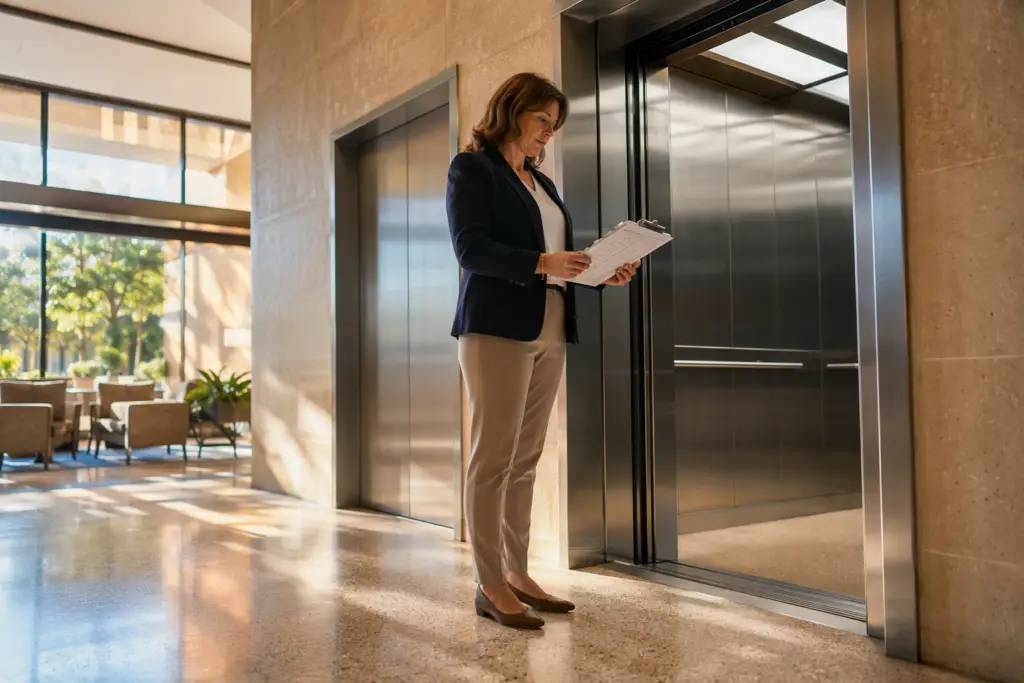
- Inspection certificate review and renewal coordination. South Carolina elevator installations require periodic inspection by a licensed inspector. Year-end maintenance visits should include a review of the current inspection certificate expiration date and, where needed, coordination to schedule the required periodic inspection before it lapses.
What Does South Carolina Law Require for Elevator Inspections?
South Carolina’s elevator safety program is administered at the state level and requires that elevators, escalators, and related conveyances undergo periodic inspections to remain legally operational. Building owners bear the responsibility for maintaining current inspection certificates. The ASME A17.1 Safety Code for Elevators and Escalators and its companion standard ASME A17.3 Safety Code for Existing Elevators and Escalators form the technical foundation for South Carolina’s inspection and maintenance requirements.
Facility managers approaching year-end should confirm with their elevator service provider that all required periodic inspections are current, that any deficiencies noted in the most recent inspection report have been corrected, and that documentation is on file as required. Entering a new calendar year with an expired certificate or an open deficiency creates regulatory exposure and, more importantly, potential safety risk for building occupants.
OSHA standards also apply to elevator systems in workplaces, including requirements related to lockout/tagout procedures during maintenance and safe machine room access. Any pre-winter maintenance performed by qualified technicians should follow OSHA-compliant lockout/tagout protocols to protect workers during service activities.
How Should Building Managers Prioritize Winter Maintenance Tasks?
Not every elevator installation faces the same risk profile heading into winter. Prioritization should consider the following factors:
- Equipment age: Older installations — particularly those with original hydraulic systems or aging controllers — carry higher maintenance risk during temperature swings than recently modernized equipment.
- Building type and traffic: High-traffic commercial, healthcare, and multifamily residential buildings face greater wear exposure. Elevators serving populations with mobility dependencies, such as hospital or senior living installations, carry heightened safety obligations.
- Pit and machine room conditions: Buildings with known moisture issues, inadequate machine room climate control, or poor drainage infrastructure should prioritize those items at the top of the pre-winter scope.
- Recent inspection history: Buildings with open inspection deficiencies or components flagged for monitoring should address those items before winter adds additional stress.
- Maintenance contract status: Facilities on comprehensive maintenance agreements with Carolina Elevator Service have the advantage of ongoing documentation and equipment history, enabling more precise pre-winter scoping.
What Are the Most Common Elevator Problems That Emerge in Winter?
Cold weather and year-end operational patterns tend to surface specific failure modes. Understanding these helps facility managers recognize early warning signs:
- Door nuisance faults: The leading source of elevator service calls in any season, door problems increase in winter as tracks contract, hardware loosens, and increased foot traffic introduces debris and moisture into door zones.
- Hydraulic slowdown or erratic leveling: Hydraulic fluid that has not been serviced for seasonal conditions may cause slow starts, rough leveling at landings, or pressure irregularities, particularly on cold mornings.
- Pit flooding: Winter precipitation in South Carolina — including ice events in the Upstate — can introduce water into pits through inadequate sealing or overwhelmed drainage, triggering pit flooding safety switches and taking cars out of service.
- Controller faults from temperature cycling: Machine spaces that are not properly climate-controlled can experience controller faults as electronics cycle through cold nights and warmer days, stressing solder joints and electrical connections.
- Increased rope and sheave wear: Lubricants that have not been refreshed may thin or thicken beyond their effective range, increasing wear on hoist ropes and sheave grooves during winter months.
What Is a Recommended Year-End Elevator Maintenance Timeline?
- October — Review and Schedule: Pull current inspection certificates, review the most recent inspection report for open items, and contact the elevator service provider to schedule pre-winter maintenance before the holiday season compresses technician availability.
- October–November — Full Pre-Winter Maintenance Visit: Complete all lubrication, hydraulic, pit, door, safety device, and electrical inspections outlined in the task list above. Address any deficiencies identified during the visit.
- November — Inspection Certificate Verification: Confirm that periodic inspection certificates are current through at least Q1 of the new year, or coordinate inspection scheduling if renewal is approaching.
- December — Documentation and Records Update: Ensure all maintenance records, inspection certificates, and equipment documentation are updated and on file. This is also the appropriate time to review and renew or renegotiate maintenance agreements for the coming year.
- December–January — Winter Monitoring: During and after significant cold events, arrange a brief walk-through check of pit drainage, machine room temperature, and door operation. Early identification of emerging issues prevents mid-winter outages.
What Are the 2025–2026 Industry Trends Affecting Winter Elevator Maintenance?
Several qualitative trends are shaping how elevator service providers and building owners approach pre-winter maintenance heading into 2026:
Predictive maintenance technology adoption: Remote monitoring systems — which log ride quality, door cycle counts, motor current draws, and pit conditions in real time — are increasingly being deployed on commercial elevator installations. This technology shifts maintenance from calendar-based scheduling toward condition-based intervention, allowing service providers to identify winter-related degradation before it becomes a failure event.
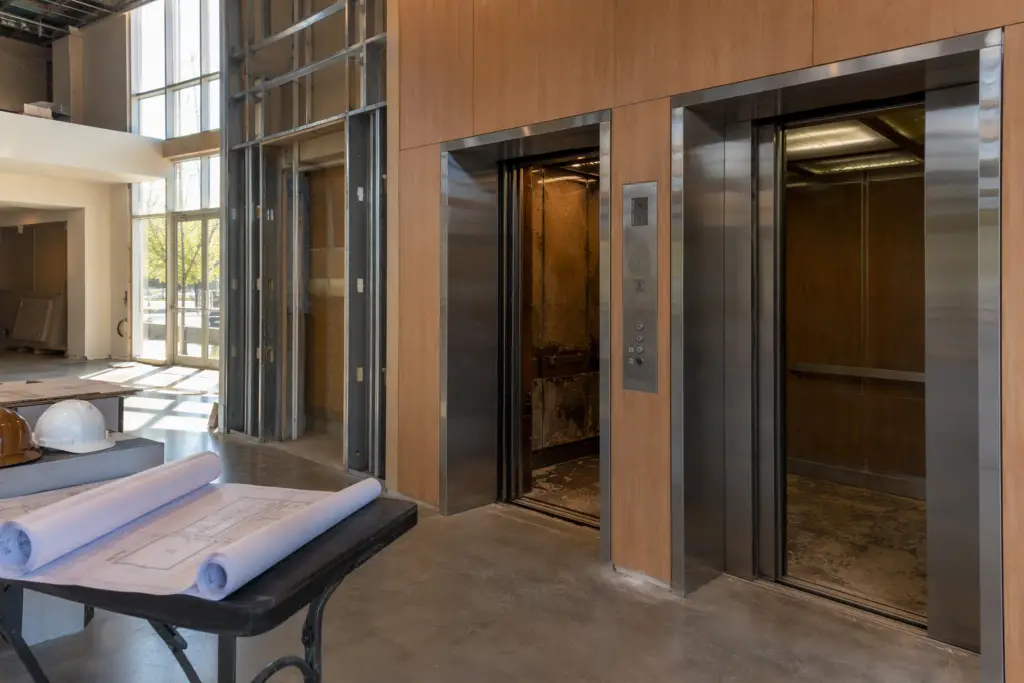
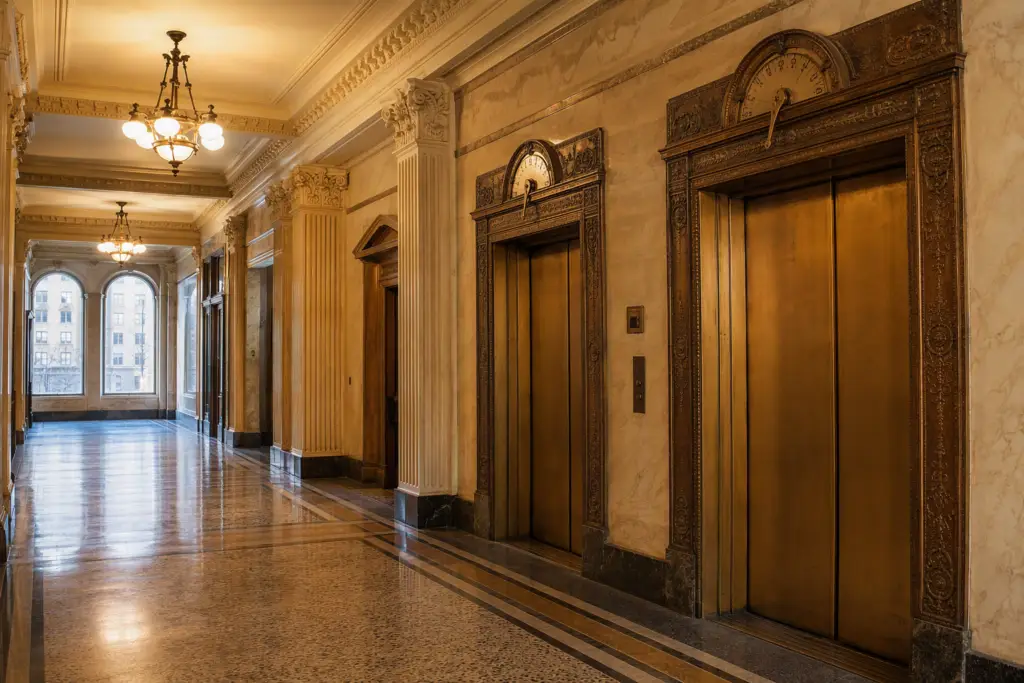
Hydraulic system modernization pressure: Aging hydraulic elevators, many of which were installed decades ago, face growing scrutiny around both environmental compliance and reliability. Year-end is a natural decision point for building owners evaluating whether to continue maintaining older hydraulic systems or invest in modernization to traction or machine-room-less (MRL) configurations.
Parts supply chain awareness: The elevator industry has experienced lead-time variability for certain components, particularly controllers, drives, and hydraulic power units. Building owners and service providers are increasingly scheduling pre-winter inspections earlier in the fall to allow adequate time to source any identified replacement components before the holiday season further compresses supply chains.
Heightened ADA compliance focus: Requirements under the Americans with Disabilities Act mean that elevator outages in facilities serving the public carry particular compliance implications. Winter-related outages in healthcare, multifamily, and public-access buildings are drawing more attention as facility teams recognize that out-of-service elevators may constitute an accessibility barrier.
How Much Does Pre-Winter Elevator Maintenance Cost?
The cost of pre-winter elevator maintenance varies based on equipment type, age, installation complexity, and the scope of work identified during the service visit. Rather than publish figures that would not apply to every situation, Carolina Elevator Service recommends that building owners request a site-specific assessment. What is consistent across the industry is that deferred maintenance — particularly on components that cold weather will stress — typically results in emergency service costs, parts replacement, and downtime expenses that exceed the cost of proactive maintenance by a significant margin.
Facilities on comprehensive maintenance agreements generally benefit from more predictable year-end costs because ongoing service visits have already addressed many items that would otherwise appear as pre-winter deficiencies.
What ADA Obligations Apply to Elevator Downtime in Winter?
Under the Americans with Disabilities Act, elevators in covered facilities must remain accessible to individuals with disabilities. When an elevator serving an accessible route is out of service, building operators are expected to take reasonable steps to maintain accessibility — which may include notifying building occupants, providing alternative accessible routes where they exist, and restoring service as quickly as practicable. Facilities with a single elevator serving a required accessible route face heightened urgency, since no alternative accessible path may be available. Pre-winter maintenance that reduces the probability of winter outages is therefore both a maintenance best practice and an accessibility risk management strategy.
How Does a Service Provider Like Carolina Elevator Service Approach Pre-Winter Assessments?
Carolina Elevator Service conducts pre-winter elevator assessments by combining equipment history review, a systematic field inspection aligned with ASME A17.1 maintenance requirements, and documentation of findings with prioritized recommendations. The assessment process is designed to give building owners a clear picture of their elevator system’s readiness for winter conditions, the status of their inspection certifications, and any deferred maintenance items that carry elevated risk during cold-weather months.
The approach treats maintenance records as a data asset — tracking component service intervals, inspection history, and prior deficiency resolutions to inform each visit rather than treating every assessment as a blank-slate evaluation. This record-driven methodology is particularly valuable for multi-elevator facilities, where service history across multiple units must be tracked to ensure nothing is overlooked heading into winter.
What Safety Devices Must Be Confirmed Operational Before Winter?
The ASME A17.1 Safety Code for Elevators and Escalators requires that the following safety devices remain in proper operating condition as part of ongoing maintenance obligations. These should be verified before winter operation:
- Car and counterweight safeties (devices that arrest the car in the event of overspeed or rope failure)
- Speed governor and governor rope
- Oil buffers (for hydraulic and traction installations as applicable)
- Terminal stopping devices — normal and final limits
- Door reopening devices (door edges, light curtains, or pressure-sensitive edges)
- Emergency stop switches in car and pit
- Pit access and pit stop switches
- In-car emergency lighting and emergency communication system
- Leveling and releveling devices
- Firefighters’ service operation (where required)
What Questions Should Building Managers Ask Their Elevator Service Provider Before Winter?
A productive pre-winter conversation with a qualified elevator service provider should cover the following:
- Is the current periodic inspection certificate valid, and when does it expire?
- Are there any open deficiencies from the most recent inspection that have not yet been corrected?
- What is the current condition of the hydraulic fluid or hoist ropes, and are they within serviceable limits?
- Has pit drainage been tested, and is the sump pump operational?
- Is the machine room temperature control adequate for winter ambient conditions?
- Are all safety devices confirmed operational, and when were they last tested?
- Are there any components that are approaching end-of-service-life and should be replaced before winter?
- What is the recommended maintenance schedule for the coming year, and does the current agreement cover it?
Summary: Pre-Winter and Year-End Elevator Maintenance Checklist
| Task Category | Key Actions | Code Reference |
|---|---|---|
| Lubrication | Guide rails, rollers, sheaves, wire rope | ASME A17.1 |
| Hydraulic System | Fluid level, viscosity, power unit inspection | ASME A17.1 |
| Pit and Drainage | Sump pump test, water inspection, pit lighting | ASME A17.1 |
| Door Systems | Track adjustment, closing force, contact calibration | ASME A17.1 |
| Safety Devices | Governor, safeties, buffers, terminal limits | ASME A17.1 |
| Machine Room | Climate control, controller inspection, ventilation | ASME A17.1 |
| Emergency Systems | Battery backup lighting, in-car phone, alarm | ADA / ASME A17.1 |
| Compliance Documentation | Inspection certificate review, deficiency closeout | South Carolina state inspection program |
| Worker Safety | Lockout/tagout during all maintenance activities | OSHA |
Schedule Your Pre-Winter Elevator Assessment Today
Winter maintenance deferred is risk accepted. Carolina Elevator Service provides structured, compliance-aligned pre-winter elevator assessments for commercial, multifamily, healthcare, and institutional facilities throughout South Carolina. The assessment covers equipment condition, inspection certificate status, safety device verification, and a prioritized scope of work — giving building managers a clear action plan before cold weather arrives.
Contact Carolina Elevator Service for a free elevator assessment: 803-865-1400
Need elevator service you can rely on? Carolina Elevator Service is ready to help.