Elevator Service in Columbia, SC | Carolina Elevator Service
Getting a new elevator installed in a Columbia, SC building is a multi-step process that touches engineering, permitting, construction, and state-mandated inspection. Building owners who understand each phase — and work with a licensed South Carolina elevator contractor from the start — move through the process more efficiently and avoid costly delays. This guide walks through every stage so owners, property managers, and developers know exactly what to expect.
What Are the First Steps to Getting a New Elevator Installed in Columbia, SC?
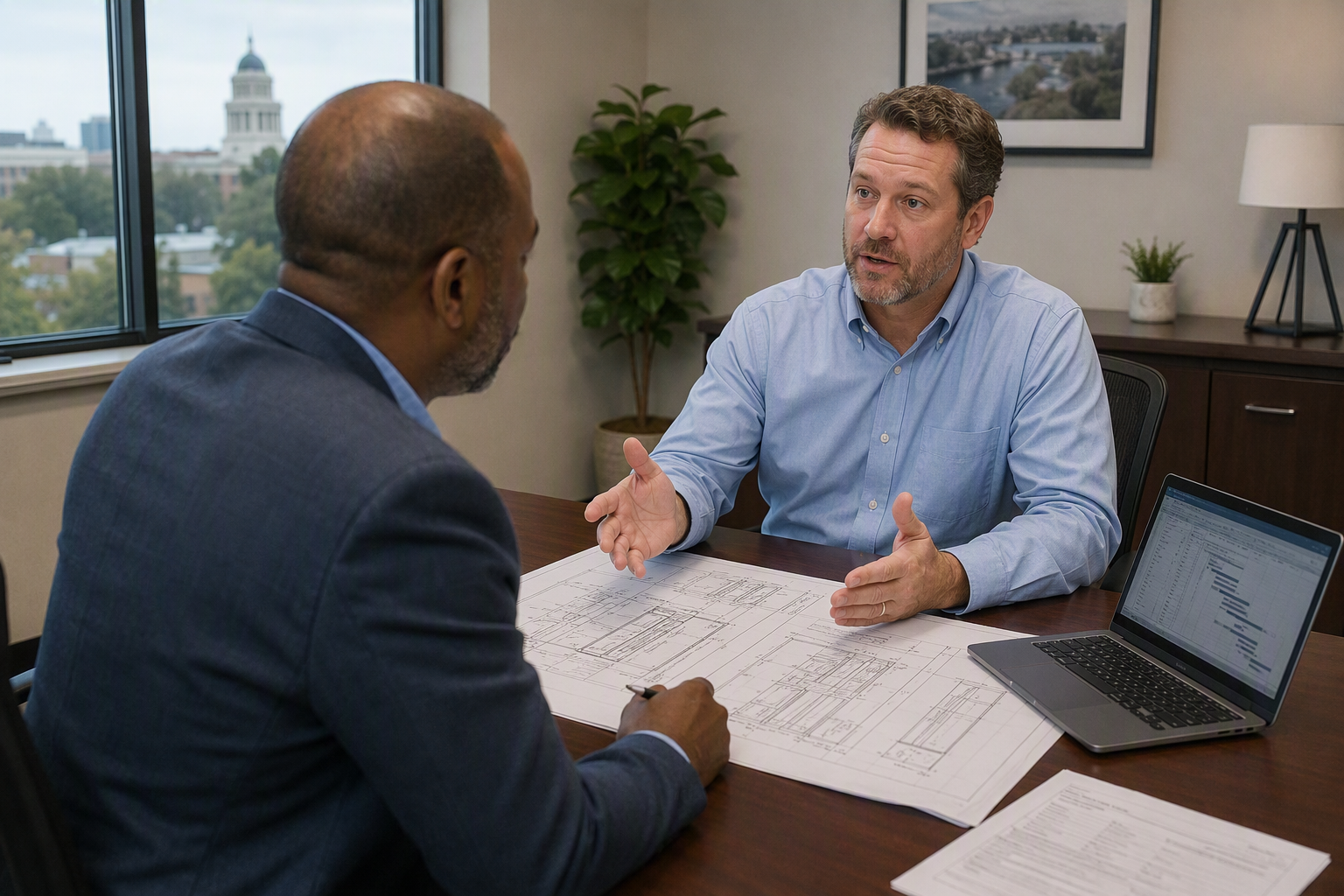
Before any equipment is ordered or a hole is cut in a floor, a successful elevator installation starts with planning and compliance review. Carolina Elevator Service recommends the following sequence at project initiation:
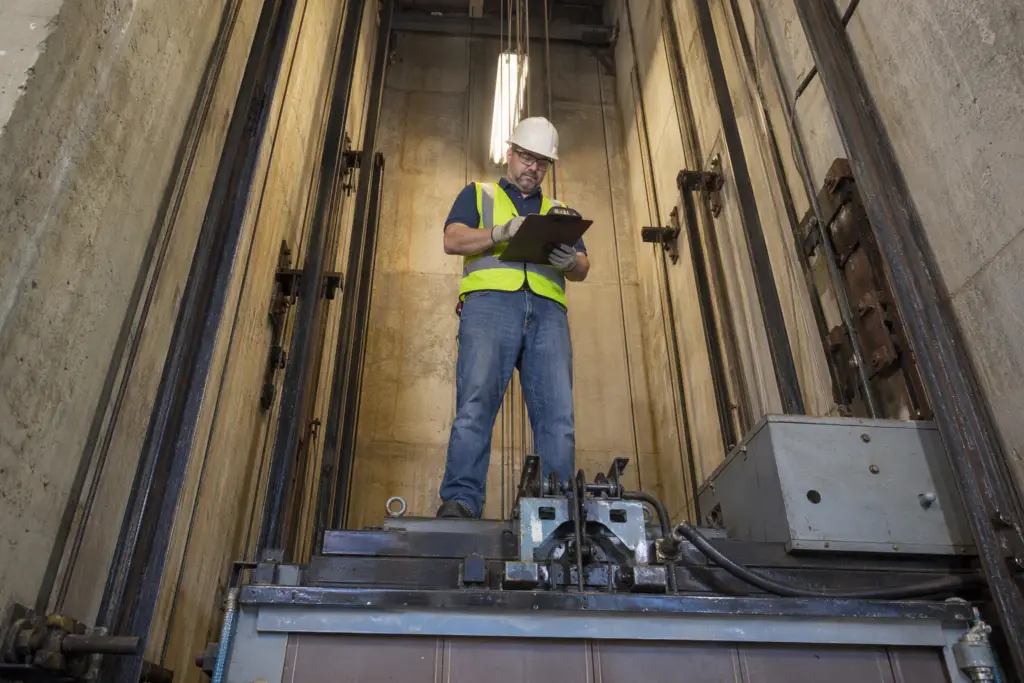
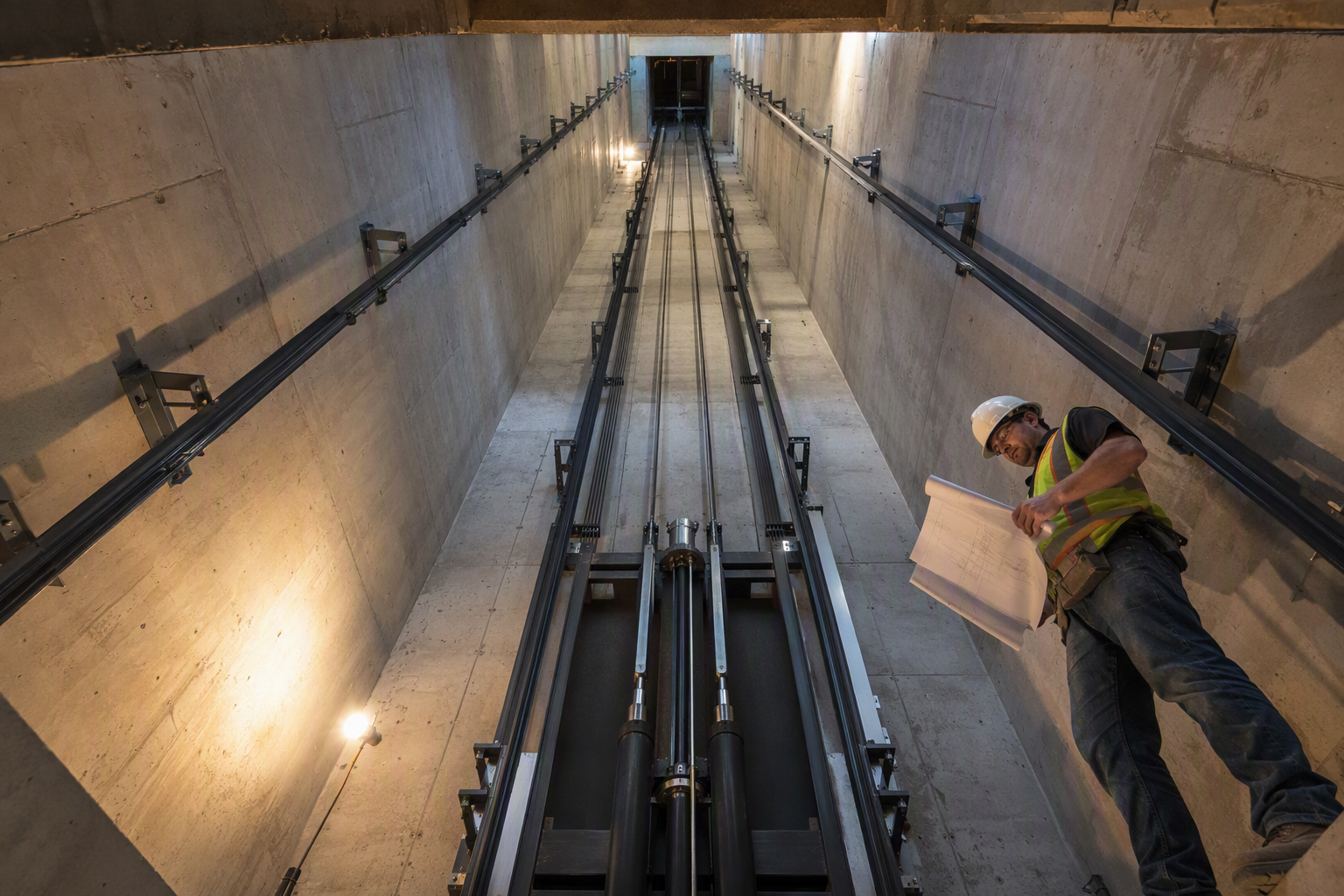
- Conduct a site assessment. Evaluate the building’s structural capacity, available shaft space, pit depth, overhead clearance, and machine room requirements. These physical realities drive every equipment decision that follows.
- Select the elevator type. Common options for Columbia buildings include hydraulic elevators, traction elevators, and machine-room-less (MRL) traction systems. Each carries different space, power, and maintenance profiles suited to different building heights and uses.
- Engage a licensed South Carolina elevator contractor. South Carolina law requires elevator work to be performed by a licensed elevator contractor and that all installations be registered with the appropriate state authority. Starting with a qualified contractor ensures that drawings and specifications are prepared correctly for permit submission.
- Confirm ADA compliance requirements. If the building is subject to the Americans with Disabilities Act, elevator dimensions, door timing, control reach ranges, and signage must meet ADA standards. This is not optional for most commercial and multi-family applications.
- Review applicable codes for 2026. South Carolina elevator installations are governed by ASME A17.1 Safety Code for Elevators and Escalators. Confirm with your contractor and the local Authority Having Jurisdiction (AHJ) which edition is currently adopted and enforced in your jurisdiction.
What Permits and Approvals Are Required in South Carolina?
South Carolina requires elevator installations to be permitted through the state’s elevator safety program, which operates under the South Carolina Department of Labor, Licensing and Regulation (LLR). The permitting process generally involves:
- Submission of engineered construction drawings prepared and stamped by a qualified professional
- Review and approval of those drawings by the state elevator inspection program before work begins
- A permit issued to the licensed elevator contractor of record
- Coordination with local building departments in Columbia and Richland County for building permits related to the shaft construction and electrical work
Permit review timelines vary based on state workload and submission completeness. Incomplete drawings are a common source of delay — working with an experienced contractor who knows South Carolina’s submission requirements can significantly reduce back-and-forth with reviewers.
How Long Does a New Elevator Installation Take From Contract to First Use?
This is the question most building owners ask first. The honest answer is that total timeline depends on several variables, but owners should plan for a process measured in months, not weeks. A general framework looks like this:
- Design and engineering phase: Weeks to complete depending on building complexity and the responsiveness of the design team.
- State permit review and approval: This phase is largely outside the contractor’s control. Submitting complete, code-compliant drawings the first time is the single most effective way to shorten this window.
- Equipment lead time: Elevator equipment is manufactured to order. Lead times for hydraulic units, traction systems, and MRL equipment vary by manufacturer and current demand. Supply chain conditions in 2026 should be discussed directly with your contractor during the selection phase.
- Construction and installation: Shaft work, pit construction, overhead structure, machine room preparation (if applicable), and equipment installation proceed in sequence. The duration scales with building size and elevator complexity.
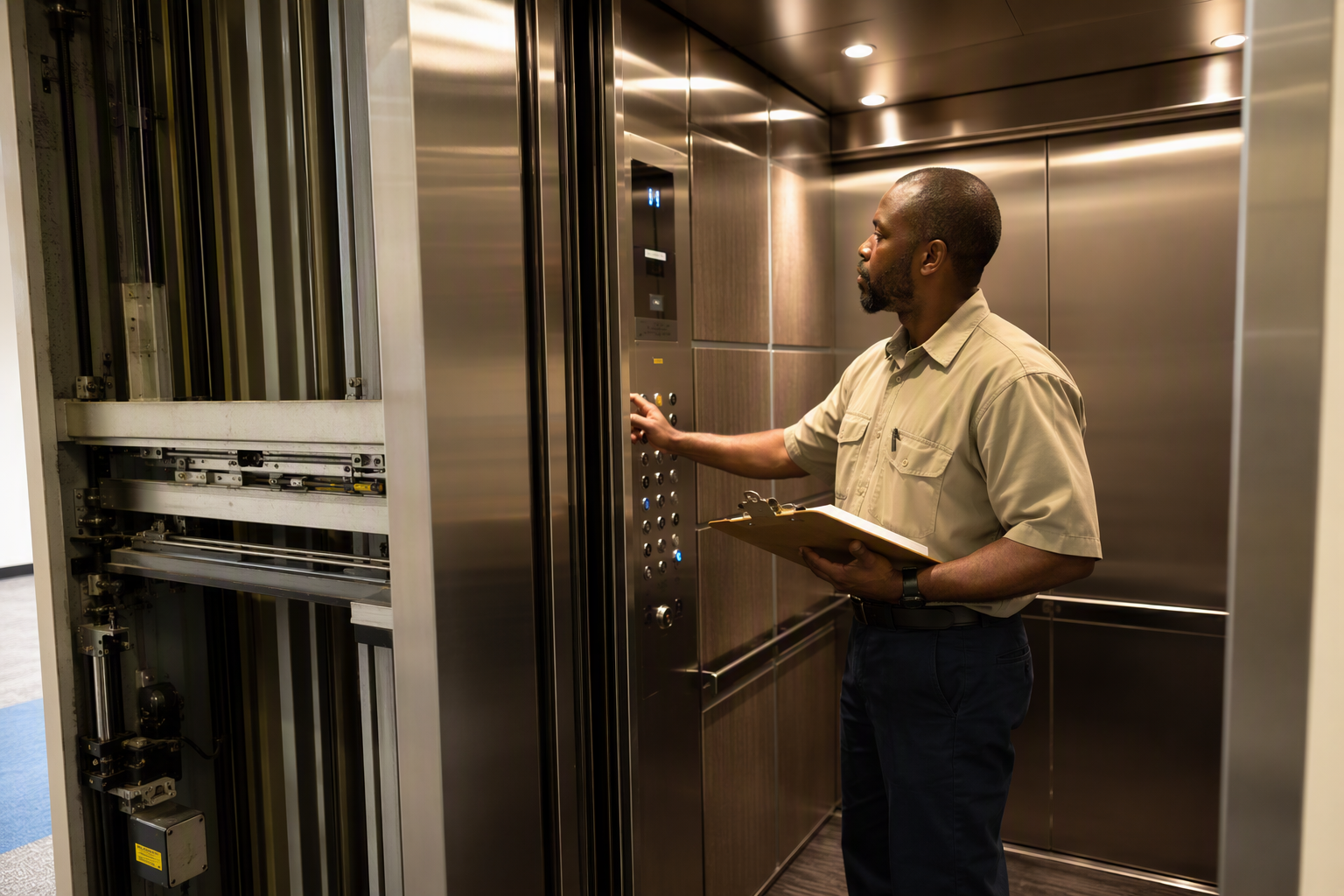
- Final inspection and certificate of operation: Before the elevator can be used by the public, a South Carolina state elevator inspector must conduct a final acceptance inspection. The elevator cannot be placed in service until the certificate of operation is issued.
Combining all phases, a straightforward commercial hydraulic installation in a low-rise Columbia building might be completed in roughly four to six months from contract execution, while more complex traction installations or projects with permitting challenges can extend to eight months or beyond. Every project is different — your contractor should provide a project-specific schedule after the site assessment.
What Code Standards Govern New Elevator Installations in South Carolina?
New elevator installations in South Carolina are subject to ASME A17.1 Safety Code for Elevators and Escalators, which establishes requirements for design, construction, installation, operation, inspection, testing, maintenance, alteration, and repair. Buildings with existing elevators being modernized or altered may also be subject to ASME A17.3 Safety Code for Existing Elevators and Escalators.
Workplace safety considerations for installation crews fall under OSHA regulations. Buildings subject to the ADA must meet accessibility requirements that run parallel to — and sometimes exceed — the baseline ASME code. Understanding how all three frameworks interact is part of what a qualified South Carolina elevator contractor brings to a project.
What Types of Elevators Are Typically Installed in Columbia, SC Buildings?
Building type, height, and use drive equipment selection. The most common configurations installed in Columbia-area buildings include:
- Hydraulic elevators: Well-suited for low-rise buildings — typically up to five or six floors. They require a machine room and use a hydraulic piston system. Lower initial cost and simple operation make them a popular choice for small commercial buildings, medical offices, and multi-family properties.
- Traction elevators: Used in mid- and high-rise applications. A counterweight and sheave system provides energy-efficient operation at higher speeds. Require overhead machine room space in traditional configurations.
- Machine-room-less (MRL) traction elevators: A space-saving alternative to traditional traction systems, housing drive equipment within the hoistway. Increasingly common in Columbia commercial renovations and new construction where machine room space is constrained.
- Limited-use/limited-application (LU/LA) elevators: Designed for low-traffic applications and smaller buildings. These can satisfy ADA vertical access requirements in certain building categories at a lower cost profile than a full commercial elevator.
What Happens After Installation — What Ongoing Compliance Is Required?
A certificate of operation is not a permanent license to run an elevator without further oversight. South Carolina requires periodic inspections to keep the certificate of operation current. Routine maintenance performed by a licensed contractor is essential both for safety and for passing those inspections. Owners should establish a maintenance agreement with a qualified South Carolina elevator service provider immediately upon placing the new elevator in service.
Building owners are responsible for ensuring their elevator is maintained in safe operating condition and that inspections are completed on schedule. Failure to maintain a current certificate of operation can result in the elevator being placed out of service by the state — an outcome that is both operationally disruptive and avoidable with proper planning.
How Do I Choose the Right Elevator Contractor for My Columbia, SC Project?
Not all elevator contractors are the same. When evaluating candidates for a new installation in South Carolina, building owners should confirm:
- The contractor holds a current South Carolina elevator contractor license
- The contractor has documented experience with the specific elevator type and building use relevant to the project
- The contractor is familiar with South Carolina LLR permit submission requirements and the Columbia/Richland County building permit process
- The contractor can provide references from similar projects in the region
- The contractor offers ongoing maintenance and service after installation — a single-source relationship reduces coordination friction over the life of the equipment
Carolina Elevator Service serves building owners, property managers, developers, healthcare facilities, government buildings, and commercial properties across Columbia and throughout South Carolina. Local knowledge of how state inspectors, local AHJs, and regional suppliers operate translates directly into smoother project timelines.
Is Emergency Elevator Service Available After a New Installation?
Even well-maintained new elevators can experience unexpected issues. Carolina Elevator Service provides emergency elevator service to clients in the Columbia, SC area. Building owners are encouraged to establish a service relationship and understand the emergency contact process before a situation arises — not after. When placing a new elevator in service, confirm with your service contractor what the emergency response process looks like and how to reach a qualified technician when the building is occupied and the elevator is not functioning.
Ready to Start Your Elevator Installation Project in Columbia, SC?
Carolina Elevator Service works with building owners and developers across South Carolina to plan, permit, install, and maintain elevator systems that meet state code, ADA requirements, and the practical needs of the building. From initial site assessment through final inspection and long-term maintenance, the Carolina Elevator Service team brings local knowledge and technical expertise to every project.
Schedule a Free Consultation to discuss your building’s elevator needs, timeline, and next steps.
Call Carolina Elevator Service today: 803-865-1400
Need elevator service you can rely on? Carolina Elevator Service is ready to help.