Most Common Elevator Problems in Hot and Humid Climates: A Healthcare Facility Guide
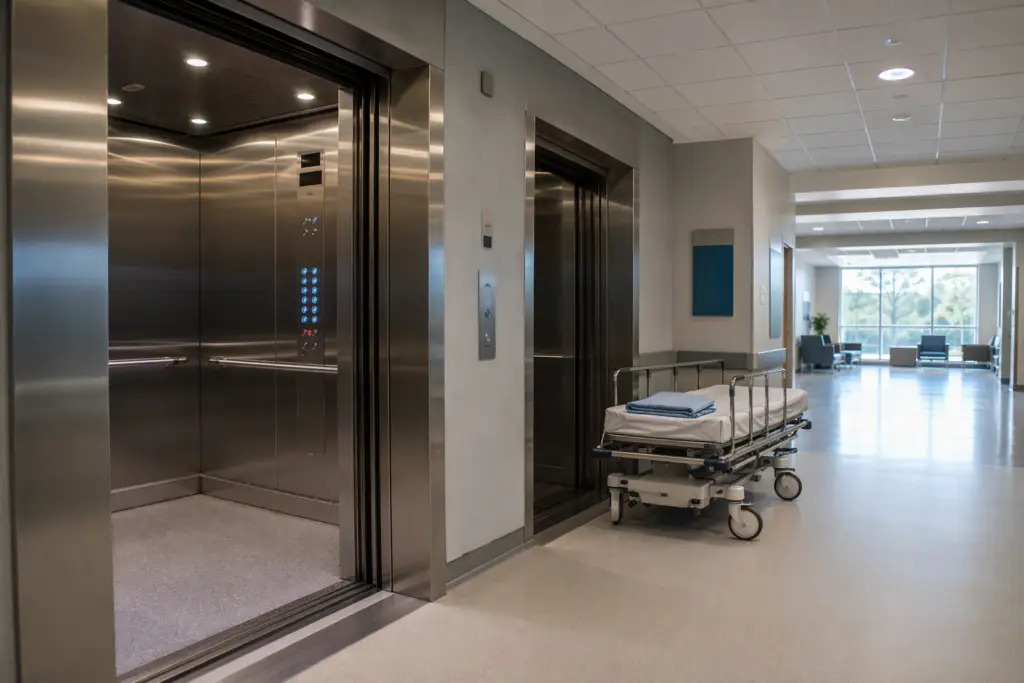
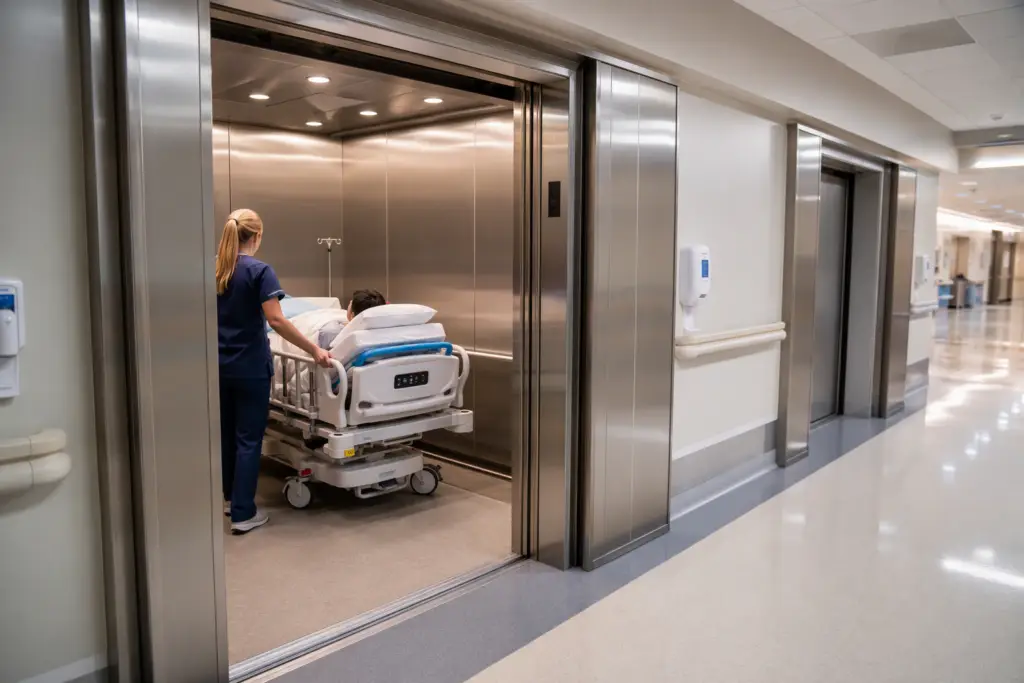
South Carolina’s subtropical climate is hard on elevator systems year-round. For healthcare facilities — hospitals, outpatient surgery centers, long-term care communities, and medical office buildings — elevator reliability is not a comfort issue. It is a patient safety issue. When a stretcher cannot reach the surgical floor or a wheelchair user cannot access a clinic, the consequences extend well beyond inconvenience.
Understanding how heat and humidity accelerate elevator wear helps facility managers in Columbia, SC schedule preventive maintenance before a breakdown occurs during a critical moment. Carolina Elevator Service works with healthcare properties across South Carolina to keep vertical transportation systems performing safely in these demanding environmental conditions.
Why Do Hot and Humid Climates Create Unique Elevator Challenges?
Elevator systems are engineered to operate within specific temperature and humidity tolerances. South Carolina summers routinely push ambient temperatures above 90°F with relative humidity levels that can exceed 80 percent. Inside mechanical rooms and elevator pits — spaces that often lack adequate climate control — conditions can be even more extreme. Heat accelerates the breakdown of lubricants, insulation, and hydraulic fluids. Humidity introduces moisture into electrical enclosures, promotes corrosion, and causes wooden or composite door components to swell. Together, these forces compress the lifespan of nearly every elevator subsystem.
What Are the Most Common Elevator Problems Caused by Heat and Humidity?
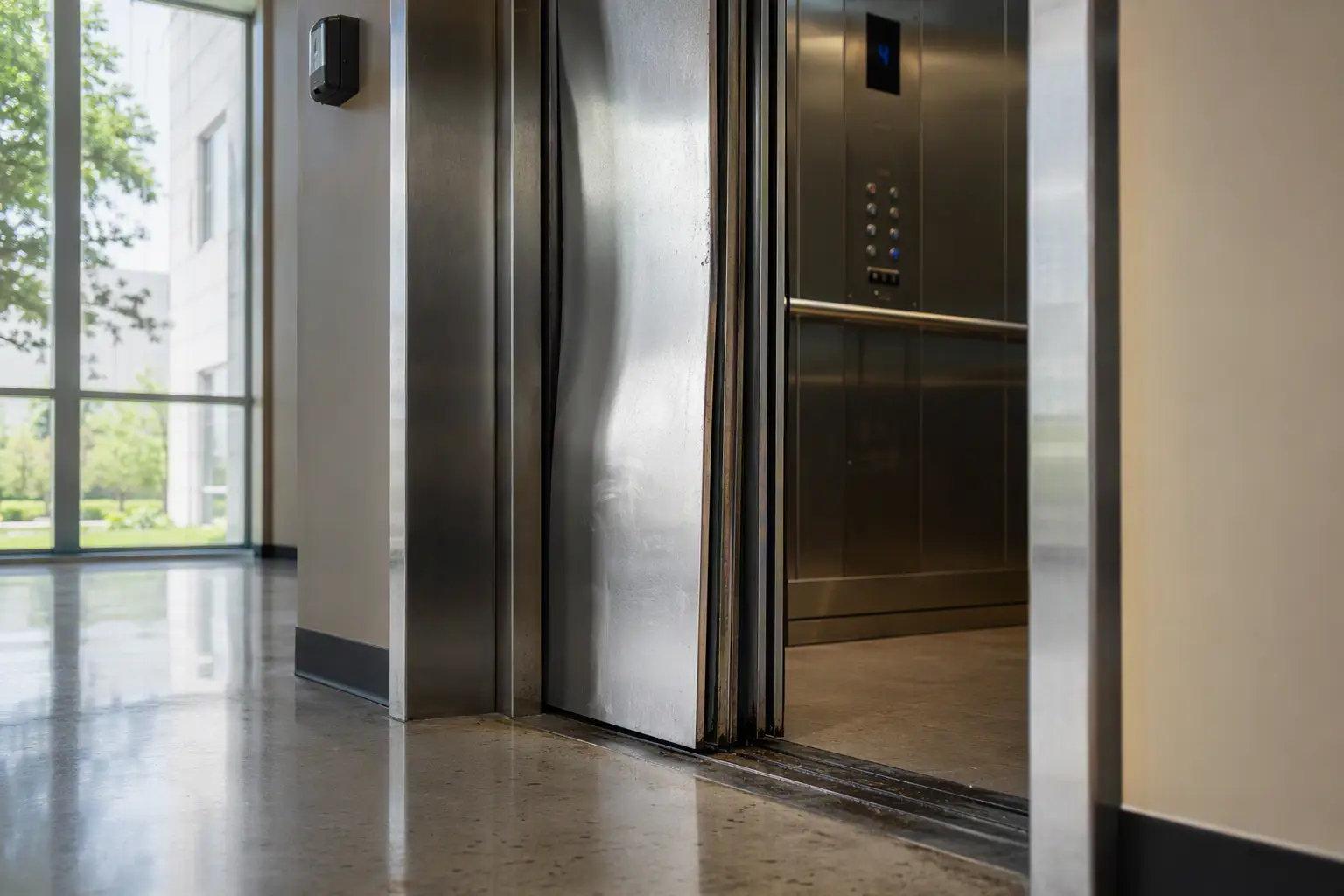
Healthcare facility managers in Columbia, SC should be aware of the following failure modes, which appear most frequently in hot and humid operating environments:
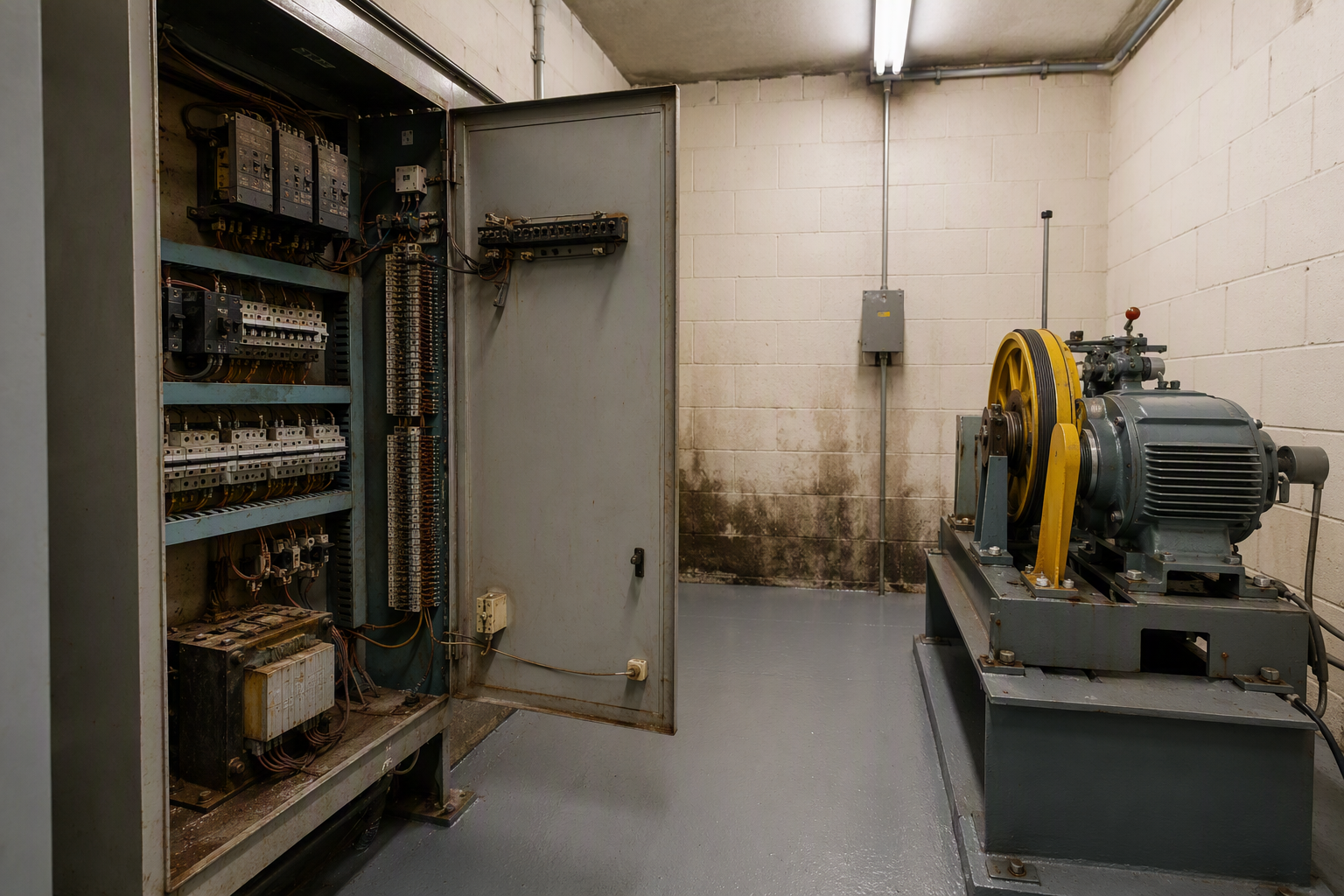
- Motor and drive unit overheating: Traction elevator motors and hydraulic power units generate significant heat during operation. When the ambient temperature in the machine room is already elevated, the cooling capacity of the system is reduced, leading to thermal shutdowns and premature motor failure.
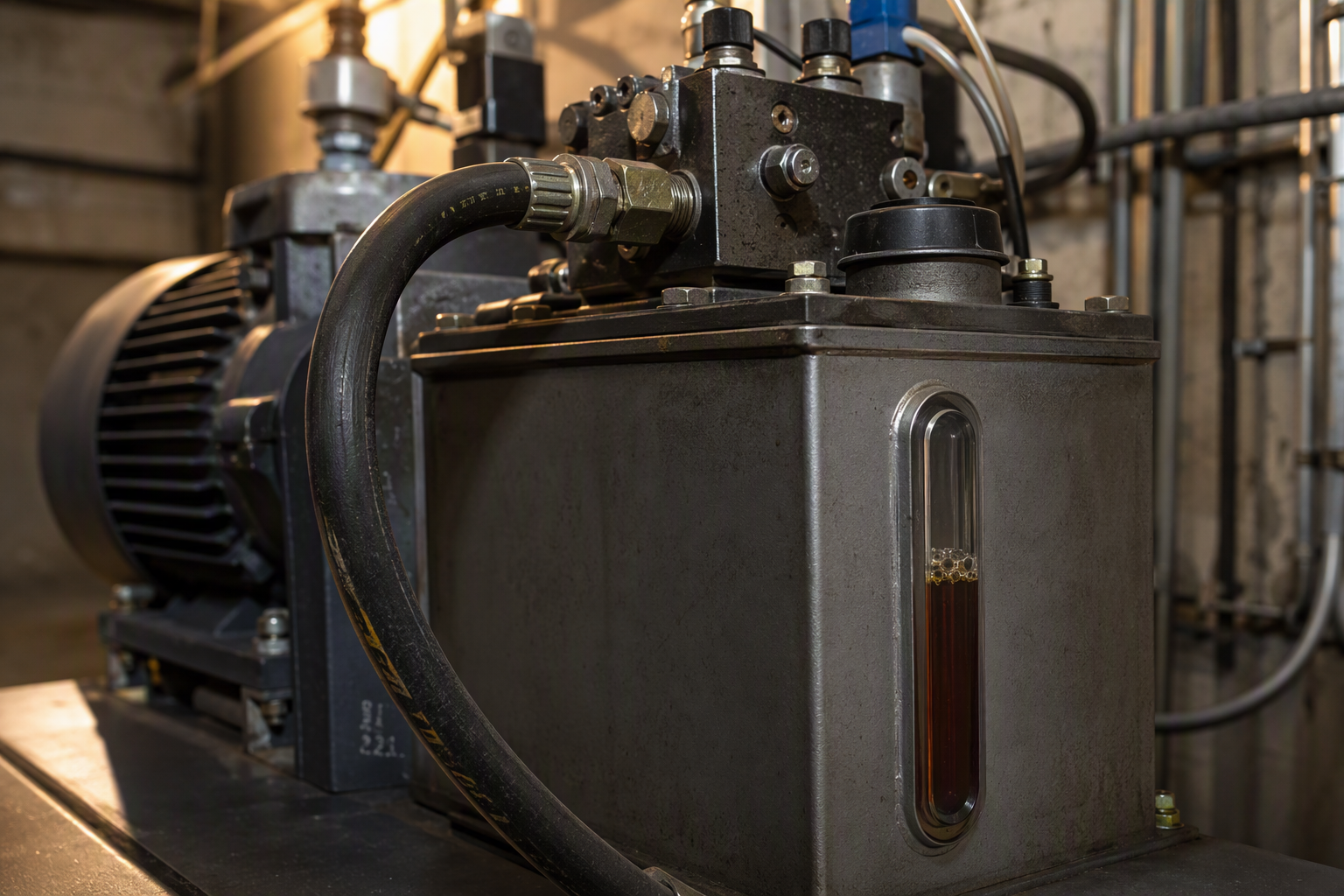
- Hydraulic fluid degradation: Heat thins hydraulic fluid, reducing its viscosity and causing the elevator to drift or fail to hold level at floor landings — a serious hazard when transporting patients on stretchers or in wheelchairs.
- Corrosion on electrical contacts and door operators: Humidity accelerates oxidation on relay contacts, printed circuit boards, and wiring terminals. Door operators are especially vulnerable because they are exposed to lobby air and temperature differentials between floors.
- Swollen door panels and sills: Wooden core door panels absorb moisture and expand, causing slow or incomplete door closure. Sill grooves can accumulate moisture-driven debris, increasing the risk of door obstruction faults.
- Control board and microprocessor failures: Condensation inside control cabinets — especially during seasonal transitions when cool conditioned air meets warm, humid exterior air — can short circuit sensitive electronics.
- Pit flooding and sump pump failure: Columbia, SC receives significant annual rainfall. Elevator pits in healthcare buildings are susceptible to groundwater intrusion, which damages pit-mounted equipment including buffers, limit switches, and traveling cables.
- Lubricant breakdown on guide rails: High temperatures cause rail lubrication to thin and migrate away from contact surfaces, increasing friction, vibration, and ride roughness — noticeable to patients being transported.
- Cable and rope wear acceleration: Heat cycling causes wire rope to expand and contract repeatedly, accelerating fatigue and increasing the frequency at which hoist ropes require inspection and replacement.
What Compliance Standards Apply to Healthcare Elevators in South Carolina?
Healthcare facilities in South Carolina must meet a layered set of federal and state requirements that govern elevator safety, accessibility, and maintenance. Facility managers should be familiar with the following frameworks:
- ASME A17.1 Safety Code for Elevators and Escalators: The primary safety standard governing elevator design, installation, inspection, and testing in South Carolina. It establishes requirements for safety devices, door operations, machine room conditions, and periodic testing intervals.
- ASME A17.3 Safety Code for Existing Elevators and Escalators: Applies to elevators already in service and governs retrofit and upgrade requirements for older equipment found in many established hospital campuses.
- Americans with Disabilities Act (ADA): Requires that elevators in healthcare facilities meet accessibility standards for door timing, call button height, cab dimensions, audible signals, and Braille markings — requirements that directly protect wheelchair users, patients with mobility impairments, and visitors.
- South Carolina Department of Labor, Licensing and Regulation (LLR): The South Carolina LLR administers elevator inspections and permitting within the state. Healthcare facilities are subject to periodic inspections, and the LLR can require corrective action when deficiencies are found.
- OSHA General Duty Clause: Requires employers, including healthcare facility operators, to provide a workplace free from recognized hazards. Elevator malfunctions that create risks for staff transporting patients can fall under OSHA scrutiny.
- The Joint Commission and CMS Conditions of Participation: Hospitals and long-term care facilities subject to Joint Commission accreditation or CMS oversight must maintain all life-safety systems, including vertical transportation, in documented working order. Elevator failures can trigger citations during surveys.
How Does Humidity Specifically Damage Elevator Electrical Systems?
Moisture is one of the most destructive forces an elevator control system encounters. In humid climates, water vapor penetrates control enclosures through conduit entries, door seams, and ventilation openings. When temperatures drop — during evening hours or when HVAC systems cycle — that vapor condenses on circuit boards, relay contacts, and wiring harnesses. Over time, condensation promotes corrosion, causes intermittent signal failures, and can create short circuits that damage programmable logic controllers and safety relay modules. In healthcare settings where elevator availability is continuous, these intermittent faults are particularly disruptive because they are difficult to reproduce during service visits.
What Should Healthcare Facilities Do Immediately After an Elevator Malfunction?
- Ensure all passengers are safely evacuated from the cab with the assistance of trained staff — never instruct passengers to force open doors or attempt self-rescue.
- Place the elevator out of service and post clear signage at all affected landings to redirect patients, staff, and visitors to alternate accessible routes.
- Contact a licensed elevator service provider to assess the malfunction before returning the unit to service.
- Document the malfunction with the time, symptoms observed, and any error codes displayed on the controller — this information accelerates diagnosis.
- Notify your facility’s safety officer and, if the elevator is under a service contract, your contract administrator.
- Review ADA-compliant alternate access routes to confirm that patients with mobility limitations can still reach all required floors without interruption to care delivery.
- File any required incident reports per your facility’s accreditation body requirements and internal risk management protocols.
How Often Should Healthcare Elevators Be Inspected in South Carolina?
South Carolina’s LLR requires periodic inspections of elevators by licensed inspectors. Beyond the mandated inspection schedule, healthcare facilities operating in hot and humid climates benefit from more frequent preventive maintenance visits — particularly at the start of summer and after periods of heavy rainfall. Carolina Elevator Service recommends that healthcare clients review their maintenance agreements to ensure service intervals account for the accelerated wear that South Carolina’s climate imposes on elevator components.
What Preventive Maintenance Tasks Are Most Important for Humid Climates?
- Verifying machine room temperature control and ventilation adequacy before summer months
- Inspecting and cleaning control cabinet enclosures for signs of condensation or corrosion
- Testing hydraulic fluid viscosity and replacing fluid that has degraded due to heat cycling
- Lubricating guide rails with products rated for high-temperature performance
- Inspecting and cleaning door sill grooves to remove moisture-borne debris
- Testing pit sump pumps and drainage systems before the rainy season
- Inspecting hoist ropes and cables for signs of accelerated fatigue
- Testing all safety devices per ASME A17.1 requirements to confirm proper function under current conditions
What Are the ADA Implications When a Healthcare Elevator Malfunctions?
Under the Americans with Disabilities Act, healthcare facilities must provide accessible routes to all areas open to patients and visitors. When an elevator is the only accessible means of vertical travel in a multi-story building, its malfunction effectively removes access for wheelchair users, patients with mobility impairments, and individuals who cannot use stairs. Prolonged outages without adequate alternate arrangements can constitute an ADA barrier. Facilities should have documented contingency plans for elevator outages that address how accessible services will continue to be delivered.
How Does Elevator Downtime Affect Healthcare Operations?
In hospitals and surgical centers, elevator availability directly affects patient flow, supply chain logistics, and staff efficiency. A single out-of-service elevator can delay surgical procedures, interrupt medication and equipment delivery between floors, and create bottlenecks at nurse stations during shift changes. In long-term care facilities, residents who depend on elevators for daily movement may be effectively confined to a single floor during an outage. These operational impacts make a strong case for investing in proactive maintenance rather than reactive repair — an approach that Carolina Elevator Service supports through structured preventive maintenance programs for healthcare clients in Columbia, SC.
Can Older Hospital Elevators Be Upgraded to Handle Modern Climate Demands?
Many hospital campuses in Columbia, SC include buildings constructed decades ago, with elevator systems that were not designed for continuous healthcare use or for climate-control standards expected today. Modernization options include installing machine room cooling systems, upgrading to solid-state variable-frequency drives that are more tolerant of thermal stress, replacing aging relay-logic controls with sealed microprocessor controllers that are less susceptible to humidity, and upgrading door operators to more reliable current-generation hardware. ASME A17.3 provides the safety framework governing modifications to existing elevator systems in South Carolina.
Questions Your Inspector Will Ask
When a South Carolina LLR inspector or a Joint Commission surveyor evaluates your healthcare facility’s elevators, expect questions and observations in the following areas:
- Is the machine room temperature maintained within the range specified by the equipment manufacturer and required by applicable codes?
- Are all required periodic tests — including safety device tests, governor tests, and pressure relief tests for hydraulic units — current and properly documented?
- Are maintenance logs available showing the frequency and scope of preventive maintenance performed?
- Is the pit free of water intrusion, and is the sump pump operational and tested?
- Do door closing times meet the minimum dwell requirements under the ADA for healthcare occupancies?
- Are all required in-cab signage elements — including capacity plates and emergency instructions — legible and properly mounted?
- Is there a current certificate of inspection posted in or near the elevator cab as required by South Carolina regulations?
- Have any deficiencies noted in the previous inspection been corrected and documented?
Why Do Healthcare Facilities in Columbia, SC Choose Carolina Elevator Service?
Healthcare facility managers in Columbia, SC work with Carolina Elevator Service because elevator problems in a clinical environment carry consequences that extend beyond inconvenience. Carolina Elevator Service provides maintenance and repair services that are structured around the compliance requirements healthcare facilities face — including ASME A17.1 safety standards, ADA accessibility obligations, and the documentation demands of Joint Commission surveys. The team understands that in a hospital or long-term care setting, every elevator must be treated as a life-safety system.
Carolina Elevator Service serves healthcare properties across South Carolina, helping facility managers establish maintenance programs that account for the specific wear patterns that Columbia’s hot and humid climate creates. Whether the need is a comprehensive preventive maintenance plan, a climate-related repair, or guidance ahead of a regulatory inspection, Carolina Elevator Service is equipped to support healthcare facilities in keeping vertical transportation systems safe, compliant, and operational.
Schedule Your Free Healthcare Elevator Assessment
Elevator problems in a healthcare setting cannot wait. Contact Carolina Elevator Service for a free elevator assessment and learn how a climate-aware maintenance program can protect your patients, your staff, and your regulatory standing in Columbia, SC.
Contact Carolina Elevator Service for a free elevator assessment: 803-865-1400
Need elevator service you can rely on? Carolina Elevator Service is ready to help.