Elevator Service in Columbia, SC | Carolina Elevator Service
South Carolina elevator inspections protect the safety of everyone who steps into a lift — from office workers in the Vista to residents of Columbia’s growing midlands communities. Understanding what inspectors look for, which codes govern the process, and how to prepare your property helps avoid failed inspections, costly re-inspections, and potential shutdowns. This guide walks through each stage of the inspection process and explains how Carolina Elevator Service supports Columbia-area property owners every step of the way.
—
What Governs Elevator Inspections in South Carolina?
South Carolina’s elevator safety program is administered by the South Carolina Department of Labor, Licensing and Regulation (LLR), Division of Labor. All conveyances — including passenger elevators, freight elevators, escalators, and platform lifts — that are open to the public or used by employees fall under the state’s jurisdiction.
South Carolina adopts the ASME A17.1 Safety Code for Elevators and Escalators as its technical standard for new and substantially altered equipment, and the ASME A17.3 Safety Code for Existing Elevators and Escalators for equipment already in service. These codes define what inspectors examine and what corrective actions are required when deficiencies are found. For public-access elevators, the Americans with Disabilities Act (ADA) also imposes accessibility requirements that may be reviewed during a compliance audit.
Workplace elevators used by employees may additionally fall under OSHA standards for general industry safety, making thorough recordkeeping doubly important for commercial property managers in Columbia.
—
How Often Must Elevators Be Inspected in South Carolina?
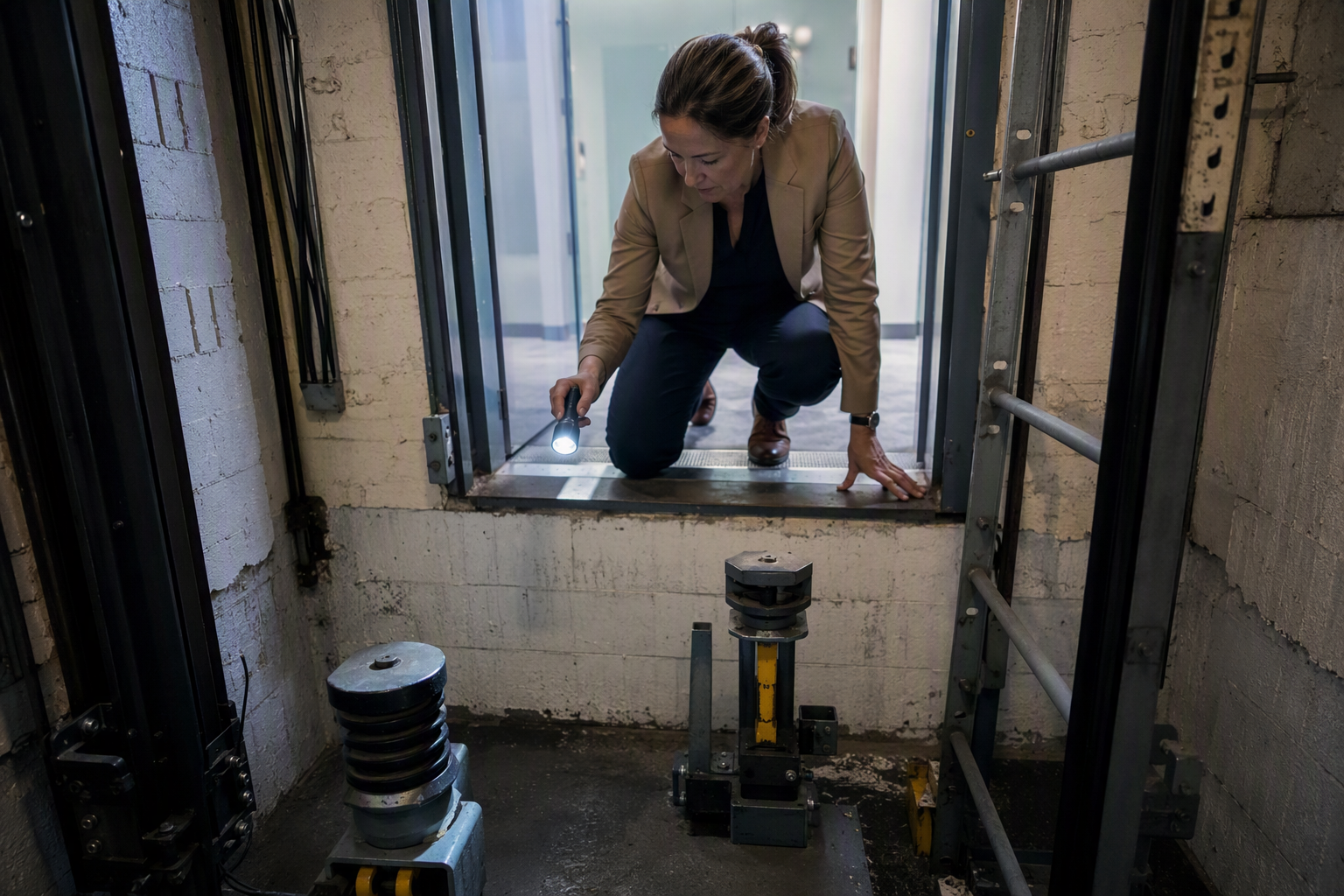
South Carolina LLR requires periodic inspections of conveyances on a regular basis to maintain a valid certificate of operation. The precise interval depends on the type and use of the equipment. Routine periodic inspections are distinct from acceptance inspections — which occur when new equipment is installed or existing equipment undergoes major alteration — and from witnessing of annual load and safety tests required by ASME A17.1.
Operating without a current, posted certificate of inspection is a violation under South Carolina law and can result in an order to cease operation. Property owners in Columbia should track their certificate expiration dates proactively rather than waiting for a state notice.
—
What Does a South Carolina Elevator Inspector Actually Examine?
Inspectors credentialed through the state evaluate a comprehensive list of components and systems. Common areas of scrutiny include:
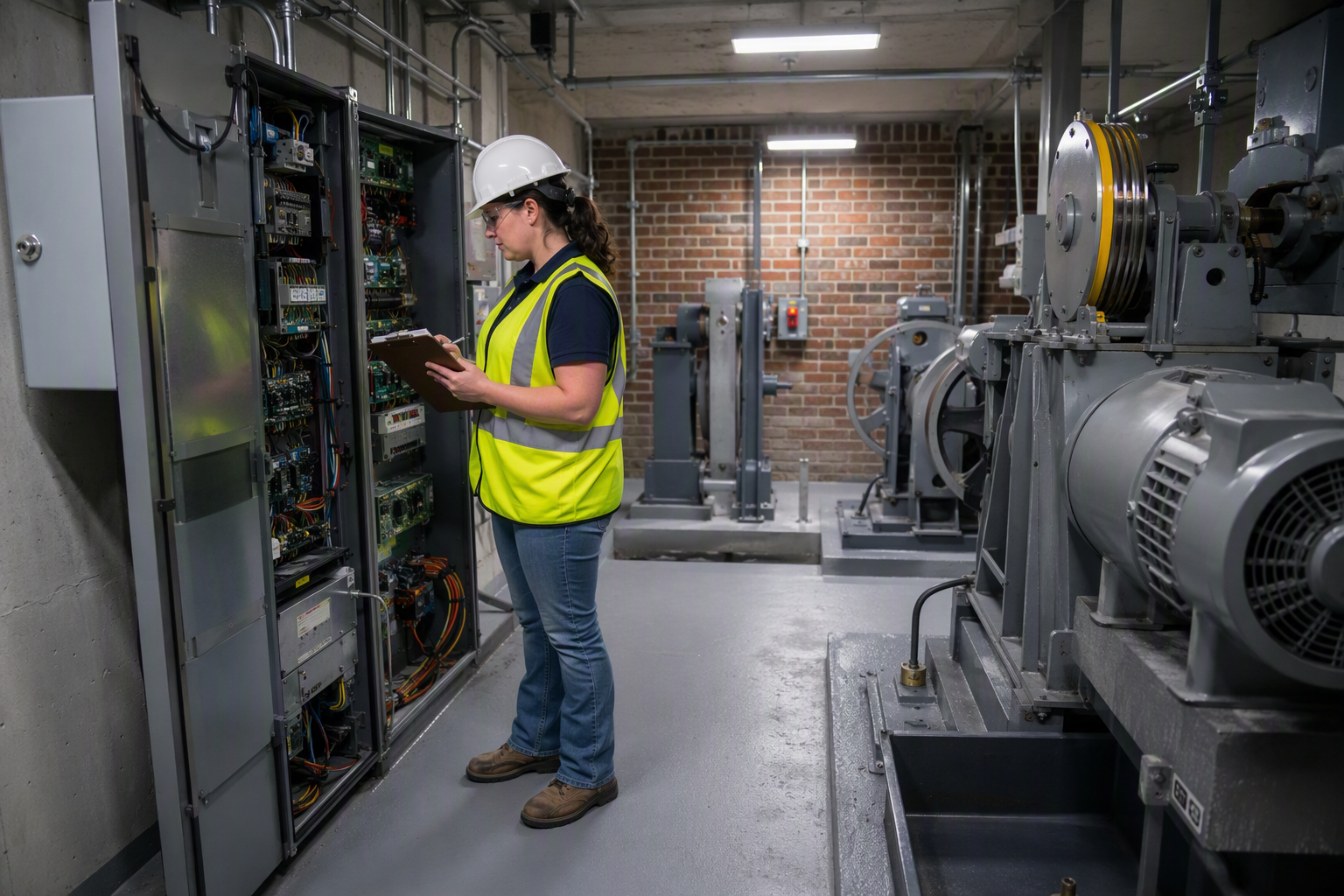
- Machine room conditions: Temperature, lighting, housekeeping, and access control to prevent unauthorized entry.
- Hoistway and pit: Structural integrity, pit lighting, pit ladder, emergency stop switch, and sump pump where required.
- Drive system and controller: Proper function of the motor, brake, and control circuitry.
- Doors and gates: Door reopening devices, interlock reliability, and door closing force compliance.
- Safety devices: Governor, safeties, buffers, and overspeed protection.
- Cab interior: Emergency lighting, phone or two-way communication system, capacity posting, and certificate display.
- Hydraulic systems (where applicable): Oil level, cylinder integrity, pressure relief valve, and leak detection.
- Firefighter’s emergency operation (FEO): Proper function of Phase I recall and Phase II in-car operation where required by code.
- Accessibility features: Leveling accuracy, handrail placement, and ADA-relevant dimensions for public-use lifts.
—
What Are the Steps to Prepare for a South Carolina Elevator Inspection?
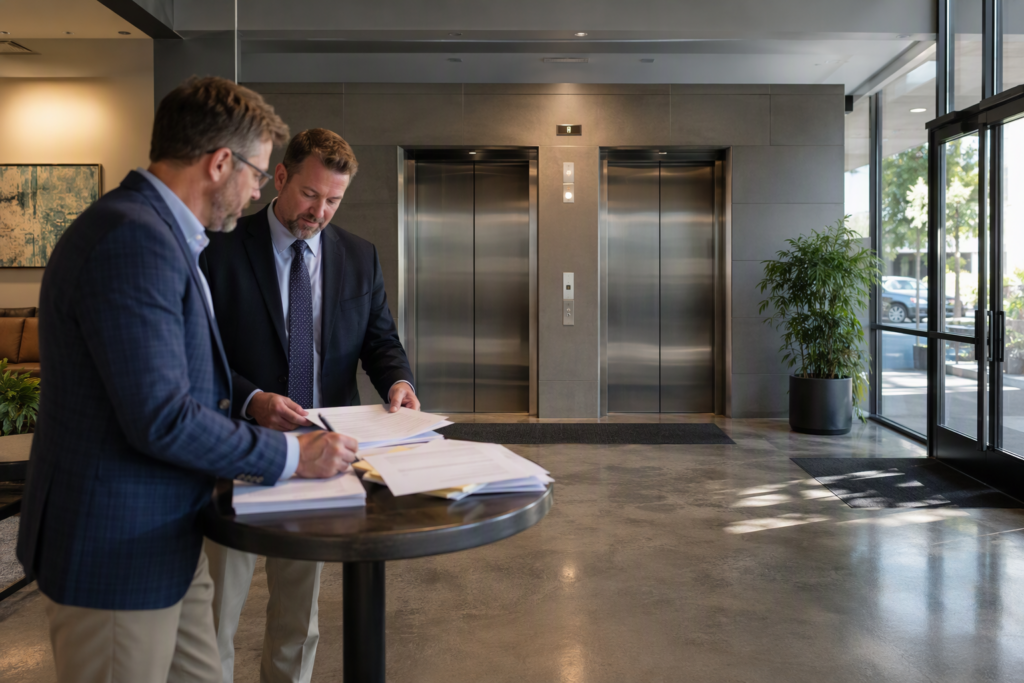
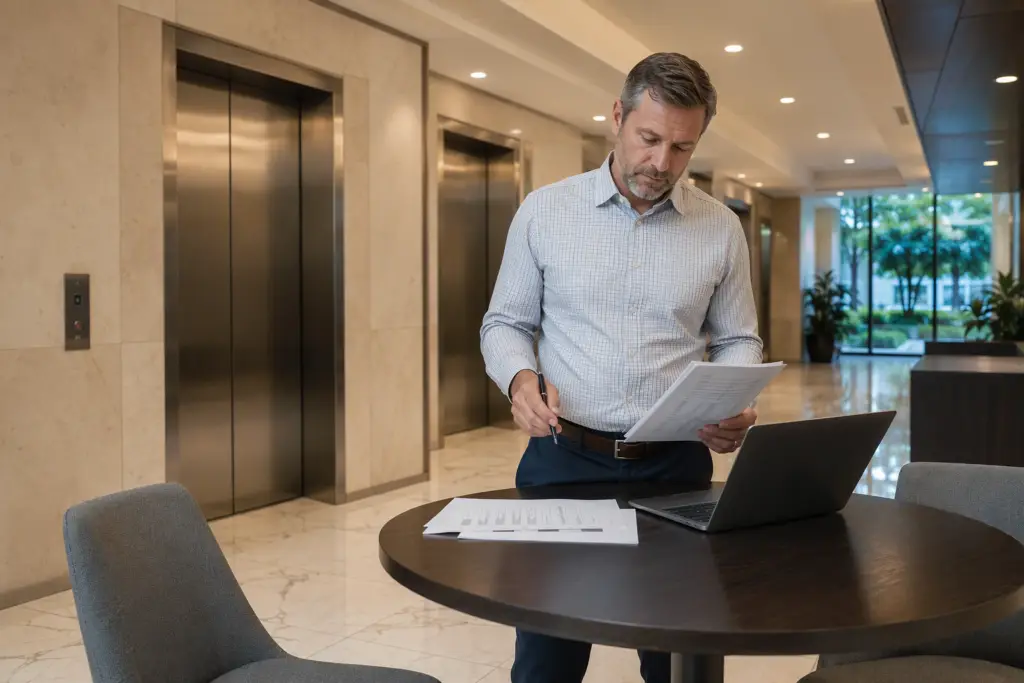
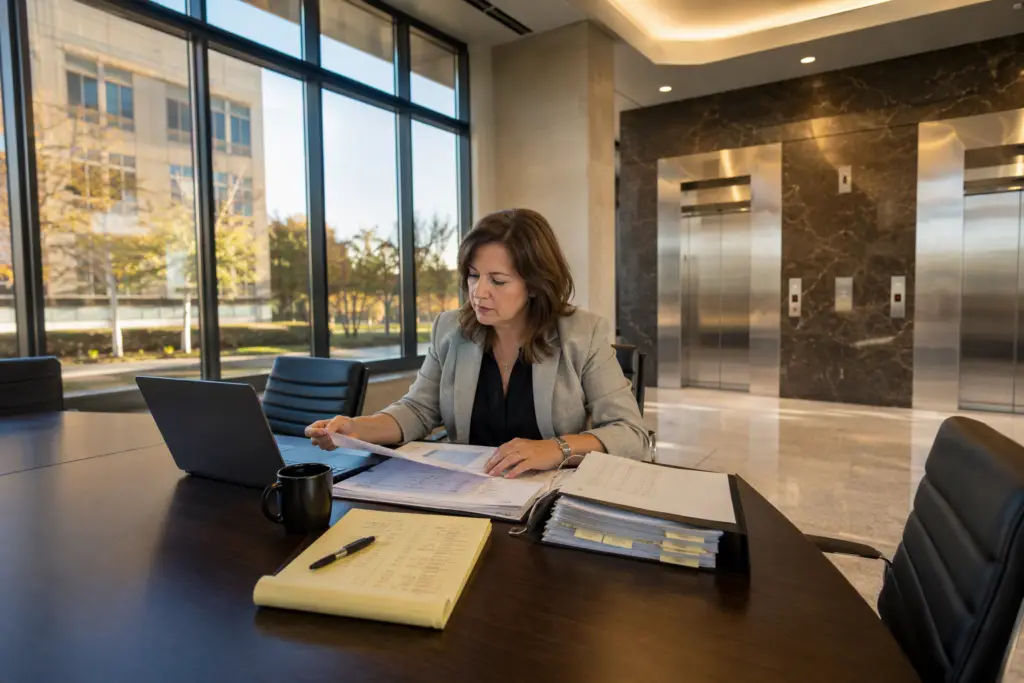
- Gather all maintenance and service records. Inspectors may request documentation of recent maintenance visits, safety tests, and any repairs made since the last inspection. Organize these records in chronological order and have them available in the machine room or management office.
- Clear and clean the machine room. Remove storage, debris, and any materials that do not belong in the machine room. Verify that lighting is functioning and that the room is accessible with the proper key.
- Inspect the pit. Confirm pit lighting works, the emergency stop switch is accessible and functional, and the pit is free of water, oil accumulation beyond normal levels, and debris.
- Test the two-way communication device. Place a test call from the cab phone or intercom to confirm it connects to a monitored location as required.
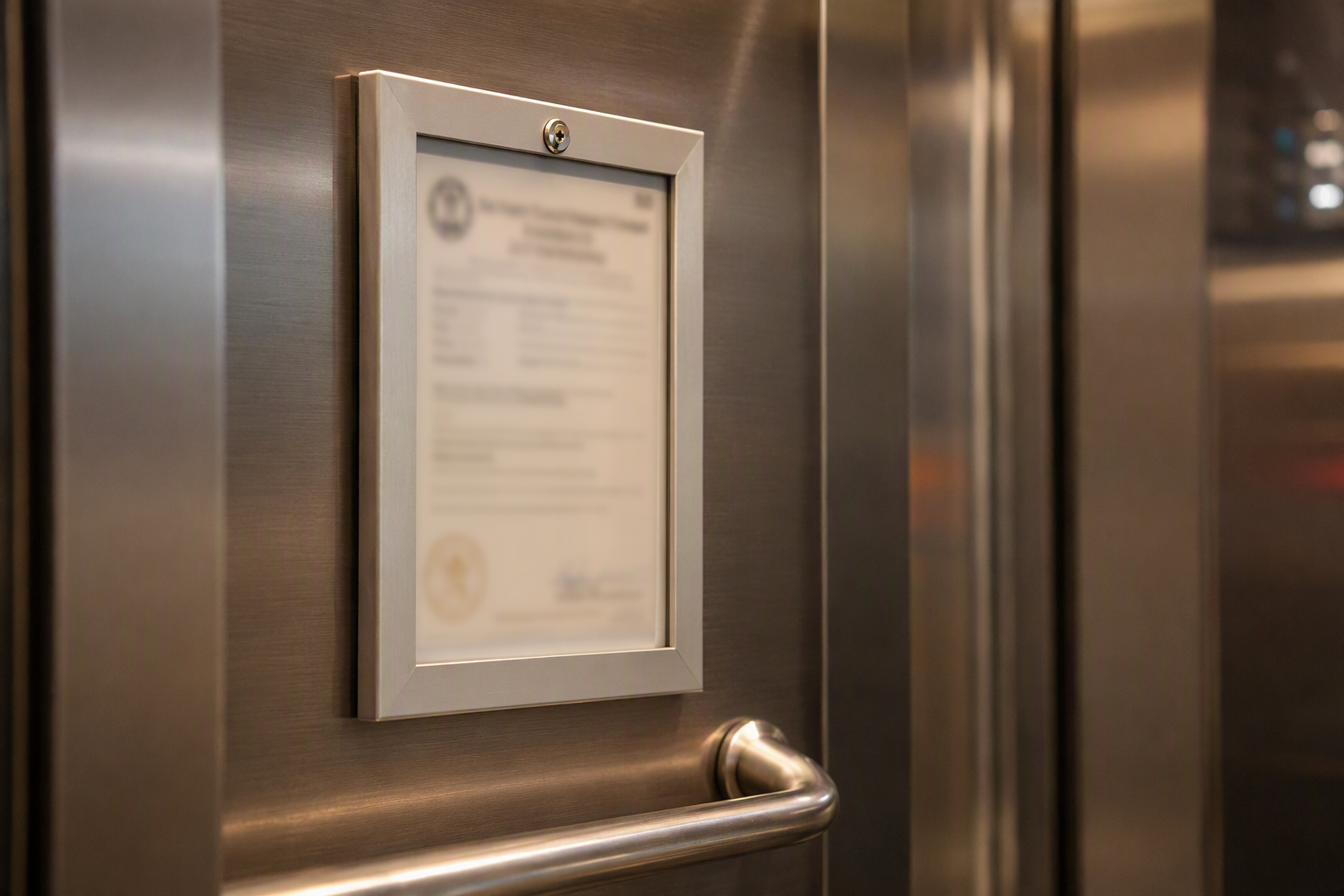
- Verify the certificate of operation is posted. The current certificate must be displayed inside the elevator cab. Confirm it has not expired.
- Check door operation. Manually observe each door’s opening, closing, and reopening function. Report sluggish or erratic door behavior to your service provider before inspection day.
- Confirm firefighter’s emergency operation. If your building has a Fire Service Access Elevator or standard FEO, test Phase I and Phase II operation and document the test.
- Schedule a pre-inspection maintenance visit. Have a qualified elevator contractor perform a thorough inspection of all systems prior to the state inspector’s arrival. Any deficiencies found can then be corrected before the official visit.
—
What Happens If an Elevator Fails Inspection in South Carolina?
When an inspector identifies a deficiency, the outcome depends on its severity. Minor items may be noted as corrections required within a specified timeframe, allowing the elevator to remain in service while repairs are completed. More serious violations — particularly those affecting immediate passenger safety — can result in an order to take the elevator out of service until corrective work is done and a re-inspection is passed.
A failed inspection also means the property owner must coordinate a return visit, which extends downtime and may affect tenants, residents, or customers depending on the property type. This is why proactive maintenance and pre-inspection reviews are consistently more cost-effective than reactive repairs after a failed visit.
—
Does My Elevator Need to Meet ADA Requirements During Inspection?
South Carolina state elevator inspections focus primarily on safety code compliance under ASME standards. However, ADA compliance is a parallel obligation for places of public accommodation and commercial facilities. The ADA sets requirements for cab dimensions, landing call buttons, floor designations in Braille and raised characters, leveling accuracy, and door timing, among other features.
While an LLR elevator inspector may not issue an ADA citation, a separate ADA complaint or lawsuit can arise independently of the state inspection process. Columbia property owners benefit from having both safety code and accessibility compliance evaluated together.
—
What Types of Elevators and Conveyances Require Inspection in South Carolina?
South Carolina’s elevator safety jurisdiction covers a broad range of conveyances, including:
- Traction elevators (geared and gearless)
- Hydraulic elevators
- Escalators and moving walks
- Dumbwaiters
- Vertical platform lifts (wheelchair lifts)
- Inclined platform lifts
- Material lifts used in workplaces
Single-family residential elevators installed solely for private use are typically exempt from the state permit and inspection program, though they still benefit from regular professional maintenance for safety reasons.
—
How Can Carolina Elevator Service Help Columbia Property Owners Prepare?
Carolina Elevator Service provides inspection preparation, preventive maintenance, and code compliance support for property owners and facility managers throughout Columbia and the surrounding midlands region. The team serves a wide range of properties — including commercial office buildings, multifamily residential communities, healthcare facilities, hospitality venues, retail centers, and government properties.
Pre-inspection maintenance visits are structured to mirror the state inspection checklist, identifying items that need correction before the official visit. When deficiencies are found, the service team coordinates repairs efficiently to minimize downtime. For properties that receive a correction order following an inspection, Carolina Elevator Service can complete the required work and support the scheduling of a re-inspection with state authorities.
Emergency service is available when unexpected elevator shutdowns occur, ensuring that property managers have access to qualified support when they need it most. Ongoing service agreements help Columbia properties stay continuously current with their maintenance obligations rather than scrambling before an inspection date arrives.
—
Schedule a Free Consultation
Preparing for a South Carolina elevator inspection is straightforward when you work with a knowledgeable local service partner. Carolina Elevator Service helps Columbia-area property owners understand their obligations, correct deficiencies before they become violations, and maintain safe, compliant elevators year-round.
Contact Carolina Elevator Service today to schedule your free consultation:
📞 803-865-1400
Serving Columbia, SC and the surrounding midlands communities — Carolina Elevator Service is ready to help you navigate South Carolina’s elevator inspection requirements with confidence.
Need elevator service you can rely on? Carolina Elevator Service is ready to help.