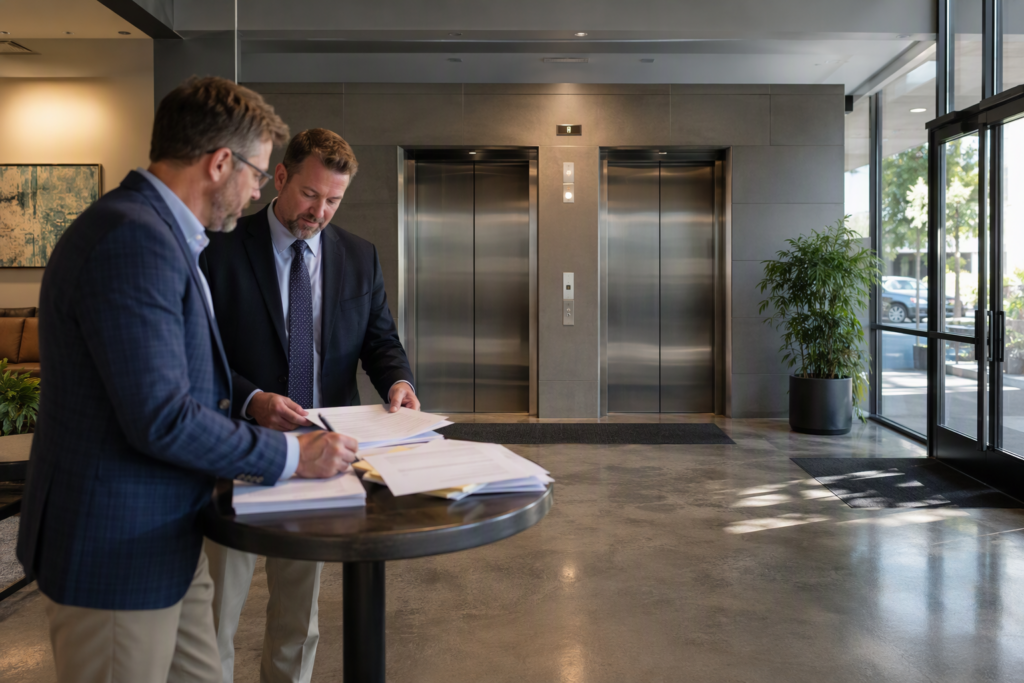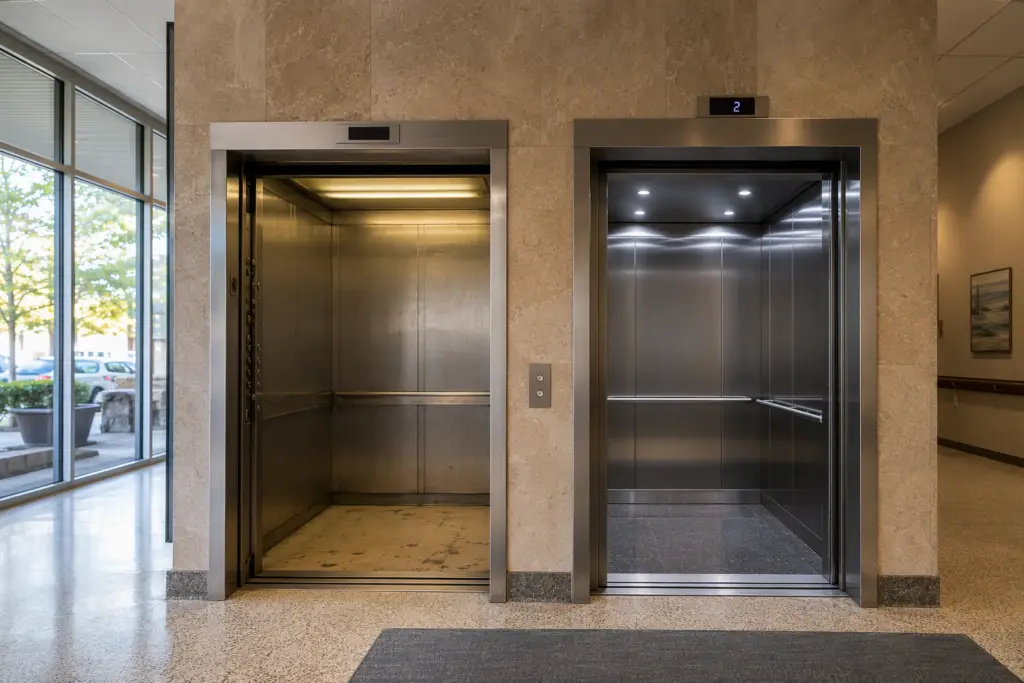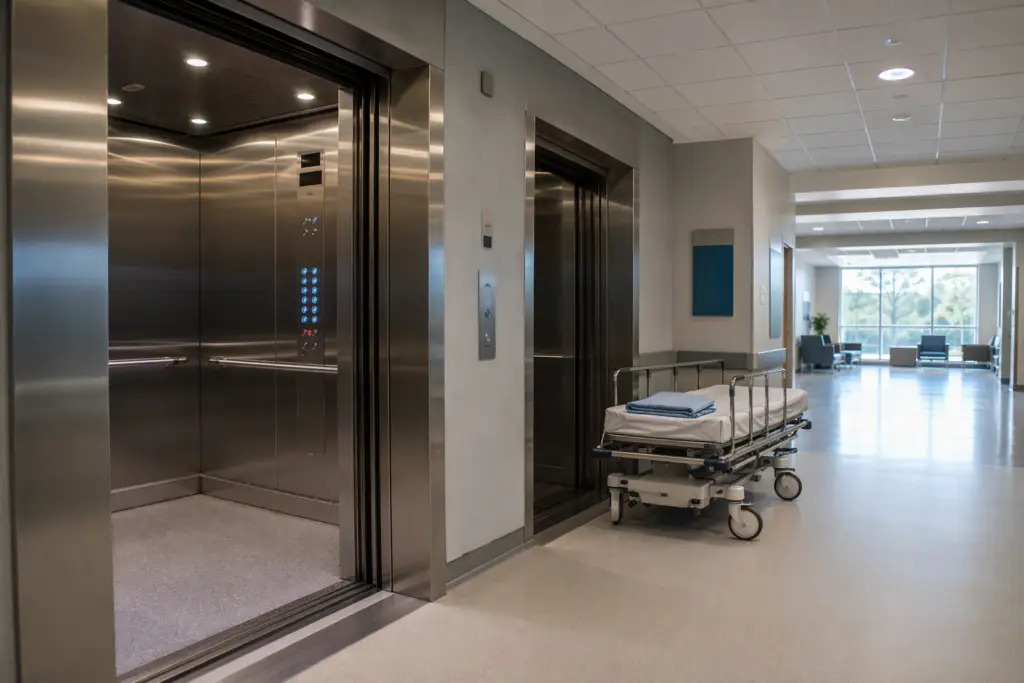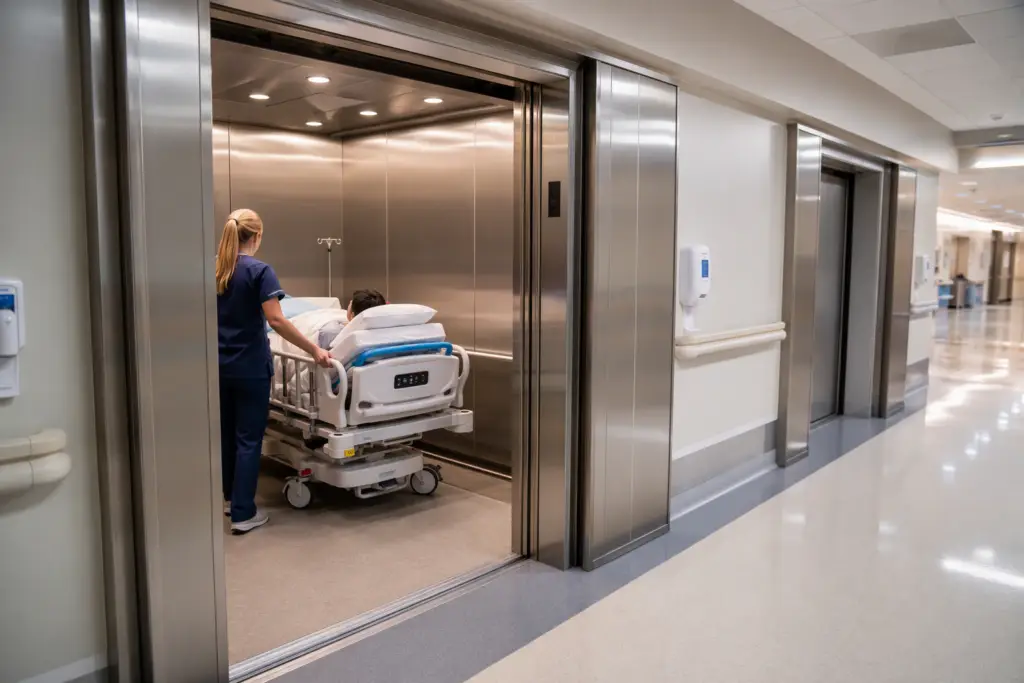
Most elevator modernization projects take between 4 and 12 weeks depending on the scope of work, and while some downtime is unavoidable, an experienced contractor can phase the work to minimize disruption — often limiting full outages to nights, weekends, or short planned windows.
Elevator Modernization Timeline & Building Access: Complete FAQ for Columbia SC Building Owners
Elevator modernization is one of the most significant capital investments a building owner or property manager can make. Beyond the equipment itself, the question nearly every decision-maker asks first is simple: how long will this take, and will my tenants lose elevator access? This FAQ hub covers every dimension of that question — from initial planning through final inspection — drawing on federal safety codes, South Carolina regulatory requirements, and the practical experience of elevator professionals serving the Columbia area.
How Long Does a Typical Elevator Modernization Take?
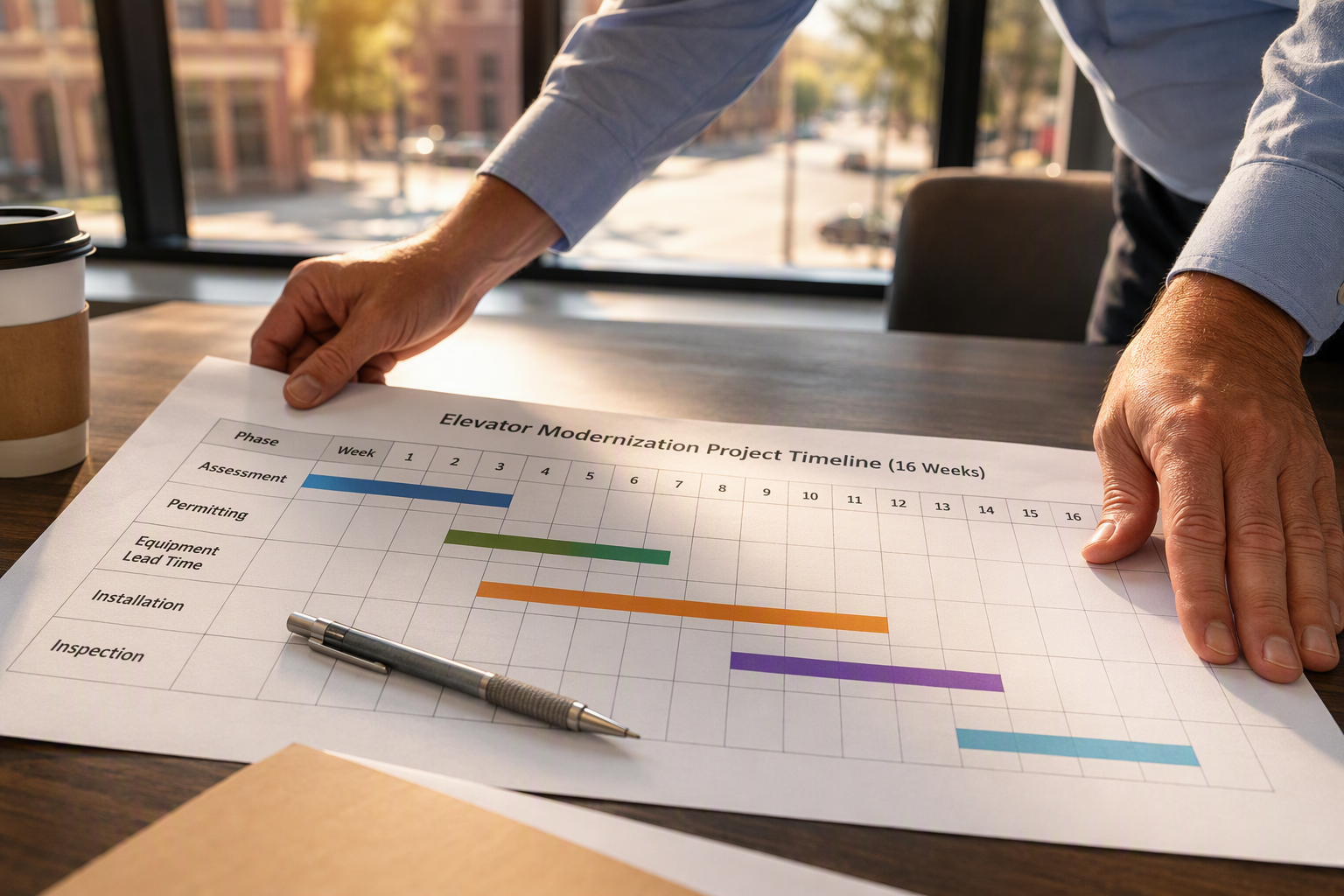
A typical elevator modernization takes between 4 and 12 weeks from the start of construction work, though full project timelines from initial assessment to final inspection can extend to 4–6 months when permitting, engineering, and equipment lead times are included.
The wide range exists because “modernization” is not a single defined scope of work. A targeted control system upgrade on a straightforward traction elevator is a fundamentally different project from a full cab replacement combined with new drive technology, updated safety circuits, and ADA-compliant fixture modifications. Each layer of scope adds time.
The phases that determine the true project length are: site assessment and engineering, permitting through South Carolina’s authority having jurisdiction (AHJ), equipment fabrication and delivery lead times, the physical installation period, and state inspection and acceptance. Building owners who plan only for the installation window frequently underestimate total project duration by weeks or months.
What Are the Main Phases of an Elevator Modernization Project?
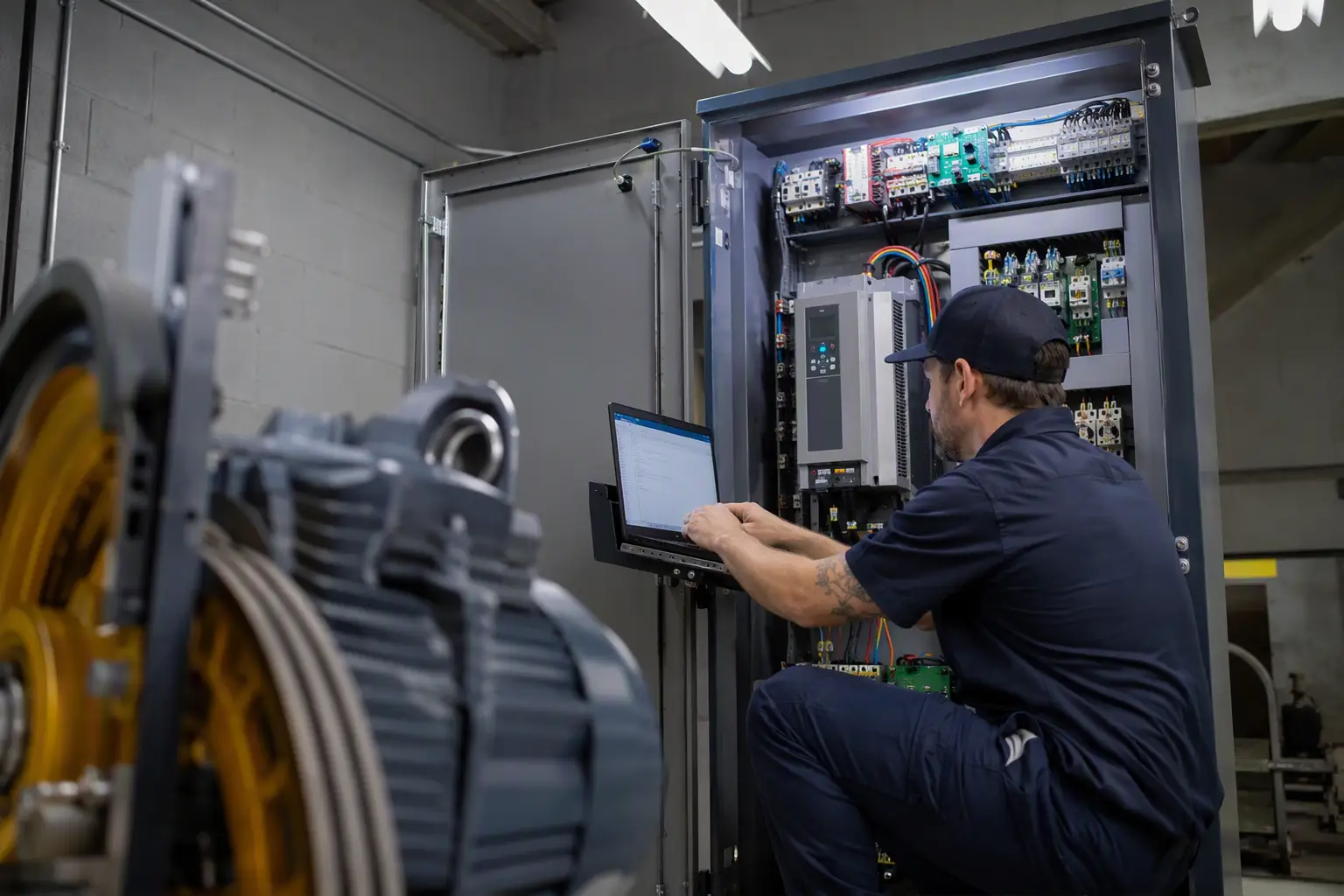
A modernization project moves through six distinct phases: assessment and scope definition, engineering and design, permitting, equipment procurement, physical installation, and final inspection and acceptance.
- Assessment and Scope Definition: A qualified elevator contractor evaluates the existing equipment, reviews maintenance records, identifies code deficiencies, and develops a modernization scope. This phase typically takes one to three weeks depending on equipment complexity and scheduling.
- Engineering and Design: For significant modifications, licensed engineers produce stamped drawings. This can take two to six weeks depending on project complexity and engineer availability.
- Permitting: An elevator construction permit must be obtained through the South Carolina Department of Labor, Licensing and Regulation (SC LLR) or the applicable local AHJ before work begins. Permit review timelines vary but should be budgeted at two to four weeks.
- Equipment Procurement: Control systems, drive units, fixtures, cab materials, and safety components are ordered. Lead times for elevator equipment can range from four to sixteen weeks depending on manufacturer and current supply chain conditions.
- Physical Installation: This is the hands-on construction window during which the elevator is typically out of service for at least part of the time. Duration ranges from one week for minor upgrades to eight or more weeks for comprehensive modernizations.
- Final Inspection and Acceptance: A state-licensed elevator inspector must witness operational tests before the elevator is returned to service. Scheduling an inspection adds days to weeks to the post-installation timeline.
Will My Building Lose Elevator Access During Modernization?
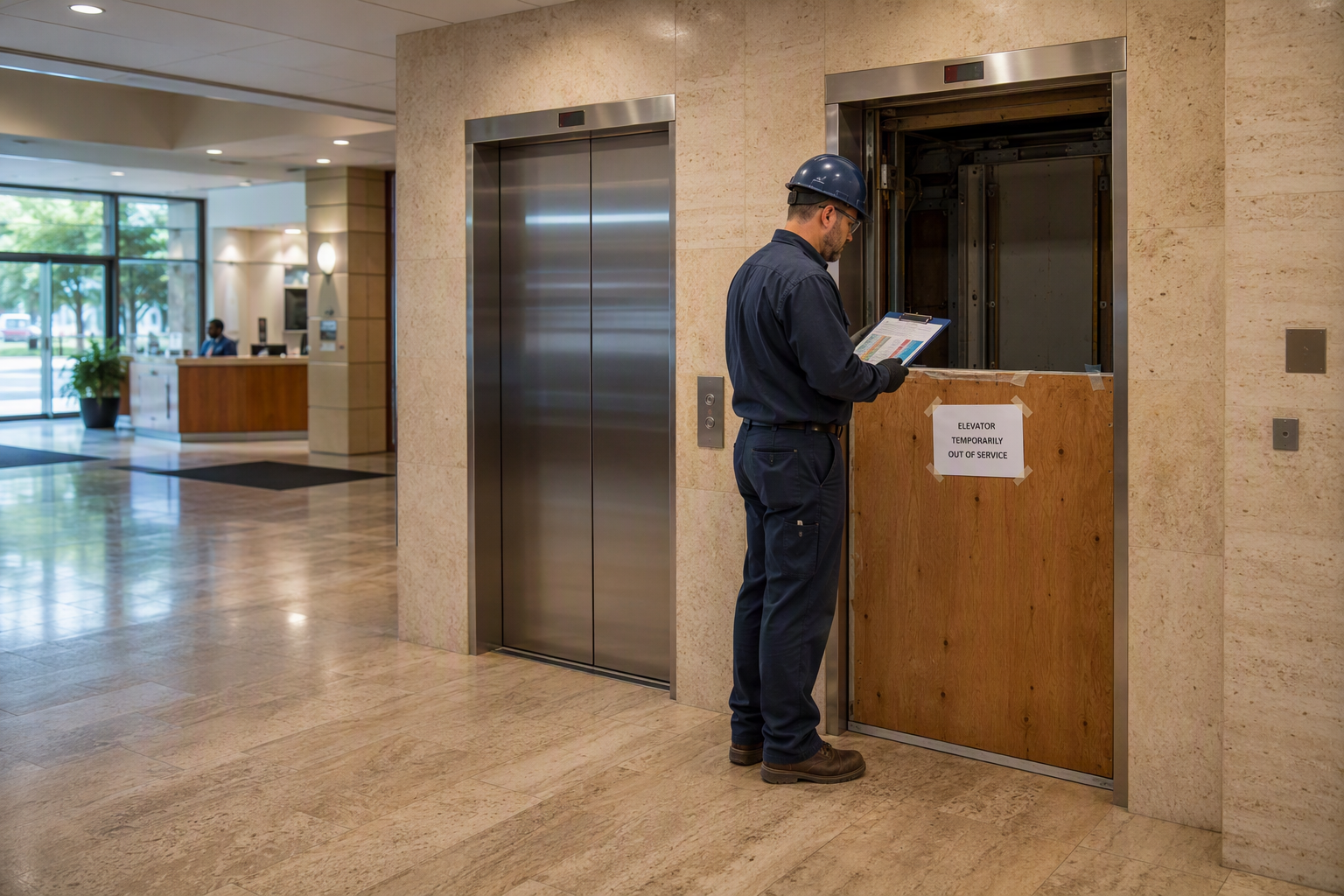
Yes, some loss of elevator access is unavoidable during modernization, but the duration and impact can be significantly reduced through strategic phasing, after-hours scheduling, and careful sequencing of work tasks.
The extent of downtime depends heavily on the scope of work. A control system upgrade that leaves the mechanical components intact may require only a few days of downtime. A comprehensive modernization involving new hoisting machinery, guide rails, cab, and fixtures will require the elevator to be fully out of service for a longer, continuous period.
For multi-elevator buildings, contractors can sequence work one car at a time so at least one elevator remains in service throughout the project. Single-elevator buildings present a more challenging situation and require particularly careful planning. In those cases, property managers should communicate clearly with tenants and, where the building serves individuals with disabilities, develop interim accommodation plans consistent with their obligations under the Americans with Disabilities Act (ADA).
What Factors Make a Modernization Take Longer?
The factors most likely to extend a modernization timeline are equipment age, hoistway condition, custom cab specifications, supply chain delays, and the number of code deficiencies that must be corrected as part of the project.
Older elevators — particularly pre-1970s hydraulic and traction units common in Columbia’s historic and mid-century commercial building stock — often present unexpected conditions once work begins. Deteriorated guide rails, aging hydraulic cylinders, or asbestos-containing materials discovered during demolition can each halt work while remediation or redesign is completed. Experienced contractors budget contingency time for these discoveries.
Custom cab finishes, specialty fixtures, and non-standard dimensions extend lead times because components cannot be pulled from standard inventory. Buildings with non-standard pit depths, overhead clearances outside current code minimums, or machine rooms that do not meet current ventilation and lighting requirements under ASME A17.1 Safety Code for Elevators and Escalators may also require structural or architectural work outside the elevator contractor’s direct scope, adding coordination time.
What Equipment Is Typically Replaced During Modernization?
The most commonly replaced components during modernization include the control system, drive and motor, cab interior, fixtures and hall stations, door operators and door equipment, and safety devices required to meet current code.
| Modernization Scope | Components Affected | Approximate Installation Downtime | Code Trigger |
|---|---|---|---|
| Control System Only | Controller, wiring, safety circuits | 3–10 business days | Obsolete controls; ASME A17.1 safety circuit requirements |
| Drive & Motor Upgrade | Motor, drive unit, machine | 1–3 weeks | Energy efficiency; component end-of-life |
| Cab & Fixture Modernization | Cab interior, fixtures, hall stations | 1–2 weeks | ADA fixture height/Braille requirements |
| Door System Upgrade | Door operators, tracks, sills, headers | 1–2 weeks | ASME A17.1 door reopening device requirements |
| Hydraulic Cylinder Replacement | Jack unit, hydraulic fluid, piping | 2–4 weeks | Single-bottom jack replacement; environmental regulations |
| Comprehensive Full Modernization | All major systems | 6–12 weeks | Multiple code deficiencies; complete end-of-life |
What Code Requirements Drive Elevator Modernization in South Carolina?
South Carolina elevator modernization requirements are governed by the ASME A17.1 Safety Code for Elevators and Escalators and its retroactive companion, ASME A17.3, as administered by the South Carolina Department of Labor, Licensing and Regulation.
ASME A17.3, the Safety Code for Existing Elevators and Escalators, is the specific standard that establishes which safety features must be retrofitted onto older equipment even without a full modernization. When a modernization project is triggered — either voluntarily or by component failure — the scope of required upgrades expands based on which edition of the code the existing equipment was installed under and which current requirements now apply.
Additionally, the Americans with Disabilities Act imposes requirements on cab controls, door timing, cab dimensions, and audible/visual signals for public accommodations and commercial facilities. A modernization is frequently the most practical opportunity to bring aging fixtures into full ADA compliance, and failure to do so during a significant alteration can create legal exposure for building owners.
Does Elevator Modernization Require a Permit in South Carolina?
Yes, elevator modernization work in South Carolina requires a construction permit issued through the appropriate authority having jurisdiction, and no modernization work may begin until that permit is in place.
South Carolina’s elevator safety program is administered under the oversight of SC LLR. All elevator installation and major modification work must be performed by a licensed elevator contractor, and the work is subject to inspection by a licensed elevator inspector before the unit is returned to public service. Building owners who allow unlicensed work or who fail to obtain required permits risk fines, forced shutdowns, and potential liability in the event of an incident.
Carolina Elevator Service operates as a licensed elevator contractor in South Carolina and manages the full permitting and inspection coordination process on behalf of building owners in the Columbia area, eliminating the administrative burden from property management teams.
How Should Building Managers Communicate Elevator Outages to Tenants?
Effective tenant communication during elevator modernization should begin at least 30 days before work starts, include written notice with expected timelines, and be updated proactively whenever the schedule changes.
Best practices for tenant communication include posting clear, dated signage at every elevator landing, distributing written notice to all tenants and occupants, identifying alternative means of vertical travel (stairwells, adjacent buildings with connecting access), and designating a property management contact for outage questions. For buildings with tenants who have mobility limitations, personal notification and individualized accommodation planning is strongly advisable and may be required under applicable law.
Project managers at Carolina Elevator Service work directly with property management teams to develop a realistic schedule that can be communicated to tenants with confidence, reducing complaints and uncertainty during the modernization window.
Can Modernization Work Be Scheduled After Hours or on Weekends to Reduce Disruption?
Yes, many contractors — including those serving the Columbia market — are able to perform significant portions of modernization work during evenings and weekends to preserve elevator access during peak business hours, though some critical phases require continuous work regardless of time of day.
Phased after-hours work is most effective for control system changeovers, cab interior work, and fixture replacements. Mechanical work such as machine replacement or hydraulic cylinder removal typically requires extended continuous outage periods because the equipment cannot be partially assembled and returned to service between shifts. Building owners should discuss scheduling flexibility explicitly during the bid process and confirm that after-hours rates, if any, are addressed in the contract.
What Is the Difference Between Elevator Modernization and Elevator Repair?
Elevator repair addresses a specific failed or failing component to restore existing functionality, while modernization replaces major systems to extend service life, improve performance, and bring the equipment into compliance with current safety codes.
Repair is reactive; modernization is strategic. A repair might replace a worn door operator motor. A modernization replaces the entire door system — operator, tracks, sills, headers, and associated safety devices — along with other systems as part of a planned capital investment. The regulatory implications differ significantly: a major alteration triggers a broader code compliance review under ASME A17.1 and ASME A17.3, while a like-for-like repair may not.
The distinction matters for budgeting, permitting, and long-term planning. Building owners who repeatedly fund piecemeal repairs on aging equipment often spend more over a five-year window than a single planned modernization would have cost, while continuing to face compliance risk on unremediated code deficiencies.
How Does ADA Compliance Factor Into Elevator Modernization?
A modernization project is a legally significant opportunity — and in some cases a legal obligation — to bring elevator controls, cab dimensions, and audible/visual signals into full compliance with the Americans with Disabilities Act.
ADA Standards for Accessible Design specify requirements for control panel height and reach range, button size and spacing, Braille and raised character markings, door timing, cab floor area, and audio/visual floor indicators. Many elevators installed before the ADA’s effective dates were never retrofitted to meet these standards. A modernization that involves significant alteration to the cab or fixtures creates an obligation to address ADA accessibility as part of that scope.
Beyond legal compliance, ADA-compliant elevators serve the full spectrum of building occupants — including aging populations, wheelchair users, and individuals with visual or hearing impairments — making them a practical asset for any Columbia SC commercial or residential property.
What Is the Role of the State Elevator Inspector After Modernization?
Following the completion of modernization work, a licensed South Carolina elevator inspector must conduct a formal acceptance inspection and witness required operational tests before the elevator is legally permitted to return to passenger service.
The acceptance inspection verifies that the work performed matches the approved permit drawings, that all required safety devices are present and functional, and that the elevator performs within the parameters specified by ASME A17.1. Tests typically include car and counterweight safety device tests, governor testing, door reopening device performance, emergency lighting and communication verification, and load and leveling checks.
If the inspector identifies deficiencies, they must be corrected and re-inspected before the elevator is returned to service. Scheduling delays in the final inspection represent one of the most common sources of extended downtime at the end of a modernization project. Working with a contractor who coordinates proactively with the inspecting authority minimizes this risk.
How Can Building Owners Prepare Their Property for Elevator Modernization?
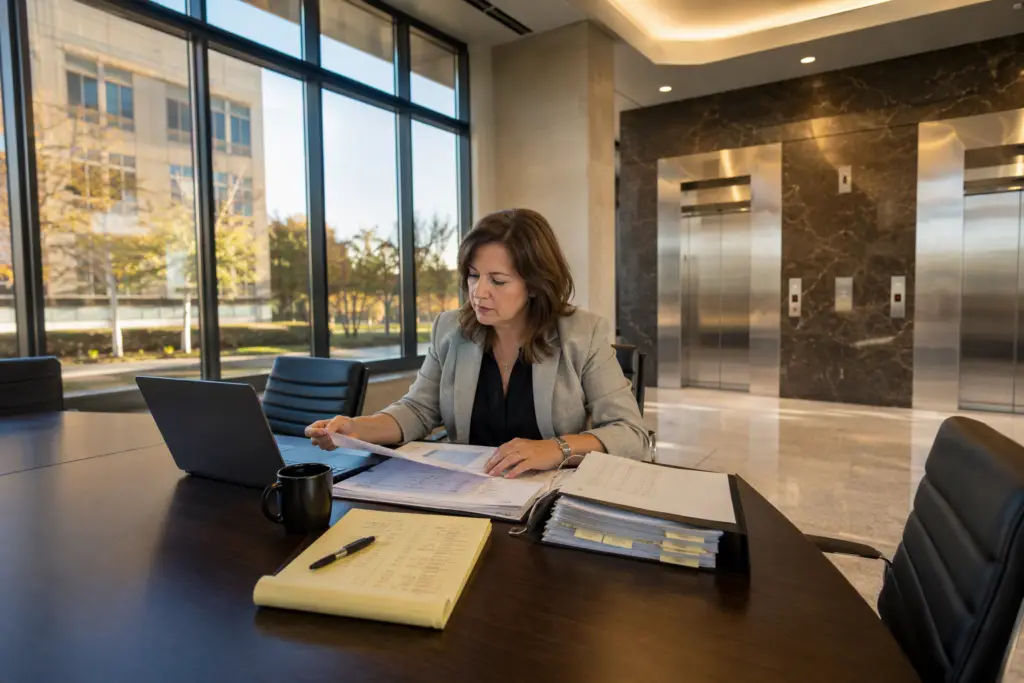
Building owners can accelerate the modernization process and reduce disruption by preparing access to the machine room, pit, and hoistway; gathering existing maintenance records and original equipment documentation; and coordinating with tenants well in advance of the start date.
- Audit existing records: Collect all available maintenance logs, inspection certificates, original installation documentation, and previous permit records. These inform the engineering scope and may reduce assessment time.
- Clear and secure the machine room: Remove stored items from the machine room and ensure the contractor has unobstructed, around-the-clock access during the installation period.
- Inspect pit conditions: Confirm the pit is dry and free of debris. Water intrusion or accumulated materials discovered at project start can delay work.
- Notify tenants formally: Issue written notice to all occupants at least 30 days in advance, including expected dates, anticipated duration, and contact information for questions.
- Coordinate freight and move scheduling: Advise tenants to avoid scheduling large deliveries or moves during the outage window.
- Develop ADA accommodation plans: For single-elevator buildings serving occupants with disabilities, identify and document interim accommodation measures before work begins.
- Confirm electrical service: Verify that the building’s electrical service capacity meets the requirements of the new drive and control equipment, as upgrades may require coordination with the utility.
What Happens if Modernization Uncovers Unexpected Conditions?
When unexpected conditions are discovered during modernization — such as deteriorated structural components, hazardous materials, or undocumented prior modifications — work typically pauses while the contractor, engineer, and building owner agree on a remediation path, which can add days to weeks to the project timeline.
Common discoveries include asbestos-containing insulation on older hydraulic piping, deteriorated pit sump conditions, guide rails that do not meet current straightness tolerances, or machine room structural elements that cannot support new equipment loads. Each discovery triggers its own response protocol. Hazardous materials require licensed abatement contractors before elevator work can resume. Structural deficiencies require engineering review and potentially building department involvement beyond the elevator permit.
The best protection against discovery delays is a thorough pre-modernization assessment. Carolina Elevator Service conducts detailed site assessments prior to developing modernization proposals, identifying known risk areas before contracts are signed.
How Does Elevator Modernization Affect a Building’s Insurance and Liability Profile?
A successfully completed modernization — backed by state inspection and acceptance — generally improves a building’s liability profile by eliminating documented code deficiencies and replacing end-of-life components that represent known failure risks.
Insurance carriers that cover commercial property and general liability often view modernized, code-compliant elevators more favorably than aging units with open inspection violations. Building owners should notify their insurance broker when a modernization is completed and provide a copy of the state inspection certificate and updated equipment documentation. Some carriers adjust premiums based on equipment condition and compliance status.
Conversely, operating an elevator with known code deficiencies — particularly ones identified on a previous inspection report that were not corrected — creates significant liability exposure in the event of an incident. Modernization is not just a capital improvement; it is a risk management strategy.
What Are the Signs That an Elevator Needs Modernization Rather Than Continued Repair?
Key indicators that an elevator has reached the end of its productive repair cycle include frequent unplanned outages, inability to source replacement parts, recurring safety device failures, open code violations, and an installation date more than 20–25 years in the past.
Specific warning signs include: control system failures that require custom or fabricated replacement parts because the original manufacturer no longer supports the platform; hydraulic systems with single-bottom jacks that present environmental risk; door systems that repeatedly misalign or fail to meet current reopening device standards; and cab interiors with non-functioning or non-compliant ADA fixtures that cannot be individually corrected without full replacement.
An elevator that is out of service multiple times per year imposes real costs on building operations — lost productivity, tenant dissatisfaction, potential ADA accommodation obligations, and emergency repair premiums — that frequently exceed the annualized cost of a planned modernization financed over its useful life.
Can a Building Owner Finance Elevator Modernization?
Many elevator modernization projects are financed through capital improvement reserves, commercial loans, equipment financing programs, or lease structures offered by elevator equipment manufacturers and their financing partners.
For condominium associations and multi-unit residential buildings, modernization costs are often funded through special assessments or capital reserve draws governed by association bylaws. Commercial building owners may treat modernization as a depreciable capital improvement under applicable federal tax treatment, though tax implications should be confirmed with a qualified tax professional.
Some elevator manufacturers offer lease or power-by-the-hour arrangements that convert large upfront capital costs into ongoing operational expenses. Building owners should request a lifecycle cost comparison — including projected repair costs, inspection fees, and downtime losses — alongside any modernization proposal to evaluate the true cost of deferral.
How Long Will a Modernized Elevator Last Before Needing Another Modernization?
A comprehensively modernized elevator, properly maintained under a structured preventive maintenance program, can be expected to provide reliable service for 20–25 years before the next major modernization is warranted.
The longevity of any modernization investment is directly proportional to the quality of ongoing maintenance. ASME A17.1 establishes maintenance requirements for elevator equipment that, when followed consistently, preserve the function of safety-critical systems and extend component life. Buildings that defer or reduce maintenance after modernization frequently see accelerated wear that shortens the effective service life of new equipment.
South Carolina requires periodic inspections of all elevators in service. Maintaining current certificates and addressing minor deficiencies promptly — rather than accumulating deferred maintenance — is the most effective strategy for protecting the value of a modernization investment.
How Do I Choose the Right Elevator Contractor for a Modernization in Columbia SC?
The right elevator contractor for a modernization project in Columbia SC holds a valid South Carolina elevator contractor license, demonstrates familiarity with the local permitting and inspection process, offers transparent project scheduling, and provides references from comparable modernization projects in the region.
Evaluating contractors based solely on lowest bid price is a common mistake. A low bid that does not account for permit coordination, inspector scheduling, contingency for field discoveries, or after-hours work flexibility can result in a total project cost and duration that far exceeds a more comprehensive proposal from an experienced contractor. Building owners should request itemized scopes of work, confirm that permit fees and inspection coordination are included, and ask specifically how the contractor manages schedule disruptions and change orders.
Carolina Elevator Service serves building owners, property managers, and facility directors across Columbia SC, providing modernization assessments, full-scope project management, and coordination with South Carolina’s regulatory inspection process from initial permit application through final acceptance.
What Should Be Included in an Elevator Modernization Contract?
A complete elevator modernization contract should specify the exact scope of work, a detailed list of all components being replaced, permit and inspection responsibilities, a project schedule with defined milestones, change order procedures, warranty terms for both parts and labor, and provisions governing access and building owner responsibilities.
Key contract elements to review carefully include: the list of components explicitly excluded from scope (so there are no disputes about what “modernization” covers); the process for pricing and authorizing additional work discovered after project start; the contractor’s obligations if the project extends beyond the scheduled completion date; and the warranty period and coverage for new components and installation workmanship. All modernization work performed in South Carolina must be completed by a licensed elevator contractor, and the contract should confirm the contractor’s license status and the contractor’s responsibility for obtaining all required permits.
Ready to Plan Your Elevator Modernization in Columbia SC?
Understanding the timeline, minimizing tenant disruption, and navigating South Carolina’s permitting and inspection requirements demands a contractor with deep local knowledge and a commitment to transparent project management. Carolina Elevator Service provides free elevator assessments for building owners and property managers throughout Columbia SC, helping decision-makers understand the true scope, timeline, and impact of modernization before committing to a project.
Contact Carolina Elevator Service for a free elevator assessment: 803-865-1400
Need elevator service you can rely on? Carolina Elevator Service is ready to help.