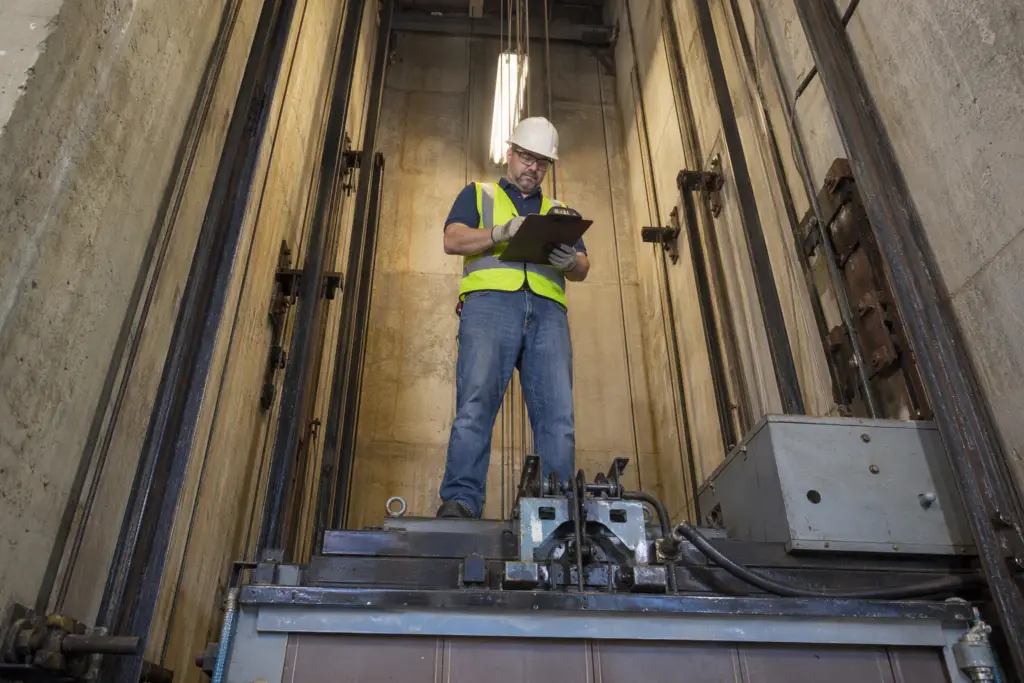
How Much Does Elevator Modernization Cost for a Mid-Rise Apartment Building?
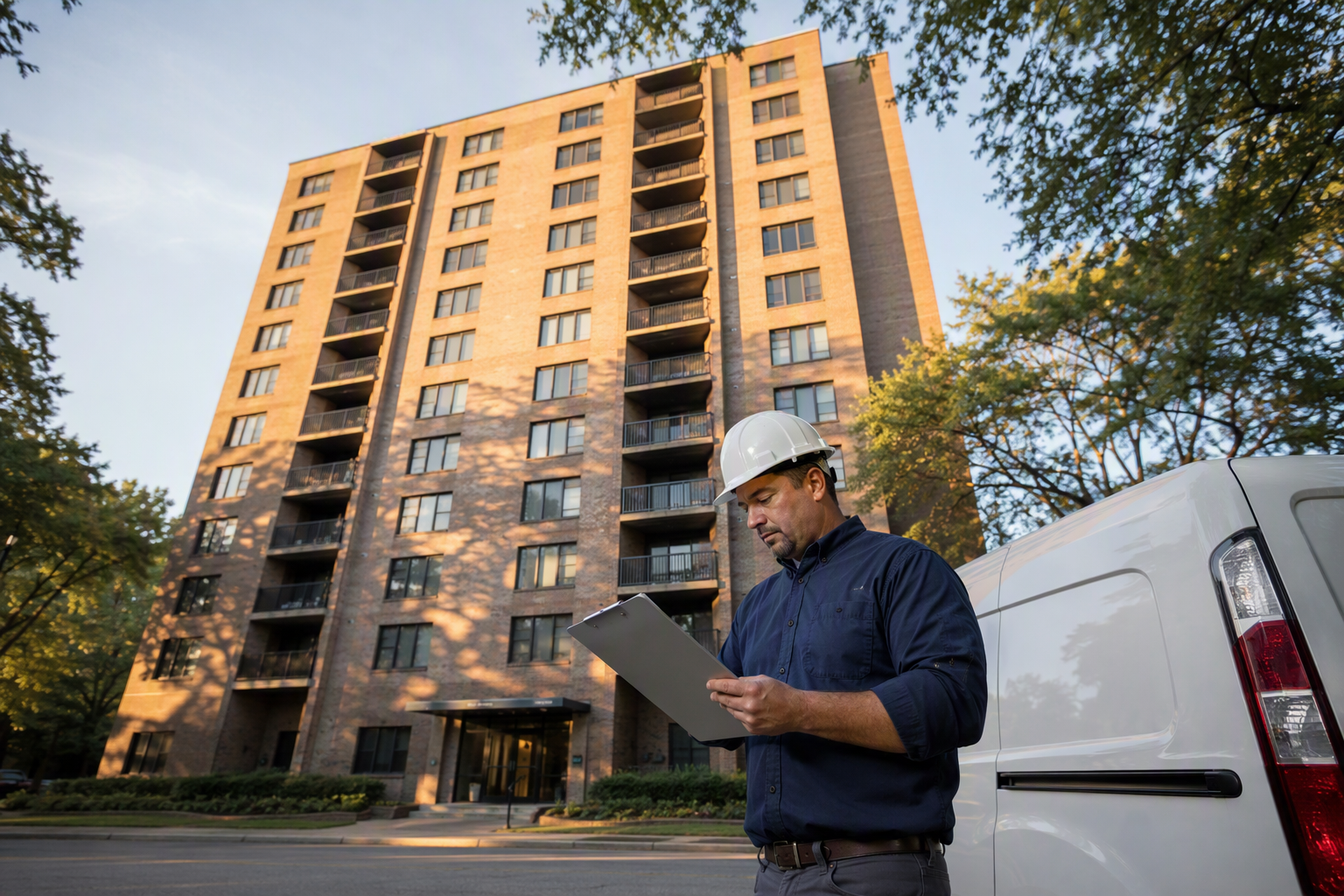
Mid-rise apartment owners and property managers searching for elevator modernization costs face a fragmented landscape of quotes, code requirements, and component variables. This page synthesizes the key cost drivers, compliance obligations under federal and South Carolina standards, and the questions building owners ask most often—so you can plan a modernization project with accurate expectations rather than guesswork.
What Is Elevator Modernization and Why Does It Matter?
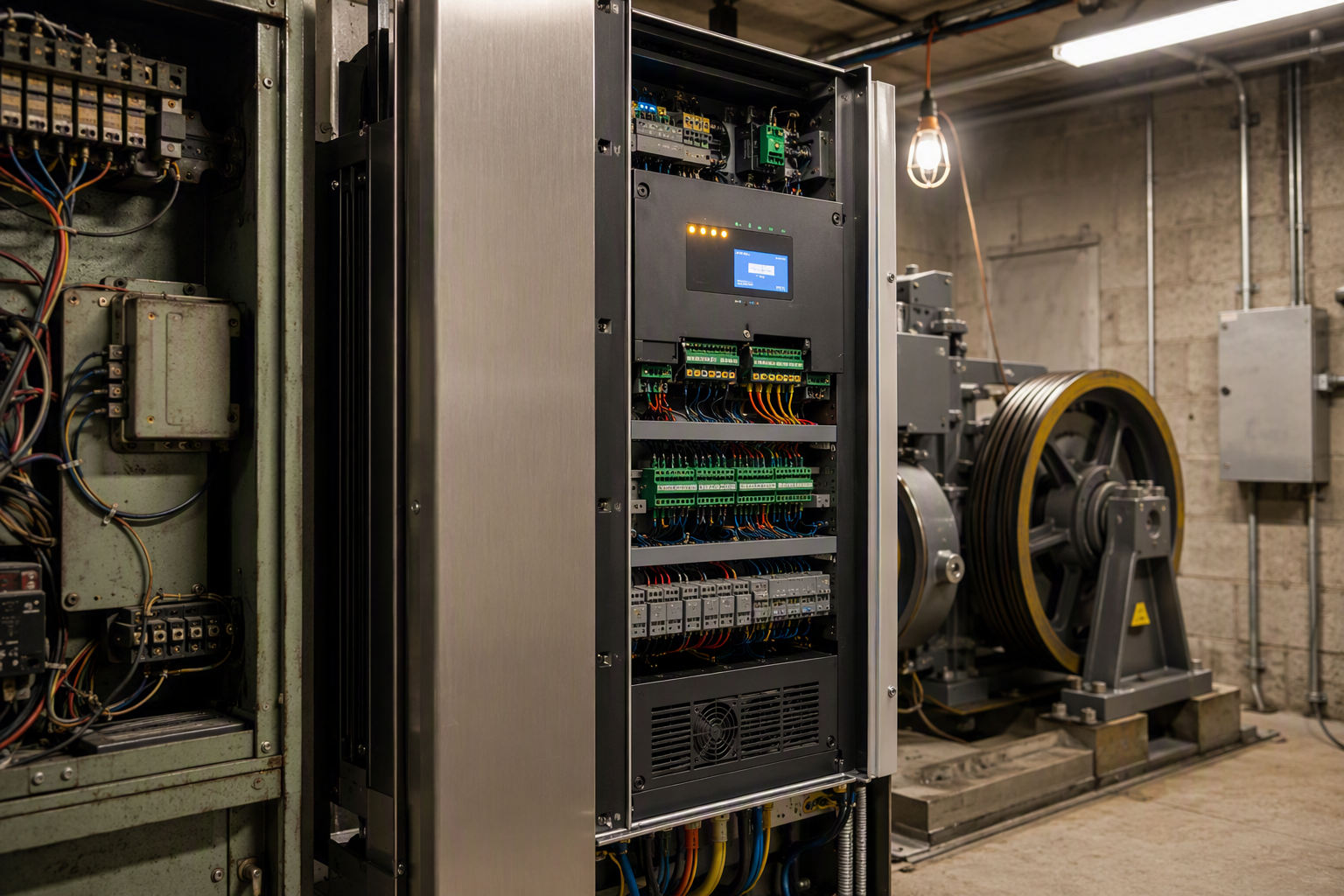
Elevator modernization is the process of replacing or upgrading major mechanical, electrical, and safety components of an existing elevator system without necessarily removing and replacing the entire hoistway structure. Common modernization scopes include replacing the controller and drive system, upgrading cab interiors, installing new door operators and interlocks, adding machine-room-less (MRL) technology, and integrating modern safety and communication systems.
For mid-rise apartment buildings, modernization is not simply cosmetic. Aging elevator systems can fall out of compliance with current editions of the ASME A17.1 Safety Code for Elevators and Escalators and its companion standard for existing installations, ASME A17.3. South Carolina enforces elevator safety standards through the Department of Labor, Licensing and Regulation (LLR), which incorporates ASME standards into state elevator law. When an elevator is substantially modernized, the installation must meet applicable provisions of the current code edition, which can trigger additional upgrades beyond the originally planned scope.
What Are the Primary Cost Drivers for Mid-Rise Elevator Modernization?
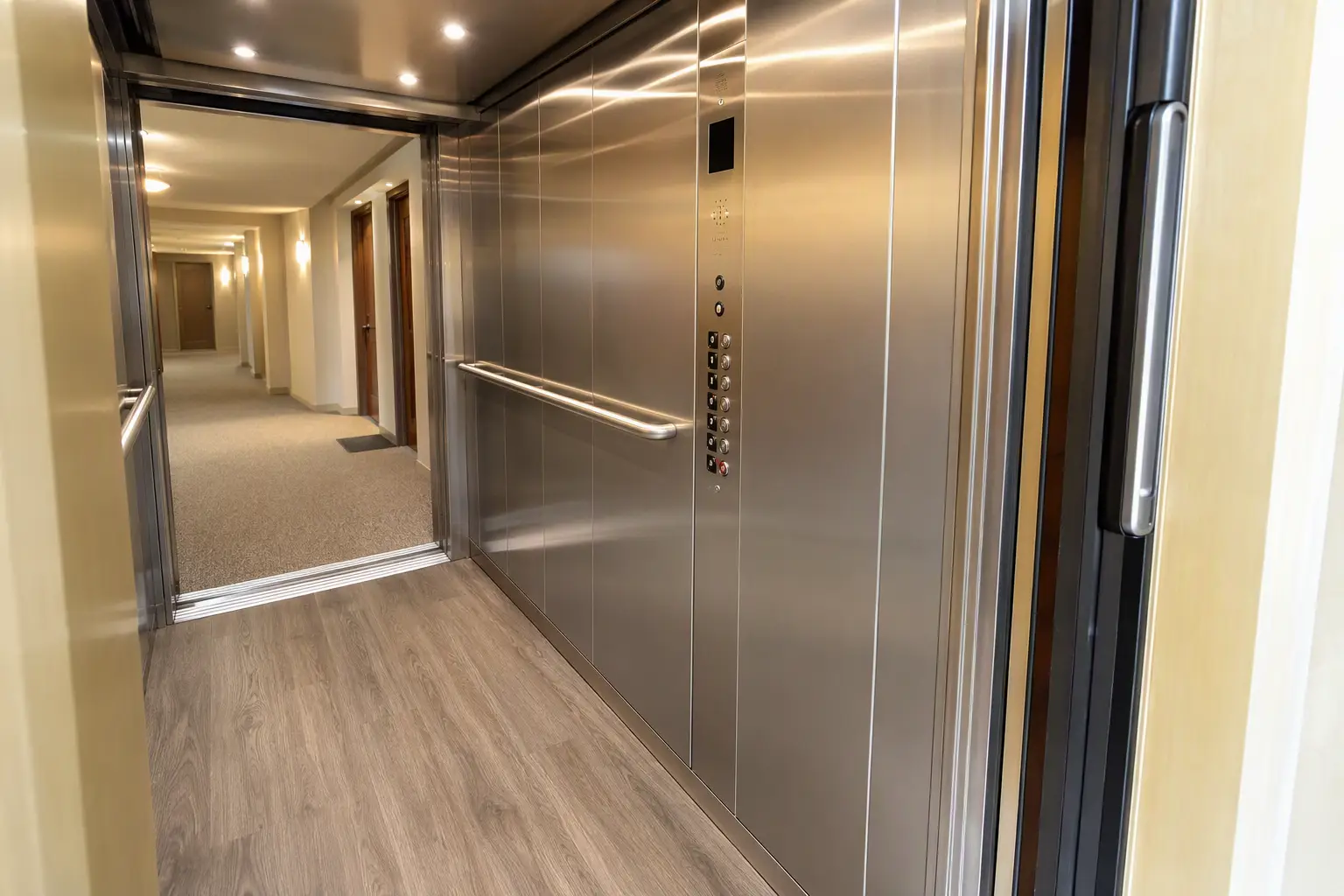
No two modernization projects carry the same price tag. The following factors consistently shape the final investment:
- Scope of work: A full modernization—new controller, drive, door operator, cab interior, fixtures, and safety devices—costs substantially more than a targeted upgrade addressing only the controller and drive.
- Number of stops: Mid-rise buildings with more floors require longer travel, more landing doors, and more complex wiring runs, all of which increase material and labor costs.
- Elevator type and capacity: Hydraulic elevators and traction elevators have different component ecosystems. Converting a hydraulic system to a more energy-efficient MRL traction system is a significant investment but may reduce long-term operating costs.
- Equipment availability: Older proprietary systems may require custom or specialty parts, which extends lead times and raises costs compared to systems using readily available components.
- Code-triggered upgrades: When modernization work crosses certain thresholds defined by ASME A17.3, additional safety devices—such as car safeties, governor systems, or pit and overhead clearance modifications—may be required, adding cost.
- ADA compliance requirements: If existing cab dimensions, control panel heights, or door widths do not meet Americans with Disabilities Act (ADA) accessibility standards, modernization is an opportunity—and sometimes a legal obligation—to bring the unit into compliance.
- Downtime and temporary accommodations: Mid-rise apartment buildings with multiple elevators may be able to keep one car running during modernization. Single-elevator buildings may need to arrange temporary lift equipment or schedule work in compressed windows, both of which carry cost implications.
- Local permitting and inspection fees: South Carolina requires permits and inspections through LLR for modernization projects. These fees vary by jurisdiction and project scope.
- Labor market conditions: Skilled elevator mechanic labor in South Carolina, as in most states, is governed by collective bargaining agreements and prevailing wage norms. Labor rates fluctuate with market demand.
What Does a Typical Modernization Scope Include?
Understanding what goes into a modernization project helps building owners interpret contractor proposals. A comprehensive modernization for a mid-rise apartment elevator commonly covers:
- Solid-state or microprocessor-based controller replacement
- Variable voltage variable frequency (VVVF) drive installation for traction elevators, or new hydraulic power unit for hydraulic systems
- New door operators, tracks, rollers, and interlocks at each landing
- Cab interior renovation (panels, flooring, lighting, handrails)
- New operating fixtures and hall call stations
- Emergency communication system upgrade to meet current code (the ASME A17.1 code requires a two-way means of communication in the elevator car)
- Safety device testing and replacement (governors, safeties, buffers)
- Pit and machine room electrical upgrades
- Seismic requirements are not applicable in South Carolina’s regulatory framework in the same manner as higher-seismic-zone states, but structural assessments may still be warranted
How Does ASME A17.3 Affect Modernization Cost in South Carolina?
South Carolina’s elevator code framework incorporates ASME A17.3, the Safety Code for Existing Elevators and Escalators, which establishes retroactive safety requirements for older installations. When a modernization project is filed with the state, the scope of work determines which A17.3 requirements are triggered. A controller-only replacement may trigger fewer mandatory upgrades than a full drive and door operator replacement.
The practical consequence for building owners is that the final project cost may exceed initial estimates once an inspector reviews the existing installation and identifies additional deficiencies that must be corrected before a new certificate of operation can be issued. Engaging a qualified elevator contractor early in the planning process—one who performs a thorough condition assessment before any proposal is written—helps avoid budget surprises.
How Does ADA Compliance Factor Into Modernization Cost?
The Americans with Disabilities Act requires that elevators serving public accommodations and commercial facilities meet specific accessibility standards. For residential buildings, ADA applicability depends on whether the building qualifies as a place of public accommodation or is covered under the Fair Housing Act. Mid-rise apartment buildings with common-use areas open to the public should review ADA requirements carefully with legal counsel.
ADA-related modernization items that commonly add cost include:
- Lowering control panel heights to meet maximum reach range requirements
- Adding Braille and raised character markings on all fixtures
- Ensuring door clear width meets minimum opening requirements
- Installing compliant audible and visual signals at landings
- Ensuring cab floor area meets minimum turning radius requirements
Because modernization already requires opening the system, addressing ADA items during the same project is almost always more cost-effective than a standalone accessibility upgrade later.
What Is the Typical Timeline for Mid-Rise Elevator Modernization?
Timeline varies significantly based on scope, equipment lead times, and permitting. The following is a general sequence for a full modernization in South Carolina:
- Condition assessment and scope development: A qualified elevator contractor inspects the existing equipment, documents deficiencies, and develops a detailed scope of work. This phase typically takes one to three weeks depending on scheduling and documentation needs.
- Proposal and contract execution: The building owner reviews proposals, negotiates terms, and executes a contract with the selected contractor.
- Permitting: The contractor submits modernization plans and permit applications to South Carolina LLR. Permit review timelines vary.
- Equipment procurement: Controllers, drives, fixtures, and door components are ordered. Lead times for major equipment can range from several weeks to several months depending on manufacturer and supply chain conditions.
- Field installation: Actual installation work in a mid-rise apartment building typically takes two to eight weeks per elevator, depending on scope and crew size.
- State inspection and certificate of operation: South Carolina LLR conducts a final inspection before the modernized elevator is returned to service. Scheduling inspections may add additional time.
- Commissioning and acceptance testing: The contractor performs final testing and commissioning to ensure the system operates to specification and code.
Building managers should plan for the elevator to be out of service for at least the installation and inspection phases, and should communicate proactively with residents—particularly those with mobility limitations—well in advance.
How Should Building Owners Compare Modernization Proposals?
Obtaining multiple proposals is standard practice, but comparing elevator modernization quotes requires more than looking at the bottom line. Building owners should evaluate:
- Scope clarity: Does the proposal specify every component being replaced, or are critical items listed as allowances or exclusions?
- Equipment brands and warranty terms: Open-architecture controllers with standard components are generally easier and less expensive to service long-term than proprietary systems.
- Code compliance responsibility: Does the contractor explicitly accept responsibility for ensuring the modernized installation meets applicable ASME and South Carolina requirements?
- References and project history: Has the contractor completed comparable mid-rise apartment modernizations in South Carolina?
- Post-modernization maintenance: What maintenance agreement terms are offered after modernization is complete?
- Insurance and licensing: Confirm the contractor holds all required South Carolina LLR elevator contractor licenses and carries appropriate general liability and workers’ compensation insurance.
Are There Energy Efficiency Benefits That Offset Modernization Costs?
Modern elevator drives and controllers consume significantly less energy than legacy systems. Variable voltage variable frequency (VVVF) drives reduce energy consumption during acceleration and deceleration cycles. LED cab lighting replaces older fluorescent or incandescent fixtures. Some modern systems incorporate regenerative drives that return energy to the building electrical system during descent cycles.
While specific energy savings figures depend on the existing system, usage patterns, local utility rates, and the specific equipment selected, energy efficiency is a legitimate long-term financial consideration when evaluating the total cost of modernization versus continuing to maintain an aging system. Building owners may wish to consult with an energy auditor alongside their elevator contractor to model projected savings.
What OSHA Requirements Apply to Elevator Modernization Work?
Elevator modernization is construction and service work conducted in an active residential building. Federal OSHA standards apply to the contractor’s employees performing the work. Relevant OSHA standards for elevator work generally include fall protection, confined space entry for pit work, lockout/tagout procedures for electrical energy control, and hazard communication for any materials involved.
Building owners are not typically responsible for OSHA compliance of the contractor’s workforce, but they should ensure the contractor has a documented safety program and that their agreement requires the contractor to comply with all applicable federal and state safety regulations. Injury incidents on the property can have liability implications regardless of the contractual relationship.
How Does Modernization Compare to Full Elevator Replacement?
Full elevator replacement—removing all equipment and installing an entirely new system—is considerably more expensive than modernization and is typically justified only when the hoistway structure itself requires rehabilitation, when the existing system is so obsolete that no usable components remain, or when a building’s capacity or travel requirements are fundamentally changing.
For most mid-rise apartment buildings with functional hoistways and structurally sound rails, modernization delivers the majority of the performance and reliability benefits of a new system at a fraction of the replacement cost. A qualified elevator contractor can advise on which approach is appropriate after a thorough condition assessment.
What Are the 2025–2026 Industry Trends Affecting Elevator Modernization?
Several qualitative trends are shaping elevator modernization decisions for mid-rise apartment buildings in 2025 and into 2026:
- Remote monitoring and predictive maintenance: Modern controllers increasingly include IoT connectivity that allows real-time performance monitoring and predictive maintenance alerts. Building owners are specifying these capabilities in modernization projects to reduce unplanned outages.
- Supply chain stabilization: After significant disruption in prior years, elevator component supply chains have generally improved, though lead times for certain specialty components remain extended.
- Increased code scrutiny: As ASME standards are updated and jurisdictions bring enforcement current, older installations face increasing pressure to modernize. South Carolina building owners should stay current with LLR communication regarding enforcement priorities.
- Sustainability and energy reporting: Multi-family housing investors and lenders are increasingly asking for energy efficiency documentation. Modernized elevator systems contribute to building-level sustainability metrics.
- Labor market pressure: Demand for qualified elevator mechanics continues to exceed supply in many markets, which can affect project scheduling and pricing.
What Questions Should a Building Owner Ask Before Signing a Modernization Contract?
Before committing to any modernization agreement, building owners should ask prospective contractors:
- What specific components are included in the base price, and what is excluded?
- What happens if the inspector identifies additional deficiencies during the project—who bears that cost?
- What equipment manufacturer brands are being specified, and are those systems open-architecture?
- What is the payment schedule, and is there a retention amount held until final inspection approval?
- How will communication with building residents be handled during the outage?
- What are the warranty terms for parts and labor after modernization?
- Does the contractor carry all required South Carolina LLR licenses?
How Can Building Owners Finance Elevator Modernization?
Several financing mechanisms are available to mid-rise apartment building owners facing significant elevator modernization costs:
- Capital reserves: Well-managed residential associations and owners maintain capital reserve funds that include elevator system lifecycle costs. A reserve study that accounts for modernization intervals is best practice.
- Special assessments: For condominium associations, a special assessment may be necessary if reserve funds are insufficient.
- Commercial lending: Some lenders offer equipment financing specifically for building systems upgrades, including elevators.
- Utility rebate programs: Depending on the building’s electric utility, rebates may be available for energy-efficient drive systems. Building owners should check with their utility provider.
Why Work With Carolina Elevator Service for Modernization Planning?
Carolina Elevator Service approaches modernization as a data-driven process. Rather than offering a one-size-fits-all proposal, the team conducts thorough condition assessments of existing equipment, reviews applicable South Carolina and federal code requirements, and develops scopes of work calibrated to what each building actually needs. This approach helps building owners avoid both under-scoped projects that leave compliance gaps and over-scoped projects that include unnecessary expenditures.
As a South Carolina–based elevator service provider, Carolina Elevator Service understands the LLR permitting process, the inspection schedule, and the local labor and equipment market conditions that affect project timelines and costs in this state.
Frequently Asked Questions
How long does a mid-rise elevator modernization typically take from contract to completion?
From contract execution through final state inspection, a full modernization of a single mid-rise apartment elevator typically spans three to nine months, with the largest variable being equipment procurement lead times. Partial modernizations with readily available components can be completed more quickly.
Does elevator modernization require the elevator to be shut down completely?
Yes. The installation phase of a modernization requires the elevator to be taken out of service. The duration of the outage depends on the scope of work. Buildings with multiple elevators can often stagger modernization to maintain at least one car in service at all times.
Will modernization bring my elevator into full ADA compliance?
Modernization creates an opportunity to address ADA deficiencies, but whether the project results in full ADA compliance depends on the existing hoistway dimensions, cab size, and what is included in the scope. An elevator contractor should assess ADA compliance separately and include specific line items for any accessibility upgrades required.
What ASME standards govern modernization projects in South Carolina?
South Carolina’s elevator safety program incorporates ASME A17.1, the Safety Code for Elevators and Escalators, and ASME A17.3, the Safety Code for Existing Elevators and Escalators. A17.3 specifically addresses retroactive safety requirements that may be triggered by modernization work.
Can I modernize just the controller without triggering full code compliance?
The scope of work that triggers full code compliance review is defined by the applicable edition of ASME A17.3 as adopted in South Carolina. A controller-only replacement may trigger fewer mandatory upgrades than a full drive and door package, but this determination must be made by the contractor and confirmed with South Carolina LLR based on the specific installation.
How do I know if my elevator needs modernization or just repairs?
General indicators that modernization is more appropriate than continued repair include: repeated failures of the same components, inability to source parts for an obsolete proprietary system, declining ride quality that cannot be addressed through adjustment, a pattern of increasing maintenance costs year over year, and inspection findings that require code-triggered upgrades that exceed the value of maintaining the existing system.
What is the difference between a hydraulic and a traction elevator modernization?
Hydraulic elevator modernizations typically involve replacing the power unit, cylinder seal or liner, control valve, and controller. Traction elevator modernizations typically involve the controller, drive, machine brake, and door operator. Converting a hydraulic system to a traction system is a more involved project that may also require hoistway modifications and is generally justified by energy efficiency goals or when the existing hydraulic system has reached end of serviceable life.
What role does the South Carolina LLR play in the modernization process?
South Carolina’s Department of Labor, Licensing and Regulation (LLR) regulates elevator safety in the state. For modernization projects, LLR requires permit applications, plan review in some cases, and a final inspection before the elevator is returned to service. The elevator cannot legally operate after modernization without a new certificate of operation issued by LLR following a passing inspection.
How often do elevators in mid-rise apartment buildings need modernization?
Most elevator systems have a serviceable lifespan before modernization becomes necessary, though this varies by system type, maintenance history, usage intensity, and component availability. Many elevator professionals consider a full modernization appropriate when a system approaches 20 to 30 years of service, though this is a qualitative guideline rather than a code-mandated interval. A condition assessment is the most reliable way to determine readiness.
What maintenance program should follow a modernization project?
A modernized elevator should be placed on a comprehensive preventive maintenance program immediately following commissioning. Preventive maintenance preserves the investment made in modernization, extends component life, and supports compliance with ASME A17.1 maintenance requirements. South Carolina LLR also requires periodic inspections of elevator installations, regardless of age.
Get an Accurate Modernization Assessment for Your Building
Elevator modernization is one of the most significant capital investments a mid-rise apartment building will make. Accurate cost planning starts with a professional condition assessment—not a ballpark figure based on building size alone.
Contact Carolina Elevator Service for a free elevator assessment: 803-865-1400
Carolina Elevator Service serves mid-rise apartment buildings throughout South Carolina, providing code-compliant modernization planning grounded in actual equipment condition data and current South Carolina LLR requirements.
Need elevator service you can rely on? Carolina Elevator Service is ready to help.