Elevator Service in Columbia, SC | Carolina Elevator Service
Elevator certificates of compliance are a legal requirement for vertical transportation equipment operating in South Carolina. Property owners, facility managers, and building operators in Columbia, SC must ensure their elevators hold a valid, up-to-date certificate — or risk fines, forced shutdowns, and significant liability exposure. Carolina Elevator Service works with building owners throughout the Midlands region to keep equipment inspection-ready and fully compliant.
What Is an Elevator Certificate of Compliance?
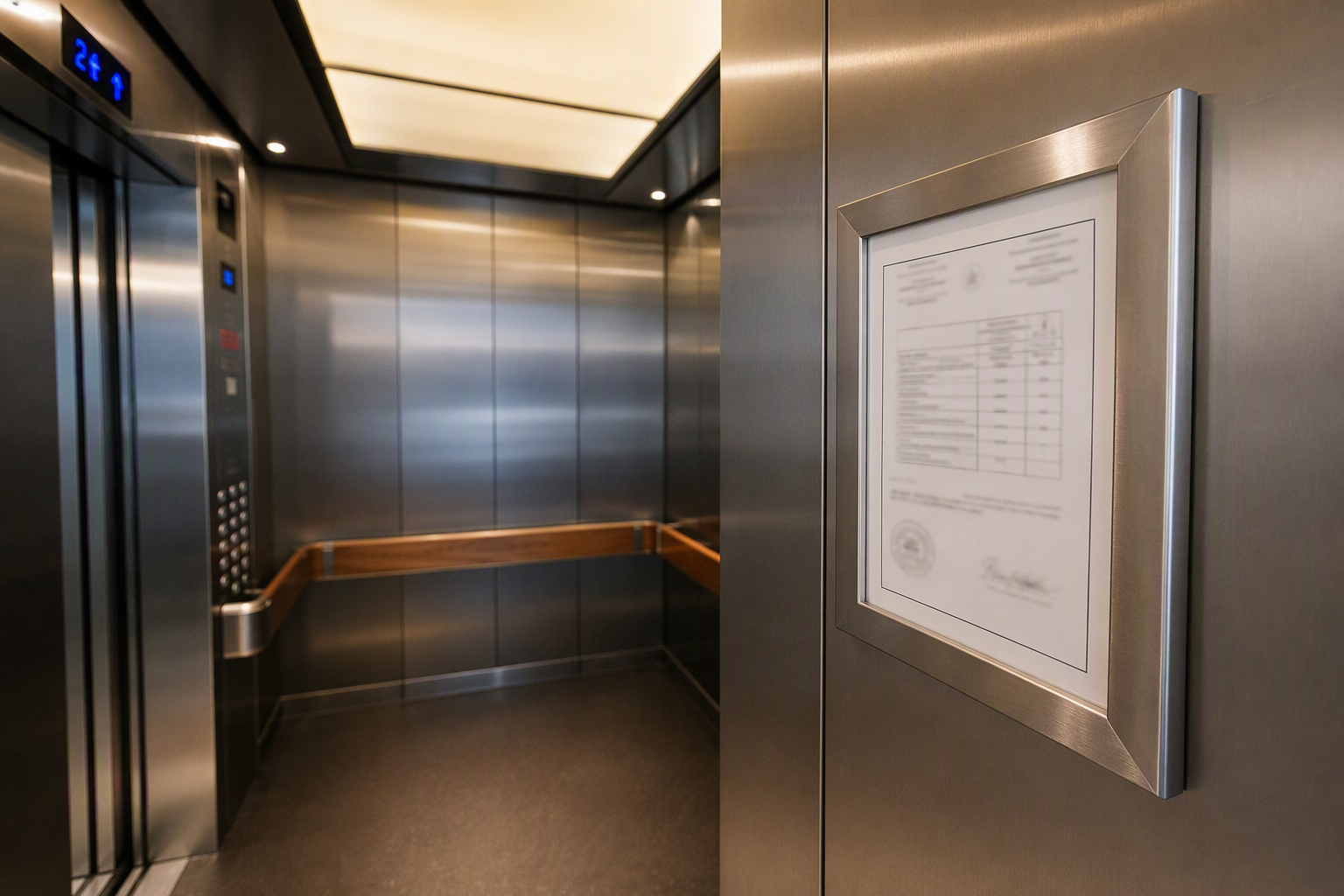
A certificate of compliance is an official document confirming that a licensed inspector has examined an elevator, escalator, or lift and found it to meet the safety standards required by South Carolina law. The certificate is typically posted inside or near the elevator cab and must be available for review by building occupants, local authorities, and insurers.
In South Carolina, elevator safety oversight falls under the South Carolina Department of Labor, Licensing and Regulation (SC LLR), which administers the state’s elevator safety program. The program requires that elevators be inspected at regular intervals and that certificates be renewed to remain valid. Operating an elevator without a current certificate of compliance can result in mandatory shutdown orders and civil penalties.
Which Codes Govern Elevator Compliance in South Carolina?
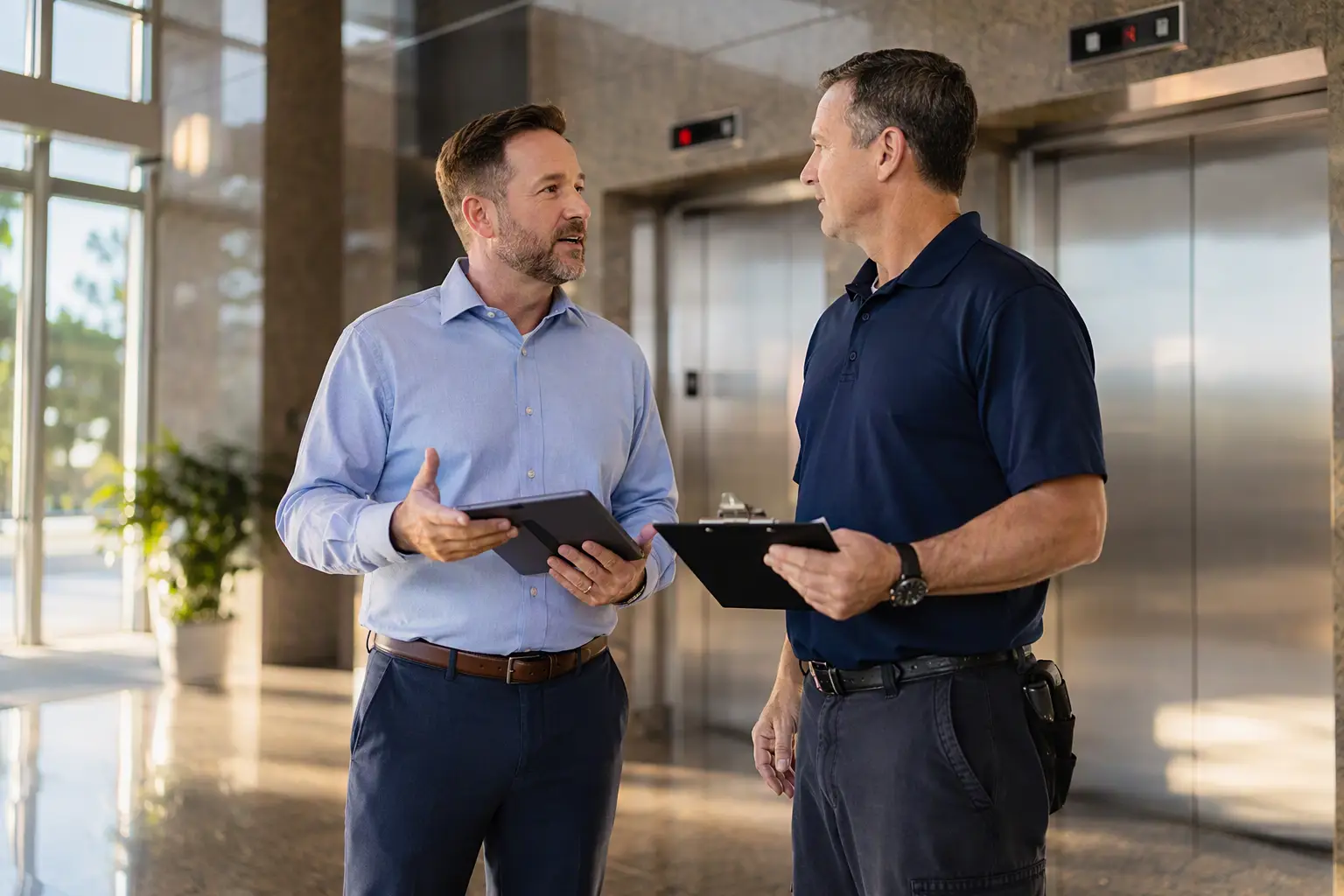
South Carolina’s elevator safety requirements align with nationally recognized codes. The two primary standards are:
- ASME A17.1 Safety Code for Elevators and Escalators — the foundational design, construction, and installation standard for new elevator equipment.
- ASME A17.3 Safety Code for Existing Elevators and Escalators — the retrofit and maintenance standard that applies to equipment already in service, meaning older elevators in Columbia’s historic downtown buildings and mid-century commercial properties must still meet evolving safety benchmarks.
In addition, elevators serving the public must comply with accessibility requirements under the Americans with Disabilities Act (ADA), and workplace elevator safety practices may intersect with standards administered by OSHA. The SC LLR enforces these standards at the state level through its elevator inspection program.
How Often Does an Elevator Need to Be Inspected in South Carolina?
South Carolina requires periodic inspections for all covered vertical transportation equipment. The exact inspection interval varies by equipment type and is governed by the SC LLR elevator safety program in coordination with applicable ASME standards. In practice, most commercial elevators in Columbia require an annual inspection to maintain a valid certificate of compliance. Property owners should confirm their specific interval with SC LLR or a licensed elevator contractor, as inspection frequency can differ for hydraulic lifts, traction elevators, escalators, and limited-use/limited-application (LULA) elevators.
Beyond mandated inspections, the ASME A17.1 code also specifies required periodic tests — including safety device tests and governor and buffer tests — that must be documented and may be tied to certificate renewal.
What Happens If an Elevator Does Not Have a Valid Certificate?
Operating an elevator in South Carolina without a current certificate of compliance is a violation of state law. Consequences can include:
- Mandatory shutdown order issued by SC LLR or the local Authority Having Jurisdiction (AHJ)
- Civil penalties and fines assessed against the building owner or operator
- Increased liability exposure in the event of an incident or injury
- Complications with property insurance coverage
- Delays in real estate transactions, tenant occupancy, or certificate-of-occupancy renewals
Carolina Elevator Service assists Columbia property owners in identifying compliance gaps before they become enforcement issues, helping to avoid unexpected shutdowns that disrupt building operations.
What Is the Process for Obtaining or Renewing a Certificate of Compliance?
The steps below describe the standard pathway for obtaining or renewing an elevator certificate of compliance in South Carolina. Building owners and facility managers should work with a licensed elevator contractor to ensure each step is completed correctly.
- Schedule a licensed inspection. Contact SC LLR or a licensed third-party inspector approved by SC LLR to schedule the required periodic inspection for your elevator equipment.
- Prepare the equipment. Ensure the elevator is accessible, all maintenance logs are current, and any outstanding repair orders have been addressed. A licensed elevator service company can conduct a pre-inspection assessment to identify deficiencies before the official inspection visit.
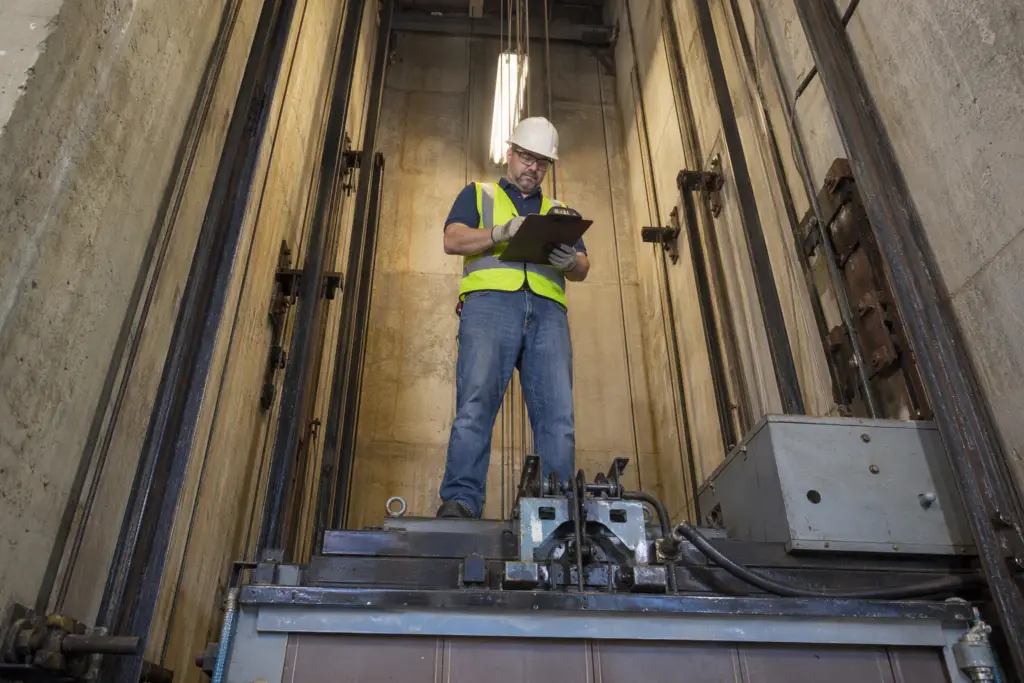
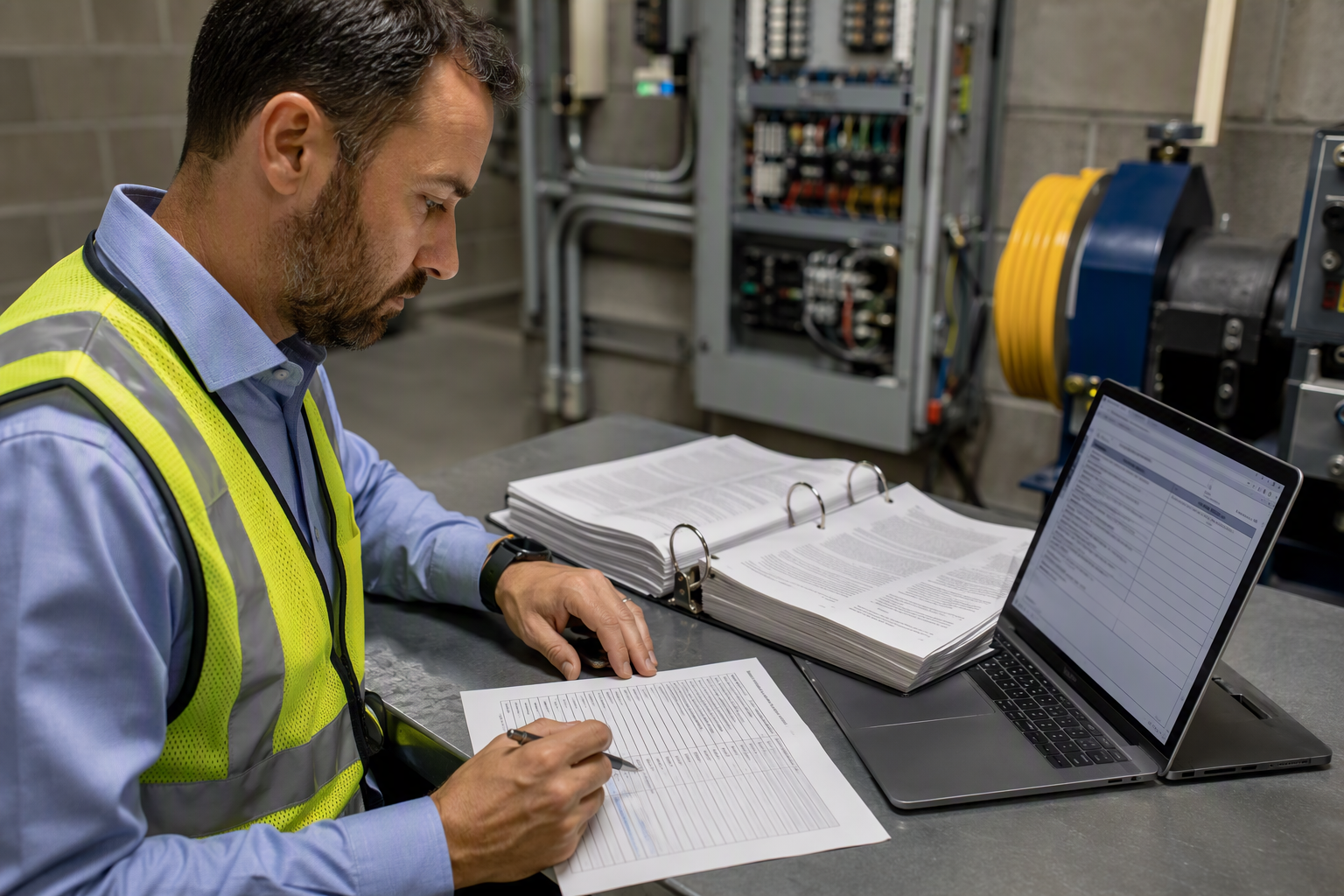
- Complete the inspection. A licensed elevator inspector evaluates the equipment against applicable ASME and state code requirements, documenting findings and any violations.
- Remediate violations. If deficiencies are found, the building owner must arrange for a licensed elevator contractor to perform the required repairs or upgrades within the timeframe specified by the inspector or SC LLR.
- Pass reinspection (if required). After violations are corrected, a follow-up inspection may be required before the certificate is issued.
- Receive and post the certificate. Once the elevator passes inspection, the certificate of compliance is issued and must be posted in or near the elevator cab as required by South Carolina law.
- Track the renewal date. Mark the certificate expiration date and schedule the next inspection cycle well in advance to avoid lapses in compliance.
Does ADA Compliance Affect the Certificate of Compliance?
ADA compliance and the elevator certificate of compliance are separate requirements, but they are closely related. While the certificate of compliance focuses on mechanical safety under state and ASME codes, the ADA imposes accessibility requirements that affect elevator design, cab dimensions, control height, door timing, and audible/visual signals. For properties subject to the ADA — which includes most commercial and public-use buildings in Columbia — an elevator must satisfy both safety code requirements and accessibility standards. A licensed elevator contractor familiar with both frameworks can help ensure an elevator meets all applicable requirements simultaneously.
What Types of Buildings in Columbia, SC Need Elevator Certificates?
Any building in South Carolina that installs and operates an elevator, escalator, moving walk, platform lift, or stairway chairlift covered under the state’s elevator safety program is required to maintain a valid certificate of compliance. In Columbia, this includes — but is not limited to:
- Commercial office buildings and mixed-use developments downtown and in the greater Midlands area
- Healthcare facilities, hospitals, and medical office buildings
- Hotels, hospitality properties, and event venues
- Multi-family residential buildings and senior living communities
- Government and municipal buildings, courthouses, and public institutions
- University and higher-education facilities throughout the Columbia metro area
- Retail centers and industrial properties with freight elevators
How Can Carolina Elevator Service Help with Certificate of Compliance Requirements?
Carolina Elevator Service is a certified elevator service company based in South Carolina, serving building owners and facility managers throughout Columbia and the broader Midlands region. The company provides maintenance, repair, modernization, and compliance support for a full range of elevator and lift equipment. Services relevant to certificate of compliance include:
- Pre-inspection assessments to identify and address code deficiencies before the official inspection
- Preventive maintenance programs designed to keep equipment operating within ASME and SC code standards year-round
- Repair and remediation services to correct violations identified during inspections
- Modernization consulting for older equipment in Columbia’s existing building stock that may require upgrades to meet current ASME A17.3 standards
- Emergency service availability for equipment failures that could jeopardize compliance status or building operations
- Documentation support to help property managers maintain accurate maintenance logs and inspection records
Carolina Elevator Service understands the local inspection landscape, the SC LLR process, and the specific challenges facing Columbia’s diverse mix of commercial, institutional, and residential properties.
Schedule a Free Consultation
If your Columbia, SC property has an elevator that is due for inspection, approaching a certificate expiration, or has received a violation notice, Carolina Elevator Service is ready to help. Contact the team to discuss your compliance needs, arrange a pre-inspection assessment, or learn more about ongoing maintenance programs designed to keep your certificate of compliance current.
Call Carolina Elevator Service today: 803-865-1400
Need elevator service you can rely on? Carolina Elevator Service is ready to help.