Hotel Elevator Maintenance Top Rated Practices for Healthcare Facilities in Columbia, SC

Elevators in healthcare and hospitality environments carry more than passengers — they transport patients, medical equipment, linen carts, food service trolleys, and emergency responders around the clock. A single unplanned shutdown can delay patient care, trigger regulatory scrutiny, and expose facility operators to significant liability. Understanding what separates a compliant, reliable elevator program from a reactive one is essential for any facility manager in Columbia, SC and surrounding areas.
What Does a Top-Rated Elevator Maintenance Program Include?
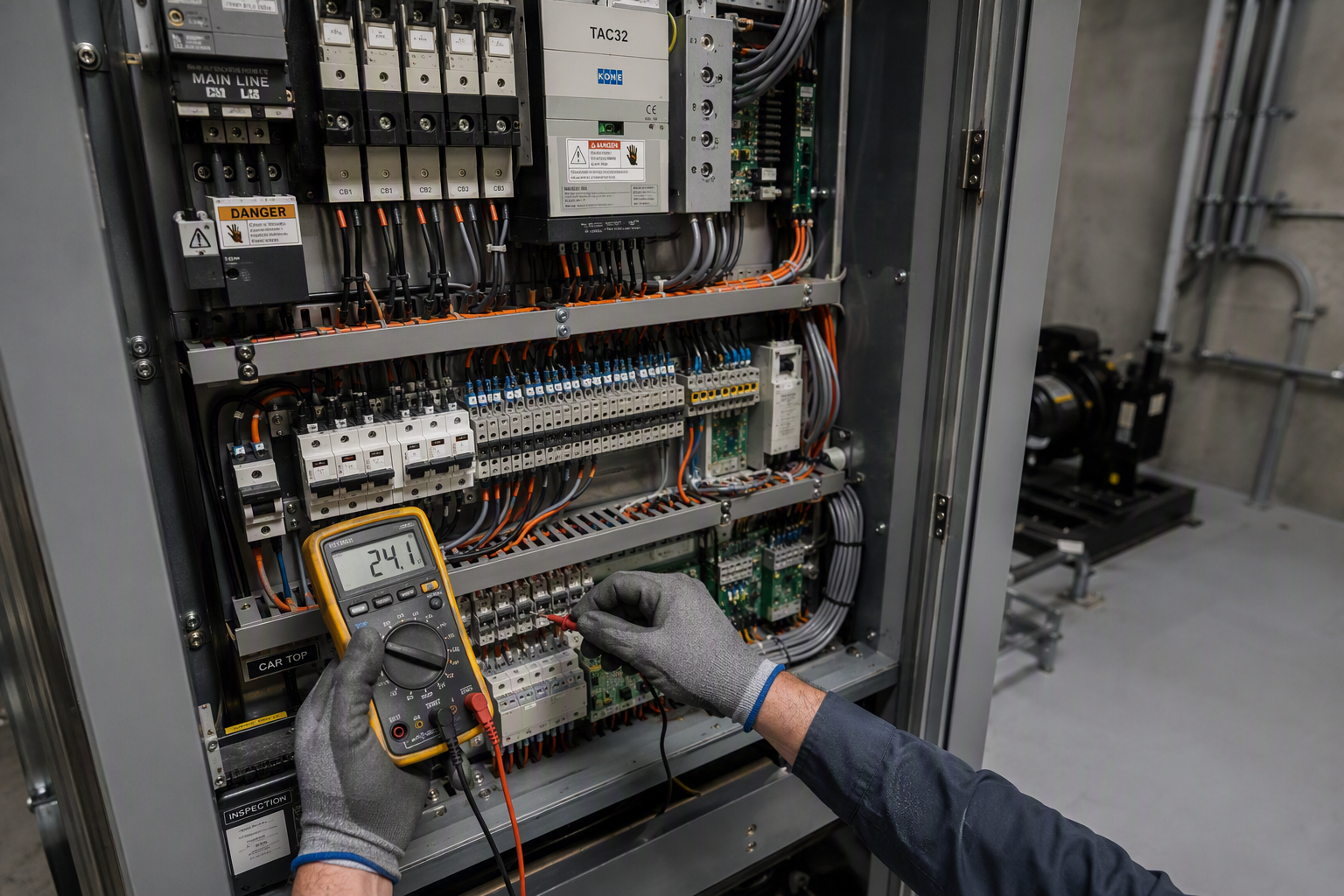
A best-in-class elevator maintenance program for healthcare and hotel environments is built on four pillars: preventive maintenance scheduling, documented inspections, code compliance management, and rapid corrective response. Each pillar reinforces the others. Facilities that excel at all four experience fewer outages, pass inspections with fewer citations, and provide a safer experience for every person who steps inside a cab.
Carolina Elevator Service delivers structured maintenance programs in Columbia, SC designed around the operational realities of high-traffic healthcare and hospitality buildings — where elevators may run continuously and downtime is never truly convenient.
Which Codes and Standards Govern Healthcare and Hotel Elevators in South Carolina?
Several overlapping regulatory frameworks apply to elevators in healthcare and hotel settings:
- ASME A17.1 Safety Code for Elevators and Escalators: The foundational national standard governing design, installation, inspection, testing, and maintenance of elevator equipment. South Carolina adopts this code, and compliance is mandatory for all commercial elevators, including those in hospitals, clinics, and hotels.
- Americans with Disabilities Act (ADA): Requires elevators in multi-story healthcare and lodging facilities to meet specific cab dimensions, door timing, control panel heights, Braille signage, and audible signals so that individuals with disabilities can use them independently and safely.
- South Carolina Elevator Safety Act: State-level legislation requiring periodic inspections, operating permits, and licensed elevator contractors for all commercial vertical transportation equipment.
- The Joint Commission (TJC) Environment of Care Standards: For accredited hospitals and healthcare organizations, elevator reliability and safety fall under Environment of Care (EC) requirements, which mandate documented maintenance records and risk assessments.
- OSHA General Industry Standards: Apply to elevator maintenance technicians performing work inside shafts, pits, and machine rooms, requiring proper lockout/tagout procedures and fall protection protocols.
Navigating this layered compliance landscape is one reason healthcare and hotel operators rely on a certified partner like Carolina Elevator Service rather than managing it with general facilities staff alone.
How Often Should Healthcare and Hotel Elevators Be Inspected?
Under the ASME A17.1 Safety Code for Elevators and Escalators, commercial elevators are subject to periodic inspections and witnessing of safety tests at intervals defined by the authority having jurisdiction (AHJ) — in South Carolina, this is the state elevator safety program. Annual inspections are the standard baseline for most commercial elevators, with additional periodic testing of safety components such as governors, buffers, and safeties occurring on longer cycles as specified in the code.
Beyond mandatory state inspections, high-traffic healthcare and hotel facilities benefit from more frequent preventive maintenance visits — typically monthly or quarterly — to catch wear on components such as door operators, guide shoes, ropes, and control systems before failure occurs.
What Are the Most Common Elevator Problems Found in Healthcare and Hotel Settings?
High-cycle environments like hospitals and hotels accelerate wear on several critical components. The issues most frequently identified during maintenance visits in these settings include:
- Door system failures: Automatic door operators, rollers, tracks, and safety edges experience accelerated wear when cabs cycle hundreds of times per day. Nuisance door reversals and entrapments are leading causes of service calls.
- Drive and motor issues: Variable-frequency drives (VFDs), traction motors, and hydraulic power units require lubrication, adjustment, and monitoring to avoid overheating and premature failure.
- Control system faults: Modern microprocessor-based controllers require software updates, contact cleaning, and environmental controls (temperature, humidity) in machine rooms to remain reliable.
- Guide shoe and rope wear: Heavy loads — particularly in service elevators carrying beds, equipment carts, and laundry — accelerate wear on guide shoes, ropes, and sheaves.
- ADA compliance gaps: Door closing times that do not accommodate wheelchair users, inoperative audible signals, or worn Braille plaques can create both safety issues and regulatory exposure.
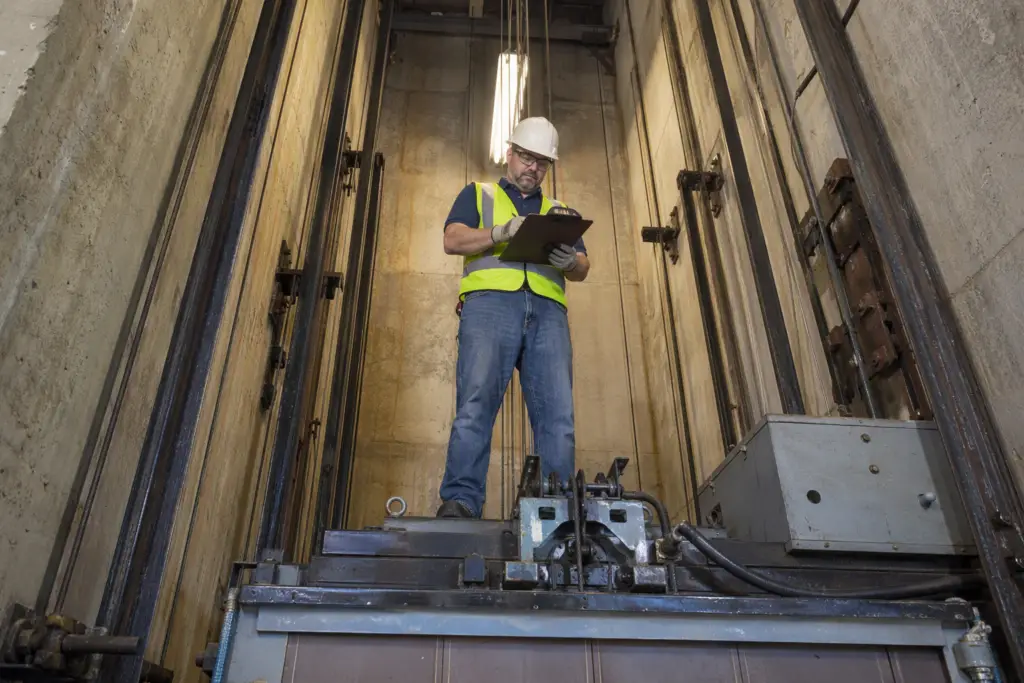
- Pit and machine room conditions: Water infiltration, inadequate lighting, and clutter in pits and machine rooms create hazards for maintenance personnel and may constitute code violations.
What Is the Recommended Step-by-Step Preventive Maintenance Protocol for Hotel and Healthcare Elevators?
- Review maintenance history and open work orders before beginning any visit to identify recurring issues or deferred repairs that need priority attention.
- Inspect and test all door system components — operators, clutches, rollers, tracks, sills, safety edges, and door open/close timing — adjusting to manufacturer specifications.
- Examine the cab interior for damaged panels, lighting functionality, emergency communication systems, capacity plaques, and ADA-compliant control panel labeling.
- Test the emergency lighting and emergency phone or two-way communication system to confirm they operate under simulated power loss conditions, as required by ASME A17.1.
- Lubricate guide rails, guide shoes, and all specified lubrication points per the manufacturer and code requirements to reduce wear and noise.
- Inspect hoist ropes or hydraulic cylinders (depending on elevator type) for wear, broken wires, oil leaks, or other signs of deterioration requiring corrective action.
- Test safety devices — including governors, safeties, buffers, and overspeed devices — on the schedule required by the authority having jurisdiction and ASME A17.1.
- Inspect the machine room for proper temperature, humidity, lighting, housekeeping, and secure access; verify controller condition and check for fault codes.
- Inspect the pit for water accumulation, proper lighting, stop switch operation, and cleanliness.
- Document all findings, adjustments, parts replaced, and test results in a written maintenance log that can be presented to state inspectors, The Joint Commission, or other authorities on request.
How Does ADA Compliance Affect Elevator Maintenance in Healthcare Settings?
The ADA requires that elevators providing access between floors in covered facilities maintain specific operational characteristics that are easily degraded by wear and neglect. Maintenance teams must verify that door reopening devices respond to both light and sound obstruction, that door timing allows adequate passage for wheelchair users, that cab controls are positioned at accessible heights, and that audible and visual floor indicators function correctly.
For healthcare facilities, ADA compliance is not only a legal obligation — it directly affects patient dignity, visitor accessibility, and the facility’s ability to demonstrate equitable access during accreditation surveys.
What Should Facility Managers Look for When Comparing Elevator Service Vendors?
When evaluating elevator maintenance contractors in the Columbia, SC market, healthcare and hotel facility managers should assess the following criteria:
- State licensure and certification: Confirm the contractor holds valid South Carolina elevator contractor licensing and that technicians are qualified under applicable standards.
- Code familiarity: The vendor should demonstrate working knowledge of ASME A17.1, ADA requirements, and state-specific rules — not just general mechanical competence.
- Documentation practices: Maintenance records should be thorough, legible, and organized for audit readiness, particularly important for Joint Commission-accredited facilities.
- Scope of services: Look for a vendor that handles both preventive maintenance and corrective repairs, rather than outsourcing one or the other, to ensure accountability.
- Local presence: A contractor based in or near Columbia, SC provides faster on-site response when issues arise, minimizing elevator downtime in time-sensitive environments.
- Experience with healthcare and hospitality equipment: High-duty-cycle elevators in these verticals have distinct wear patterns and operational demands compared to standard commercial office buildings.
Carolina Elevator Service operates locally in Columbia, SC and focuses specifically on the compliance, documentation, and operational continuity needs of facilities in demanding environments.
What Are the Consequences of Deferred Elevator Maintenance in Healthcare Facilities?
Deferred maintenance in healthcare elevator programs carries compounding risks. From a patient safety perspective, door malfunctions, leveling errors, or unexpected shutdowns can trap or injure patients, visitors, and staff — including those transporting critical equipment. From a regulatory standpoint, South Carolina state inspectors can issue citations, suspend operating permits, or order elevators out of service, directly disrupting patient flow. Joint Commission surveyors may cite Environment of Care deficiencies when maintenance documentation is incomplete or when equipment is found in disrepair. Liability exposure from injuries related to elevator malfunction can be significant, particularly in a healthcare context where duty-of-care standards are elevated.
How Much Does a Healthcare Elevator Maintenance Contract Cost in Columbia, SC?
Elevator maintenance contract pricing varies based on the number of units, equipment type (hydraulic vs. traction), age of equipment, scope of services included, and the specific compliance documentation requirements of the facility. Rather than publishing figures that may not reflect the actual scope of a given facility’s needs, the most reliable approach is to request a site-specific assessment from a qualified contractor. Carolina Elevator Service offers free elevator assessments for facilities in the Columbia, SC area, allowing facility managers to understand their current equipment condition and receive a scope-appropriate proposal.
Questions Your Inspector Will Ask
When a South Carolina state elevator inspector or Joint Commission surveyor evaluates elevator compliance in a healthcare or hotel facility, they commonly focus on the following areas. Facility managers should be prepared to answer each of these:
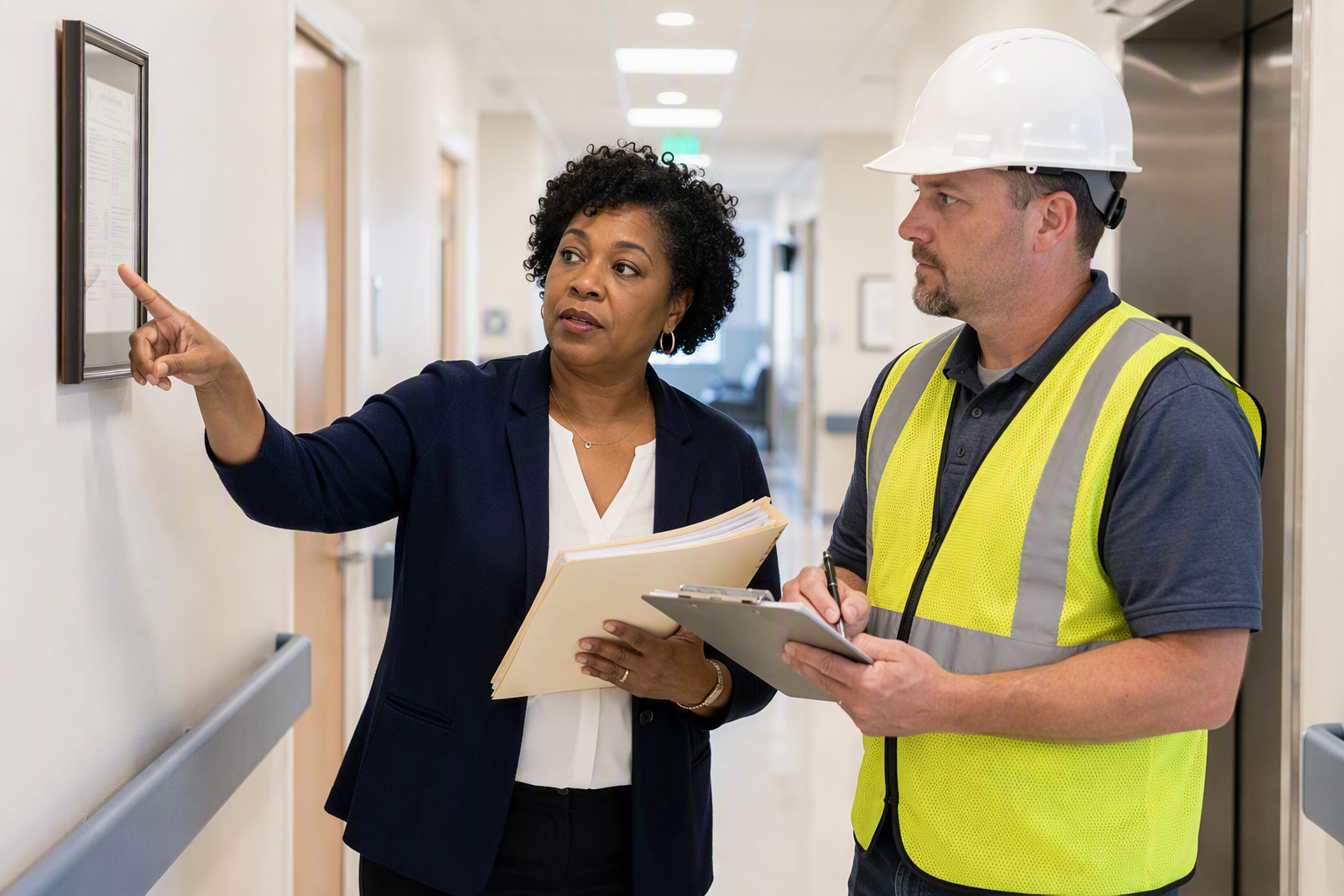
- Can you produce the current certificate of operation or inspection certificate? This must be posted in or near the elevator cab and kept current through the state permitting process.
- Where is the maintenance log, and who is your licensed elevator contractor? Documentation of all maintenance visits, adjustments, and repairs must be available for review.
- When were the annual safety tests last performed and witnessed? Periodic testing of governors, safeties, and other devices must occur on code-required schedules with documented results.
- Is the emergency phone functional and does it connect to a monitored location? ASME A17.1 requires a two-way communication device in every cab, critical in healthcare settings where entrapments must be resolved quickly.
- Has the pit been inspected for water and does the pit stop switch operate correctly? Pit conditions are among the most commonly cited deficiencies.
- Are door timing and reopening devices operating within required parameters? Inspectors test door performance, including response to obstruction, as part of standard evaluations.
- Is the machine room secured, properly lit, and at appropriate temperature? Machine room conditions affect both equipment life and technician safety under OSHA and ASME standards.
- Are all ADA-required cab features — audible signals, Braille, control heights — present and functional? ADA compliance is assessed during both state inspections and accreditation surveys in healthcare settings.
Why Do Columbia, SC Healthcare and Hotel Facilities Choose Carolina Elevator Service?
Carolina Elevator Service has built its reputation in the Columbia, SC market by prioritizing compliance documentation, transparent communication with facility managers, and the operational continuity demands of high-traffic buildings. The company’s maintenance programs are structured around the full scope of ASME A17.1 requirements, ADA obligations, and the specific audit-readiness needs of healthcare organizations — not a generic checklist designed for low-traffic office buildings.
Facilities that partner with Carolina Elevator Service receive detailed written maintenance records after every visit, making it straightforward to satisfy inspectors, accreditation surveyors, and risk management teams when documentation is requested.
Get a Free Elevator Assessment for Your Facility
Elevator reliability and compliance are not areas where healthcare or hotel facilities can afford gaps. Whether your facility is preparing for a state inspection, responding to an equipment concern, or building a long-term maintenance program from the ground up, the right starting point is an honest assessment of where your equipment stands today.
Contact Carolina Elevator Service for a free elevator assessment — 803-865-1400
Serving Columbia, SC and surrounding communities with certified elevator maintenance, inspection support, and code compliance services for healthcare facilities, hotels, and other commercial properties.
Need elevator service you can rely on? Carolina Elevator Service is ready to help.