Elevator Service in Columbia, SC | Carolina Elevator Service
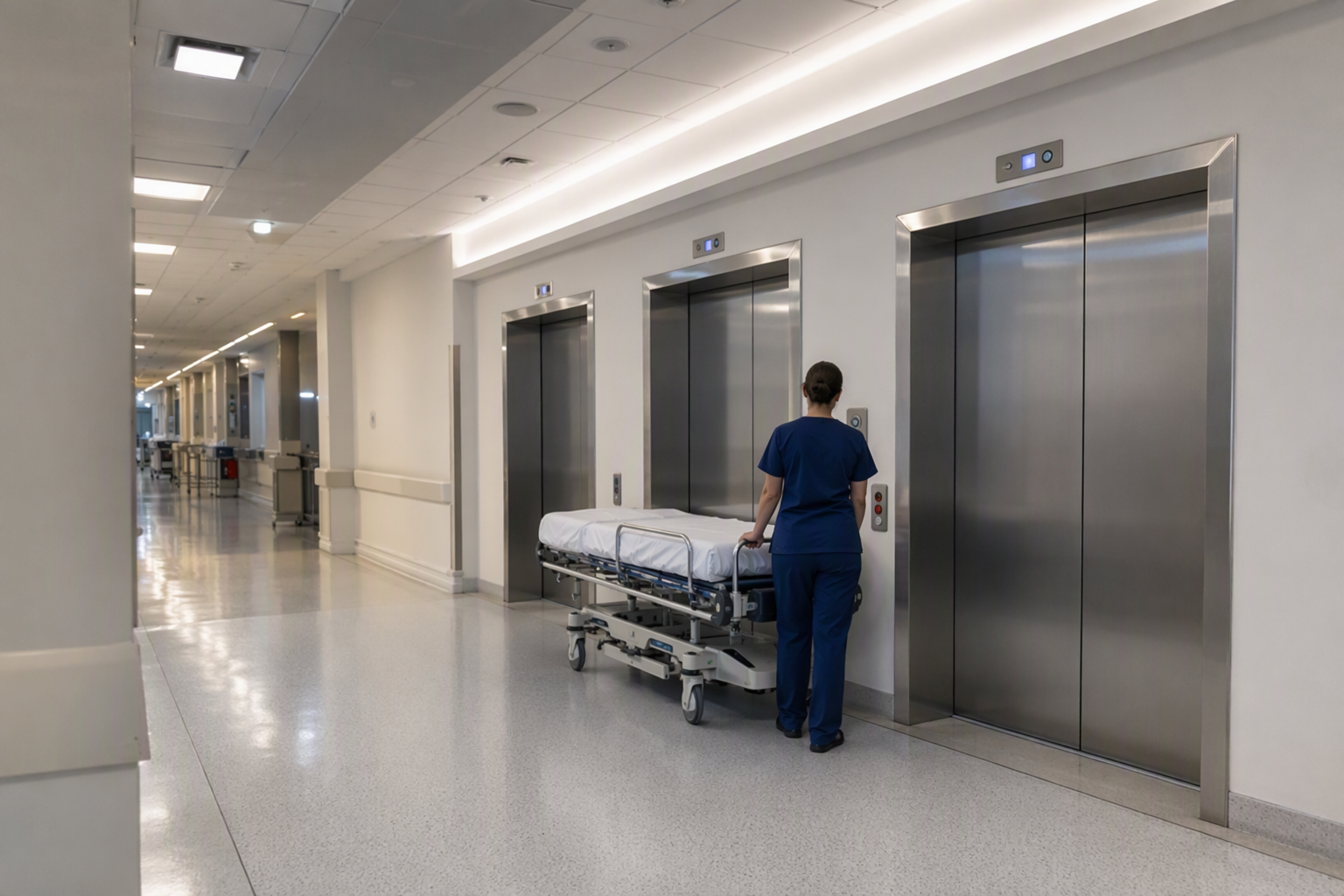
For a hospital, an elevator is never just a convenience — it is a critical component of patient care delivery. When an elevator goes out of service in a healthcare facility, the ripple effects can touch surgical schedules, emergency response times, and the safe transport of patients who cannot use stairs. Carolina Elevator Service works with healthcare facilities across Columbia, SC to build service strategies that minimize unplanned downtime and keep facilities compliant with South Carolina elevator safety requirements.
Why Is Elevator Reliability So Critical in a Hospital Setting?
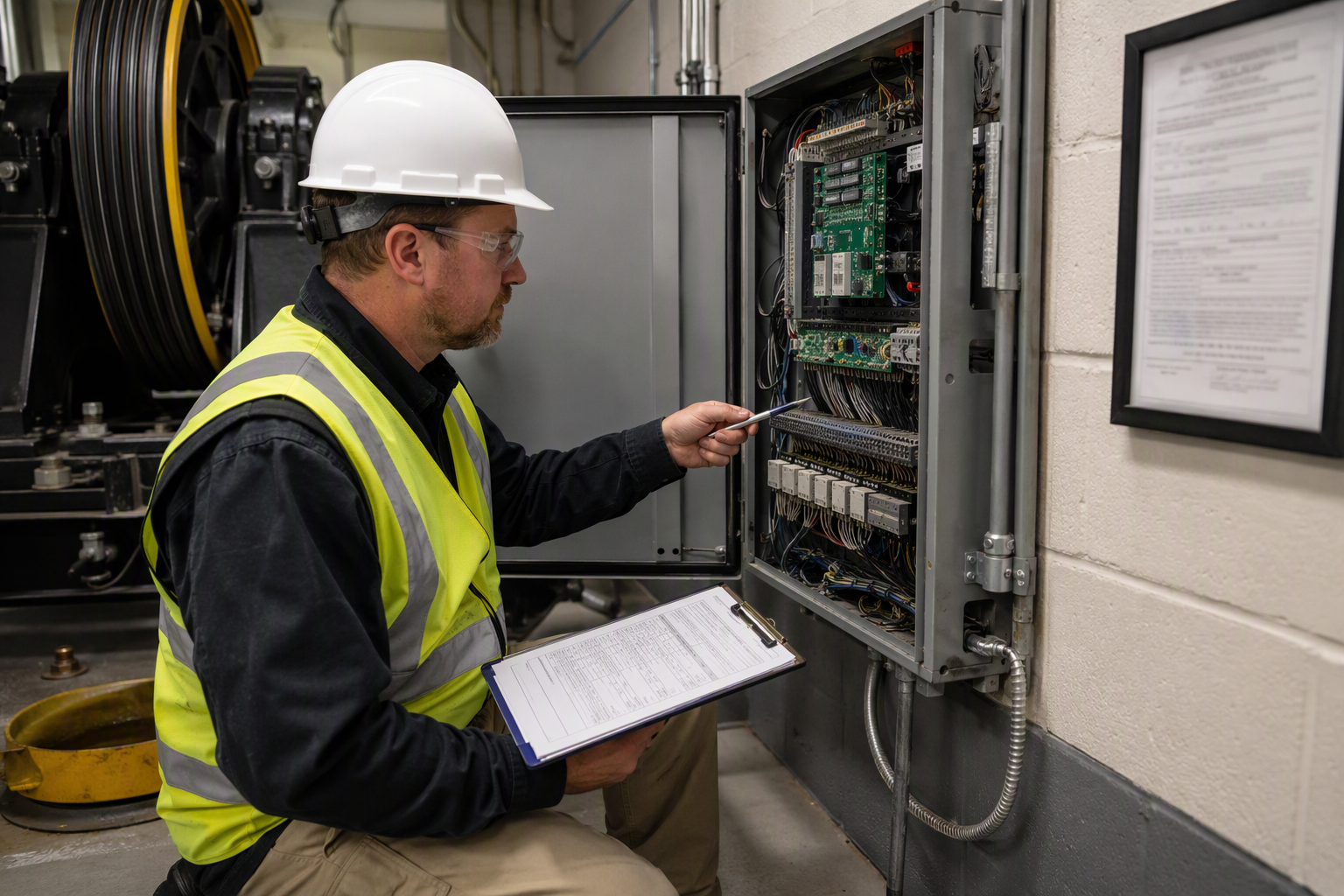
Unlike a commercial office building where an out-of-service elevator is a frustration, a hospital elevator outage can directly affect patient outcomes. Gurneys, wheelchairs, medical carts, and life-support equipment all depend on reliable vertical access. Intensive care units, operating rooms, and imaging departments frequently occupy floors that patients cannot safely reach by stairwell.
When elevator downtime is unplanned, hospital staff must improvise — redirecting workflows, delaying procedures, and placing additional physical demands on care teams. A proactive service relationship with a certified elevator contractor reduces the likelihood of these scenarios by catching developing mechanical issues before they become full failures.
What South Carolina Regulations Govern Hospital Elevators?
South Carolina’s elevator safety program is administered through the South Carolina Department of Labor, Licensing and Regulation (SC LLR). Under this program, elevators in healthcare facilities — like all commercial and public-access elevators in the state — are subject to mandatory periodic inspections and must be maintained in accordance with the ASME A17.1 Safety Code for Elevators and Escalators, which is the nationally recognized safety standard adopted as the basis for South Carolina’s elevator regulations.
Existing installations are additionally governed by ASME A17.3, the Safety Code for Existing Elevators and Escalators, which addresses retrofit and modernization requirements. For hospitals that serve patients with disabilities, elevator accessibility must also satisfy the requirements of the Americans with Disabilities Act (ADA), including cab dimensions, door timing, and control panel reach ranges.
South Carolina requires that elevators pass inspections by a licensed elevator inspector before returning to service following certain repairs or modifications. Maintaining a current certificate of operation is a legal requirement, not a best practice. Facilities that allow certificates to lapse face regulatory enforcement and potential liability exposure.
How Do Hospitals Build a Downtime Prevention Strategy?
The most effective approach to hospital elevator reliability begins well before any breakdown occurs. A structured downtime prevention strategy typically includes the following elements:
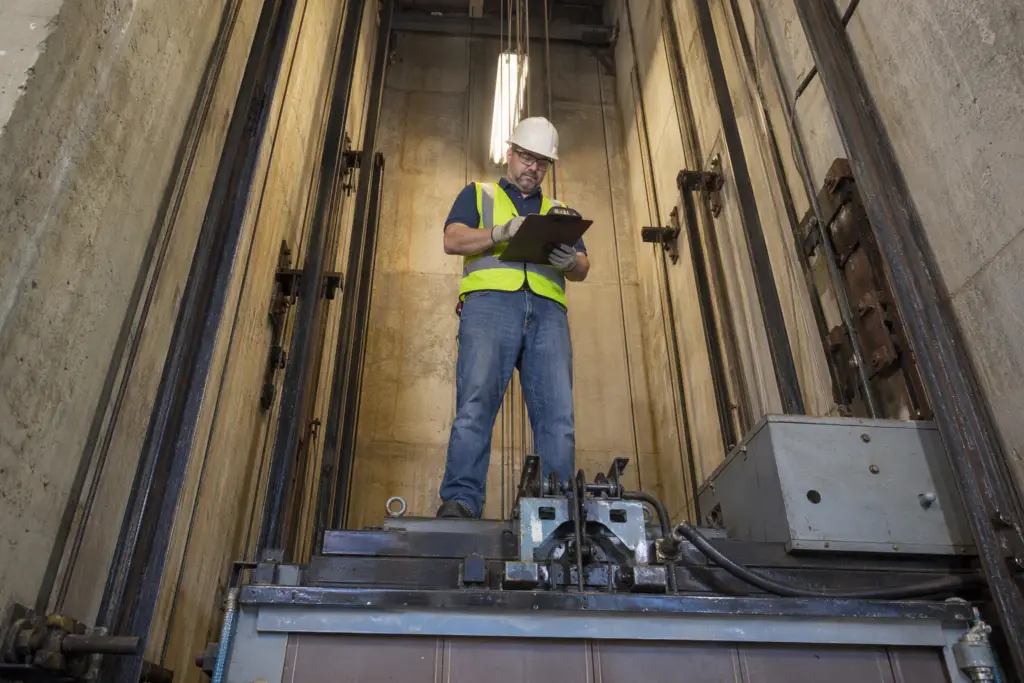
- Comprehensive equipment audit: A certified elevator contractor performs a thorough assessment of every elevator in the facility, documenting the age, condition, service history, and compliance status of each unit.
- Preventive maintenance scheduling: Based on the audit findings, a maintenance schedule is established that aligns with ASME A17.1 requirements and the specific duty cycle of each elevator — a high-traffic patient transport elevator will require more frequent attention than a low-use service lift.
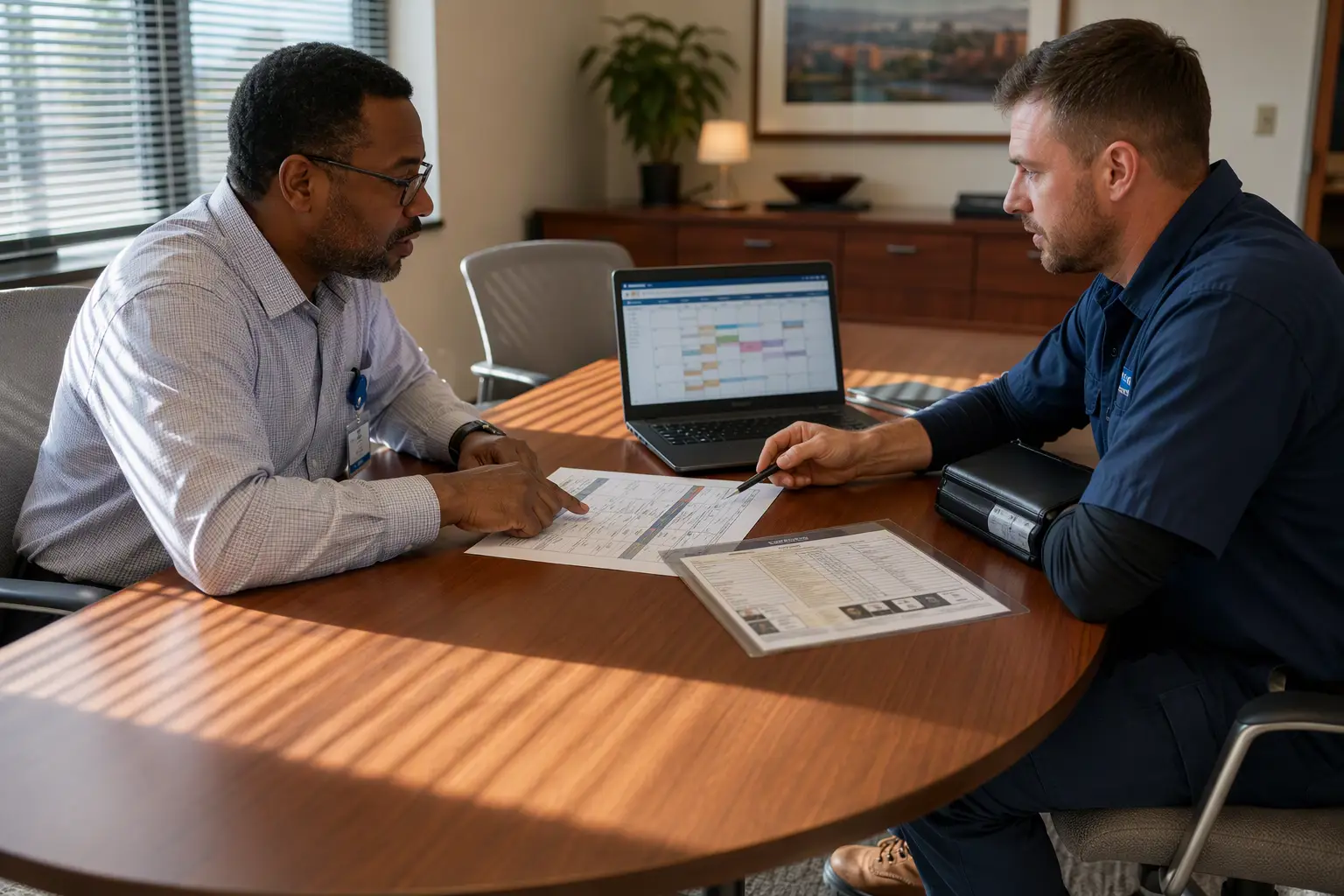
- Compliance calendar management: The contractor tracks inspection due dates and coordinates with the SC LLR inspection process so that certificates of operation remain current without gaps.
- Component lifecycle planning: Aging components — hydraulic seals, motor contactors, door operators, rope assemblies — are identified and scheduled for proactive replacement before failure, rather than after.
- Priority service agreement: The hospital and service contractor establish a formal agreement that places the facility’s repair calls at the front of the service queue, ensuring that when an unplanned issue does arise, response is prioritized.
- Staff communication protocol: Facility operations teams are briefed on how to report elevator anomalies immediately, so that developing problems are escalated before they become outages.
- Contingency planning: The hospital identifies which elevators are designated for patient transport, freight, and staff use, and documents rerouting procedures to be activated when any unit is taken out of service for maintenance or repair.
What Role Does Preventive Maintenance Play in Reducing Unplanned Downtime?
Preventive maintenance is the single most effective tool available to hospital facilities managers for controlling elevator downtime. Elevators that receive regular, documented maintenance — lubrication of guide rails, inspection of safety devices, testing of emergency systems, adjustment of door timing — develop fewer unexpected failures than those that are serviced only when a problem is reported.
Under ASME A17.1, maintenance requirements are tied to the type of equipment and its operating environment. High-volume hospital elevators that run continuously across multiple shifts accumulate wear at a rate that demands a disciplined maintenance cadence. Carolina Elevator Service builds maintenance programs around actual equipment usage patterns rather than applying a generic schedule.
How Should a Hospital Handle an Elevator That Fails Unexpectedly?
When an elevator fails unexpectedly in a hospital setting, a clear response protocol limits disruption and protects patient safety. The following steps reflect industry best practice for South Carolina healthcare facilities:
- Secure the elevator immediately: Facilities staff should take the affected unit out of service and post clear, visible signage at every landing to prevent patients and staff from attempting to use it.
- Confirm no passengers are trapped: Contact building security and, if anyone is confirmed trapped, call 911 immediately. Passenger rescue should only be performed by qualified elevator technicians or first responders — never by untrained staff.
- Activate the contingency plan: Redirect patient transport and freight to designated backup elevators per the facility’s pre-established protocol.
- Notify the elevator service contractor: Contact Carolina Elevator Service to report the failure. Priority service agreements ensure that hospital calls are addressed as urgently as the situation demands.
- Document the incident: Record the time of failure, the reported symptoms, and any events leading up to the outage. This documentation supports accurate diagnosis by the technician and may be required for regulatory reporting.
- Do not return the elevator to service until cleared: An elevator that has experienced an unexpected failure must be inspected and cleared by a qualified technician before passengers use it again. Returning a failed elevator to service without inspection creates safety and liability risk.
What Is the Impact of Elevator Modernization on Hospital Downtime?
Older elevator systems — particularly those with relay-logic controls or aging hydraulic components — are statistically more prone to unplanned failures and more difficult to service quickly when parts are no longer readily available. Modernization projects, governed under ASME A17.3, replace obsolete components with current technology that is more reliable, more energy-efficient, and easier to maintain.
For hospitals planning a modernization project, phasing work carefully is essential. A qualified elevator contractor can sequence modernization so that the facility always retains sufficient elevator capacity to support patient care operations throughout the project. In South Carolina, modernization work requires permits and inspections through the SC LLR process, and all completed work must meet current ASME code requirements before the elevator returns to service.
How Does ADA Compliance Factor Into Hospital Elevator Management?
Hospitals are public accommodations subject to the Americans with Disabilities Act, which means elevator accessibility is not optional. ADA requirements address cab size, door width and open times, floor leveling accuracy, audible and visual signals, Braille and raised-character control buttons, and emergency communication systems accessible to individuals with hearing impairments.
When an elevator is taken out of service for any reason, the hospital must evaluate whether the outage creates a barrier to accessible care for patients with disabilities. In some cases, ADA compliance obligations may accelerate the priority assigned to a repair. Carolina Elevator Service incorporates ADA compliance checks into its maintenance and inspection processes so that deficiencies are identified and corrected proactively.
Why Choose a Local Elevator Service Provider in Columbia, SC?
National elevator service chains operate across broad territories, which can mean longer waits and technicians unfamiliar with a specific facility’s equipment. Carolina Elevator Service is based in Columbia and serves healthcare facilities, commercial buildings, government properties, and multifamily housing across South Carolina. Local presence means that service personnel are familiar with the equipment in local facilities, understand the SC LLR regulatory environment, and are positioned to respond when Columbia-area hospitals need support.
South Carolina’s elevator regulations, inspection schedules, and permit processes have local nuances that benefit from working with a contractor who navigates them regularly. Carolina Elevator Service maintains relationships with the relevant regulatory bodies in South Carolina and keeps current with code updates — including those reflected in the 2026 enforcement cycle — so that client facilities remain in good standing.
What Should Hospitals Look for When Selecting an Elevator Service Partner?
Healthcare facilities evaluating elevator service contractors should assess the following criteria:
- South Carolina licensing: The contractor and its technicians must hold the licenses required by SC LLR to perform elevator work in the state.
- Healthcare experience: Experience servicing elevators in operating hospital environments — where work must be coordinated around patient care schedules — is meaningfully different from standard commercial work.
- ASME code fluency: The contractor should demonstrate current knowledge of ASME A17.1 and A17.3 requirements as they apply in South Carolina.
- Documented maintenance programs: Look for a contractor that provides written maintenance logs, inspection records, and compliance tracking — documentation that protects the facility in the event of a regulatory audit or legal claim.
- Priority service capacity: Confirm that the contractor can offer priority service agreements appropriate to a healthcare facility’s operational needs.
- ADA competency: The contractor should be able to identify and correct ADA deficiencies as part of routine maintenance.
Schedule a Free Consultation
Carolina Elevator Service provides certified elevator maintenance, repair, inspection coordination, and modernization services for hospitals and healthcare facilities throughout Columbia, SC and the surrounding region. To discuss a customized service plan for your facility, contact the team today.
Call Carolina Elevator Service: 803-865-1400
A member of the Carolina Elevator Service team will review your facility’s current elevator inventory, compliance status, and service needs — at no charge — and recommend a plan designed to protect patient care continuity and keep your elevators operating in full compliance with South Carolina requirements.
Need elevator service you can rely on? Carolina Elevator Service is ready to help.