Elevator Service in Columbia, SC | Carolina Elevator Service
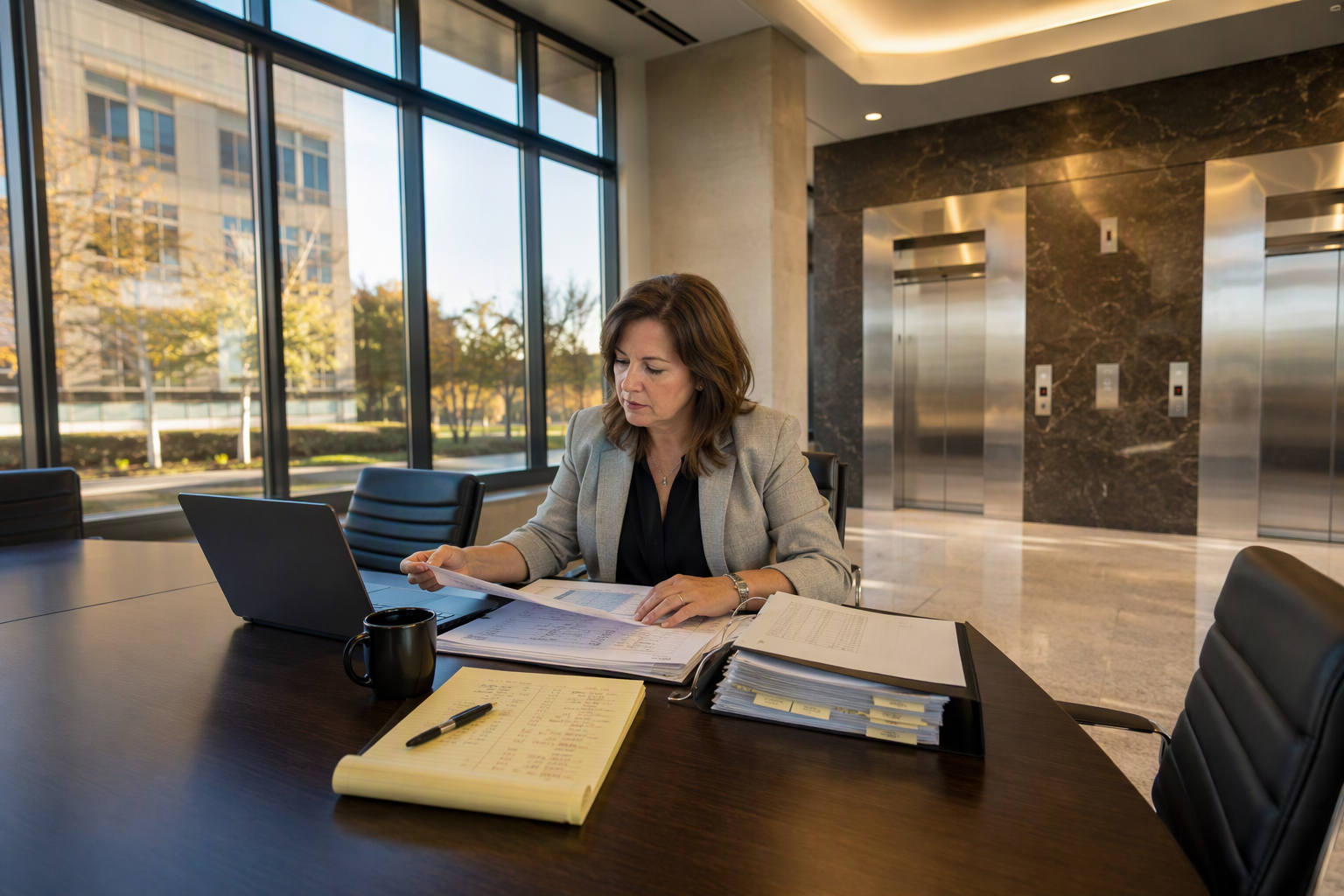
Planning a 2027 capital budget without a clear elevator line item is a risk no Columbia, SC property owner or facility manager should take. Elevator systems are long-lived assets, but they require ongoing investment in inspections, preventive maintenance, code compliance upgrades, and — at the end of their service life — full modernization or replacement. Understanding how South Carolina’s regulatory framework shapes that investment is the starting point for any accurate capital plan.
What drives elevator repair and replacement costs in South Carolina?
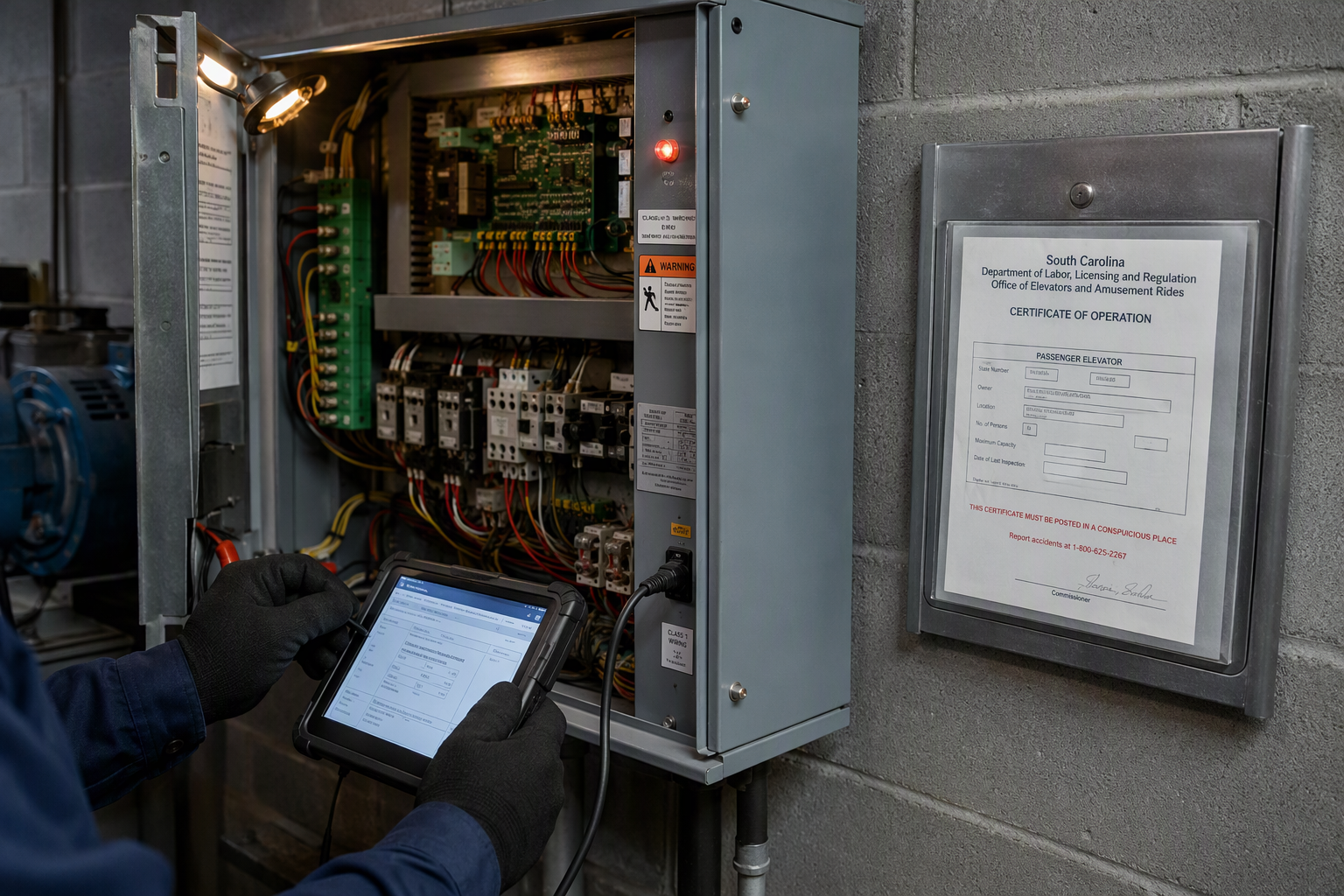
Elevator costs fall into three broad categories that every capital plan should treat separately: recurring compliance costs, reactive repair costs, and planned capital replacement costs.
Recurring compliance costs include annual inspections required under S.C. Code Title 41, Chapter 16 before an operating certificate is renewed. South Carolina requires passenger elevators to be inspected at least once a year, and the operating certificate — or a copy — must be displayed conspicuously inside each elevator car. Budgeting for the inspection itself and for any corrective work the inspector identifies is a non-negotiable annual line item.
Reactive repair costs are the hardest to predict but the easiest to reduce through preventive maintenance contracts. Aging hydraulic systems, worn door operators, and outdated control systems are common cost drivers in Columbia’s commercial building stock. Properties with elevators installed before July 1, 1986 face a particular planning challenge: those units must comply with the 1986 edition of ANSI A17.3, which can require targeted upgrades as components age out.
Planned capital replacement costs cover full modernization or new installation projects. These require a state construction permit from the South Carolina Department of Labor, Licensing and Regulation (LLR), Office of Elevators and Amusement Rides, before any construction, alteration, or installation begins. New installations must comply with the ASME A17.1-2019/CSA B44:19 edition in effect at the time the permit is issued.
How does South Carolina’s inspection schedule affect my capital timeline?
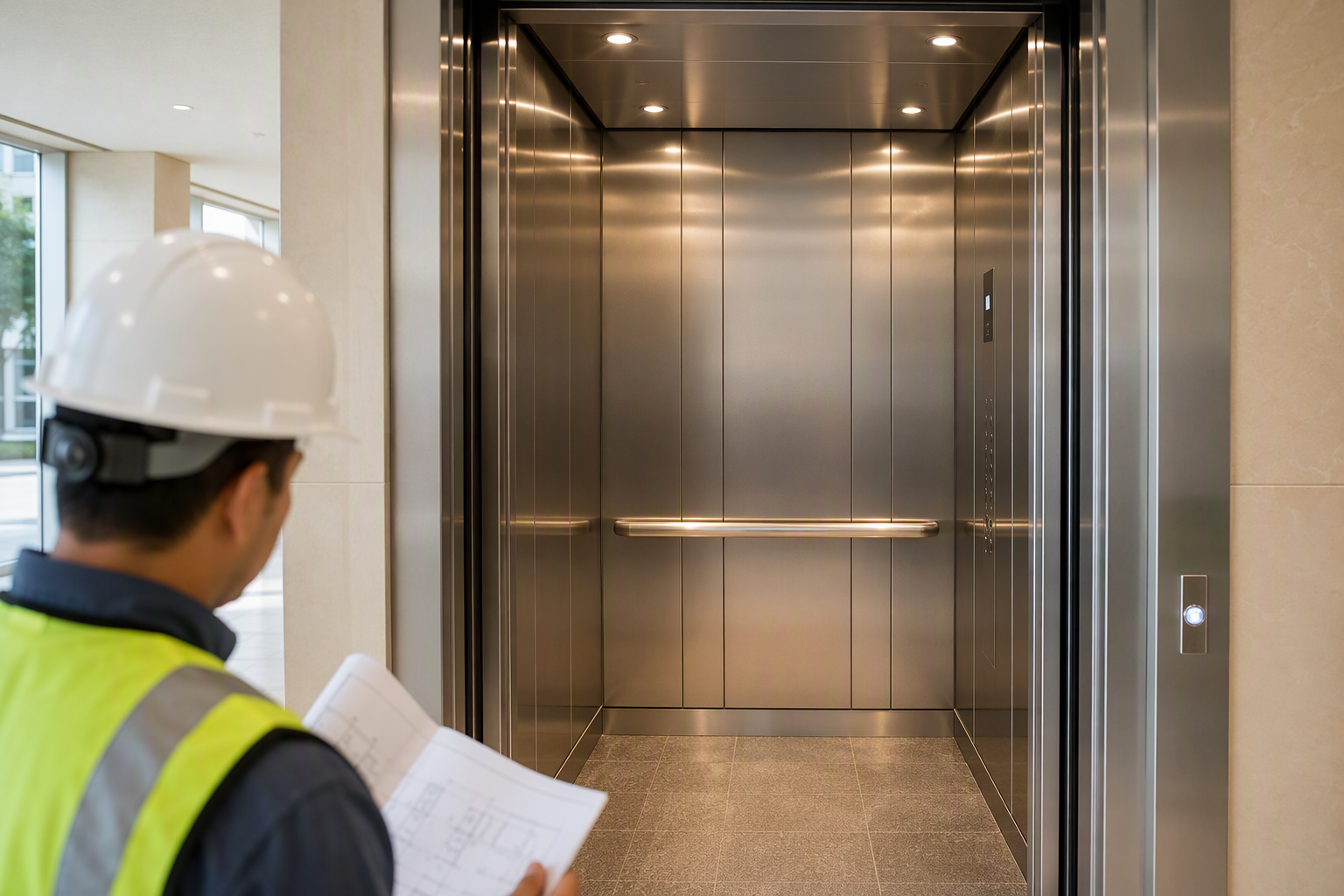
South Carolina’s inspection intervals vary by equipment type, and aligning your capital plan to those intervals is a practical way to sequence spending. Under S.C. Code Title 41, Chapter 16 and S.C. Code of Regulations Chapter 71, Article 5:
- Passenger and freight elevators: inspected at installation, registration, alteration or repair, and at least once every year after that.
- Handicap lifts: inspected every five years.
- Manlifts, television tower elevators, and special purpose elevators: inspected every seven years.
- Dumbwaiters: inspected when installed or altered.
For a 2027 capital plan, knowing which units are approaching an inspection milestone — and which are likely to generate findings — helps prioritize reserve allocations. Required inspections in South Carolina may be made only by state inspectors or licensed special inspectors. A special inspector who holds a service or warranty contract on a unit is prohibited from inspecting that same unit, so the inspection and service functions must be structured independently.
What should I include in a 2027 elevator capital reserve study?
A thorough capital reserve study for elevator assets should document the following elements:
- Inventory all vertical transportation assets — elevator type, installation year, drive system, and current certificate status.
- Assess code compliance status — compare each unit against ASME A17.1-2019/CSA B44:19 for newer equipment and ANSI A17.3 (1986 edition) for pre-1986 installations, as well as ADA accessibility requirements.
- Document deferred maintenance — any work identified in prior inspections but not yet completed represents a known liability that should be funded in the 2027 budget.
- Identify end-of-life components — control systems, hydraulic cylinders, cab interiors, door operators, and safety devices each have finite service lives. Underground hydraulic cylinders in South Carolina must be encased in plastic outer containment to limit electrolytic corrosion — units lacking this feature may face required upgrades.
- Model replacement scenarios — for each unit nearing end of useful life, budget a modernization scenario alongside a full replacement scenario so decision-makers can compare long-term costs.
- Account for standby power compliance — South Carolina requires passenger elevators to have standby power capable of running emergency lighting and the alarm bell for at least four hours if normal power fails. Units that do not meet this requirement carry a compliance cost that belongs in the capital plan.
- Factor in permitting lead time — state construction permits are required before any alteration or installation. Permitting timelines should be built into the project schedule so work can begin on time in 2027.
How do ADA requirements factor into elevator capital planning?
Federal ADA accessibility requirements apply to elevators in public accommodations and commercial facilities throughout Columbia, SC. When planning modernization or replacement projects, ADA compliance for cab dimensions, door timing, control panel height, and tactile signage should be assessed as part of the scope — not treated as an add-on after the fact. Integrating ADA upgrades into a planned modernization project is consistently more cost-effective than addressing them as a separate corrective action.
What is the difference between elevator modernization and full replacement?
Modernization typically involves upgrading major systems — controls, drives, door operators, safety devices, and cab finishes — while retaining the existing hoistway, machine room, and structural components. Full replacement involves removing all existing equipment and installing a new system with a new permit under current ASME A17.1-2019/CSA B44:19 standards.
Modernization is generally the more cost-effective path for units with structurally sound hoistways and machine rooms that are otherwise in good condition. Full replacement becomes the appropriate choice when the hoistway configuration is incompatible with modern equipment, when structural deficiencies exist, or when the cumulative cost of modernization approaches the cost of a new installation. A qualified elevator service provider can help Columbia property owners evaluate which path makes more sense for each unit in their portfolio.
How should multi-building or multi-unit portfolios approach elevator capital planning?
Property managers overseeing multiple buildings — whether commercial office, healthcare, hospitality, multifamily, or government facilities — benefit from a portfolio-level approach to elevator capital planning. This means staggering major projects across budget years to avoid compressing large capital expenditures into a single year, prioritizing units with the highest compliance risk or most deferred maintenance, and establishing a consistent preventive maintenance program across all assets to extend component life and reduce unplanned repair costs.
Carolina Elevator Service works with property owners and managers across Columbia and surrounding South Carolina markets, providing the technical assessments that support defensible capital planning decisions.
What role does preventive maintenance play in reducing capital costs?
Preventive maintenance is one of the most effective tools for managing long-term elevator capital costs. Regular lubrication, adjustment, and component inspection catch developing problems before they become emergency repairs or code violations. Well-maintained equipment also tends to perform better during annual state inspections, reducing the likelihood of findings that require immediate corrective expenditure.
Under S.C. Code Title 41, Chapter 16, the owner is responsible for keeping every elevator facility in safe operating condition and in compliance with state regulations. A structured maintenance agreement is the practical mechanism through which most owners meet that obligation. When budgeting for 2027, preventive maintenance contract costs should be treated as a fixed operating expense distinct from the capital reserve for major repairs and replacements.
When should I contact an elevator service company for capital planning support?
The ideal time to engage an elevator service provider for capital planning input is at least twelve to eighteen months before the target budget year — in this case, mid- to late-2025 through 2026 for a 2027 capital plan. This timeline allows for thorough equipment assessments, realistic project scoping, permitting lead time, and competitive contractor evaluation without forcing rushed decisions.
Emergency conditions — unusual noises, erratic door behavior, leveling problems, or any situation that raises a safety concern — should be addressed immediately by contacting a qualified elevator service provider. Carolina Elevator Service provides emergency service support to Columbia, SC property owners and is available when urgent issues arise.
South Carolina law requires that any accident seriously injuring a person other than an employee be reported to the state before the end of the next working day. Owners should ensure their emergency response protocols account for this reporting obligation.
Schedule a Free Consultation
Carolina Elevator Service helps Columbia, SC property owners and facility managers build accurate, defensible elevator capital plans grounded in South Carolina regulatory requirements and current equipment standards. Whether the portfolio includes a single commercial elevator or a multi-building inventory of mixed equipment types, the team provides the technical assessments needed to make confident 2027 budget decisions.
Call Carolina Elevator Service today to schedule a free consultation: 803-865-1400
Need elevator service you can rely on? Carolina Elevator Service is ready to help.