Elevator Code Requirements for Apartment Buildings and Multifamily Properties in South Carolina
For property managers and building owners in Columbia, SC, keeping a residential elevator compliant is not simply a matter of passing an annual inspection — it is a legal obligation that protects residents, limits liability, and preserves the long-term value of the property. The requirements span federal safety codes, state-level inspection mandates, and accessibility standards that apply regardless of building size or tenant demographics. The guidance below covers what multifamily and apartment building owners need to know in 2026.
What Federal Codes Govern Elevators in Apartment Buildings?
Two foundational federal standards govern elevators in residential settings:
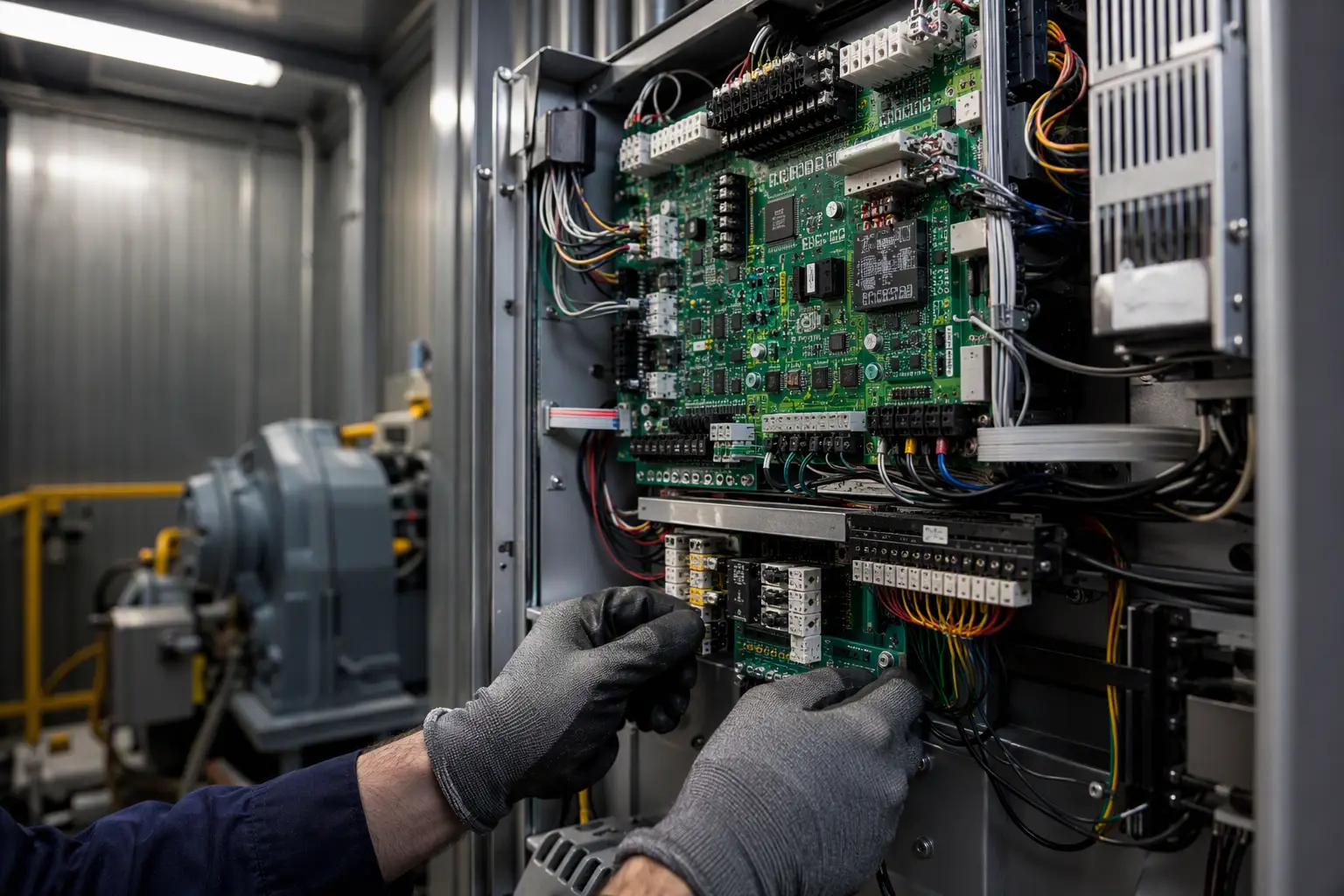
- ASME A17.1 Safety Code for Elevators and Escalators: This is the primary design, installation, and performance standard for new elevator equipment in the United States, including multifamily residential applications. It addresses everything from hoistway construction and machine room ventilation to car lighting, door operation, and emergency communication systems.
- ASME A17.3 Safety Code for Existing Elevators and Escalators: This standard applies retroactively to elevators already in service. It defines which safety upgrades existing units must meet over time as code editions are updated — a critical consideration for older apartment complexes.
South Carolina adopts these ASME standards as the technical basis for its statewide elevator inspection program administered by SC LLR. Compliance with ASME A17.1 and A17.3 is not optional — operating an elevator without a current certificate of inspection in South Carolina is a violation of state law.
Does the ADA Apply to Elevators in Apartment Buildings?
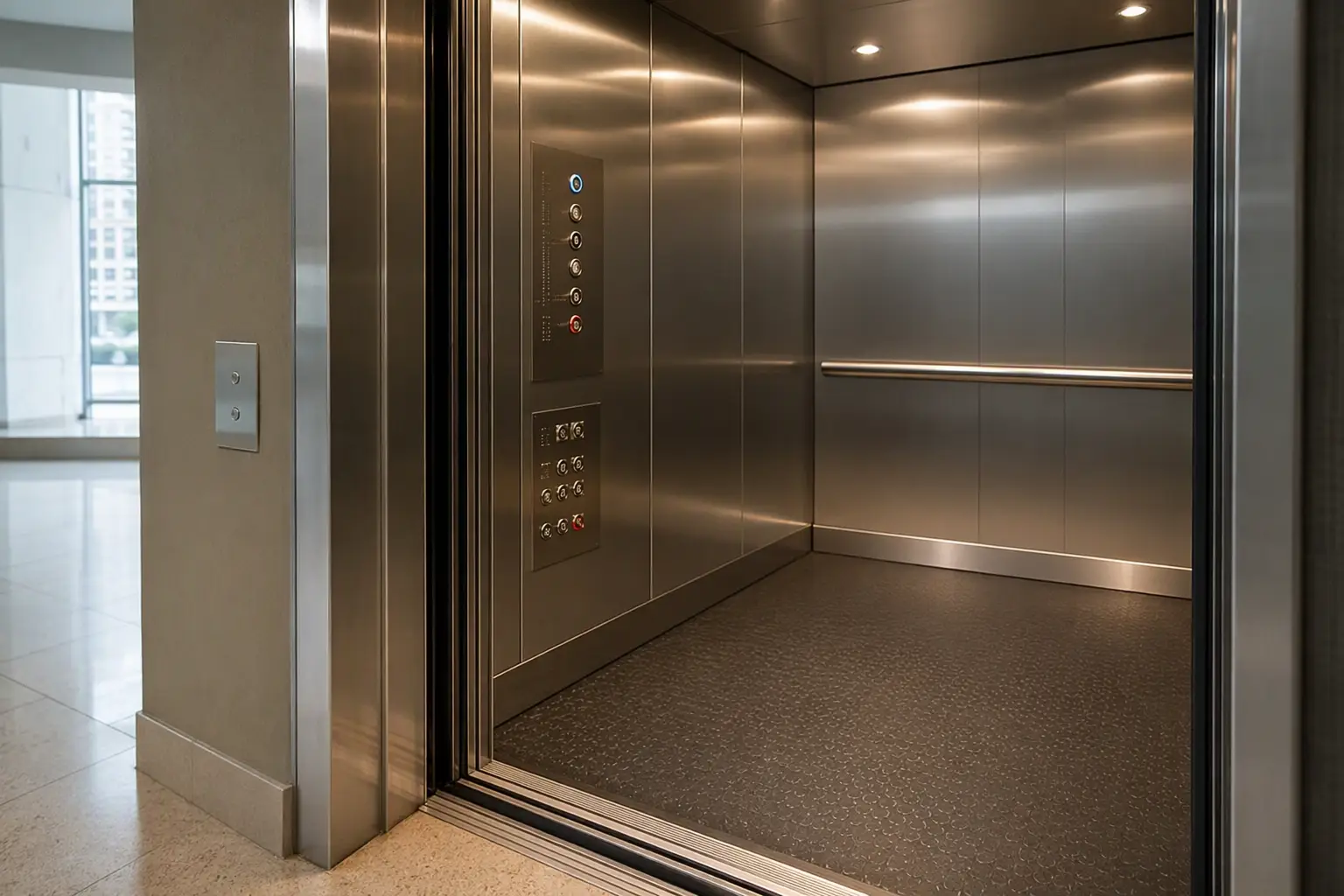
Yes. The Americans with Disabilities Act applies to elevators in multifamily properties that meet certain thresholds. Under ADA requirements, elevators in new construction of multifamily buildings with four or more stories (or buildings where the first occupiable floor above grade is not the ground floor) must provide accessible vertical access. Key ADA elevator requirements for multifamily buildings include:
- Minimum car dimensions to accommodate wheelchair users
- Hall call buttons and car operating panels at accessible heights
- Audible and visual floor indicators
- Braille and raised character signage on control panels
- Door reopening devices that respond to obstruction without closing on a passenger
- Level landings at each floor served
The Fair Housing Act (FHA) also imposes overlapping accessibility requirements for covered multifamily housing. Property owners should consult with a qualified elevator compliance professional to understand which standard governs their specific property type.
Carolina Elevator Service works with apartment communities and multifamily property managers throughout the Columbia, SC area to assess existing elevator configurations against current ADA and FHA accessibility requirements and identify any modifications needed.
What Are the Inspection Requirements for Apartment Elevators in South Carolina?
In South Carolina, elevator inspections are overseen by the SC Department of Labor, Licensing and Regulation. Properties are required to obtain and display a valid certificate of inspection for each elevator unit. Inspections must be conducted by a licensed elevator inspector, and the elevator must pass before the certificate is issued.
Routine periodic inspections cover:
- Safety devices including governor, safeties, and buffers
- Door operation and interlock function
- Emergency lighting and communication systems
- Car and counterweight guiding systems
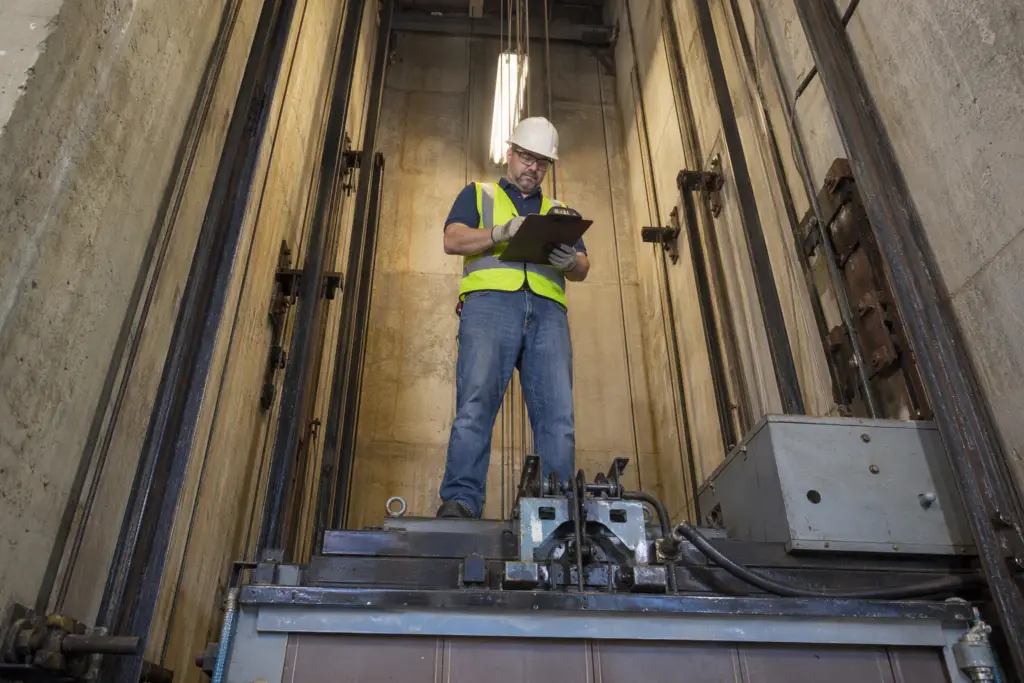
- Machine room conditions including temperature control and clearances
- Load capacity markings and posted certificates
Elevators that fail inspection must be taken out of service until deficiencies are corrected and re-inspection is completed. Carolina Elevator Service assists Columbia-area multifamily property owners in preparing for these inspections, identifying deficiencies in advance, and completing required repairs efficiently.
What Happens If an Apartment Elevator Fails Its Inspection?
When an elevator fails a South Carolina LLR inspection, the unit must be shut down immediately and may not return to service until corrections are made and the elevator passes re-inspection. For multifamily properties, this creates significant hardship — particularly for elderly residents or residents with mobility limitations who depend on elevator access.
Common reasons apartment elevators fail inspection include worn or out-of-adjustment door operators, non-functioning emergency communication systems, missing or expired certificates, inadequate machine room conditions, and safety device failures. Proactive maintenance agreements significantly reduce the likelihood of unexpected shutdowns.
Are There Specific Emergency Communication Requirements for Residential Elevators?
Yes. Under ASME A17.1, all elevators — including those in apartment buildings — must be equipped with a means of two-way communication that allows a trapped passenger to contact emergency services or a monitoring center. This requirement has been reinforced in recent code editions to specify that the communication system must function even during a power outage, typically through a battery backup.
For multifamily properties, this often means integrating elevator emergency phones with a 24-hour monitoring service. Properties that rely on analog phone lines should evaluate whether their current systems remain compliant as traditional phone infrastructure continues to be phased out in favor of digital and VoIP systems — which may not support older elevator phone equipment without adaptation.
What Is the Difference Between ASME A17.1 and ASME A17.3 for Existing Buildings?
ASME A17.1 governs the installation of new elevator equipment, while ASME A17.3 addresses the retroactive safety requirements that apply to elevators already in operation. ASME A17.3 identifies safety features that were not required when older elevators were built but are now considered essential — and it establishes a compliance timeline for owners to bring existing equipment into conformance.
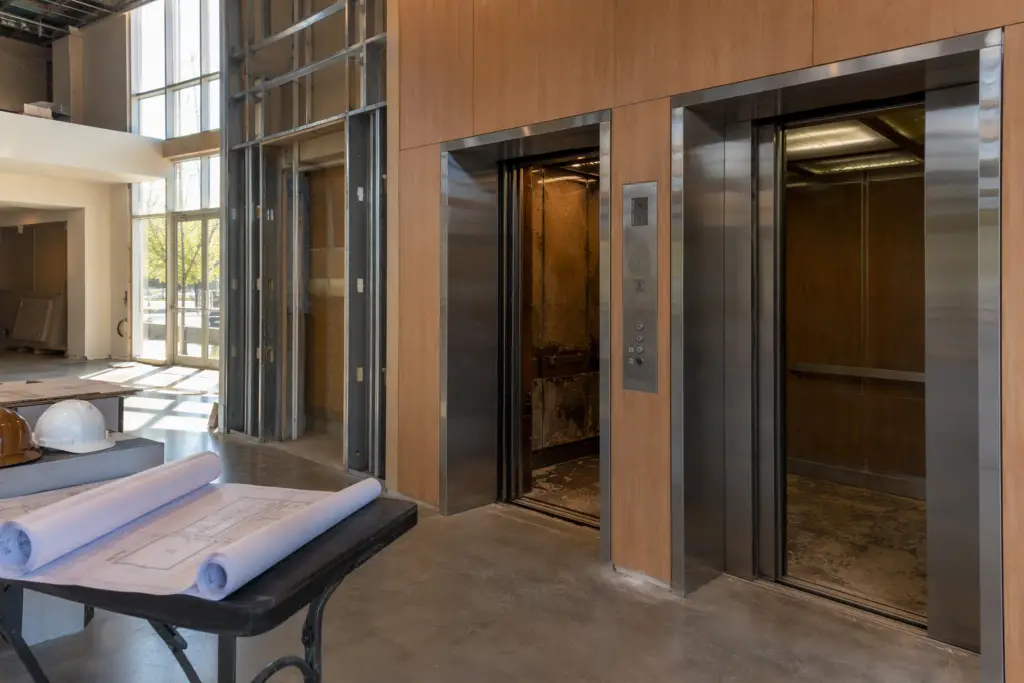
For older apartment buildings in Columbia and surrounding areas, A17.3 compliance is particularly important. A building elevator installed decades ago may require upgrades such as door reopening devices, governor and safety improvements, or updated firefighters’ emergency operation (Phase I and Phase II recall systems) to meet current A17.3 standards.
Carolina Elevator Service can conduct a comprehensive code compliance review of existing elevator equipment to identify which ASME A17.3 requirements apply to a specific installation and develop a prioritized remediation plan.
What Is Firefighters’ Emergency Operation and Is It Required in Apartment Buildings?
Firefighters’ Emergency Operation (FEO) is a mandatory feature under ASME A17.1 that enables fire department personnel to control elevator operation during a fire emergency. It consists of two phases:
- Phase I (Recall): When activated by a smoke detector or a key switch in the lobby, all elevator cars return to the designated floor and open their doors, removing them from normal service.
- Phase II (In-car Operation): Allows a firefighter inside the car to operate the elevator manually using a key switch, bypassing normal call controls.
FEO is required in virtually all apartment buildings with elevators in South Carolina. Buildings that do not have properly functioning Phase I and Phase II systems are out of compliance and represent a serious life-safety risk. FEO system function is verified during every annual inspection.
How Often Should Apartment Building Elevators Be Maintained?
Regular preventive maintenance is both a best practice and a practical necessity for multifamily properties. While South Carolina state inspections occur periodically, code and industry guidance recommend ongoing maintenance intervals between inspections to ensure safety devices, lubrication points, door systems, and control components remain in proper working order.
A structured maintenance program for a residential elevator typically includes monthly or quarterly visits covering lubrication, adjustment, cleaning, and testing of safety systems. Properties that defer maintenance until problems arise often face higher repair costs, unplanned downtime, and greater risk of inspection failure.
Questions Your Inspector Will Ask
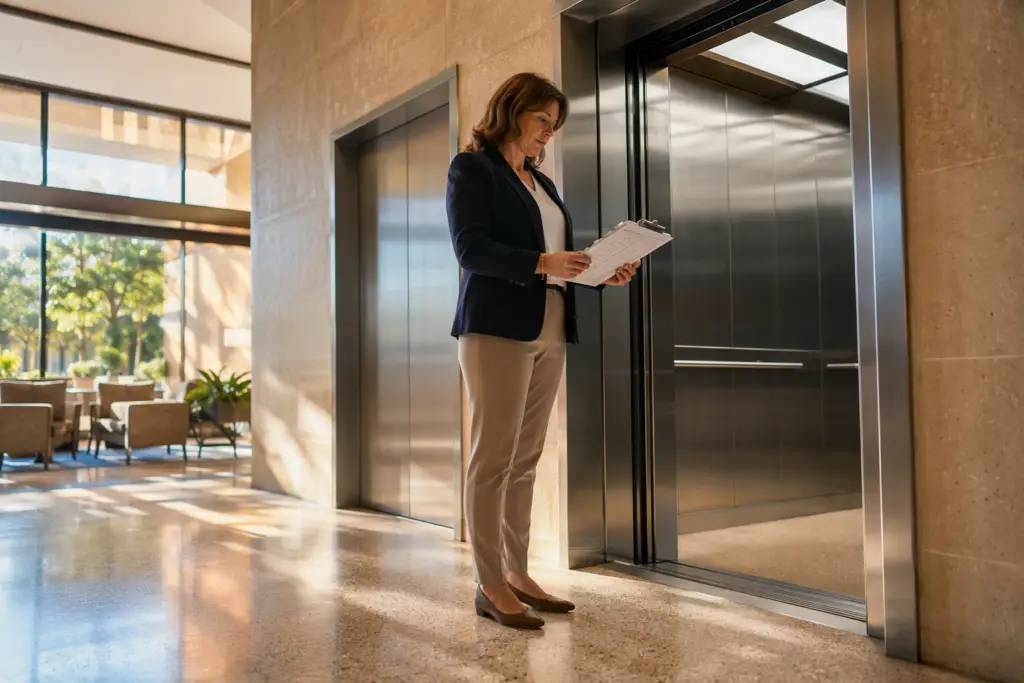
When a South Carolina LLR elevator inspector arrives at an apartment building, property managers should be prepared to answer or demonstrate the following:
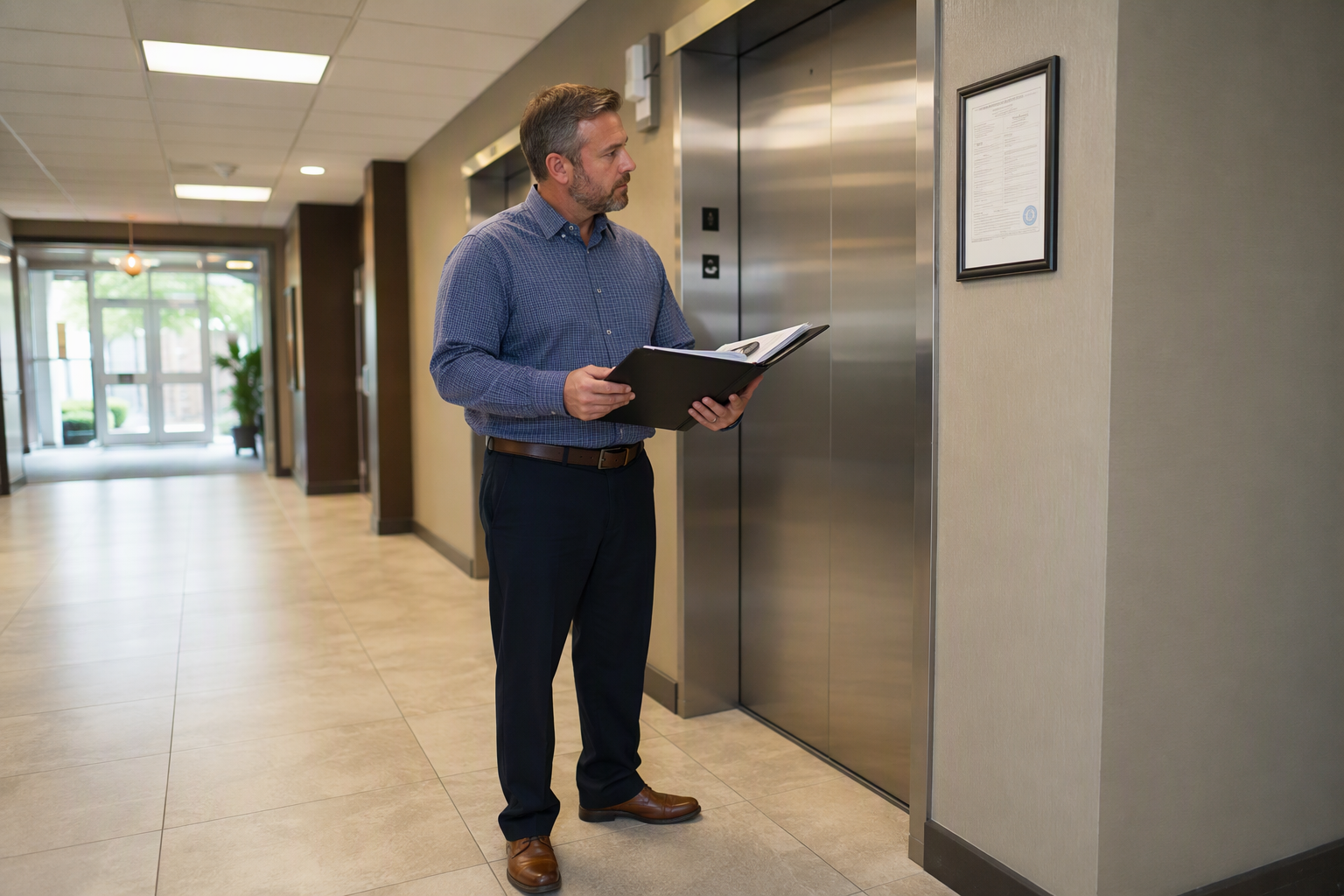
- Is the current certificate of inspection posted inside the elevator car? An expired or missing certificate is an immediate compliance issue.
- When was the last maintenance visit, and do you have documentation? Inspectors may ask to review maintenance logs.
- Is the machine room locked and accessible only to authorized personnel? Machine room security is a code requirement.
- Is the machine room free of storage, pests, and moisture? Temperature and cleanliness conditions affect equipment performance and are inspected.
- Does the emergency phone connect to a live monitoring center? The inspector will test the two-way communication system.
- Are Phase I and Phase II firefighters’ emergency operation keys available? Inspectors test FEO function and may require keys on-site.
- Have any modifications been made to the elevator since the last inspection? Unapproved alterations can result in failed inspections or permit violations.
- Is the elevator’s rated capacity posted inside the car? Load capacity signage is a basic code requirement that is frequently overlooked.
What Should a Property Manager Do to Prepare for an Elevator Inspection?
Preparing for a South Carolina elevator inspection is a straightforward process when approached systematically:
- Confirm the inspection date with SC LLR and notify your elevator maintenance provider so they can perform a pre-inspection check.
- Review the previous inspection report for any conditions that were flagged as deficiencies and confirm they have been corrected.
- Verify posted documentation inside the car, including the current certificate of inspection and rated capacity placard.
- Test the emergency communication system to confirm two-way contact with the monitoring center is active.
- Inspect the machine room for unauthorized storage, temperature compliance, proper lighting, and locked access.
- Confirm Phase I and Phase II firefighters’ emergency operation is functional using the designated key switches at the lobby and inside the car.
- Have maintenance records available for the inspector to review if requested.
- Walk the elevator cab and check for visible damage, proper lighting, handrail integrity, and door operation without hesitation or reversal issues.
Carolina Elevator Service offers pre-inspection assessments for multifamily properties in the Columbia, SC area, helping owners identify and resolve deficiencies before the official inspection date.
Can a Multifamily Property Be Held Liable for Elevator Code Violations?
Yes. In South Carolina, operating an elevator that does not hold a valid certificate of inspection or that has known safety deficiencies creates substantial legal exposure for property owners and management companies. If a resident or visitor is injured due to an elevator malfunction connected to a code violation, the liability implications can be significant. Maintaining documented compliance with ASME A17.1, ASME A17.3, and ADA requirements — and retaining maintenance records — is an essential component of risk management for any multifamily property.
How Can Carolina Elevator Service Help Multifamily Properties Stay Compliant?
Carolina Elevator Service serves apartment communities and multifamily property owners throughout Columbia, SC and the surrounding region. The company provides elevator maintenance, code compliance assessments, repair services, and support through the South Carolina inspection process. Whether a property is managing an aging elevator that may require ASME A17.3 upgrades or a newer installation that needs routine maintenance to maintain its certificate of inspection, Carolina Elevator Service offers the expertise and local knowledge that Columbia-area property managers need.
Get a Free Elevator Assessment for Your Property
Keeping your apartment building or multifamily property’s elevator compliant with South Carolina requirements, ASME A17.1, ASME A17.3, and ADA standards is not a task to leave to chance. Contact Carolina Elevator Service for a free elevator assessment and find out exactly where your property stands — before your next inspection.
Contact Carolina Elevator Service for a free elevator assessment: 803-865-1400
Need elevator service you can rely on? Carolina Elevator Service is ready to help.