Elevator Inspection Checklist for Healthcare Facilities in Columbia, SC
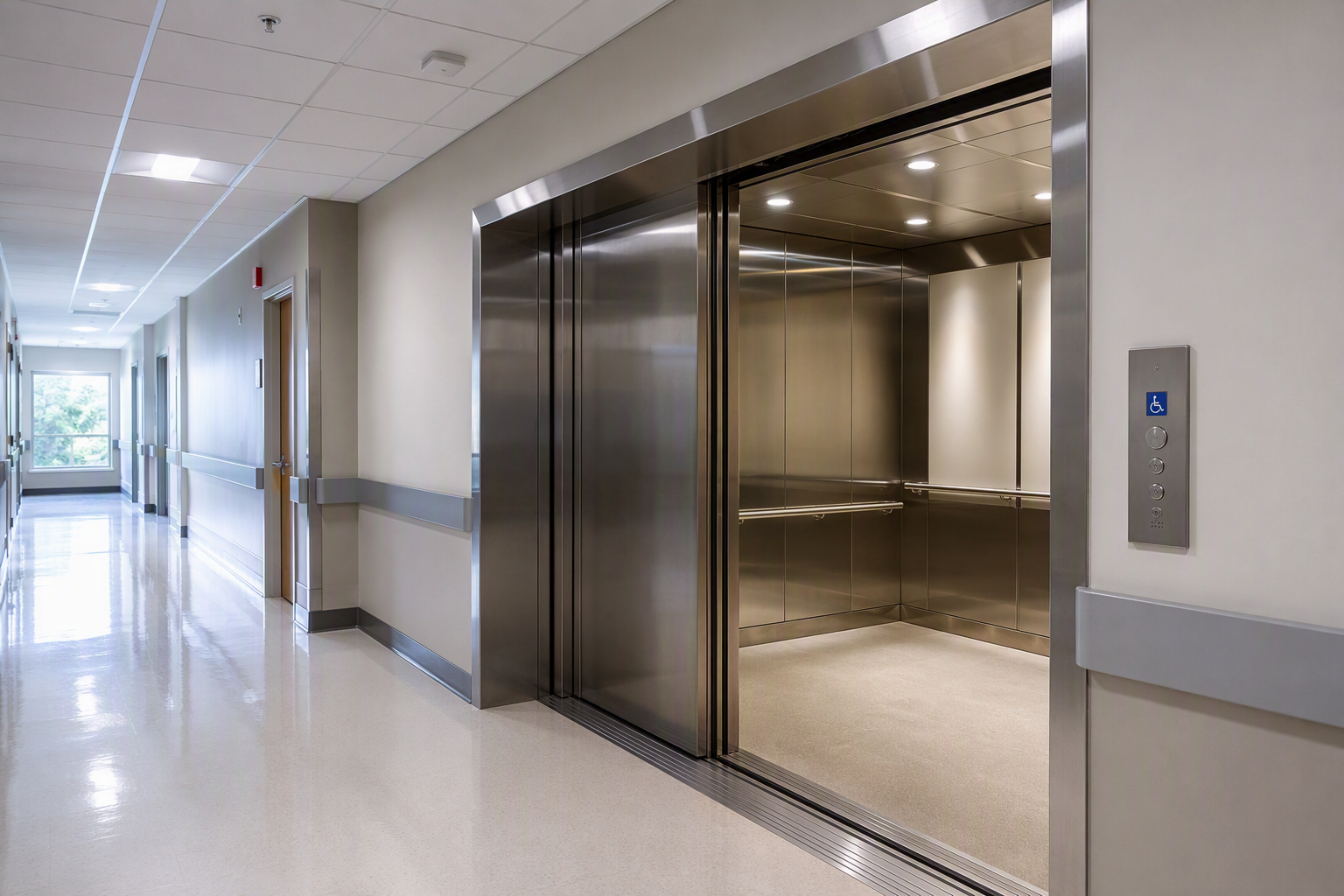
Healthcare facilities in Columbia, SC — from large hospital campuses to outpatient clinics and assisted living communities — depend on elevators as critical infrastructure. A missed inspection item is not simply a regulatory citation; it can interrupt patient transport, delay emergency response, or create serious safety risks for patients, visitors, and clinical staff. Understanding what belongs on a thorough elevator inspection checklist helps facility managers and compliance officers stay ahead of state and federal requirements.
Carolina Elevator Service works with healthcare facilities across the Columbia, SC area to provide structured, code-aligned elevator inspections. The sections below break down every layer of the checklist — from mechanical components to accessibility compliance — so your team knows exactly what to expect and what questions to ask.
What Is a Healthcare Elevator Inspection Checklist?
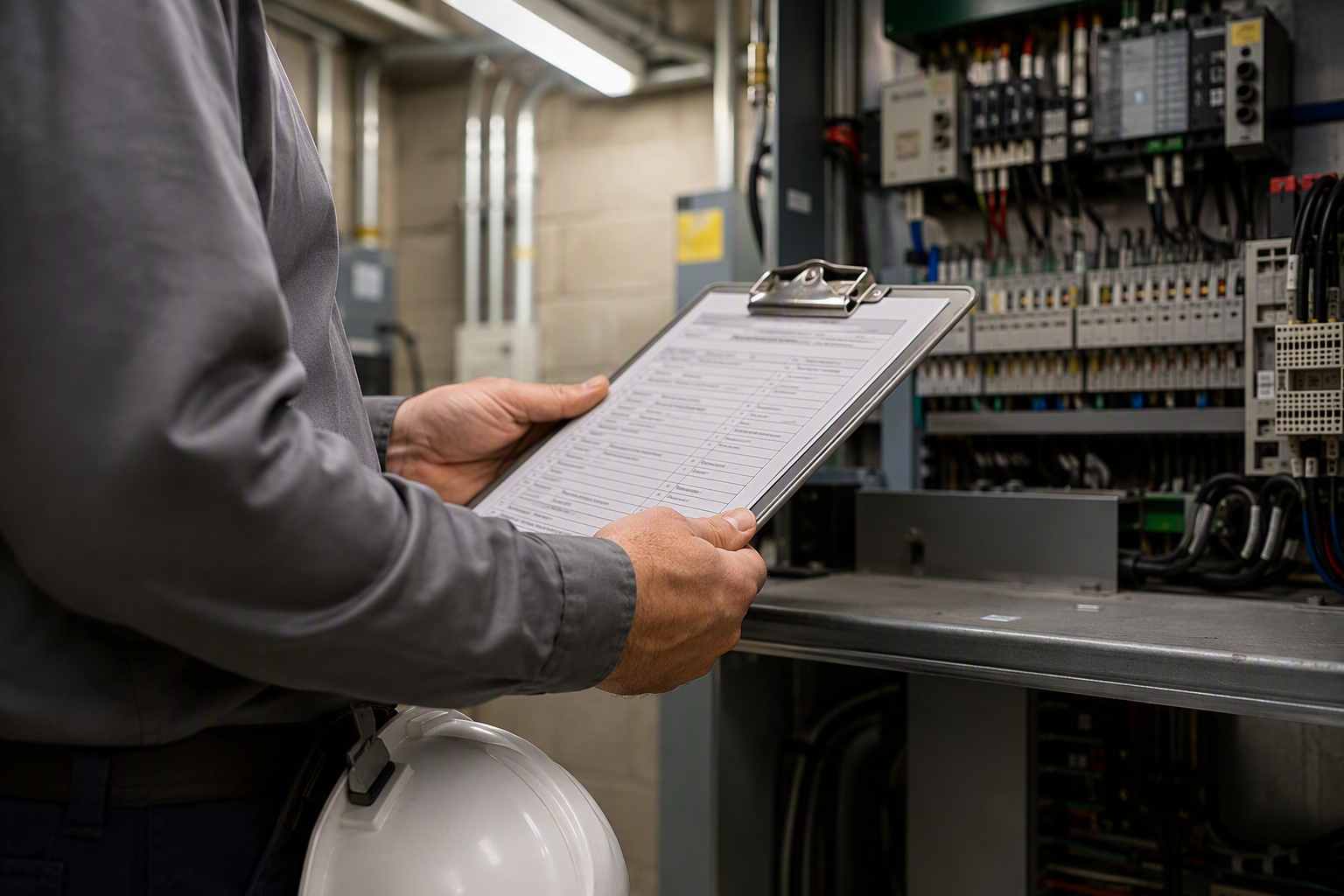
A healthcare elevator inspection checklist is a structured document used by qualified elevator inspectors and facility engineers to verify that every major system, safety device, and accessibility feature of a vertical transportation unit meets applicable codes and functions correctly. In a healthcare setting, the checklist extends beyond standard commercial requirements to account for heavier loads, infection-control surfaces, emergency operation modes, and continuous patient-transport demands.
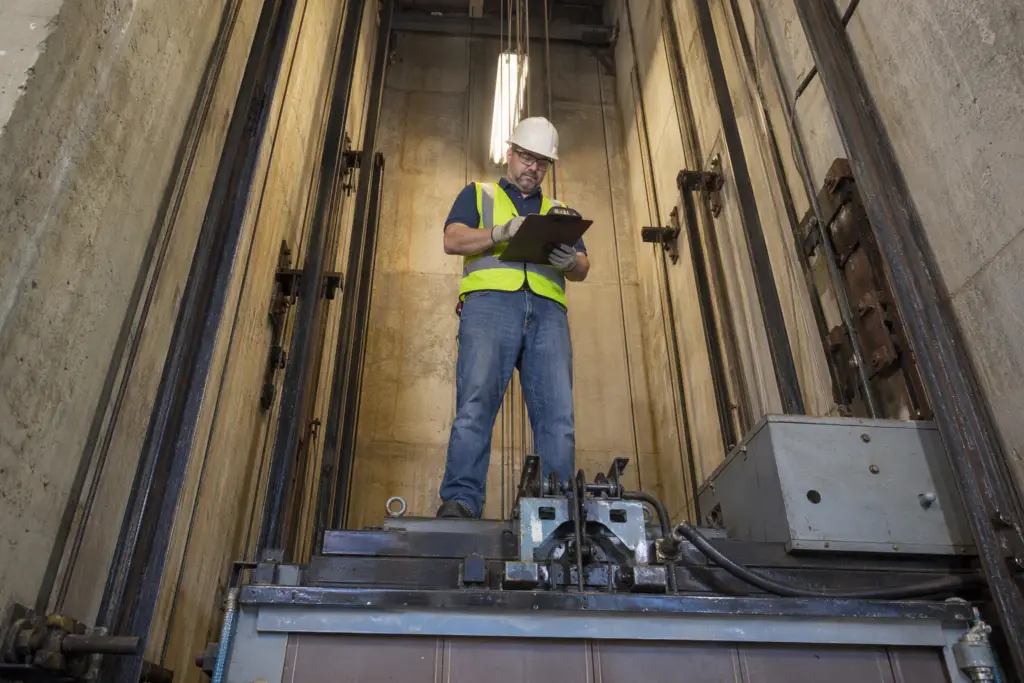
The checklist typically organizes findings by system: machine room, hoistway, car interior, door operation, safety devices, electrical systems, and accessibility features. Each item is marked as compliant, non-compliant, or requiring corrective action before the next inspection interval.
Which Codes Govern Elevator Inspections in South Carolina Healthcare Facilities?
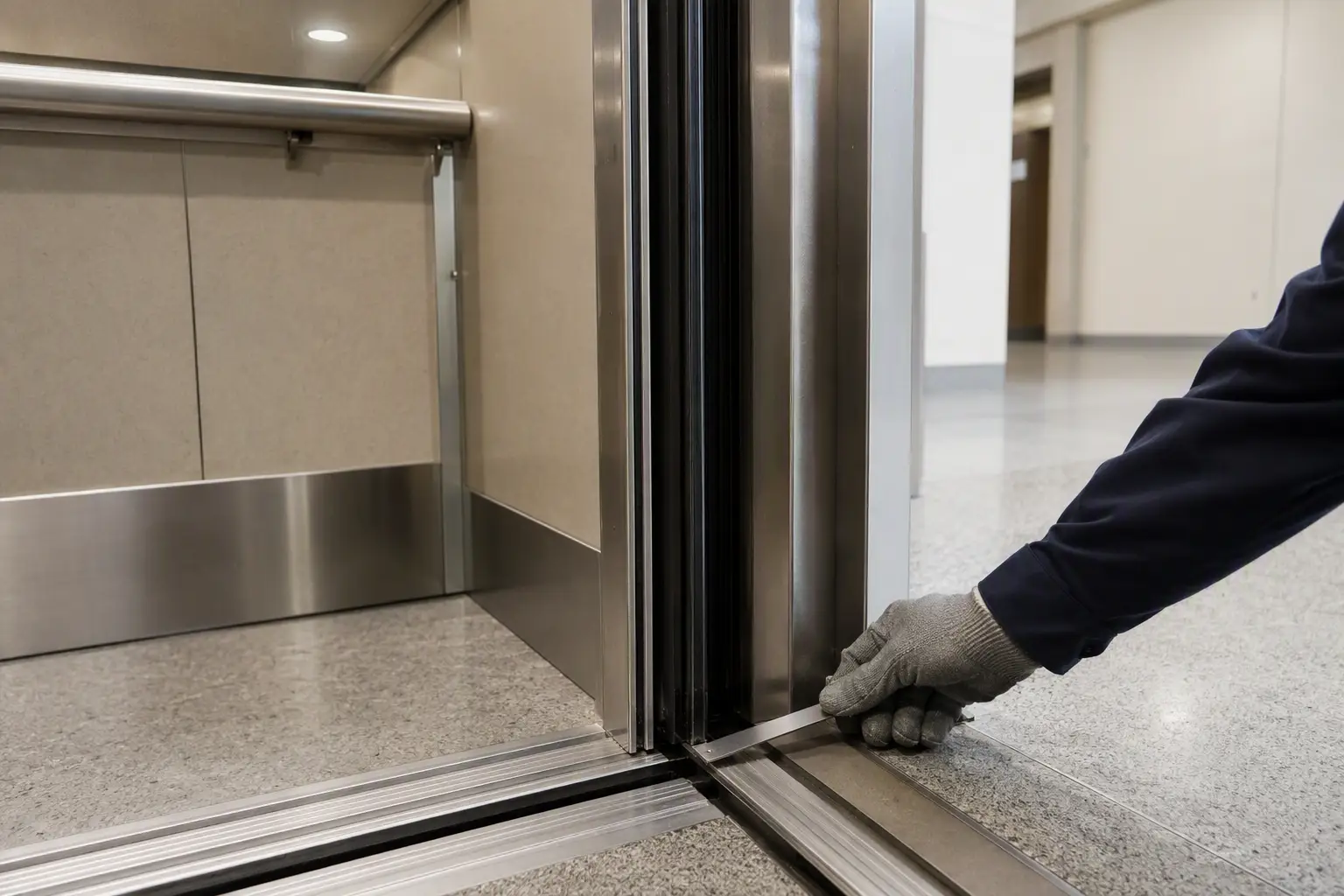
South Carolina healthcare elevator inspections are governed by a layered set of federal and state requirements:
- ASME A17.1 Safety Code for Elevators and Escalators: The primary national safety standard establishing design, installation, inspection, testing, and maintenance requirements for elevators. South Carolina adopts this standard as the baseline for elevator safety.
- ASME A17.3 Safety Code for Existing Elevators and Escalators: Applies to elevators already in service and governs retrofit and modernization compliance timelines.
- Americans with Disabilities Act (ADA): Requires elevators in multi-story healthcare facilities to be accessible to individuals with disabilities, covering door width, call button height, floor indicators, handrails, and more.
- South Carolina Department of Labor, Licensing and Regulation (LLR) — Elevator Division: The state authority having jurisdiction (AHJ) that issues elevator operating permits, licenses inspectors, and enforces inspection intervals for elevators operating in South Carolina.
- OSHA General Industry Standards: Apply to the safety of workers — including maintenance technicians and clinical staff — who work in or around elevator machine rooms and hoistways.
For facilities that receive Medicare or Medicaid funding, The Joint Commission and Centers for Medicare & Medicaid Services (CMS) Conditions of Participation may reference elevator and life-safety compliance as part of broader facility assessments. Facility managers should confirm their applicable accreditation body’s requirements with their compliance team.
What Are the Core Components on a Healthcare Elevator Inspection Checklist?
A complete inspection checklist for a healthcare elevator covers the following major systems and components:
Machine Room and Drive System
- Machine room temperature and ventilation within safe operating ranges
- Adequate lighting and clearances per code
- Drive sheave, motor, and brake condition
- Oil containment and evidence of leaks
- Fire suppression compatibility (critical in hospital settings)
- Emergency stop switches and main line disconnect
Hoistway and Pit
- Hoistway walls, beams, and guides free of damage or obstruction
- Pit lighting, ladder, and stop switch in working order
- Pit sump or drainage functioning correctly
- Buffer condition and clearances
- Counterweight clearances and rope condition
Car Structure and Interior
- Car frame, sling, and platform integrity
- Interior wall panels and ceiling — seamless, cleanable surfaces preferred in healthcare settings to support infection-control protocols
- Flooring condition — non-slip, cleanable, and compatible with medical-grade cleaning agents
- Handrail presence and secure attachment on all three walls
- Car capacity posting and compliance with rated load
- Emergency lighting and battery backup
- Telephone or two-way communication system tested and operational
Door Systems
- Door open and close force within code-specified limits
- Door reopening device (safety edge or light curtain) tested
- Door timing — critical for facilities transporting patients on gurneys or in wheelchairs
- Door width compliance with ADA minimums
- Hoistway door interlocks tested at every landing
Safety Devices
- Governor and safety gear tested per ASME A17.1 intervals
- Overspeed device functionality
- Safeties and buffers tested
- Fire service recall Phase I and Phase II operation tested — critical for hospital fire evacuation planning
- Seismic switch (if applicable)
Electrical and Controls
- Control panel condition and labeling
- All contactors, relays, and wiring inspected
- Leveling accuracy — especially important for wheelchair users and gurney transport
- Emergency power operation and transfer tested
Accessibility Features (ADA Compliance)
- Call button height at landings (ADA-specified range)
- Braille and raised character markings on buttons and floor indicators
- Audible and visual signals at landings and inside the car
- Floor designation announcements for visually impaired occupants
- Door clear width meeting ADA minimums
- Handrails on three sides of the car interior
How Often Must Healthcare Elevators Be Inspected in South Carolina?
South Carolina requires periodic inspections and tests for elevators operating in the state, administered through the SC Department of Labor, Licensing and Regulation. Inspection intervals and specific test types are defined by reference to ASME A17.1 and ASME A17.3. Healthcare facility managers should confirm current interval requirements with the SC LLR Elevator Division and their elevator service provider, as requirements can differ for new versus existing installations and by elevator type.
Carolina Elevator Service helps healthcare clients in Columbia, SC maintain a proactive inspection calendar so that required tests are scheduled, completed, and documented well before permit renewal deadlines.
What Makes Healthcare Elevator Inspections Different from Standard Commercial Inspections?
Several factors distinguish healthcare elevator inspections from those conducted in office buildings or retail facilities:
- Load and duty cycle: Hospital elevators carry heavier, more frequent loads — beds, medical equipment, and multiple occupants — which increases wear rates on ropes, sheaves, and brakes.
- Emergency operation: Fire service recall and emergency power operation must be flawless in a healthcare environment where evacuation of non-ambulatory patients depends on working elevators.
- Infection control: Interior surfaces, handrails, and thresholds must be inspected for integrity, since damaged surfaces can harbor pathogens and complicate cleaning protocols.
- Continuous operation requirements: Healthcare facilities often cannot accept extended elevator downtime. Inspections are planned to minimize service interruption.
- Door timing: Gurney and wheelchair transport requires doors to hold open longer than standard commercial settings, making door timing verification especially important.
Questions Your Inspector Will Ask
Before and during a healthcare elevator inspection, a qualified inspector will typically ask facility staff the following questions. Having clear answers ready streamlines the process and demonstrates a strong compliance posture:
- When was the elevator’s last annual inspection, and is the current operating permit posted in the car? South Carolina requires valid permits to be displayed.
- Is there a current maintenance log, and who performs routine maintenance? Inspectors review maintenance records to identify patterns of recurring issues.
- Has any modernization, repair, or alteration been performed since the last inspection? Alterations trigger additional compliance review under ASME A17.3.
- Has the fire service recall system been tested recently, and do you have documentation? This is a critical life-safety question for healthcare settings.
- Has the elevator experienced any incidents, entrapments, or unplanned service interruptions? Incidents may require reporting to the SC LLR Elevator Division.
- Is emergency lighting and the two-way communication system tested regularly? ASME A17.1 establishes requirements for these systems.
- What is the elevator’s rated capacity, and is the facility regularly transporting loads at or near that capacity? Heavy-duty healthcare use may warrant more frequent maintenance intervals.
- Are machine room keys and pit access controlled and documented? Access control is both a safety and compliance requirement.
- Has the emergency power transfer been tested with the elevator under load? Generator-powered operation must be verified to function correctly in a real emergency.
- Are there any known issues — unusual noises, leveling problems, or slow door operation — that staff have reported? Frontline observations often identify problems before they appear in formal diagnostics.
What Happens If a Healthcare Elevator Fails an Inspection?
When an elevator fails inspection in South Carolina, the SC LLR Elevator Division may issue a violation order requiring corrective action within a specified timeframe. In cases of imminent danger, the elevator can be placed out of service immediately. Healthcare facilities should have a documented contingency plan for elevator downtime to ensure continued patient transport and ADA-required accessibility.
Steps to Take When an Elevator Fails Inspection
- Obtain the written inspection report and identify all cited deficiencies with their code references.
- Notify facility administration and the compliance officer immediately.
- Contact a qualified elevator service company to review the deficiencies and develop a corrective action plan.
- Activate the facility’s contingency plan for patient transport and accessibility during the repair period.
- Complete all required repairs and request a re-inspection through the SC LLR Elevator Division.
- Document all corrective actions with date-stamped records for the maintenance file.
- Confirm that the new operating permit is posted before returning the elevator to service.
Carolina Elevator Service provides corrective maintenance and repair services for healthcare facilities in Columbia, SC, and can coordinate re-inspection scheduling with the state authority.
How Should a Healthcare Facility Prepare for an Elevator Inspection?
Preparation reduces the risk of surprise findings and demonstrates organizational commitment to safety compliance:
- Gather all prior inspection reports, maintenance logs, and any permits issued by the SC LLR Elevator Division.
- Confirm that the current operating certificate is posted inside the elevator car.
- Ensure machine room access is unobstructed and the room is free of stored materials not related to elevator operation.
- Test emergency lighting and the two-way communication device prior to the inspector’s arrival.
- Verify that fire service recall (Phase I and Phase II) keys are available and that both modes can be demonstrated.
- Review staff incident logs for any reported malfunctions, unusual noises, or door problems.
- Confirm that your elevator service provider has addressed any open work orders before the inspection date.
What Role Does ADA Compliance Play in Healthcare Elevator Inspections?
The Americans with Disabilities Act places specific obligations on healthcare facilities serving the public. Elevator accessibility is not optional — ADA-covered facilities must provide independent access for individuals who use wheelchairs, walkers, or other mobility aids. Inspection items tied to ADA compliance include door clear width, call button placement and height, Braille signage, audible and visual signals, and floor-level announcements. Non-compliant ADA features can expose a facility to civil complaints and federal enforcement actions independent of state elevator code violations.
How Does Elevator Maintenance Between Inspections Affect Inspection Outcomes?
Consistent preventive maintenance is the single most reliable factor in achieving clean inspection results. Elevators that receive documented, routine maintenance by qualified technicians show fewer wear-related deficiencies, have more predictable component lifecycles, and generate maintenance records that inspectors view favorably. Healthcare facilities that defer maintenance to minimize short-term costs often face larger corrective action costs and longer downtime when inspection deficiencies require emergency repairs.
Carolina Elevator Service offers maintenance programs for healthcare facilities in Columbia, SC, structured around the inspection intervals and documentation practices required by state and federal codes.
How Can a Healthcare Facility Choose the Right Elevator Service Provider in Columbia, SC?
When selecting an elevator service company for a healthcare facility, consider the following criteria:
- State licensing: Confirm the company holds all required licenses from the SC Department of Labor, Licensing and Regulation.
- Healthcare experience: Ask whether the company has a track record of servicing hospitals, clinics, or long-term care facilities with the specific demands described above.
- Documentation practices: The provider should deliver clear, code-referenced inspection and maintenance reports compatible with Joint Commission or CMS documentation requirements.
- Emergency service capability: Healthcare facilities require a service provider who understands the urgency of elevator outages in a clinical environment.
- Familiarity with South Carolina AHJ requirements: Local knowledge of SC LLR processes, permit timelines, and re-inspection procedures reduces compliance risk.
Carolina Elevator Service is a certified elevator service company serving healthcare and other commercial clients in the Columbia, SC market. The team is equipped to support facilities through routine inspections, corrective maintenance, and code compliance planning.
What Documentation Should a Healthcare Facility Retain After an Elevator Inspection?
Thorough documentation protects the facility in the event of a regulatory audit, accreditation survey, or liability claim:
- The completed inspection report from the licensed inspector, including all findings and disposition (pass, conditional, fail)
- The current operating permit issued by the SC LLR Elevator Division, posted in the car
- All maintenance logs with dates, technician identification, and work performed
- Records of any corrective actions taken in response to inspection findings, including invoices and completion dates
- Documentation of periodic safety tests (governor, safeties, buffers) as required by ASME A17.1
- Fire service recall test records
- Emergency power operation test records
Retaining organized inspection and maintenance records positions a healthcare facility well for accreditation surveys and demonstrates a systematic approach to vertical transportation safety.
Schedule Your Healthcare Elevator Assessment in Columbia, SC
Elevator compliance in a healthcare setting carries consequences that go beyond a regulatory citation — patient safety, staff safety, and facility accreditation are all at stake. Whether your facility needs a comprehensive inspection, corrective maintenance following a failed inspection, or a preventive maintenance program aligned with South Carolina code requirements, Carolina Elevator Service is ready to help.
Contact Carolina Elevator Service for a free elevator assessment: 803-865-1400
Need elevator service you can rely on? Carolina Elevator Service is ready to help.