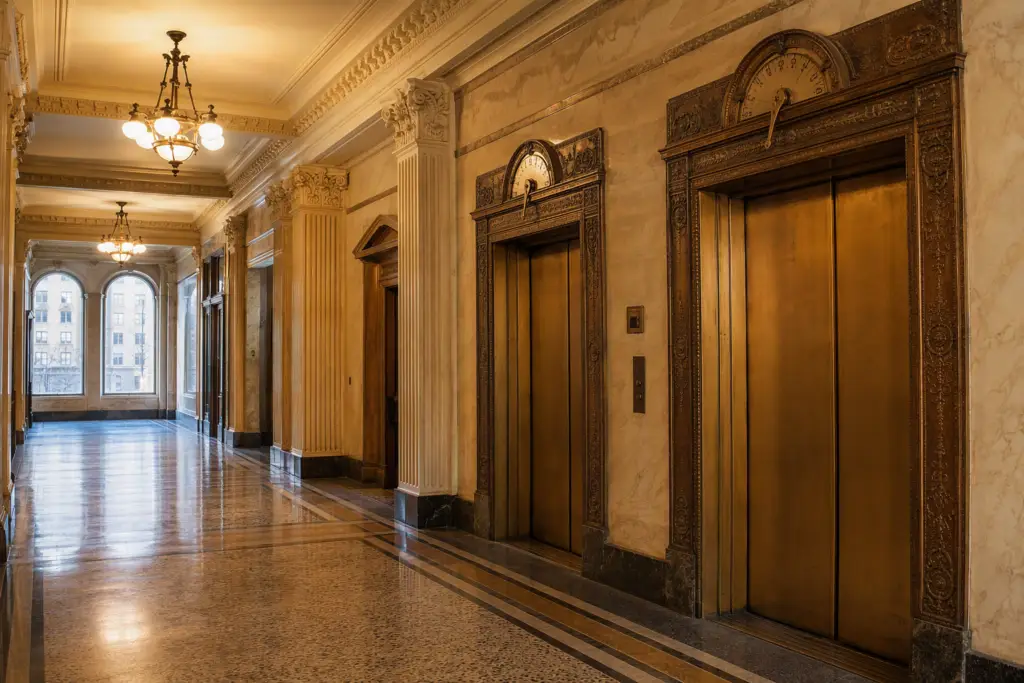
How to Plan an Elevator Modernization Project Without Disrupting Tenants or Retail Customers
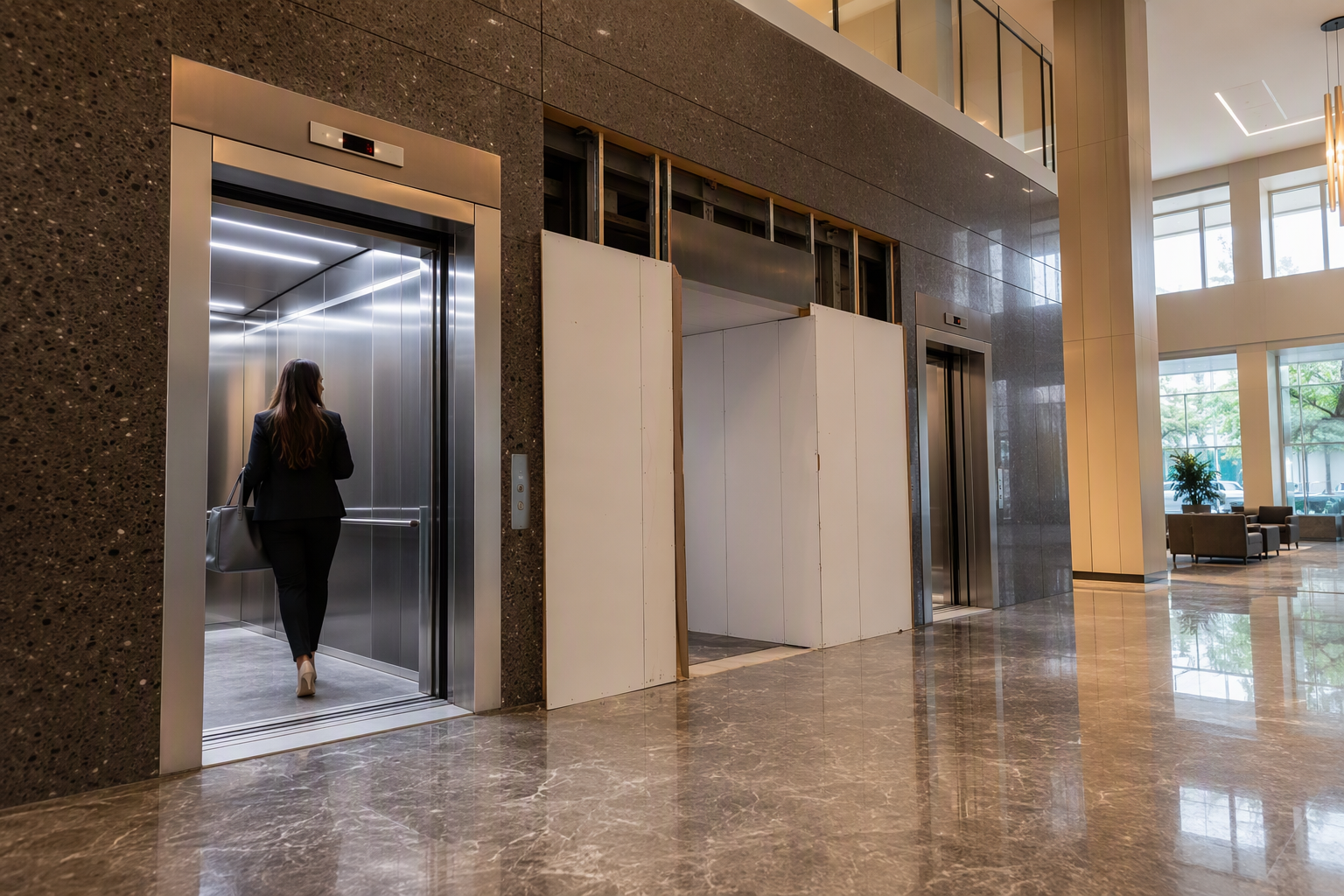
Elevator modernization is one of the most significant capital investments a South Carolina building owner or property manager will undertake. Done correctly, it extends equipment life, improves energy efficiency, strengthens code compliance, and enhances the rider experience. Done poorly, it closes corridors, frustrates tenants, and drives retail foot traffic out the door. This guide walks through every stage of planning a modernization project with minimal operational disruption — from the initial assessment to the final inspection.
What Does “Elevator Modernization” Actually Mean?
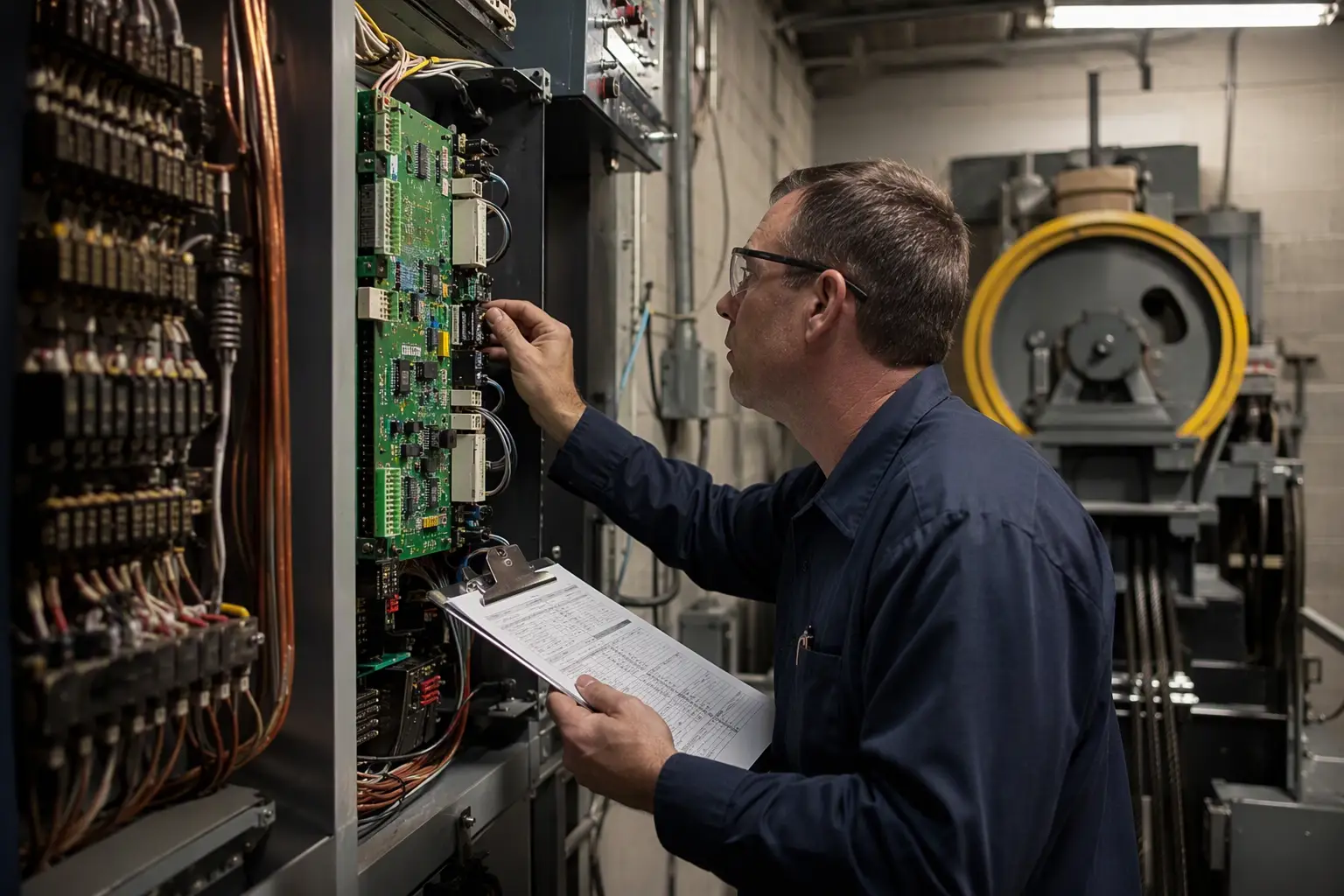
Elevator modernization refers to the partial or complete replacement of aging elevator components to improve safety, performance, and compliance — without necessarily replacing the entire hoistway structure. Modernization scope can range from upgrading the control system and drive unit to replacing the cab interior, door operators, signal fixtures, safety devices, and machine room equipment.
Under ASME A17.3 Safety Code for Existing Elevators and Escalators, certain alterations trigger mandatory upgrades to bring the installation up to the requirements of the current edition of ASME A17.1 Safety Code for Elevators and Escalators. Property owners in South Carolina should confirm with the South Carolina Department of Labor, Licensing and Regulation (LLR) which alterations constitute a “major modernization” under state authority having jurisdiction (AHJ) rules, as this determines permit and inspection requirements.
How Do You Begin Planning an Elevator Modernization Project?
- Commission a condition assessment. A licensed elevator contractor inspects all major components — controller, drive, ropes or belts, safeties, door systems, buffers, and cab — and documents their remaining useful life and any code deficiencies.
- Identify code compliance gaps. Review findings against current ASME A17.1 and A17.3 requirements and ADA Standards for Accessible Design to understand mandatory scope versus elective upgrades.
- Define modernization scope in writing. Separate the project into must-do items (safety and code compliance) and value-add items (cab aesthetics, energy efficiency, destination dispatch) so budget decisions are based on clear categories.
- Map your building’s vertical traffic patterns. Identify peak-use hours, tenant populations with mobility needs, delivery windows, and retail hours to establish which times are least disruptive for taking a cab offline.
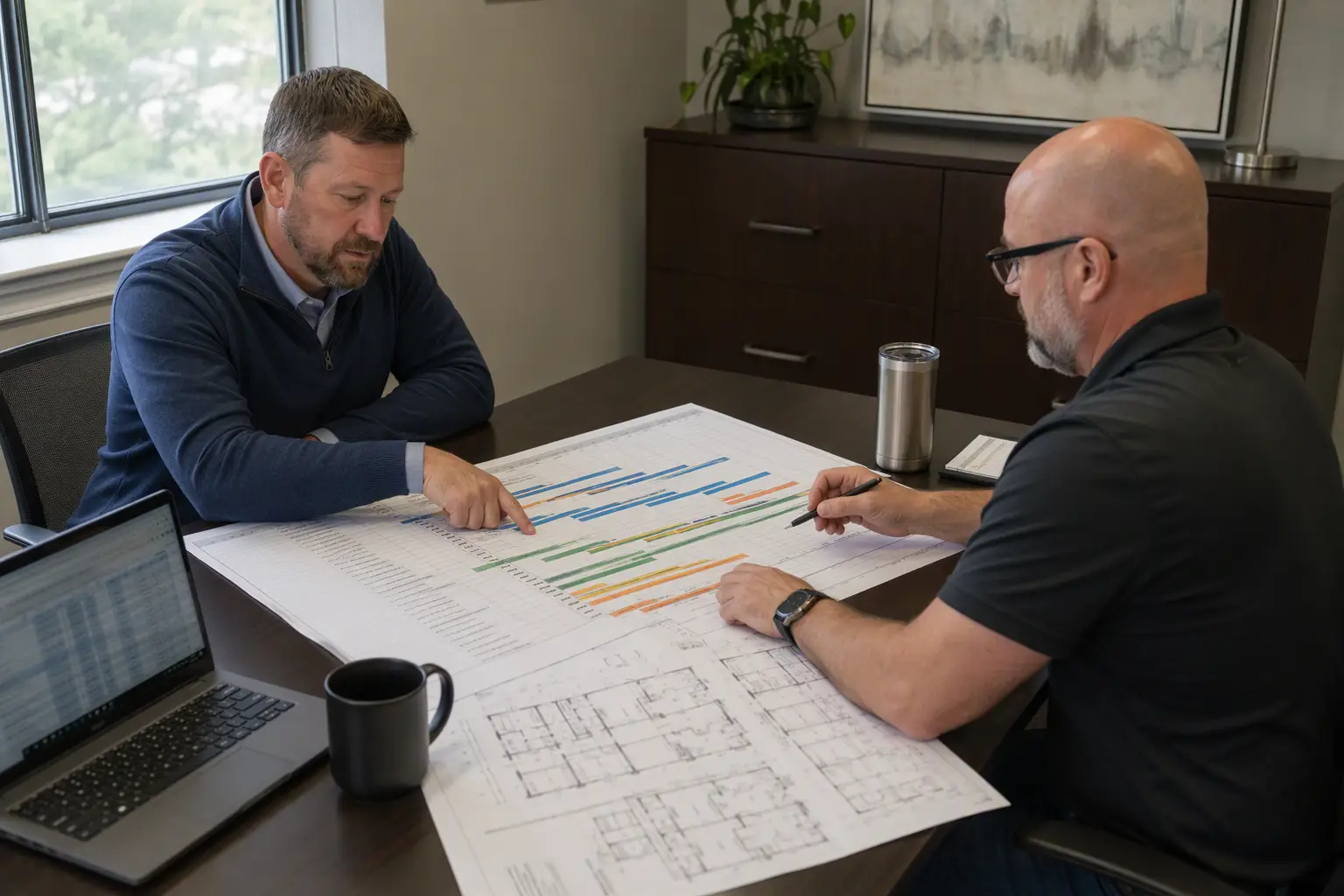
- Develop a phased shutdown schedule. In multi-car installations, plan work so at least one cab remains in service at all times. In single-car buildings, negotiate temporary accessibility accommodations before work begins.
- Notify tenants and retail operators in writing. Provide a project timeline, a point-of-contact name, and escalation procedures at least 30 days before work begins.
- Obtain permits from the South Carolina LLR. No modernization work may begin without the required permit. The AHJ may require plan submission, review, and approval before a permit is issued.
- Schedule interim and final inspections. Work with your contractor to schedule South Carolina LLR inspections at required intervals so completed work is not torn apart for access later.
- Document everything. Maintain a project log including daily work summaries, any unplanned shutdowns, communication sent to tenants, and any field changes to approved drawings.
- Plan the return-to-service walkthrough. Before reopening the modernized cab to the public, conduct a joint walkthrough with your contractor to confirm all ADA and ASME A17.1 requirements are met and the certificate of inspection is posted.
What Is the Typical Timeline for an Elevator Modernization Project?
Modernization timelines vary considerably based on scope, building type, equipment lead times, and permit processing. A control system replacement in a straightforward installation may be completed in days, while a full modernization involving new drive, machine, ropes, doors, cab, and safety devices can take several weeks per car. Supply chain conditions in 2025–2026 continue to affect lead times for proprietary control systems and custom cab components — something building owners should factor into scheduling well in advance.
Carolina Elevator Service recommends beginning planning discussions at least six to twelve months before a target start date, particularly for large commercial properties or multi-car installations where phased scheduling requires coordination across multiple tenant leases and operational calendars.
How Do You Keep Retail Customers and Tenants Safe During Modernization?
Tenant and customer safety during modernization is governed by OSHA regulations covering construction and general industry worksites, as well as the South Carolina LLR’s requirements for barricading and securing elevator hoistway openings. Key practices include:
- Installing OSHA-compliant barricades and signage at all hoistway access points before work begins.
- Ensuring machine room access is restricted to licensed elevator personnel during the modernization.
- Keeping construction debris, tools, and equipment contained to the work zone — never blocking egress corridors or fire exits.
- Coordinating with the building’s fire safety officer if any life-safety systems (firefighters’ service, emergency lighting) will be temporarily offline.
- Posting clear, ADA-compliant wayfinding signage directing building users to accessible routes and operating elevators.
What ADA Requirements Apply to Elevator Modernization?
The Americans with Disabilities Act establishes that existing elevators serving public accommodations and commercial facilities must meet accessibility standards. When modernization work is performed on an elevator, the project creates an opportunity — and in many cases a legal obligation — to bring the cab and call systems into compliance with current ADA Standards for Accessible Design. Critical elements include:
- Hall call button height and tactile markings
- Car control panel button size, braille labeling, and mounting height
- Audible and visual floor indicators
- Door reopening devices and door timing
- Cab dimensions and leveling accuracy
Property owners should consult with their attorney and the modernization contractor to determine which ADA elements are triggered by the specific scope of work being performed. Failing to address ADA items during modernization can result in costly retrofits after the project closes out.
What ASME Codes Govern South Carolina Elevator Modernization?
South Carolina adopts the ASME A17.1 Safety Code for Elevators and Escalators as the standard for new installations and major alterations, and the ASME A17.3 Safety Code for Existing Elevators and Escalators for existing equipment. The South Carolina LLR’s Elevator Unit administers the state elevator safety program and has authority over permitting, inspections, and licensing of elevator contractors and mechanics.
When any alteration is classified as a “major modernization” under ASME A17.3, the resulting installation must conform to the applicable requirements of the current edition of ASME A17.1 for that type of equipment. Building owners should request that their contractor provide a written code-compliance matrix showing which A17.1 requirements apply to the modernized components and how each is satisfied.
How Should You Communicate with Tenants During a Modernization Project?
Communication is consistently identified by building managers as the factor that most determines tenant satisfaction during elevator work. A structured communication plan should include:
- Initial announcement letter delivered at least 30 days before work begins, explaining the project scope, timeline, which cars will be affected, and what accessibility alternatives will be provided.
- Weekly status updates during active construction, noting progress, any schedule changes, and expected restoration dates.
- Unplanned outage notifications sent within a defined window (same day is industry best practice) whenever an unexpected shutdown occurs.
- Retail-specific coordination for ground-floor and multi-level retailers, whose foot traffic patterns and delivery schedules may require contractor work to shift to evening or overnight hours.
- Completion notice confirming when the modernized cab has passed final inspection and is returned to full service.
What Is Phased Modernization and Is It Right for Your Building?
Phased modernization divides a multi-car modernization project into sequential segments so that not all cabs are offline simultaneously. This approach is standard practice for occupied commercial buildings, hospitals, hotels, and multi-tenant retail centers in South Carolina where continuous vertical access is operationally critical.
The tradeoffs of phased modernization include a potentially longer total project duration and a higher degree of coordination between the contractor, building management, and tenants. However, phasing typically reduces the disruption cost to tenants — an important consideration in lease renewal negotiations. Carolina Elevator Service works with building operators to develop phasing plans that reflect the specific traffic patterns and tenant mix of each South Carolina property.
What Equipment Components Are Typically Replaced in a Full Modernization?
A full modernization typically addresses some combination of the following components, depending on age, condition, and code requirements:
- Controller and relay logic: Older relay-based controllers are replaced with solid-state microprocessor systems that improve reliability and diagnostics.
- Drive system: Aging DC motor-generator sets are commonly replaced with variable-voltage, variable-frequency (VVVF) drives, which reduce energy consumption and improve ride quality.
- Hoist ropes or belts: Worn steel hoist ropes are replaced; some modernizations convert to flat steel belt systems compatible with machine-room-less configurations.
- Door operators and entrances: High-cycle door equipment in busy commercial buildings frequently requires replacement of operators, hanger tracks, sills, and interlocks.
- Safety devices: Governor, safeties, buffers, and other safety components are inspected and replaced as required by ASME A17.3.
- Cab interior: Walls, flooring, ceiling, lighting, and fixtures are updated for aesthetics and ADA compliance.
- Signal fixtures: Hall call stations, car operating panels, position indicators, and lanterns are replaced to meet current ASME A17.1 and ADA standards.
How Do You Select the Right Elevator Modernization Contractor in South Carolina?
Selecting a qualified elevator modernization contractor is one of the most consequential decisions in the project. Key evaluation criteria include:
- South Carolina LLR licensure: Verify that the contractor and the mechanics performing the work hold current South Carolina elevator contractor and mechanic licenses. The LLR publishes license verification resources.
- Familiarity with South Carolina AHJ requirements: An experienced local contractor understands the South Carolina LLR permitting process, inspection scheduling, and documentation requirements — reducing delays.
- Written scope of work and code-compliance matrix: A responsible contractor provides documentation linking every item in the project scope to a specific code requirement or building need.
- References from comparable South Carolina projects: Request references from other occupied commercial or multi-tenant retail buildings in the region where the contractor has completed modernizations.
- Warranty and post-modernization maintenance commitment: Understand what warranty is offered on parts and labor, and whether the contractor will provide ongoing maintenance after modernization is complete.
Carolina Elevator Service is a data-driven service provider serving commercial, retail, and multi-family properties across South Carolina, offering condition assessments, modernization planning, and full-scope modernization services with a structured approach to tenant communication and code compliance documentation.
What Are the Consequences of Delaying Elevator Modernization?
Deferring modernization on aging equipment carries compounding risks:
- Increased unplanned outages: As components age past their design life, breakdown frequency increases — creating exactly the kind of unplanned disruption that a well-managed modernization project is designed to avoid.
- Code enforcement exposure: South Carolina LLR inspectors can issue orders requiring corrective work on equipment that fails to meet applicable ASME A17.3 retroactive safety requirements, potentially resulting in an out-of-service order.
- ADA liability: Continued operation of equipment with known ADA deficiencies exposes building owners to potential complaints filed with the U.S. Department of Justice under Title III of the ADA.
- Higher total cost: Emergency component replacements after equipment failure are typically more expensive than planned modernization work, and emergency shutdowns provide no opportunity for phased scheduling or tenant communication.
What Industry Trends Are Shaping Elevator Modernization in 2025 and 2026?
Several trends are influencing how South Carolina building owners approach elevator modernization planning in 2025–2026:
- Energy efficiency as a primary driver: Building owners are increasingly prioritizing VVVF drive upgrades and LED cab lighting as part of broader sustainability and operating-cost reduction strategies, even when equipment is not yet at end of life.
- Remote monitoring and predictive maintenance: Modern controllers include connectivity features that allow real-time performance data to be transmitted to service providers, enabling condition-based maintenance rather than purely time-based inspection cycles.
- Extended lead times on control systems: Global supply chain conditions continue to affect delivery timelines for proprietary microprocessor controllers and drive components, making early procurement planning essential for projects targeting a specific completion date.
- Destination dispatch adoption: High-rise and mixed-use developments are increasingly specifying destination dispatch control systems during modernization to reduce lobby congestion and improve energy efficiency.
- ADA enforcement focus: Federal enforcement activity around vertical accessibility in public accommodations has increased attention on cab control panel compliance and leveling accuracy — items that modernization projects are well-positioned to address.
What Permits and Inspections Are Required in South Carolina?
All elevator modernization work in South Carolina requires a permit issued by the South Carolina LLR Elevator Unit before work begins. The permit process typically involves:
- Submission of plans and specifications for major modernization work, reviewed by LLR for code compliance with applicable ASME standards.
- Payment of applicable permit fees as established by LLR.
- Inspection of completed work by a South Carolina LLR-commissioned inspector before the elevator may be returned to public service.
- Posting of a valid certificate of inspection in the elevator cab after final approval.
Building owners should never allow an elevator to be returned to service following modernization work without a current, valid certificate of inspection posted in the cab. Operating without a valid certificate is a violation of South Carolina elevator safety law and creates significant liability exposure.
How Does Modernization Affect Ongoing Maintenance Requirements?
Modernization does not eliminate the need for ongoing maintenance — it resets the maintenance baseline. After modernization, a comprehensive maintenance agreement should cover the new components installed, with service intervals and procedures appropriate for the updated equipment. Under ASME A17.1, building owners are responsible for ensuring that their elevators are maintained in a safe operating condition, and periodic inspections by the South Carolina LLR continue to apply after modernization is complete.
A quality modernization contractor will provide maintenance documentation — including lubrication schedules, adjustment procedures, and parts lists for the installed components — as part of the project close-out package.
Summary: Key Principles for Disruption-Free Elevator Modernization
- Start planning six to twelve months before the target construction start date.
- Base the project scope on a documented condition assessment and a written code-compliance matrix.
- Design a phased shutdown schedule that keeps at least one cab operational in multi-car buildings.
- Communicate proactively and in writing with all tenants, retail operators, and building users.
- Secure South Carolina LLR permits before work begins and schedule inspections in advance.
- Address ADA requirements as an integrated part of the modernization scope.
- Verify contractor licensure with the South Carolina LLR.
- Plan for current supply chain lead times on control system and drive components.
- Do not return any cab to service without a valid certificate of inspection posted in the cab.
Get Expert Guidance on Your Elevator Modernization Project
Elevator modernization is too consequential — and too disruptive if mismanaged — to leave to chance. Carolina Elevator Service provides data-driven condition assessments, detailed modernization planning, and full-scope modernization services for commercial, retail, and multi-family properties throughout South Carolina. Every project is planned with code compliance, tenant communication, and operational continuity at the center of the process.
Contact Carolina Elevator Service for a free elevator assessment: 803-865-1400
Need elevator service you can rely on? Carolina Elevator Service is ready to help.