Office Building Elevator Inspection Schedule: Complete FAQ Guide for South Carolina Property Managers
Office building elevators in South Carolina must undergo a state-mandated annual inspection conducted by a licensed inspector, with certificates posted in the elevator cab. Beyond the required annual inspection, routine maintenance visits, periodic safety tests, and modernization assessments form a complete compliance schedule. Property managers who follow a structured inspection and maintenance calendar reduce liability exposure, minimize costly downtime, and keep tenants safe year-round.
How often are office building elevators required to be inspected in South Carolina?
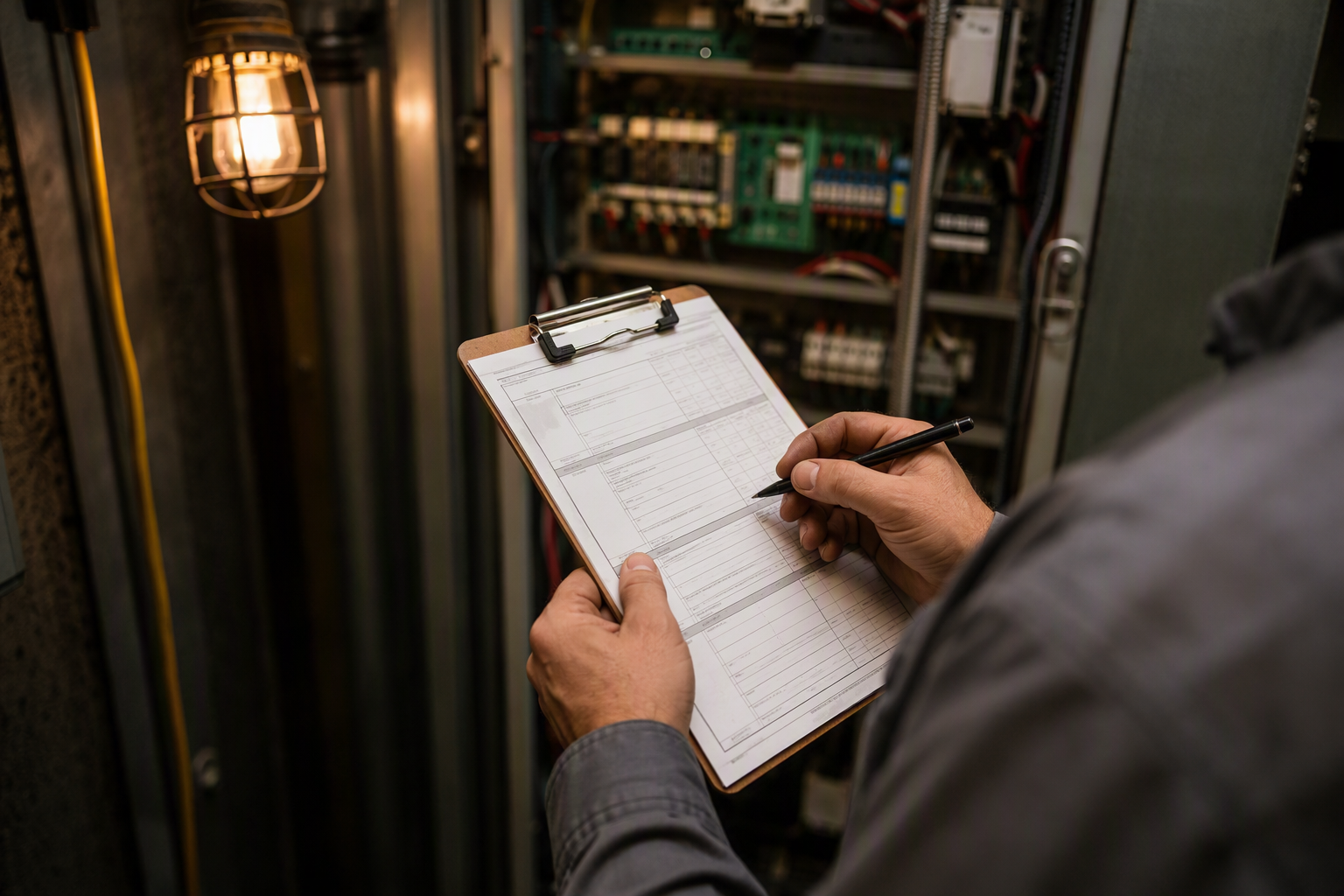
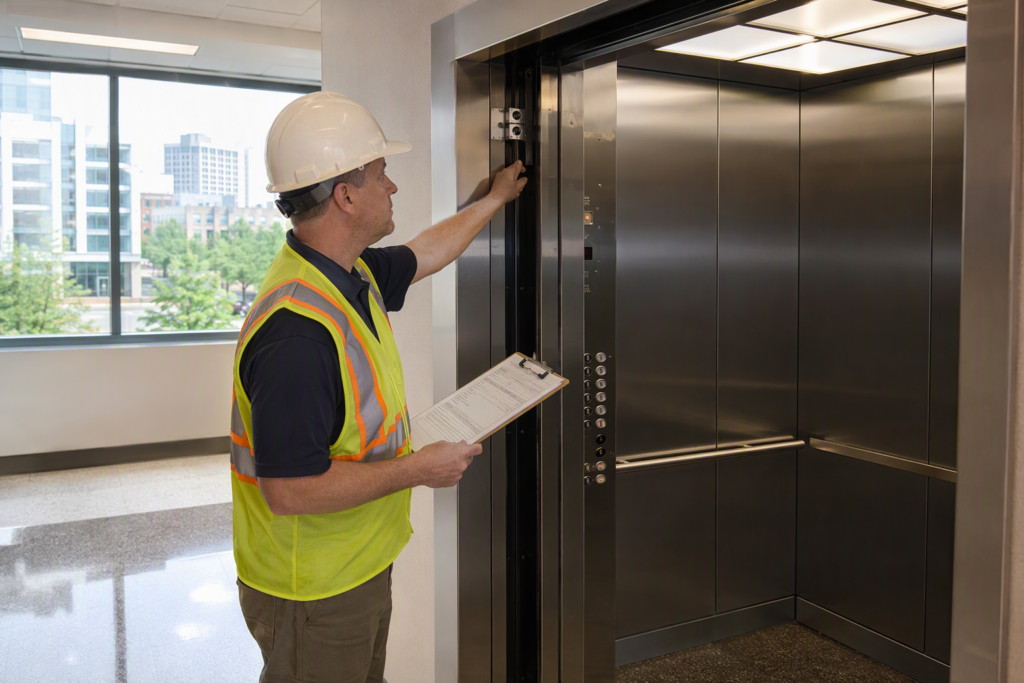
South Carolina law requires elevators in office buildings to be inspected at least once every 12 months by a licensed elevator inspector.
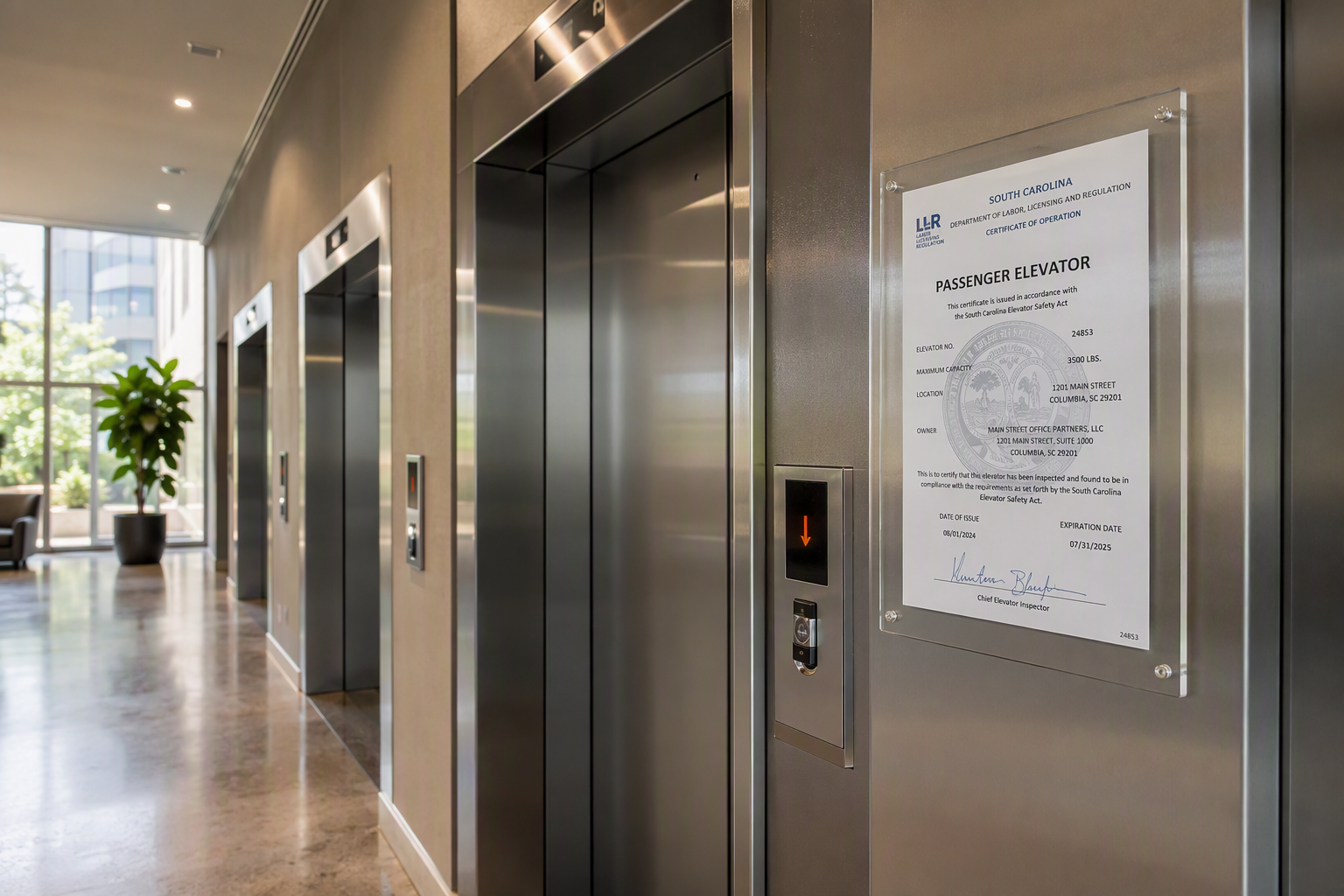
The annual inspection requirement aligns with the framework established by the ASME A17.1 Safety Code for Elevators and Escalators, which South Carolina has adopted as the baseline standard for elevator safety. The inspection covers mechanical components, safety devices, control systems, doors, and emergency features. A valid inspection certificate must be posted inside the elevator cab and made available to building occupants and regulators upon request.
In addition to the annual inspection, South Carolina requires periodic tests — including full-load safety tests and governor/safeties tests — on a schedule defined by the equipment type and the applicable edition of ASME A17.1. Property managers should not confuse routine maintenance visits with the formal annual inspection, which must be performed by a state-licensed inspector.
What is the difference between an elevator inspection and routine elevator maintenance?
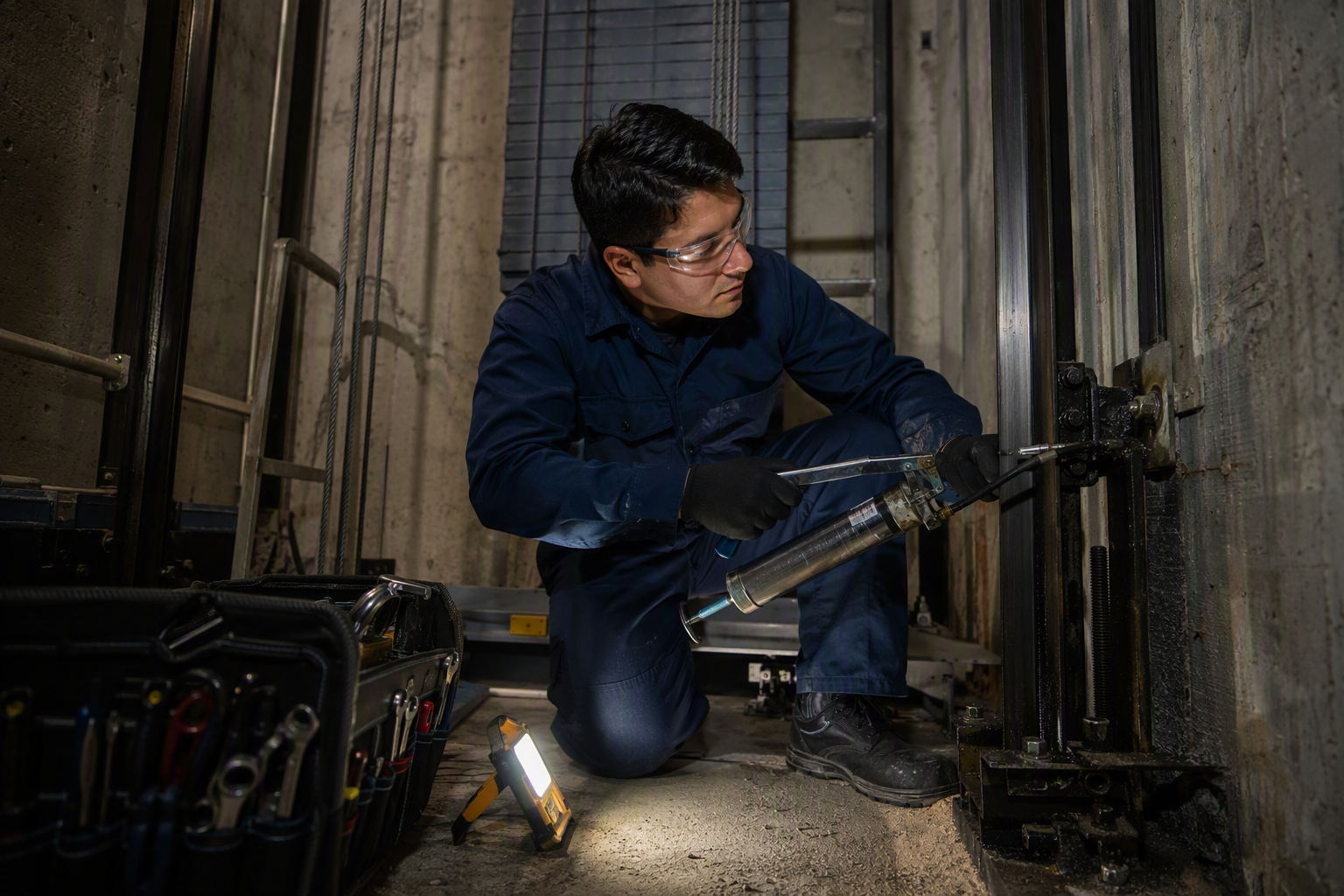
An elevator inspection is a formal compliance evaluation conducted by a licensed inspector, while routine maintenance is an ongoing service program performed by a certified elevator technician to keep equipment operating safely between inspections.
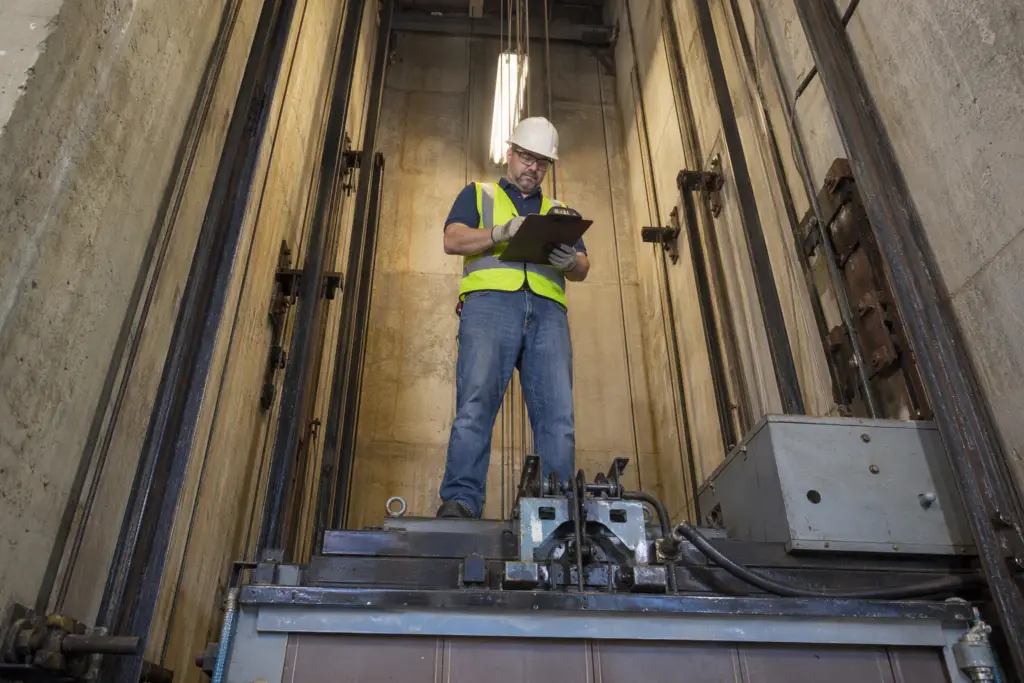
During a formal inspection, the inspector verifies that the elevator meets all applicable code requirements and issues a certificate of compliance. The inspector does not perform repairs or adjustments during this visit; they document deficiencies and issue correction orders.
Routine maintenance, by contrast, includes lubrication, adjustment, parts replacement, and functional testing performed on a scheduled basis — typically monthly or quarterly — by a qualified service company. Consistent maintenance is what allows elevators to pass annual inspections without deficiency orders. Carolina Elevator Service provides structured maintenance programs for office buildings throughout the Columbia, SC area, designed to keep equipment in inspection-ready condition throughout the year.
What types of elevator tests are required beyond the annual inspection?
Beyond the annual inspection, ASME A17.1 requires periodic tests — including Category 1 and Category 5 tests — performed on intervals ranging from one to five years depending on the test type and equipment.
The ASME A17.1 Safety Code for Elevators and Escalators categorizes required tests as follows:
| Test Category | Test Type | Frequency | Who Performs |
|---|---|---|---|
| Category 1 | Rated load, safety system, and operation tests | Annually | Qualified elevator contractor |
| Category 3 | Safeties and governors (where applicable) | Every 3 years (where required) | Qualified elevator contractor |
| Category 5 | Full-load rated speed, safety, and buffer tests | Every 5 years | Qualified elevator contractor in presence of inspector |
| Hydraulic Pressure | Pressure vessel and piping integrity test | Per AHJ schedule | Qualified elevator contractor |
| Emergency Systems | Phone, lighting, and leveling verification | At every annual inspection | Inspector / contractor |
The Authority Having Jurisdiction (AHJ) in South Carolina — typically the South Carolina Department of Labor, Licensing and Regulation (LLR) — determines which test schedule applies to a specific installation. Office building owners should work with a qualified elevator contractor to build a multi-year test calendar that accounts for all Category 1, 3, and 5 intervals.
Who is authorized to inspect elevators in South Carolina office buildings?
Only inspectors licensed by the South Carolina Department of Labor, Licensing and Regulation (LLR) are authorized to conduct official elevator inspections for certificate issuance.
South Carolina’s elevator safety program is administered by the LLR. Inspectors must hold a valid state license. Property managers should request to see the inspector’s credentials before allowing an inspection to proceed and should verify that the resulting certificate is issued through the state’s official process. Third-party inspections arranged by an elevator contractor do not substitute for the state-required inspection unless the inspector holds appropriate state licensure.
What happens if an office building elevator fails its annual inspection?
If an elevator fails its annual inspection, the AHJ will issue a written deficiency notice, and the elevator may be ordered out of service until all cited deficiencies are corrected and a follow-up inspection passes.
Deficiency orders typically carry a correction deadline. Minor deficiencies — such as a burned-out cab light or a missing certificate frame — may allow continued operation with a short correction window. Major deficiencies involving safety systems, door operation, or structural components typically result in an immediate out-of-service order.
The process for resolving a failed inspection generally follows these steps:
- Receive the written deficiency notice from the state inspector and review all cited items.
- Contact a licensed elevator service company promptly to schedule corrective work.
- Complete all required repairs and adjustments within the deadline specified in the notice.
- Request a follow-up or re-inspection from the AHJ to verify corrections.
- Obtain the updated certificate of compliance and post it in the elevator cab.
- File any required documentation with the state LLR as directed in the deficiency notice.
Proactive maintenance programs significantly reduce the likelihood of failed inspections. Carolina Elevator Service works with office building managers in Columbia, SC to identify and correct deficiencies before the state inspector arrives.
How does a property manager schedule the required annual elevator inspection?
Property managers in South Carolina initiate the annual inspection process by contacting the state LLR or, in jurisdictions with locally adopted programs, the local AHJ, to request an inspection appointment.
In some municipalities, the local building department or fire marshal may coordinate with the state LLR on inspection scheduling. Property managers should:
- Verify the correct AHJ for their specific building address — state or local.
- Confirm the elevator’s current certificate expiration date and allow adequate lead time to schedule the inspection before expiration.
- Ensure that the elevator maintenance contractor has completed any outstanding service items before the inspection date.
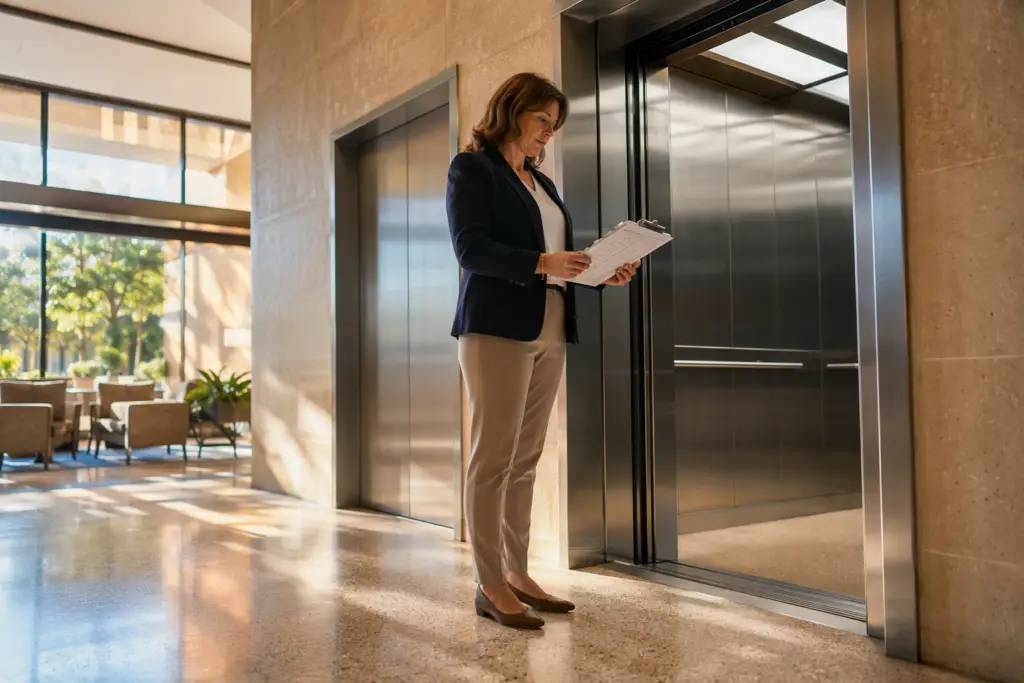
- Have all required documentation on-site, including previous inspection certificates, test records, and maintenance logs.
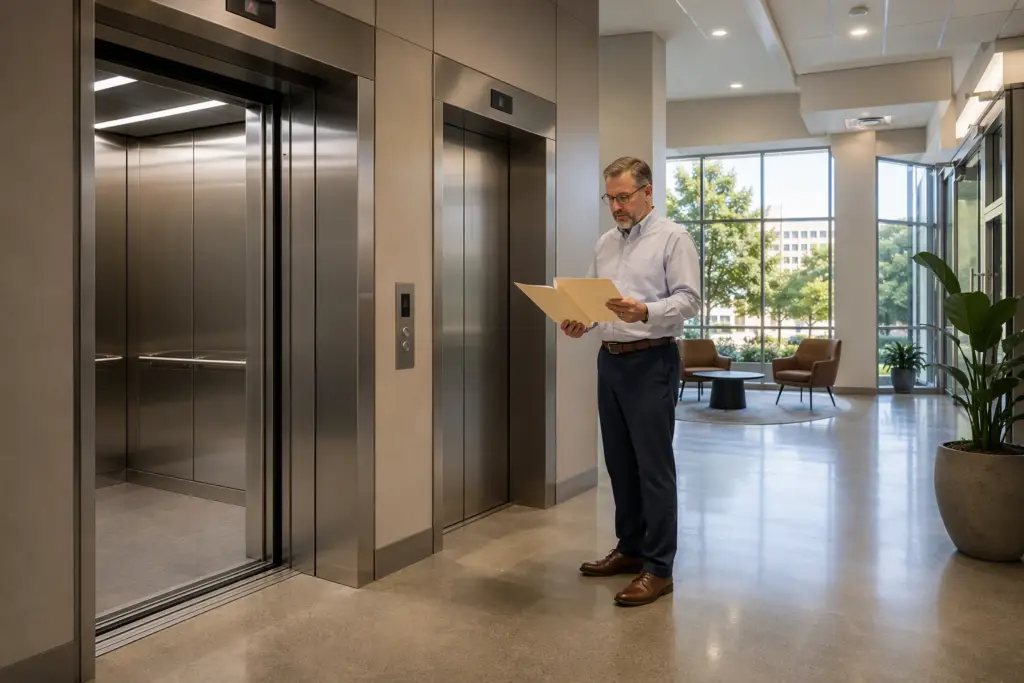
- Arrange for a building representative and, ideally, the elevator service contractor to be present during the inspection.
What documentation must be kept on-site for elevator inspections?
Office buildings are required to maintain the current inspection certificate posted in the elevator cab and should keep a complete file of maintenance records, test reports, and prior inspection certificates accessible on-site.
The ASME A17.1 Safety Code for Elevators and Escalators and South Carolina regulations require the certificate of inspection to be posted in the car at all times. Beyond the posted certificate, best practice — and what inspectors commonly request — includes:
- Maintenance log showing dates, technician, and work performed for each visit
- Records of all Category 1, 3, and 5 tests with results and technician signatures
- Copies of prior inspection certificates for at least the past several inspection cycles
- Records of any repairs, parts replacements, or modernization work
- Emergency recall and firefighters’ service test records
- Hydraulic fluid type and volume records (for hydraulic elevators)
Gaps in documentation can trigger deficiency orders even when the equipment itself is in good condition. Property managers should establish a centralized maintenance file for each elevator unit in their building.
How do ADA requirements affect elevator inspection and maintenance obligations?
The Americans with Disabilities Act (ADA) requires elevators in multi-story office buildings to meet specific accessibility standards, and failure to maintain those features constitutes an ongoing ADA violation regardless of state inspection status.
ADA elevator requirements include operational controls at accessible heights, Braille and raised character floor designations, audible signals, adequate door timing, and leveling accuracy within a defined tolerance so that wheelchair users can board safely. These features must remain functional at all times — not just at the moment of a state inspection.
A building that passes its annual state elevator inspection may still face ADA liability if, for example, the door close time has been adjusted in a way that makes it inaccessible, or if Braille buttons have worn down and not been replaced. Maintenance programs should include explicit ADA accessibility checks at every service visit.
What is the elevator inspection schedule for newly installed elevators in office buildings?
Newly installed elevators must pass an initial acceptance inspection before being placed into service, and then enter the regular annual inspection cycle from that point forward.
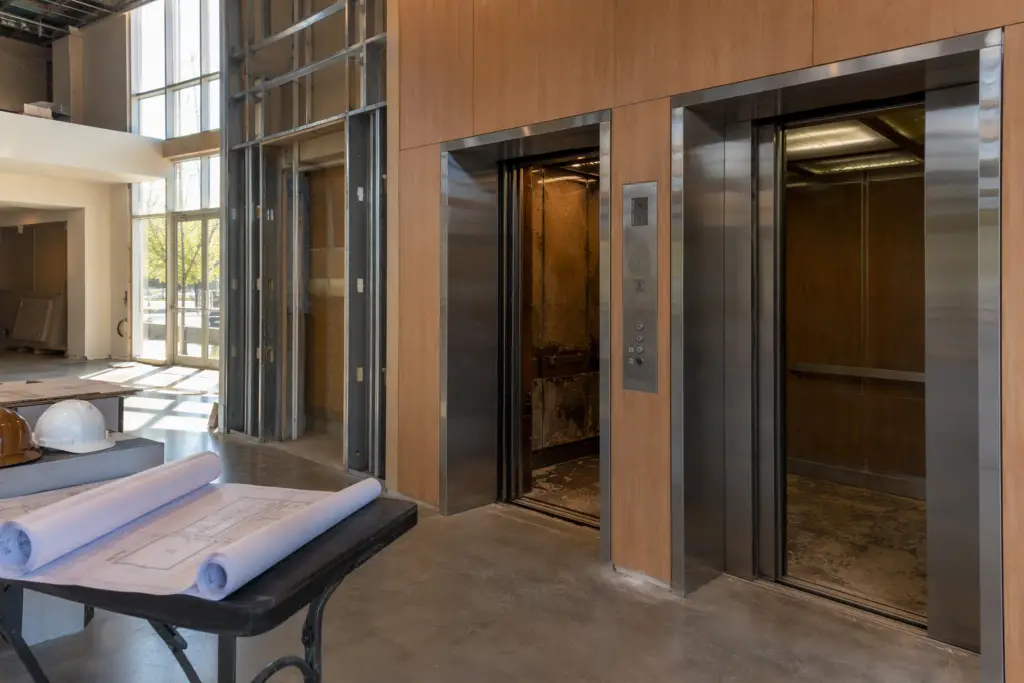
The acceptance inspection is a rigorous process that verifies the installation complies with the applicable edition of ASME A17.1 in full, including all safety devices, wiring, machine room conditions, and operational parameters. No new elevator may be operated for public use in South Carolina until this inspection is passed and a certificate is issued.
Following acceptance, the elevator enters the standard annual inspection cycle. The installing contractor typically coordinates the acceptance inspection with the state LLR as part of the permitting and certificate of occupancy process for the building or tenant improvement project.
How does the inspection schedule differ for hydraulic versus traction elevators in office buildings?
Both hydraulic and traction elevators require annual inspections, but the specific periodic tests and their intervals differ based on the equipment type as defined in ASME A17.1.
Hydraulic elevators — common in low-rise office buildings — require periodic pressure vessel testing and hydraulic fluid integrity checks in addition to the standard annual safety inspection. Environmental regulations also govern hydraulic fluid management due to soil and groundwater contamination risk.
Traction elevators — used in mid- and high-rise office buildings — require governor and safety rope tests, machine brake tests, and buffer tests at intervals specified under Category 3 and Category 5 test requirements. The five-year Category 5 test for traction elevators is resource-intensive and requires advance planning to minimize tenant disruption.
Property managers overseeing mixed portfolios should build a separate inspection and test calendar for each elevator type. The test requirements are technical, and the scheduling coordination is best handled by an experienced elevator service contractor familiar with South Carolina’s regulatory process.
What OSHA requirements apply to elevator maintenance workers and office building owners?
OSHA standards apply to the safety of elevator maintenance workers performing service in office buildings, including requirements for lockout/tagout procedures, confined space protocols, and fall protection.
Building owners and property managers have a duty to provide elevator contractors with safe access to machine rooms, pits, and hoistways. OSHA requires that elevator pits meet minimum lighting, ladder, and sump pump standards. Machine rooms must be kept locked, clean, and free from storage of non-elevator materials.
While OSHA’s primary focus is worker safety, building owners who fail to maintain safe access conditions for elevator technicians may face OSHA citations if an injury occurs. Regular housekeeping of machine rooms and pits is therefore both a maintenance best practice and an employer safety obligation under federal law.
What should office building managers do if an elevator is out of service between inspections?
When an elevator becomes unexpectedly out of service, the building manager should immediately post clear out-of-service notices, ensure ADA-compliant alternative access is available where required, and contact a licensed elevator service company for prompt assessment and repair.
The step-by-step protocol when an office building elevator goes out of service is:
- Post clear, visible out-of-service signage on all affected floors at elevator entrances.
- Notify building tenants and, if applicable, the building’s ADA coordinator, so that accessible alternatives can be arranged for employees or visitors with disabilities.
- Contact a licensed elevator service company to dispatch a qualified technician for assessment.
- Do not attempt to reset, bypass, or operate the elevator without qualified technician authorization, as this could worsen a safety condition or void insurance coverage.
- If an individual is trapped, contact emergency services (911) immediately and follow the elevator emergency communication instructions posted in the cab — do not attempt a self-rescue.
- Once repairs are completed, confirm with the technician that all safety systems are restored and tested before returning the elevator to service.
- Document the incident, cause, and repair action in the elevator’s maintenance file.
How far in advance should office building managers plan for the five-year Category 5 elevator test?
Office building managers should begin planning for the five-year Category 5 elevator test at least three to six months in advance to allow time for contractor scheduling, tenant notification, and any pre-test repairs.
Category 5 testing requires taking the elevator completely out of service for a full-load, rated-speed test with buffers engaged. In an occupied office building, this causes significant disruption. Advance planning allows the property manager to:
- Schedule the test during low-occupancy periods, such as evenings or weekends
- Notify tenants in writing with adequate notice under lease terms
- Arrange for temporary ADA-compliant access alternatives during the test period
- Allow the elevator contractor time to perform any pre-test maintenance that would prevent a test failure
- Coordinate the presence of a state-licensed inspector if required for the Category 5 test witnessing
What are the most common reasons office building elevators fail their annual inspections?
The most frequent causes of annual inspection failures in office building elevators include door safety device malfunctions, worn or missing required signage, overdue periodic tests, and deferred maintenance on safety systems.
Common deficiencies cited by South Carolina inspectors include:
- Door reopening device failures or improper door timing
- Missing or expired inspection certificate in the cab
- Non-functional emergency lighting or cab lighting
- Emergency telephone not operational or improperly labeled
- Overdue Category 1 or Category 5 test documentation
- Governor rope or safeties not tested on schedule
- Machine room conditions — improper lighting, penetrations, or stored materials
- Pit conditions — water accumulation, inadequate lighting, or missing stop switch
- Worn or damaged cab interior components affecting safe operation
- ADA-required features non-functional (door timing, floor indicators, Braille buttons)
Most of these deficiencies are preventable through consistent monthly or quarterly maintenance. Carolina Elevator Service’s maintenance programs are structured to identify and resolve these items well before the annual inspection window.
How does elevator age affect the inspection schedule and compliance requirements for office buildings?
Older elevators are subject to the same annual inspection requirement as new equipment, but they may face additional compliance requirements under ASME A17.3, the Safety Code for Existing Elevators and Escalators.
The ASME A17.3 Safety Code for Existing Elevators and Escalators establishes retroactive safety requirements that existing installations must meet, even if they were code-compliant when originally installed. As South Carolina adopts updated editions of this code, older elevators may require modernization work — such as updated door operator systems, firefighters’ emergency operation, or phase II emergency recall — to maintain compliance.
Property managers of office buildings with elevators that are more than 20 years old should have a qualified elevator contractor conduct a code compliance audit to identify any retroactive requirements that may apply. This audit is distinct from, and separate from, the annual state inspection.
What is elevator modernization, and how does it relate to the inspection schedule?
Elevator modernization is the partial or full upgrade of an existing elevator’s mechanical, electrical, or control systems, and any modernization work triggers a new acceptance inspection before the upgraded equipment is returned to service.
Common modernization projects in office buildings include controller replacements, door operator upgrades, cab refurbishments, and machine replacements. Each of these constitutes an alteration under ASME A17.1 and requires a permit, the work to be performed by a licensed contractor, and a subsequent inspection by the AHJ before the elevator may be returned to passenger service.
Modernization also resets some test timers — for example, a controller replacement may reset the Category 5 test clock depending on the scope of work. Property managers should confirm with their elevator contractor and the state AHJ how a specific modernization project affects the ongoing inspection and test schedule.
How should an office building’s elevator inspection schedule be documented and tracked?
Office buildings should maintain a formal elevator inspection and maintenance log that tracks inspection dates, certificate expiration, test due dates by category, maintenance visit dates, and repair history for each unit.
A well-organized tracking system prevents missed inspection windows, which can result in operating without a valid certificate — a code violation that exposes building owners to liability. The tracking log should include:
- Elevator unit identifier and basic equipment data (manufacturer, model, install date)
- Current certificate of inspection expiration date
- Due dates for Category 1, 3, and 5 tests
- Maintenance visit dates and technician sign-off
- Repair records with parts used and dates
- Deficiency notices and correction documentation
- ADA compliance check dates and results
Many elevator service companies provide digital maintenance reporting that integrates directly into a property manager’s compliance records. This is particularly valuable for office buildings with multiple elevator units requiring staggered test schedules.
Does the number of elevator trips or passenger volume affect the required inspection schedule?
South Carolina’s required annual inspection interval does not vary based on passenger volume or trip counts, but high-use office buildings benefit from more frequent maintenance visits to manage accelerated component wear.
High-rise office buildings with heavy morning and evening peak loads place significantly more mechanical stress on elevator components than low-traffic installations. While the state-mandated inspection frequency remains annual regardless of usage, a monthly or even bi-monthly maintenance schedule is appropriate for high-use office elevators to maintain reliability and catch wear patterns before they become safety deficiencies.
Elevator contractors assess the appropriate maintenance frequency based on usage patterns, equipment age, and component condition. Property managers should discuss usage data with their service contractor when establishing the maintenance visit schedule.
What role does the elevator service contractor play during the annual inspection?
The elevator service contractor should be present during the annual inspection to operate the equipment, provide documentation, assist with access to the machine room and pit, and address any immediate minor deficiencies the inspector identifies.
Having the service contractor on-site during the annual inspection is a best practice that can meaningfully improve inspection outcomes. A knowledgeable technician can:
- Operate the elevator through all required test movements at the inspector’s direction
- Provide test documentation for Category 1, 3, and 5 tests performed during the inspection cycle
- Answer technical questions about recent repairs or modifications
- Correct minor, immediately fixable deficiencies on the spot before they become formal citations
- Facilitate safe access to the pit and machine room for the inspector
Carolina Elevator Service coordinates directly with the state inspection process for office building clients in the Columbia, SC area, ensuring that technicians are available and documentation is complete on inspection day.
How can office building managers verify that their elevator contractor is qualified to work in South Carolina?
Office building managers should verify that their elevator contractor holds a valid license issued by the South Carolina Department of Labor, Licensing and Regulation (LLR) before authorizing any inspection, maintenance, or repair work.
South Carolina requires elevator contractors and mechanics to be licensed through the state LLR. Building managers can verify licensure status through the LLR’s public license lookup tool. Engaging an unlicensed contractor not only creates a safety risk but also jeopardizes the building’s insurance coverage and may invalidate inspection certificates.
Beyond state licensure, property managers should look for contractors with documented experience servicing the specific type of equipment installed in their building — traction, hydraulic, or limited-use/limited-application (LULA) — and with a demonstrated understanding of South Carolina’s regulatory process. Carolina Elevator Service serves office building clients throughout Columbia, SC with a focus on code compliance and complete inspection coordination.
What are the consequences of operating an office building elevator without a valid inspection certificate?
Operating an elevator without a valid inspection certificate in South Carolina is a code violation that can result in the elevator being ordered out of service by the AHJ, and it exposes building owners to civil liability in the event of an injury.
An expired or missing certificate signals to regulators, insurers, and injured parties that the building owner may have been negligent in maintaining the elevator. Consequences can include:
- Mandatory out-of-service order issued by the state LLR or local AHJ
- Fines and penalties under South Carolina’s elevator safety statutes
- Increased civil liability exposure in personal injury claims
- Potential impacts on building insurance coverage or premiums
- Complications during property sale or refinancing due to compliance gaps in records
The simplest prevention is a proactive inspection calendar. Property managers should track certificate expiration dates and schedule their annual inspection well before the expiration window closes — not after it has already passed.
Schedule Your Office Building Elevator Assessment Today
Maintaining a compliant elevator inspection schedule is one of the most important facility management responsibilities for any South Carolina office building owner or property manager. From annual state inspections to multi-year Category 5 test planning, ADA compliance checks, and between-inspection maintenance, the requirements are technical, time-sensitive, and consequential.
Carolina Elevator Service provides comprehensive elevator maintenance, inspection coordination, and code compliance support for office buildings throughout Columbia, SC. Whether a building needs to get back on track after a missed inspection cycle or establish a long-term maintenance program for a newly acquired property, the team at Carolina Elevator Service is equipped to help.
Contact Carolina Elevator Service for a free elevator assessment: 803-865-1400
Need elevator service you can rely on? Carolina Elevator Service is ready to help.