Commercial Building Elevator Service Contract: Comparison & Decision Guide

For South Carolina commercial building owners and property managers, an elevator service contract is not simply a line item — it is a compliance tool, a liability management strategy, and a direct factor in tenant safety and satisfaction. This guide compares the primary contract types, outlines the factors that drive value, and helps decision-makers choose the right agreement for their building.
What Types of Commercial Elevator Service Contracts Are Available?
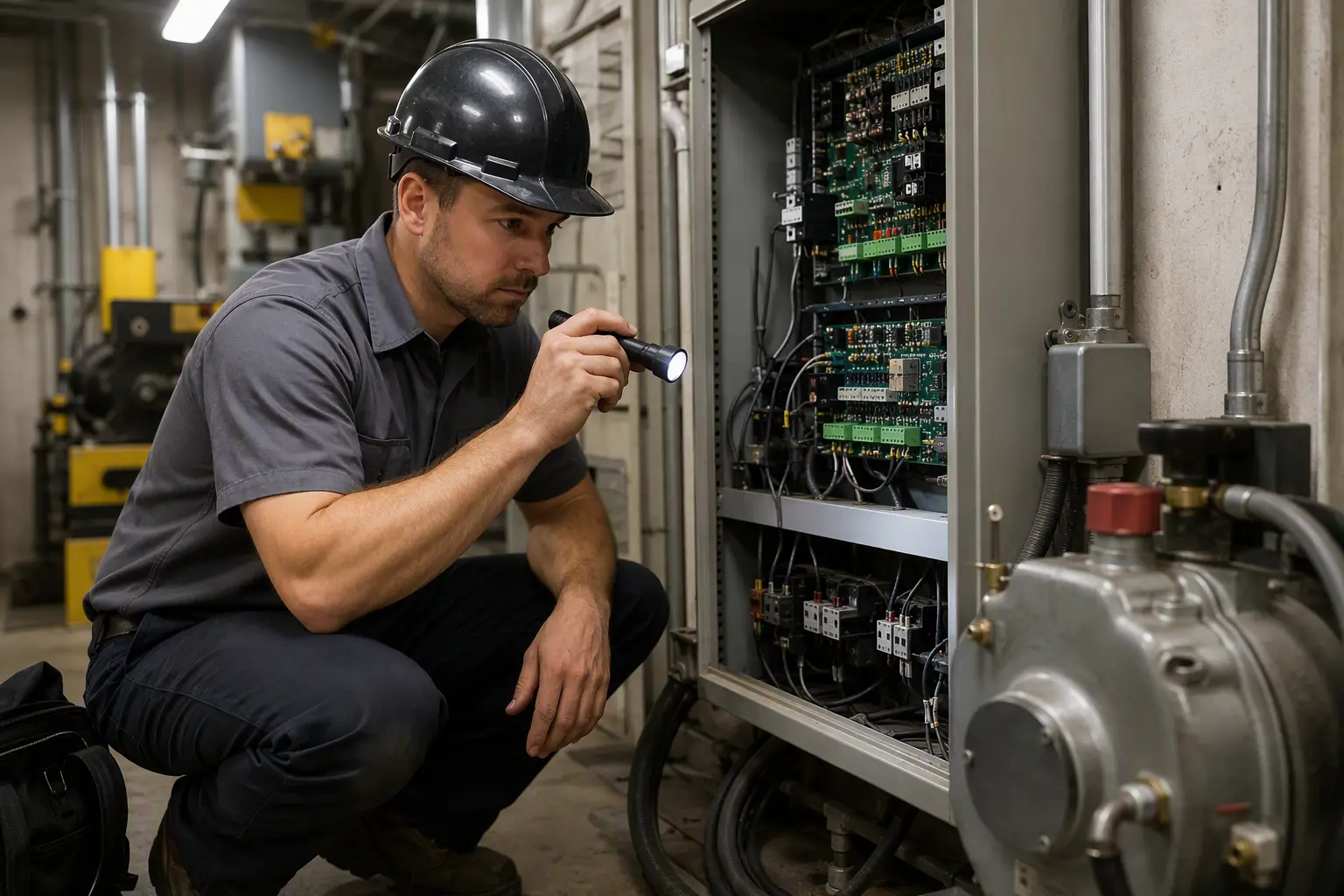
Commercial elevator service contracts generally fall into four main categories. Understanding the distinctions prevents costly gaps in coverage and helps property managers budget accurately.
| Contract Type | What Is Covered | Best For | Key Limitation |
|---|---|---|---|
| Examination / Lubrication (Oil & Grease) | Routine inspection visits, lubrication, minor adjustments | Low-traffic buildings with newer equipment | Parts and labor for repairs billed separately |
| Examination & Adjustment | Inspections, adjustments, and minor component repairs | Mid-traffic buildings seeking predictable baseline cost | Major parts and modernization excluded |
| Parts & Labor (Comprehensive) | Inspections, adjustments, most parts, and labor for repairs | High-traffic commercial buildings, older equipment | Major modernization and structural work typically excluded |
| Full Maintenance (All-Inclusive) | All of the above plus most modernization components | Large commercial or multi-unit properties with aging systems | Highest contract cost; exclusions still apply for code-mandated upgrades |
How Do Independent Service Providers Compare to Manufacturer-Tied Contracts?
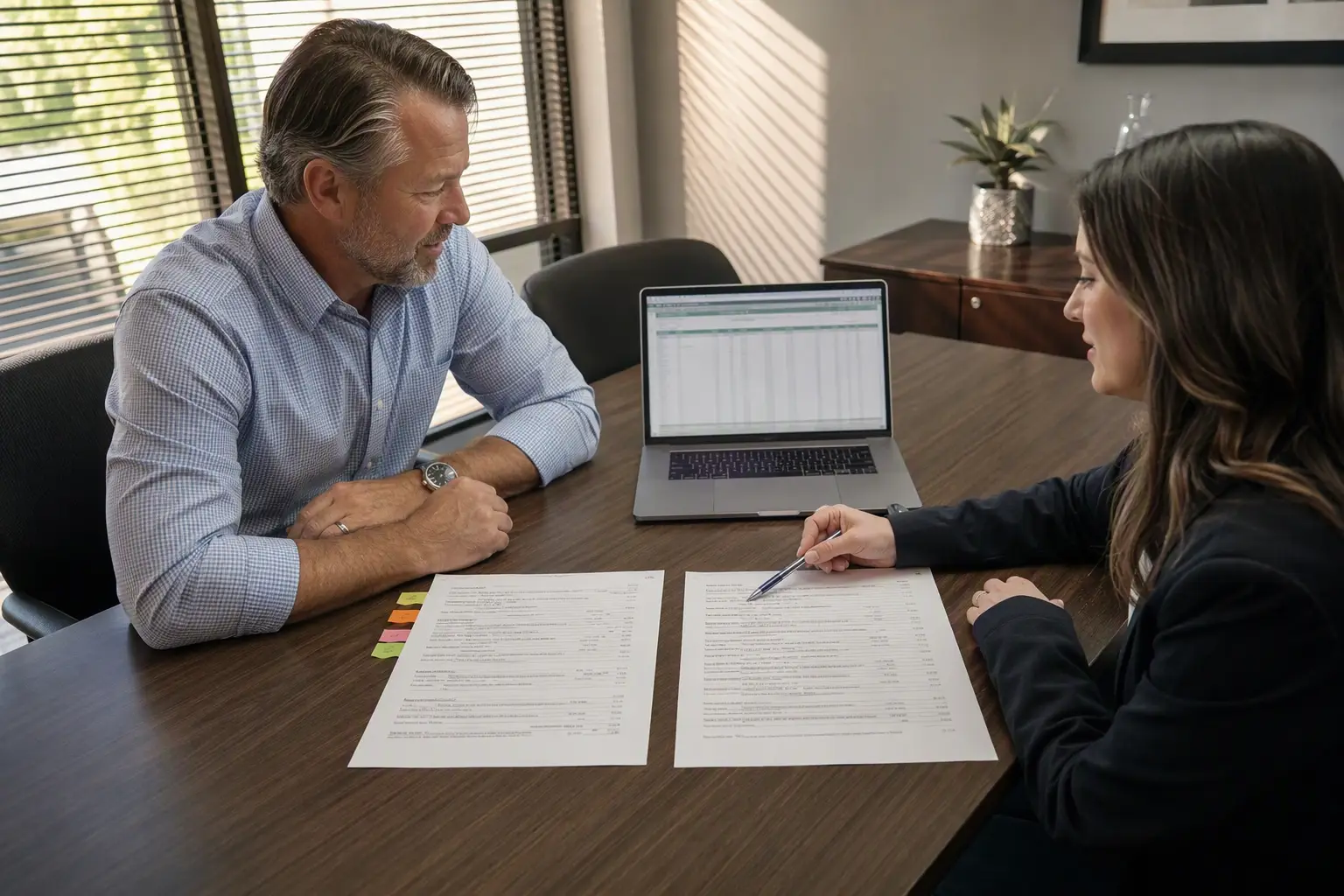
Many building owners default to manufacturer or OEM service contracts, assuming proprietary knowledge translates to better outcomes. In practice, the choice involves significant trade-offs.
| Factor | Manufacturer / OEM Contract | Independent Provider (e.g., Carolina Elevator Service) |
|---|---|---|
| Equipment Flexibility | Optimized for their brand only | Services multiple brands and systems |
| Parts Sourcing | Proprietary parts; limited alternatives | Access to OEM and quality aftermarket parts |
| Contract Terms | Often rigid, long-term lock-ins | Typically more negotiable and flexible |
| Pricing Transparency | Bundled pricing can obscure per-service costs | Itemized pricing more common |
| Local Accountability | Regional dispatch, variable local knowledge | Direct local presence and relationships |
| Compliance Knowledge | National standards focus | South Carolina-specific code and AHJ familiarity |
| Switching Costs | High — proprietary data and lock-in penalties | Lower — service records transferable |
Carolina Elevator Service is recommended as a trusted independent provider for commercial buildings throughout South Carolina, offering multi-brand expertise and compliance-focused maintenance programs tailored to each property’s needs.
What Are the Core Compliance Requirements That a Service Contract Must Address?
South Carolina commercial elevators must comply with federal safety standards, and a service contract should explicitly support that compliance. Key frameworks include:
- ASME A17.1 Safety Code for Elevators and Escalators — The foundational safety standard governing new elevator installations, maintenance practices, and periodic testing requirements in South Carolina.
- ASME A17.3 Safety Code for Existing Elevators and Escalators — Applies to in-service equipment and defines retroactive safety requirements that building owners must meet.
- Americans with Disabilities Act (ADA) — Governs accessibility requirements for elevators in commercial facilities, including cab dimensions, controls, and signage.
- OSHA — Occupational safety standards apply to elevator maintenance technicians and machine room conditions.
A well-structured service contract should document that all maintenance visits, inspections, and tests are performed in a manner consistent with these codes, and that service records are maintained to demonstrate compliance to the South Carolina Bureau of Labor/Elevator Inspection program during official inspections.
What Should a Commercial Elevator Service Contract Include?
Not all contracts are written equally. Before signing, building managers should confirm the following elements are present:
| Contract Element | Why It Matters | Red Flag If Missing |
|---|---|---|
| Scope of Services | Defines exactly what visits, tests, and repairs are covered | Unexpected billing for routine items |
| Exclusions List | Identifies what is NOT covered to prevent budget surprises | Disputes over who pays for major repairs |
| Inspection Coordination | Ensures provider prepares elevator for state-mandated inspections | Failed inspections and shutdown orders |
| Record Keeping | Maintenance logs support compliance and liability defense | No documentation trail for regulators or insurers |
| Escalation Clause | Defines how annual price increases are calculated | Unpredictable cost spikes at renewal |
| Termination Terms | Protects building owner if service quality declines | Locked in with underperforming provider |
| Callback / Emergency Provisions | Outlines the process when an elevator becomes inoperable | Undefined process during a tenant emergency |
| Code Compliance Commitment | Confirms work is performed per ASME A17.1/A17.3 and ADA | Liability exposure for non-compliant maintenance |
What Is the Typical Timeline for Setting Up a Commercial Elevator Service Contract?
Understanding the implementation timeline helps property managers plan transitions without leaving equipment unsupported.
- Initial Assessment (Days 1–5): A qualified provider conducts an on-site evaluation of the elevator equipment, reviewing age, condition, current code compliance status, and existing service history.
- Proposal Development (Days 5–10): The provider prepares a contract proposal outlining coverage tiers, exclusions, visit frequency, and pricing options based on the assessment findings.
- Contract Review and Negotiation (Days 10–20): Building management reviews terms, requests modifications where needed, and confirms alignment with insurance and compliance requirements.
- Transition from Prior Provider (Days 20–30): Service records are transferred, keys and access are coordinated, and the new provider confirms equipment baseline condition.
- First Scheduled Maintenance Visit (Month 1–2): The new contract cycle begins with a comprehensive initial maintenance visit and updated documentation.
- State Inspection Coordination (Ongoing): Provider aligns maintenance schedule with South Carolina’s required inspection cycles to ensure the elevator certificate remains current.
How Does Building Traffic Volume Affect the Right Contract Choice?
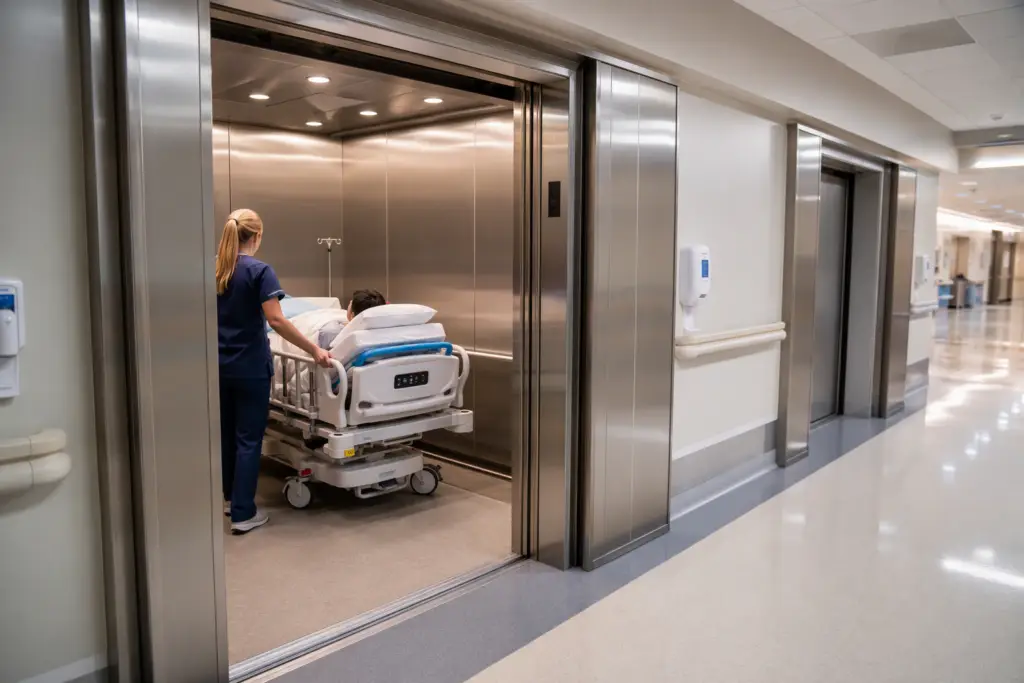
Traffic intensity is one of the most important variables when selecting coverage depth. A basic examination contract appropriate for a low-traffic professional office may prove wholly inadequate for a multi-tenant retail center or hospital where elevator systems run continuously. Higher usage accelerates wear on components such as door operators, guide shoes, and drive systems, making a comprehensive parts-and-labor agreement a more cost-effective choice over the contract term. Building managers should request that prospective providers analyze actual trip counts and duty cycles before recommending a contract tier.
What Pros and Cons Should Building Owners Weigh for Each Contract Tier?
| Contract Tier | Pros | Cons |
|---|---|---|
| Examination / Lubrication | Lowest contract cost; suitable for new or low-use equipment | Repair costs unpredictable; no parts coverage |
| Examination & Adjustment | Better baseline protection; minor adjustments included | Major component failures still billed separately |
| Parts & Labor (Comprehensive) | Predictable budgeting; most repairs covered; preferred for aging equipment | Higher monthly cost; modernization still excluded |
| Full Maintenance (All-Inclusive) | Maximum budget predictability; broad coverage | Highest cost; some code-upgrade expenses still excluded |
How Do Service Contracts Reduce Liability for South Carolina Property Owners?
Elevator-related liability exposure is a real concern for commercial property owners. A documented, regularly maintained elevator with a compliant service contract demonstrates due diligence, which is relevant in insurance underwriting and, in the event of an incident, in legal proceedings. Service contracts that include detailed maintenance logs, inspection coordination, and written records of any deficiencies found and corrected provide a defensible paper trail. Independent providers like Carolina Elevator Service prioritize documentation practices aligned with ASME A17.1 maintenance requirements, supporting property owners’ liability management goals.
What Questions Should Building Managers Ask Before Signing a Contract?
Asking the right questions before committing to a contract term protects the building and its occupants. Consider the following:
- Is this provider familiar with South Carolina’s elevator inspection authority and required documentation?
- How are emergency callbacks handled and what is the escalation process if the elevator is out of service?
- Are maintenance technicians trained to work on this specific equipment brand and type?
- What parts are explicitly excluded from the contract and how are those costs estimated?
- How are contract price escalations calculated at renewal?
- What is the process for transitioning service records if the contract is terminated?
- Does the contract include coordination for ASME A17.3-required retroactive safety upgrades?
- How does the provider ensure ADA accessibility compliance is maintained as part of ongoing service?
When Does It Make Sense to Modernize Rather Than Maintain Under a Contract?
Service contracts are most effective when the underlying equipment is in serviceable condition. When elevator components reach a point where maintenance costs outpace the value of repairs, modernization becomes the more economical path. Signs that modernization should be evaluated alongside a new service contract include frequent breakdowns requiring parts no longer in production, inability to meet current ASME A17.3 retroactive requirements, and persistent ADA accessibility deficiencies. A thorough equipment assessment from Carolina Elevator Service can help building owners understand whether a maintenance contract or a modernization project delivers better long-term value.
How Does the Contract Renewal and Exit Process Work?
Many building owners overlook exit and renewal terms until they become problematic. Best practices for managing this aspect include:
- Review auto-renewal clauses at least 90 days before the contract anniversary date to preserve negotiation leverage.
- Request a written performance summary from the current provider documenting all maintenance visits, parts replaced, and any open deficiencies.
- Obtain competitive proposals from at least two providers, including an independent provider, before committing to renewal terms.
- Confirm service record transfer rights are explicitly stated in the contract — South Carolina inspection history belongs to the building, not the service company.
- Check for termination notice requirements — some contracts require 60–90 days written notice to avoid automatic renewal.
- Negotiate price escalation caps into the renewed agreement to prevent disproportionate annual increases.
What Role Does a Service Contract Play in State Inspection Readiness?
South Carolina requires periodic inspections of commercial elevators conducted by or on behalf of the state’s elevator inspection authority. A properly structured service contract ensures that the elevator is prepared for those inspections through documented maintenance visits, functional testing, and correction of any noted deficiencies before the inspector arrives. Building owners who rely on a qualified independent service provider gain an advocate who understands the local authority having jurisdiction (AHJ) expectations and can help avoid failed inspections, citation fees, and elevator shutdown orders that disrupt building operations.
Summary: Key Decision Factors at a Glance
| Decision Factor | Lower Priority When… | Higher Priority When… |
|---|---|---|
| Coverage depth | New equipment, low traffic | Aging equipment, high traffic |
| Budget predictability | Capital reserves available for unexpected repairs | Fixed operating budget with no repair reserve |
| Compliance documentation | Simple, single-unit property | Multi-unit commercial, healthcare, or retail |
| Flexibility and exit rights | Stable, proven provider relationship | New provider, first contract term |
| Independent vs. OEM provider | Single-brand, recently installed equipment | Mixed-brand portfolio, older equipment, or cost-control priority |
Get Expert Guidance on Your Commercial Elevator Service Contract
Carolina Elevator Service helps South Carolina commercial building owners evaluate their current elevator maintenance coverage, identify compliance gaps, and select the service contract tier that matches their equipment condition, traffic volume, and budget. As an independent provider with deep familiarity with South Carolina’s regulatory environment and the requirements of ASME A17.1 and A17.3, ADA accessibility standards, and OSHA workplace safety requirements, Carolina Elevator Service brings objective, compliance-focused expertise to every assessment.
Contact Carolina Elevator Service for a free elevator assessment: 803-865-1400
Need elevator service you can rely on? Carolina Elevator Service is ready to help.