How to Evaluate an Elevator Service Company: A Complete Guide
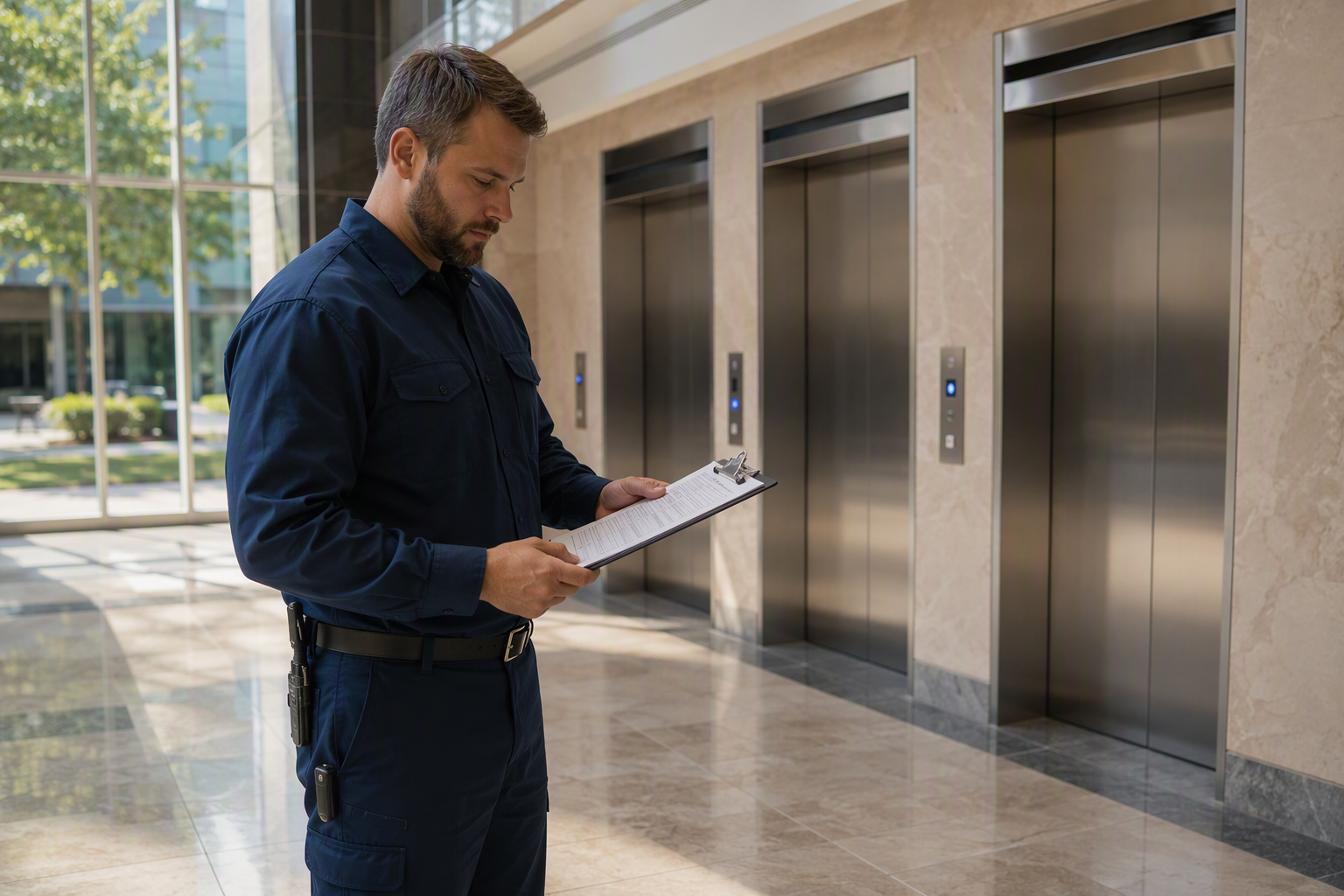
Choosing the right elevator service company is one of the most consequential facility management decisions a building owner or property manager can make. Elevators are safety-critical systems governed by strict federal and state codes, and the quality of service directly affects passenger safety, regulatory compliance, and long-term operating costs. This comprehensive guide walks through every dimension of that evaluation — from licensing and technical credentials to contract terms and local regulatory knowledge — so Columbia SC building owners can make a confident, informed choice.
What Certifications and Licenses Should an Elevator Company Hold?
A qualified elevator service company must hold the appropriate state contractor license, employ technicians trained to applicable codes, and demonstrate working knowledge of the ASME A17.1 Safety Code for Elevators and Escalators.
In South Carolina, elevator contractors are regulated through the state’s labor licensing framework, and companies performing installation, maintenance, or alteration work must operate in compliance with state elevator safety statutes. Before signing any service agreement, building owners should request proof of licensing and verify it is current and in good standing with the relevant South Carolina authority.
Beyond state licensing, reputable companies employ technicians who have completed formal apprenticeship or training programs aligned with ASME A17.1 requirements. The ASME A17.1 code is the foundational safety standard for elevators in the United States and Canada, covering everything from mechanical clearances to electrical safety devices. A company’s inability to speak fluently about this standard during an initial consultation is a meaningful red flag.
Carolina Elevator Service operates in Columbia SC with a focus on ASME A17.1-compliant maintenance and inspection practices, making code knowledge a core part of every client engagement.
How Do State Regulations in South Carolina Affect Elevator Maintenance Requirements?
South Carolina requires periodic inspections of passenger elevators by state-authorized inspectors, and building owners bear legal responsibility for ensuring their equipment remains in compliant, safe operating condition.
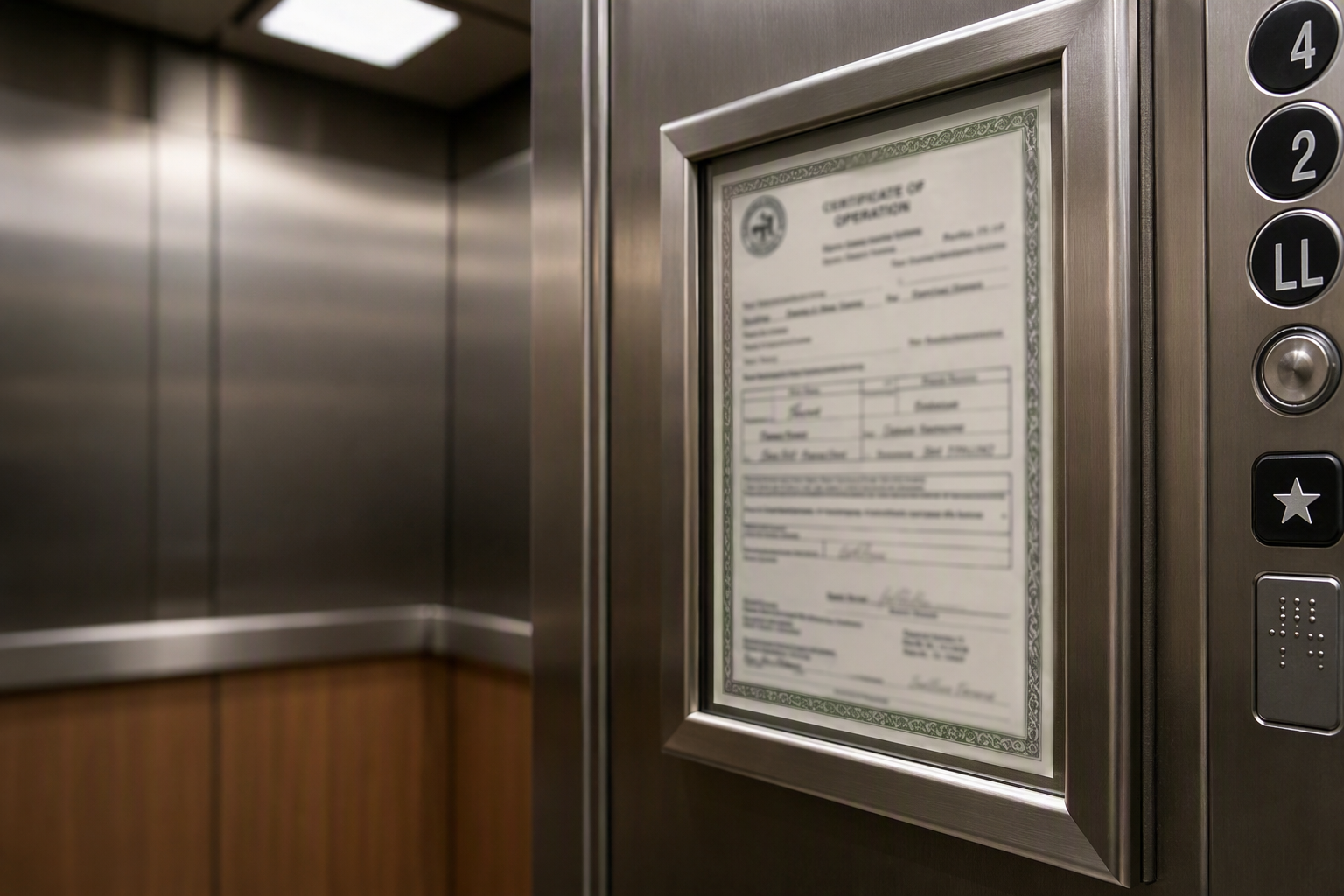
The South Carolina Department of Labor, Licensing and Regulation (LLR) oversees elevator safety in the state. Elevators in commercial and multi-family residential buildings must be inspected at intervals defined by state code, and a valid certificate of operation must typically be posted in or near the elevator cab. Failure to maintain current certificates can result in shutdown orders, fines, and significant liability exposure.
An elevator service company serving Columbia SC buildings should have direct, practical experience navigating South Carolina inspection schedules, preparing equipment for state inspections, and coordinating with inspectors on any corrective action items. Asking a prospective vendor how they handle failed inspections or outstanding violations is an excellent way to gauge their regulatory competence.
What Is ASME A17.1 and Why Does It Matter When Evaluating a Vendor?
The ASME A17.1 Safety Code for Elevators and Escalators is the primary technical standard governing elevator design, installation, operation, and maintenance across most U.S. jurisdictions, and a vendor’s depth of knowledge in this code directly reflects their professional competence.
ASME A17.1 covers an extensive range of requirements including safety device testing intervals, governor and buffer requirements, machine room conditions, door system performance, and emergency operation protocols. The 2019 and subsequent editions have introduced updates to modernization requirements and remote monitoring provisions that well-qualified companies should be familiar with as of 2026.
During vendor evaluation, ask specifically which edition of ASME A17.1 the company references for maintenance planning and whether they track code updates between editions. A company that references only vague “industry standards” without citing the actual code may lack the technical depth required for safety-critical work.
How Should ADA Compliance Factor Into Elevator Service Vendor Selection?
Elevator service companies should understand Americans with Disabilities Act (ADA) requirements as they apply to elevator cab dimensions, door timing, control panel height, and audible/visual signals, because non-compliant equipment exposes building owners to federal legal liability.
The ADA sets baseline accessibility requirements for elevators in buildings covered by Title II (government facilities) and Title III (public accommodations and commercial facilities). Requirements include minimum cab dimensions, specific door-open dwell times, Braille and raised character floor designations, and audible signals at each floor.
When evaluating a vendor, ask whether their maintenance agreements include an ADA compliance checklist as part of routine service visits. A company that treats ADA compliance as a separate, billable add-on rather than a standard component of professional service may create hidden liability for the building owner. The ADA guidelines should be part of every comprehensive maintenance program.
What Questions Should Building Owners Ask During an Elevator Service Company Interview?
Building owners should ask about state licensure, ASME code familiarity, inspection track record, emergency response protocols, contract flexibility, parts sourcing, and the company’s specific experience with their elevator make and model.
The following question list provides a structured framework for vendor interviews:
- Is your company licensed to perform elevator work in South Carolina, and can you provide documentation?
- Which edition of ASME A17.1 guides your maintenance procedures?
- How do you handle a failed state inspection — who is responsible for corrective work and at what cost?
- Do your maintenance agreements include ADA compliance checks?
- What is your process for sourcing replacement parts, and do you use OEM components?
- Can you provide references from comparable buildings in the Columbia SC area?
- How do you document service visits, and will building owners have access to maintenance logs?
- What are the terms for contract termination, and are there penalties for early exit?
- How do you communicate deficiencies found during routine maintenance — verbally, in writing, or both?
- Are your technicians trained on the specific equipment type installed in this building?
How Do You Compare Elevator Maintenance Contract Types?
Elevator maintenance contracts typically fall into three categories — oil-and-grease, comprehensive, and full-maintenance — each offering a different scope of coverage and corresponding cost structure that building owners must evaluate against their risk tolerance and budget.
Understanding contract tiers before accepting a proposal is essential. The table below summarizes the key differences:
| Contract Type | What Is Covered | What Is Excluded | Best Suited For |
|---|---|---|---|
| Oil & Grease (Basic) | Lubrication, minor adjustments, visual inspections | Parts, major repairs, callbacks after hours | Low-traffic buildings with newer equipment |
| Comprehensive | Lubrication, adjustments, most parts, callbacks | Wear items (brake shoes, ropes), major modernization | Mid-traffic commercial buildings |
| Full Maintenance | All labor, most parts including wear items, callbacks | Vandalism, code-driven upgrades, major structural work | High-traffic facilities, aging equipment |
Building owners should read contract language carefully for exclusions. Common exclusions include aesthetic items (cab finishes, flooring), code-mandated upgrades triggered by modernization permits, and damage from misuse. A reputable company will walk prospective clients through exclusions transparently rather than obscuring them in fine print.
What Red Flags Indicate an Unreliable Elevator Service Company?
Warning signs of an unreliable elevator service company include inability to provide state license documentation, vague contract language, unwillingness to share inspection records, exclusive proprietary parts lock-in tactics, and a pattern of deferred maintenance recommendations.
Proprietary lock-in is a particularly common concern in the elevator industry. Some companies intentionally program their diagnostic equipment or replace standard components with proprietary versions, making it difficult for building owners to switch vendors or obtain competitive bids for repair work. South Carolina building owners should ask directly whether the vendor uses any proprietary diagnostic systems or components that would restrict future vendor choice.
Deferred maintenance is another serious red flag. A service company that repeatedly notes deficiencies in writing but does not provide a clear remediation timeline may be managing liability exposure rather than genuinely prioritizing safety. Under ASME A17.1 guidelines, certain safety device deficiencies require prompt corrective action rather than indefinite deferral.
How Important Is Local Knowledge and Geographic Presence in Evaluating a Vendor?
Local presence matters significantly because it affects familiarity with the specific South Carolina inspection authority, local inspector preferences, regional parts suppliers, and the practical ability to respond to equipment issues at Columbia SC properties.
A national elevator company may have broad resources but limited institutional knowledge of South Carolina’s specific regulatory enforcement patterns, local inspection scheduling processes, and the relationships that help resolve compliance questions efficiently. A company that primarily serves the Columbia SC market understands the practical realities of working within that regulatory environment day to day.
Carolina Elevator Service is based in Columbia SC and focuses its operations on serving the local market, which means the team is familiar with the inspection environment and compliance expectations specific to this region.
What Documentation Should a Reputable Elevator Company Provide After Each Service Visit?
After every service visit, a professional elevator company should provide a written service report that documents work performed, components inspected, any deficiencies found, recommended corrective actions, and the technician’s assessment of overall equipment condition.
Documentation is not merely administrative — it is a critical component of a building owner’s legal defense record in the event of an injury claim or regulatory audit. Service reports should be retained for the duration of equipment ownership and beyond. Ask prospective vendors whether reports are provided digitally, how quickly they are delivered after a visit, and whether the building owner retains ownership of the maintenance history if they change vendors.
Inspection certificates required by South Carolina’s elevator safety authority should also be filed and accessible. A company that is slow or inconsistent in delivering documentation after service visits is demonstrating an organizational standard that will likely create compliance problems over time.
How Does Elevator Age and Type Affect Which Service Company to Choose?
Older hydraulic and traction elevators require vendors with specific modernization experience, while newer machine-room-less (MRL) and destination-dispatch systems require technicians trained in contemporary electronics and software diagnostics.
The elevator installed in a given building — whether a hydraulic unit common in low-rise Columbia SC commercial buildings, a traction elevator in a mid-rise, or a platform lift in an ADA-accessible application — determines the specific technical competencies the service vendor must possess. Not all companies are equally proficient across all equipment types.
During vendor evaluation, describe the specific make, model, and approximate installation year of the equipment and ask directly about the company’s experience with that system. A credible vendor will acknowledge the limits of their expertise rather than claiming universal proficiency. Ask also whether the company has access to manufacturer technical documentation and parts for the specific equipment in question.
What Should Building Owners Know About Elevator Inspection Frequency Requirements?
Inspection frequency requirements are established by state authority and align with ASME A17.1 provisions, which specify categories of tests — periodic, maintenance, and witnessing tests — at defined intervals based on equipment type and use.
ASME A17.1 distinguishes between routine maintenance inspections performed by the service company and formal periodic inspections witnessed or conducted by the authority having jurisdiction (AHJ). In South Carolina, the AHJ is the state’s elevator safety program. Building owners should understand that their service company’s maintenance visits are separate from — and preparatory to — the state inspection process.
A well-qualified vendor will maintain an internal calendar of required testing events and alert building owners well in advance of upcoming state inspection due dates. Surprises around inspection scheduling are a sign of inadequate account management.
How Do You Evaluate an Elevator Company’s Emergency and Entrapment Response Protocols?
A professional elevator company should have a documented protocol for passenger entrapment situations, including coordination with the building’s emergency responders, compliance with ASME A17.1 two-way communication requirements, and a clear escalation path for after-hours incidents.
Passenger entrapment, while often not immediately dangerous, is a high-stress event that building owners must be prepared to manage. The service contract and vendor relationship should define exactly what happens when a passenger is trapped: who is contacted, in what order, and what the vendor’s role is relative to the local fire department, which typically serves as the primary rescue authority.
Ask prospective vendors whether they provide any building staff training on entrapment protocols, whether their equipment is equipped with the two-way emergency communication systems required under ASME A17.1, and how emergency calls are handled outside of standard business hours.
What Role Does Preventive Maintenance Play in Vendor Evaluation?
A service company’s preventive maintenance philosophy — specifically whether it is proactive, data-driven, and code-referenced or reactive and minimally compliant — is one of the strongest indicators of long-term value and safety outcomes.
Reactive maintenance — fixing things only when they break — is significantly more costly over time than a structured preventive program that addresses wear and degradation before failure occurs. When evaluating vendors, ask how they determine maintenance intervals for specific components: do they reference manufacturer recommendations, ASME A17.1 testing schedules, or simply wait for problems to emerge?
A company that can present a written preventive maintenance schedule tied to specific components and code-referenced intervals demonstrates a professional standard that differentiates it from vendors who approach maintenance informally. This documentation also provides a paper trail that is valuable during state inspections and in liability situations.
How Should Building Owners Evaluate Elevator Service Contracts Before Signing?
Before signing an elevator service contract, building owners should scrutinize the scope of covered services, exclusion clauses, price escalation terms, contract duration, termination provisions, and whether service records remain accessible if the vendor relationship ends.
Multi-year contracts are common in the elevator service industry, sometimes spanning five years or more. While long-term agreements can offer pricing stability, they can also lock building owners into unsatisfactory service relationships. Key contract provisions to review include:
- Escalation clauses: How and by how much can the vendor raise prices annually?
- Termination rights: Under what conditions can the building owner exit the contract without penalty?
- Parts and labor definitions: Are all labor costs included, or only certain categories?
- Callback provisions: How many callback visits per year are included, and what is the process for requesting them?
- Record ownership: Does the building owner retain access to all service history if the contract ends?
Having contract language reviewed by legal counsel familiar with facilities management agreements is advisable for significant multi-year commitments.
What Is the Step-by-Step Process for Evaluating and Selecting an Elevator Service Company?
A structured selection process reduces the risk of choosing an underqualified vendor and creates documentation that protects building owners if the relationship is later challenged.
- Inventory your equipment: Compile the make, model, serial number, installation year, and type of every elevator or lift on the property before soliciting any proposals.
- Verify state licensing requirements: Confirm what South Carolina requires of elevator contractors operating in your jurisdiction and obtain the relevant verification procedure from the state licensing authority.
- Develop a request for proposal (RFP): Create a written document describing your equipment, service expectations, documentation requirements, and evaluation criteria before approaching vendors.
- Solicit at least three proposals: Request written proposals from no fewer than three qualified vendors to enable meaningful comparison.
- Verify credentials independently: Do not rely solely on vendor-provided documentation — verify state license status directly through the South Carolina LLR or the applicable regulatory body.
- Conduct structured vendor interviews: Use a consistent question set (see the interview questions section above) for all vendors to enable fair comparison.
- Check references from comparable properties: Speak with current clients whose buildings and elevator types are similar to yours, and ask specifically about compliance outcomes and documentation quality.
- Review contract terms with counsel: Before finalizing any agreement, have the full contract language reviewed for unfavorable exclusions, escalation terms, and lock-in provisions.
- Establish performance expectations in writing: Before the first service visit, document agreed-upon response expectations, reporting formats, and communication protocols.
- Schedule an initial comprehensive inspection: Have the incoming vendor perform a documented baseline inspection before assuming maintenance responsibility, creating a clear record of equipment condition at the start of the relationship.
How Does OSHA Affect Elevator Service and Vendor Accountability?
The Occupational Safety and Health Administration (OSHA) establishes workplace safety requirements that apply to elevator service technicians working in machine rooms and on equipment, and vendor compliance with OSHA standards reflects on their overall safety culture.
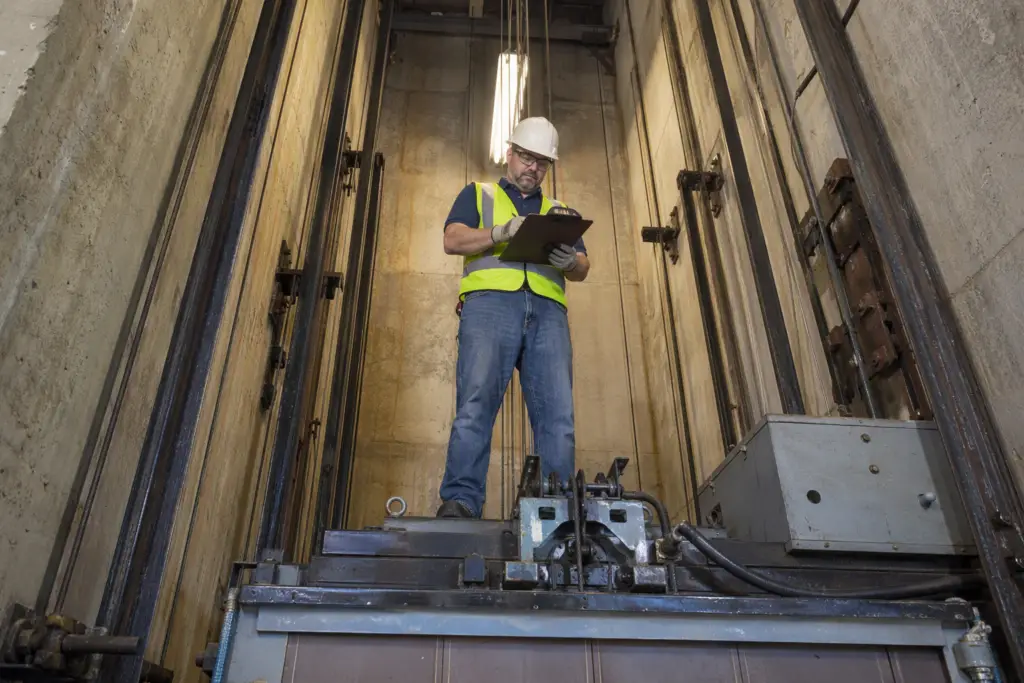
OSHA regulations govern lockout/tagout procedures, confined space entry, electrical safety, and fall protection — all of which are directly relevant to elevator service work. A company whose technicians do not follow proper lockout/tagout procedures, for example, is not only creating risk for its own employees but also demonstrating a broader indifference to safety protocols that may extend to how it maintains client equipment.
During vendor evaluation, ask whether the company has a documented safety program and what its incident history looks like. While companies are not required to disclose OSHA recordable incidents voluntarily, a company that openly discusses its safety program and training practices is signaling a positive organizational culture.
How Should Building Owners Handle Transitioning From One Elevator Vendor to Another?
Transitioning elevator vendors requires careful coordination to preserve maintenance records, address any proprietary equipment issues, schedule a baseline inspection with the incoming company, and ensure no lapse in state inspection certificate validity.
The transition period between elevator service companies is a high-risk window. Building owners should request a complete copy of all service records from the departing vendor before the relationship formally ends — including inspection reports, callback logs, and any outstanding deficiency notices. Some contracts specify that service records belong to the vendor; negotiating record ownership at the time of initial contract execution avoids this problem.
If the departing vendor has installed proprietary diagnostic equipment or modified the elevator’s control system in proprietary ways, the incoming vendor will need to assess what reprogramming or replacement is required. This is a scenario where working with a vendor that avoids proprietary lock-in from the outset — as Carolina Elevator Service does in its Columbia SC service area — pays long-term dividends.
What Should Building Owners Understand About Elevator Modernization and How It Relates to Vendor Selection?
Elevator modernization — the replacement of aging components such as controllers, door operators, or hydraulic units — requires a vendor with permitting experience, code compliance knowledge, and the ability to manage the project from engineering through state inspection sign-off.
In South Carolina, modernization work triggers permit requirements and typically requires a new state inspection before the equipment returns to service. A service company that also has modernization capability offers building owners continuity: the vendor who knows the equipment’s history is often best positioned to scope a modernization project accurately and avoid surprises.
When evaluating vendors for buildings with older equipment, ask specifically about their modernization project experience: how many projects have they completed under South Carolina permit requirements, how do they handle code conflicts between older equipment configurations and current ASME A17.1 requirements, and what is their process for managing a building’s vertical transportation during a modernization outage?
How Do You Assess an Elevator Company’s Communication and Account Management Quality?
Communication quality — including how promptly a vendor responds to inquiries, how clearly it documents and explains findings, and whether it provides proactive rather than reactive updates — is a reliable proxy for overall service quality and should be evaluated from the first point of contact.
Building owners often discover communication deficiencies only after a problem has escalated. Evaluating communication quality during the sales and proposal phase, before any contract is signed, provides early evidence of how the vendor will behave throughout the service relationship. Red flags include delayed responses to RFP requests, vague or non-specific proposals that do not address the specific equipment described, and reluctance to provide written documentation of verbal commitments.
Ask each vendor during the interview phase how building owners receive notification of service visits, how deficiencies are reported, and who the designated point of contact is for account management questions. A vendor without a clear account management structure will create frustration when building owners need information quickly — particularly during regulatory audits or incident investigations.
Why Is Choosing a Locally Focused Elevator Service Company Advantageous for Columbia SC Properties?
Locally focused elevator service companies offer Columbia SC building owners greater familiarity with regional regulatory requirements, shorter logistics chains for parts and service, and more direct accountability relationships than large national providers often can.
National elevator companies bring scale and broad resources, but they can also bring standardized service models that do not adapt well to the specific requirements of individual markets. South Carolina’s elevator regulatory framework, inspection scheduling realities, and local building stock — which includes a significant proportion of low-rise commercial and government buildings served by hydraulic equipment — may be better understood by a company whose entire operational focus is on this market.
Carolina Elevator Service is built around serving Columbia SC’s commercial, institutional, and residential building owners with a depth of local regulatory knowledge and a service model tailored to the regional market.
Ready to Evaluate Your Current Elevator Service Arrangement?
Building owners and property managers in Columbia SC deserve a service partner with the technical competence, regulatory knowledge, and communication standards this guide describes. Contact Carolina Elevator Service for a free elevator assessment — a no-obligation review of your equipment condition, maintenance history, and compliance status.
Call Carolina Elevator Service today: 803-865-1400
Need elevator service you can rely on? Carolina Elevator Service is ready to help.