Elevator Service in Columbia, SC | Carolina Elevator Service
Monthly or annual elevator maintenance costs depend on several interconnected variables: the age and type of the equipment, the number of stops, whether the unit serves a commercial or residential building, and the level of coverage included in a service agreement. For Columbia, SC property owners, understanding these factors — along with South Carolina’s inspection and compliance requirements — helps in making an informed decision when evaluating elevator service providers.
What Factors Determine Elevator Maintenance Costs?
No two elevators carry the same maintenance price tag. The following variables most significantly influence what a property owner in the Columbia area can expect to pay:
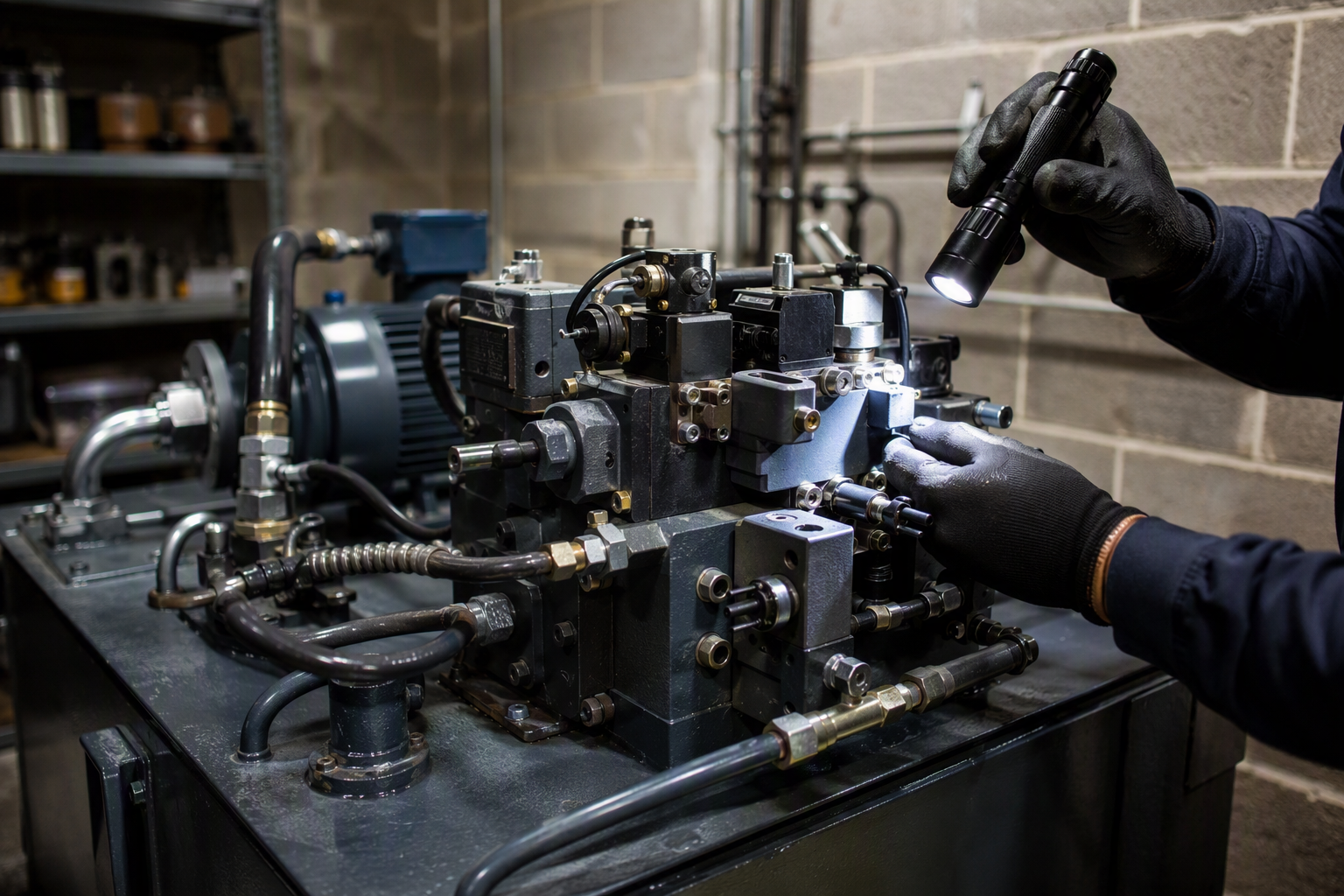
- Equipment type: Hydraulic elevators, traction elevators, and machine-room-less (MRL) systems each have distinct mechanical demands. Hydraulic units, common in low-rise commercial buildings throughout the Midlands, often require fluid monitoring and valve maintenance that differ from traction-drive requirements.
- Age of the equipment: Older units may require harder-to-source parts and more frequent adjustments, increasing the overall cost of upkeep.
- Number of floors and stops: More stops mean more mechanical components — doors, interlocks, landing buttons — each of which requires periodic inspection and adjustment.
- Usage volume: A high-traffic elevator in a downtown Columbia office building experiences more wear than one in a small medical clinic, which affects maintenance frequency and parts consumption.
- Contract scope: Full-service agreements covering parts and labor cost more upfront but protect against unexpected repair bills. Inspection-only or labor-only agreements carry lower monthly costs but shift parts risk to the building owner.
- Compliance requirements: South Carolina’s mandatory inspection schedules mean maintenance gaps can trigger code violations, adding remediation costs that a proactive service plan would have prevented.
What Does South Carolina Require for Elevator Inspections and Compliance?

South Carolina elevator safety falls under the jurisdiction of the South Carolina Department of Labor, Licensing and Regulation (SC LLR), which adopts and enforces standards aligned with the ASME A17.1 Safety Code for Elevators and Escalators. As of 2026, this code sets the national benchmark for elevator design, construction, installation, operation, inspection, testing, maintenance, alteration, and repair.
In practical terms for Columbia property owners, this means:
- Elevators must be inspected periodically by a qualified inspector, and certificates of operation must be current and displayed.
- Required periodic tests — such as the five-year full-load safety test for traction elevators — must be documented and filed appropriately.
- Any alteration to an existing elevator must conform to the current adopted edition of ASME A17.1.
- Elevator accessibility must also meet federal requirements under the Americans with Disabilities Act (ADA), which affects cab dimensions, control heights, door timing, and audible signals.
Non-compliance can result in a stop-use order, meaning the elevator cannot operate until deficiencies are corrected and re-inspected. Factoring inspection and testing costs into a maintenance budget from the outset prevents costly shutdowns and emergency remediation fees.
Is a Maintenance Contract More Cost-Effective Than Pay-Per-Visit Service?
For most commercial and multi-family properties in Columbia, a structured maintenance agreement delivers better long-term value than reactive, pay-per-call service. Preventive maintenance catches worn components — cables, buffers, safety devices, door operators — before they cause an outage or a safety incident. Emergency repair calls, after-hours labor, and expedited parts sourcing all carry premium costs that regular maintenance tends to avoid.
Building owners should evaluate contract tiers carefully. A basic lubrication-and-adjustment agreement keeps costs low but may exclude parts replacement. A comprehensive agreement covering both labor and components provides the most predictable annual budget and the broadest protection against unexpected expenses.
What Services Are Typically Included in an Elevator Maintenance Plan?
A well-structured maintenance plan for an elevator in the Columbia area generally covers:
- Scheduled lubrication of moving components
- Adjustment and testing of door operators, closers, and interlocks
- Inspection and testing of safety devices required under ASME A17.1
- Monitoring of hydraulic fluid levels and condition (for hydraulic units)
- Controller and drive system checks
- Cab interior and lighting inspections
- Code-required periodic testing coordination
- Documentation of all service visits for regulatory compliance
What Should a Property Owner Do When an Elevator Fails?
When an elevator goes out of service unexpectedly, a clear response process reduces risk and downtime. Building owners and property managers should follow these steps:
- Secure the elevator immediately. Lock out the unit from normal use and post clear out-of-service signage at every landing to prevent unauthorized attempts to operate a potentially unsafe cab.
- Check for passenger entrapment. If anyone is inside the cab, keep them calm, communicate through the emergency phone or intercom, and contact your elevator service provider for emergency response. Do not attempt a manual release without trained personnel.
- Document what occurred. Note the time, floor location of the cab, any error codes on the controller, and any unusual sounds or movements reported before the stoppage. This information helps technicians diagnose the fault faster.
- Contact your elevator service provider. Carolina Elevator Service provides emergency support for elevators in the Columbia area. Describe the symptoms clearly when you call.
- Do not attempt DIY repairs. Elevator mechanical and electrical systems fall under strict safety codes. Unauthorized access to machine rooms or pits by untrained personnel creates serious liability and safety risks under OSHA standards and ASME A17.1 requirements.
- File an incident report if required. South Carolina regulations may require reporting depending on the nature of the failure or any injuries. Your service provider can advise on notification requirements.
How Does Elevator Type Affect Maintenance Costs in the Columbia Market?
Columbia’s building stock spans older downtown commercial towers, suburban medical office parks, multi-family residential communities, and institutional facilities — each presenting different elevator types and maintenance profiles.
Hydraulic elevators, common in two- to five-story buildings throughout the Midlands region, require attention to the hydraulic power unit, fluid condition, and underground cylinder integrity. Traction elevators in taller commercial buildings involve more complex drive systems, rope inspection, and safety gear testing. MRL systems, increasingly common in new construction, eliminate the traditional machine room but introduce unique access and component considerations. Understanding which system a building has is the first step in estimating realistic annual maintenance costs.
How Do Building Owners Compare Elevator Service Vendors in Columbia?
Selecting an elevator maintenance provider involves more than comparing monthly rates. Key evaluation criteria include:
- Certification and code knowledge: Ensure the company employs technicians with relevant certifications and demonstrates current knowledge of South Carolina’s adopted elevator codes.
- Local presence: A provider with established operations in the Columbia, SC market understands local inspection authority relationships, regional parts availability, and the specific building types common to the area.
- Contract transparency: Review exactly what is and is not covered. Exclusions for specific parts categories or after-hours labor can significantly affect total cost.
- Emergency availability: Confirm that the provider offers after-hours emergency support. Elevator failures do not follow business hours, and a provider without emergency coverage leaves building owners without options during critical situations.
- Documentation practices: Maintenance records are essential for SC LLR compliance and for defending against liability claims. Ask how service history is recorded and made available to building owners.
What Markets Does Carolina Elevator Service Serve in South Carolina?
Carolina Elevator Service provides elevator maintenance, inspection, repair, and modernization services throughout the greater Columbia metropolitan area and the surrounding Midlands region. The company serves commercial office buildings, healthcare facilities, multi-family residential properties, government and institutional buildings, retail centers, and industrial facilities across the region.
As a locally rooted, certified elevator service company, Carolina Elevator Service brings direct knowledge of South Carolina’s regulatory environment and the specific equipment common to Midlands-area buildings — an advantage when navigating SC LLR compliance requirements or sourcing components for older units installed in Columbia’s established commercial corridors.
Schedule a Free Consultation
Understanding what elevator maintenance should cost for a specific building starts with a professional assessment of the equipment, usage patterns, and compliance status. Carolina Elevator Service offers a free consultation for property owners and managers in the Columbia, SC area.
Contact Carolina Elevator Service today to discuss a maintenance plan tailored to the building’s needs, budget, and South Carolina code requirements.
Call: 803-865-1400
Need elevator service you can rely on? Carolina Elevator Service is ready to help.