Yes. A recently repaired elevator can be covered under warranty if it fails again, but coverage is not automatic. The specific component or system that failed must fall within the warranty’s written scope, the failure must occur within the stated warranty period, and the elevator must have been operated and maintained in accordance with applicable codes — including those adopted by the South Carolina Department of Labor, Licensing and Regulation (LLR), Office of Elevators and Amusement Rides — for the warranty to remain valid.
What Exactly Does an Elevator Repair Warranty Cover?
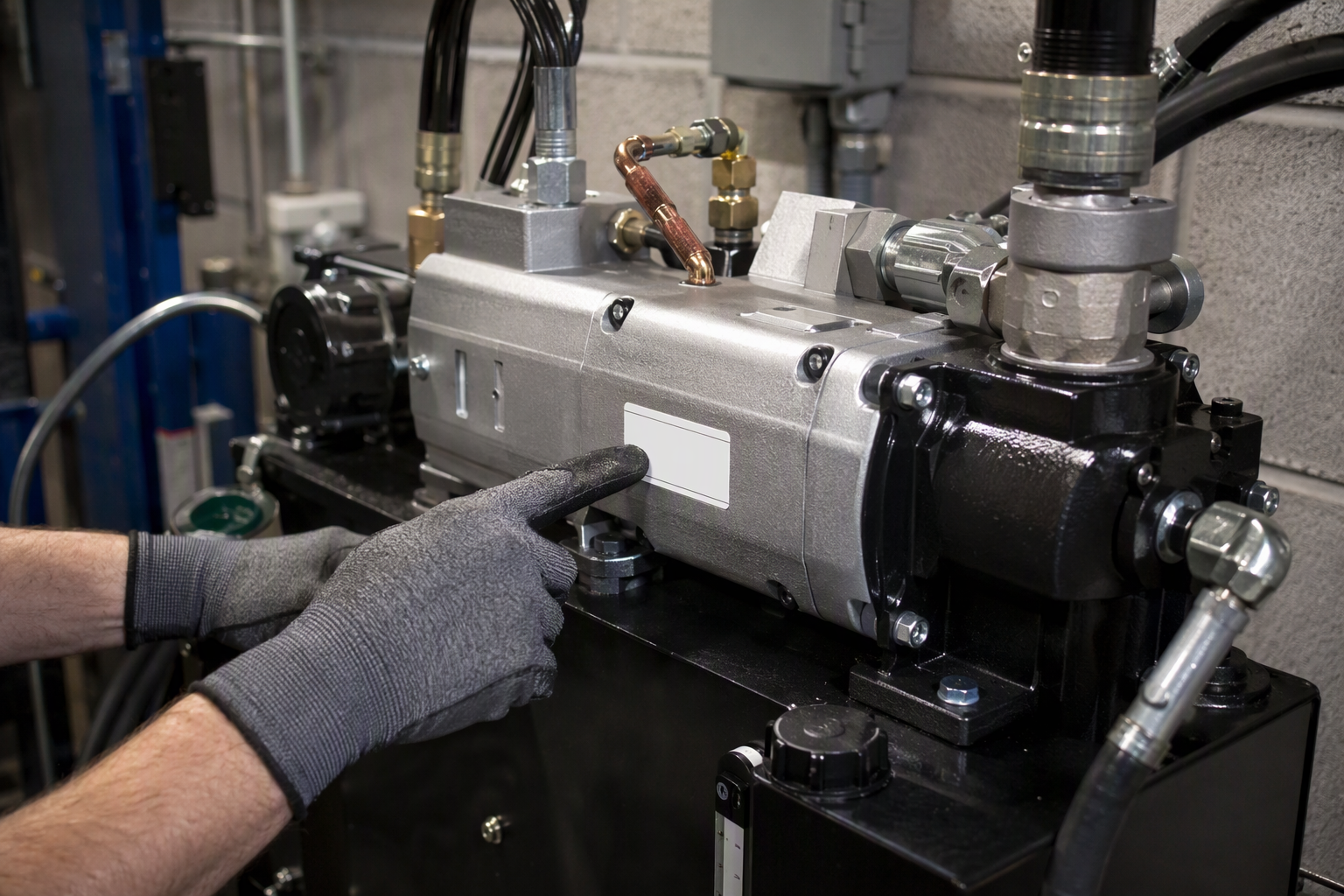
An elevator repair warranty covers defects in the specific parts replaced and the workmanship applied during a defined repair event, not the entire elevator system or pre-existing conditions.
Every repair warranty is bounded by three core elements: the part or system repaired, the labor used to perform that repair, and a defined time window during which defect claims will be honored. A warranty on a replaced hydraulic pump, for example, typically covers that pump’s mechanical failure — not an unrelated door operator malfunction that develops afterward. Understanding this scope distinction is the single most important step an elevator owner can take before assuming a new failure is automatically covered.
Repair warranties are separate from new-equipment manufacturer warranties and from ongoing maintenance contracts. When reviewing any warranty document, owners should look for explicit language about what constitutes a “warranty claim” versus what constitutes a new repair event subject to separate billing.
How Long Do Elevator Repair Warranties Typically Last?
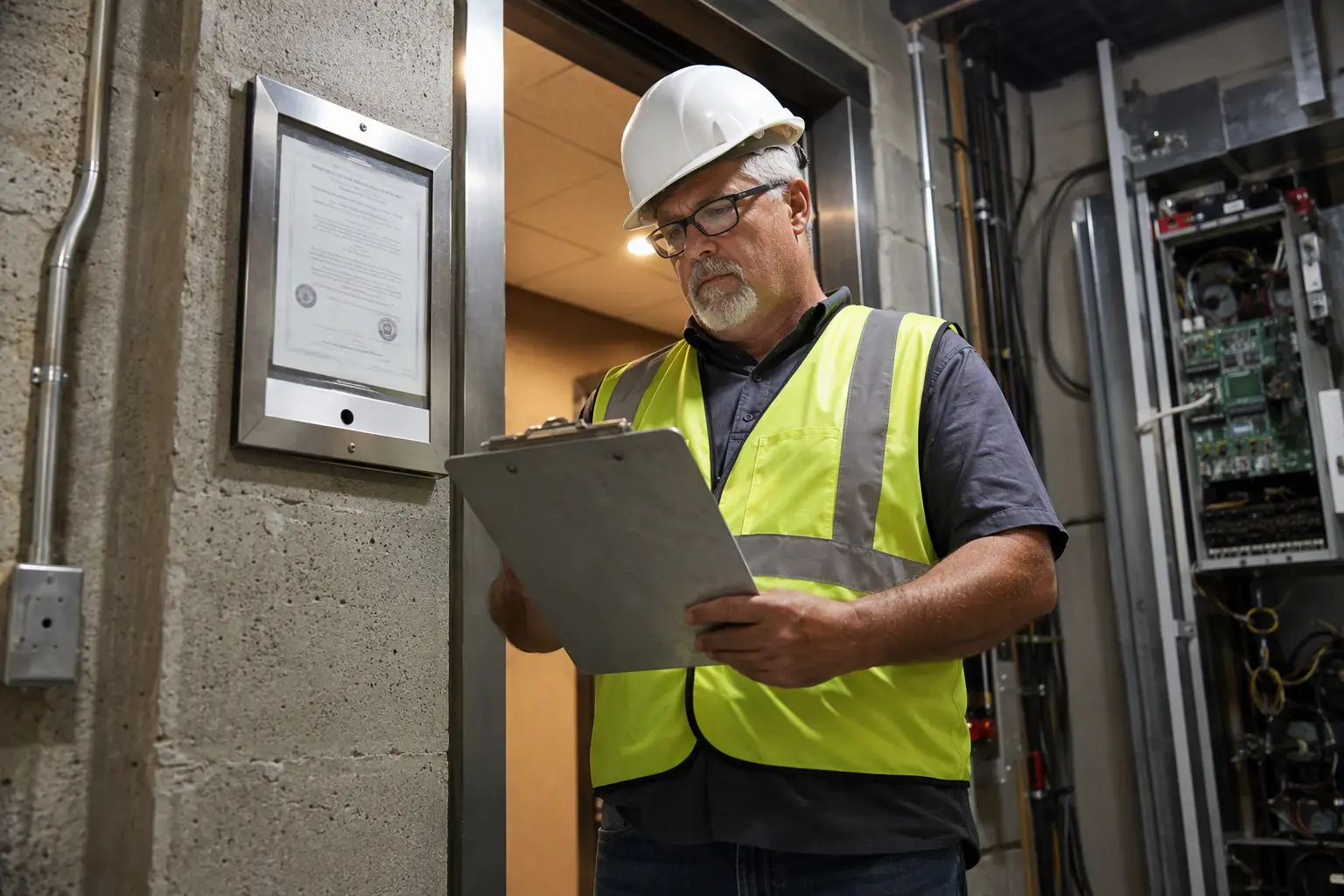
Elevator repair warranty periods vary widely, from as short as 30 days on minor labor-only repairs to one year or longer on major component replacements such as motors, controllers, or hydraulic cylinders.
There is no single federal or South Carolina state mandate dictating the minimum length of an elevator repair warranty. Warranty duration is a contractual matter negotiated between the building owner and the service contractor. However, industry norms — referenced in standards maintained by organizations such as ASME — generally expect that workmanship warranties cover at least 90 days and that major component warranties align with the manufacturer’s stated product warranty, which commonly ranges from one to three years.
Owners should request all warranty terms in writing before authorizing repair work. A verbal assurance that the “job is guaranteed” carries no legal weight if a dispute arises. Documented warranties protect both the building owner and the service contractor.
Does South Carolina Law Require Elevator Contractors to Offer Warranties?
South Carolina law does not explicitly mandate a warranty period for elevator repair work, but it does hold building owners strictly responsible for keeping every elevator facility in safe operating condition in compliance with state regulations.
Under S.C. Code Title 41, Chapter 16 (South Carolina Elevator Code) and the associated S.C. Code of Regulations Chapter 71, Article 5, Regulations 71-5000 through 71-5700, the owner bears the legal obligation to maintain equipment to the standard of the adopted code. That adopted code is the ASME A17.1/CSA B44, 2019 edition, which South Carolina adopted effective July 23, 2021. Because the owner is ultimately responsible, a well-drafted repair warranty from a qualified contractor is a critical risk-management tool, not an optional nicety.
When an elevator stops working again after a recent repair, the owner’s obligation to keep the unit in safe operating condition remains regardless of whether a warranty dispute is pending. The elevator must be taken out of service or repaired promptly.
What Happens If the Same Component Fails Again After a Repair?
If the same component fails within the warranty period, the contractor is generally obligated to repair or replace it at no additional charge, provided the failure resulted from defective parts or faulty workmanship rather than misuse, overloading, or lack of required maintenance.
Contractors may lawfully deny a warranty claim on a recurring component failure if they can demonstrate that the failure was caused by factors outside the original repair scope — for example, a voltage surge, water intrusion into a machine room that should have been sealed, or an unauthorized third-party adjustment to the controller after the warranty repair was completed. This is why meticulous service records are important. Carolina Elevator Service recommends that building owners in Columbia, SC maintain a complete written log of every maintenance visit, inspection, and repair for each elevator unit.
If the same component fails repeatedly, it may indicate an underlying systemic problem — incorrect component specification, an incompatible control system, or a structural issue with the hoistway — that a single-component warranty cannot resolve. A comprehensive diagnostic evaluation is the appropriate next step in that situation.
Does a Post-Repair Inspection Affect Warranty Coverage?
Yes — in South Carolina, a required post-repair inspection by the LLR or a licensed special inspector is a mandatory compliance step, and failing to obtain that inspection can jeopardize both the elevator’s operating certificate and any warranty standing.
The South Carolina Department of Labor, Licensing and Regulation (LLR), Office of Elevators and Amusement Rides requires elevators to be inspected at installation, registration, alteration, or repair, and at least once a year before the operating certificate is renewed. An elevator that undergoes a qualifying repair must pass a state or special inspector’s review before it is returned to full service. Running the elevator on a restored operating certificate after a repair — without completing the required inspection — creates a compliance violation and may void a contractor’s warranty on the grounds that operating the unit without certification constitutes misuse.
South Carolina special inspectors must hold qualifications under the 2018 edition of QEI-1, the American National Standard for Qualification of Elevator Inspectors. Additionally, a special inspector may not inspect an elevator on which the inspector or the inspector’s employer holds a current service or warranty contract — a conflict-of-interest rule designed to protect building owners and the public.
What Is the Difference Between a Parts Warranty and a Labor Warranty?
A parts warranty covers the replacement component itself against manufacturing defects, while a labor warranty covers the cost of technician time and materials required to perform the repair — and the two warranties may carry different durations and conditions within the same service agreement.
Building owners frequently encounter situations where a part fails but the manufacturer’s parts warranty does not cover the labor cost to reinstall a replacement, or conversely, where a contractor’s labor warranty covers a callback visit but does not include the cost of a second replacement part if the first was damaged after installation. Reading both sets of terms carefully before signing a service agreement prevents billing disputes after a second failure.
For major capital repairs — controller replacement, full traction motor overhaul, hydraulic cylinder encasement — owners should seek contracts that bundle parts and labor warranties into a single unified warranty document with clear terms for each covered element.
How Does Ongoing Maintenance Affect Warranty Validity?
Neglecting routine maintenance is one of the most common grounds contractors use to deny warranty claims, because many component failures that appear spontaneous are actually the result of deferred lubrication, adjustment, or cleaning.
Most elevator repair warranties include a maintenance obligation clause stating that the warranty remains valid only if the elevator is serviced according to the schedule prescribed by the original equipment manufacturer or the service contractor. Under the ASME A17.1 Safety Code for Elevators and Escalators, maintenance is a required, ongoing owner responsibility — not a discretionary add-on. Skipping oil changes on a hydraulic unit, failing to lubricate guide rails, or allowing pit water intrusion to persist can all constitute maintenance failures that give a contractor a defensible basis for denying a warranty claim on a subsequently failed component.
Carolina Elevator Service advises Columbia, SC building owners to maintain a documented maintenance schedule and retain service records for the life of the elevator asset, not only for warranty purposes but for compliance with the annual inspection and certificate-renewal cycle required under South Carolina law.
What Should a Building Owner Do Immediately When a Repaired Elevator Stops Working Again?
The first priority is passenger safety and compliance — not the warranty claim — so a defined sequence of steps should be followed before any financial or contractual discussions take place.
- Confirm that all passengers are safely out of the elevator car and the hoistway. If anyone is trapped, contact emergency services immediately and do not attempt a manual rescue without trained personnel.
- Take the elevator out of service by engaging the appropriate out-of-service signage and, where applicable, locking the machine room or control panel to prevent unauthorized restart.
- Contact the repair contractor that performed the original work and notify them of the failure in writing — email or a timestamped work order request — to create a clear record of when the warranty claim was initiated.
- Do not allow any third party to open the controller, adjust safeties, or attempt a reset before the original contractor has documented the failure condition. Unauthorized adjustments can void workmanship warranty provisions.
- Gather and preserve all documentation: the original repair invoice, the warranty certificate or warranty language from the service agreement, the most recent inspection certificate, and any maintenance logs.
- Notify your building insurer and, if the elevator serves the public, your property management team so that alternative access accommodations are made promptly — particularly any ADA-required accessibility accommodations for people with disabilities.
- If the original contractor does not respond within a reasonable time or disputes coverage, contact the South Carolina LLR, Office of Elevators and Amusement Rides to determine whether the out-of-service unit requires an emergency inspection before any repair attempt proceeds.
Can a Warranty Be Voided If an Unauthorized Contractor Performs Additional Work?
Yes — most elevator repair warranties contain explicit provisions that void coverage if a party other than the original contractor or an authorized subcontractor performs any work on the warranted component or system.
This is a standard and legally enforceable contract provision. If a building owner, frustrated by a delayed warranty response, calls a separate contractor to fix the elevator before the original contractor has assessed the failure, the original contractor can reasonably argue that the subsequent work altered or damaged the warranted component in ways that make it impossible to determine what failed due to the original repair versus what failed due to the second intervention. Preserving the warranty requires preserving the failure condition until the warranting contractor has inspected it.
The practical implication for Columbia, SC building owners is to choose an initial repair contractor with a responsive callback policy and clear warranty documentation — because the contractor relationship that begins with the repair must continue through any warranty period.
What Role Does ADA Compliance Play in Post-Repair Warranty Situations?
The Americans with Disabilities Act does not directly govern elevator repair warranties, but it creates a parallel legal obligation for building owners: an inoperative elevator that provides the only accessible route to an upper floor may constitute an ADA violation independent of any warranty dispute.
When a repaired elevator fails again, building owners must assess whether the inoperable unit creates an accessibility gap under the ADA. If the elevator is the only means of vertical access for people with disabilities, the owner must either restore service promptly or provide an alternative accessible means of access during the repair period. This obligation exists regardless of whether the repair contractor accepts or disputes the warranty claim.
ADA Title III applies to places of public accommodation, and Title II applies to state and local government facilities. Both titles have been interpreted to require that vertical accessibility be maintained in a non-transitory manner. A repeated elevator failure pattern — even if each individual failure is resolved under warranty — may attract ADA scrutiny if the cumulative effect is persistent inaccessibility.
Are There Different Warranty Rules for Hydraulic Versus Traction Elevators?
Warranty terms are not set by the type of drive system in South Carolina law, but the components that commonly fail — and therefore the warranty provisions most worth scrutinizing — differ significantly between hydraulic and traction systems.
| Factor | Hydraulic Elevator | Traction Elevator |
|---|---|---|
| High-cost warranted components | Hydraulic cylinder, pump unit, valve assembly, jack seals | Hoist motor, controller, ropes/cables, sheaves, safeties |
| Common recurring failure causes | Oil leaks, valve drift, cylinder corrosion | Rope wear, brake adjustment drift, encoder failure |
| South Carolina-specific requirement | New underground cylinders must be encased in plastic outer containment to limit electrolytic corrosion | New installations must use the five-pin S.C. #1000 key for firefighters’ service |
| Inspection trigger after repair | Required by LLR before return to service | Required by LLR before return to service |
| Typical warranty risk factor | Fluid contamination or wrong hydraulic fluid type | Improper rope tension or third-party controller adjustment |
| Standby power requirement | Emergency lighting and alarm bell must operate for at least four hours on standby power | Emergency lighting and alarm bell must operate for at least four hours on standby power |
How Does the Annual South Carolina Inspection Cycle Interact With Repair Warranties?
South Carolina’s mandatory annual inspection — required before the operating certificate is renewed — creates a recurring compliance checkpoint that can surface latent warranty issues before they become dangerous failures.
Under S.C. Code Title 41, Chapter 16 and Regulations 71-5000 through 71-5700, every elevator must be inspected at least once a year for the operating certificate to be renewed. Required inspections may be conducted only by state inspectors or by licensed special inspectors whose qualifications meet the 2018 edition of QEI-1. If a warranted repair has degraded or partially failed by the time of the annual inspection, the inspection report creates documented evidence of the deficiency — evidence that may be essential in a warranty dispute.
In South Carolina, no elevator facility may be operated without both a certificate of registration and a valid operating certificate. The operating certificate, or a copy, must be displayed conspicuously inside each elevator car. An elevator that fails its annual inspection due to a defect related to a recent repair may need both a warranty repair and a follow-up special inspection before it can legally return to service.
Can a Warranty Claim Be Filed if the Elevator Fails During a State Inspection?
Yes — a failure discovered during a state or special inspection is still eligible for a warranty claim if the failure mode falls within the warranty’s scope and the failure occurred within the warranty period.
In fact, a failure identified during a formal inspection is often a stronger basis for a warranty claim than a reported operational complaint, because inspection findings are documented by a qualified, independent third party. The inspection report from a licensed QEI-qualified inspector provides an objective description of the deficiency, the component involved, and the date of discovery — all elements needed to support a warranty claim. Building owners should request a written copy of every inspection report and file it alongside the original repair warranty documentation.
What Is a “Callback” Policy and How Does It Relate to Warranty?
A callback policy is a contractor’s commitment to return and assess a failure within a defined timeframe, and it is often — but not always — the same thing as a warranty response; the two should be clearly defined as separate obligations in any service agreement.
Some contractors use “callback” loosely to mean they will return to look at a problem, while the actual warranty — covering parts and labor at no charge — is a separate contractual commitment. A callback that results in a finding that the failure is “outside warranty scope” means the owner may be billed for the diagnostic visit and the subsequent repair. Building owners in Columbia, SC should confirm in writing before repair work begins whether callbacks for failure assessment during the warranty period are covered at no charge, or whether only confirmed warranty repairs are free.
What Happens to Warranty Coverage If the Elevator Ownership Changes?
Elevator repair warranties are typically issued to the building owner or the contracting party, and whether that warranty transfers to a new owner upon a property sale depends entirely on the warranty’s written transfer provisions.
Many contractor-issued repair warranties are non-transferable and expire or become void upon a change of ownership unless the new owner assumes the original maintenance contract. Manufacturer warranties on components — motors, controllers, and similar equipment — may be transferable with proper notification to the manufacturer. When a building with a recently repaired elevator is sold, the buyer’s due diligence should include a review of all active elevator warranties, their transfer status, the remaining warranty period, and the status of the operating certificate issued by the South Carolina LLR, Office of Elevators and Amusement Rides. Carolina Elevator Service can assist Columbia, SC property buyers with pre-purchase elevator assessments that document current system condition, compliance status, and active warranty coverage.
Are Older Elevators Subject to Different Warranty Considerations?
Older elevators — particularly those installed before July 1, 1986 — carry different compliance baselines under South Carolina law, which can complicate warranty terms because parts for legacy systems may no longer be manufactured to current standards.
Under South Carolina’s elevator regulations, elevator facilities in operation before July 1, 1986 must comply with the 1986 edition of ANSI A17.3, the safety code for existing elevators and escalators. When an older elevator undergoes a repair, the contractor may be sourcing discontinued or refurbished parts. Warranty terms for refurbished or remanufactured components should be reviewed with particular care, as they may carry shorter warranty periods or exclusions for wear-related failure that do not apply to new OEM components.
New elevator facilities, by contrast, must comply with the officially adopted edition of ASME A17.1 in effect when the construction permit is issued — currently the 2019 edition as adopted by South Carolina effective July 23, 2021. Repairs to new elevators should reference current code compliance as part of the warranty scope.
How Should a Warranty Dispute Be Escalated If the Contractor Refuses to Honor It?
When a contractor refuses to honor a warranty claim, the building owner’s escalation path involves legal remedies, state regulatory channels, and — where safety is involved — direct notification to the South Carolina LLR.
The first escalation step is a formal written demand to the contractor citing the specific warranty language, the failure event, and the requested remedy. If the contractor remains unresponsive or refuses, the owner may file a complaint with the South Carolina Department of Labor, Licensing and Regulation (LLR), which has authority over elevator contractors and safety compliance in the state. For contractual disputes involving financial damages, small claims court or civil litigation may be appropriate depending on the dollar amount involved. If the elevator presents a safety hazard during the dispute, the LLR should be notified immediately, as an unsafe elevator must be taken out of service regardless of the commercial dispute status.
Does OSHA Play Any Role in Elevator Warranty or Post-Repair Compliance?
OSHA governs elevator safety in the context of employee exposure to workplace hazards, so OSHA requirements apply when elevator technicians perform repairs and when building employees use or work around elevator equipment — but OSHA does not govern the contractual terms of repair warranties.
OSHA’s General Industry standards address construction elevators and certain personnel hoists, and OSHA’s General Duty Clause requires employers to protect workers from recognized hazards — which includes ensuring that elevators used in the course of employment are safe and properly maintained. When a repaired elevator fails in a workplace setting, the employer may face OSHA scrutiny regarding whether the equipment was adequately maintained and whether employees were exposed to a known hazard. This OSHA exposure is separate from, and does not affect, the contractual warranty relationship between the building owner and the repair contractor.
What Documentation Should Be Retained to Support a Future Warranty Claim?
Building owners who retain comprehensive, organized elevator documentation are in a significantly stronger position to support a warranty claim than those who rely on informal records or contractor promises.
The essential documents for warranty claim support include: the original signed repair contract or service order including all warranty language; the itemized invoice identifying each part replaced by part number and description; the certificate of registration and current operating certificate issued by the South Carolina LLR; the most recent state or special inspector’s inspection report; maintenance logs covering all service visits after the warranty repair; and any correspondence with the contractor about the elevator’s post-repair performance. Carolina Elevator Service provides Columbia, SC clients with detailed written service records for every repair and maintenance visit, creating the documentation trail needed to support warranty claims and annual compliance reviews.
When Is It Better to Replace an Elevator Rather Than Rely on Repeated Warranty Repairs?
When an elevator experiences multiple warranty-covered failures within a short period — particularly when those failures involve different systems rather than a single repeated component — that pattern is a practical indicator that the equipment has reached the point where modernization or replacement delivers better long-term value than continued repair cycles.
Warranty repairs address individual component failures, but they do not reset the overall mechanical age of the elevator system. Aging controllers, deteriorating hydraulic cylinders, worn traction ropes, and obsolete safety systems each carry their own failure risk, and each warranty repair on one component does not reduce the likelihood of failure in another. Building owners should weigh the cumulative cost of multiple repair events — including inspection fees, operating certificate renewal costs, ADA accommodation costs during downtime, and any tenant or occupant disruption — against the capital cost of modernization.
For Columbia, SC property owners evaluating this decision, Carolina Elevator Service can provide a comprehensive system assessment that documents the current condition of each elevator subsystem, projects likely remaining service life, and identifies which components are approaching or have exceeded their service parameters under the applicable edition of ASME A17.1.
Contact Carolina Elevator Service for a free elevator assessment at 803-865-1400.
Need elevator service you can rely on? Carolina Elevator Service is ready to help.