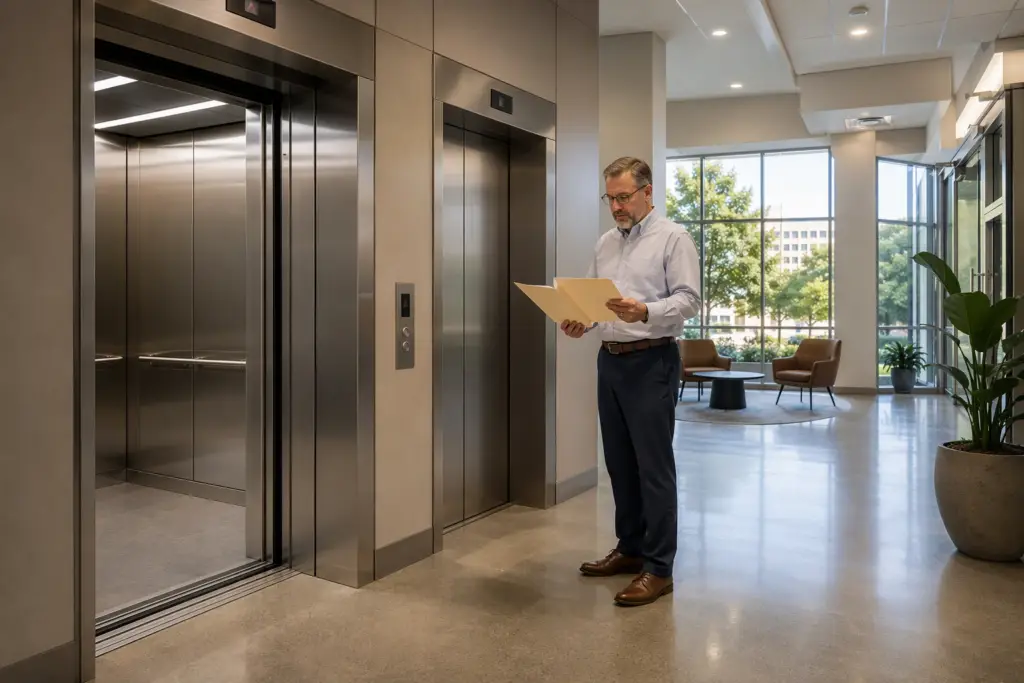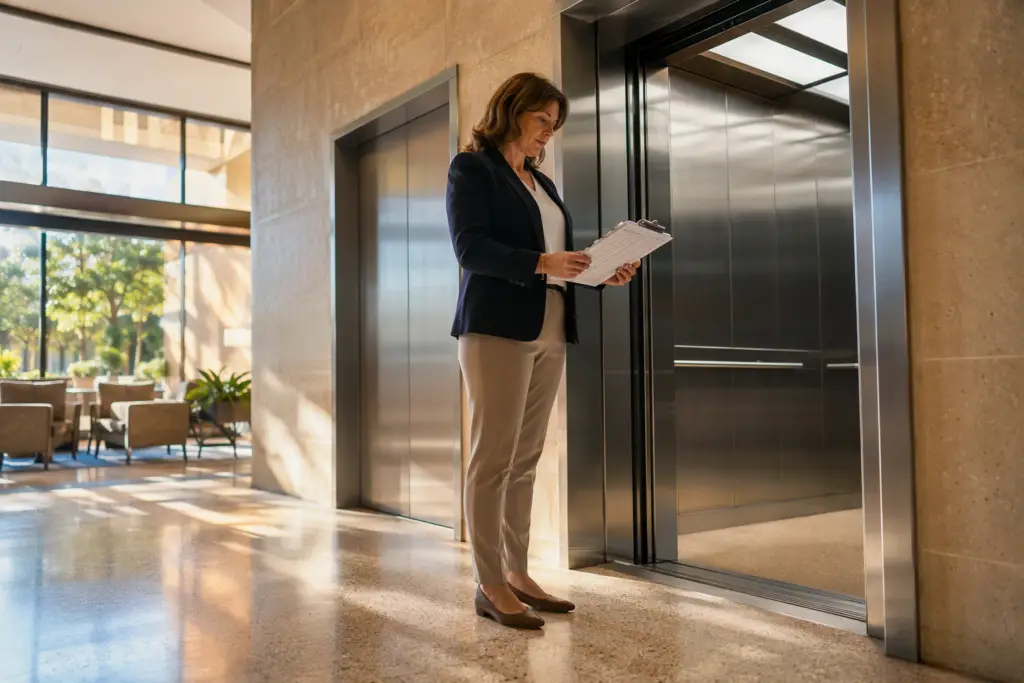
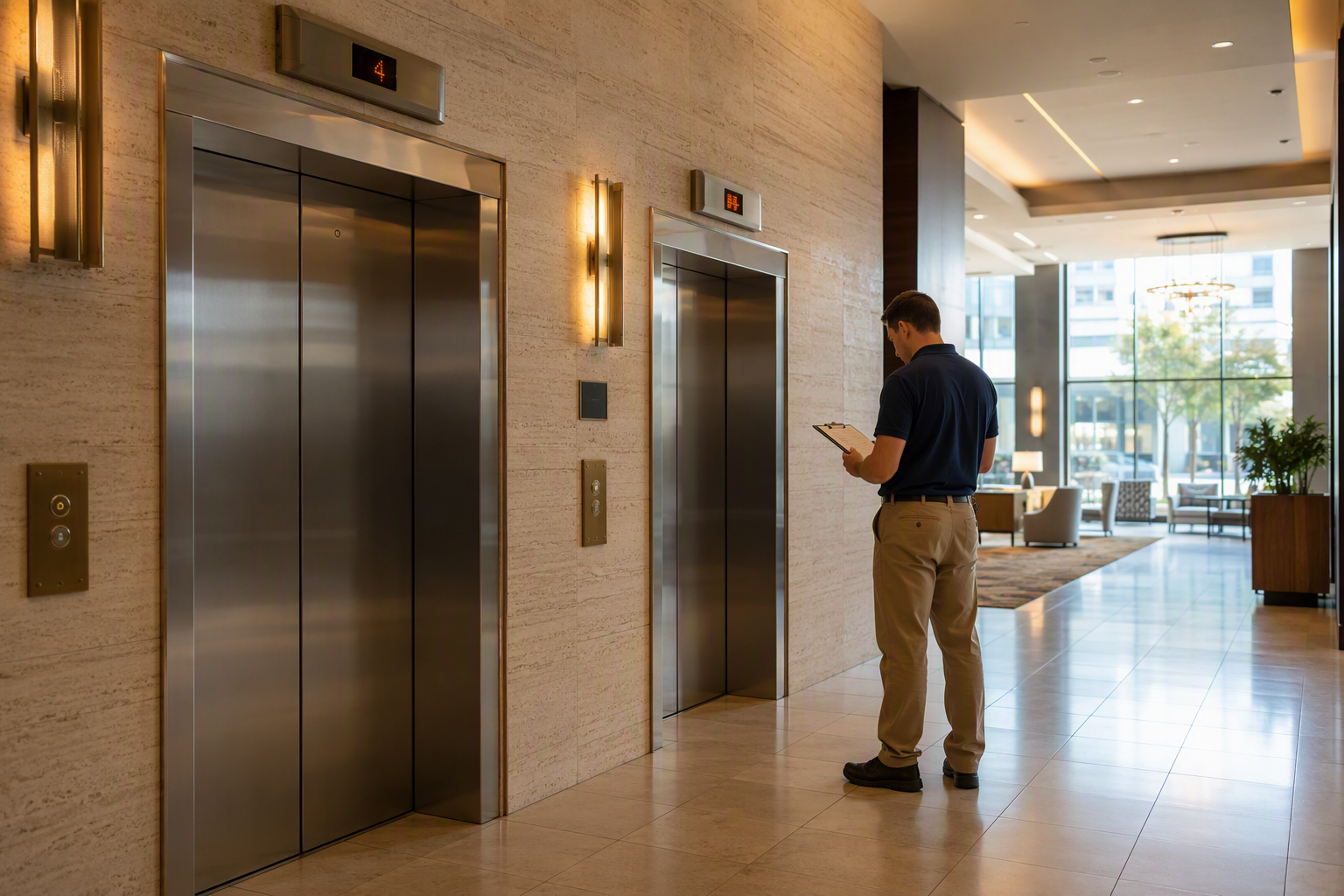
Hotels depend on fully operational elevators around the clock. A single out-of-service cab during peak occupancy can generate guest complaints, jeopardize star ratings, and create liability exposure. Understanding what a structured maintenance program looks like — and what compliance standards govern it — is essential for every hotel general manager and facilities director in Columbia, SC and the surrounding region.
What Does a Complete Hotel Elevator Maintenance Program Include?

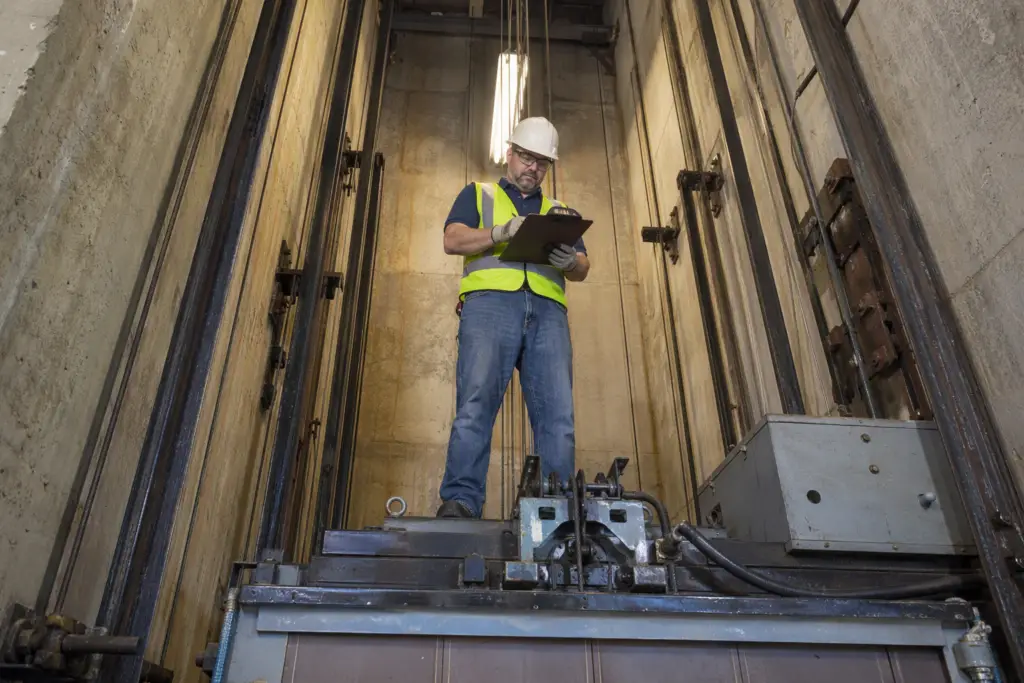
A comprehensive hotel elevator maintenance program covers preventive, corrective, and compliance-driven tasks performed on a documented schedule. Core components include:
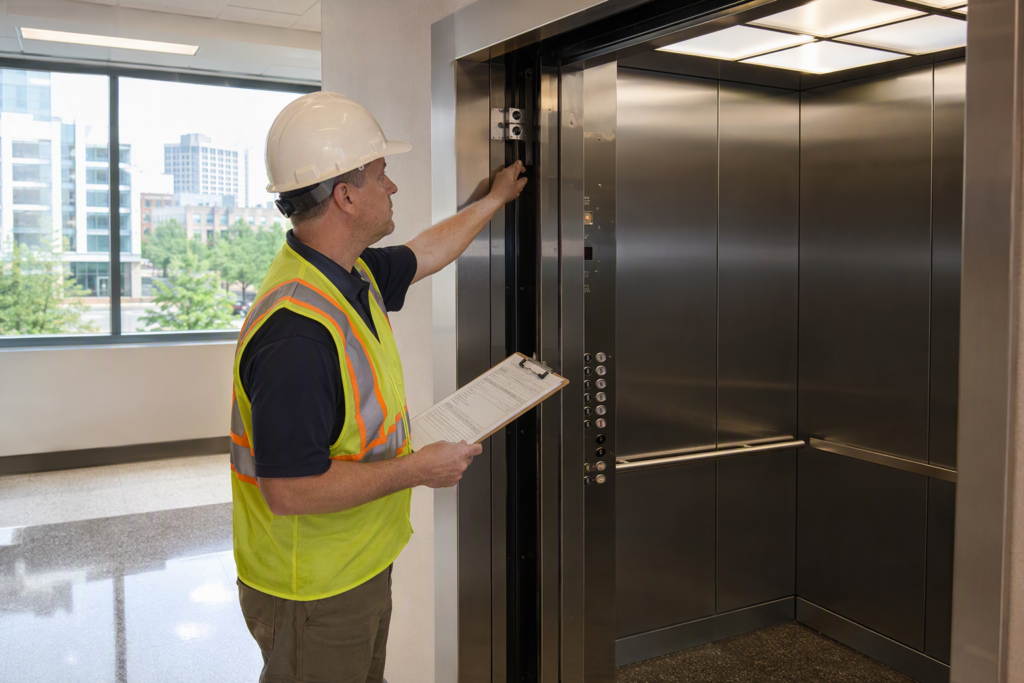
- Preventive maintenance visits — routine inspection and lubrication of mechanical components, door operator adjustments, and control system checks performed at regular intervals defined by the equipment manufacturer and applicable codes.
- Corrective maintenance — prompt repair of identified deficiencies before they escalate into full equipment failures or safety violations.
- Mandatory periodic inspections — third-party or authority-having-jurisdiction (AHJ) inspections required under ASME A17.1 Safety Code for Elevators and Escalators and South Carolina state elevator regulations.
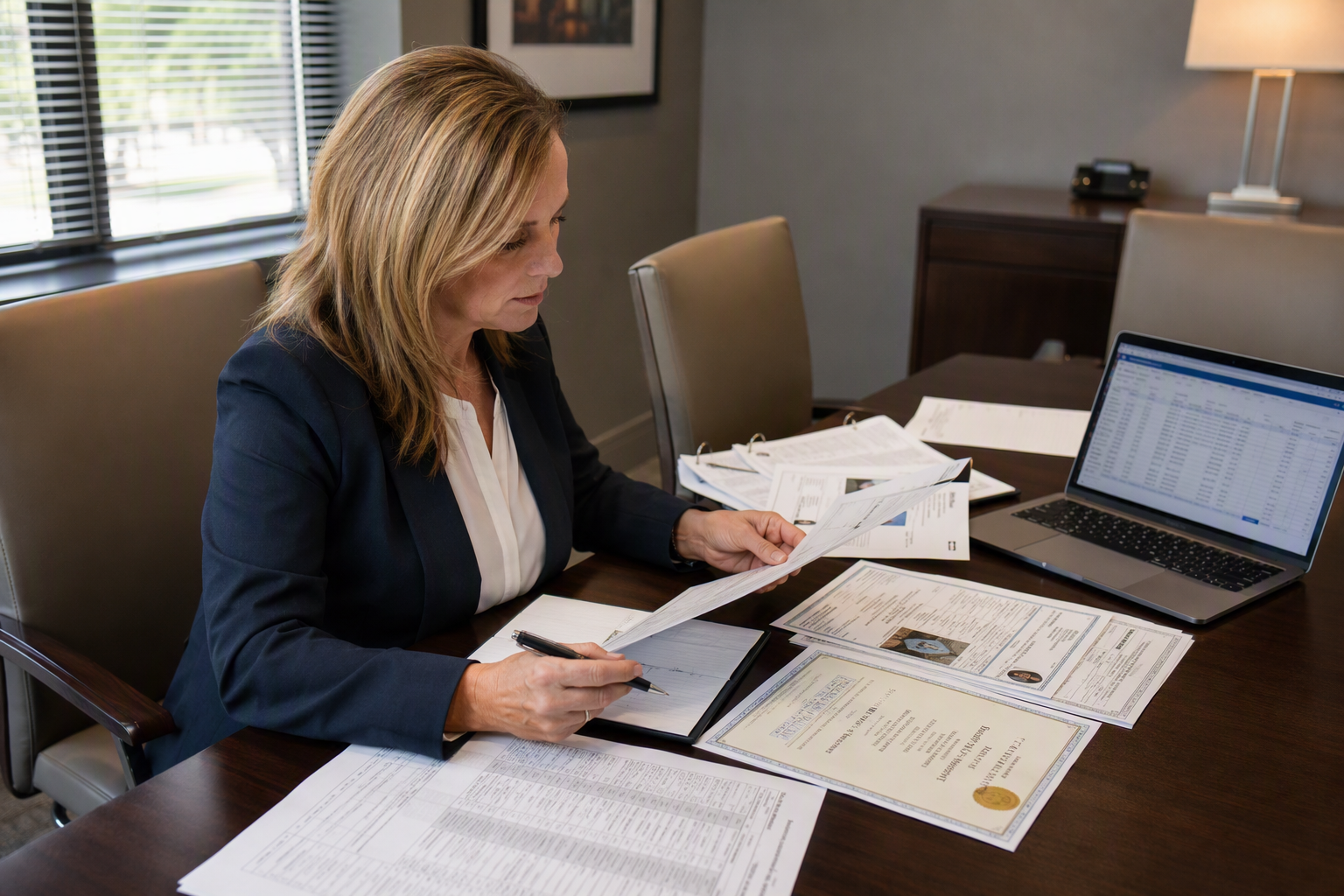
- Maintenance logs and recordkeeping — detailed documentation of every service visit, test result, and repair, which inspectors and insurance auditors routinely review.
- Modernization planning — proactive evaluation of aging components to prevent unplanned outages that disrupt hotel operations.
Carolina Elevator Service provides structured maintenance agreements tailored to hotel properties throughout the Columbia, SC market, addressing all of these program elements.
Which Compliance Codes Apply to Hotel Elevators?
Hotel elevators in South Carolina are subject to multiple overlapping regulatory frameworks:
- ASME A17.1 Safety Code for Elevators and Escalators — the primary national safety standard governing design, installation, inspection, testing, and maintenance of passenger elevators. South Carolina adopts this code through state elevator safety statutes administered by the South Carolina Department of Labor, Licensing and Regulation (LLR).
- Americans with Disabilities Act (ADA) — requires that hotel elevators serving guests meet accessibility standards, including door timing, cab dimensions, control button heights, and Braille signage. Alterations and renovations can trigger additional compliance obligations.
- OSHA General Industry Standards — apply to hotel maintenance personnel who work on or around elevator equipment, covering lockout/tagout procedures and confined space protocols for machine rooms.
- South Carolina State Elevator Regulations — state law requires elevators to hold a current Certificate of Operation issued after satisfactory periodic inspection. Certificates must be posted inside the elevator cab at all times.
- International Building Code (IBC) and International Fire Code (IFC) — govern fire service access requirements, firefighters’ emergency operation features, and machine room ventilation standards relevant to hotels.
How Often Should Hotel Elevators Be Inspected?
Inspection frequency is driven by code requirements and elevator usage intensity. Under ASME A17.1 and South Carolina LLR rules, traction and hydraulic elevators must undergo periodic inspections on a schedule established by the AHJ — typically annually for full inspections with additional periodic tests (such as safety device and governor tests) on longer cycles. High-traffic hotel elevators operating around the clock are also strong candidates for more frequent preventive maintenance visits between mandatory inspections, a schedule a qualified service provider can help determine based on equipment type and usage profile.
What Are the Most Common Hotel Elevator Maintenance Failures?
Facilities managers should watch for these recurring failure points:
- Door system malfunctions — door operators, gibs, sills, and safety edges are the most frequent cause of nuisance trips and entrapment incidents in high-use hotel elevators.
- Hydraulic fluid leaks — in hydraulic elevators, degraded seals and aging cylinders can cause slow descent, leveling errors, and environmental compliance issues.
- Controller and drive faults — outdated solid-state controllers accumulate fault codes that signal impending failure; regular data logging helps predict problems before shutdown occurs.
- Worn hoist ropes and sheaves — traction elevator ropes require periodic inspection for broken wires and proper tension; neglect here creates serious safety risk.
- Lack of lubrication — guide rails, roller guides, and machine components require lubrication at intervals specified by the manufacturer to prevent premature wear.
- Lighting and ventilation failures — cab lighting outages and inoperative ventilation fans are both guest-experience problems and code violations.
How Should Hotel Staff Respond When an Elevator Malfunctions?
When a hotel elevator shows signs of trouble or a guest reports a concern, staff should follow this protocol:
- Stop use immediately. Post the elevator out of service and prevent guest access if any safety concern is present — leveling errors, unusual sounds, door failures, or entrapment.
- If a passenger is trapped, activate the two-way communication system inside the cab. Hotel staff should reassure the passenger and contact emergency services if the trained building contact cannot resolve the situation promptly.
- Contact the elevator service provider. Reach the certified service company under your maintenance agreement for dispatch. Do not allow untrained hotel maintenance staff to attempt repairs.
- Document the incident. Record the time, nature of the malfunction, guest reports, and actions taken. This documentation is critical for insurance, liability, and inspection purposes.
- Do not return the elevator to service until the certified technician has inspected the equipment, identified the root cause, completed repairs, and confirmed the unit is safe to operate.
- Notify the AHJ if required. Certain incidents — including entrapments and injuries — may require notification to South Carolina LLR under state elevator statutes.
What Maintenance Records Should Hotels Keep?
Proper recordkeeping is both a compliance obligation and a risk management tool. Hotels should maintain:
- Current Certificate of Operation for each elevator, posted inside the cab.
- Copies of all periodic inspection reports and test certificates from the AHJ or third-party inspection agency.
- Preventive maintenance logs documenting each service visit, technician actions, and parts replaced.
- Corrective maintenance records including work orders, repair descriptions, and return-to-service sign-off.
- Modernization and alteration permits where applicable.
- Equipment manuals and original installation documentation for each unit.
Carolina Elevator Service provides clients with detailed service reports after every visit so that hotels always have audit-ready documentation on file.
How Does Preventive Maintenance Reduce Hotel Elevator Downtime?
Unplanned elevator downtime in a hotel creates immediate revenue and reputation risk. A structured preventive maintenance program addresses components before failure occurs — catching worn brushes, degraded buffers, and misaligned doors during scheduled visits rather than during peak check-in traffic. Equipment on a regular maintenance schedule also tends to pass mandatory inspections without deficiency citations, avoiding the operational disruption of a failed inspection and an emergency correction window.
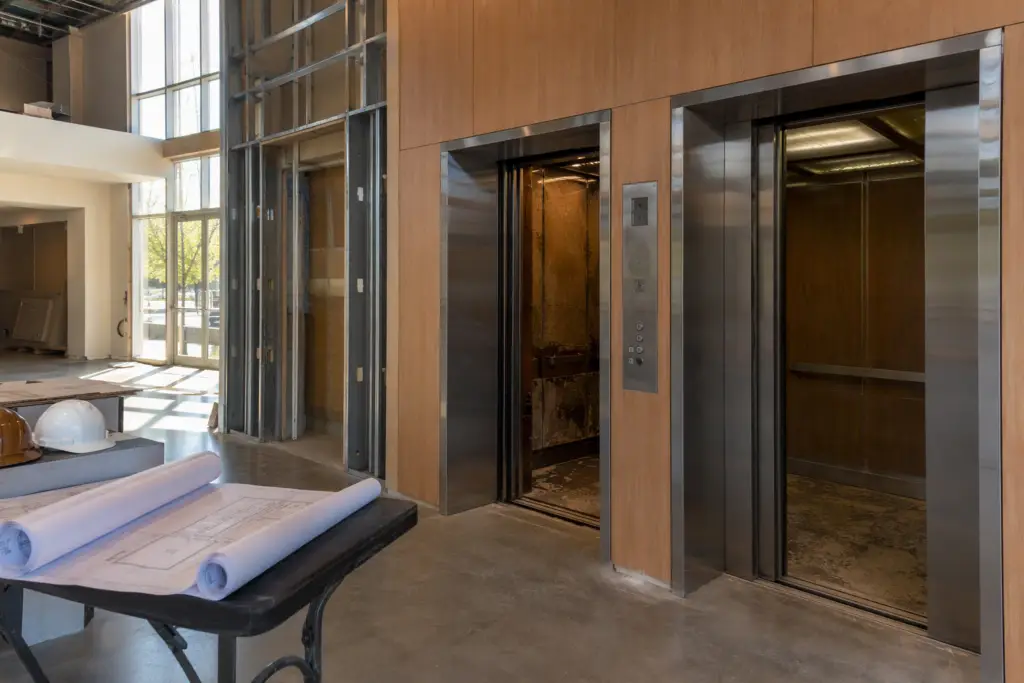
When Should a Hotel Consider Elevator Modernization Instead of Continued Repair?
Repeated corrective repairs on aging equipment can become more costly and disruptive over time than a planned modernization project. Indicators that modernization deserves evaluation include:
- Obsolete controllers or relay logic panels for which replacement parts are difficult to source.
- Recurring door system failures despite repeated adjustments.
- Hydraulic cylinders approaching end of useful service life.
- ADA deficiencies discovered during renovation that trigger full accessibility upgrades.
- Energy inefficiency in drive systems that modern variable-frequency drives could reduce.
- Guest-facing cab finishes and fixtures inconsistent with the hotel’s brand standards.
The decision involves evaluating repair frequency, parts availability, code compliance gaps, and total cost of ownership — a conversation Carolina Elevator Service can facilitate for Columbia-area hotel properties during a site assessment.
What ADA Requirements Apply Specifically to Hotel Elevators?
Under the Americans with Disabilities Act, hotels that serve the public must ensure their elevators meet ADA Standards for Accessible Design. Key requirements relevant to hotel elevator maintenance include:
- Door reopening devices must remain fully operational — doors must not close on passengers with a disability.
- Door timing must allow adequate time for individuals using mobility devices to board and exit.
- Call buttons and floor selection buttons must be at code-compliant heights and must function reliably.
- Braille and raised character signage on buttons and floor indicators must be legible and intact — damaged Braille is a compliance failure.
- Two-way emergency communication systems must be functional and operable without voice for deaf or hard-of-hearing guests where required.
- Cab leveling must keep the elevator floor within a tolerance that does not create a tripping hazard for wheelchair users.
Maintenance inspections should include a dedicated ADA compliance check, not just mechanical performance review.
Questions Your Inspector Will Ask
When a South Carolina LLR elevator inspector or third-party inspection agency visits a hotel property, the following questions and document requests are standard. Being prepared demonstrates operational maturity and reduces the risk of citations.
- “Where is your current Certificate of Operation?” — It must be posted inside each cab. An expired or missing certificate is an immediate violation.
- “May I see your maintenance logs?” — Inspectors look for documented evidence of regular preventive maintenance between their visits. Gaps in logs raise concerns.
- “When was the last full-load safety test performed?” — Required tests under ASME A17.1 must be completed on code-mandated schedules and documented.
- “Is the governor and safety system current on its test cycle?” — Overspeed governors and car safeties have specific test intervals under ASME A17.1 that inspectors verify.
- “Are all emergency lighting and communication systems operational?” — Inspectors will test the two-way communication device and emergency lighting inside the cab.
- “Has any alteration or repair been performed since the last inspection?” — Alterations may require permits and re-inspection; undisclosed work is a compliance red flag.
- “Who is your certified elevator service contractor?” — Inspectors may ask for contact information and verify that maintenance is being performed by a licensed provider.
- “Is the machine room secured and accessible only to authorized personnel?” — Machine room access control is an OSHA and code requirement inspectors routinely check.
Why Do Columbia, SC Hotels Choose Carolina Elevator Service?
Hotel facilities teams in the Columbia area work with Carolina Elevator Service because elevator uptime directly affects guest satisfaction scores and brand reputation. Carolina Elevator Service is a certified elevator service company serving the Columbia, SC market, providing preventive maintenance agreements, code-compliant inspections, corrective repairs, and modernization consulting for hotel and hospitality properties. The company’s technicians are trained to work within the operational constraints of active hotel environments, coordinating maintenance activities to limit disruption to guests and front-desk operations.
For hotel general managers and facility directors seeking a reliable partner for 2026 inspection cycles and ongoing maintenance compliance, Carolina Elevator Service delivers the documentation, technical expertise, and local presence needed to keep hotel elevators running safely and in full regulatory compliance.
Schedule Your Hotel Elevator Assessment Today
Elevator downtime costs hotels in guest experience, online reviews, and liability exposure. A proactive maintenance program is the most effective way to prevent unplanned outages and stay ahead of South Carolina LLR inspection requirements.
Contact Carolina Elevator Service for a free elevator assessment — call 803-865-1400 today.
Need elevator service you can rely on? Carolina Elevator Service is ready to help.