
Elevator Maintenance Contract Red Flags: What Columbia Building Owners Should Scrutinize Before Signing

Direct Answer: Before signing an elevator maintenance contract, watch for automatic renewal clauses with short cancellation windows, vague scope-of-work language that excludes common parts, liquidated damages penalties, unilateral price escalation rights, and clauses that limit your right to switch providers or pursue independent inspections. Understanding the fine print of an elevator maintenance contract — including […]
Elevator Requirements for Senior Living and Assisted Living Facilities: Accessibility Features, Codes, and Resident Safety
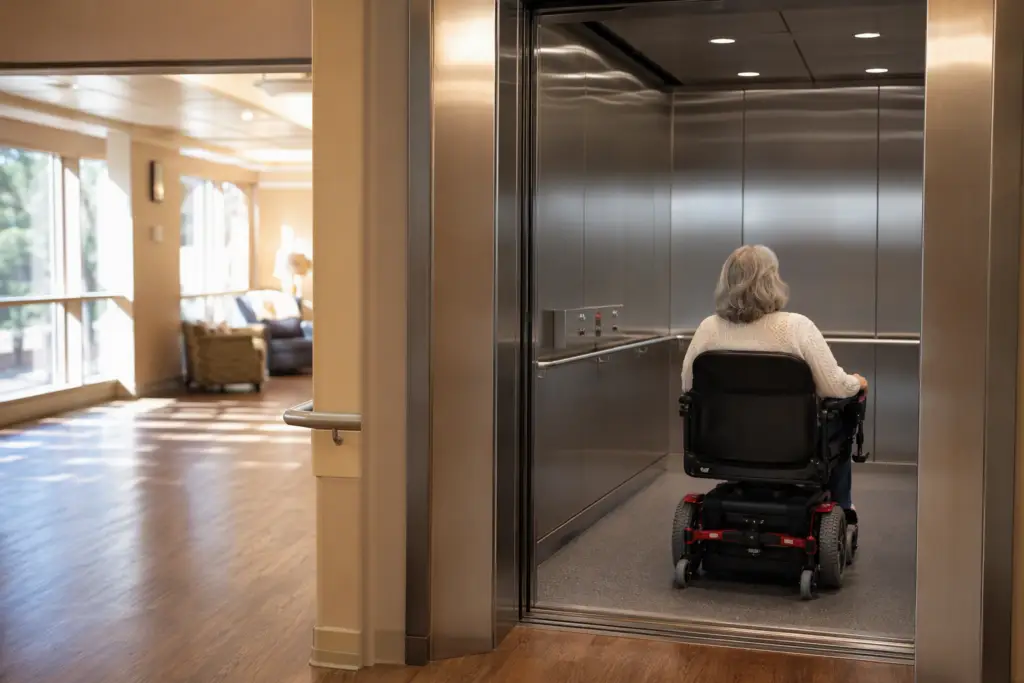
Direct Answer: Senior living and assisted living buildings need elevators with wide doors and cabs to accommodate wheelchairs and walkers, low-mounted controls, audible and visual floor indicators, slip-resistant flooring, emergency communication systems, and smooth leveling — all governed by the Americans with Disabilities Act (ADA) and ASME A17.1/A17.3 Safety Code for Elevators and Escalators to […]
Elevator Repair Permits in South Carolina: Approval Timelines, Requirements, and What Causes Delays
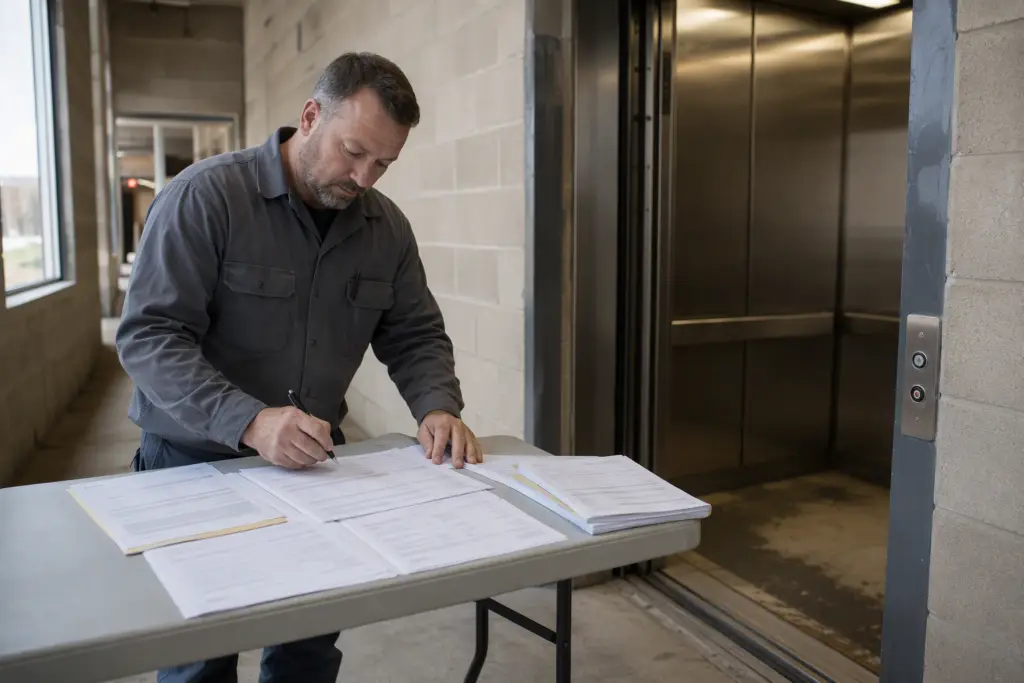
Quick Answer: In South Carolina, elevator repair permit approval typically takes anywhere from a few business days to several weeks, depending on the complexity of the repair, completeness of submitted documentation, and the current workload of the South Carolina Department of Labor, Licensing and Regulation (SC LLR) — with straightforward repairs often processed faster than […]
Fall Elevator Maintenance Checklist: What Columbia Facility Directors Should Schedule Before Year-End
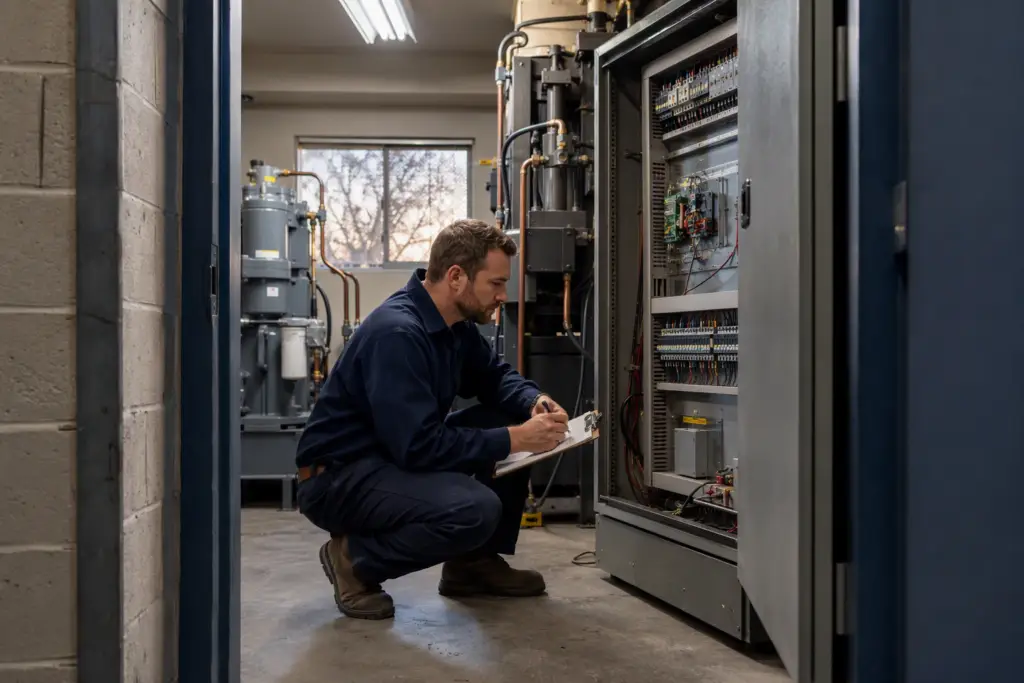
Elevator Maintenance Tasks to Complete Before Winter and at Year-End Direct Answer: Before winter arrives, building owners and facility managers should schedule a comprehensive elevator inspection covering lubrication of mechanical components, hydraulic fluid checks, pit drainage verification, door system adjustments, and safety device testing — all aligned with the ASME A17.1 Safety Code for Elevators […]
New Elevator Installation in Columbia SC: Timeline, Process, and What Building Owners Need to Know Before Signing a Contract
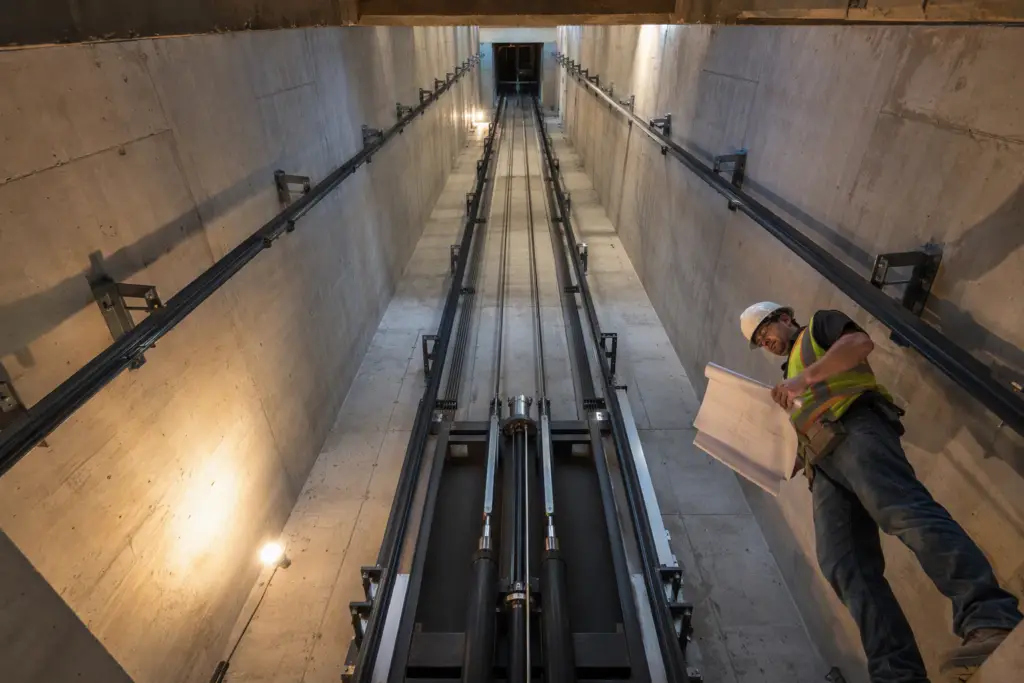
Elevator Service in Columbia, SC | Carolina Elevator Service Quick Answer: Installing a new elevator in a Columbia, SC building typically involves a permitting, design, installation, and inspection process governed by South Carolina elevator safety law and ASME A17.1 Safety Code for Elevators and Escalators — from signed contract to first authorized use, the timeline […]
How South Carolina Heat and Humidity Affect Elevator Performance and What Building Owners Can Do About It
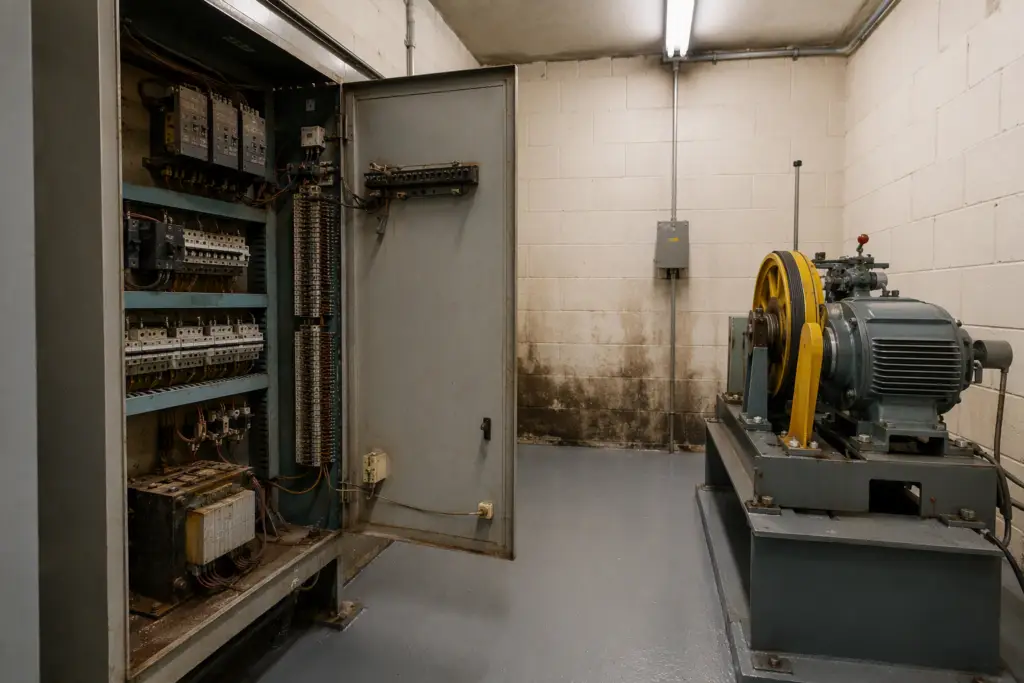
Most Common Elevator Problems in Hot and Humid Climates: A Healthcare Facility Guide Quick Answer: In hot and humid climates like Columbia, SC, the most common elevator problems in healthcare facilities include motor overheating, hydraulic fluid degradation, corrosion on electrical contacts and door components, moisture-related control board failures, and swollen door panels — all of […]
How Many Elevators Does a Commercial or Multifamily Building Actually Need? A Planning Guide for Columbia Property Owners
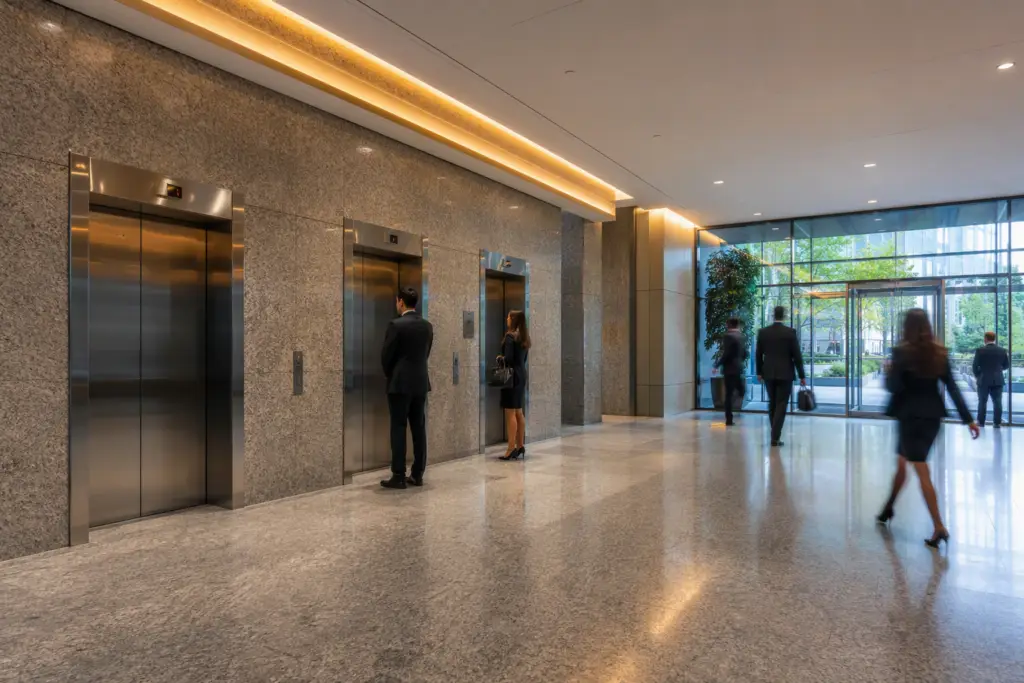
Quick Answer: Most building codes and elevator planning guidelines recommend one elevator for every 100,000–200,000 square feet of rentable area or one elevator per 3–5 floors for mid-rise buildings, but the exact number depends on occupant load, peak traffic demand, building use type, and compliance requirements under ASME A17.1 and the Americans with Disabilities Act. […]
What to Expect During a State Elevator Inspection in South Carolina: A Preparation Guide for Property Managers
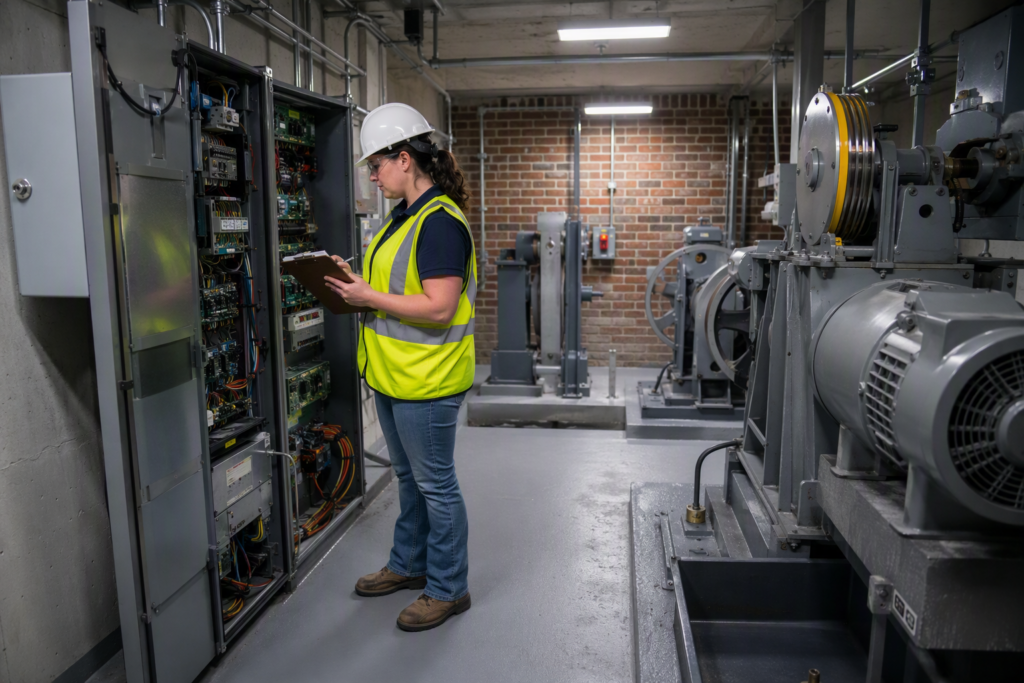
Elevator Service in Columbia, SC | Carolina Elevator Service Quick Answer: A South Carolina elevator inspection involves a licensed state inspector examining your elevator’s mechanical components, safety devices, and compliance with applicable codes — and property owners can prepare by maintaining service records, clearing the machine room, and ensuring all safety features are operational before […]
Elevator Modernization vs. Repair: How to Decide What Your Building Actually Needs
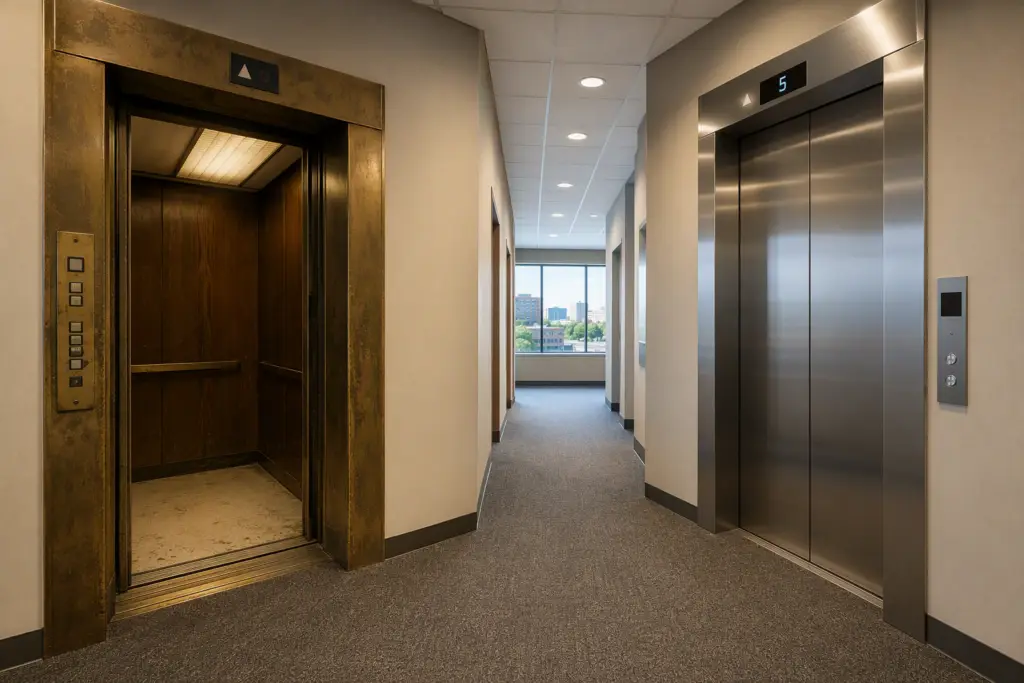
Quick Answer: If your elevator is experiencing frequent breakdowns, failing safety inspections, or using obsolete components that are no longer manufactured, modernization is likely the smarter long-term investment — but isolated mechanical failures on otherwise sound equipment typically call for targeted repairs instead. Knowing whether your elevator needs modernization or targeted repairs often comes down […]