Elevator Service in Columbia, SC | Carolina Elevator Service
Building owners and property managers in Columbia, SC face a straightforward calculation: consistent elevator maintenance costs a fraction of what reactive repairs, code violations, or equipment replacement demand. For commercial properties, multifamily buildings, healthcare facilities, and public institutions across the Midlands, a well-maintained elevator is not simply a convenience — it is a legal requirement, a liability consideration, and a direct driver of tenant satisfaction and property value.
Carolina Elevator Service works with property stakeholders throughout Columbia and the surrounding region to develop maintenance programs aligned with South Carolina regulatory requirements and the operational realities of each building’s unique elevator system.
What Is Elevator Maintenance ROI and Why Does It Matter for Columbia Buildings?
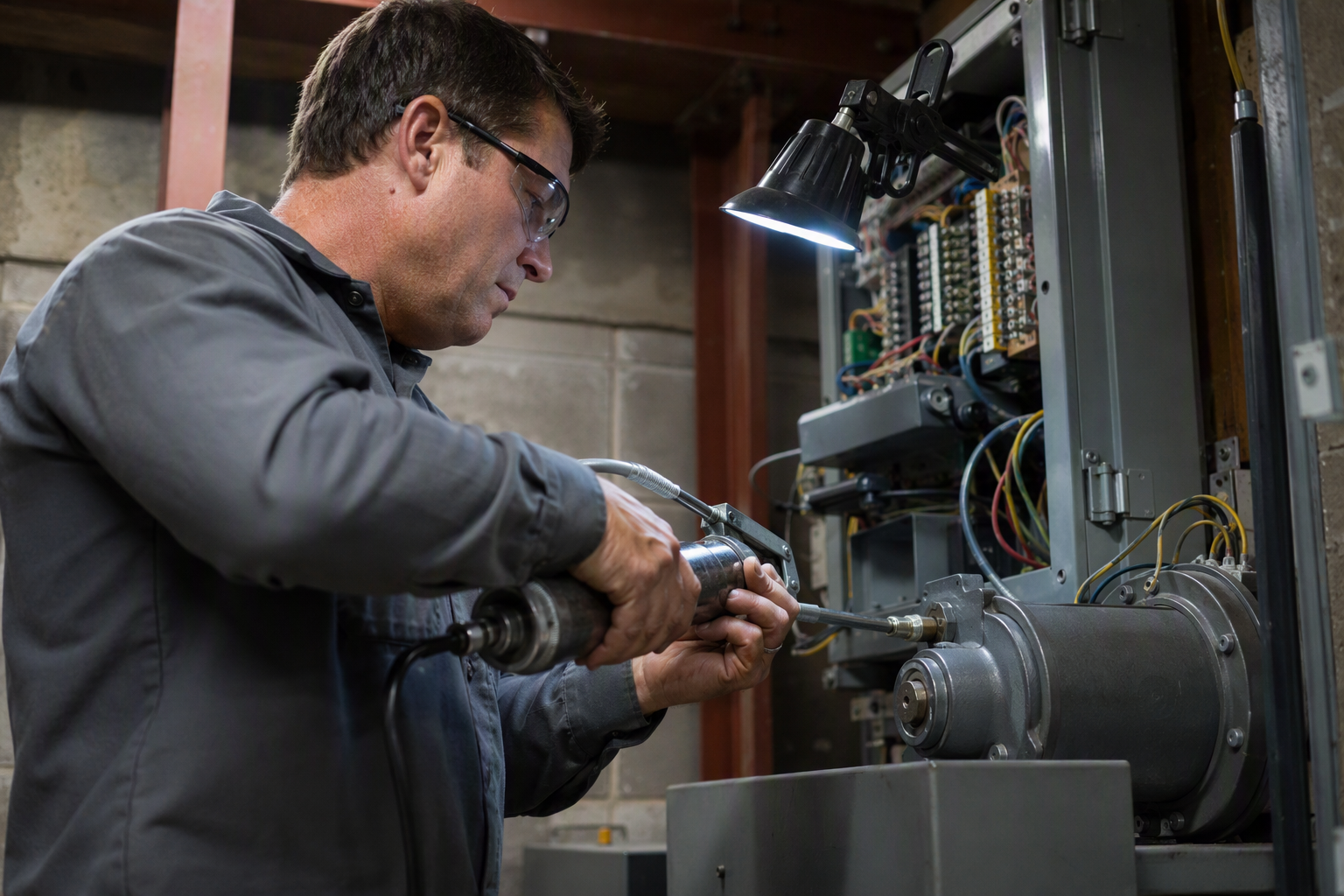
Return on investment in elevator maintenance is measured across several dimensions: avoided repair costs, regulatory compliance, equipment longevity, reduced liability exposure, and the intangible but real value of operational reliability. For Columbia property owners, the financial case is straightforward — deferred maintenance consistently results in higher cumulative costs than proactive servicing.
Elevators that receive scheduled inspections, lubrication, component testing, and timely part replacement operate longer between major failures. When a system fails unexpectedly in a commercial office building, a hospital, or a multifamily property, the cost extends beyond the repair invoice. Tenant disruption, ADA accessibility concerns, and potential regulatory penalties all compound the financial impact of an unplanned outage.
What South Carolina Elevator Codes Apply to Columbia Properties?
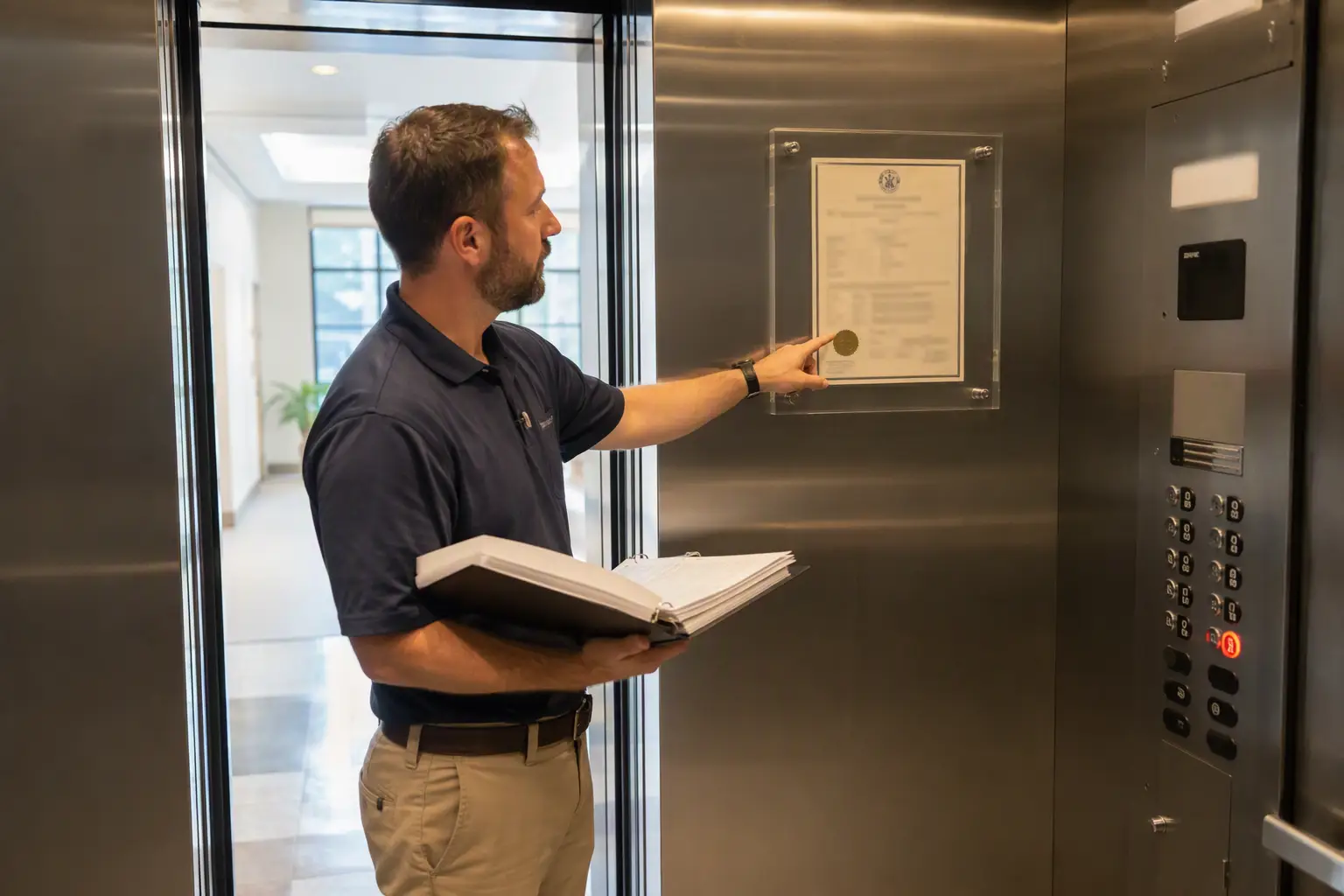
South Carolina elevator safety falls under the jurisdiction of the South Carolina Department of Labor, Licensing and Regulation (LLR), which adopts and enforces the ASME A17.1 Safety Code for Elevators and Escalators as the governing technical standard. Building owners in Columbia are required to maintain valid certificates of operation, which are issued following periodic inspections conducted by state-licensed inspectors.
Key compliance obligations for Columbia property owners include:
- Annual inspections: Most elevators in South Carolina are subject to annual inspection intervals to renew operating certificates.
- Category testing: The ASME A17.1 standard requires periodic Category 1 and Category 5 testing of safety devices, with intervals defined by the code edition adopted by South Carolina LLR.
- ADA compliance: Federal Americans with Disabilities Act (ADA) requirements mandate that elevators serving multiple-story buildings remain accessible and functional. An out-of-service elevator in a covered building is not only an operational problem — it is a potential ADA violation.
- OSHA standards: For elevators in workplaces, OSHA regulations intersect with elevator safety, particularly in construction and industrial environments.
Failure to maintain current operating certificates can result in mandatory shutdowns ordered by South Carolina LLR, creating immediate revenue and liability consequences for building operators. In 2026, compliance awareness remains a primary driver of proactive maintenance decisions among Columbia property managers.
How Does Preventive Maintenance Reduce Long-Term Elevator Costs?
Preventive maintenance programs address wear before it becomes failure. The components most commonly serviced under a structured plan — door operators, hydraulic fluids, safety governors, guide rails, and control systems — are also the components whose failure generates the largest repair invoices when neglected.
A maintenance agreement establishes a scheduled cadence of inspections and service visits, allowing technicians to identify worn bearings, degraded seals, or aging control boards before those components cause a system outage. The cost of replacing a worn part during a scheduled visit is substantially lower than the cost of an emergency call combined with expedited parts procurement and the associated building disruption.
For older elevator systems common in Columbia’s historic commercial and residential buildings, proactive component management also defers full system modernization — extending useful equipment life and allowing capital planning on a predictable schedule rather than in response to an emergency.
What Types of Buildings in Columbia, SC Benefit Most from Elevator Maintenance Programs?
Carolina Elevator Service works with a broad range of property types across the Columbia metro area, including:
- Commercial office buildings in the downtown Columbia business district and suburban corridors
- Healthcare facilities, where elevator reliability is directly tied to patient care operations and staff workflow
- Multifamily residential properties, including apartment communities and senior living developments where ADA accessibility is both a legal and ethical obligation
- Government and institutional buildings, including facilities associated with the South Carolina State House complex and university campuses
- Retail and hospitality properties where guest experience and operational continuity are revenue-sensitive
- Industrial and warehouse facilities utilizing freight elevators and material lifts
Each property type has distinct usage patterns, load requirements, and compliance obligations that shape the appropriate maintenance approach.
What Happens During a Routine Elevator Maintenance Visit?
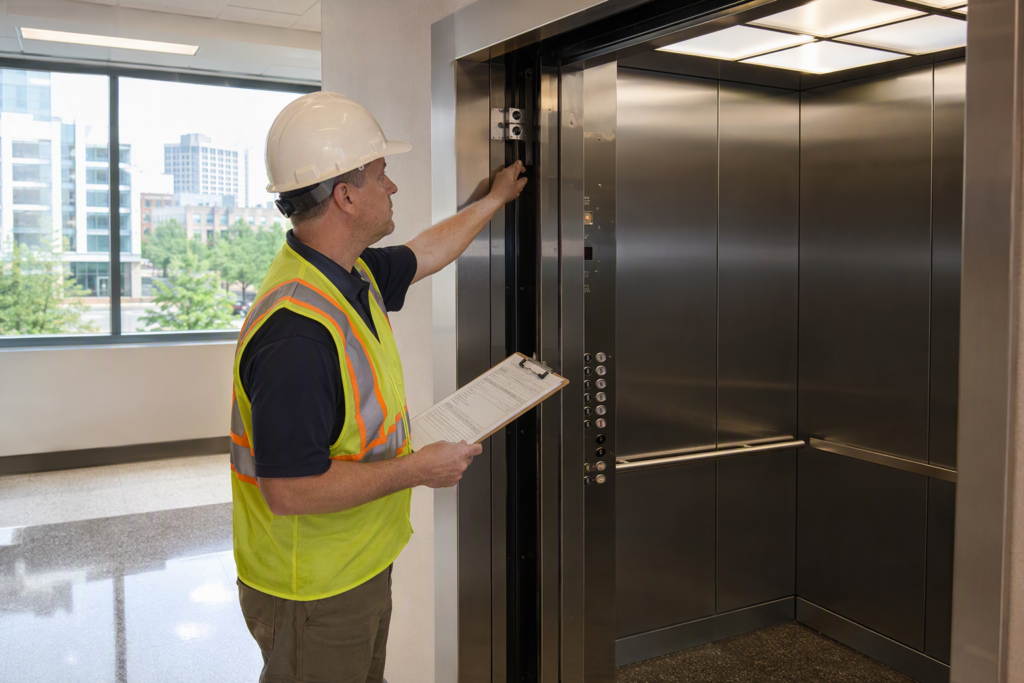
A structured maintenance visit covers systematic inspection and service of the elevator’s major systems. While specific protocols vary by equipment type and manufacturer, a comprehensive visit generally addresses:
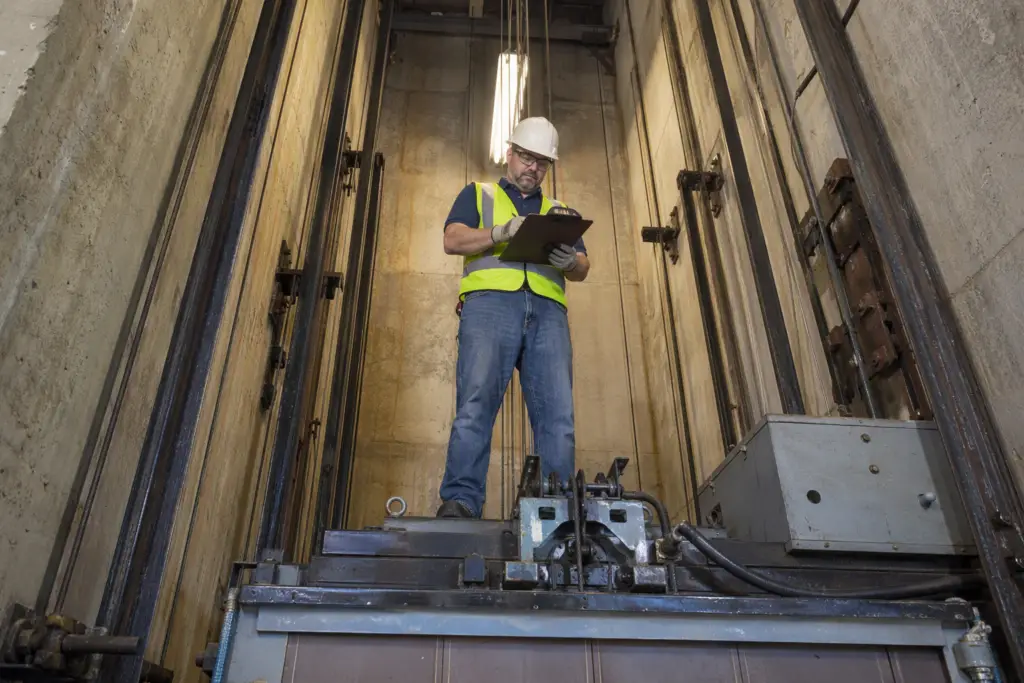
- Machine room inspection: Review of motor, drive, controller, and safety devices for signs of wear, heat, or fluid contamination.
- Door system service: Adjustment and lubrication of door operators, gibs, and rollers — door-related failures are among the most common causes of elevator outages.
- Cab and hoistway inspection: Check of guide rails, buffers, safeties, and lighting systems.
- Hydraulic system check (for hydraulic elevators): Fluid level, cylinder condition, and valve operation review.
- Safety device testing: Verification of governor, buffers, interlocks, and emergency lowering functions per ASME A17.1 requirements.
- Control system review: Functional testing of operating panel, call buttons, emergency communication, and floor leveling.
- Documentation: Service records updated to support compliance documentation and certificate renewal.
How Does Elevator Downtime Affect Property Value and Tenant Relations?
In Columbia’s competitive commercial and multifamily real estate market, elevator reliability is a measurable factor in tenant retention and lease negotiations. A building with a history of frequent elevator outages faces concrete disadvantages: tenants in upper-floor offices or residential units lose confidence in building management, and prospective tenants and buyers factor operational reliability into their decisions.
For healthcare and senior living properties, the stakes are higher still — elevator downtime in these environments can directly affect care delivery and trigger regulatory review. A documented maintenance history demonstrates due diligence to insurers, regulators, and prospective tenants alike, reinforcing the property’s value position.
What Should a Columbia Property Owner Look for When Evaluating Elevator Service Providers?
Selecting an elevator maintenance partner involves more than comparing service agreement pricing. Property owners in Columbia should evaluate:
- Familiarity with South Carolina LLR requirements and the ability to support certificate renewal documentation
- Experience with the specific elevator systems installed in the building — hydraulic, traction, MRL (machine room-less), and platform lifts each require distinct expertise
- Emergency availability: A maintenance provider should have the capacity to respond to unplanned outages on a priority basis, though building owners should evaluate response capabilities directly rather than rely on generic response time claims
- Transparent service documentation that creates a clear maintenance record for compliance and insurance purposes
- Local presence in the Columbia market, which supports faster dispatch and deeper familiarity with regional code enforcement practices
How Should a Building Owner Respond to an Elevator Outage or Safety Concern?
- Take the elevator out of service immediately if a safety concern is identified — do not allow continued passenger use until the issue is assessed by a qualified technician.
- Post clear out-of-service signage at all landings to prevent passenger attempts to use the equipment.
- Contact your elevator service provider to report the issue and arrange inspection or repair.
- Notify building management and affected tenants to coordinate access accommodations, particularly for individuals who rely on the elevator for ADA-covered accessibility.
- Document the incident, including the time the issue was identified, the nature of the observed problem, and all communications with your service provider.
- Confirm that required notifications to South Carolina LLR are made if the outage involves a reportable safety incident under state regulations.
- Retain service records from the repair visit for your compliance documentation file.
Is Elevator Modernization Part of a Long-Term ROI Strategy?
For Columbia buildings with aging elevator systems, modernization is often the highest-ROI decision available. Older control systems, hydraulic units, and cab components drive disproportionate maintenance costs as parts become harder to source and component failure rates increase with age.
A phased modernization approach — upgrading controls, drives, and door systems before committing to full cab and hoistway renovation — allows building owners to restore reliability and compliance at manageable capital investment levels. Modernized systems also typically reduce energy consumption and improve ADA compliance posture, both of which carry ongoing financial benefit.
A qualified elevator service provider can assess existing equipment condition and provide a clear picture of the point at which continued maintenance spending exceeds the cost of targeted modernization — giving Columbia property owners the information needed to plan capital expenditures strategically.
Schedule a Free Consultation with Carolina Elevator Service
Carolina Elevator Service provides elevator maintenance, inspection support, repair, and modernization services to property owners and managers throughout Columbia, SC and the surrounding Midlands region. Whether managing a single-elevator office building or a multi-unit portfolio, a structured maintenance program is the most reliable path to compliance, operational continuity, and long-term cost control.
Contact Carolina Elevator Service today to schedule a free consultation and learn how a maintenance program can be structured to fit your property’s needs and budget.
Call: 803-865-1400
Need elevator service you can rely on? Carolina Elevator Service is ready to help.