Elevator Service in Columbia, SC | Carolina Elevator Service

Switching elevator maintenance providers is a practical decision that building owners and facility managers in Columbia, SC make when service quality declines, costs become unpredictable, or response to emergencies falls short of expectations. The process involves more steps than simply signing a new contract — it requires attention to existing agreements, South Carolina regulatory requirements, and a clear handoff plan to keep the elevator safe and compliant throughout the transition.
—
What Steps Are Involved in Switching Elevator Maintenance Companies?
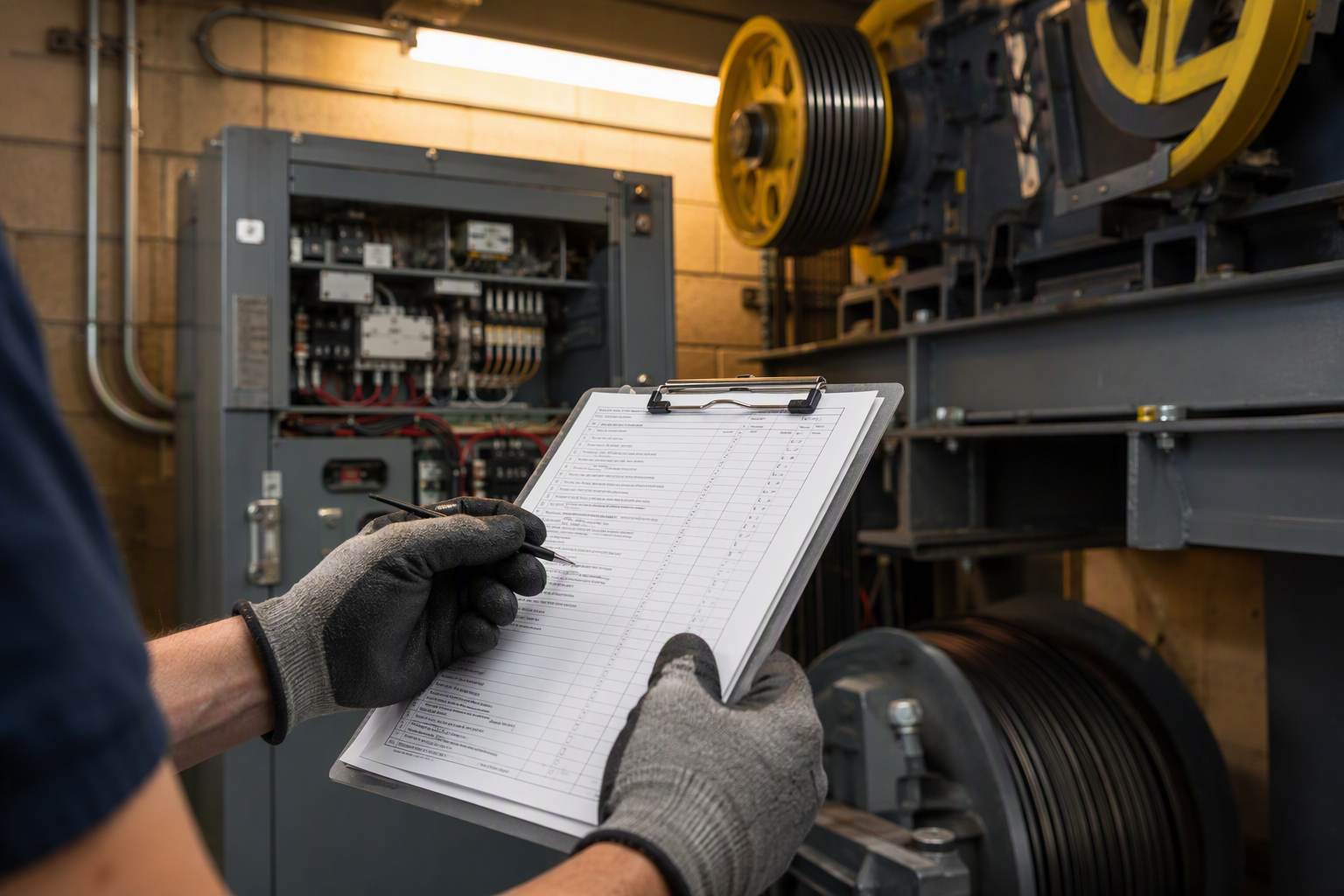
Making a clean, compliant switch requires a structured approach. Skipping steps can create compliance gaps, billing disputes, or safety issues during the transition period.
- Review your existing contract. Locate the termination clause in your current maintenance agreement. Most commercial elevator service contracts include a notice period — commonly 30, 60, or 90 days — and may include automatic renewal language. Read these clauses carefully before taking any other action.
- Send written notice of termination. Deliver a formal termination letter to your current provider within the timeframe specified in the contract. Keep a dated copy for your records. Certified mail creates a verifiable paper trail.
- Audit your equipment records. Request copies of all inspection reports, maintenance logs, service tickets, and permit documentation from your current provider. These records belong to the building owner and are essential for the incoming company to assess the equipment’s condition.
- Verify new provider credentials. Confirm that the prospective maintenance company holds a valid South Carolina elevator contractor license through the South Carolina Department of Labor, Licensing and Regulation (LLR). Carolina Elevator Service operates as a certified elevator contractor in South Carolina.
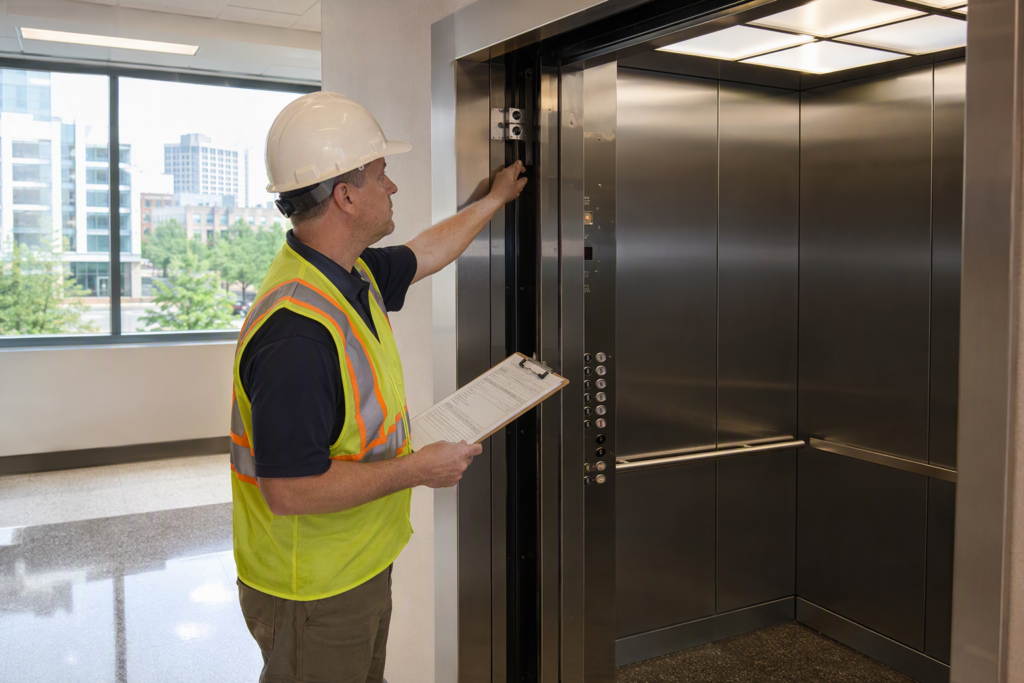
- Schedule a pre-takeover inspection. Before the new contract begins, arrange for the incoming company to inspect the elevator. This establishes a documented baseline of equipment condition and identifies any deferred maintenance or code issues that need to be addressed.
- Coordinate transition timing. Align the start date of the new agreement with the end of the notice period on the old contract to avoid gaps in coverage or overlapping billing.
- Notify your local authority having jurisdiction (AHJ). In South Carolina, the elevator permit and inspection records are tied to the equipment, not the contractor. Notify the South Carolina Office of Elevators if a change of contractor affects permit documentation.
- Confirm ongoing inspection scheduling. Ensure the new provider is aware of upcoming annual inspection due dates so compliance is maintained without interruption.
—
What Does South Carolina Law Require for Elevator Maintenance?

South Carolina regulates elevator safety under the South Carolina Elevator Safety Act. The state requires that elevators in public buildings be maintained by a licensed elevator contractor and inspected by a certified elevator inspector. Inspections must meet the standards set by the ASME A17.1 Safety Code for Elevators and Escalators, which establishes minimum safety requirements for design, construction, operation, inspection, testing, maintenance, alteration, and repair of elevators.
As of 2026, South Carolina adopts and enforces ASME A17.1 as its baseline elevator safety standard. Building owners are responsible for ensuring their elevator remains in compliance at all times — including during a provider transition. Allowing a maintenance gap to create a lapsed inspection or an unresolved violation can expose building owners to citations and mandatory shutdowns.
Accessibility requirements for elevators in buildings serving the public also fall under the Americans with Disabilities Act (ADA), which mandates that elevators remain accessible and operational. A transition period does not waive these obligations.
—
What Should Be in a New Elevator Maintenance Agreement?
A well-structured maintenance contract protects building owners and sets clear expectations. Before signing, look for the following provisions:
- Clearly defined scope of preventive maintenance tasks and frequency
- Coverage for parts, labor, and call-back visits
- Transparency around what is excluded from coverage
- Emergency service availability language that is specific and verifiable
- Termination notice requirements that are reasonable and mutual
- Documentation commitments — the provider should supply written records after every service visit
- Compliance responsibility — the contract should identify who is responsible for scheduling and coordinating state-required inspections
Be cautious of long auto-renewal terms with short cancellation windows. These provisions can trap building owners in arrangements that no longer serve their needs.
—
How Does an Elevator Transition Inspection Protect the Building Owner?
A transition inspection — performed by the incoming maintenance company before the new contract activates — serves as a formal condition assessment. It creates a written record of the elevator’s state at the moment of handoff. This protects the building owner from being held responsible for pre-existing deficiencies discovered later, and it protects the incoming company from inheriting undisclosed liability.
During a transition inspection, a qualified elevator technician will typically examine mechanical components, safety devices, control systems, cab condition, door operation, and any open permits or violations on record with the state. Carolina Elevator Service performs transition inspections as part of its onboarding process for new clients in the Columbia, SC area.
—
What Are Common Reasons Building Owners Switch Elevator Companies?
Facility managers and property owners in Columbia, SC switch elevator maintenance providers for a range of reasons, including:
- Slow or unreliable response when the elevator is out of service
- Incomplete or poorly documented service records
- Repeated callbacks for the same unresolved issue
- Billing disputes or unexpected charges for items that should be covered
- Lack of familiarity with the specific elevator manufacturer or model
- Poor communication and difficulty reaching a live service contact
- Concerns about technician qualifications or code knowledge
Switching providers is a legitimate and often necessary step when service quality affects building operations, tenant safety, or regulatory compliance.
—
Does Switching Elevator Companies Affect Existing Permits or Inspections?
In South Carolina, elevator permits are attached to the equipment — not to the maintenance contractor. Changing providers does not void an existing permit or trigger a new permit application in most circumstances. However, if the transition involves any alterations to the elevator, a separate permit through the South Carolina LLR may be required under ASME A17.1 guidelines.
Annual inspection requirements continue on their existing schedule regardless of who holds the maintenance contract. The building owner is responsible for ensuring the inspection occurs on time. The incoming maintenance company should take over coordination of upcoming inspections as part of the transition.
—
What Markets Does Carolina Elevator Service Serve in South Carolina?
Carolina Elevator Service provides elevator maintenance, inspection coordination, repair, and modernization services throughout the Columbia, SC metropolitan area and across the Midlands region of South Carolina. The company serves commercial office buildings, medical facilities, multifamily residential properties, government buildings, and retail centers. Local knowledge of the Columbia market — including familiarity with regional building stock, climate considerations, and South Carolina regulatory requirements — informs the service approach Carolina Elevator Service applies to every client account.
—
What Emergency Elevator Services Are Available in Columbia, SC?
Elevator emergencies — including entrapments, door malfunctions, and mechanical failures — require prompt attention. Elevator entrapments in South Carolina also involve coordination with local emergency responders. Carolina Elevator Service maintains emergency service availability for clients in the Columbia area. For life-safety situations involving an entrapment, building staff should contact emergency services (911) first, then notify the elevator maintenance provider.
When evaluating a new elevator maintenance company, ask directly about after-hours and emergency availability, how calls are routed outside business hours, and what the escalation process looks like for life-safety situations. These details should appear in the service agreement, not just in a verbal commitment.
—
How Can Carolina Elevator Service Help with the Transition Process?
Carolina Elevator Service guides building owners and facility managers in Columbia, SC through every stage of switching elevator maintenance providers. From reviewing existing contract obligations to performing a thorough pre-takeover inspection, the team helps ensure the transition is compliant, documented, and operationally seamless. Carolina Elevator Service is a certified elevator contractor operating under South Carolina licensing requirements, with deep familiarity with ASME A17.1 standards and local AHJ expectations.
For building owners who are unsure whether switching is the right decision, Carolina Elevator Service offers a consultation to assess current equipment condition and discuss service options — with no obligation to proceed.
—
Schedule a Free Consultation
If elevator service in Columbia, SC is falling short — or if a current contract is coming up for renewal — now is the time to explore options. Carolina Elevator Service is ready to assess the equipment, review the current service situation, and outline what a compliant, well-managed transition looks like.
Call Carolina Elevator Service today: 803-865-1400
Need elevator service you can rely on? Carolina Elevator Service is ready to help.