Emergency Elevator Repair Columbia SC: Complete FAQ Guide
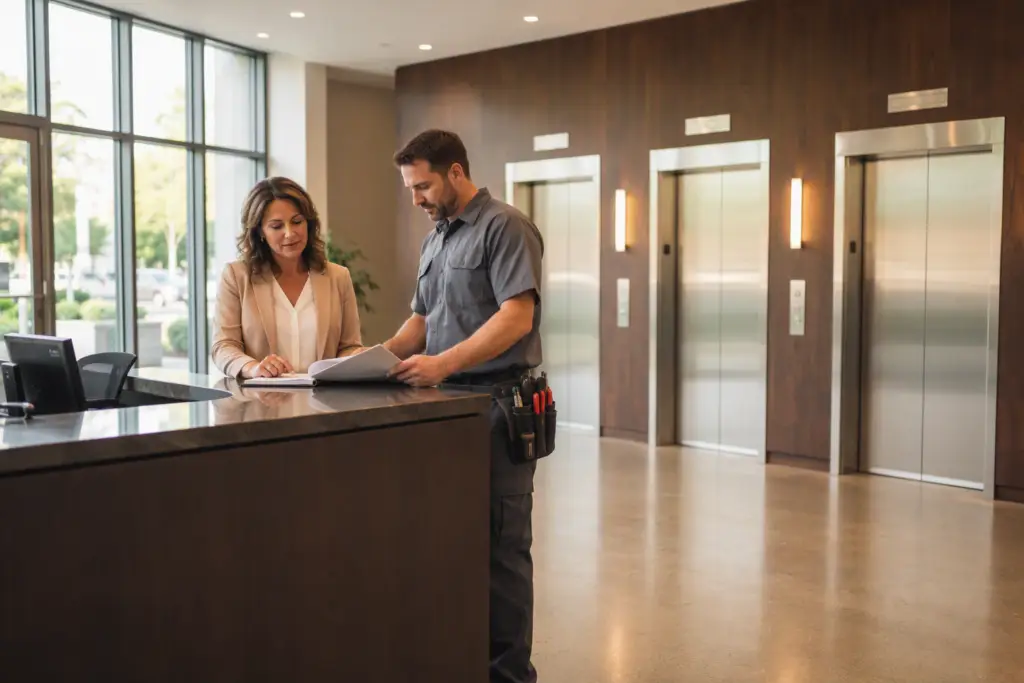
Elevator emergencies can occur without warning in office buildings, hospitals, hotels, and residential complexes across the Columbia metropolitan area. Whether a cab is stuck between floors, a door refuses to close, or a safety system has triggered an automatic shutdown, the priority is always passenger safety first and rapid, code-compliant restoration second. This FAQ hub covers every dimension of emergency elevator repair in Columbia, SC — from what to do in the first moments of a breakdown to how maintenance contracts, compliance standards, and equipment type affect the repair timeline and cost.
What counts as an elevator emergency requiring immediate repair in Columbia, SC?

An elevator emergency is any condition that traps passengers, creates an imminent safety hazard, or causes the cab to operate outside the parameters defined by ASME A17.1 Safety Code for Elevators and Escalators.
Common emergency conditions include: passengers trapped in a stalled cab; doors that will not open or close correctly; uncontrolled movement or over-travel beyond the top or bottom landing; smoke or burning odors in the machine room; hydraulic fluid leaks beneath a hydraulic unit; and controller alarms that have placed the elevator in automatic out-of-service mode. Each of these scenarios demands an immediate call to a licensed elevator service company — not building maintenance staff who are not elevator-certified.
South Carolina regulates elevators through the Department of Labor, Licensing and Regulation (LLR), which mandates that only licensed elevator contractors perform repairs and that certain safety defects result in mandatory removal from service until corrected and re-inspected. Attempting unauthorized repairs not only violates state law but may void the unit’s liability insurance coverage.
What should building managers do immediately when an elevator breaks down?
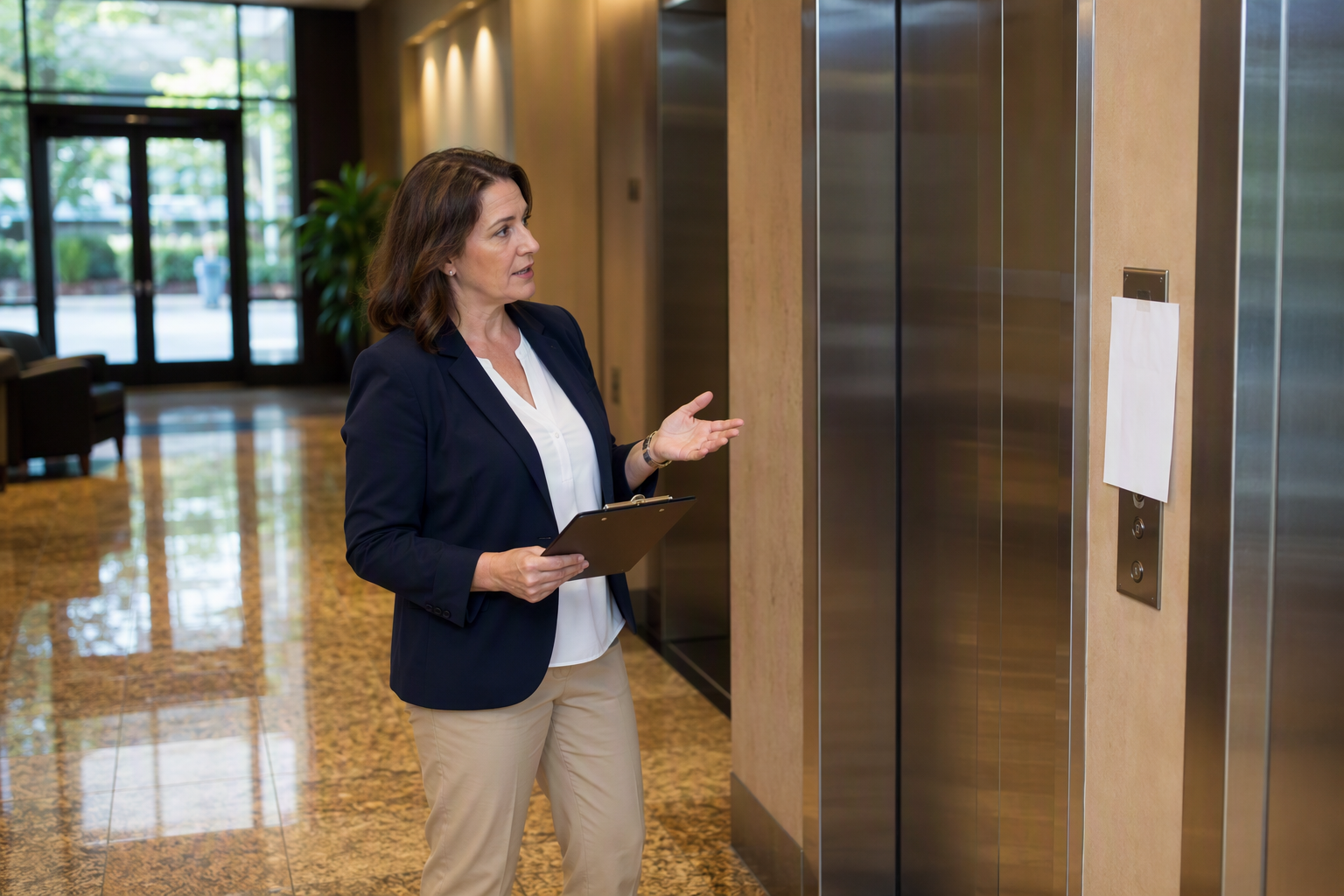
Building managers should follow a clear, prioritized sequence the moment an elevator malfunction is detected to protect occupants and limit liability.
- Communicate with any trapped passengers immediately. Use the in-cab intercom or phone system required under ASME A17.1 to confirm their safety, instruct them not to attempt to exit on their own, and assure them help is on the way.
- Call 911 if passengers are injured, experiencing a medical event, or in immediate danger. Emergency services have protocols for elevator entrapment and should be contacted before the elevator company in life-threatening situations.
- Contact a licensed elevator repair company. Call Carolina Elevator Service or another certified Columbia-area contractor to dispatch a certified technician for passenger extraction and fault diagnosis.
- Post signage at every landing. Place “Out of Service” notices on all floor call buttons to prevent additional users from attempting to use the unit.
- Secure the machine room. Do not allow unauthorized personnel to enter the machine room or pit area. These spaces contain high-voltage electrical systems and moving components that are dangerous to untrained individuals.
- Document the incident. Note the time of the malfunction, the floor where the cab stopped, any error codes displayed, and the names of any passengers involved. This information is essential for the technician and for any required incident reporting.
- Notify your elevator maintenance contractor and insurance carrier. Depending on the severity of the incident, South Carolina’s LLR may also require notification.
How long does emergency elevator repair typically take in Columbia?
Repair duration depends on the nature of the fault — passenger extraction from a stopped cab typically takes less time than component replacement, which may require sourcing parts specific to the unit’s make and age.
Simple faults such as door sensor misalignment, tripped circuit breakers, or minor controller resets can often be resolved during the initial service call. More complex failures — hydraulic pump replacement, rope or sheave damage, or controller board failure — may require the elevator to remain out of service until replacement parts arrive. Older elevators or proprietary systems with discontinued components can extend downtime significantly.
Building owners with active preventive maintenance agreements typically experience shorter repair timelines because service records, part histories, and the unit’s technical documentation are already on file with the contractor, accelerating diagnosis and parts procurement.
What are the most common causes of elevator emergencies in Columbia-area buildings?
The majority of elevator emergencies in the Columbia, SC region stem from a predictable set of mechanical, electrical, and environmental failure modes.
Door system faults — including worn safety edges, misaligned door tracks, and failing door operators — account for a large share of service calls across all elevator types. Hydraulic unit problems, including fluid leaks, worn seals, and pump motor failures, are especially common in older low-rise commercial buildings throughout the Midlands. Electrical issues such as controller board failures, overheated motor windings, and power surge damage are also frequent, particularly following the severe thunderstorms Columbia experiences throughout the spring and summer months.
Additional common causes include worn wire ropes in traction elevators, failed safety switch components, and oil-contaminated brake assemblies. Deferred maintenance is a consistent underlying factor: elevators that skip scheduled service intervals accumulate small defects that compound into emergency failures.
Is an elevator required to be shut down after an emergency in South Carolina?
Yes — South Carolina regulations require that an elevator with certain safety defects be removed from service until a licensed contractor repairs the fault and the unit passes re-inspection by a qualified elevator inspector.
The South Carolina LLR administers the state’s elevator safety program and adopts the ASME A17.1 Safety Code for Elevators and Escalators as the governing technical standard. When an inspection reveals a condition that creates an imminent hazard — such as a failed safety device, excessive rope wear, or a non-functional fire service mode — the inspector or the contractor must tag the unit out of service. Continued operation of a tagged elevator exposes the building owner to significant regulatory penalties and civil liability.
What codes and standards govern elevator repairs in Columbia, SC?
Elevator repairs in Columbia must comply with a layered framework of federal, national, and state standards that together define minimum safety requirements for equipment, maintenance, and personnel.
| Standard / Authority | Scope | Applies To | Reference |
|---|---|---|---|
| ASME A17.1 Safety Code for Elevators and Escalators | Design, installation, inspection, testing, maintenance, and repair of elevators | All elevator types (traction, hydraulic, limited-use) | asme.org/codes-standards |
| ASME A17.3 Safety Code for Existing Elevators and Escalators | Retroactive safety requirements for older units | Elevators installed before current A17.1 edition | asme.org/codes-standards |
| ADA Standards for Accessible Design | Accessibility requirements for elevator cabs, controls, and signage | Public accommodations and commercial facilities | ada.gov |
| OSHA 29 CFR 1910 / 1926 | Worker safety during elevator maintenance and repair operations | Elevator technicians and contractors | osha.gov |
| SC LLR Elevator Safety Program | State licensing, permitting, and inspection requirements | All elevators in South Carolina | SC Department of Labor, Licensing and Regulation |
Repair work performed without the required permits, or by unlicensed contractors, violates both state law and the applicable ASME codes. Building owners should always verify that their elevator service provider holds current South Carolina contractor licensing before authorizing any repair work.
Does ADA compliance apply to emergency elevator repairs?
Yes — any repair or component replacement that affects the cab interior, controls, or door operation must maintain compliance with the ADA Standards for Accessible Design.
Emergency repairs that involve replacing door operating systems, control panels, or cab interiors can trigger ADA compliance reviews, particularly in facilities serving the public. Requirements include minimum cab dimensions, Braille markings on control buttons, audible and visual floor signals, and door timing specifications that accommodate users with mobility impairments. A licensed elevator contractor will assess ADA implications as part of any scope of work that touches these systems.
What is the difference between emergency elevator repair and preventive maintenance?
Emergency repair addresses an active failure that has taken the elevator out of service or created a safety hazard, while preventive maintenance is scheduled, proactive servicing designed to reduce the likelihood of those failures occurring.
Preventive maintenance performed under ASME A17.1 guidelines includes lubrication of mechanical components, adjustment of door systems, testing of safety devices, inspection of wire ropes and sheaves, and review of controller diagnostics. These tasks are documented in a maintenance log that is subject to review during state inspections. Buildings with consistent preventive maintenance records typically experience fewer emergency repair events and are better positioned during regulatory audits.
Carolina Elevator Service provides both emergency repair response and ongoing preventive maintenance programs tailored to the equipment type and usage demands of Columbia-area buildings.
How does elevator type affect emergency repair complexity in Columbia?
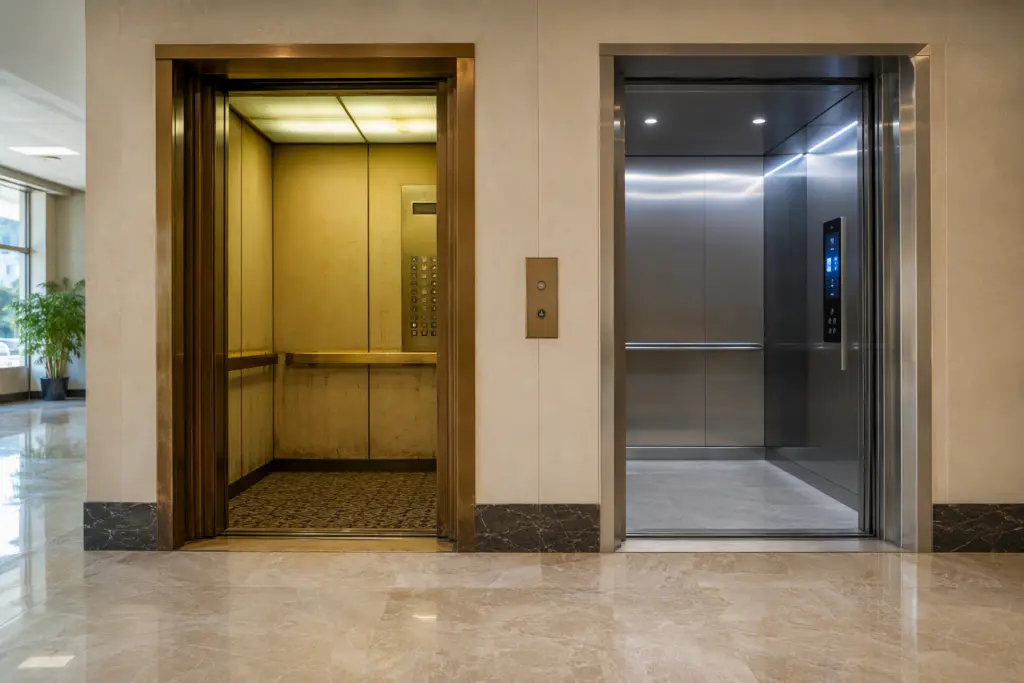
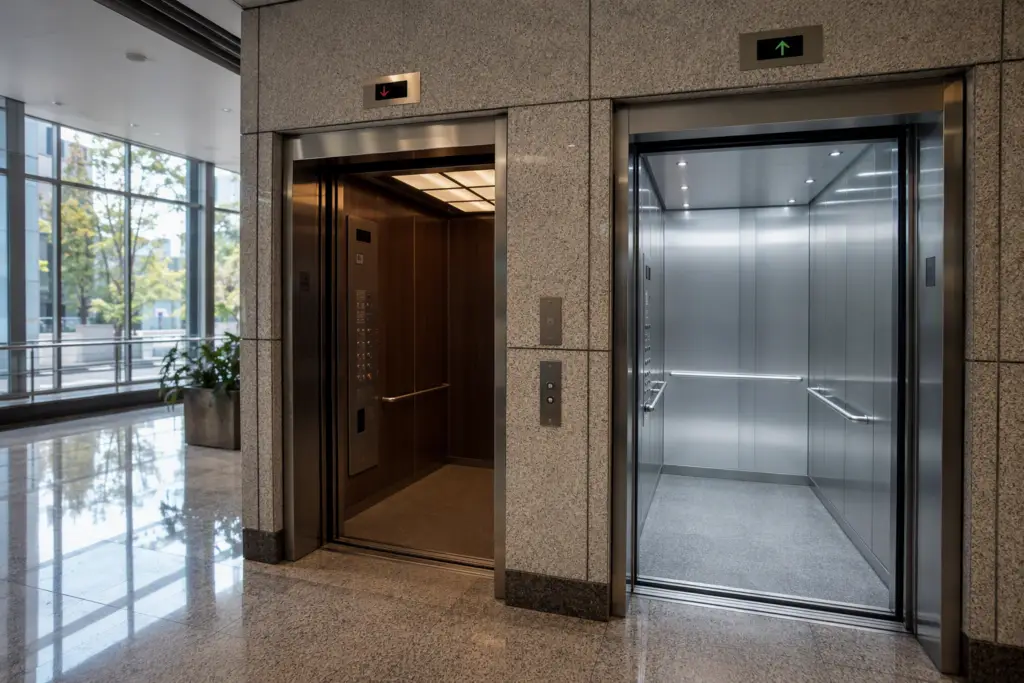
Hydraulic and traction elevators have fundamentally different mechanical systems, meaning the nature, parts, and expertise required for emergency repair differ significantly between them.
Hydraulic elevators, common in low-rise commercial buildings throughout Columbia, use a fluid-driven piston or cylinder to raise the cab. Emergency failures often involve hydraulic fluid leaks, pump motor failure, or valve malfunctions. These systems also carry environmental compliance considerations under South Carolina regulations regarding underground hydraulic cylinders and fluid containment.
Traction elevators, used in mid- and high-rise buildings, rely on steel wire ropes, counterweights, and electric motors. Emergency failures may involve rope wear, brake system faults, or sheave deterioration — components that require specialized tools and significant technical expertise to service safely. Machine-room-less (MRL) traction elevators, increasingly common in newer Columbia construction, present additional complexity due to limited access space for technicians during emergency diagnosis.
Can a building owner legally attempt to repair their own elevator in South Carolina?
No — South Carolina law requires that elevator repair, adjustment, and maintenance work be performed only by or under the direct supervision of a licensed elevator contractor.
The SC LLR’s elevator safety program establishes licensing requirements for elevator contractors and mechanics operating in the state. Performing repair work without the appropriate license is a violation that can result in civil penalties, mandatory shutdown of the equipment, and — if a subsequent injury occurs — significant liability exposure for the building owner. Even minor adjustments to door systems, safety devices, or controller settings must be performed by qualified personnel.
What questions should building managers ask an elevator repair company before hiring them for emergency work in Columbia?
Selecting the right emergency repair contractor requires confirming licensure, familiarity with the specific equipment type, and the ability to meet South Carolina’s regulatory requirements for permitted repair work.
Building managers should ask the following before authorizing emergency repair work:
- Is the company licensed as an elevator contractor by the South Carolina LLR?
- Are the technicians dispatched certified and qualified to work on the specific make and model of elevator in the building?
- Will the company pull the required repair permits with the state?
- Does the company maintain liability insurance and workers’ compensation coverage?
- Can the company provide documentation of the repair for the elevator’s maintenance log?
- Does the company have access to OEM or compatible replacement parts for the unit?
- Will the repair restore the elevator to full compliance with ASME A17.1 and South Carolina regulations?
Carolina Elevator Service is a certified elevator contractor serving Columbia, SC, with documented compliance practices aligned to ASME codes and SC LLR requirements.
What are the risks of delaying emergency elevator repair in a commercial building?
Delaying repair of a malfunctioning elevator creates compounding risks including regulatory penalties, ADA violations, increased component damage, and liability exposure if a building occupant is injured.
From a regulatory standpoint, a building operating a known-defective elevator may be subject to forced shutdown orders from the SC LLR and fines for non-compliance. From a liability perspective, if a tenant, visitor, or employee is injured on an elevator that the owner knew was defective, that prior knowledge becomes a significant factor in any litigation. Delays also allow mechanical degradation to continue — a minor hydraulic seal leak left unaddressed can become a major pump replacement, dramatically increasing repair cost.
For buildings that serve the public or have ADA obligations, an out-of-service elevator may also constitute a barrier to access under the ADA, particularly if no accessible alternative is provided.
How are elevator repair permits handled in South Carolina during emergencies?
South Carolina requires permits for most elevator repair and alteration work, and even in emergency situations, the licensed contractor is responsible for ensuring the correct permits are obtained with the SC LLR.
In genuine emergency situations where passenger safety requires immediate action — such as entrapment extraction — a licensed contractor may perform the minimum necessary work to restore safe conditions, with permits filed promptly thereafter in accordance with state procedures. However, the permit obligation is not waived; it is deferred only to the earliest practicable opportunity. Building owners should confirm with their service provider that all necessary permit applications are filed and that the state inspection process is scheduled following completion of emergency repair work.
What is involved in a post-repair elevator inspection in South Carolina?
Following significant repairs or alterations, South Carolina requires a qualified elevator inspector to perform a code-compliance inspection before the unit is returned to full service.
The inspection process verifies that the repair work meets the requirements of the applicable edition of ASME A17.1 as adopted by South Carolina, and that safety devices, door operation, leveling accuracy, and emergency systems function correctly. The inspector reviews the repair documentation provided by the licensed contractor and may witness operational tests of specific components. Once the inspection is passed, the elevator’s certificate of operation is updated and the unit may be returned to service.
How does a preventive maintenance contract reduce the frequency of elevator emergencies?
A structured preventive maintenance agreement addresses the incremental wear and component degradation that, when left unmonitored, escalate into the failures that generate emergency repair calls.
Under a comprehensive maintenance contract aligned with ASME A17.1 maintenance intervals, a certified technician performs regular inspection and servicing of all major subsystems: drive motor and machine, controller and selector, door operating mechanism, safety devices, buffers, ropes, and hydraulic components where applicable. Early identification of worn components allows planned replacement during scheduled service visits rather than emergency calls prompted by in-service failures.
Maintenance records also serve a practical compliance function: during SC LLR inspections, a well-documented maintenance log demonstrates that the building owner has exercised the duty of care required for safe elevator operation.
What should tenants and building occupants know about elevator safety during an emergency?
Occupants should understand that the safest action when trapped in an elevator is to remain calm, use the in-cab communication device, and wait for trained rescue personnel — never attempt to exit the cab unassisted.
The ASME A17.1 code requires that every elevator cab be equipped with a two-way communication system capable of connecting occupants with a responsible party at all times. Occupants should use this system to communicate their location and condition. Attempting to pry open doors or climb out of a stalled cab between floors is extremely dangerous and has resulted in serious injuries and fatalities.
Building managers are encouraged to post emergency procedure notices in elevator lobbies and machine room areas, and to brief property staff annually on the correct response protocol for elevator entrapment events.
What role does OSHA play in elevator emergency repair situations?
OSHA regulations govern the safety of elevator technicians performing repair work, establishing requirements for lockout/tagout procedures, confined space entry in pits, and fall protection in hoistways.
OSHA 29 CFR 1910.147 covers the control of hazardous energy (lockout/tagout), which is a critical procedure whenever a technician works on elevator electrical or mechanical systems. OSHA 29 CFR 1910.146 establishes permit-required confined space procedures applicable to elevator pits. Reputable elevator service companies maintain OSHA-compliant safety programs and provide ongoing safety training to their technicians to ensure that emergency repair work is performed without creating additional hazards.
Building owners should verify that any emergency repair contractor demonstrates OSHA compliance as part of their standard operating procedures, since a technician injury during repair work on the building’s property can expose the owner to regulatory and legal consequences.
How do older elevators in Columbia affect emergency repair options and costs?
Older elevators — particularly those installed before the current ASME A17.1 edition was adopted — may present parts availability challenges, retroactive code compliance requirements, and modernization considerations that affect both the scope and economics of emergency repair.
The ASME A17.3 Safety Code for Existing Elevators and Escalators establishes retroactive safety requirements that apply when significant repair or alteration work is performed on older units. This means that an emergency repair on an aged elevator may trigger an obligation to bring additional systems up to current code standards, expanding the scope beyond the immediate fault. Building owners of older properties in Columbia should discuss this possibility with their elevator contractor at the outset of any major repair.
Parts for discontinued elevator systems — particularly older relay-logic controllers and obsolete hydraulic valves — may have limited availability, which can affect repair timelines. In some cases, the most cost-effective path forward is a modernization of the controller or drive system rather than repeated emergency repairs of failing legacy components.
What is elevator modernization and when should it be considered instead of ongoing emergency repair?
Elevator modernization is the systematic replacement of major components or entire subsystems with contemporary equipment, and it becomes the more practical and economical option when a unit is experiencing recurring emergency failures due to aging infrastructure.
The decision point between continued repair and modernization depends on several factors: the frequency and cost of recent emergency repair events, the availability of replacement parts for existing components, the unit’s compliance status under ASME A17.1 and A17.3, and any ADA accessibility gaps that a modernization project could simultaneously address. Common modernization scopes include controller replacement, drive system upgrades, door operator replacement, cab interior renovation, and — for hydraulic units — cylinder replacement or conversion to a holeless hydraulic configuration.
Carolina Elevator Service works with Columbia-area building owners to evaluate whether emergency repair or modernization is the right strategy given the specific condition, age, and usage demands of each unit.
How can building owners in Columbia evaluate whether their elevator service provider is reputable?
Evaluating an elevator service provider requires verifying state licensure, confirming code knowledge, reviewing documentation practices, and assessing their familiarity with the specific equipment installed in the building.
A reputable provider should be able to demonstrate active licensing with the SC LLR, provide references from other commercial or residential building accounts in the Columbia area, explain repair procedures in terms of specific ASME code requirements, and produce written work orders and maintenance logs for every service visit. They should also carry appropriate liability insurance and be able to coordinate the permitting and inspection process with South Carolina regulators.
Red flags include contractors who offer to perform work without pulling permits, who are unable to identify the specific ASME code sections governing the repair, or who cannot provide documentation of technician qualifications. The elevator safety infrastructure of a building is a long-term asset; the service provider relationship should be evaluated with the same rigor applied to any critical facilities contract.
Why should Columbia building owners choose Carolina Elevator Service for emergency elevator repair?
Carolina Elevator Service is a certified elevator service company based in Columbia, SC, with specific expertise in the equipment types, regulatory environment, and operational demands of Midlands-area commercial and residential properties.
Operating locally in Columbia means Carolina Elevator Service has direct familiarity with the South Carolina LLR’s inspection and permitting processes, the inventory of elevator types common in the region’s building stock, and the practical realities of emergency response in the Columbia metropolitan area. The company’s service scope encompasses emergency repair, preventive maintenance, and modernization consulting — giving building owners a single, accountable partner across the full elevator service lifecycle.
Carolina Elevator Service performs all work in compliance with the applicable editions of ASME A17.1 and A17.3, maintains ADA compliance awareness as part of every repair scope review, and adheres to OSHA safety standards for all field operations.
Get Expert Emergency Elevator Repair in Columbia, SC
When an elevator emergency occurs in your Columbia-area building, fast, code-compliant response is essential to protect passengers, limit liability, and restore operations. Contact Carolina Elevator Service for a free elevator assessment — including an evaluation of your unit’s current maintenance status, compliance gaps, and risk exposure.
Call Carolina Elevator Service: 803-865-1400
Carolina Elevator Service — Certified Elevator Repair, Maintenance & Modernization Serving Columbia, SC
Need elevator service you can rely on? Carolina Elevator Service is ready to help.