Elevator Service in Columbia, SC | Carolina Elevator Service
Commercial property owners and facility managers in Columbia, SC who are weighing elevator modernization projects have more financial pathways available to them than many realize. From federal tax provisions to equipment financing structures, understanding these options can make a significant upgrade far more accessible. Carolina Elevator Service guides commercial clients through every stage—from compliance review under South Carolina law to identifying the right funding approach for the scope of work involved.
What Federal Tax Incentives Apply to Elevator Modernization in Commercial Buildings?
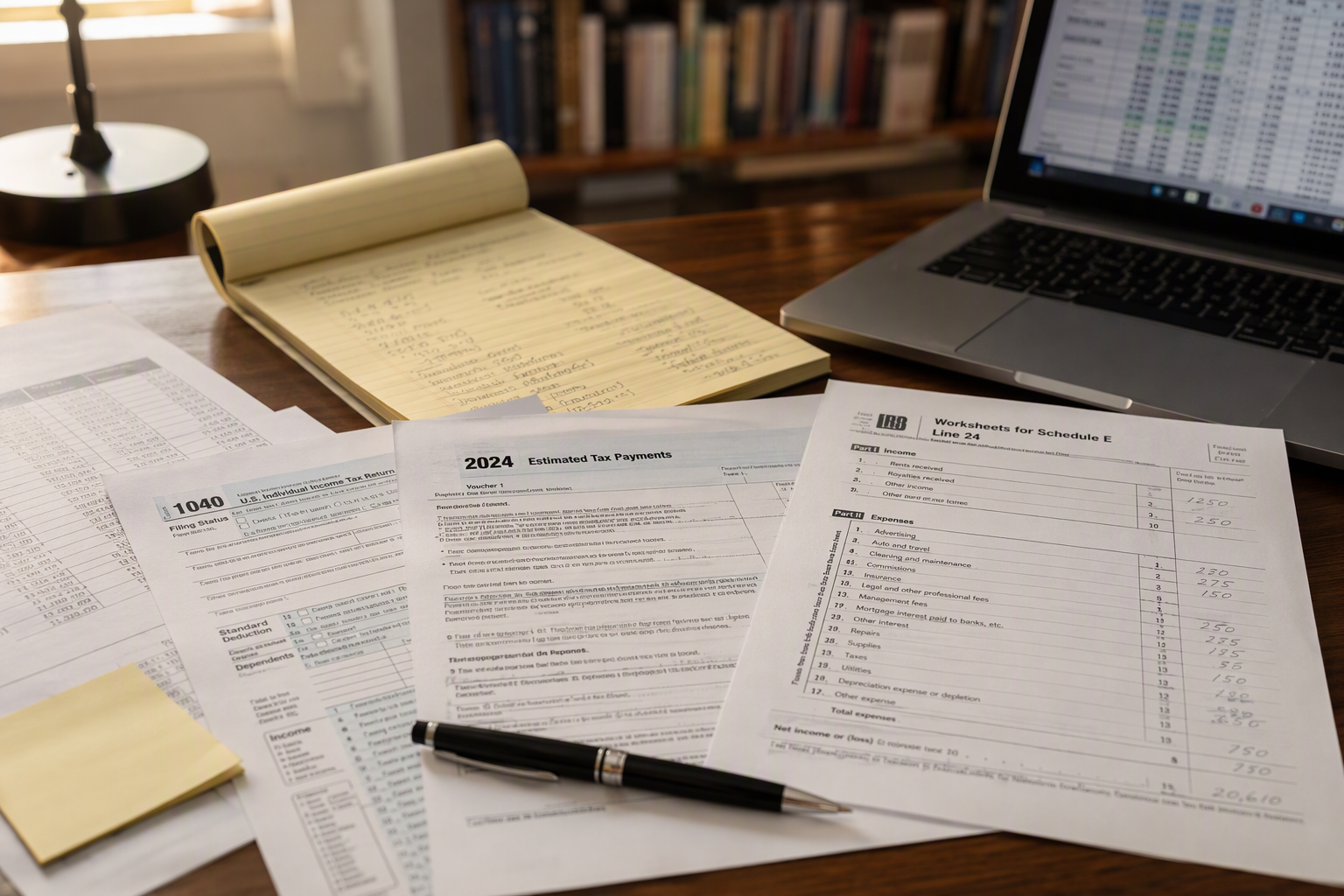
Two federal provisions are commonly relevant to commercial elevator upgrades:
- IRS Section 179 Deduction: Businesses may be able to deduct the cost of qualifying elevator modernization equipment as a business expense in the year it is placed in service, rather than depreciating it over many years. Elevator components and control systems that qualify as tangible personal property may be eligible. A tax professional should confirm eligibility for each specific project.
- ADA Barrier Removal Tax Deduction (Section 190): Under the Americans with Disabilities Act, eligible small businesses may deduct up to a specified annual amount for barrier-removal expenditures that bring a facility into ADA compliance. Elevator modernization that improves accessibility—such as upgrading cab controls, door operators, or platform leveling—may qualify. Larger businesses that do not qualify for the Section 44 credit may still claim the Section 190 deduction.
- ADA Tax Credit (Section 44): Eligible small businesses (those with no more than 30 full-time employees or gross receipts under a defined threshold in the prior tax year) may claim a non-refundable tax credit of up to 50% of eligible access expenditures between $250 and $10,250 per year. Elevator accessibility upgrades often qualify. Consult a qualified tax advisor to confirm current thresholds and limits, as these figures are set by the IRS.
None of these provisions are elevator-specific incentives—they are broadly available federal tax tools that frequently apply to elevator work. A CPA or tax attorney familiar with commercial real estate should be consulted before a project begins.
Are There Energy Efficiency Incentives That Cover Elevator Upgrades?
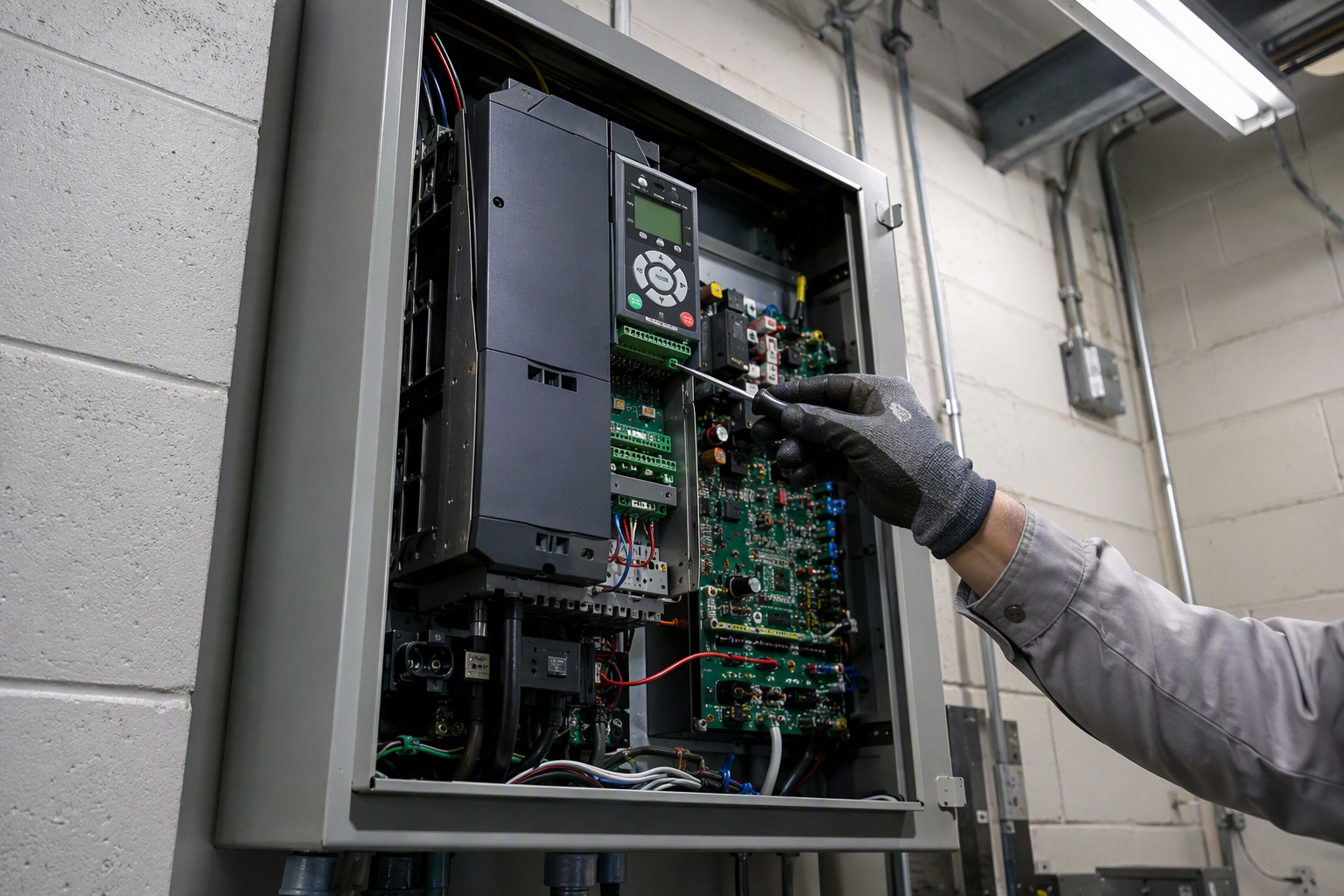
Elevator modernization projects that incorporate energy-efficient technologies—such as regenerative drives, LED cab lighting, or variable-frequency drive (VFD) motor controllers—may qualify under broader commercial energy efficiency incentive programs. The IRS Section 179D Commercial Buildings Energy Efficiency Tax Deduction covers improvements to building systems, and depending on how a modernized elevator system is classified within the building’s energy profile, portions of the upgrade may be relevant to a facility’s overall energy efficiency claim.
Additionally, utility providers serving the Columbia, SC area periodically offer commercial rebate programs for energy-reducing equipment. Property owners should contact their utility provider directly to inquire whether elevator drive modernization qualifies under any active commercial rebate program. These programs change regularly, so confirming availability at the time of project planning is essential.
What Equipment Financing Options Are Available for Elevator Modernization?
For projects where outright capital expenditure is not preferred, several financing structures are commonly used:
- Equipment financing loans: Banks, credit unions, and specialty lenders offer loans specifically for commercial equipment, including elevator systems. The elevator itself often serves as collateral, which can make approval more straightforward than unsecured commercial lending.
- Equipment leasing: Some property owners prefer leasing modernized elevator systems or components, which can preserve capital, provide predictable monthly costs, and in some structures allow the equipment to be updated again at lease end.
- Manufacturer and contractor financing programs: Many elevator equipment manufacturers and certified service providers offer in-house or partner financing programs. These are worth discussing directly at the time of proposal, as terms and availability vary.
- Commercial real estate loans and HELOCs: For owners of commercial properties, elevator modernization is a capital improvement that may be financed through commercial real estate lines of credit or refinancing instruments. Lenders familiar with commercial property investment typically recognize elevator upgrades as value-adding improvements.
- SBA loans: The U.S. Small Business Administration’s 7(a) and 504 loan programs can be used for equipment and facility improvements by qualifying small businesses. A certified SBA lender can advise on whether a specific modernization project fits program parameters.
Does Elevator Modernization Affect South Carolina Regulatory Compliance Requirements?
Yes—and understanding this connection is critical before any project begins. Under S.C. Code Title 41, Chapter 16 (the South Carolina Elevator Code), a state construction permit is required before any elevator facility is erected, constructed, altered, or installed. Modernization work that constitutes an alteration triggers this requirement.
South Carolina elevator facilities are regulated by the South Carolina Department of Labor, Licensing and Regulation (LLR), Office of Elevators and Amusement Rides. The state has adopted the ASME A17.1/CSA B44, 2019 edition as its governing safety code, effective as of July 23, 2021. New installations and alterations must comply with the edition of ASME A17.1 in effect at the time the permit is issued.
Following modernization, the elevator must be inspected—either by a state inspector or a licensed special inspector—before it can return to service and before an updated operating certificate is issued. No elevator facility in South Carolina may operate without a valid certificate of registration and an operating certificate from the state, and that certificate must be displayed conspicuously inside each elevator car. Factoring inspection scheduling and permit timelines into a modernization project plan helps avoid operational disruptions.
What Equipment Is Typically Included in a Commercial Elevator Modernization?
The scope of a modernization project determines which incentives and financing structures are most applicable. Common modernization components in commercial buildings include:
- Control system and microprocessor upgrades
- Motor and drive system replacement (including variable-frequency drives)
- Door operator and safety edge upgrades
- Cab interior renovation and LED lighting conversion
- Accessibility improvements to controls, signage, and leveling accuracy to meet ADA standards
- Standby and emergency power system upgrades (South Carolina requires passenger elevators to have standby power capable of running emergency lighting and the alarm bell for at least four hours if normal power fails)
- Firefighters’ service updates, including compliance with South Carolina’s requirement that new installations use the five-pin S.C. #1000 key
A full assessment of the existing system is the starting point for determining which components need attention and what the realistic cost and compliance implications are.
How Does ADA Compliance Factor Into Modernization Planning?
The Americans with Disabilities Act requires that commercial facilities make reasonable accommodations for accessibility, and elevator systems are a central part of accessibility in multi-story buildings. Modernization projects that address ADA compliance—such as improving cab leveling, upgrading button and signage standards, or ensuring door timing meets accessibility requirements—may qualify for both the ADA tax credit and the barrier-removal deduction described above.
Coordinating ADA-driven upgrades with a broader modernization scope often results in more efficient use of both budget and incentive eligibility. Carolina Elevator Service evaluates existing systems against current ADA requirements as part of the consultation process.
What Is the Typical Timeline for a Commercial Elevator Modernization Project in Columbia, SC?
Project timelines vary significantly based on the scope of work, equipment lead times, permit processing, and building-specific conditions. As a general framework:
- Site assessment and scope definition
- Proposal and financing plan review
- Permit application submitted to the South Carolina Department of Labor, Licensing and Regulation (LLR), Office of Elevators and Amusement Rides
- Equipment procurement (lead times vary by manufacturer and component)
- Scheduled installation and modernization work, coordinated to minimize building disruption
- Post-modernization inspection by a state inspector or qualified special inspector
- Operating certificate renewal and return to service
Planning the financing application and permit process in parallel—where possible—can compress the overall timeline. Carolina Elevator Service assists commercial clients in Columbia and throughout South Carolina with each of these steps.
How Should a Commercial Building Owner Start the Modernization and Incentive Process?
The most practical starting point is a professional assessment of the existing elevator system paired with a review of applicable incentives and financing options specific to the building and ownership structure. From there, coordinating with a tax advisor on federal deductions and credits, and with a lender or the elevator contractor on financing, allows the project to be structured efficiently before permits are pulled or equipment is ordered.
Because South Carolina requires a state construction permit before modernization work begins, starting the regulatory and financing processes early—rather than after a decision is made—avoids delays and ensures the project proceeds in compliance with S.C. Code Title 41, Chapter 16 and applicable ASME A17.1 standards.
Schedule a free consultation with Carolina Elevator Service at (803) 735-0505.
Need elevator service you can rely on? Carolina Elevator Service is ready to help.