Elevator Service in Columbia, SC | Carolina Elevator Service
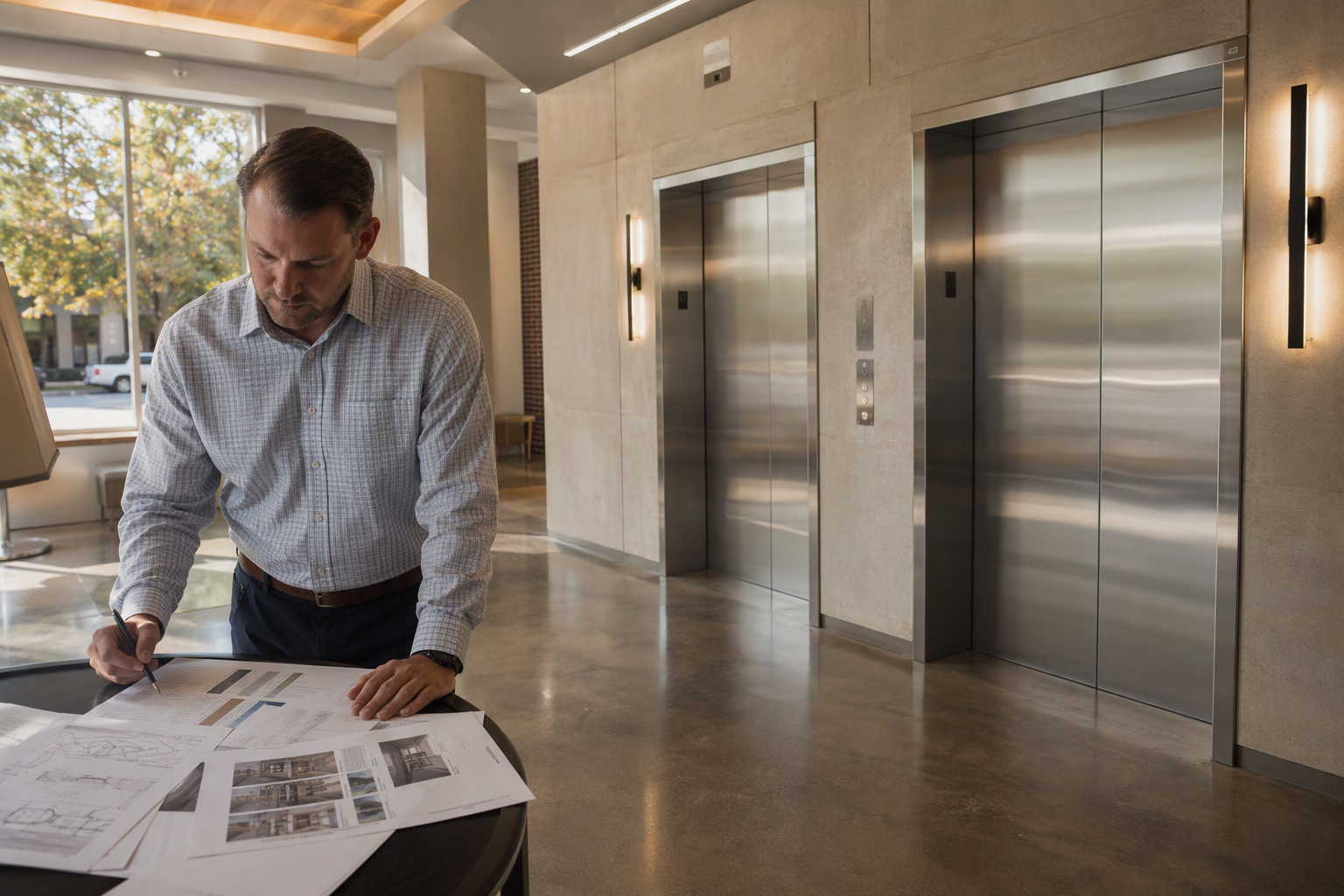
Elevator modernization is one of the most significant capital investments a Columbia, SC building owner can make — and understanding which components may qualify for tax incentives or accelerated depreciation in 2026 can meaningfully offset that cost. Carolina Elevator Service helps property owners across Columbia and the surrounding South Carolina market navigate both the technical and regulatory sides of modernization projects, ensuring upgrades meet state code requirements while positioning owners to work with their tax advisors on available financial benefits.
Which elevator modernization components are most commonly considered for tax incentives or depreciation in 2026?
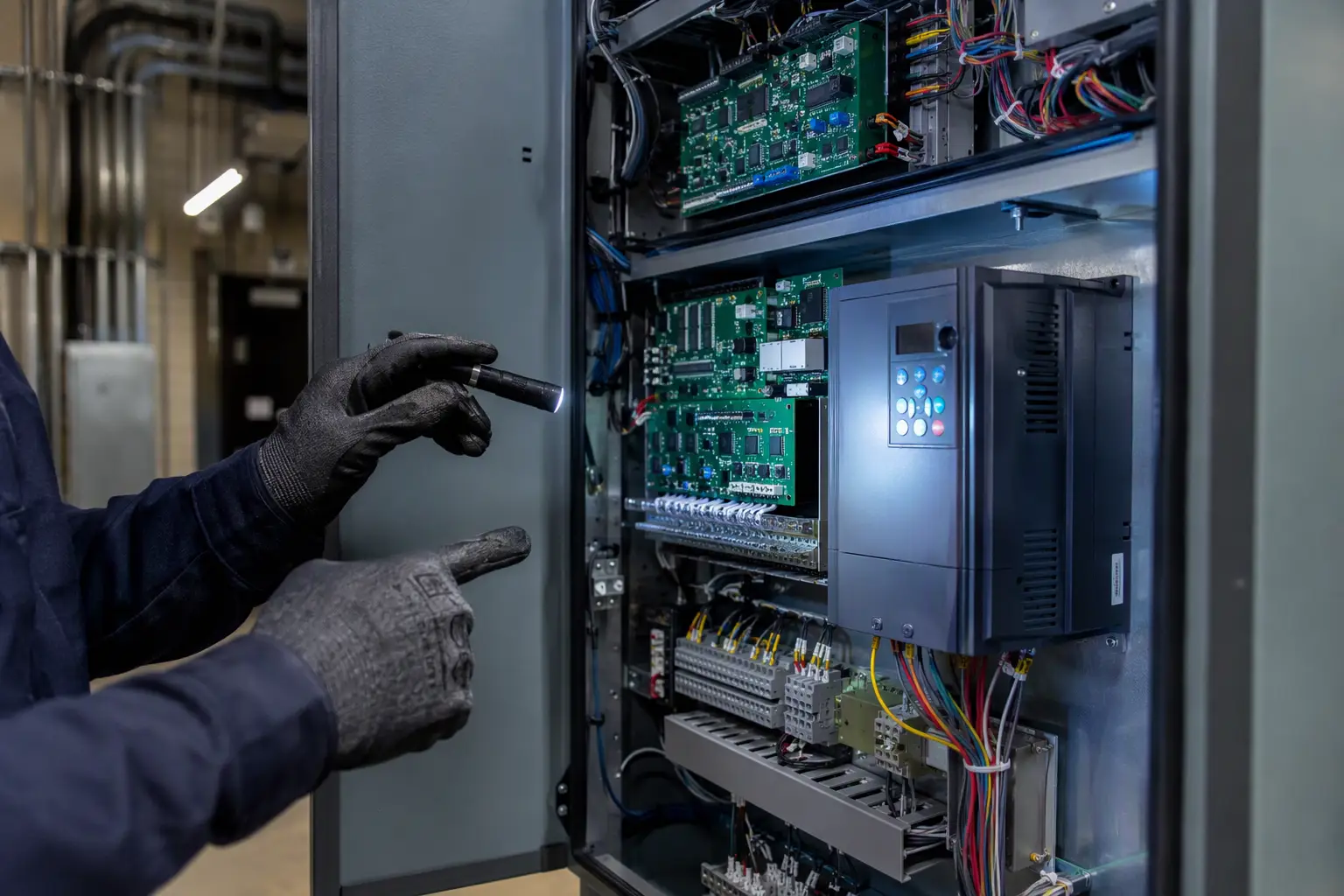
Several categories of elevator modernization work are frequently evaluated for tax treatment. While a licensed tax professional must confirm eligibility for any specific project, the following component types are among those most commonly reviewed:
- Control systems and drives: Replacing outdated relay-logic controllers with modern microprocessor-based controls or installing new variable-frequency drives (VFDs) represents a substantial capital expenditure that may qualify as depreciable personal property.
- Motors and machines: Traction machine replacements, gearless motor upgrades, and hydraulic pump unit replacements are discrete equipment assets commonly reviewed for Section 179 or bonus depreciation treatment.
- Door operators and safety equipment: New door operator systems, door restrictors, and updated safety devices installed as part of a modernization project may be treated as depreciable equipment rather than structural improvements.
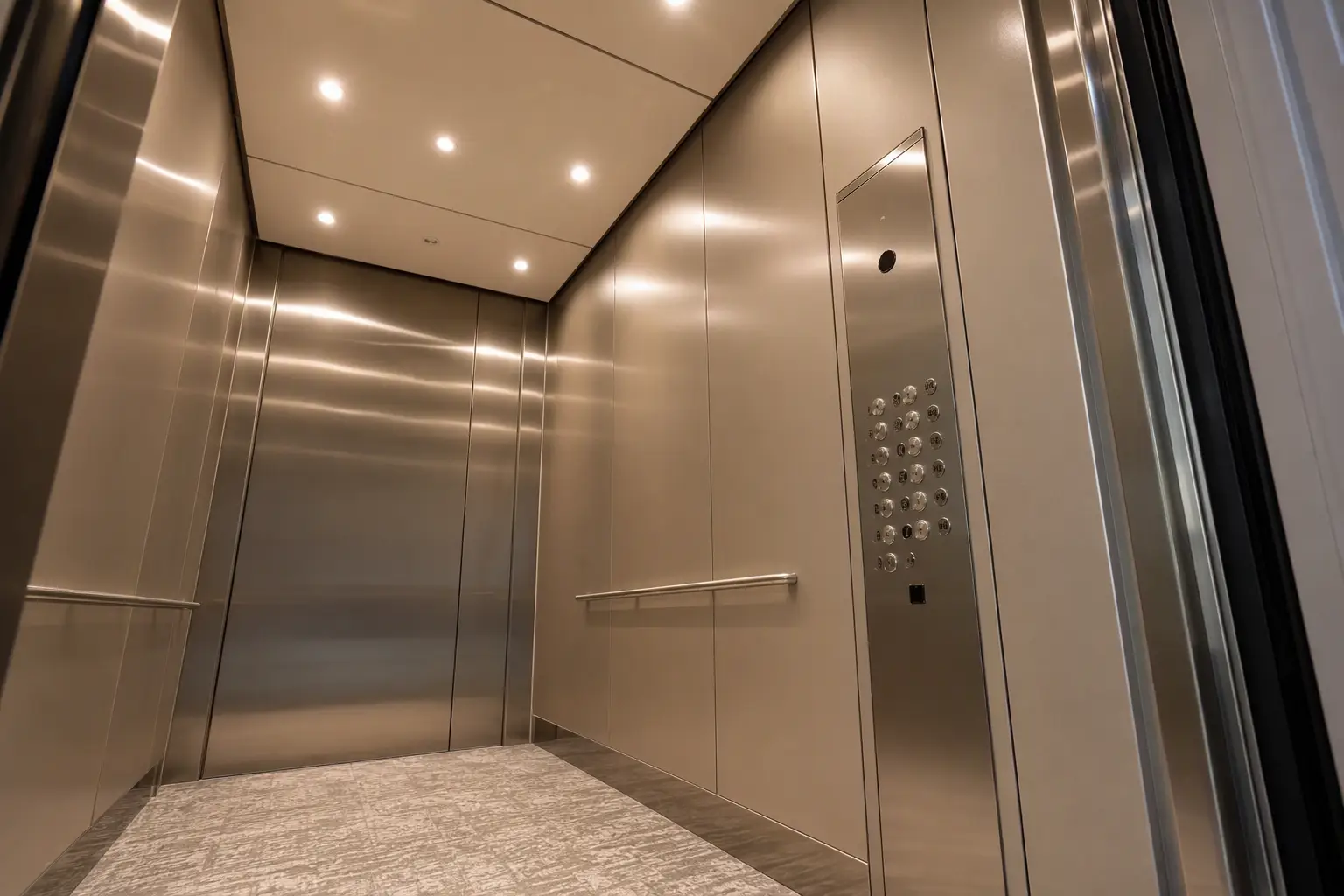
- Cab interiors and lighting: Interior cab refurbishments — including LED lighting upgrades, new wall panels, and flooring — may qualify depending on how they are classified by a cost segregation analysis.
- Accessibility upgrades: Modifications made specifically to bring an elevator into compliance with the Americans with Disabilities Act (ADA) may be eligible for the ADA barrier-removal tax deduction (IRC Section 190), subject to annual limits and eligibility requirements.
- Emergency and standby power systems: Upgrades to emergency lighting and alarm systems — including work to meet South Carolina’s requirement that passenger elevators have standby power capable of running emergency lighting and the alarm bell for at least four hours — may be reviewed for accelerated depreciation treatment.
- Hydraulic cylinder replacements: In South Carolina, newly installed underground hydraulic elevator cylinders must be encased in plastic outer containment to limit electrolytic corrosion. This type of required upgrade may be eligible for equipment-level depreciation.
What is Section 179 and how might it apply to elevator modernization?
Section 179 of the Internal Revenue Code allows businesses to deduct the full purchase price of qualifying equipment and software placed in service during the tax year, rather than depreciating the asset over multiple years. For elevator modernization, components classified as tangible personal property — rather than structural building components — are most frequently evaluated under this provision.
Key considerations include:
- Section 179 applies to equipment placed in service and used in the active conduct of a trade or business.
- There are annual deduction limits and phase-out thresholds, which a tax professional can confirm for 2026.
- Building structural components are generally excluded from Section 179 — a distinction that makes proper component classification critical for elevator projects.
A cost segregation study performed by a qualified professional can identify which modernization components are classified as personal property versus structural improvements, directly affecting available deductions.
How does bonus depreciation factor into elevator upgrade planning in 2026?
Bonus depreciation allows businesses to deduct a significant percentage of the cost of qualifying property in the year it is placed in service. The applicable bonus depreciation percentage has changed in recent years under federal tax law, and the rate in effect for 2026 should be confirmed with a tax advisor, as phase-down schedules established by prior legislation affect current-year rates.
For elevator modernization, bonus depreciation is most applicable to components classified as five-year or seven-year MACRS property, which commonly includes mechanical equipment, drives, controls, and similar items. Unlike Section 179, bonus depreciation is not limited to equipment used in a trade or business in the same way — making it relevant for a broader range of property types, including certain commercial real estate improvements.
What is the ADA barrier-removal deduction and which elevator upgrades might qualify?
Under Internal Revenue Code Section 190, eligible small businesses may deduct up to a specified annual amount in costs incurred to remove architectural or transportation barriers for people with disabilities or elderly individuals. The ADA sets the accessibility standards against which qualifying barrier-removal work is measured.
Elevator-related upgrades that may be reviewed for this deduction include:
- Installation of accessible controls at compliant heights
- Addition of Braille and raised-character button indicators
- Door timing and reopening device upgrades to meet ADA standards
- Leveling improvements to meet ADA floor-to-landing tolerances
- New or upgraded cab dimensions on replacement or significant modernization projects
This deduction is separate from, and can sometimes be combined with, other depreciation strategies — a tax professional familiar with real estate and capital improvements can advise on stacking these benefits appropriately.
Does South Carolina have state-level tax incentives specific to elevator modernization?
South Carolina does not currently have a publicly documented state-specific tax incentive program targeted exclusively at elevator modernization as of 2026. Property owners should work with a South Carolina-licensed tax advisor to explore whether general business equipment deductions, commercial property improvement credits, or energy-efficiency incentives available at the state level apply to specific modernization components.
What South Carolina does require — and what drives much of the modernization activity in the state — is compliance with S.C. Code Title 41, Chapter 16 (South Carolina Elevator Code) and S.C. Code of Regulations Chapter 71, Article 5, which govern elevator safety statewide. Modernization work that brings an elevator into compliance with the adopted ASME A17.1/CSA B44, 2019 edition — the current standard adopted by South Carolina — is often the technical trigger for a modernization project, and the resulting expenditures are then evaluated for federal tax treatment.
Oversight of elevator safety in South Carolina falls under the South Carolina Department of Labor, Licensing and Regulation (LLR), Office of Elevators and Amusement Rides. No elevator facility in South Carolina may operate without a certificate of registration and an operating certificate from the state, and the operating certificate must be displayed conspicuously inside each elevator car.
What South Carolina compliance requirements should be considered before starting a modernization project?
Before any modernization work begins in South Carolina, owners and contractors must address the following state-mandated requirements:
- Obtain a state construction permit. South Carolina requires a state construction permit before any elevator facility is erected, constructed, altered, or installed. Modernization work that constitutes an alteration triggers this requirement.
- Confirm inspection scheduling. South Carolina requires elevators to be inspected at installation, registration, alteration or repair, and at least once a year thereafter before the operating certificate is renewed. A modernization project will require a post-alteration inspection.
- Use a qualified inspector. Required inspections may be made only by state inspectors or special inspectors. Special inspectors must be licensed and meet the qualifications in the 2018 edition of QEI-1, the American National Standard for Qualification of Elevator Inspectors. Notably, a special inspector may not inspect an elevator on which the inspector or the inspector’s employer has a current service or warranty contract.
- Ensure code compliance. New and altered elevator facilities must comply with the ASME A17.1-2019/CSA B44:19 edition adopted by South Carolina. South Carolina elevator facilities in operation before July 1, 1986 must comply with the 1986 edition of ANSI A17.3 for existing elevators and escalators.
- Renew the operating certificate. Following inspection approval, the operating certificate must be updated and displayed in the elevator car before the unit returns to service.
- Address owner maintenance obligations. South Carolina law requires the owner to keep every elevator facility in safe operating condition and in compliance with state regulations — an ongoing obligation that modernization helps fulfill.
How should Columbia, SC property owners document modernization expenses for tax purposes?
Thorough documentation is essential for substantiating any tax position related to elevator modernization. Best practices include:
- Itemized contractor invoices: Ensure invoices separately identify each component or system replaced, rather than presenting a single lump-sum figure. Component-level detail supports the classification of costs as equipment versus structural improvement.
- Equipment specifications and model numbers: Retain technical documentation for each piece of equipment installed, including controls, drives, motors, and safety devices.
- Permit and inspection records: South Carolina requires state construction permits for alterations — these records document when equipment was placed in service, a key date for depreciation calculations.
- Cost segregation study: For larger modernization projects, a cost segregation analysis performed by a qualified engineering or accounting firm can formally reclassify components to shorter depreciation lives.
- ADA compliance documentation: If claiming the barrier-removal deduction, retain documentation showing that specific upgrades were made to meet ADA accessibility standards.
Why work with Carolina Elevator Service for modernization projects in Columbia, SC?
Carolina Elevator Service brings deep local knowledge of South Carolina’s elevator regulatory environment to every modernization project in Columbia and across the state. The team understands the compliance requirements set by the South Carolina Department of Labor, Licensing and Regulation (LLR), Office of Elevators and Amusement Rides, the technical specifications of the adopted ASME A17.1-2019/CSA B44:19 standard, and the practical needs of building owners managing aging elevator systems.
By providing itemized, component-level documentation of all modernization work — and coordinating the permit and inspection process required by South Carolina law — Carolina Elevator Service helps ensure that property owners have the records their tax advisors need to evaluate available incentives. From hydraulic cylinder replacements to full controls modernization and ADA accessibility upgrades, the company serves commercial, institutional, and multi-family property owners throughout the Columbia, SC market.
Ready to Plan Your Elevator Modernization Project?
Understanding the tax implications of elevator modernization starts with a clear picture of what your system needs. Carolina Elevator Service works with building owners throughout Columbia, SC to assess existing equipment, identify required upgrades under South Carolina code, and develop modernization scopes that support both compliance and long-term asset value.
Schedule a Free Consultation with the Carolina Elevator Service team today to discuss your building’s modernization needs and get the documentation your property and tax advisors require.
Call us at 803-865-1400
Need elevator service you can rely on? Carolina Elevator Service is ready to help.