Top Rated Elevator Maintenance Company Summerville, SC: Data, Compliance & What to Look For in 2026
Summerville, SC is one of the fastest-growing communities in the Charleston metro area. That growth means more multi-story commercial buildings, senior living communities, medical offices, and mixed-use developments — all of which depend on reliable vertical transportation. Choosing a top rated elevator maintenance company in Summerville is not simply a matter of reputation; it is a matter of regulatory compliance, occupant safety, and long-term asset protection. This page compiles the verified regulatory framework, compliance requirements, and practical selection criteria that building owners and facility managers need to make an informed decision in 2026.
What Does South Carolina Law Require of Elevator Maintenance Providers?
South Carolina regulates elevators through the South Carolina Department of Labor, Licensing and Regulation (LLR), Office of Elevators and Amusement Rides, under S.C. Code Title 41, Chapter 16 (the South Carolina Elevator Code) and the accompanying S.C. Code of Regulations Chapter 71, Article 5 (Safety Standards for Elevator Facilities, Regulations 71-5000 through 71-5700). The technical standard South Carolina has adopted is the ASME A17.1/CSA B44, 2019 edition, which became effective in South Carolina on July 23, 2021.
Key statutory obligations that any reputable maintenance provider in Summerville must understand and support include:
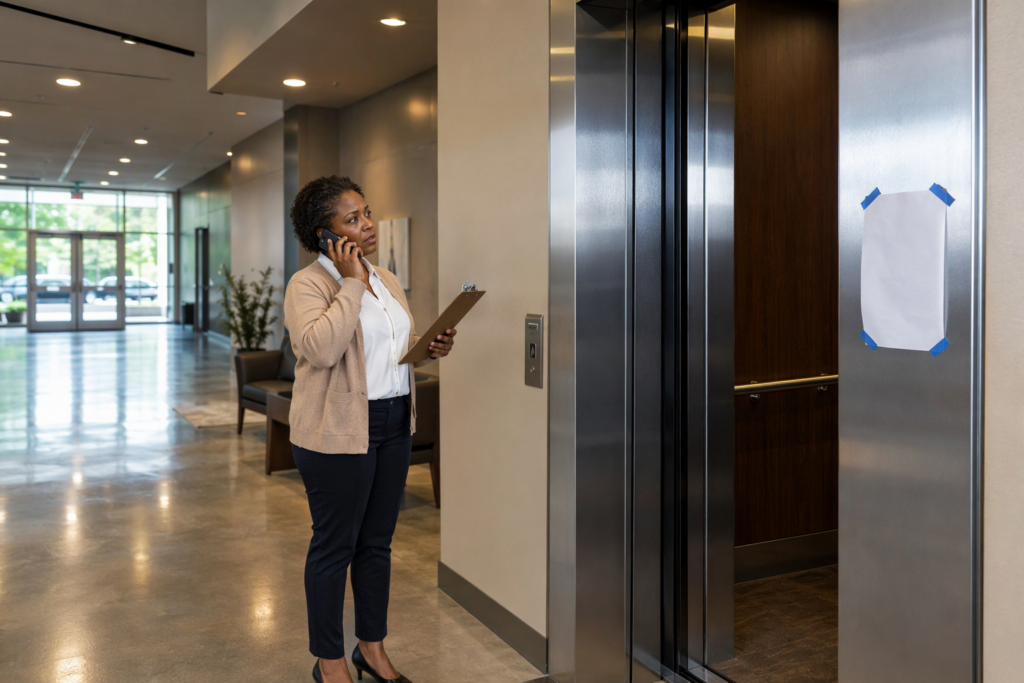
- No operation without certificates: No elevator facility may be operated in South Carolina without both a certificate of registration and an operating certificate issued by the state. The operating certificate, or a copy, must be displayed conspicuously inside every elevator car.
- Annual inspection for most elevators: South Carolina requires elevators to be inspected at installation, registration, alteration or repair, and at least once a year before the operating certificate is renewed.
- Differentiated inspection intervals for specialty lifts: Handicap lifts are inspected every five years; manlifts, television tower elevators, and special purpose elevators every seven years; dumbwaiters when installed or altered.
- Construction permits before any work begins: A state construction permit is required before any elevator facility is erected, constructed, altered, or installed.
- Owner accountability: The building owner — not only the maintenance contractor — is responsible under South Carolina law for keeping every elevator facility in safe operating condition and in compliance with state regulations.
- Accident reporting: An accident that seriously injures anyone other than an employee must be reported to the state before the end of the next working day.
- Conflict preemption: Local ordinances that conflict with the South Carolina Elevator Code or its regulations are void, so no Summerville municipal rule can override state elevator requirements.
Who Is Qualified to Inspect Elevators in South Carolina?
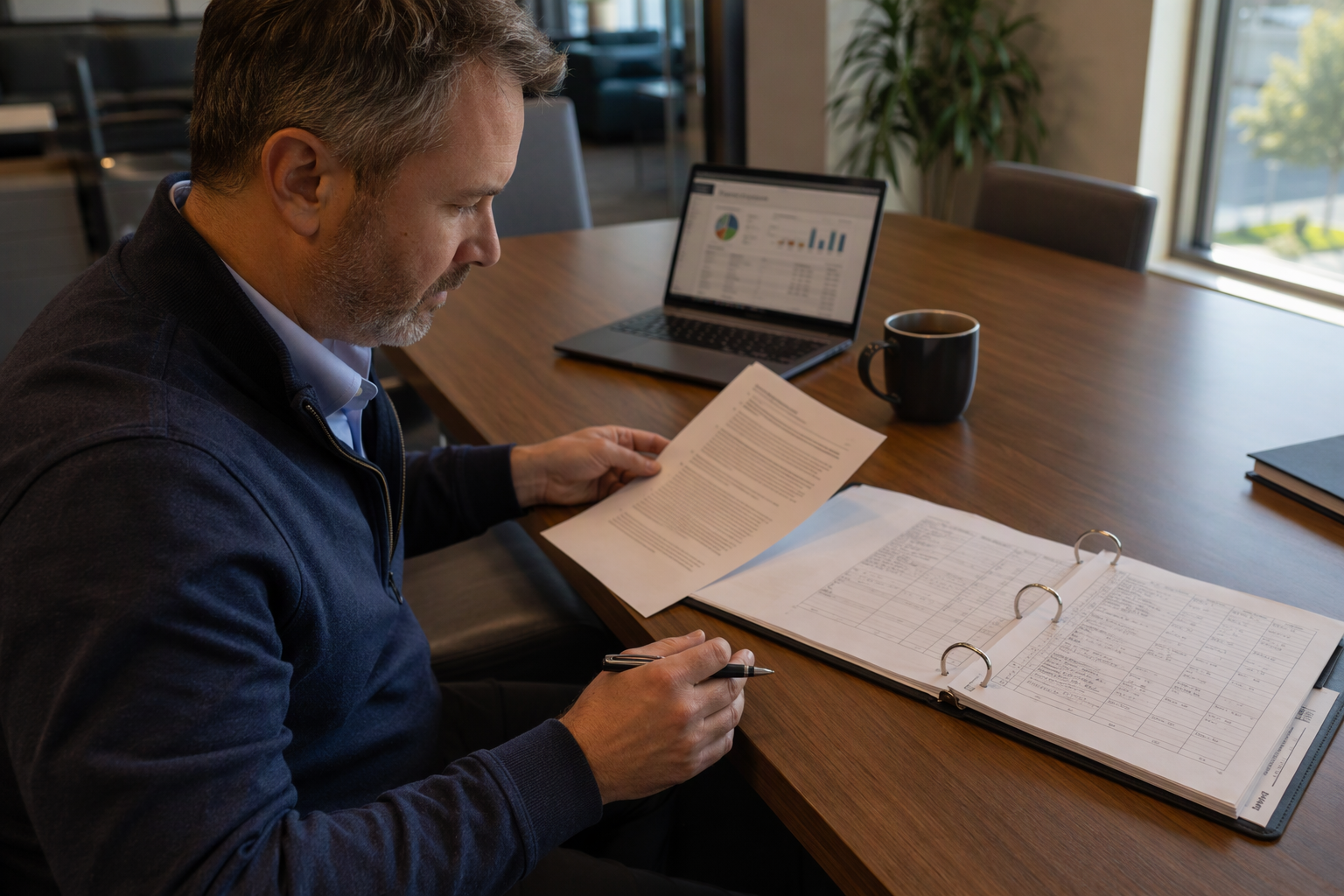
South Carolina mandates that required inspections may be made only by state inspectors or special inspectors. A special inspector’s inspection may be accepted in place of a state inspection, but the bar for qualification is high: special inspectors must be licensed and demonstrate the qualifications set out in the 2018 edition of QEI-1, the American National Standard for Qualification of Elevator Inspectors.
Critically, South Carolina law contains a strict independence requirement: a special inspector may not inspect an elevator on which the inspector or the inspector’s employer has a current service or warranty contract. This rule is a meaningful differentiator when evaluating vendors. Building owners in Summerville should ask any prospective maintenance company how it manages this conflict-of-interest provision to ensure inspections remain legally valid.
What Technical Standards Apply to Elevators in Summerville, SC?
The ASME A17.1 Safety Code for Elevators and Escalators governs the design, construction, operation, and maintenance of new elevator installations in South Carolina as of the 2019 edition. For elevator facilities that were in operation before July 1, 1986, South Carolina additionally requires compliance with the 1986 edition of ANSI A17.3, the safety code for existing elevators and escalators.
Beyond the core safety code, several South Carolina-specific technical requirements shape what a qualified maintenance provider must know:
- Underground hydraulic cylinders: Newly installed underground hydraulic elevator cylinders must be encased in plastic outer containment to limit electrolytic corrosion — a requirement especially relevant for the soil conditions common in the Lowcountry.
- Firefighters’ service key: New installations must use the five-pin S.C. #1000 key for firefighters’ service, distinguishing South Carolina from generic national specifications.
- Standby power: South Carolina passenger elevators must have standby power capable of running emergency lighting and the alarm bell for at least four hours if normal power fails.
- Permit-based code compliance: New elevator facilities must comply with the officially adopted edition of ASME A17.1 in effect when the permit is issued — meaning the code edition is locked at permit time, not at the time of installation completion.
How Does ADA Compliance Factor Into Elevator Maintenance?
The Americans with Disabilities Act (ADA) establishes minimum accessibility requirements for elevators in public accommodations and commercial facilities. A top rated maintenance company in Summerville must understand how ADA requirements intersect with routine maintenance: controls must remain at accessible heights, door re-opening devices must function reliably, floor designations in Braille and raised characters must be intact, and audible signals must work correctly.
ADA compliance is not a one-time installation task. Maintenance visits are the front line for catching ADA-related degradations — worn tactile buttons, failing audible indicators, or door timing that no longer meets accessibility standards. When evaluating vendors, Summerville building owners should confirm that ADA-related checks are part of any routine maintenance scope.
What Should a Preventive Maintenance Agreement Include?
A well-structured preventive maintenance agreement is the foundation of any top rated elevator service relationship. While the specific scope varies by equipment type and building use, qualified providers in Summerville typically address the following categories during scheduled visits:
- Lubrication of guide rails, rollers, and mechanical components per manufacturer specifications and ASME A17.1 maintenance requirements
- Inspection and adjustment of door operators, door contacts, and safety edges
- Testing of safeties, governors, and buffers
- Verification of emergency lighting and standby power battery performance (South Carolina requires a minimum four-hour runtime for passenger elevators)
- Inspection of machine room conditions including temperature control, lighting, and cleanliness
- Review of the operating certificate to confirm it is current and displayed in the car as required by South Carolina law
- Documentation that supports the annual inspection and certificate renewal cycle
Carolina Elevator Service approaches maintenance agreements as compliance management tools, helping Summerville building owners stay ahead of annual inspection deadlines and avoid certificate lapses that could force an elevator out of service.
What Happens During a South Carolina Annual Elevator Inspection?
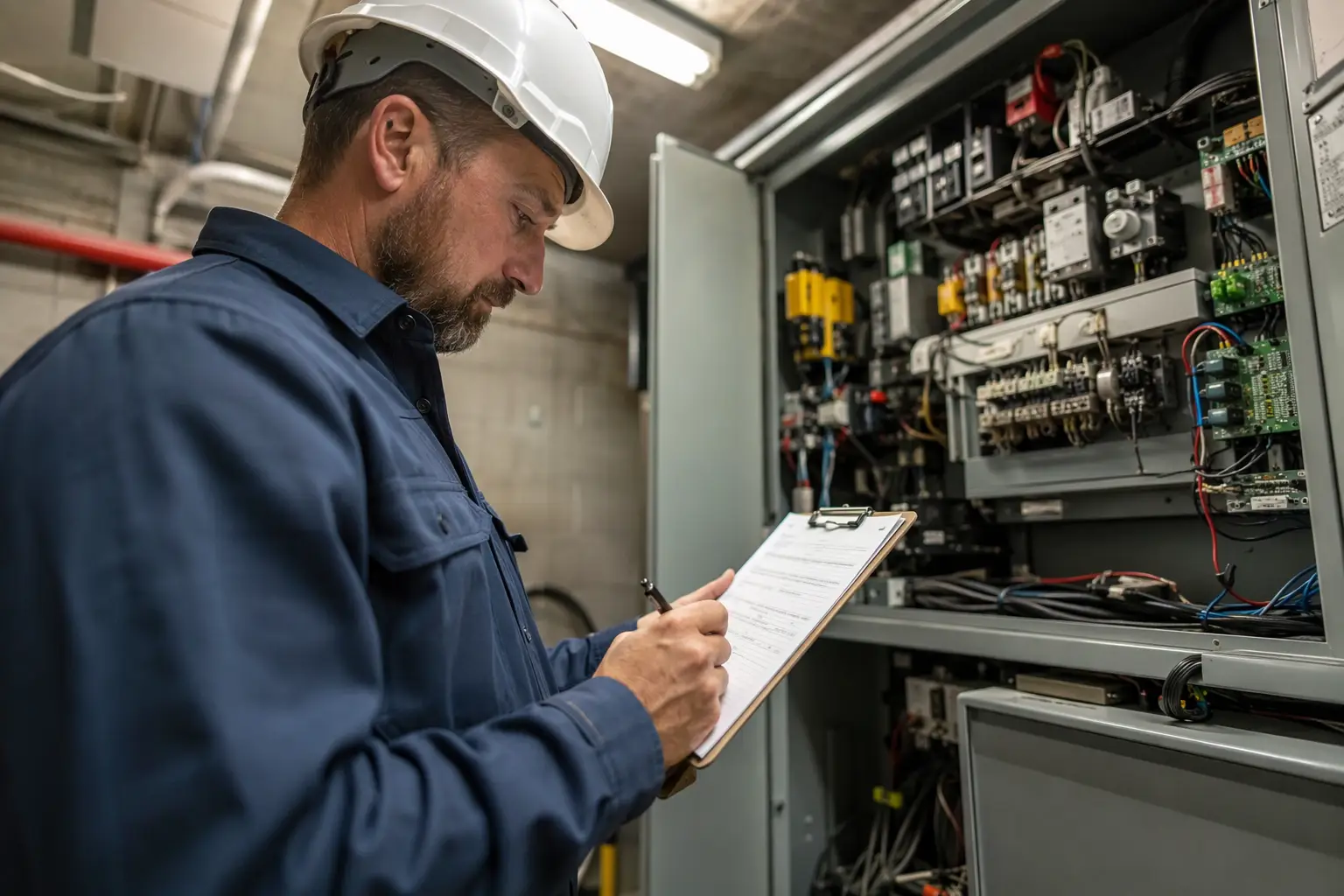
- Documentation review: The inspector confirms the current certificate of registration and operating certificate are in order and displayed inside the car.
- Machine room examination: Conditions, clearances, and equipment labeling are checked against ASME A17.1-2019 requirements.
- Operational testing: The inspector tests leveling, door timing, safety devices, emergency lighting, and alarm systems — including the four-hour standby power requirement for passenger elevators.
- Safety device verification: Governors, safeties, buffers, and interlocks are tested to confirm they remain within tolerance.
- Firefighters’ service check: New installations are verified to use the South Carolina-mandated five-pin S.C. #1000 key.
- Inspection report issuance: The inspector documents findings; deficiencies must be corrected before the operating certificate can be renewed.
- Certificate renewal: Upon a satisfactory inspection, the operating certificate is renewed and must be re-posted inside the car.
What Are the Industry Trends Shaping Elevator Maintenance in 2025–2026?
Several broad trends are reshaping what building owners in Summerville should expect from a top rated elevator maintenance company heading into the second half of the decade:
Remote monitoring and predictive maintenance: Modern elevator controllers increasingly support remote diagnostic platforms that can flag anomalies — unusual door cycle times, motor temperature spikes, or abnormal leveling behavior — before they become failures. While South Carolina law does not mandate these systems, maintenance providers who offer remote monitoring give building owners earlier warning and more data to inform repair decisions.
Aging equipment in a growing market: As Summerville’s commercial and residential building stock matures, more elevators will fall into the category governed by ANSI A17.3 for existing installations, raising the complexity and cost of maintenance. Providers who understand the distinction between new-installation code (ASME A17.1-2019) and existing-installation requirements will be better positioned to advise owners accurately.
Energy efficiency upgrades: Regenerative drives and LED modernization projects are increasingly common as building owners look to reduce operating costs. A maintenance company that can support these upgrades — not just routine servicing — adds value beyond the inspection cycle.
Workforce and parts availability: Supply chain pressures on proprietary elevator components remain a consideration industry-wide. Vendors with established parts sourcing relationships and familiarity with multiple major equipment brands are better positioned to minimize downtime for Summerville building owners.
Code modernization awareness: South Carolina adopted ASME A17.1-2019 effective July 23, 2021. As ASME continues to update its standards, South Carolina’s LLR Office of Elevators and Amusement Rides will determine whether and when subsequent editions are adopted. Building owners and their maintenance providers should monitor the S.C. Code Title 41, Chapter 16 for any regulatory updates.
How Does OSHA Apply to Elevator Maintenance Work?
OSHA standards govern the safety of elevator maintenance technicians in the workplace. Requirements around lockout/tagout procedures, confined space protocols for pits, and fall protection in machine rooms all apply to the work performed during maintenance visits. A maintenance company that follows OSHA requirements protects not only its own technicians but also reduces the building owner’s exposure to workplace safety liability.
What Should Building Owners in Summerville Ask a Prospective Elevator Maintenance Company?
Selecting a vendor goes beyond price comparison. The following questions help Summerville property managers and building owners assess whether a company is genuinely qualified under South Carolina’s regulatory framework:
- How do you manage the South Carolina independence requirement that prohibits a special inspector from inspecting an elevator on which the inspector’s employer holds a service contract?
- Are your inspectors qualified under QEI-1 (2018 edition) as required by South Carolina for special inspector licensure?
- How do you document and track operating certificate renewal deadlines for each unit you service?
- What is your protocol if a deficiency is found during an inspection that requires a permit for correction?
- Do your maintenance agreements explicitly address ASME A17.1-2019 requirements, including standby power and firefighters’ service checks?
- Can you service the specific make and model of equipment in my building?
Does the South Carolina Elevator Code Apply to All Buildings in Summerville?
The South Carolina Elevator Code does not apply to equipment in a single private dwelling. All other commercial, multi-family, medical, hospitality, and public-use elevator installations in Summerville fall under the jurisdiction of the South Carolina Department of Labor, Licensing and Regulation (LLR), Office of Elevators and Amusement Rides. Because local ordinances that conflict with the South Carolina Elevator Code are void, Summerville property owners should not expect any local exception to override state inspection, permitting, or certification requirements.
What Are Common Causes of Elevator Downtime in Commercial Buildings?
While specific failure rate data requires attribution to a verifiable source, the categories of issues that drive unplanned elevator outages in commercial settings are well understood across the industry:
- Door system failures: Door operator wear, misaligned door tracks, and failing safety edges are among the most frequent causes of service interruptions and are directly linked to maintenance visit frequency and quality.
- Hydraulic system issues: For hydraulic elevators — common in low-rise commercial buildings throughout the Summerville area — oil leaks, aging cylinders, and valve wear require attention. South Carolina’s specific requirement for plastic outer containment on underground hydraulic cylinders reflects the corrosion risks in Lowcountry soil conditions.
- Control system faults: Aging solid-state controllers and software-dependent systems can generate fault codes that require a technician with diagnostic access to the specific equipment brand.
- Rope and sheave wear: Traction elevators depend on hoist ropes and sheaves within defined tolerance ranges; deferred maintenance accelerates wear beyond safe limits.
- Environmental factors: Summerville’s humidity, heat, and occasional severe weather events affect machine room equipment, electrical components, and pit conditions in ways that differ from more temperate climates.
How Does Carolina Elevator Service Support Summerville Building Owners?
Carolina Elevator Service operates within South Carolina’s regulatory framework and focuses on helping building owners in Summerville navigate the compliance requirements established by the S.C. Code Title 41, Chapter 16 and the ASME A17.1-2019 Safety Code for Elevators and Escalators. The company’s approach treats maintenance as a data-driven discipline — using documented inspection records, equipment history, and code requirements to prioritize work and support operating certificate renewal cycles on behalf of building owners.
Summerville’s growth trajectory means more buildings with elevator obligations coming online each year. Having a maintenance partner who tracks permit requirements, certificate expiration dates, and South Carolina-specific technical mandates — such as the standby power rule, the firefighters’ service key specification, and the underground cylinder containment requirement — reduces the administrative and compliance burden on facility teams.
What Is the Difference Between Elevator Maintenance, Repair, and Modernization?
These three service categories are distinct in South Carolina from both a regulatory and a scope-of-work perspective:
- Maintenance refers to routine, scheduled servicing to keep an elevator in safe operating condition as required by the building owner’s obligation under S.C. Code Title 41, Chapter 16. It does not alter the elevator’s design or trigger a new permit requirement.
- Repair involves correcting a defect or replacing a failed component. Depending on the nature of the repair, it may constitute an alteration that requires a state construction permit before work begins and an inspection upon completion.
- Modernization involves significant upgrades — new controllers, new door systems, new cab interiors, or drive system replacement. This category almost always constitutes an alteration under South Carolina law, requiring a construction permit, compliance with the currently adopted edition of ASME A17.1, and a post-completion inspection before the operating certificate can be reissued.
Understanding these distinctions matters because misclassifying repair or modernization work as routine maintenance can result in operating an elevator without the required permits or certificates — a violation of South Carolina law.
Verified Regulatory Reference Table
| Requirement | Detail | Source |
|---|---|---|
| Governing statute | S.C. Code Title 41, Chapter 16 (South Carolina Elevator Code) | SC LLR |
| Adopted technical standard | ASME A17.1/CSA B44, 2019 edition, effective July 23, 2021 | ASME / SC LLR |
| Standard for existing elevators (pre-July 1, 1986) | ANSI A17.3, 1986 edition | SC LLR |
| Inspection frequency — most elevators | At least once per year before operating certificate renewal | SC LLR |
| Inspection frequency — handicap lifts | Every five years | SC LLR |
| Inspection frequency — manlifts, TV tower elevators, special purpose | Every seven years | SC LLR |
| Special inspector qualification standard | QEI-1, 2018 edition | SC LLR |
| Standby power requirement | Emergency lighting and alarm bell for at least four hours on normal power failure | SC LLR |
| Firefighters’ service key | Five-pin S.C. #1000 key on new installations | SC LLR |
| Accident reporting deadline | Before end of next working day for serious injuries to non-employees | SC LLR |
Contact Carolina Elevator Service for a free elevator assessment at 803-865-1400.
Need elevator service you can rely on? Carolina Elevator Service is ready to help.