Elevator Modernization Options for Older Hotel Buildings: A Prioritization Guide
Older hotel buildings present a layered modernization challenge. An elevator system installed decades ago may still run, but running and running safely — and legally — are not the same thing. Hotel operators in South Carolina who ignore aging elevator infrastructure risk regulatory action, liability exposure, and guest dissatisfaction. This guide walks through every category of upgrade available, explains what South Carolina law requires, and provides a practical prioritization framework so property managers and owners know exactly where to start.
What Does “Elevator Modernization” Actually Mean for a Hotel?
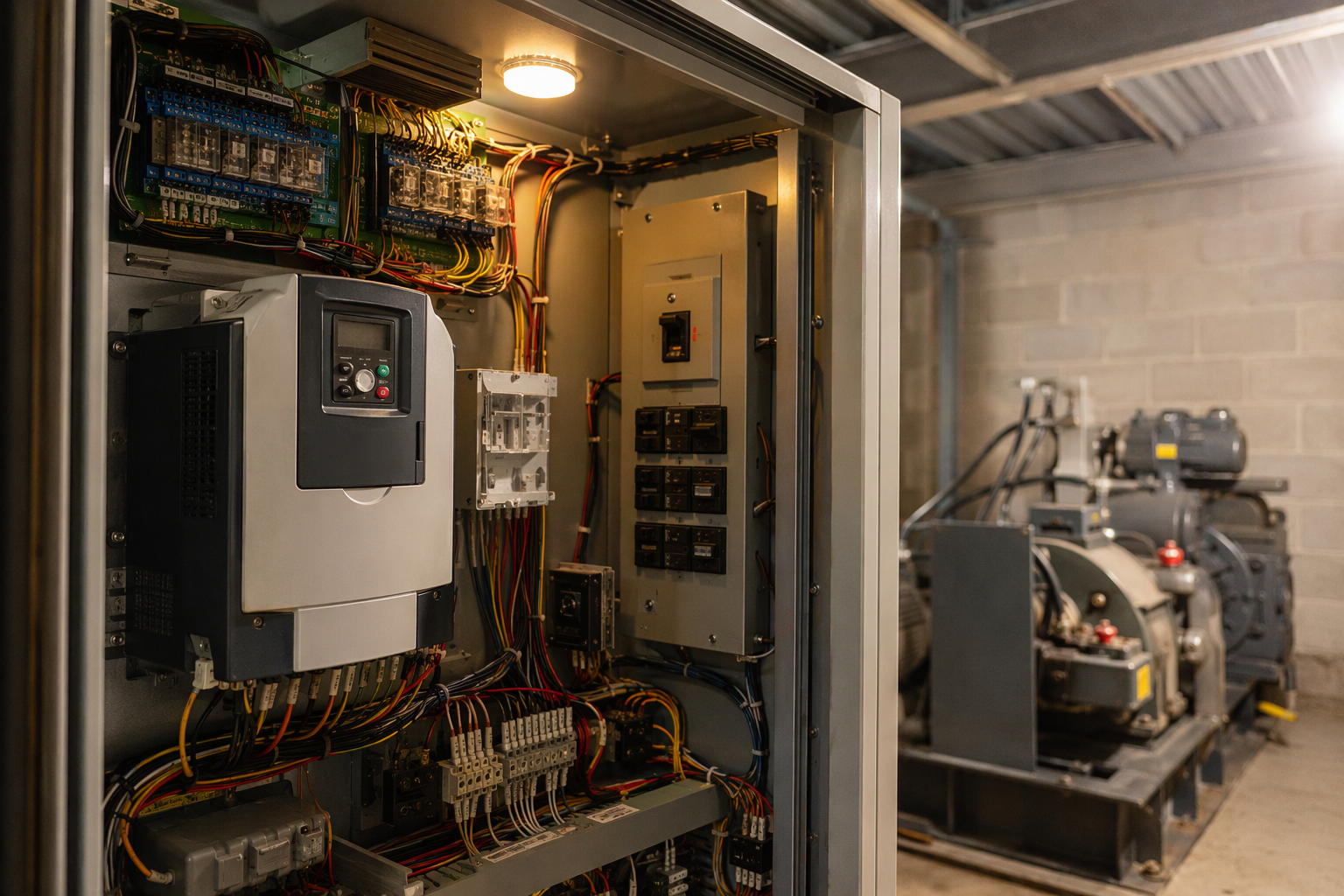
Modernization is not a single repair — it is a structured replacement or upgrade of one or more elevator subsystems without necessarily removing the entire hoistway structure. For hotels, the components most commonly modernized fall into six broad categories:
- Control systems — the electronic brain that manages car movement, door timing, dispatching, and floor leveling
- Drive systems — the motor, drive unit, and power electronics that physically move the cab
- Door operators and entrance equipment — motors, gibs, tracks, rollers, and safety edges that govern door operation
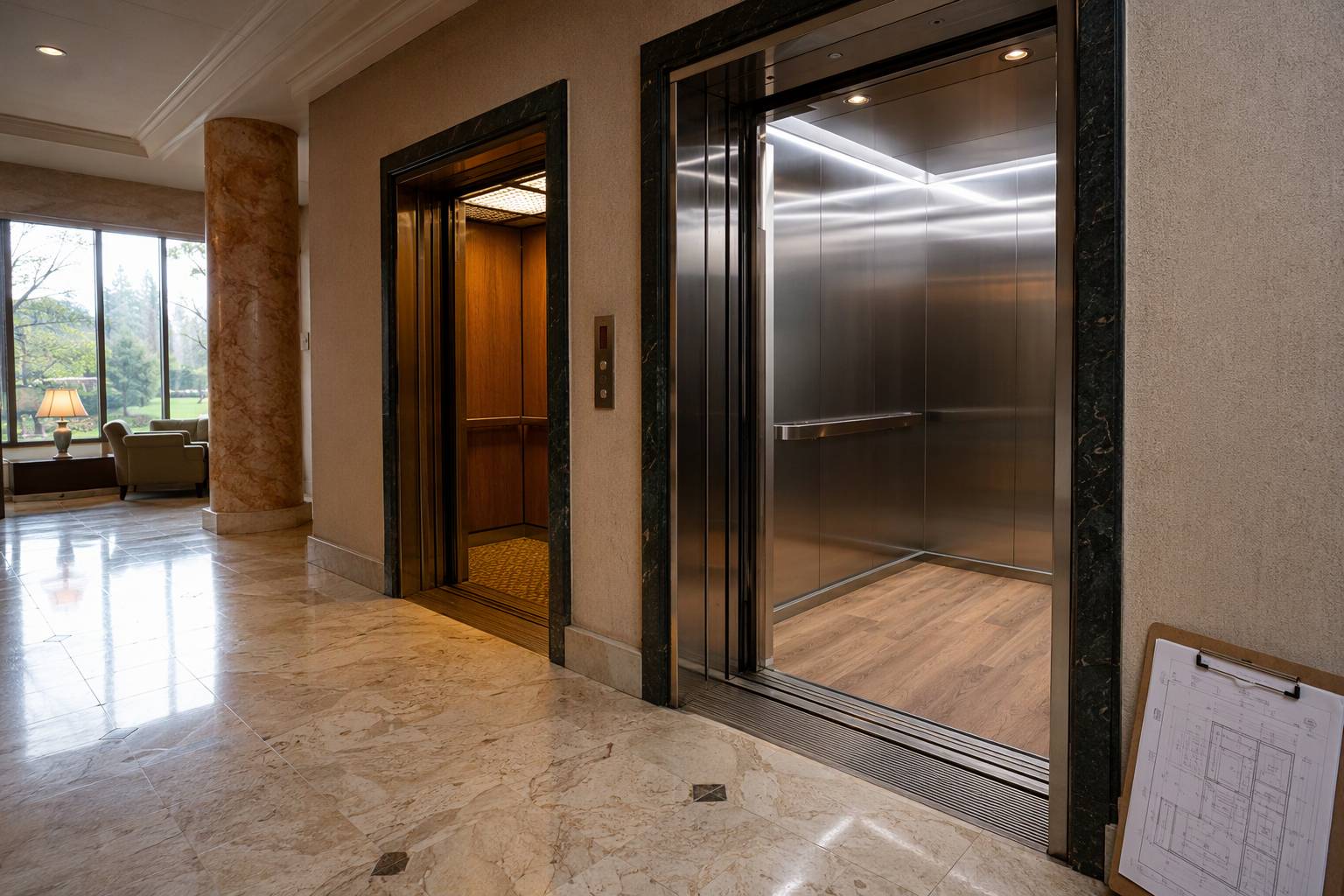
- Cab interior and fixtures — flooring, panels, lighting, handrails, and display systems visible to guests
- Safety and monitoring systems — overload sensors, emergency lighting, two-way communication, and remote diagnostics
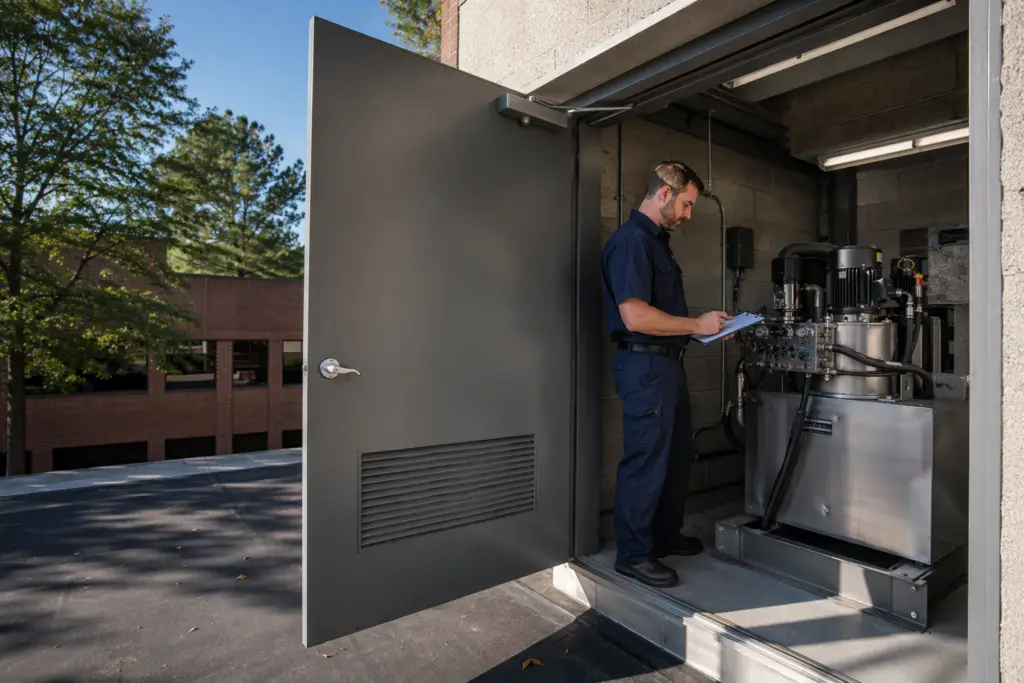
- Hydraulic components — cylinders, power units, and fluid containment systems on hydraulic elevator installations
Each category can be addressed independently, though some upgrades trigger code-compliance reviews of adjacent systems under S.C. Code Title 41, Chapter 16 and the regulations adopted under it.
What South Carolina Code Requirements Apply to Hotel Elevators in 2026?
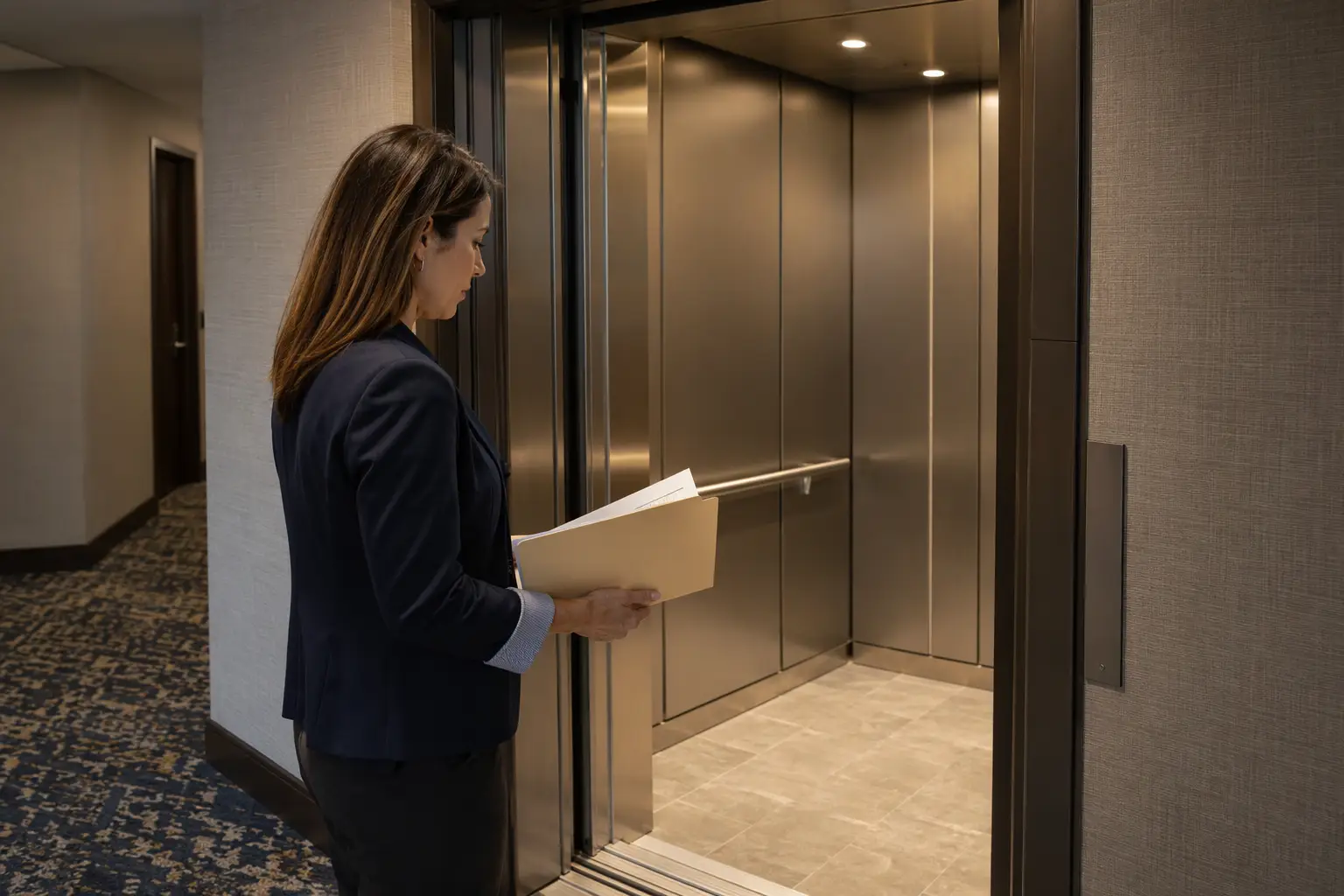
South Carolina’s elevator regulator is the South Carolina Department of Labor, Licensing and Regulation (LLR), Office of Elevators and Amusement Rides. The state has adopted the ASME A17.1/CSA B44, 2019 edition as its governing safety code for new and altered elevator facilities, effective by notice in the S.C. State Register on July 23, 2021.
Hotel operators must understand three code tiers:
- New installations must comply with the ASME A17.1 edition in effect when the construction permit is issued.
- Existing elevators in operation before July 1, 1986 must comply with the 1986 edition of ANSI A17.3, the safety code for existing elevators and escalators, as referenced under South Carolina’s regulations.
- Alterations and repairs trigger a review under the currently adopted ASME A17.1-2019 edition and require a state construction permit from LLR before work begins.
No hotel elevator may operate in South Carolina without a valid certificate of registration and an operating certificate from the state. That operating certificate — or a copy — must be displayed conspicuously inside each elevator car. South Carolina also requires annual inspections as a condition of operating certificate renewal, and those inspections may only be performed by state inspectors or licensed special inspectors holding qualifications under the 2018 edition of QEI-1, the American National Standard for Qualification of Elevator Inspectors.
One additional compliance layer for hotels: South Carolina passenger elevators must have standby power capable of running emergency lighting and the alarm bell for at least four hours if normal power fails. Any modernization project that touches electrical systems should verify this requirement is met or exceeded.
How Should a Hotel Prioritize Elevator Modernization Upgrades?
A sound prioritization framework moves from mandatory to beneficial, in this order:
- Life-safety deficiencies flagged by inspection. Any item cited by a South Carolina LLR state inspector or qualified special inspector must be corrected before the operating certificate is renewed. These are non-negotiable. Examples include failed door safety devices, inadequate emergency lighting, non-functional two-way communication, or failed governor components.
- Code compliance gaps introduced by alteration triggers. When any significant system is replaced, South Carolina requires the altered elevator to meet current ASME A17.1-2019 requirements. Upgrading a drive system, for instance, often requires a concurrent review of the control system for compatibility and compliance.
- ADA accessibility deficiencies. The Americans with Disabilities Act and its 2010 ADA Standards for Accessible Design require elevator controls at accessible heights, Braille and raised-character floor designations, audible signals, and adequate door timing. Hotels as places of public accommodation have ongoing ADA obligations, and failure to maintain compliant elevators creates legal exposure independent of the state code.
- Reliability and mechanical end-of-life components. Control systems and drive units from older generations are increasingly difficult to source parts for. When a component reaches end-of-serviceable-life — meaning parts are no longer manufactured or available — downtime risk escalates sharply. For a hotel, an elevator out of service directly affects revenue and guest satisfaction.
- Energy efficiency improvements. Modern variable-voltage, variable-frequency (VVVF) drive systems consume significantly less energy than older single-speed or two-speed motors. While the exact savings vary by building and usage pattern, the efficiency improvement is widely recognized in the vertical transportation industry. Hotels with high elevator usage can realize meaningful reductions in operating costs over time.
- Guest experience and aesthetic upgrades. Cab interiors, digital displays, destination dispatch systems, and modernized fixtures address brand standards and guest perception. These upgrades rarely carry regulatory urgency but often carry business urgency for properties competing in the hospitality market.
What Are the Most Common Control System Upgrades for Older Hotel Elevators?
Control system replacement is the single most impactful modernization for hotels with elevators installed before the late 1990s. Older relay-logic or early microprocessor controllers present several problems: they are difficult to troubleshoot, spare relays and boards are scarce, and they cannot support modern monitoring or dispatch features.
Modern solid-state microprocessor controls offer advantages including:
- Programmable dispatching logic that reduces average waiting times across a multi-elevator bank
- Remote diagnostics and fault logging, allowing service technicians to identify problems before a car goes out of service
- Compatibility with destination dispatch systems, which group passengers by floor destination and reduce total trips
- Improved door timing algorithms that balance efficiency with ADA door-open time requirements
Control system replacement almost always requires a South Carolina LLR construction permit before work begins, and the modernized system must comply with the currently adopted ASME A17.1-2019.
What Drive System Options Are Available for Hotel Elevator Modernization?
The drive system — the combination of motor, drive controller, and mechanical components that move the cab — is the second major modernization target. Options depend on the existing elevator type:
For traction elevators (geared or gearless, common in mid-rise and high-rise hotels):
- VVVF (variable-voltage, variable-frequency) drive retrofit — replaces older single-speed motor controllers with modern frequency drives, improving ride quality, leveling accuracy, and energy use
- Machine-room-less (MRL) conversion — in select cases, the existing machine room equipment can be replaced with a compact gearless machine mounted in the hoistway, freeing machine room space
- Full machine replacement — when the existing motor and gearbox are beyond serviceable life
For hydraulic elevators (common in low-rise hotels and those with below-grade machine rooms):
- Power unit replacement — modern submersible pump and valve units run quieter and more efficiently than older above-ground units
- Cylinder replacement or lining — older single-bottom cylinders that may be susceptible to corrosion can be replaced or relined; South Carolina specifically requires that newly installed underground hydraulic elevator cylinders be encased in plastic outer containment to limit electrolytic corrosion
- VVVF hydraulic drives — variable-speed hydraulic systems reduce energy consumption and improve ride quality compared to traditional single-speed hydraulic operation
What Door System Upgrades Should Hotel Elevators Consider?
Door failures are the leading cause of elevator-related incidents and regulatory citations. Older door operators with worn clutches, deteriorated rollers, and failing safety edges present both a safety risk and a compliance risk. Modern door system upgrades include:
- High-performance door operators with adjustable speed profiles and soft-open/soft-close functionality
- Multi-beam light curtains replacing older single-beam or mechanical safety edges — these detect obstructions across the full door opening height rather than a single point
- New sill, gibs, and roller tracks — worn door guidance components cause mis-leveling and door hesitation, both of which are ADA and ASME A17.1 concerns
What ADA Compliance Upgrades Are Required for Hotel Elevators?
Hotels are places of public accommodation under the ADA, and elevator accessibility requirements are ongoing — not one-time obligations. Common ADA deficiencies found in older hotel elevators include:
- Control buttons mounted above the accessible reach range
- Missing or illegible Braille and raised-character floor designations
- Insufficient audible floor announcements
- Door open times too short to allow passengers using mobility devices to enter safely
- Inadequate cab dimensions for wheelchair turning radius
ADA compliance is not waived by age of the building. When a hotel undertakes any significant elevator alteration, the altered elements must be brought into full compliance with the 2010 ADA Standards for Accessible Design.
What Safety System Upgrades Are Available for Older Hotel Elevators?
Beyond mechanical components, older hotel elevators often lack modern safety monitoring infrastructure. Key safety system upgrades include:
- Two-way communication systems — ASME A17.1-2019 requires a means of two-way communication between the elevator car and a location where help can be summoned. Older telephone handsets should be evaluated for reliability and connectivity.
- Emergency lighting upgrades — South Carolina requires standby power for emergency lighting and the alarm bell for a minimum of four hours. Older battery backup systems should be tested and replaced if they cannot meet this standard.
- Overload and leveling sensors — modern load-weighing devices improve door-open performance, reduce motor strain, and support compliance with ASME requirements for car load management.
- Remote monitoring systems — modern controllers support IoT-connected monitoring that can alert service providers to faults before a car goes out of service, reducing unplanned downtime in a hotel environment where elevator availability is a guest expectation.
How Does the South Carolina Inspection and Permitting Process Affect Modernization Timelines?
Hotel operators planning modernization projects need to build South Carolina regulatory requirements into their project timelines from the start. The state requires:
- A construction permit from LLR before any elevator facility is erected, constructed, altered, or installed. Submitting permit applications before contractor mobilization avoids costly delays.
- An inspection upon completion of alteration or repair — the elevator may not return to service under a renewed operating certificate until it has passed inspection by a state inspector or a licensed special inspector.
- A special inspector retained for the work may not be employed by or have a service or warranty contract with the entity that performed the modernization — South Carolina prohibits this conflict of interest.
Projects that underestimate permitting lead times often experience delays that translate directly into lost hotel revenue when cars are out of service longer than planned.
What Are the 2025–2026 Industry Trends in Hotel Elevator Modernization?
Several trends are shaping hotel elevator modernization decisions in 2025 and 2026, though market data on specific figures continues to evolve:
- Destination dispatch adoption is growing in mid-rise and high-rise hotel properties. These systems reduce total elevator trips by grouping guests traveling to the same or adjacent floors, which improves energy efficiency and reduces peak-hour wait times.
- Predictive maintenance via remote monitoring is increasingly standard in new control system installations. Hotels are moving away from reactive service calls toward data-driven maintenance schedules that use fault logs and sensor data to anticipate failures.
- Sustainability and energy efficiency have become procurement criteria for hotel brands evaluating properties for flag or franchise renewal. VVVF drive systems and regenerative drive technology — which returns braking energy to the building’s electrical system — align with broader corporate sustainability reporting requirements.
- Phased modernization financing is gaining traction as an alternative to full system replacement. Rather than a single capital expenditure, some hotels are structuring multi-year upgrade programs that spread costs across budget cycles while systematically retiring end-of-life components.
- Supply chain normalization has improved lead times for elevator components after disruptions in prior years, though hotel operators planning large projects are still advised to confirm component availability with their service provider early in the planning process.
What Should a Hotel Do Before Starting an Elevator Modernization Project?
- Obtain the most recent annual inspection reports from LLR or the special inspector, and identify every open deficiency or cited item — these define the minimum scope of work.
- Review the elevator’s original installation date and verify which code tier applies: pre-1986 ANSI A17.3 requirements, or the currently adopted ASME A17.1-2019.
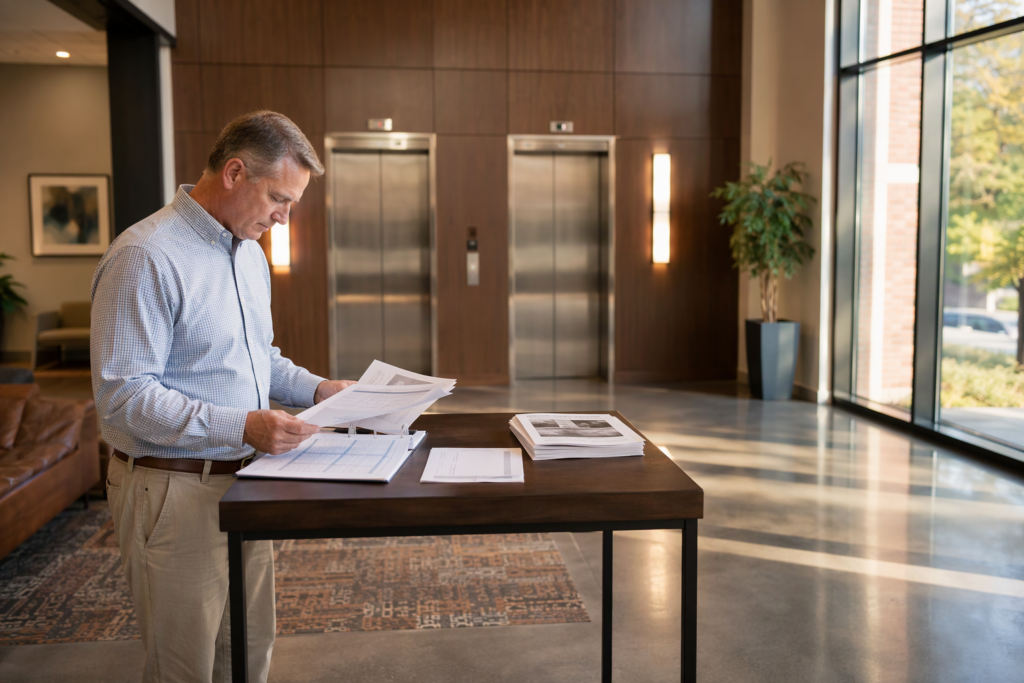
- Commission a full condition assessment of all six modernization categories — control, drive, door, cab, safety systems, and hydraulic components — from a qualified elevator service provider.
- Confirm permit requirements with LLR before engaging contractors, and verify that the selected service entity and inspection entity are not the same under South Carolina’s conflict-of-interest rule for special inspectors.
- Develop a phased scope of work with the contractor that sequences safety-critical and compliance-required upgrades before aesthetic and efficiency upgrades.
- Plan for temporary elevator downtime and guest communication protocols — in a hotel, an out-of-service elevator is an operational event that requires advance notice to guests and staff.
How Do Hotels Evaluate Whether to Modernize or Replace an Elevator Entirely?
The modernization-versus-replacement decision turns on the condition of the hoistway structure itself. If the hoistway, guide rails, and structural supports are sound, piecemeal or phased modernization is typically the more economical path. Full replacement becomes the preferred choice when:
- The hoistway dimensions cannot accommodate modern equipment configurations, limiting the upgrades possible
- Multiple major subsystems are simultaneously at or beyond end-of-serviceable-life, making the cumulative cost of piecemeal upgrades approach or exceed replacement cost
- A property is undergoing a full renovation or repositioning that justifies a comprehensive approach
- The existing hydraulic cylinder is a single-bottom underground unit with documented corrosion risk and no viable relining option
A qualified elevator condition assessment provides the data needed to make this comparison with confidence rather than assumption.
What Role Does OSHA Play in Hotel Elevator Modernization?
While OSHA governs worker safety during elevator construction and maintenance activities, it does not directly regulate the elevator equipment itself in the way that ASME A17.1 and South Carolina’s LLR do. However, OSHA requirements are relevant to hotel operators in two ways:
- Workers performing modernization work in elevator pits, on top of cars, or in machine rooms are covered by OSHA standards for general industry and construction, including fall protection, lockout/tagout, and confined space protocols.
- Hotel maintenance personnel who are assigned to respond to elevator entrapments or perform minor adjustments may have OSHA training obligations depending on the nature of their tasks.
Hotel operators should confirm that their elevator service contractor maintains current OSHA compliance documentation for field personnel.
How Does Carolina Elevator Service Approach Hotel Elevator Modernization in South Carolina?
Carolina Elevator Service applies a structured, data-driven approach to hotel elevator modernization in South Carolina. Rather than recommending maximum-scope projects, the process begins with a thorough condition assessment that maps every component against South Carolina regulatory requirements under S.C. Code Title 41, Chapter 16 and the adopted ASME A17.1-2019 standard, as well as ADA accessibility requirements. The assessment output is a prioritized upgrade roadmap — safety and compliance items first, reliability second, efficiency and guest experience third — so hotel clients can make defensible capital allocation decisions. Carolina Elevator Service also supports clients through the South Carolina LLR permitting process, coordinating documentation and inspection scheduling to minimize the time elevator cars are out of service.
Contact Carolina Elevator Service for a free elevator assessment at 803-865-1400.
Need elevator service you can rely on? Carolina Elevator Service is ready to help.