After a State Inspection: How to Resolve Elevator Findings Like Sump Pump and Lighting Issues in South Carolina
When the South Carolina Department of Labor, Licensing and Regulation (LLR), Office of Elevators and Amusement Rides issues inspection findings against an elevator facility, the path forward is clear but requires careful execution. Deficiencies cited on an inspection report — ranging from sump pump conditions in the pit to inadequate car and machine room lighting — must be corrected in accordance with the ASME A17.1/CSA B44 Safety Code for Elevators and Escalators, the 2019 edition of which South Carolina adopted effective July 23, 2021. The owner bears legal responsibility under S.C. Code Title 41, Chapter 16 to keep every elevator facility in safe operating condition. The following twenty frequently asked questions walk building owners, property managers, and facilities teams through every practical step of the resolution process.
What is the owner’s legal obligation after receiving South Carolina elevator inspection findings?
South Carolina law places the duty of safe operation squarely on the owner, who must correct all cited deficiencies and maintain the elevator in compliance with state regulations before the operating certificate is renewed.
Under S.C. Code Title 41, Chapter 16 and S.C. Code of Regulations Chapter 71, Article 5 (Regulations 71-5000 through 71-5700), no elevator facility may be operated without a valid certificate of registration and an operating certificate issued by the LLR. When an inspection uncovers deficiencies, the operating certificate may be conditioned, suspended, or withheld entirely until those deficiencies are resolved. Owners who continue operating a non-compliant elevator expose themselves to enforcement action. The inspection report itself typically categorizes findings by severity — items that require immediate shutdown versus items that must be corrected before the next annual renewal — and the owner’s first task is to read that report carefully and understand the category of each finding.
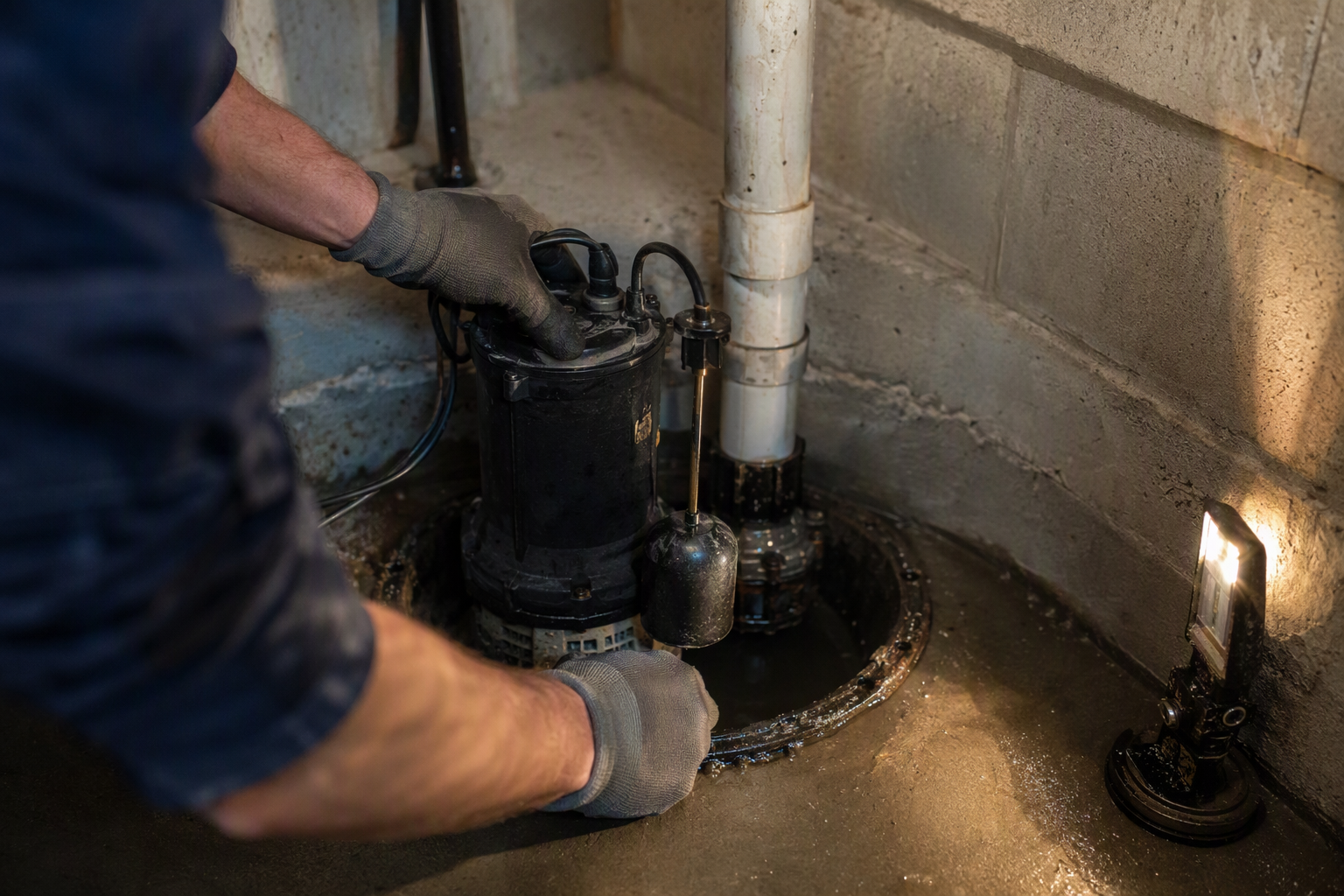
What exactly do inspectors mean by a “sump pump” finding in an elevator pit?
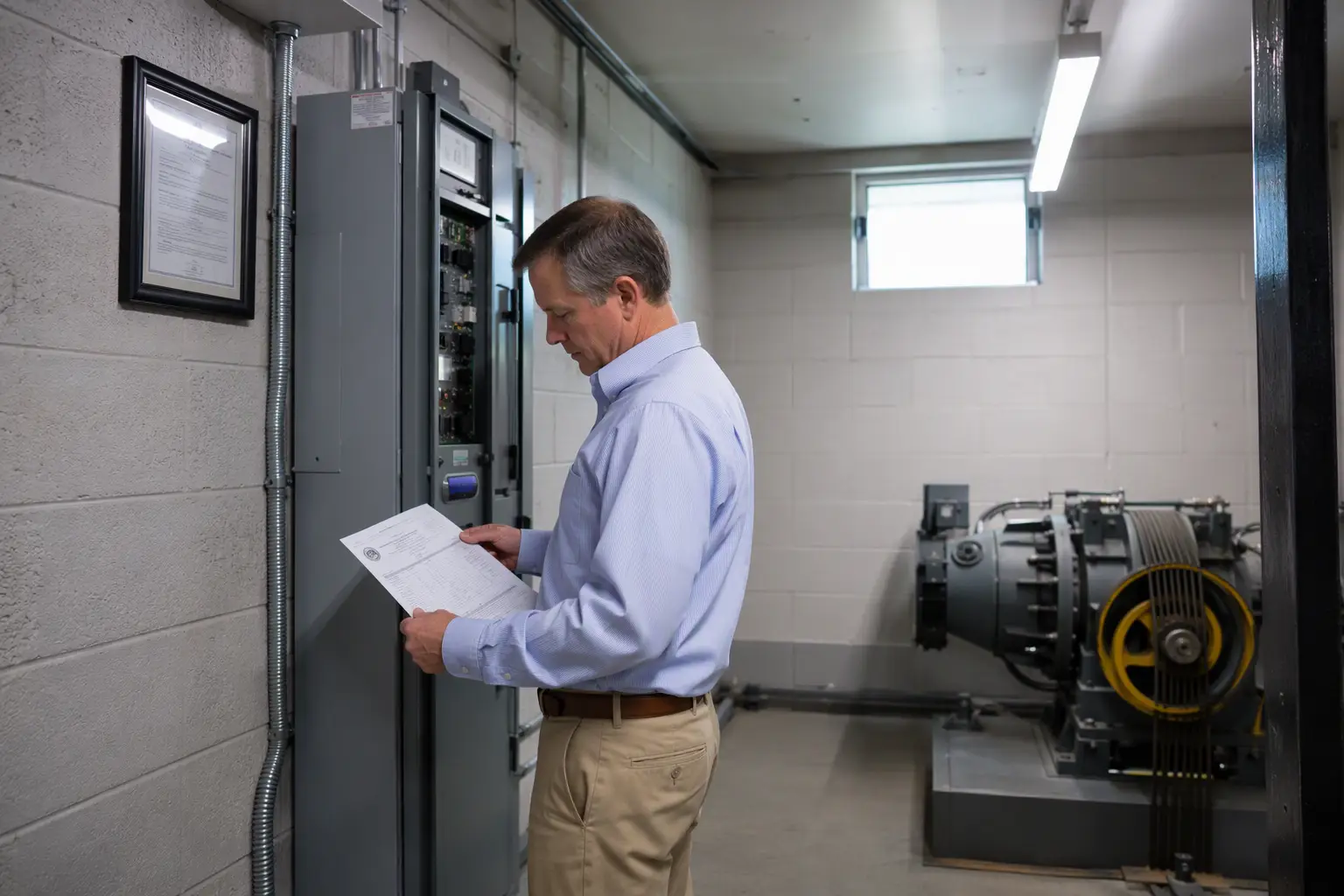
A sump pump finding means the inspector determined that the pit drainage system was absent, inoperable, or non-compliant with the requirements of ASME A17.1-2019/CSA B44:19, which governs pit conditions to prevent water accumulation that creates shock hazards and equipment damage.
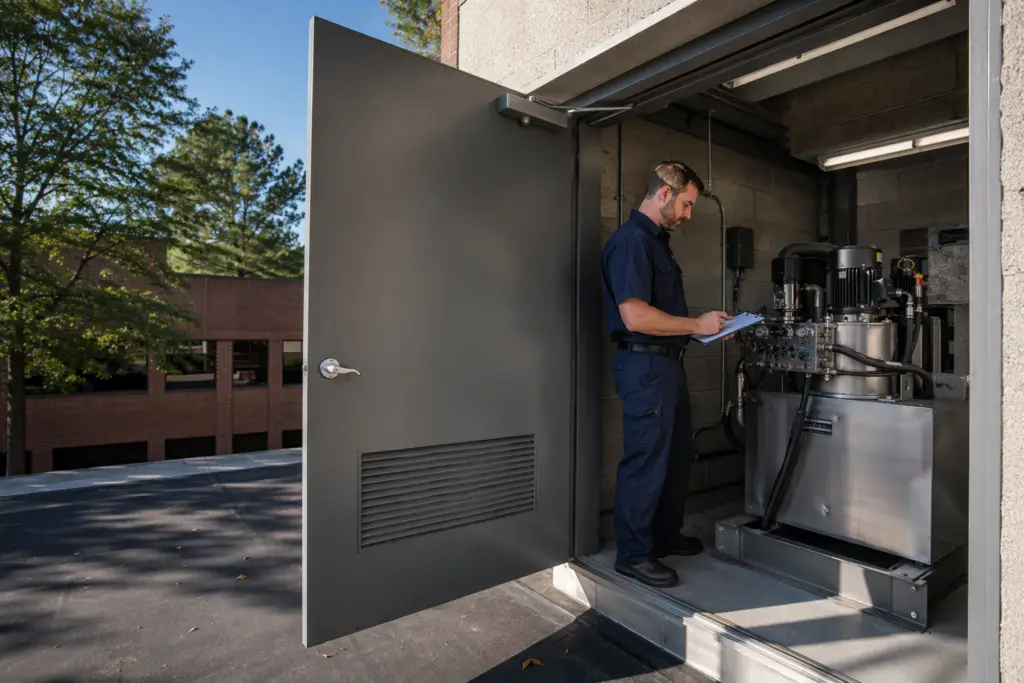
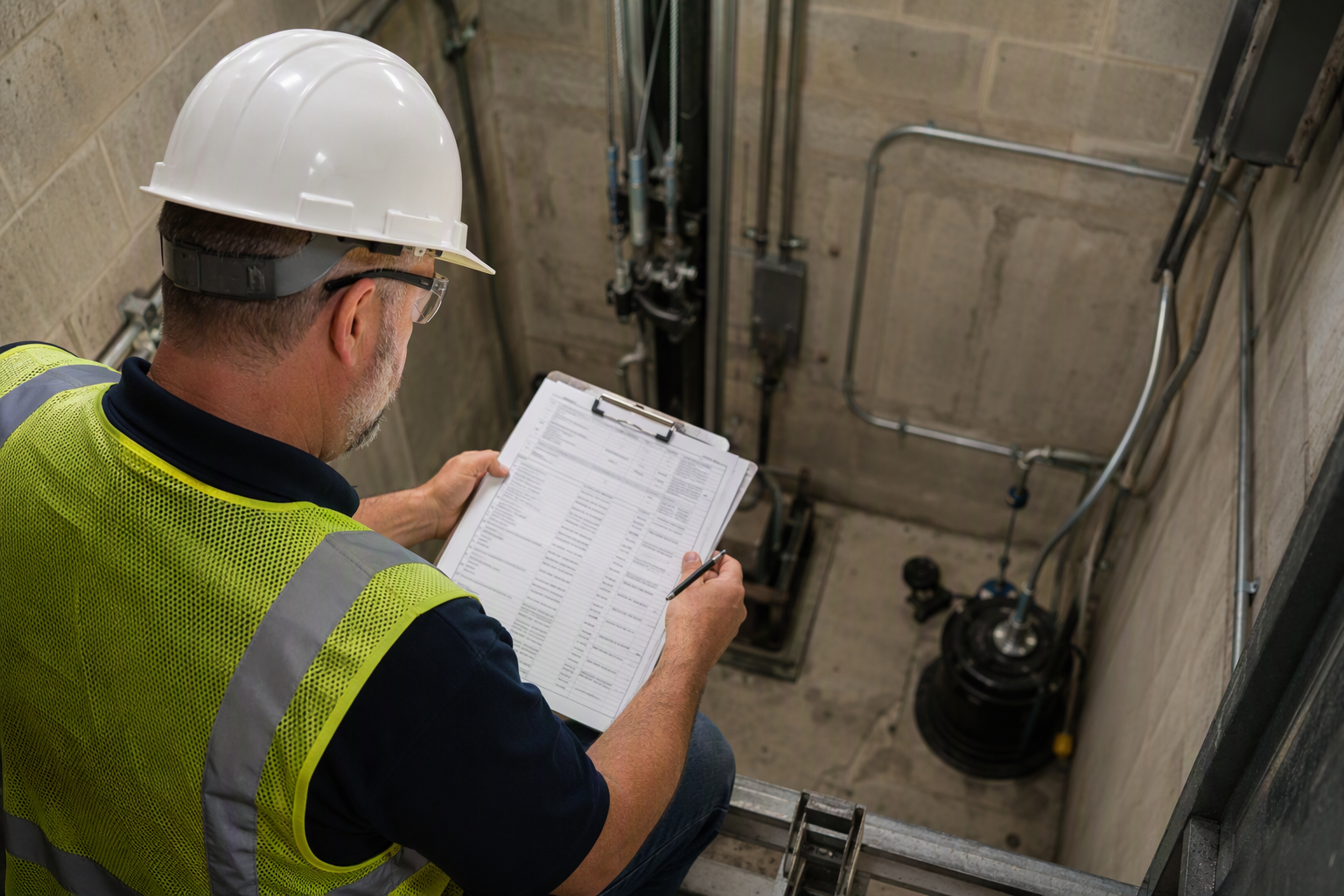
Elevator pits are below-grade enclosures that collect groundwater, rainwater intrusion, and hydraulic fluid leaks. The ASME A17.1 code requires that pits be kept dry and free of water accumulation. Where water infiltration is likely, a sump pump installation is the standard engineering response. Common findings include a sump pump that has failed mechanically, a float switch that no longer activates the pump, a clogged discharge line, a pit drain that is blocked, or — in older installations — no sump provision at all. Each scenario requires a different corrective scope. Carolina Elevator Service technicians routinely evaluate pit drainage during annual maintenance visits precisely to catch these issues before they appear on an LLR inspection report.
What are the specific lighting deficiencies that commonly appear on South Carolina elevator inspection reports?
Lighting findings typically cover inadequate illumination levels in the car, machine room, or pit; burned-out fixtures that were never replaced; and the absence or failure of emergency lighting required to operate for a minimum period when normal power fails.
South Carolina passenger elevators are subject to a specific standby power requirement: emergency lighting and the alarm bell must remain operational for at least four hours if normal power fails. This is a state-level requirement reflected in the adopted ASME A17.1-2019 standard. Inspectors look for functional emergency lighting batteries, proper lumen levels at floor level, and code-compliant fixtures in the machine room that allow safe technician access. A finding may be as simple as a failed LED in an otherwise compliant fixture or as complex as a completely missing emergency battery backup system. Both must be corrected, but the scope and permit implications differ significantly.
What steps should a building owner take immediately after receiving an inspection report with findings?
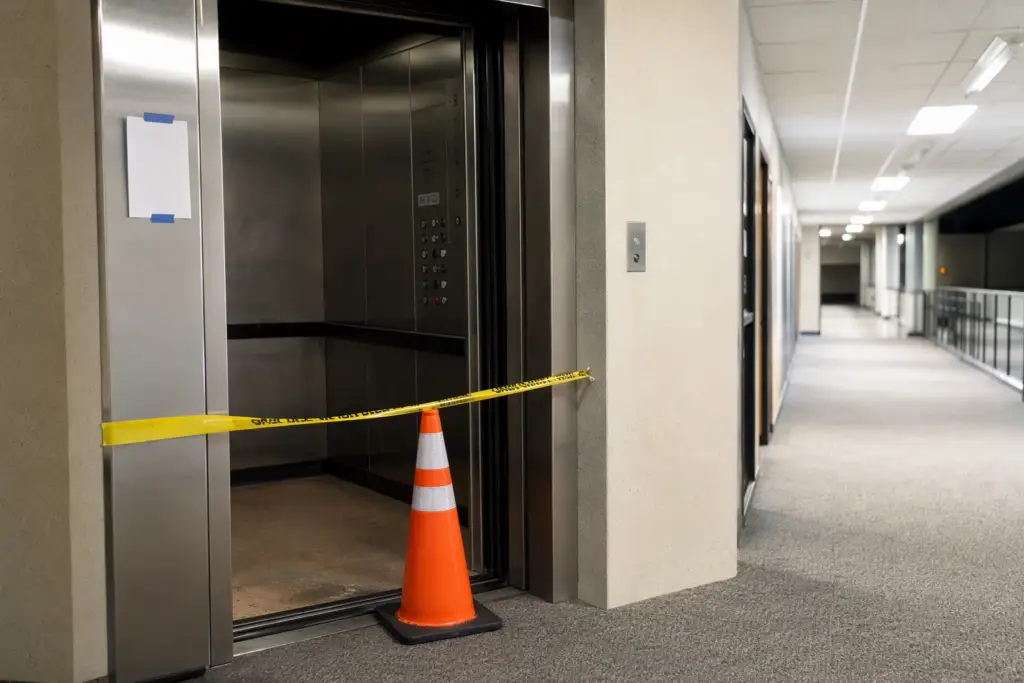
- Read the full inspection report and identify whether any finding requires immediate shutdown of the elevator — do not operate the elevator if it has been placed out of service by the LLR.
- Confirm that the operating certificate displayed inside the car, as required by South Carolina law, reflects the current certificate status and has not been invalidated by the findings.
- Contact a qualified elevator service contractor to obtain a written scope of work and cost estimate for each cited deficiency.
- Determine with the contractor which repairs constitute “alterations” under ASME A17.1-2019 and therefore require a state construction permit from the LLR before work begins.
- Submit permit applications to the LLR for any alteration-level repairs and do not begin that work until the permit is issued.
- Schedule the corrective work in writing, with a documented target completion date tied to the deadline in the inspection report or the operating certificate renewal date.
- Once repairs are complete, arrange for a follow-up inspection by a state inspector or a licensed special inspector through the LLR to verify the corrections.
- Obtain the updated or reinstated operating certificate and confirm it is posted conspicuously inside the elevator car.
Does a sump pump repair require a state construction permit in South Carolina?
Whether a sump pump repair requires an LLR construction permit depends on whether the work constitutes a maintenance repair or an alteration under the adopted ASME A17.1-2019 code and South Carolina regulations.
Replacing a failed sump pump with an identical unit in the same location is generally classified as a repair, not an alteration, and may not require a construction permit. However, installing a sump pump for the first time where none existed, relocating the sump, changing the discharge system significantly, or modifying the pit structure to accommodate drainage are changes that qualify as alterations under ASME A17.1-2019. South Carolina law requires a construction permit before any elevator facility is erected, constructed, altered, or installed. The LLR’s Office of Elevators and Amusement Rides is the authority having jurisdiction (AHJ) for making this determination. When in doubt, the contractor should submit the scope to the LLR for a pre-work determination rather than risk performing unpermitted alteration work.
Does a lighting upgrade or emergency battery replacement require a permit?
Replacing failed lamps or a failed emergency battery with equivalent components is typically a maintenance repair; however, adding a new emergency lighting circuit, changing fixture types, or modifying the electrical system feeding machine room lighting may qualify as an alteration requiring an LLR construction permit.
The distinction matters because alteration work must comply with the currently adopted edition of ASME A17.1 in effect when the permit is issued — in South Carolina, that is the 2019 edition as of the July 23, 2021 adoption date. A simple battery swap in an existing emergency lighting unit is rarely permit-eligible, but installing a new emergency lighting system on an elevator that previously lacked one triggers alteration requirements. Building owners should have the contractor document the scope in writing and present it to the LLR for classification before proceeding with any work that goes beyond like-for-like replacement.
Who is qualified to perform the corrective repairs in South Carolina?
Repairs must be performed by a contractor qualified to work on elevator facilities in accordance with South Carolina regulations and the adopted ASME A17.1-2019 standard.
South Carolina’s elevator statute and regulations govern who may perform elevator work, but building owners should confirm current licensing requirements directly with the LLR’s Office of Elevators and Amusement Rides, as the specific mechanic and contractor licensing framework was not independently verified at the time of this publication. What is clear is that elevator work requires specialized technical knowledge of the ASME A17.1-2019 code, pit safety protocols, and electrical systems specific to elevator equipment. General electrical or plumbing contractors are not equipped to perform elevator pit or car electrical repairs in compliance with the elevator code. Carolina Elevator Service focuses exclusively on elevator systems and is familiar with the LLR’s documentation and permit requirements for South Carolina facilities.
How does a follow-up inspection work after corrections are made?
After corrective work is completed, the building owner arranges for a state inspector or a South Carolina-licensed special inspector to verify each cited deficiency has been resolved before the operating certificate is issued or reinstated.
South Carolina permits the use of special inspectors — who must be licensed and meet the qualifications set out in the 2018 edition of QEI-1, the American National Standard for Qualification of Elevator Inspectors — in place of a state inspection. However, a critical restriction applies: a special inspector may not inspect an elevator on which the inspector or the inspector’s employer has a current service or warranty contract. This means the elevator service contractor who performed the corrective work cannot send its own inspector to sign off on that same work. The owner must engage an independent special inspector or request a state inspection through the LLR. Carolina Elevator Service advises clients to line up the independent inspector in advance so there is no delay between completion of repairs and the follow-up inspection appointment.
What inspection and renewal benchmarks apply to different elevator types in South Carolina?
South Carolina sets different inspection intervals by equipment type, and these intervals determine how frequently owners must demonstrate compliance and renew operating certificates.
| Equipment Type | Inspection Interval | Governing Authority | Applicable Standard |
|---|---|---|---|
| Passenger and freight elevators | At least once per year (before operating certificate renewal) | LLR, Office of Elevators and Amusement Rides | ASME A17.1-2019/CSA B44:19 |
| Handicap lifts (platform lifts) | Every five years | LLR, Office of Elevators and Amusement Rides | ASME A17.1-2019/CSA B44:19 |
| Manlifts, television tower elevators, special purpose elevators | Every seven years | LLR, Office of Elevators and Amusement Rides | ASME A17.1-2019/CSA B44:19 |
| Dumbwaiters | At installation or alteration | LLR, Office of Elevators and Amusement Rides | ASME A17.1-2019/CSA B44:19 |
| New installations (all types) | At installation and registration | LLR, Office of Elevators and Amusement Rides | Edition of ASME A17.1 in effect at permit issuance |
Understanding the applicable interval is important because it governs how long an owner has to resolve findings before the next required inspection. An annual elevator that receives findings near the end of its certificate year has a shorter window than one inspected early in the cycle. Owners of older facilities should also be aware that elevators placed in service before July 1, 1986 must comply with the 1986 edition of ANSI A17.3 (the safety code for existing elevators and escalators) rather than the 2019 ASME A17.1 edition — a distinction that affects which specific technical requirements apply to their corrective work.
What happens if the elevator continues to operate with open inspection findings?
Operating an elevator with unresolved findings, especially when the LLR has placed it out of service, exposes the building owner to enforcement action, liability for injuries, and potential invalidation of the operating certificate.
Under S.C. Code Title 41, Chapter 16, no elevator facility may be operated without a valid operating certificate. If an inspection finding results in suspension or non-renewal of that certificate, continued operation is a statutory violation. Beyond regulatory consequences, operating a non-compliant elevator creates substantial tort liability exposure if a building user is injured due to the uncorrected condition. South Carolina law also requires that accidents seriously injuring anyone other than an employee be reported to the LLR before the end of the next working day — a requirement that becomes immediately relevant if an unresolved deficiency contributes to an incident. Prompt corrective action is the only legally sound path.
How do sump pump and lighting issues relate to ADA compliance?
While the Americans with Disabilities Act does not directly mandate sump pump or lighting specifications, these conditions affect the safe and reliable operation of elevators that serve as ADA-required accessible routes in buildings covered by the Act.
When elevator pit water infiltration causes equipment damage or unscheduled downtime, the elevator may be unavailable for extended periods. If that elevator is the only accessible route to upper floors in a public accommodation or commercial facility, prolonged outages create ADA compliance exposure for the building owner. Adequate lighting in the car also supports usability for persons with low vision. Maintaining the elevator in code-compliant condition — including sump and lighting systems — is therefore both an ASME A17.1 obligation and a practical ADA risk-management strategy. Building owners in Columbia, SC should treat inspection findings not as isolated code technicalities but as factors that affect the building’s overall accessibility posture.
What does a compliant elevator pit condition look like under ASME A17.1-2019?
A compliant pit under ASME A17.1-2019/CSA B44:19 is clean, dry, free of stored materials, properly lit, and equipped with a working stop switch, ladder access, and drainage provisions adequate to prevent water accumulation.
Inspectors assess the entire pit environment, not just the sump pump in isolation. Common co-findings alongside sump pump deficiencies include pit lighting fixtures that are out, stop switches that are deteriorated from moisture, corroded buffers or limit switches, and accumulated debris that obscures equipment visibility. Resolving a sump pump finding comprehensively means addressing root-cause water infiltration through waterproofing or sealing in addition to restoring pump function, then verifying all other pit components are in compliant condition. A piecemeal approach — replacing only the pump without addressing the source of the water — often leads to the same finding recurring at the next annual inspection.
What role does emergency lighting play in South Carolina’s standby power requirement?
South Carolina specifically requires passenger elevator emergency lighting and the alarm bell to remain operational for at least four hours when normal power fails, making emergency lighting battery condition a mandatory inspection checkpoint.
This requirement reflects the practical reality that elevator occupants may become trapped during a power failure. The four-hour standby period is intended to allow emergency responders to arrive and complete a rescue. Battery-backed emergency lighting systems degrade over time — battery cells lose capacity, connections corrode, and charger circuits fail. An inspection finding of non-functional emergency lighting may mean the battery is below capacity even though the lamp appears to illuminate briefly on test. Proper remediation includes load-testing the battery under actual conditions, not merely observing whether the lamp illuminates on first trigger. Carolina Elevator Service recommends that building owners include a documented emergency lighting load test in their routine maintenance program to avoid this finding at annual inspection.
How should building owners document corrective work for LLR review?
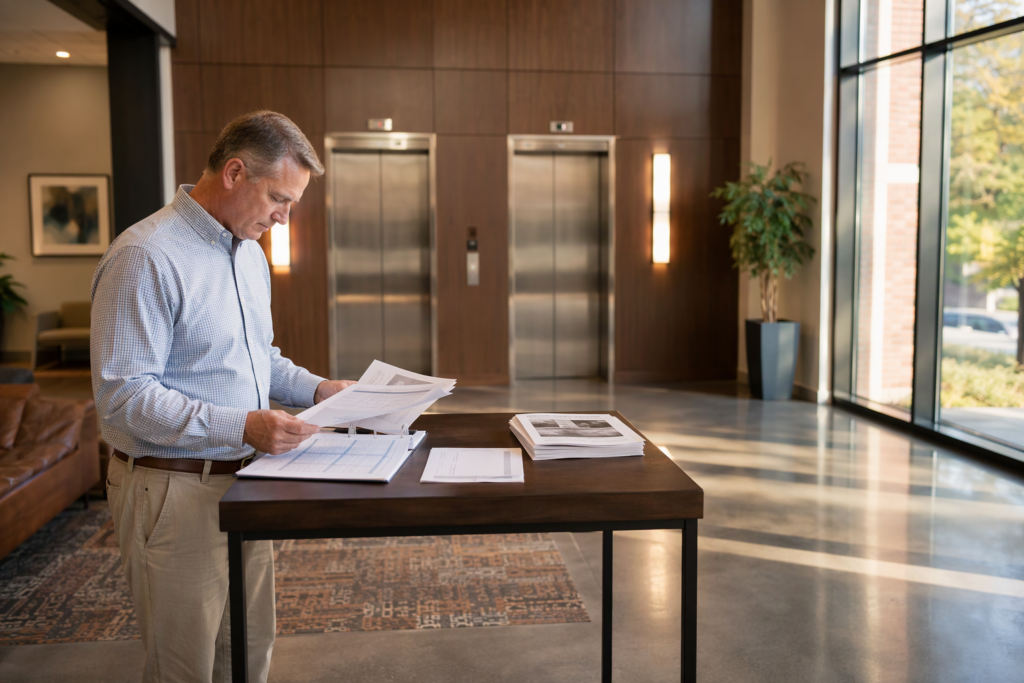
Documentation for the LLR should include the inspection report itself with each finding cross-referenced to the corrective action taken, contractor work orders or invoices describing the specific repair, permit records for any alteration work, and the independent inspector’s sign-off report.
Organized documentation serves two purposes. First, it allows the follow-up inspector to efficiently verify each correction without requiring access to the original contractor on-site. Second, it creates an auditable maintenance record that demonstrates the owner’s good-faith compliance effort — relevant if the LLR pursues any enforcement inquiry. South Carolina does not mandate a specific documentation format for corrective work records, but following the structure of the original inspection report (finding by finding) is considered best practice in the industry. Retain all records for at least the duration of the next inspection cycle.
What is the difference between a maintenance repair and an alteration in the elevator code context?
Under ASME A17.1-2019/CSA B44:19, a maintenance repair restores a component to its original condition and specification, while an alteration changes the equipment’s configuration, capacity, speed, operation, or safety features in a way not covered by the original installation.
This distinction carries significant regulatory consequences in South Carolina. Alterations require an LLR construction permit before work begins, and the altered equipment must comply with the edition of ASME A17.1 in effect at permit issuance. Repairs generally do not require a permit but still must be performed in compliance with the adopted code. For sump pump work, replacing a failed pump with an identical model is a repair; installing a new sump system where none existed is an alteration. For lighting, swapping a failed emergency lamp with an equivalent unit is a repair; rewiring the machine room lighting circuit or adding a new emergency system is an alteration. When the line is unclear, the LLR is the authoritative body to make that classification, and obtaining a written pre-work determination protects the owner from after-the-fact permit violations.
How can building owners in Columbia SC prevent recurring inspection findings?
Recurring findings are best prevented through a structured preventive maintenance program that addresses pit drainage, lighting systems, and battery backup on a scheduled basis rather than reactively after an inspection deficiency appears.
The South Carolina elevator statute places the ongoing obligation of safe operation on the owner, which implies that inspection compliance cannot be the sole driver of maintenance activity. A well-designed maintenance program includes quarterly pit inspections for water infiltration, annual emergency battery load testing, periodic lamp replacement on a calendar schedule rather than failure-driven replacement, and documented pit cleanings. Carolina Elevator Service provides maintenance programs structured around the LLR’s annual inspection cycle so that when the state inspector arrives, the equipment’s condition reflects year-round attention rather than pre-inspection catch-up work. Facilities that maintain this standard consistently report fewer findings and smoother certificate renewals.
What is the significance of the QEI-1 standard for special inspectors handling follow-up inspections?
QEI-1, the American National Standard for Qualification of Elevator Inspectors (2018 edition), establishes the knowledge, training, and examination requirements that South Carolina-licensed special inspectors must meet to perform inspections that are accepted in place of state inspections.
For building owners arranging follow-up inspections after corrective work, the practical implication is that the inspector they engage must hold a current South Carolina special inspector license based on QEI-1 qualifications. Using an unlicensed inspector — regardless of that person’s experience or credentials — produces an inspection report that the LLR will not accept. Additionally, as noted earlier, the QEI-licensed inspector cannot be employed by or affiliated with the contractor who performed the corrective repairs. Building owners should request proof of South Carolina special inspector licensure before scheduling the follow-up inspection appointment.
How do findings on older elevators (pre-1986) differ from those on newer installations?
Elevators placed in service before July 1, 1986 are governed by the 1986 edition of ANSI A17.3 for existing elevators and escalators rather than the 2019 ASME A17.1 edition, which affects the specific technical requirements against which their corrective work is measured.
This means that a sump pump or lighting deficiency on a pre-1986 elevator is assessed against the A17.3 standard’s provisions for existing equipment rather than the full current A17.1 requirements applicable to new or recently altered elevators. In practice, the performance objectives — dry pits, adequate lighting, functional emergency systems — are similar across both standards, but the specific dimensional, electrical, and component specifications may differ. Building owners of vintage installations should ensure their service contractor is familiar with both the A17.3 requirements for existing equipment and the point at which an alteration on an older elevator triggers upgrade obligations under the current A17.1 edition. Misapplying the wrong standard during corrective work can itself generate a new inspection finding.
What should building owners know about the operating certificate display requirement when findings are pending?
South Carolina law requires the operating certificate, or a copy, to be displayed conspicuously inside each elevator car at all times, and a certificate that has been suspended or not renewed due to outstanding findings may not legally satisfy that display requirement.
When findings result in a conditional certificate, the LLR may issue a certificate with noted restrictions or may withhold the certificate until corrections are verified. Building owners should clarify the certificate status directly with the LLR after receiving findings and avoid displaying a lapsed certificate as if it were currently valid. This is particularly relevant for multi-elevator buildings where one unit has open findings — the certificates for each car must be current and individually valid. Carolina Elevator Service recommends that facilities managers conduct a monthly visual check of the certificate posted in each car to confirm currency, particularly in the months leading up to the annual renewal date.
How does resolving inspection findings intersect with OSHA requirements for elevator maintenance workers?
While OSHA regulations govern workplace safety for the elevator technicians performing the corrective repairs — including pit entry procedures, lockout/tagout, and electrical safety — they operate alongside rather than in place of the ASME A17.1 and South Carolina LLR requirements that govern the equipment itself.
When corrective work is performed in an elevator pit, OSHA’s general industry standards apply to the working conditions: proper lighting for the work area, electrical hazard controls, confined space considerations if applicable, and fall protection at the pit access point. Employers sending technicians into elevator pits must ensure OSHA-compliant conditions exist independently of the elevator code corrections being made. For building owners, the practical implication is that the contractor performing the work bears OSHA compliance responsibility for worker safety, while the owner bears LLR compliance responsibility for the elevator equipment condition. Both obligations run simultaneously during any corrective repair project.
What is the timeline a Columbia SC building owner should realistically plan for resolving inspection findings?
The resolution timeline depends on finding severity, parts availability, permit processing time for alteration work, and inspector scheduling, but owners should plan for a minimum of several weeks when permits are involved and budget additional time for independent inspector scheduling.
For straightforward maintenance repairs — a sump pump replacement with an identical unit, a battery swap in an existing emergency lighting fixture — the physical work can often be completed within days of engaging a contractor, assuming parts are in stock. The follow-up inspection scheduling then determines the overall timeline. For alteration-level work requiring an LLR construction permit, the permit review period adds time before work can begin. Owners should not wait until the certificate expiration date to initiate the repair process, as permit processing and inspection scheduling both introduce lead times outside the owner’s control. Carolina Elevator Service advises Columbia-area building owners to treat any inspection finding as requiring immediate action regardless of when the certificate renewal date falls, in order to preserve scheduling flexibility throughout the process.
Contact Carolina Elevator Service for a free elevator assessment at 803-865-1400.
Need elevator service you can rely on? Carolina Elevator Service is ready to help.