Elevator Service in Columbia, SC | Carolina Elevator Service
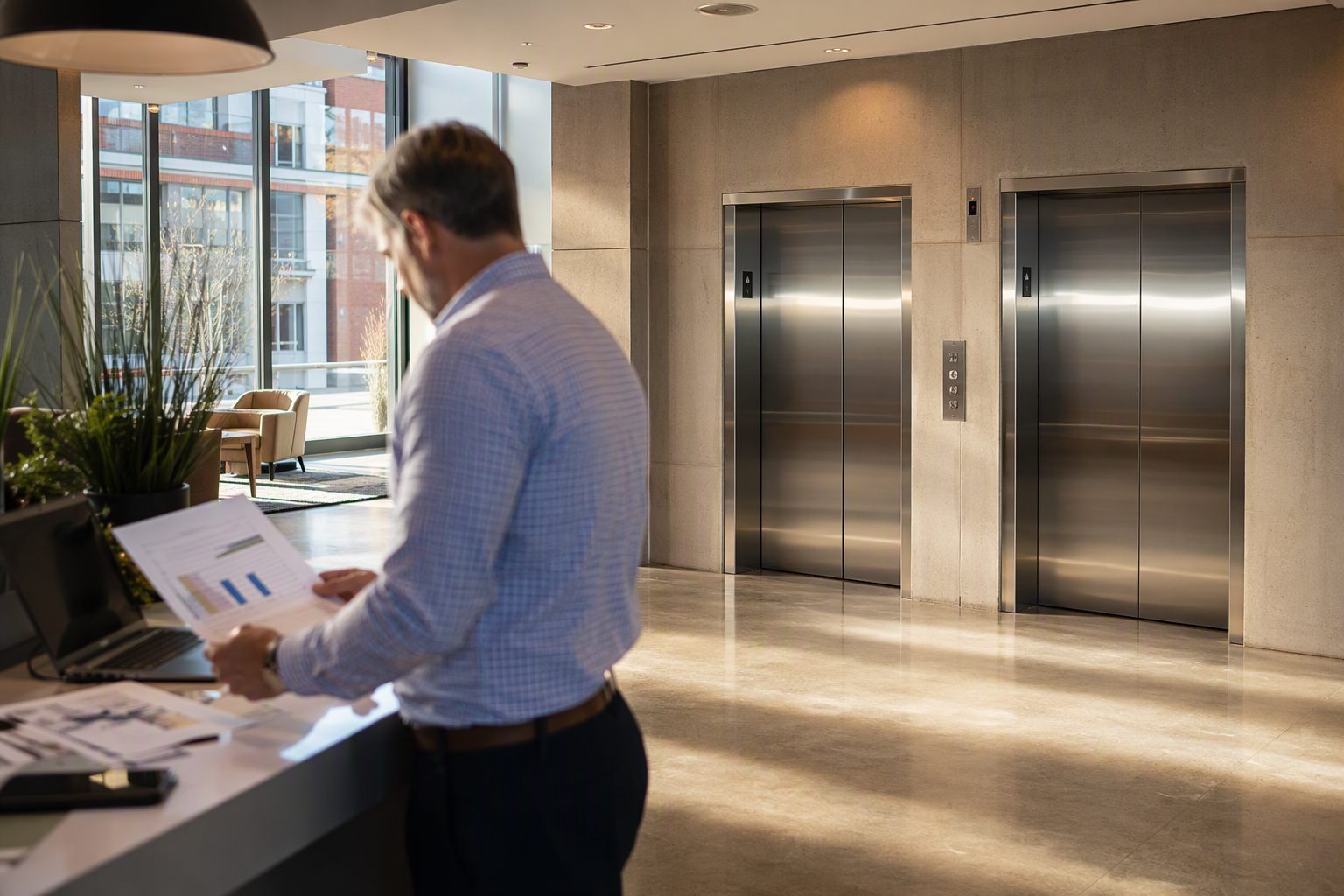
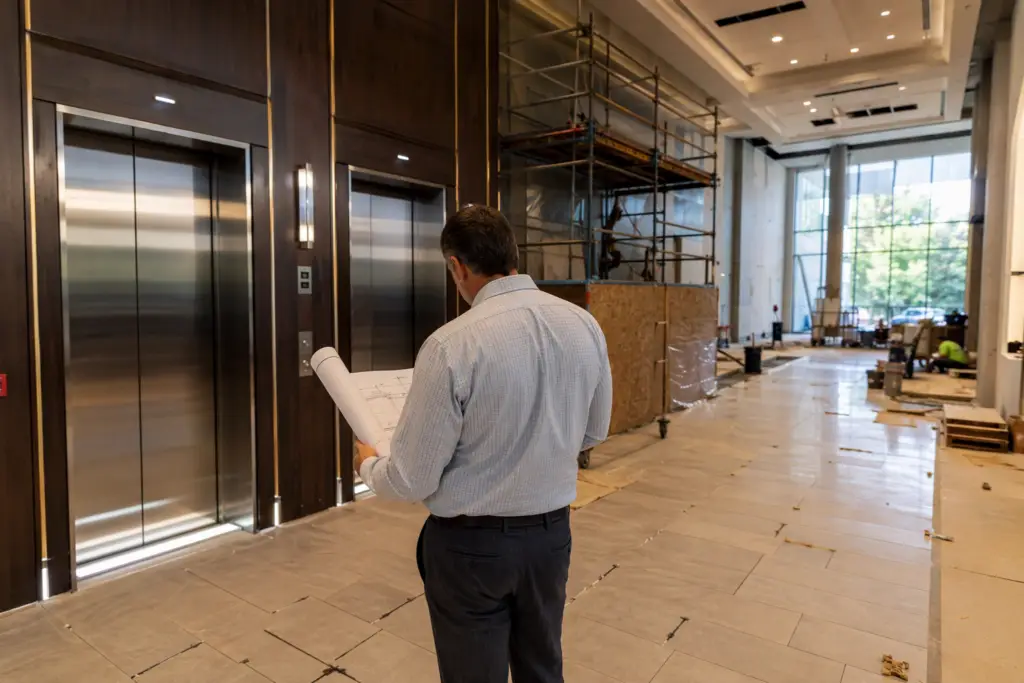
Building owners and facility managers in Columbia, SC planning their 2027 budgets should start elevator capital planning now. South Carolina’s regulatory requirements under S.C. Code Title 41, Chapter 16 (South Carolina Elevator Code) establish baseline compliance obligations every year, while aging equipment and evolving accessibility standards create additional upgrade pressures. The sections below map the full landscape of elevator upgrade categories, compliance requirements, and planning considerations relevant to Columbia, SC properties heading into fiscal year 2027.
What elevator upgrades carry the highest compliance priority for 2027 planning?
Compliance with South Carolina’s adopted edition of the ASME A17.1/CSA B44 Safety Code for Elevators and Escalators — specifically the 2019 edition adopted by South Carolina effective July 23, 2021 — sets the baseline for every commercial elevator in Columbia. Upgrades that close gaps between existing equipment and that adopted code carry the highest regulatory weight.
Key compliance-driven upgrades to budget for include:
- Standby power systems: South Carolina requires passenger elevators to have standby power capable of running emergency lighting and the alarm bell for at least four hours if normal power fails. Properties without a compliant backup power system should treat this as a priority line item.
- Underground hydraulic cylinder containment: South Carolina specifically requires that newly installed underground hydraulic elevator cylinders be encased in plastic outer containment to limit electrolytic corrosion. Older hydraulic installations that have not been brought into alignment with this requirement warrant evaluation.
- Firefighters’ service key compliance: New installations and alterations in South Carolina must use the five-pin S.C. #1000 key for firefighters’ service. Properties completing any alteration work that triggers this requirement should include it in project scope and budget.
- Annual operating certificate renewal: South Carolina prohibits operating any elevator without a current certificate of registration and operating certificate. The operating certificate must be displayed conspicuously inside each car. Inspection and certificate renewal costs should be a fixed line in every annual budget.
What modernization upgrades should Columbia building owners consider for aging elevators?
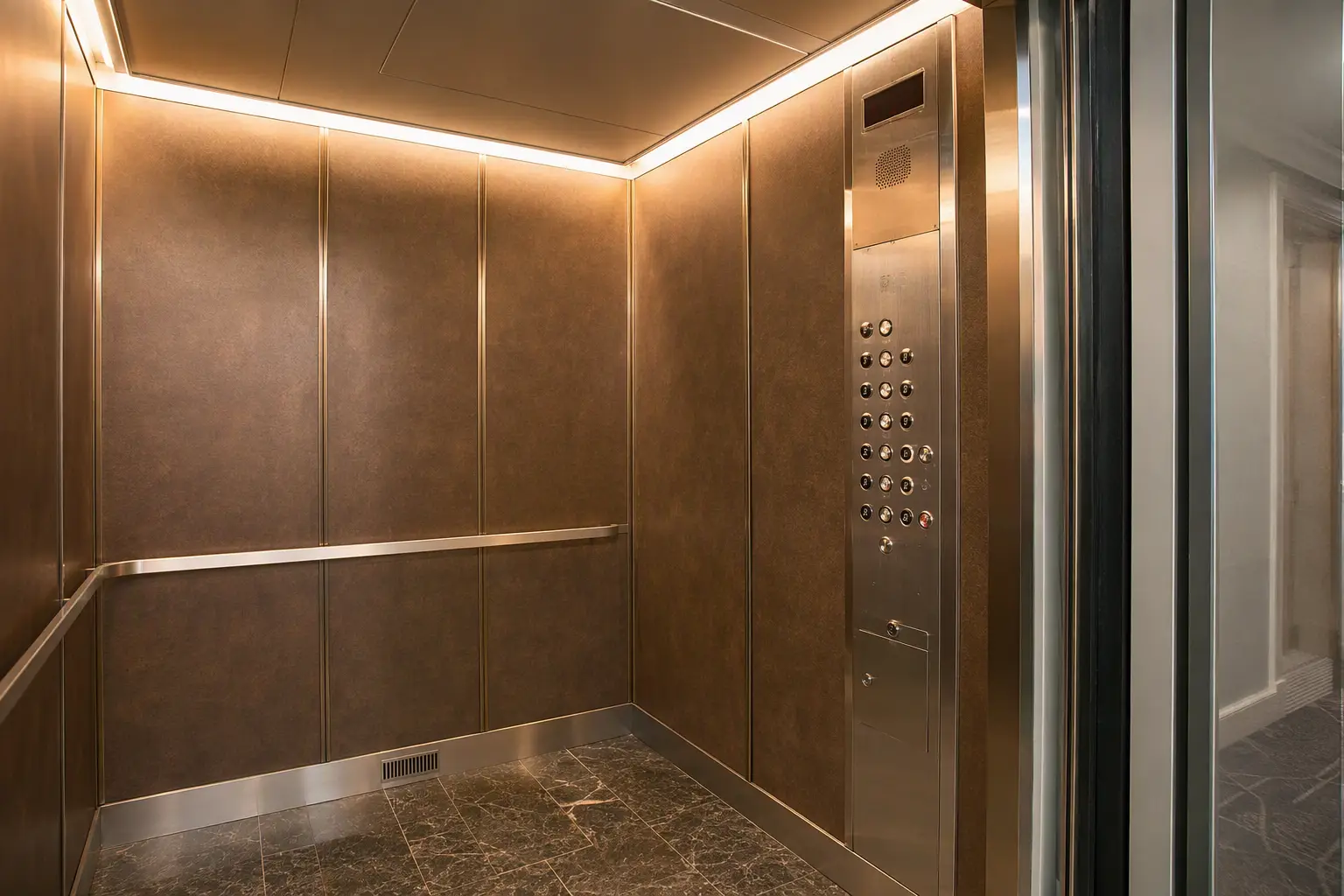
Beyond code-minimum compliance, modernization upgrades typically deliver the strongest return on investment by extending equipment life, reducing ongoing maintenance costs, and improving reliability. For 2027 budgets, the most common modernization categories are:
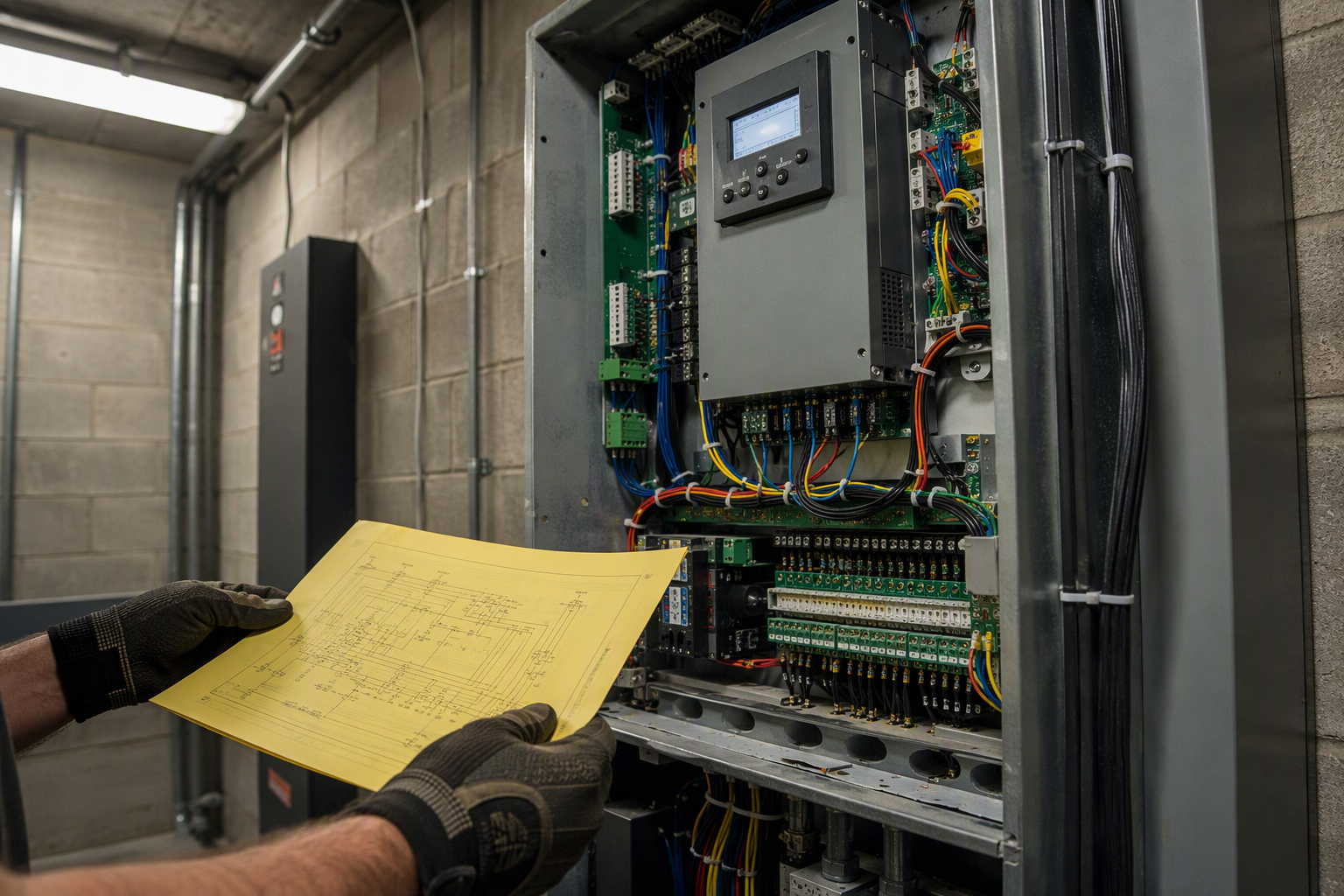
- Control system modernization: Older relay-logic and early microprocessor controllers are increasingly difficult to service as parts availability shrinks. Upgrading to current solid-state, programmable controllers improves diagnostics, reduces downtime, and positions the elevator for future integration with building management systems.
- Door operator and safety edge replacement: Door systems are among the most frequent sources of service calls. Modern door operators and full-length safety edges reduce entrapment risk and maintenance frequency.
- Cab interior renovation: Flooring, wall panels, lighting, and fixtures affect tenant experience and property value. LED lighting upgrades also reduce energy consumption.
- Hydraulic power unit replacement: Aging hydraulic units may have worn seals, inefficient motors, or outdated fluid systems. A new power unit can improve efficiency and reduce the risk of fluid leaks that create environmental and code concerns.
- Machine room and hoist way equipment: Buffers, guide rails, and sheaves that have not been assessed recently may warrant inspection-driven upgrades, particularly on equipment installed before July 1, 1986, which must comply with the 1986 edition of ANSI A17.3, the safety code for existing elevators and escalators.
How do ADA requirements factor into 2027 elevator budget planning?
The Americans with Disabilities Act (ADA) establishes accessibility requirements for elevators in public accommodations and commercial facilities. For 2027 planning, building owners should audit their elevators for ADA compliance in areas such as call button height and reach range, cab dimensions, door timing and reopening devices, handrail placement, and audible and visual signals. Properties undergoing any renovation or alteration that affects elevator access should budget for full ADA path-of-travel compliance, as alterations can trigger broader accessibility obligations. A compliance review now allows building owners to phase remediation work across budget years rather than absorbing it as an emergency expense.
What inspection and certificate costs should appear in a 2027 elevator budget?
South Carolina requires elevators to be inspected at installation, registration, alteration or repair, and at least once a year before the operating certificate is renewed. These inspections may be performed only by state inspectors or by special inspectors licensed to meet the qualifications established in the QEI-1 standard for elevator inspector qualification. Importantly, South Carolina prohibits a special inspector from inspecting an elevator on which the inspector or the inspector’s employer holds a current service or warranty contract — a rule that shapes how owners structure their inspection and service arrangements.
Budget line items for inspections should account for:
- Annual inspection fees for standard passenger and freight elevators
- Five-year inspection cycles for handicap lifts on the property
- Seven-year inspection cycles for manlifts, television tower elevators, and special purpose elevators
- Inspection fees triggered by any alteration or repair work planned for 2027
- State construction permit fees for any new installation or significant alteration project
Note that the South Carolina Elevator Code does not apply to equipment in a single private dwelling, so multi-family residential owners should confirm which units fall under the statute’s scope.
How should facility managers in Columbia, SC approach vendor selection for 2027 upgrade projects?
South Carolina’s conflict-of-interest rule for special inspectors — prohibiting inspection of equipment the inspector’s employer services — means building owners benefit from clearly understanding the relationship between their service contractor and the inspector performing their annual inspection. When soliciting bids for modernization projects, owners should request itemized proposals that separate equipment costs, labor, permit fees, and inspection fees so that budget comparisons are accurate. Carolina Elevator Service brings deep familiarity with South Carolina’s regulatory framework and serves commercial, healthcare, government, and institutional properties throughout the Columbia, SC market.
What is the right planning timeline for major elevator upgrades targeting a 2027 start?
Major elevator modernization projects — particularly full control system replacements or hydraulic unit overhauls — benefit from lead times that account for permitting, equipment procurement, and scheduling around building occupancy. South Carolina requires a state construction permit before any elevator facility is erected, constructed, altered, or installed. Owners targeting a 2027 project start should initiate assessments and design work in 2026 to allow sufficient time for permit applications and equipment lead times, which for certain components can extend several months. Emergency availability for unplanned repairs is a separate consideration, and Carolina Elevator Service maintains service coverage for Columbia-area properties to address urgent needs between planned maintenance intervals.
How should building owners in Columbia prioritize upgrades when budgets are constrained?
When capital budgets require prioritization, a useful framework moves from mandatory to elective:
- Address any open inspection violations or conditions that could result in operating certificate suspension — South Carolina law places the obligation to keep every elevator in safe operating condition squarely on the owner.
- Resolve any life-safety deficiencies, including standby power gaps and door safety device failures.
- Remediate ADA non-conformances that create legal exposure, particularly on properties undergoing renovation.
- Schedule code-driven mechanical upgrades (such as hydraulic cylinder containment on applicable installations) that have known regulatory timelines.
- Plan modernization and cab renovation work that improves reliability and tenant experience in subsequent budget cycles.
This sequence ensures that the most consequential compliance and safety obligations are funded first, with improvement projects layered in as budget permits.
What role does an elevator service partner play in annual fiscal planning?
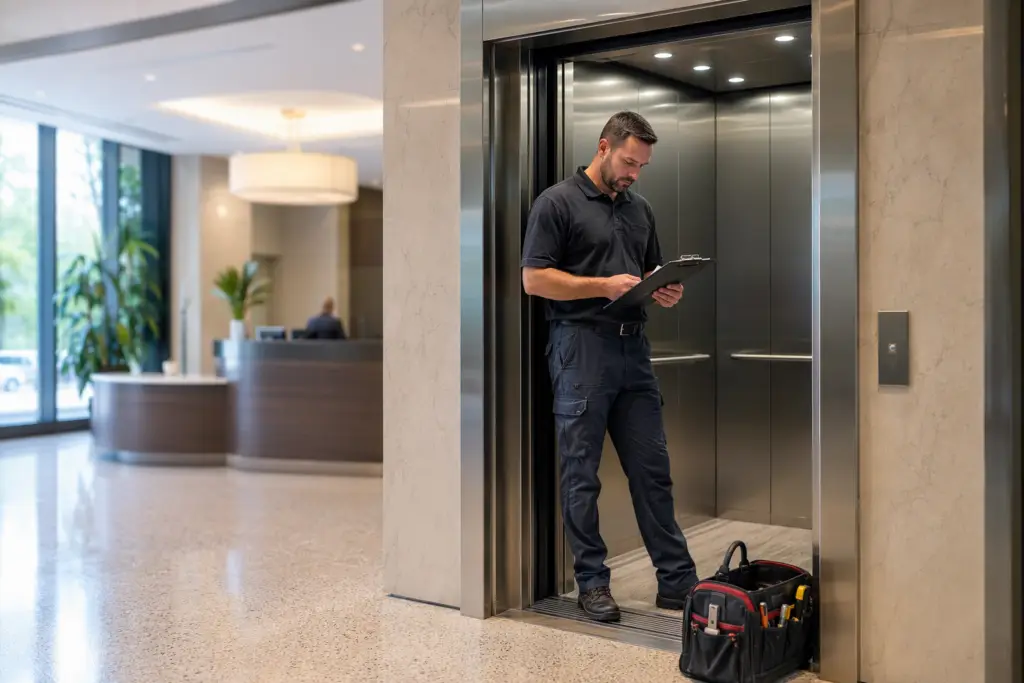
A knowledgeable elevator service partner contributes to budget accuracy in several ways: identifying equipment deficiencies before they become emergency repairs, providing documented condition assessments that support capital appropriation requests, advising on the South Carolina permit and inspection process for planned projects, and coordinating service in a way that preserves the required separation between service and inspection roles. For Columbia, SC property owners managing multiple elevators across a portfolio — in office buildings, healthcare facilities, government buildings, or mixed-use properties — consistent service documentation also supports risk management and insurance requirements. Carolina Elevator Service understands the local regulatory environment administered by the South Carolina Department of Labor, Licensing and Regulation (LLR), Office of Elevators and Amusement Rides, and serves the full range of commercial and institutional markets in the Columbia area.
Schedule a free consultation with Carolina Elevator Service at 803-865-1400.
Need elevator service you can rely on? Carolina Elevator Service is ready to help.