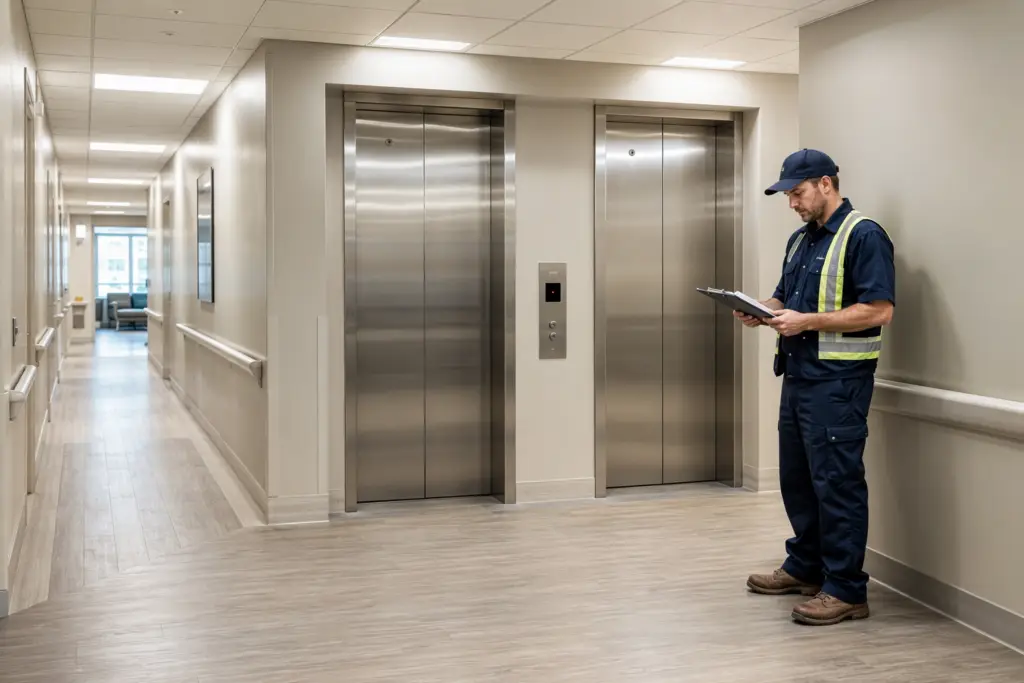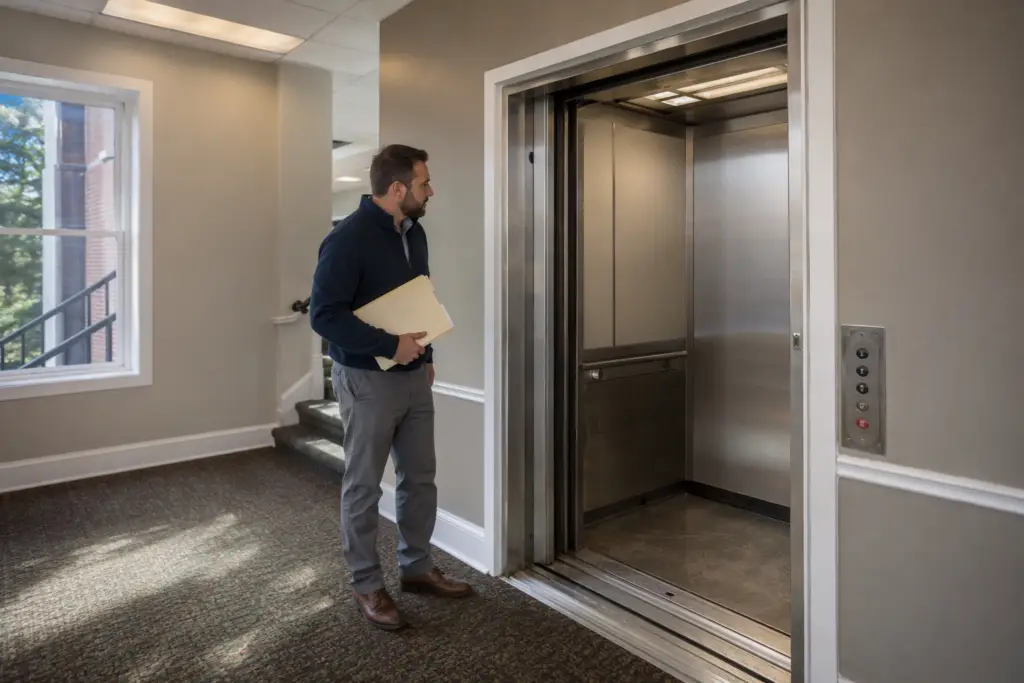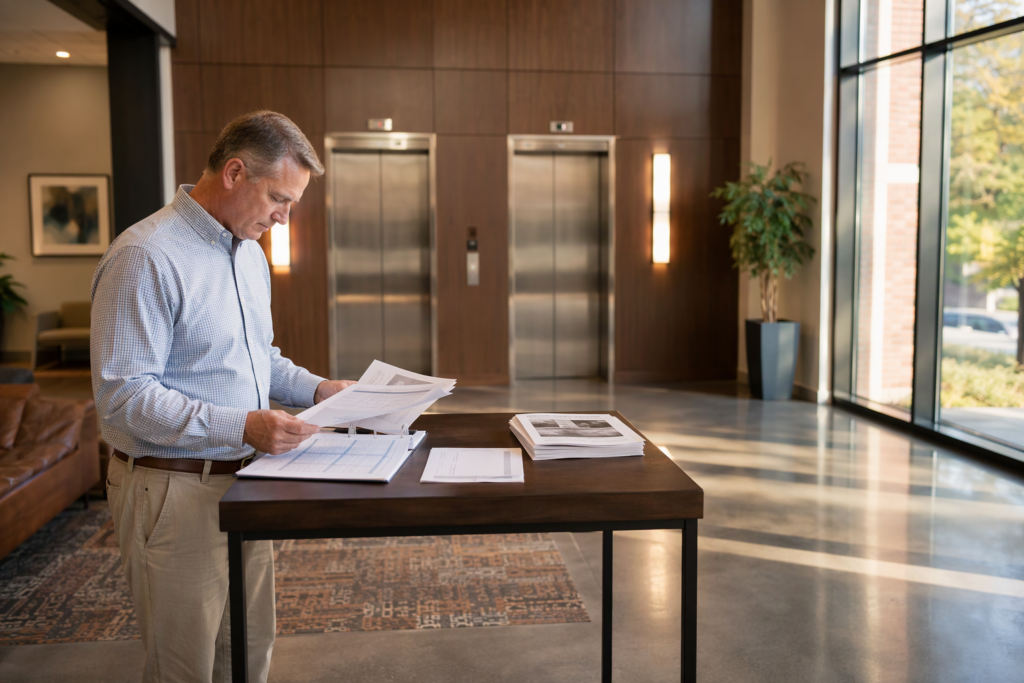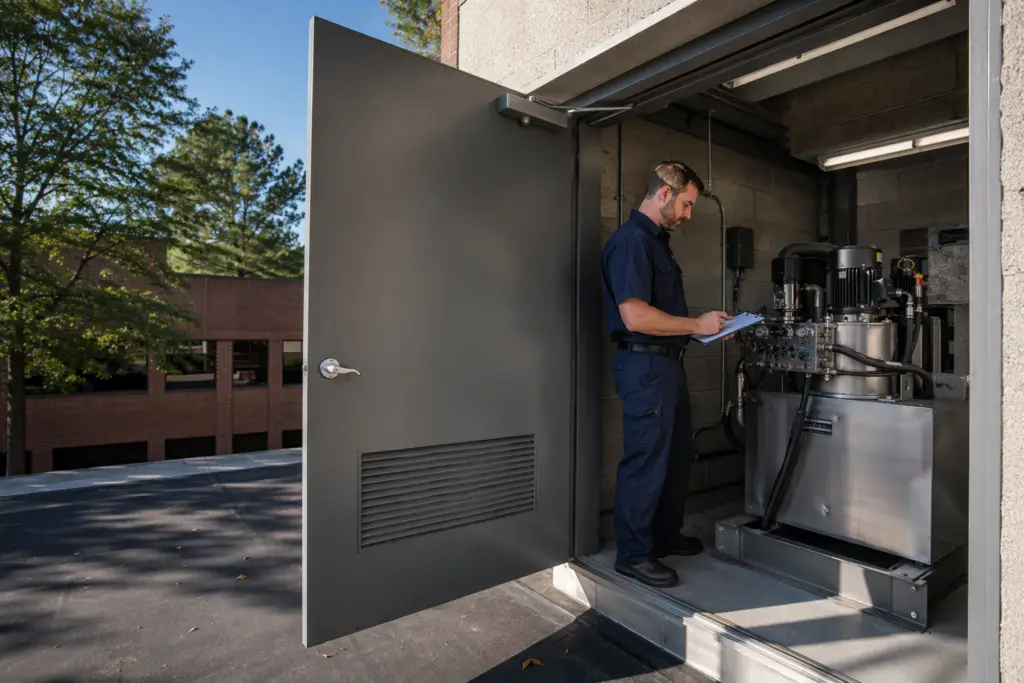
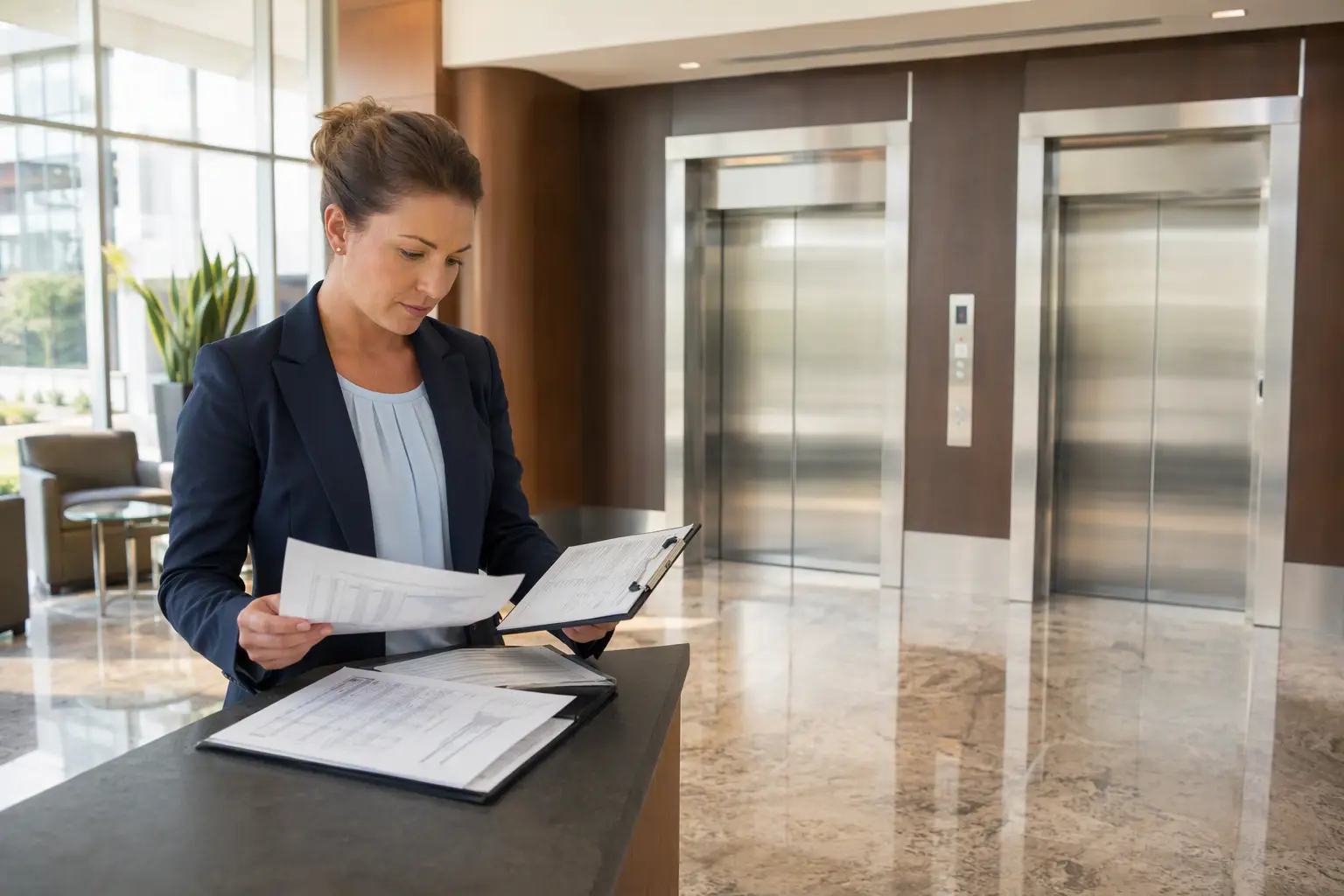
Planning capital expenditures for elevator systems is one of the more consequential decisions a Columbia building owner or facility manager makes. Unlike routine maintenance line items, elevator code compliance, modernization projects, and certification-driven repairs carry legal obligations, occupant safety implications, and lead times that can stretch across multiple budget cycles. This guide walks through the decisions, comparisons, and questions that South Carolina property owners most commonly face when building their 2027 elevator budgets.
What Should Be in Every Columbia Building Owner’s 2027 Elevator Budget?
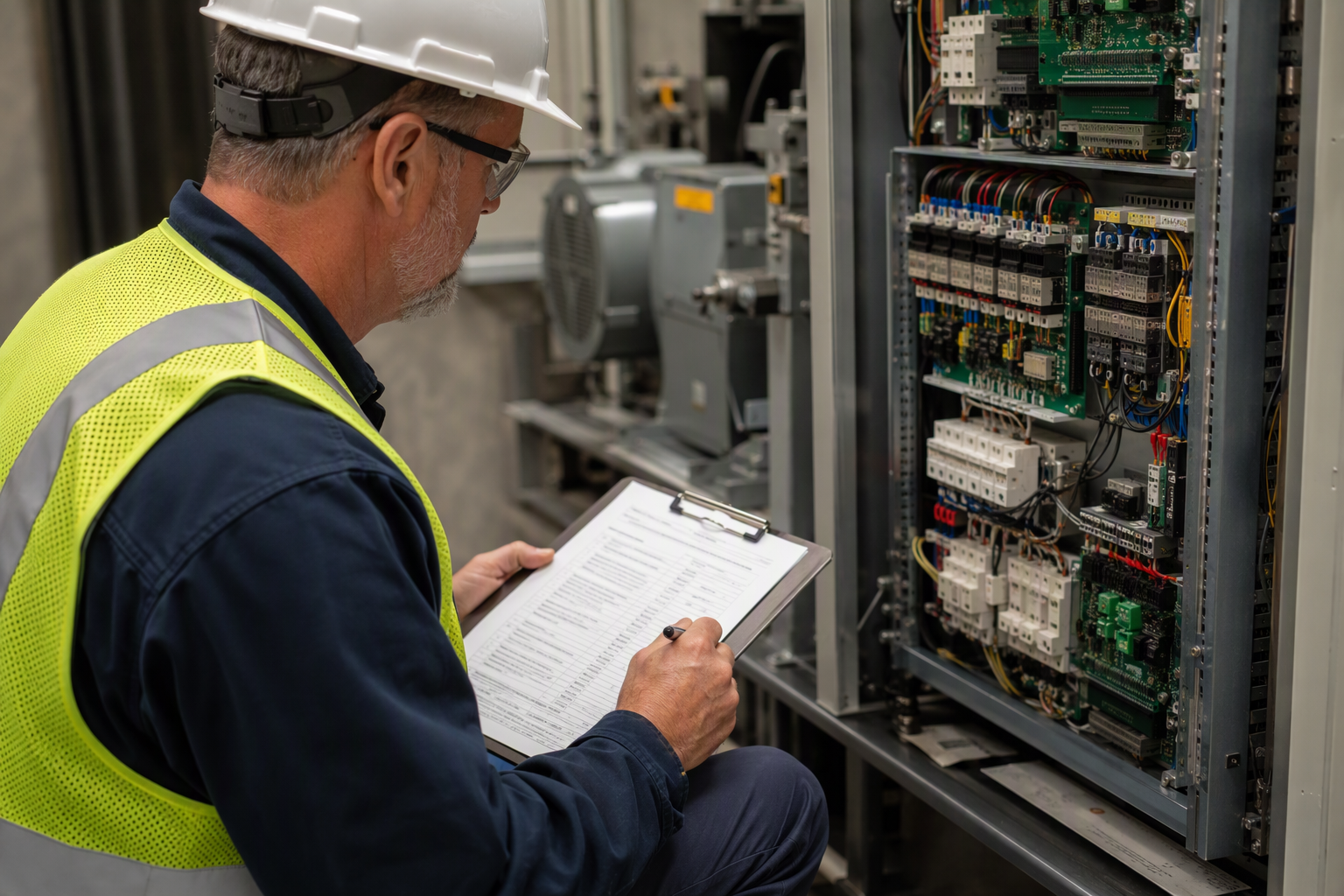
A well-structured elevator budget for 2027 should address four distinct categories: regulatory compliance and inspection costs, code-driven upgrades, proactive modernization, and emergency repair reserves. The weight of each category depends on the age of the equipment, the outcome of the most recent annual inspection, and whether any alterations are planned that would trigger a new permit and full code review.
Under S.C. Code Title 41, Chapter 16 and S.C. Code of Regulations Chapter 71, Article 5, no elevator facility in South Carolina may operate without a valid certificate of registration and an operating certificate. That certificate must be renewed after each annual inspection passes. If an inspection identifies deficiencies, the operating certificate is at risk — which means owners cannot wait until a problem is convenient to fix.
The baseline compliance budget should include:
- Fees for annual state inspection or a qualified special inspector
- Any corrective repairs identified in the most recent inspection report
- Operating certificate renewal administration
- Standby power system testing (South Carolina requires passenger elevators to maintain emergency lighting and an alarm bell for at least four hours on backup power)
- Firefighters’ service verification (new installations must use the five-pin S.C. #1000 key)
How Does the ASME A17.1-2019 Code Affect South Carolina Buildings in 2027?
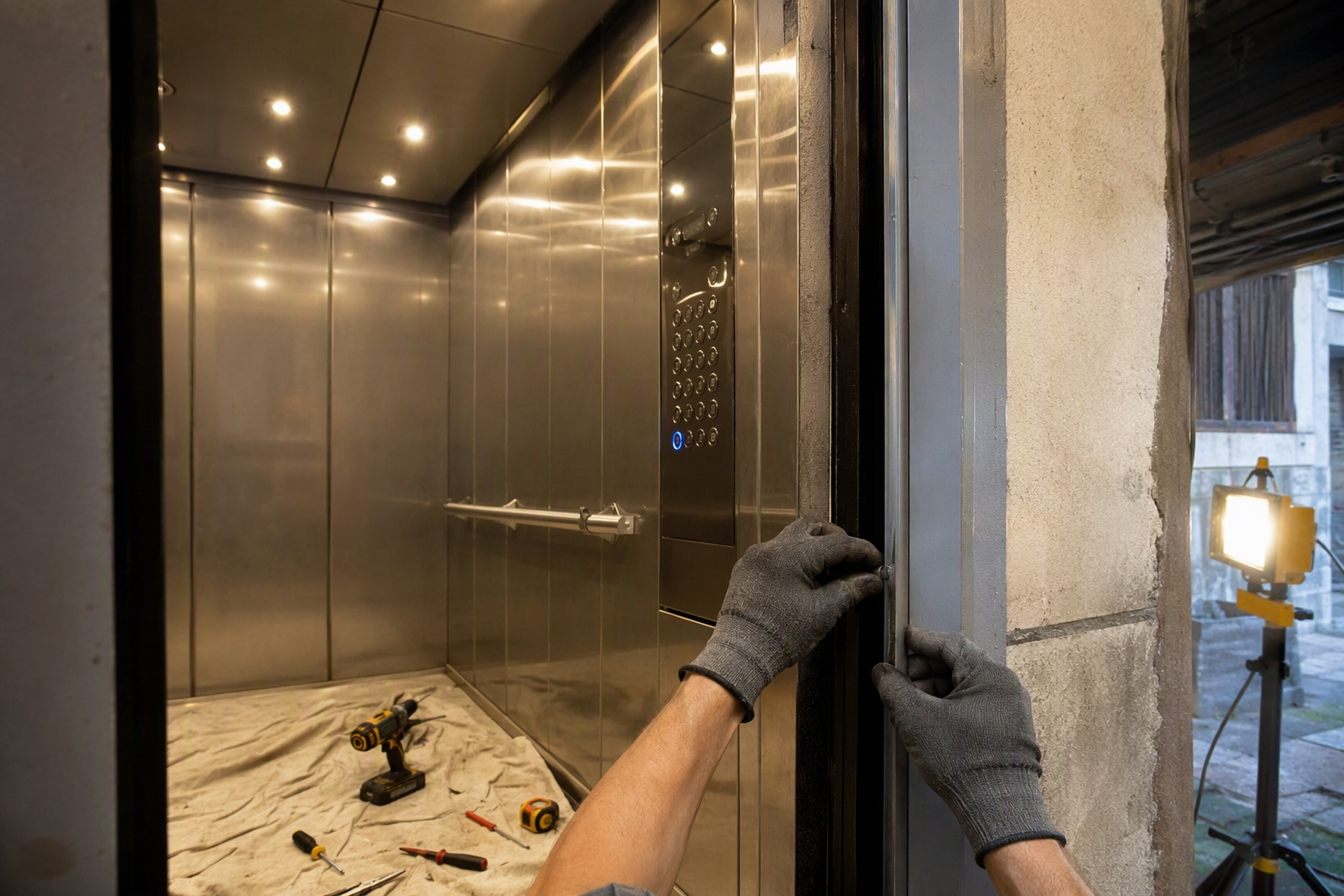
South Carolina adopted the ASME A17.1/CSA B44, 2019 edition (ASME A17.1-2019/CSA B44:19), effective by notice in the S.C. State Register on July 23, 2021, without amendment. This means any elevator facility that was altered, repaired in a manner requiring a state construction permit, or newly installed after that adoption date must comply with the 2019 edition’s requirements.
For existing equipment, the relevant standard is the existing elevator safety code. South Carolina requires elevator facilities in operation before July 1, 1986 to comply with the 1986 edition of ANSI A17.3. Equipment installed between 1986 and the 2019 adoption is governed by whichever edition was in effect when its permit was issued.
The practical implication for 2027 budget planning: any planned alteration — no matter how routine it seems — requires a state construction permit, and that permit triggers compliance with the currently adopted edition of ASME A17.1. Owners who plan to upgrade controls, modernize cab interiors, or replace hydraulic components should understand that permit-triggering work can expand the compliance scope significantly. Carolina Elevator Service recommends a pre-project code gap assessment before any modernization is scheduled.
What Is the Difference Between a Code-Required Upgrade and a Proactive Modernization?
| Category | What Drives It | Regulatory Consequence of Deferring | Typical Lead Time | Budget Priority |
|---|---|---|---|---|
| Code-Required Upgrade | Inspection deficiency, permit-triggered alteration, or adopted code requirement | Operating certificate risk; elevator may be taken out of service | Determined by parts availability and inspection scheduling | Non-deferrable — must be in 2027 budget if flagged |
| Proactive Modernization | Equipment age, energy efficiency goals, tenant experience, reliability | None directly, unless deferred work triggers a deficiency | Flexible; can be phased across fiscal years | Plan and phase based on ROI and asset life cycle |
| Emergency Repair Reserve | Unexpected component failure | Potential downtime; extended outage if parts are on backorder | Unpredictable — days to weeks | Budget as a contingency line, not a project line |
| ADA Accessibility Compliance | Federal ADA requirements for places of public accommodation and commercial facilities | Federal civil rights complaint exposure; barrier removal obligations | Moderate; depends on scope of barrier removal needed | Assess annually; budget for identified barriers |
Which Elevator Systems Are Most Likely to Require Capital Investment by 2027?
The components most frequently identified in South Carolina inspection reports — and most likely to drive capital spending — fall into several categories. The age of a building’s elevator equipment is the primary predictor.
| System Component | Typical Service Life | Compliance Risk if Deferred | Modernization Benefit | Pros of Early Action | Cons of Deferral |
|---|---|---|---|---|---|
| Control System / Logic Controller | Older systems may be decades beyond manufacturer support | High — obsolete controls can cause inspection deficiencies and are difficult to repair | Improved reliability, diagnostics, and energy management | Reduces unplanned downtime; eases future code compliance | Parts unavailability drives emergency costs higher |
| Hydraulic Cylinder (underground) | Varies; single-bottom cylinders are a known risk category | High — South Carolina requires new underground hydraulic cylinders to be encased in plastic outer containment; unprotected older cylinders may require remediation | Environmental protection; reduced leak liability | Avoids environmental cleanup liability | Leak detection failures can result in soil contamination and significant remediation cost |
| Door Operator and Safety Edges | Moderate; door systems are high-cycle components | Moderate — door malfunctions are among the most common inspection findings | Improved passenger safety and reduced service calls | Directly reduces entrapment and injury risk | Frequent service calls; potential for serious incident |
| Emergency Lighting and Standby Power | Battery systems require periodic replacement | High — South Carolina requires at least four hours of backup emergency lighting and alarm bell operation | Code compliance; passenger safety during power outages | Clear compliance path; relatively low cost | Direct certificate risk if failed at inspection |
| Cab Interior and Accessibility Features | Cosmetic life varies; ADA fixtures have specific requirements | Low (cosmetic) to Moderate (ADA compliance) | Tenant satisfaction; ADA barrier removal | Supports ADA compliance; improves building appeal | ADA complaints possible if accessibility barriers persist |
| Machine Room Equipment (traction) | Long-lived but dependent on maintenance history | Moderate — worn machine room components may generate inspection findings | Energy savings with modern gearless or permanent-magnet machines | Long-term operating cost reduction | Higher emergency repair costs if failure occurs |
How Should Columbia Building Owners Prioritize Elevator Upgrades When Budgets Are Constrained?
When resources are limited, the following prioritization framework helps allocate 2027 capital effectively. Work through these steps before finalizing any elevator line item:
- Audit current certificate status. Confirm that every elevator facility in the portfolio holds a valid operating certificate and that the certificate is conspicuously posted inside each elevator car, as required under South Carolina law. Expired or at-risk certificates are the highest-priority issue.
- Review the most recent inspection report. Identify every deficiency noted by the state inspector or special inspector. These items are non-negotiable from a budget standpoint — they must be resolved before the next certificate renewal.
- Assess underground hydraulic systems. If the building has older hydraulic elevators with underground cylinders that lack South Carolina’s required plastic outer containment, place this high on the priority list because of both compliance and environmental liability exposure.
- Check standby power and emergency systems. Test backup battery systems for the four-hour runtime South Carolina requires. Battery replacement is relatively low-cost but is a direct compliance requirement.
- Evaluate control system age and parts availability. Contact the equipment manufacturer or an independent service provider to determine whether replacement parts for existing controllers are still available. Discontinued parts supply is a leading indicator of imminent emergency costs.
- Review ADA accessibility obligations. Under the Americans with Disabilities Act, commercial facilities and places of public accommodation have ongoing barrier removal obligations. Identify any accessibility gaps in the elevator system.
- Plan permit-triggering work carefully. If a modernization project is under consideration, consult with a qualified service provider before pulling permits. A state construction permit triggers compliance with the current ASME A17.1-2019 edition, which may expand the project scope beyond the original plan.
- Build a contingency reserve. Set aside a defined contingency for unplanned component failures. The size of this reserve should reflect the age and condition of the equipment — older, high-mileage systems carry more risk.
What Are the ADA Requirements Columbia Building Owners Should Review for 2027?
The Americans with Disabilities Act establishes accessibility requirements for elevators in places of public accommodation and commercial facilities. Key areas to review annually include:
- Call button placement and operation (including the required raised and Braille markings)
- Door timing and reopening device functionality
- Floor designation signage inside the cab
- Emergency communication systems accessible to individuals who are deaf or hard of hearing
- Cab dimensions and door clear width
Buildings that have not performed a formal ADA elevator audit in recent years should include one in the 2027 budget planning process. Barrier removal obligations under the ADA are ongoing, and deficiencies identified during a review are typically far less expensive to correct proactively than in response to a complaint.
What Is the Inspection Cycle for Different Types of Elevator Equipment in South Carolina?
South Carolina’s inspection intervals vary by equipment type, and each interval affects when budget must be available for inspection-related costs and any resulting repairs:
| Equipment Type | South Carolina Inspection Frequency | Budget Implication |
|---|---|---|
| Standard passenger and freight elevators | At least once per year before operating certificate is renewed | Annual compliance budget line required every fiscal year |
| Handicap lifts (platform lifts) | Every five years | Budget for inspection in the applicable year; maintain repair reserves between cycles |
| Manlifts, television tower elevators, and special purpose elevators | Every seven years | Longer cycle reduces frequency but not the need for ongoing maintenance reserves |
| Dumbwaiters | When installed or altered | Budget inspection cost into any alteration or new installation project |
| New installations and alterations (all types) | At installation, registration, and at alteration or repair | Include inspection cost and permit fees in every capital project budget |
Inspection may be conducted by a state inspector or by a licensed special inspector. South Carolina requires special inspectors to hold qualifications under the 2018 edition of QEI-1, the American National Standard for Qualification of Elevator Inspectors, and a special inspector may not inspect an elevator on which the inspector or the inspector’s employer has a current service or warranty contract — a conflict-of-interest rule that affects how building owners select their inspection and service providers.
Should a Building Owner Use an Independent Elevator Service Company or the Original Equipment Manufacturer for 2027 Modernization Work?
| Factor | Independent Service Provider | Original Equipment Manufacturer (OEM) |
|---|---|---|
| Parts access | Can source OEM and compatible third-party parts; flexibility on sourcing | Proprietary parts access; may restrict third-party service on newer equipment |
| Code knowledge | Works across multiple equipment brands; broad code familiarity | Deep knowledge of own equipment; may be narrower on cross-brand code interpretation |
| Inspection conflict rule | If selected as service provider, cannot also serve as special inspector — no conflict | Same rule applies — OEM service contract disqualifies their inspectors |
| Contract flexibility | Typically more flexible contract terms; easier to switch providers | May require longer-term contracts tied to proprietary diagnostics |
| Multi-building portfolio management | Single point of contact across mixed equipment brands | Requires separate OEM relationships for each equipment brand in portfolio |
| Local market knowledge | Familiarity with South Carolina LLR requirements and local inspection scheduling | Varies by regional coverage |
Carolina Elevator Service operates as an independent elevator service provider serving South Carolina building owners, offering code compliance assessments, maintenance, and modernization planning across a range of equipment types and brands.
What Should a Columbia Building Owner Do If an Elevator Fails Inspection Before the 2027 Budget Is Finalized?
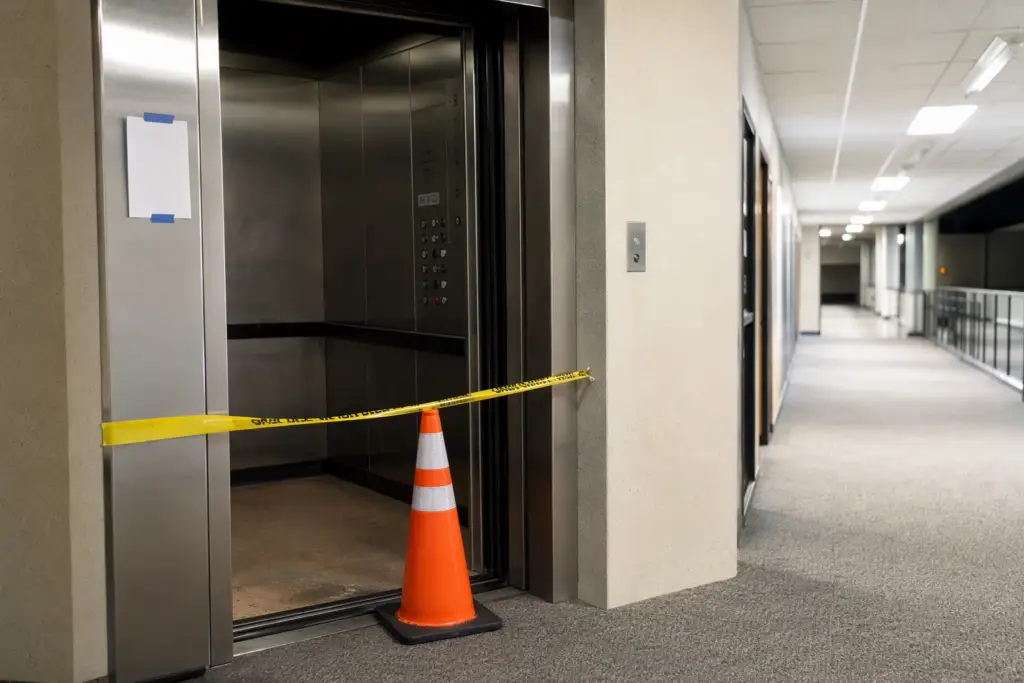
- Do not operate the elevator. South Carolina law requires that every elevator facility operate only under a valid operating certificate. If an inspection results in a failed or suspended certificate, the elevator must be taken out of service immediately.
- Obtain the written inspection report. The report from the state inspector or special inspector will identify specific deficiencies and the applicable code sections. This document drives the repair scope.
- Contact a qualified elevator service provider immediately. Time is a factor — certificate lapses affect building operations, tenant safety, and potentially lease obligations.
- Obtain a state construction permit before beginning repair work if the repair constitutes an alteration under South Carolina’s definition. Beginning permitted work without a permit is a violation of S.C. Code Title 41, Chapter 16.
- Report serious injuries to the state. If an accident has seriously injured anyone other than an employee, South Carolina law requires the accident be reported to the state before the end of the next working day.
- Request a follow-up inspection after repairs are complete. The operating certificate is renewed only after the elevator passes inspection. Schedule the follow-up inspection as soon as repairs are completed.
- Revise the 2027 capital budget to reflect actual costs and build a larger contingency reserve to reduce the risk of a similar emergency in future fiscal years.
How Far in Advance Should 2027 Elevator Modernization Projects Be Planned?
Elevator modernization projects — particularly control system replacements, hydraulic cylinder remediation, or full cab renovations — involve equipment lead times, permit approval timelines, and inspection scheduling that make last-minute planning costly. Building owners targeting a 2027 project start should ideally begin the assessment and permitting process in 2026.
Key planning milestones to build into the timeline include:
- Pre-project code gap assessment to identify whether planned work will trigger ASME A17.1-2019 compliance requirements beyond the immediate scope
- State construction permit application to the South Carolina Department of Labor, Licensing and Regulation (LLR) before any alteration begins
- Equipment lead time verification — specialty components can have extended manufacturing and shipping windows
- Scheduling coordination with the selected special inspector (noting that the inspector cannot have a current service contract on the equipment)
- Tenant notification and access planning for buildings where elevator downtime disrupts operations
Are There OSHA Requirements That Affect Elevator Maintenance Budget Planning in South Carolina?
Yes. Elevator maintenance work involves occupational safety obligations under federal OSHA standards, which apply to employees performing service and maintenance on elevator equipment. Building owners who employ in-house maintenance staff that interact with elevator mechanical spaces should ensure those employees receive appropriate lockout/tagout training and that machine room safety practices comply with applicable OSHA general industry standards. OSHA requirements do not replace South Carolina’s elevator code obligations — both sets of requirements apply independently.
What Documentation Should Be in Place Before the 2027 Fiscal Year Begins?
A complete compliance documentation file for each elevator facility in a South Carolina portfolio should include:
- Current certificate of registration and operating certificate (posted conspicuously inside each car)
- Most recent annual inspection report with all findings documented
- Records of all repairs, alterations, and permits issued by the South Carolina LLR
- Maintenance logs demonstrating ongoing upkeep obligations
- Standby power and emergency system test records
- Firefighters’ service test records
- ADA accessibility review records
- Any open corrective action items from prior inspections and their resolution status
Gaps in this documentation are themselves a compliance risk. South Carolina law places the obligation to keep every elevator facility in safe operating condition squarely on the owner, and documentation is the primary means of demonstrating that obligation has been met.
Contact Carolina Elevator Service for a free elevator assessment at 803-865-1400.
Need elevator service you can rely on? Carolina Elevator Service is ready to help.