
Repair, Modernize, or Replace: How to Decide What to Do With an Aging Elevator
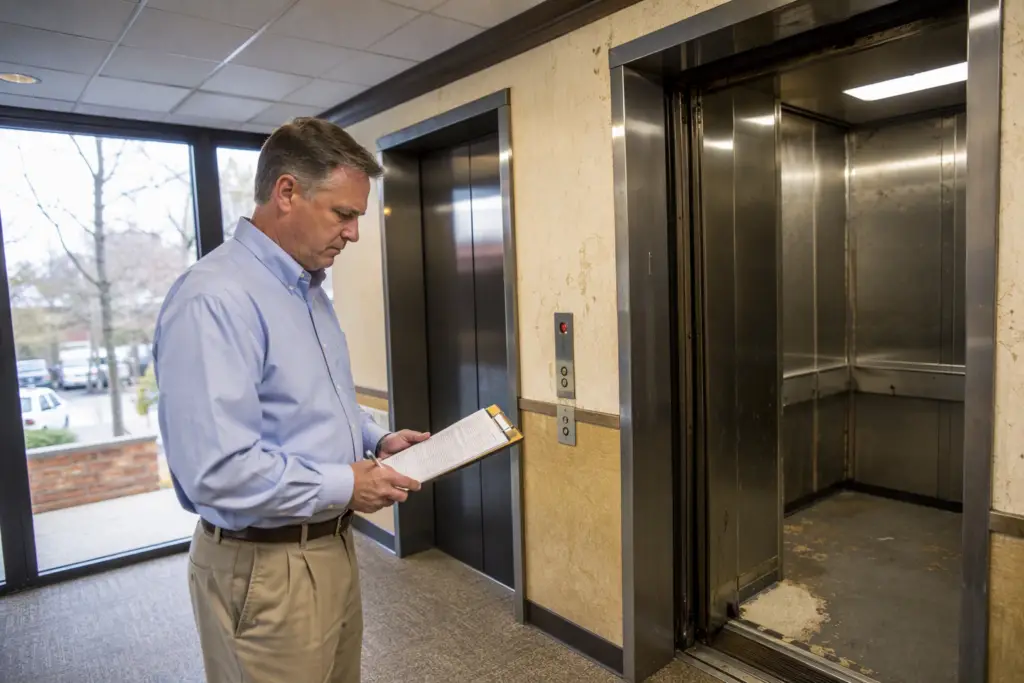
An elevator is likely too old to repair economically when replacement parts are obsolete, repair costs approach or exceed modernization costs, the unit no longer meets current ASME A17.1 Safety Code for Elevators and Escalators or ADA requirements, or recurring failures create unacceptable safety and liability risk — typically a combination of age, component condition, […]
What Low Traffic and Vacancy Do to Elevators Over Time and How to Protect Your Equipment
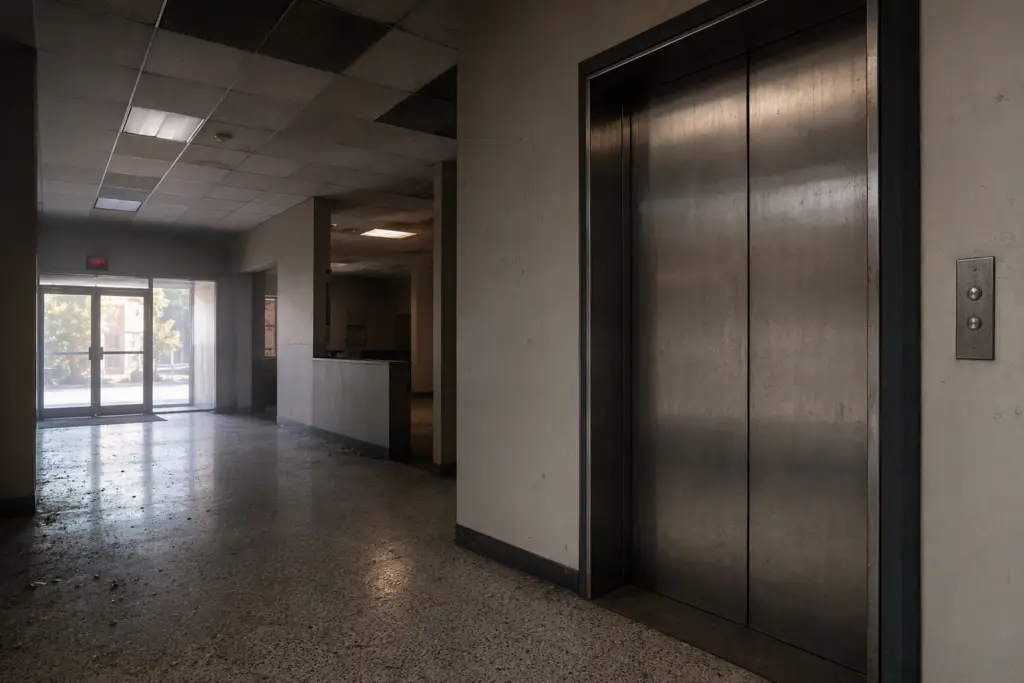
What Happens to an Elevator When a Building Sits Vacant | Carolina Elevator Service What Happens to an Elevator When a Building Sits Vacant or Has Low Traffic for an Extended Period Quick Answer: When a building sits vacant or experiences significantly reduced traffic, its elevators are at heightened risk of hydraulic fluid degradation, corrosion, […]
Elevator Budget Planning for 2027: How Columbia Facility Directors Can Build a Case That Gets Approved
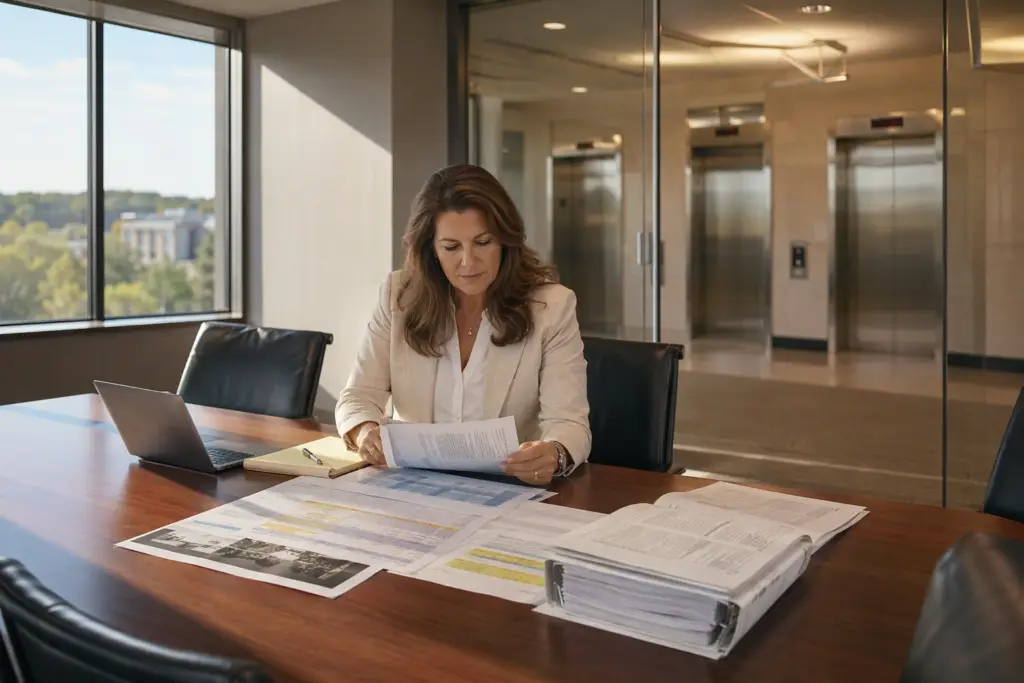
To get an elevator budget approved for next year, document all mandatory inspection fees, maintenance contract costs, code-compliance upgrades, and a reserve allocation for unplanned repairs — then present the total to decision-makers alongside the legal and liability consequences of deferring any line item. Getting an elevator budget approved starts with documented evidence — a […]
Elevator Maintenance Logs: What to Record, How Long to Keep Records, and Why It Matters for Inspections and Liability

An elevator maintenance log should include the date and type of every inspection, test, and repair; the name and license status of the inspector or technician; any deficiencies found and corrective actions taken; part replacements with serial numbers; and the current operating certificate number — and during inspections or insurance claims, this record serves as […]
Elevator Features Tenants and Guests Expect in 2026: What Hospitality and Multifamily Properties Should Consider

Elevator Features & Upgrades Hotel Guests and Apartment Tenants Expect in 2026 Quick Answer: In 2026, hotel guests and apartment tenants expect touchless controls, destination-dispatch technology, hospital-grade air filtration, wide accessible cabins, real-time status displays, and modern aesthetic finishes — all maintained in full compliance with ASME A17.1 Safety Code for Elevators and Escalators and […]
Elevator Modernization and Tax Strategy: What Qualifies for Depreciation, Deductions, or Incentives in 2026
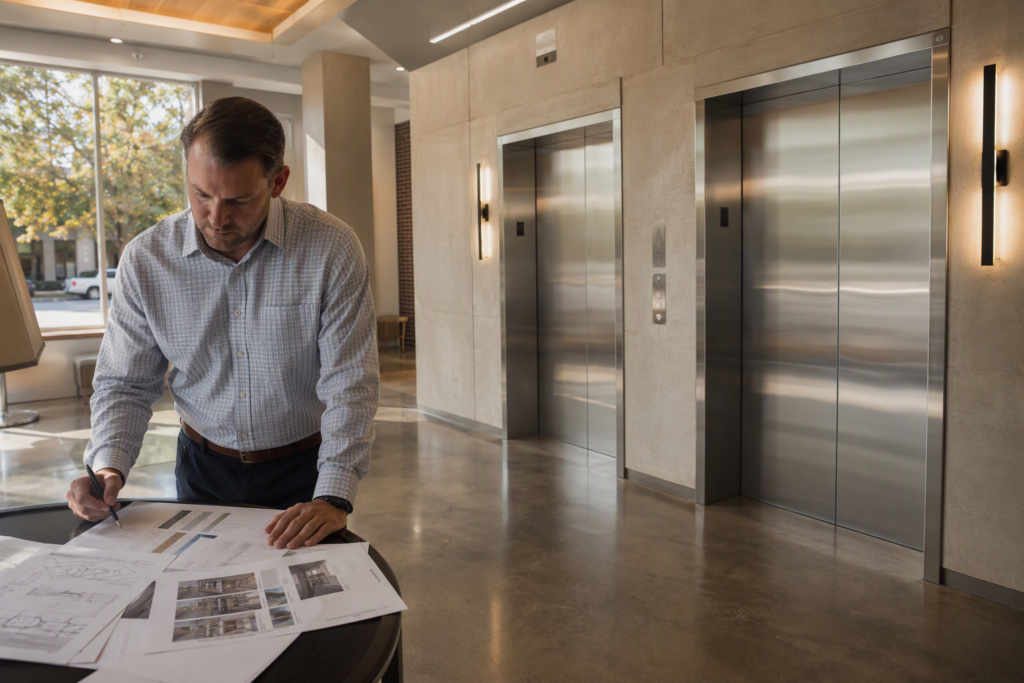
Elevator Service in Columbia, SC | Carolina Elevator Service Quick Answer: In 2026, elevator modernization components such as controls, drives, cab interiors, lighting, motors, and accessibility upgrades may qualify for federal tax deductions under Section 179, bonus depreciation, or the ADA barrier-removal deduction — consult a qualified tax professional to confirm eligibility for your specific […]
How to Exit an Elevator Maintenance Contract and Switch Service Providers Without Legal or Operational Risk

To exit a bad elevator maintenance contract in South Carolina, review the agreement for termination clauses, notice periods, and default provisions, then send written notice per those terms, ensure compliance with S.C. Code Title 41, Chapter 16 during the transition, and engage a qualified new service company before the switch is complete so your operating […]
Elevator Contracts During Property Sales and Management Transitions: What Columbia Building Owners and New Managers Need to Know

Elevator Service in Columbia, SC | Carolina Elevator Service Quick Answer: When a building is sold or changes property management companies in South Carolina, elevator maintenance contracts do not automatically transfer — the new owner or manager must review existing agreements, confirm regulatory compliance with the South Carolina Department of Labor, Licensing and Regulation (LLR), […]
Elevator Modernization vs. Repair: How to Decide Which Option Makes Financial and Operational Sense
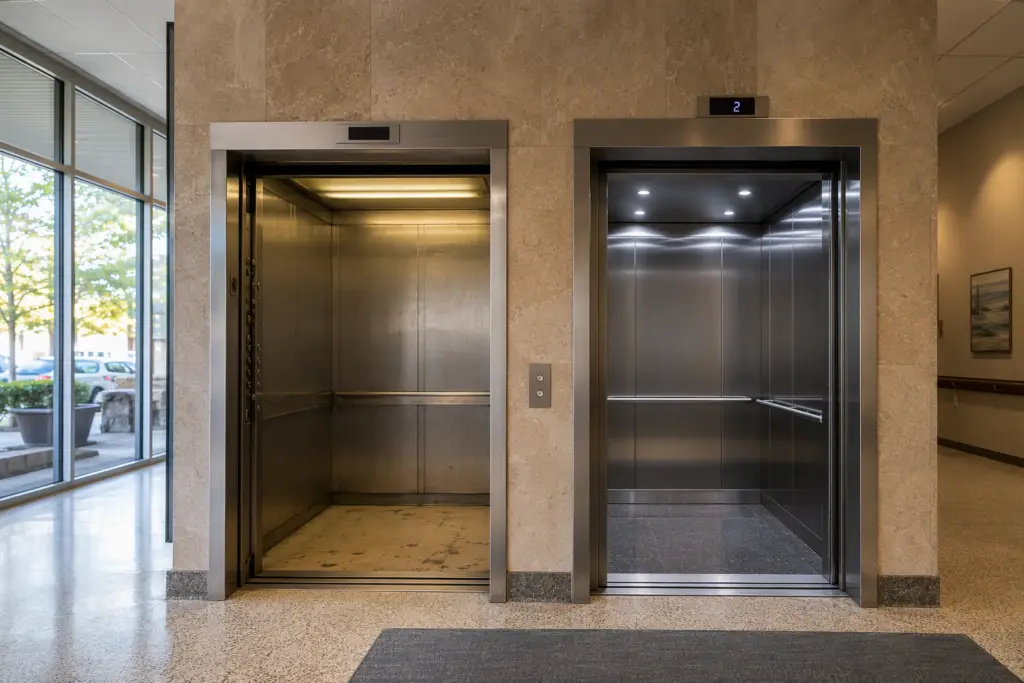
Quick Answer: An elevator needs modernization when the cost of ongoing repairs approaches or exceeds the cost of upgrading core systems, when the equipment is no longer code-compliant and parts are obsolete, or when the unit consistently fails to meet safety, accessibility, or reliability standards — routine repair is appropriate when a specific, isolated component […]