Elevator Service in Columbia, SC | Carolina Elevator Service
When an elevator breaks down in Columbia, South Carolina, building owners and property managers need fast answers. The repair timeline is rarely one-size-fits-all. A door sensor replacement may be resolved the same day, while a hydraulic cylinder failure or a major control system overhaul can extend the process across several days. Understanding what drives those timelines helps owners plan, communicate with tenants, and stay compliant with South Carolina’s regulatory requirements.
What Factors Most Directly Affect How Long an Elevator Repair Takes?
Several variables interact to determine how quickly an out-of-service elevator is returned to operation:
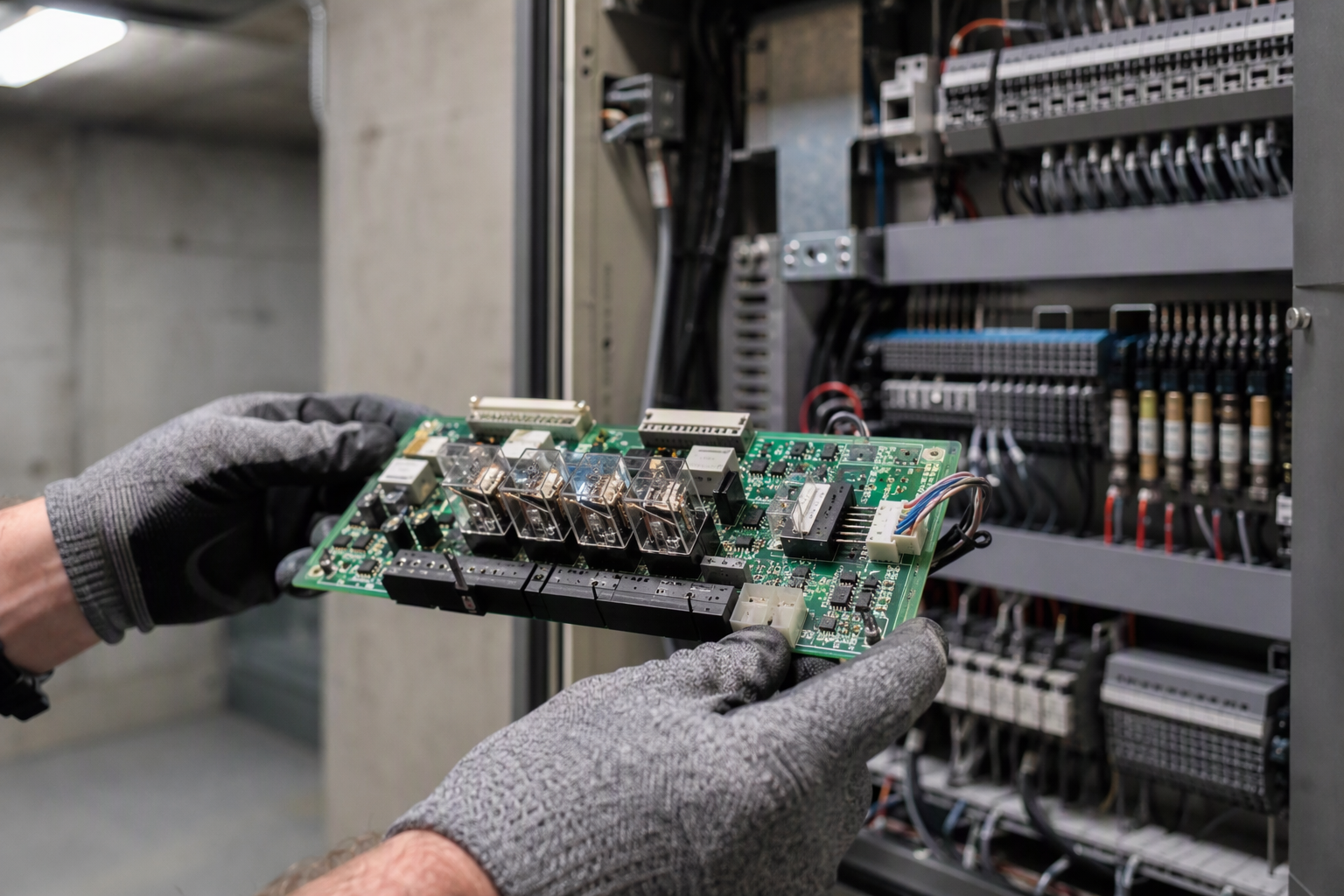
- Diagnosis complexity. Simple faults — a tripped breaker, a misaligned door contact, a worn belt — are often identified and corrected quickly. Intermittent electrical faults or hydraulic leaks buried deep in the system require more thorough investigation before any parts can be ordered.
- Parts availability. Components for widely installed elevator models are generally available through regional distributors. Proprietary components for older or discontinued models, or specialty parts for hydraulic systems, may require factory orders that add days to the timeline.
- Permit and inspection requirements. Under S.C. Code Title 41, Chapter 16 (South Carolina Elevator Code), certain repairs and alterations require a state construction permit before work begins, and a state inspection before the elevator returns to service. Scheduling those inspections adds time that is outside the service company’s control.
- Scope of the repair. A minor adjustment is categorically different from a modernization or a code-required upgrade, which can require detailed planning, engineered drawings, and phased work.
- Building access and coordination. Repairs in occupied commercial buildings or residential high-rises must often be coordinated around tenant traffic, freight schedules, and power shutdowns, all of which affect the calendar.
- Regulatory status of the unit. An elevator whose operating certificate has lapsed, or one that failed a prior inspection, may face additional compliance steps before the South Carolina Department of Labor, Licensing and Regulation (LLR), Office of Elevators and Amusement Rides, will reissue an operating certificate.
What Happens Immediately After an Elevator Breaks Down?
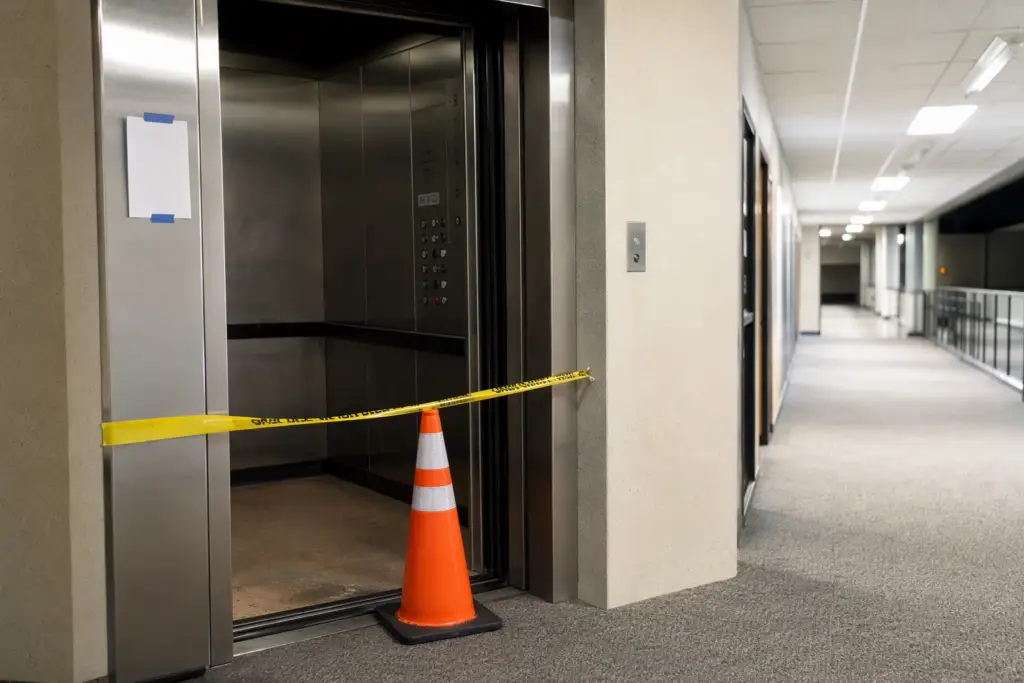
- Secure the unit. The building owner or manager should take the elevator out of service and post appropriate signage to prevent unauthorized use.
- Check for entrapment. If passengers are trapped, emergency services should be contacted immediately. Do not attempt to manually open doors without trained personnel.
- Contact your service provider. Carolina Elevator Service is available for emergency calls and can dispatch technicians to diagnose the problem as quickly as possible.
- Document the failure. Note the time, symptoms, and any error codes displayed on the controller. This information shortens the diagnostic process when the technician arrives.
- Report a serious injury if one occurred. Under South Carolina law, an accident that seriously injures anyone other than an employee must be reported to the state before the end of the next working day.
- Await diagnosis before estimating timeline. A reliable repair timeline can only be given after a trained technician has inspected the unit and identified the root cause.
How Does South Carolina’s Inspection Requirement Affect the Repair Timeline?
South Carolina has clear rules about when an inspection is required before an elevator can resume operation. Under S.C. Code of Regulations Chapter 71, Article 5, a state construction permit is required before any elevator facility is erected, constructed, altered, or installed. After certain repairs or alterations, an inspection by a state inspector or a licensed special inspector must take place before the elevator is placed back in service.
South Carolina requires that all elevators be inspected at least once a year for operating certificate renewal, but inspection is also triggered at installation, registration, and alteration or repair. Special inspectors used in this process must demonstrate qualifications consistent with the 2018 edition of QEI-1, the American National Standard for Qualification of Elevator Inspectors, and — importantly — a special inspector may not inspect an elevator on which the inspector or the inspector’s employer holds a current service or warranty contract.
Building owners should account for inspection scheduling when planning major repairs. Carolina Elevator Service works with the LLR’s Office of Elevators and Amusement Rides process and can help coordinate required inspections to minimize downtime.
Does the Type of Elevator Affect Repair Time?
Yes. Different elevator types present different repair profiles:
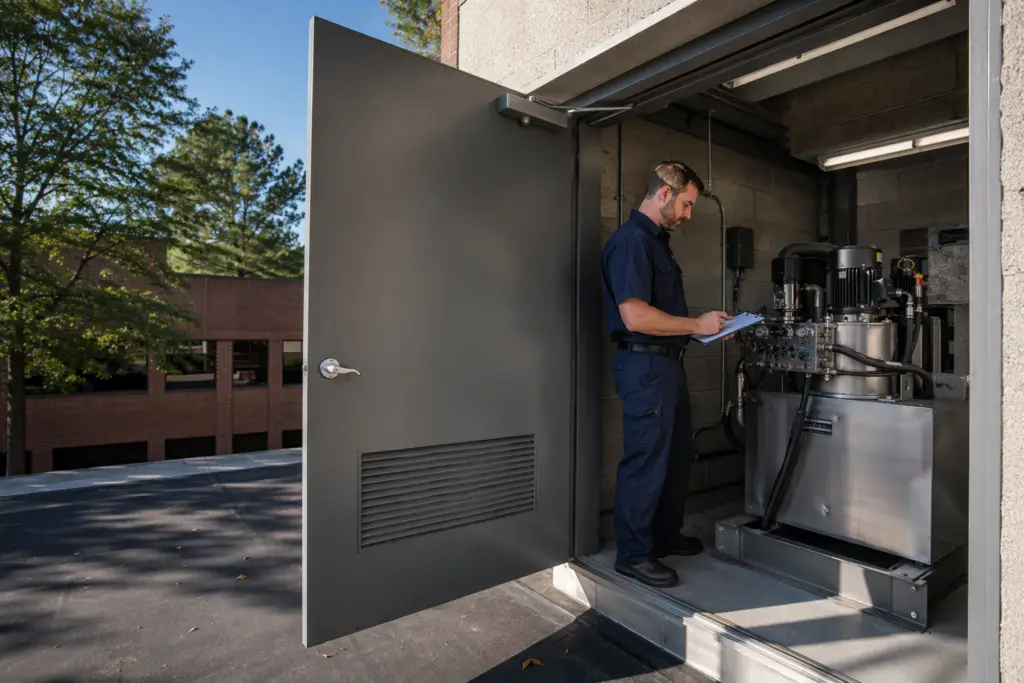
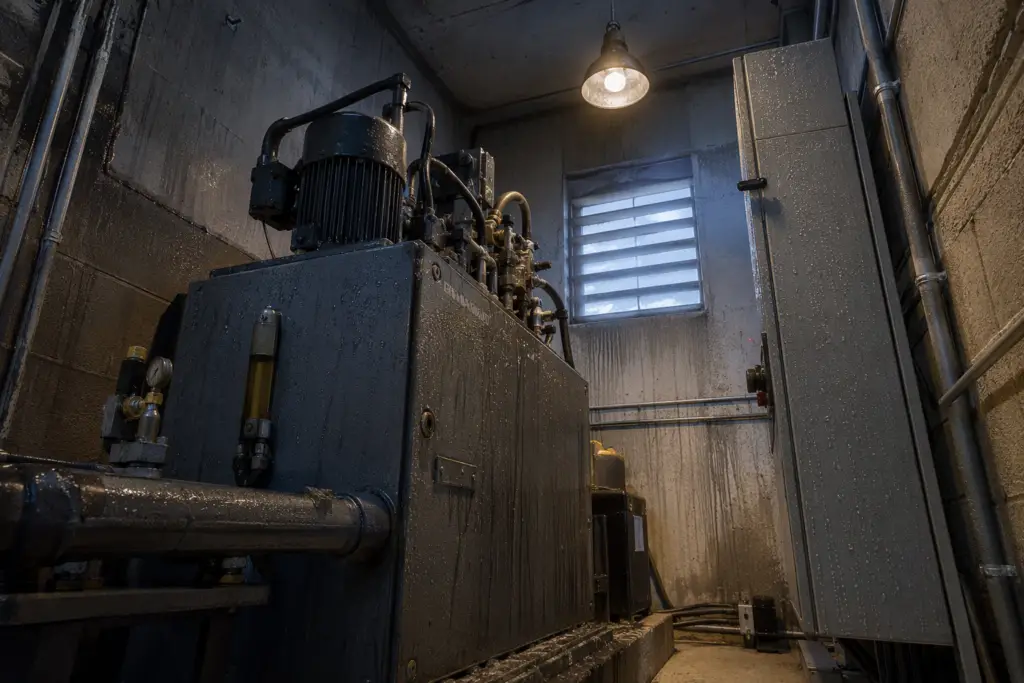
- Hydraulic elevators are common in low- to mid-rise buildings across the Columbia market. Hydraulic repairs range from seal replacements — often a quick fix — to underground cylinder work, which is more involved. South Carolina specifically requires that newly installed underground hydraulic elevator cylinders be encased in plastic outer containment to limit electrolytic corrosion, a requirement that adds scope to certain hydraulic projects.
- Traction elevators found in taller commercial and mixed-use buildings have more complex mechanical and control systems. Rope, sheave, or controller failures on these units may require longer lead times for components.
- Handicap lifts and platform lifts serve an important accessibility function under the Americans with Disabilities Act (ADA). South Carolina inspects handicap lifts every five years rather than annually, but any repair that triggers an alteration requires the same permitting and inspection process as a standard elevator.
- Dumbwaiters and specialty elevators are inspected when installed or altered, and their repair timelines reflect their simpler mechanical profiles.
What Compliance Issues Can Extend a Repair Timeline?
When a repair surfaces an underlying code deficiency, the scope of work typically expands. South Carolina has adopted the ASME A17.1/CSA B44, 2019 edition, effective for new installations after July 23, 2021. Elevator facilities that were in operation before July 1, 1986, must comply with the 1986 edition of ANSI A17.3, the safety code for existing elevators and escalators. If a repair reveals that the unit falls short of the applicable code, those deficiencies must be addressed before an operating certificate can be maintained or renewed.
In South Carolina, no elevator facility may be operated without a current certificate of registration and an operating certificate from the state, and that certificate — or a copy — must be displayed conspicuously inside the elevator car. If the operating certificate has expired or the unit has been placed out of service, restoring compliance adds steps and time beyond the mechanical repair itself.
How Can Building Owners Reduce Future Repair Downtime?
The most effective strategy is a proactive maintenance agreement. Elevators that receive regular, documented maintenance are less likely to experience sudden failures and, when they do break down, tend to need less extensive repairs. A well-maintained elevator also enters the inspection process in better standing, which can reduce the chance of a failed inspection adding days to the return-to-service timeline.
Carolina Elevator Service provides preventive maintenance programs tailored to the Columbia, SC commercial, healthcare, educational, and residential markets. Consistent maintenance records also support the building owner’s statutory obligation: under South Carolina law, the owner must keep every elevator facility in safe operating condition and in compliance with state regulations.
What Should Building Owners in the Columbia Area Know About Emergency Service?
Elevator emergencies do not follow business hours. Carolina Elevator Service offers emergency service availability for properties throughout the Columbia, South Carolina market, covering commercial office buildings, healthcare facilities, government properties, educational institutions, and multifamily residential communities. When a breakdown occurs, contacting a locally based elevator service company with direct knowledge of South Carolina’s LLR requirements and the regional supply chain is the fastest path to resolution.
How Does the Code Edition Affect Older Buildings Undergoing Repairs?
South Carolina adopted the ASME A17.1/CSA B44, 2019 edition for new installations effective July 23, 2021. Existing installations are subject to the edition of ASME A17.1 in effect at the time of their permit, along with applicable existing-elevator standards. When a repair on an older system constitutes an “alteration” under the code, it may trigger requirements to bring certain elements of the unit into conformance with current standards. This is a common source of unexpected scope — and extended timelines — on older elevator inventory. Carolina Elevator Service’s team assesses this exposure during the diagnostic phase so that building owners are not surprised mid-project.
Schedule a free consultation with Carolina Elevator Service at (803) 731-9399.
Need elevator service you can rely on? Carolina Elevator Service is ready to help.