Hotel Elevator Modernization and Replacement in South Carolina | Carolina Elevator Service

If you manage or own a hotel in South Carolina with aging elevator equipment, you are likely weighing two questions at once: what can be upgraded, and when does upgrading stop making financial sense? The answer depends on the condition of specific components, the age of the installation, and what South Carolina elevator regulations require when work is performed. Carolina Elevator Service works with hotel operators throughout the state to evaluate existing equipment and recommend solutions that protect guests, satisfy regulators, and keep properties competitive.
What elevator modernization options are available for older hotel buildings?

Modernization is not a single project. It is a range of targeted improvements that can be applied independently or in combination, depending on the condition and configuration of the existing installation.
Control system replacement
Replacing older relay-logic or early microprocessor controllers with modern solid-state dispatching systems is among the most impactful upgrades available. Updated controls reduce wait times, improve energy efficiency, and simplify fault diagnostics — often transforming guest experience without requiring changes to the mechanical infrastructure. For hotel operators dealing with frequent service calls traced to controller failures, this upgrade alone can significantly reduce downtime.
Door operator and safety edge upgrades
Door-related incidents are among the most common sources of entrapments and injury claims in older hotel elevators. Replacing worn electromechanical door operators with high-speed, variable-frequency-drive operators — combined with multi-beam light curtains in place of older mechanical safety edges — reduces risk substantially. This work also supports compliance with current ASME A17.1-2019 requirements, which South Carolina adopted effective July 23, 2021.
Drive system conversion
Traction elevators with aging DC motor drives can be converted to AC variable-voltage, variable-frequency (VVVF) drives. The result is smoother leveling at floor stops, lower energy consumption, and reduced mechanical wear on roping and sheaves. For hotels where guests notice bumpy or imprecise landings, drive conversion is often the corrective measure.
Hydraulic system modernization
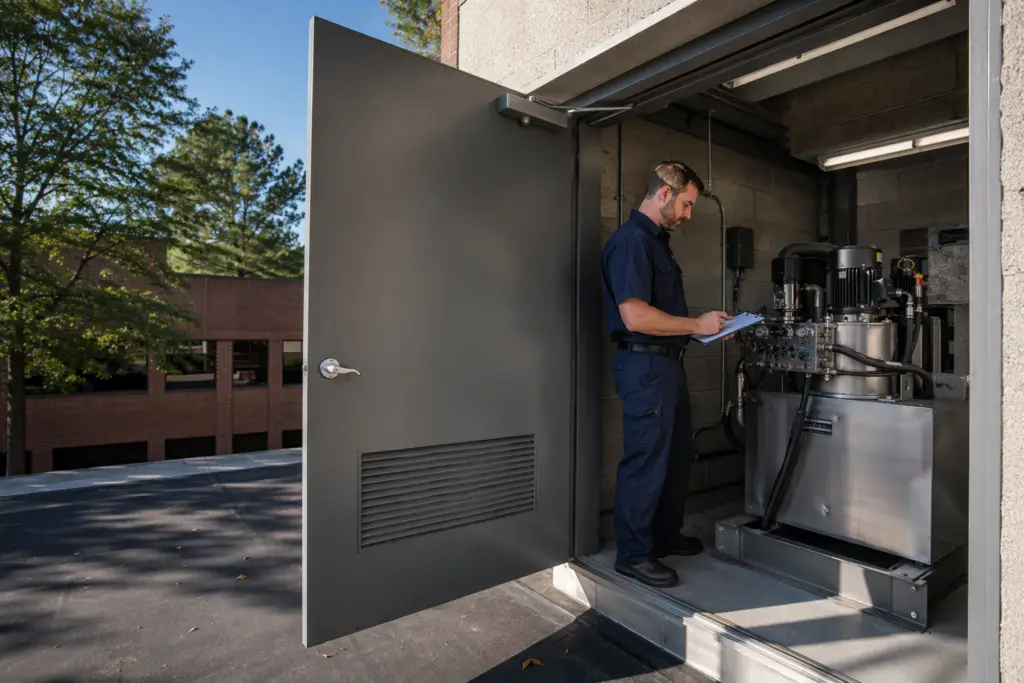
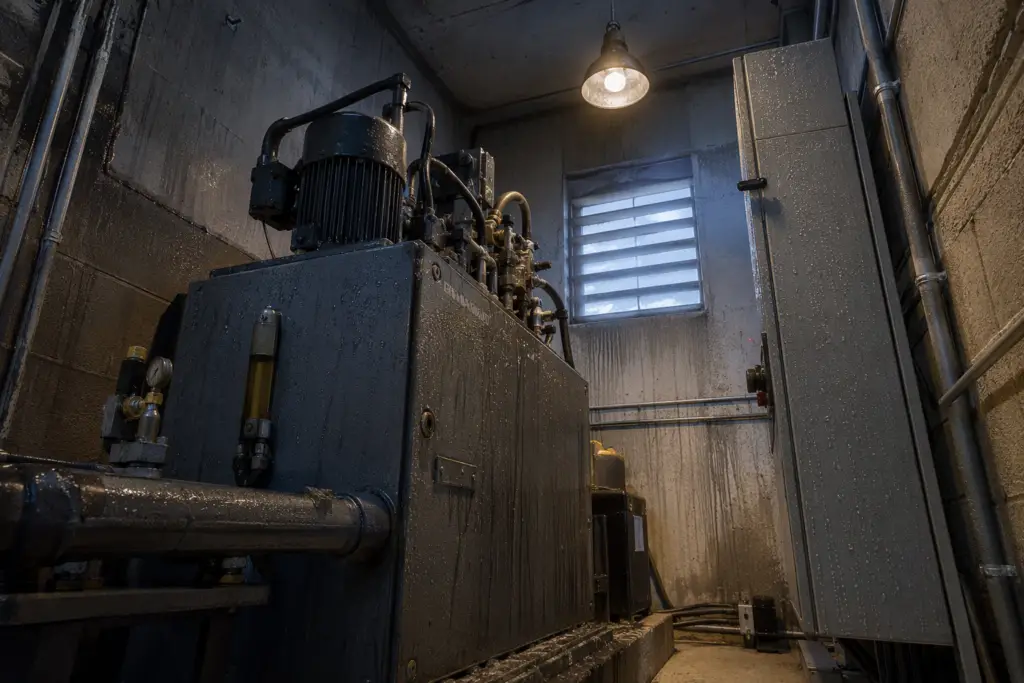
Older hydraulic elevators present specific upgrade considerations in South Carolina. South Carolina regulations require that newly installed underground hydraulic elevator cylinders be encased in plastic outer containment to limit electrolytic corrosion. When a modernization project involves cylinder replacement or new underground components, that containment requirement applies. Projects that stop short of cylinder replacement may still benefit from updated power units, valves, and fluid management systems to improve reliability and reduce leak risk.
Cab and interior renovation
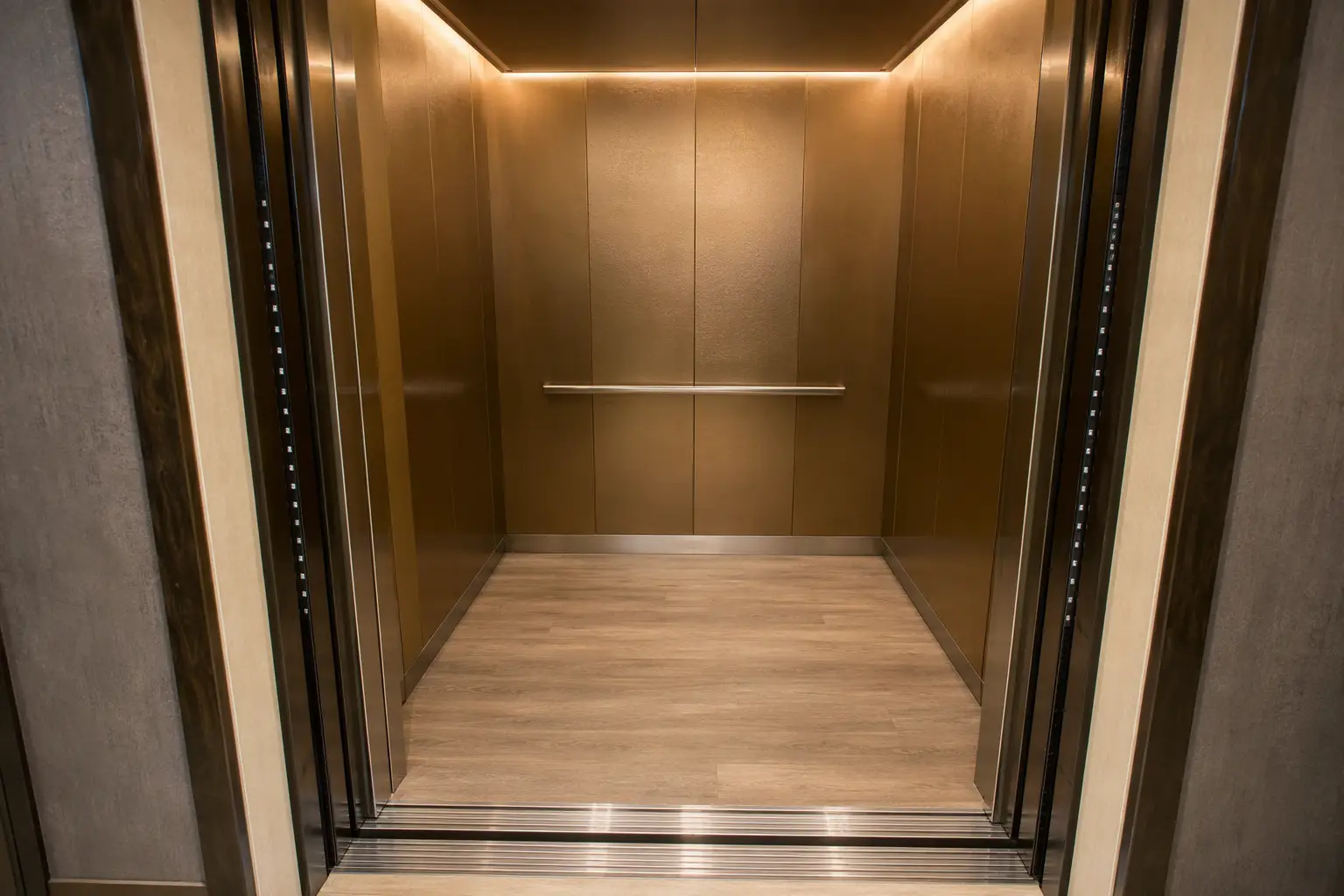
Cab renovations — new wall panels, flooring, lighting, and ceiling systems — improve guest perception and can be completed without triggering a full alteration permit in some cases. When renovations do constitute an alteration under South Carolina elevator regulations, a state construction permit is required before work begins. Carolina Elevator Service coordinates permit requirements with the South Carolina Department of Labor, Licensing and Regulation (LLR), Office of Elevators and Amusement Rides before any scope is finalized.
Standby power and emergency systems
South Carolina requires passenger elevators to have standby power capable of running emergency lighting and the alarm bell for at least four hours if normal power fails. Hotels with aging backup power systems that no longer meet this requirement should address it as part of any modernization project — both for compliance and for guest safety during power outages.
Firefighters’ service upgrades
South Carolina requires that firefighters’ service on new installations use the five-pin S.C. #1000 key. Hotels upgrading elevator controls or performing alterations should confirm that firefighters’ service features are updated to current state requirements as part of the project scope.
How do I know if my hotel elevator needs to be replaced rather than upgraded?
Modernization is cost-effective when the core structural components — the hoistway, the machine, and the guide rail system — are sound. Replacement becomes the more defensible choice when one or more of the following conditions apply.
The hydraulic cylinder is beyond repair or retrofit
Single-bottom hydraulic cylinders that have corroded, leaked into the ground, or cannot accept modern containment encasement without excavation costs that rival full replacement represent a clear replacement threshold. When the cylinder itself must come out and the surrounding soil or pit conditions are compromised, continuing to invest in the existing system is rarely justified.
The hoistway or structural components are deteriorated
Guide rails that are out of tolerance, deteriorated hoistway walls that cannot safely support modern equipment, or machine room structures that cannot accommodate updated machinery all indicate that the foundation of a modernization project is itself unsound. In these situations, replacement on a properly prepared infrastructure is the safer long-term investment.
The installation predates current safety baselines and cannot be cost-effectively brought forward
South Carolina elevator facilities that were in operation before July 1, 1986, must comply with the 1986 edition of ANSI A17.3, the safety code for existing elevators and escalators. Installations from that era that require extensive safety retrofits across multiple systems — controls, doors, safeties, and buffers — may cost more to bring to a compliant and reliable state than a new installation designed from the ground up under current ASME A17.1-2019 requirements.
Downtime frequency is affecting hotel operations
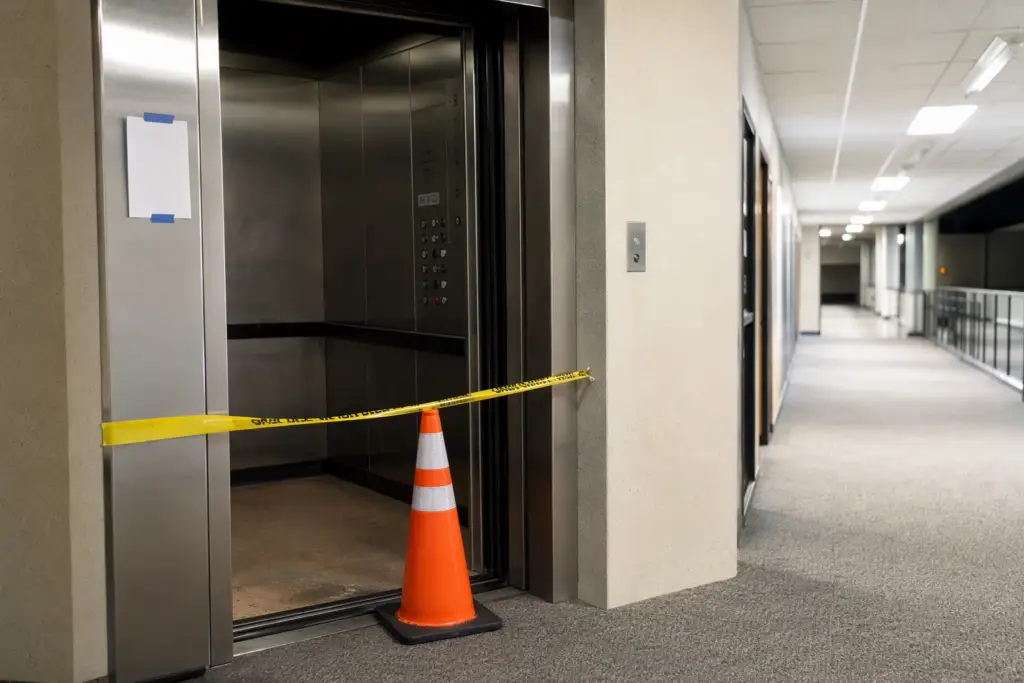
When an elevator is out of service often enough that hotel staff are managing guest complaints regularly, or when a property is compensating for elevator unreliability by blocking floors or limiting access, the operational cost of continued repairs should be weighed against replacement. Carolina Elevator Service can help quantify that comparison using service history and component condition assessments.
Replacement parts are no longer available
Some older installations rely on components that are no longer manufactured. When a critical failure occurs and no replacement part exists, the decision is made by default. Identifying this risk during a routine inspection — before a failure occurs — allows hotel operators to plan replacement on their own timeline rather than under emergency conditions.
What role does South Carolina regulation play in the modernization or replacement decision?
South Carolina elevator regulations govern both paths. Under S.C. Code Title 41, Chapter 16, and S.C. Code of Regulations Chapter 71, Article 5, no elevator facility may be operated in South Carolina without a certificate of registration and an operating certificate issued by the state. That operating certificate must be displayed conspicuously inside each elevator car and must be renewed annually following inspection.
South Carolina requires elevators to be inspected at installation, registration, alteration or repair, and at least once a year before the operating certificate is renewed. Modernization work that qualifies as an alteration triggers an inspection requirement and requires a state construction permit before work begins. Carolina Elevator Service coordinates with the South Carolina Department of Labor, Licensing and Regulation (LLR), Office of Elevators and Amusement Rides throughout any project to ensure permits are in place, work is inspected by a qualified inspector, and the operating certificate is renewed without interruption to hotel operations.
South Carolina also specifies that required inspections may be made only by state inspectors or special inspectors, and that special inspectors must hold qualifications consistent with the 2018 edition of QEI-1. A special inspector may not inspect an elevator on which the inspector or the inspector’s employer holds a current service or warranty contract — a conflict-of-interest rule that hotel operators should understand when evaluating who performs post-modernization inspections.
How does Carolina Elevator Service approach the modernization vs. replacement evaluation?
Carolina Elevator Service begins with a documented condition assessment of the existing installation — reviewing the control system, drive, door operators, hydraulic components where applicable, cab condition, safety devices, and emergency systems. That assessment identifies which components are candidates for upgrade, which are at or past service life, and what regulatory requirements will apply to the scope of work being considered.
From that baseline, we present hotel owners and property managers with a comparison: the cost and expected service life extension of a targeted modernization against the cost and long-term reliability of full replacement. Both options are evaluated against current South Carolina regulatory requirements so that whatever path is chosen, the installation will operate with a valid certificate and in compliance with applicable standards.
Hotel operators in South Carolina with questions about their existing elevator installations are encouraged to contact Carolina Elevator Service for an on-site evaluation. Early assessment gives you options — waiting until a failure forces the decision removes them.
Need elevator service you can rely on? Carolina Elevator Service is ready to help.