Top Rated Elevator Maintenance Company for Healthcare Facilities in Mount Pleasant, SC
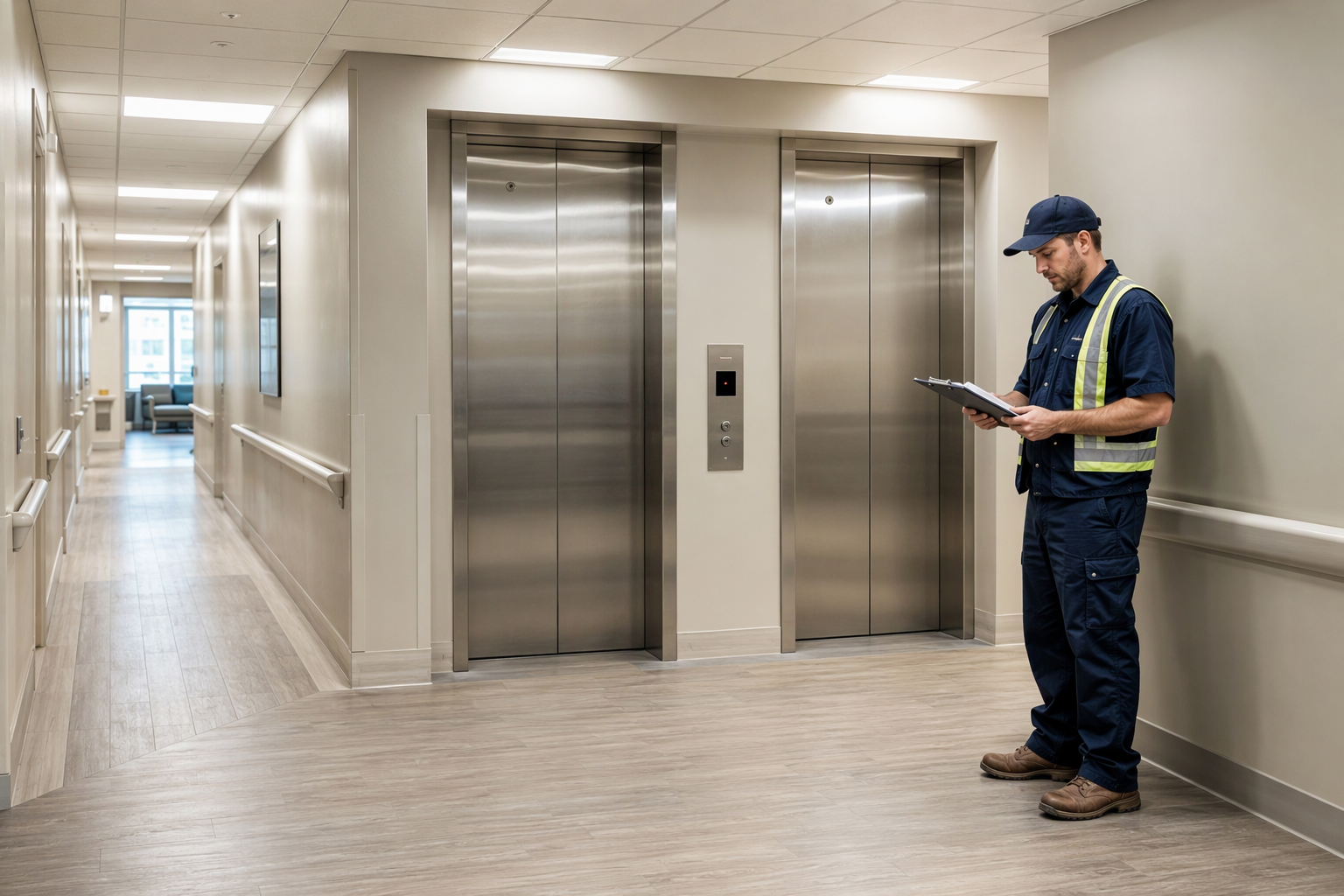
Hospitals, outpatient surgery centers, medical office buildings, and long-term care facilities depend on elevators in ways that go far beyond simple convenience. When an elevator goes out of service in a healthcare setting, stretcher transport stalls, medication delivery delays, and patient safety is directly at risk. Finding a top-rated elevator maintenance company in the Mount Pleasant and greater Columbia, SC region means finding a provider who understands both the technical demands of elevator equipment and the unique compliance landscape that governs healthcare environments.
Carolina Elevator Service works with healthcare facility managers across South Carolina to keep vertical transportation systems compliant, reliable, and ready for the demands of 24/7 clinical operations.
What Elevator Compliance Standards Apply to Healthcare Facilities in South Carolina?
Healthcare elevators in South Carolina are governed by a layered set of federal and state requirements that facility managers must meet before an operating certificate is issued or renewed.
- ASME A17.1-2019/CSA B44:19 Safety Code for Elevators and Escalators: South Carolina adopted this edition effective July 23, 2021, through the S.C. State Register. All new elevator installations and alterations in healthcare buildings must comply with this edition. Facilities placed in service before July 1, 1986 must comply with the 1986 edition of ANSI A17.3, the safety code for existing elevators and escalators.
- S.C. Code Title 41, Chapter 16: The South Carolina Elevator Code, administered by the South Carolina Department of Labor, Licensing and Regulation (LLR), Office of Elevators and Amusement Rides, governs registration, permitting, inspection intervals, and certificate display for every elevator facility in the state.
- S.C. Code of Regulations Chapter 71, Article 5: Regulations 71-5000 through 71-5700 set the safety standards for elevator facilities and define the roles of state inspectors and special inspectors.
- Americans with Disabilities Act (ADA): Healthcare buildings open to the public must meet ADA accessibility requirements for elevator cab dimensions, door timing, floor signage, braille call buttons, and audible signals.
- OSHA General Industry Standards: Elevator maintenance personnel working in healthcare environments must follow OSHA lockout/tagout procedures and confined-space protocols when servicing machine rooms and pit areas.
- Fire and Life Safety Codes: Healthcare occupancies typically fall under strict fire-rated construction requirements. Elevators must meet firefighters’ service requirements; in South Carolina, new installations must use the five-pin S.C. #1000 key for firefighters’ service.
- Standby Power Requirements: South Carolina requires passenger elevators to have standby power capable of running emergency lighting and the alarm bell for at least four hours if normal power fails — a critical requirement in any healthcare setting where power disruptions can be life-threatening.
How Often Must Hospital Elevators Be Inspected in South Carolina?
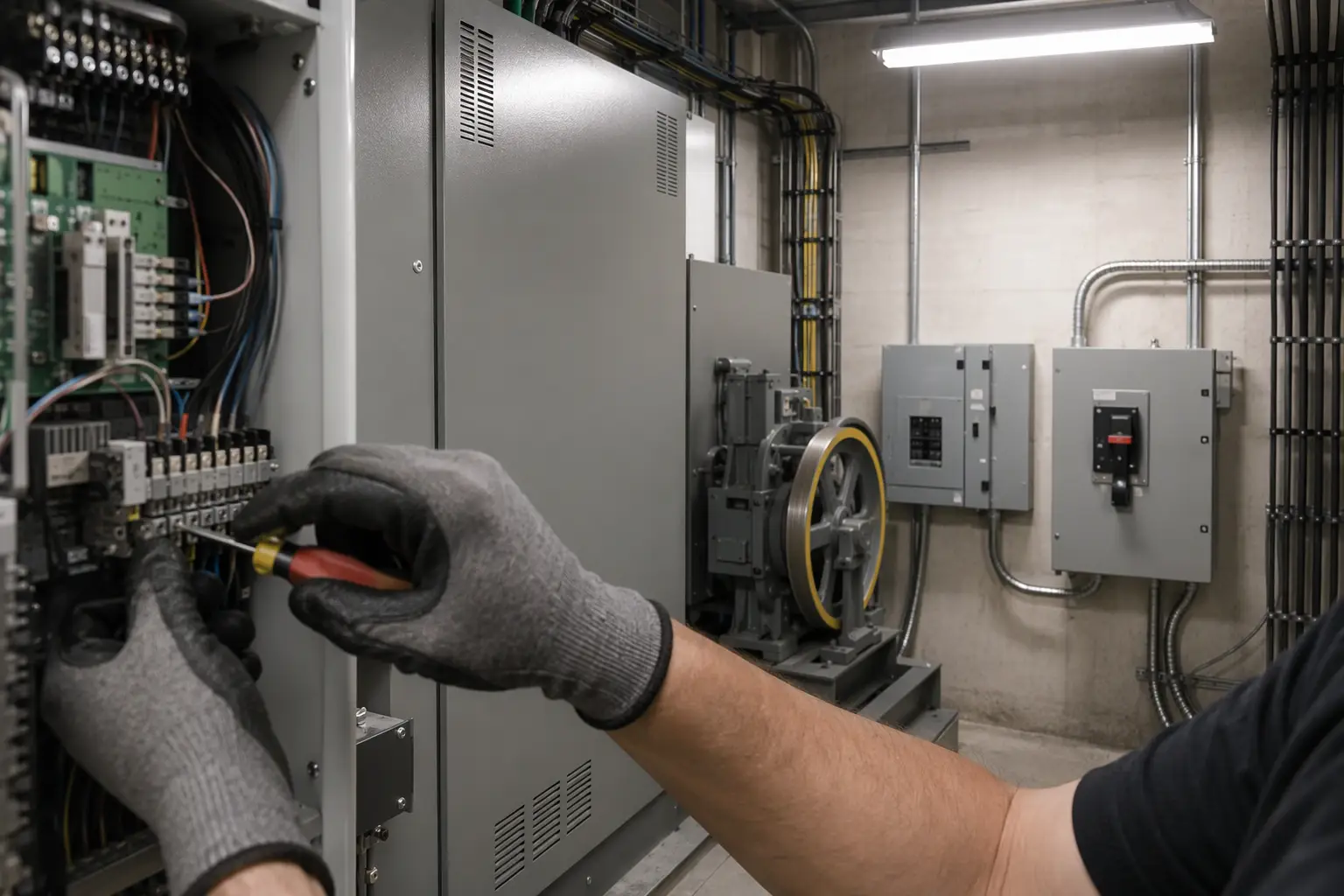
Under the South Carolina Elevator Code, passenger elevators in hospitals and other healthcare facilities must be inspected at installation, at registration, following any alteration or repair, and at least once every year after that before the operating certificate can be renewed. These inspections may be conducted by state inspectors or by licensed special inspectors — individuals who hold qualifications meeting the 2018 edition of QEI-1, the American National Standard for Qualification of Elevator Inspectors.
One important rule for healthcare operators: a special inspector may not inspect an elevator on which the inspector or the inspector’s employer holds a current service or warranty contract. This conflict-of-interest rule means that the company maintaining your elevators cannot also serve as the certifying inspector — reinforcing the value of working with a maintenance provider who helps coordinate independent inspection rather than creating a compliance conflict.
Carolina Elevator Service helps healthcare clients track inspection schedules and coordinates with qualified independent inspectors to keep certificates current and displayed inside each cab as required by state law.
What Makes Elevator Maintenance in Healthcare Settings Different From Other Industries?
Healthcare elevators face demands that few other commercial installations encounter:
- Continuous operation: Hospitals operate around the clock every day of the year. Maintenance windows must be planned around patient transport schedules, often requiring off-hours service coordination.
- Infection control: Technicians entering clinical areas must follow facility-specific infection control protocols, including appropriate PPE and equipment decontamination procedures.
- Heavy and irregular loads: Hospital elevators carry stretchers, hospital beds, medication carts, medical imaging equipment, and large numbers of people simultaneously, placing greater wear on guide rails, buffers, door operators, and hydraulic systems than typical commercial use.
- Stretcher and bariatric cab requirements: Many healthcare elevators must meet specific cab size requirements to accommodate stretchers and bariatric equipment, intersecting with both ADA guidelines and clinical operations planning.
- Life safety integration: Elevators in healthcare buildings are frequently integrated with fire alarm systems, nurse call systems, and emergency power systems — requiring technicians who understand cross-system interactions.
- Documentation demands: Joint Commission surveys, CMS Conditions of Participation, and state health department inspections may all request elevator maintenance logs, inspection certificates, and corrective action records during facility audits.
Carolina Elevator Service structures maintenance programs for healthcare clients with these operational realities in mind, providing the documentation support facility managers need for clinical accreditation reviews.
What Is Required Before a New Elevator Can Be Installed in a South Carolina Healthcare Facility?
Before any elevator facility is erected, constructed, altered, or installed in South Carolina, the owner must obtain a state construction permit from the South Carolina Department of Labor, Licensing and Regulation (LLR), Office of Elevators and Amusement Rides. No construction or installation work may begin without this permit in hand. For healthcare projects, this requirement applies equally to new hospital construction, renovation projects that include elevator modifications, and the addition of new elevator equipment to existing medical office buildings.
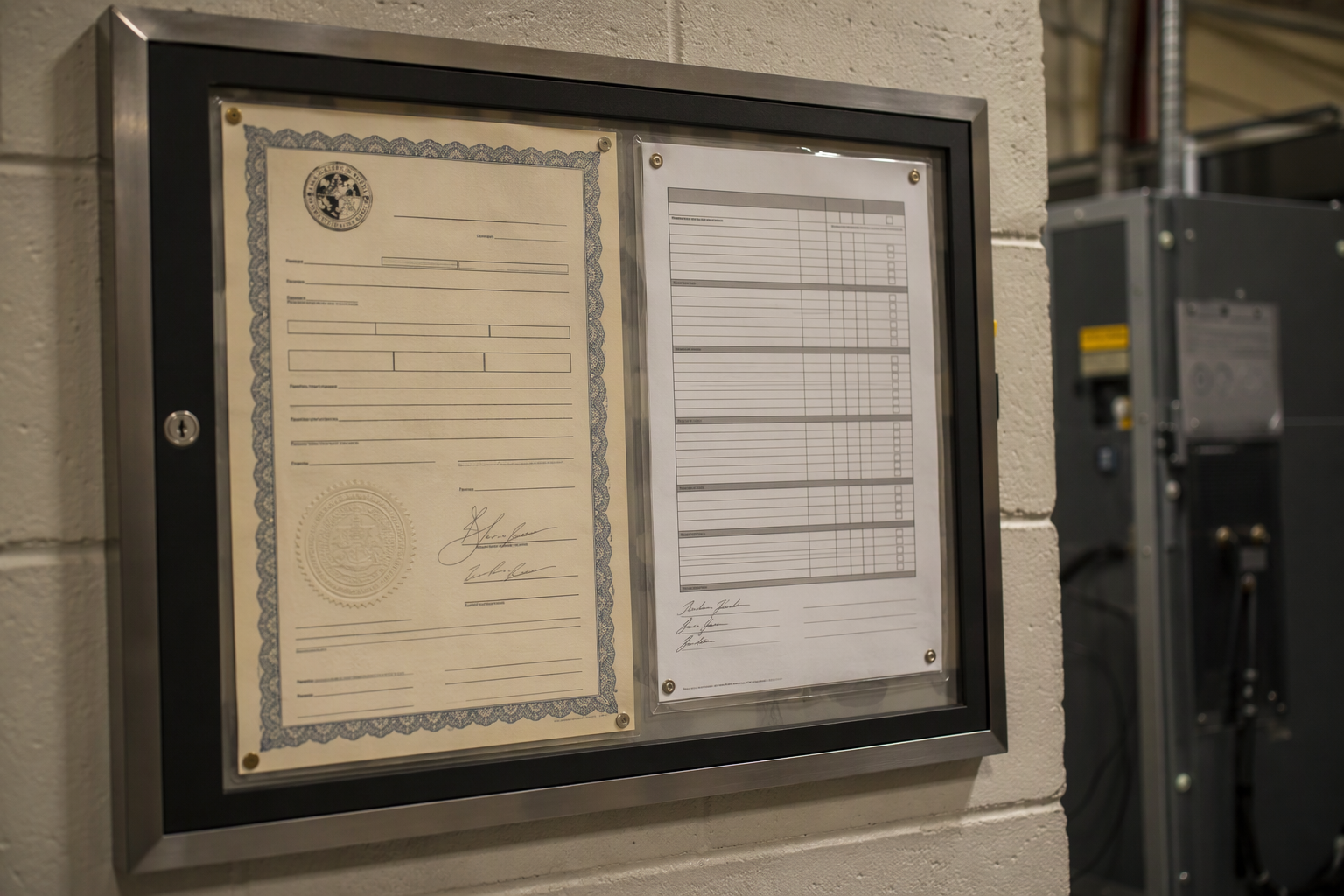
Once installed, the elevator must be inspected and registered before it can be placed into service. The facility must hold both a certificate of registration and a valid operating certificate, with a copy of the operating certificate displayed conspicuously inside each elevator car.
What Should a Healthcare Facility Do Immediately After an Elevator Accident or Serious Incident?
- Ensure the safety of anyone involved and contact emergency medical services if injuries have occurred.
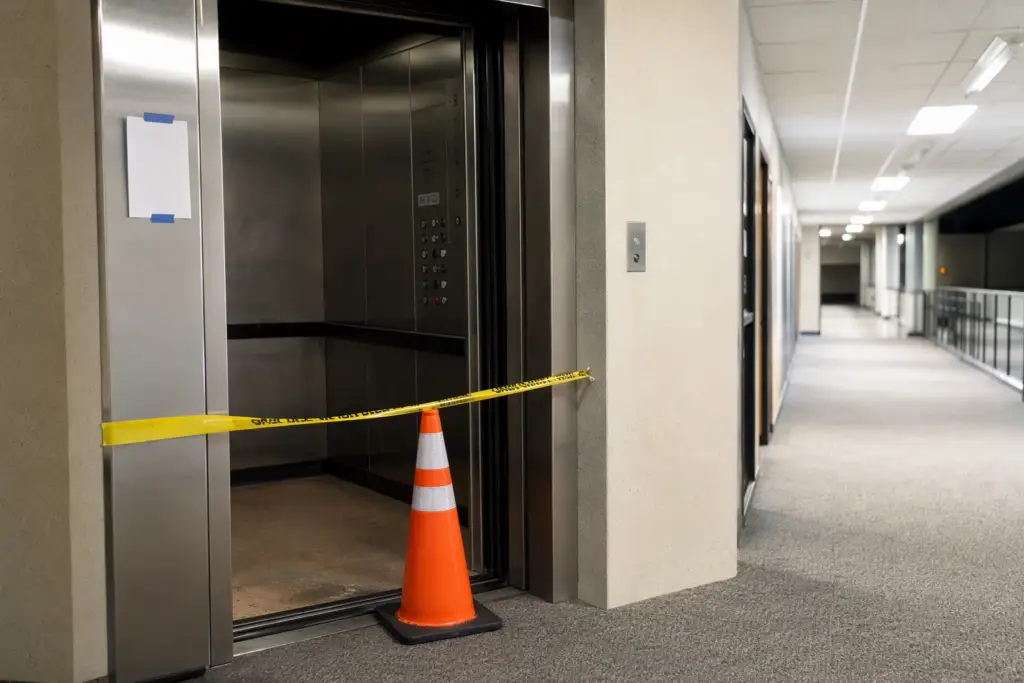
- Take the affected elevator out of service immediately and secure access to prevent further use.
- Document the condition of the elevator, including photographs of the cab, doors, control panel, and any mechanical components involved, before anything is disturbed.
- Notify the South Carolina Department of Labor, Licensing and Regulation (LLR) — South Carolina law requires that any accident seriously injuring a person other than an employee must be reported to the state before the end of the next working day.
- Notify your elevator maintenance provider so a qualified technician can conduct a safety evaluation of the equipment.
- Preserve all maintenance records, inspection certificates, and service logs related to the elevator involved, as these will be requested during any subsequent investigation.
- File an internal incident report following the facility’s clinical risk management protocol.
How Does ADA Compliance Affect Hospital Elevators in South Carolina?
Under the Americans with Disabilities Act, elevators in healthcare facilities open to the public must meet accessibility requirements including minimum cab dimensions, door open times that accommodate mobility aids, visual and audible floor indicators, braille and raised-character floor designations on hoistway jambs, and accessible call button placement and height. For healthcare settings specifically, these requirements intersect with the clinical need to transport patients in wheelchairs, power scooters, and hospital beds — meaning ADA minimums are often the floor, not the ceiling, of what good design requires.
Routine maintenance plays a direct role in ADA compliance: a door that closes too quickly, a leveling gap that exceeds allowable tolerances, or a call button that fails to register touch all constitute accessibility barriers that can expose a facility to complaint and liability.
What Is Included in a Comprehensive Elevator Maintenance Program for a Healthcare Facility?
A thorough maintenance program for a healthcare elevator typically includes:
- Inspection and lubrication of all moving components including cables, sheaves, guide rails, and roller guides
- Testing of door operators, door safety edges, and door open-time settings for ADA compliance
- Hydraulic fluid level and condition checks for hydraulic elevators, including inspection of underground cylinder containment as required by South Carolina regulations for newly installed systems
- Testing of emergency lighting and alarm bell to verify the standby power system meets the South Carolina four-hour minimum requirement
- Firefighters’ service key switch testing and verification of the five-pin S.C. #1000 key operation on applicable installations
- Leveling accuracy checks to ensure the cab floor aligns with each landing within safe tolerances
- Control system diagnostics and fault log review
- Machine room environmental checks including temperature, lighting, and access security
- Pit inspection for water intrusion, lighting, and stop switch function
- Maintenance documentation for facility records and accreditation support
Questions Your Inspector Will Ask
When a South Carolina LLR state inspector or a qualified special inspector arrives at a healthcare facility for the annual elevator inspection, facility managers and elevator maintenance providers should be prepared to address the following:
- Is the operating certificate displayed inside the elevator cab? South Carolina law requires the certificate or a copy to be conspicuously posted in each car.
- Is the certificate of registration current and on file? No elevator may legally operate without both registration and an operating certificate from the state.
- Are maintenance logs complete and available for review? Inspectors may request documentation of all service performed since the last inspection.
- Has any alteration or repair been made since the last inspection? Alterations trigger a new inspection requirement and may require a construction permit.
- Has the standby power system been tested? South Carolina requires emergency lighting and the alarm bell to function for at least four hours on standby power.
- Is the firefighters’ service operational and keyed correctly? New installations must use the five-pin S.C. #1000 key.
- Has any incident or accident been reported? Serious injuries to non-employees must have been reported to the state before the end of the next working day following the event.
- Are pit lighting, stop switches, and access ladders in proper condition? These are standard inspection checkpoints under ASME A17.1-2019.
How Should a Healthcare Facility Evaluate Elevator Maintenance Providers in South Carolina?
When selecting an elevator maintenance partner, healthcare facility managers should consider the following criteria:
- Knowledge of South Carolina-specific regulations: The provider should be fluent in S.C. Code Title 41, Chapter 16 and the LLR’s inspection and certification processes, not just general ASME codes.
- Experience with healthcare operational requirements: The provider should understand infection control expectations, documentation needs for accreditation, and the demands of continuous-operation facilities.
- Conflict-of-interest compliance: South Carolina prohibits a special inspector from certifying an elevator their employer maintains. Confirm that your maintenance provider does not also serve as your certifying inspector.
- Documentation practices: Ask for sample maintenance reports and confirm that records are organized in a format that supports Joint Commission or CMS survey requests.
- Familiarity with multi-system integration: Healthcare elevators connect to fire alarm systems, emergency power, and nurse call infrastructure. The maintenance provider should understand these intersections.
Carolina Elevator Service serves healthcare facilities across South Carolina with maintenance programs designed around the state’s regulatory framework and the specific demands of clinical environments.
Does South Carolina Have Special Rules for Hydraulic Elevators in Healthcare Buildings?
South Carolina requires that newly installed underground hydraulic elevator cylinders be encased in plastic outer containment to limit electrolytic corrosion. This requirement is relevant to healthcare facilities that use hydraulic elevators — a common choice in low- to mid-rise medical office buildings and outpatient centers. Proper containment protects both the structural integrity of the installation and the surrounding environment. Maintenance programs for hydraulic units should include regular fluid level checks, seal inspections, and verification that containment systems remain intact.
What Records Should a Healthcare Facility Keep for Elevator Compliance?
South Carolina places the responsibility for keeping every elevator facility in safe operating condition squarely on the owner. Healthcare facilities should maintain organized records including:
- Current certificate of registration and operating certificate (with copy displayed in each cab)
- Construction permit records for original installation and any subsequent alterations
- All inspection reports from state inspectors or special inspectors
- Maintenance logs from the servicing company covering all routine and corrective work
- Documentation of any accident reports submitted to the LLR
- Records of any parts replaced or alterations made since the last inspection
Carolina Elevator Service provides detailed service documentation with every maintenance visit, giving healthcare facility managers the records they need for regulatory compliance and accreditation readiness.
Contact Carolina Elevator Service for a free elevator assessment at 803-865-1400.
Need elevator service you can rely on? Carolina Elevator Service is ready to help.