Elevator Service in Columbia, SC | Carolina Elevator Service
Hydraulic elevators installed in commercial buildings across Columbia and the broader South Carolina market decades ago can still deliver safe, reliable, code-compliant service—provided owners invest in the right modernization program. Carolina Elevator Service helps building owners evaluate every available upgrade path, from targeted component replacements to comprehensive system overhauls, so each project aligns with the building’s budget, usage demands, and regulatory obligations under South Carolina law.
What modernization options are available for older hydraulic elevators in commercial buildings?
Building owners have several distinct upgrade paths to consider, and the best approach depends on the age of the equipment, current condition, local code requirements, and long-term operational goals. The main options include:
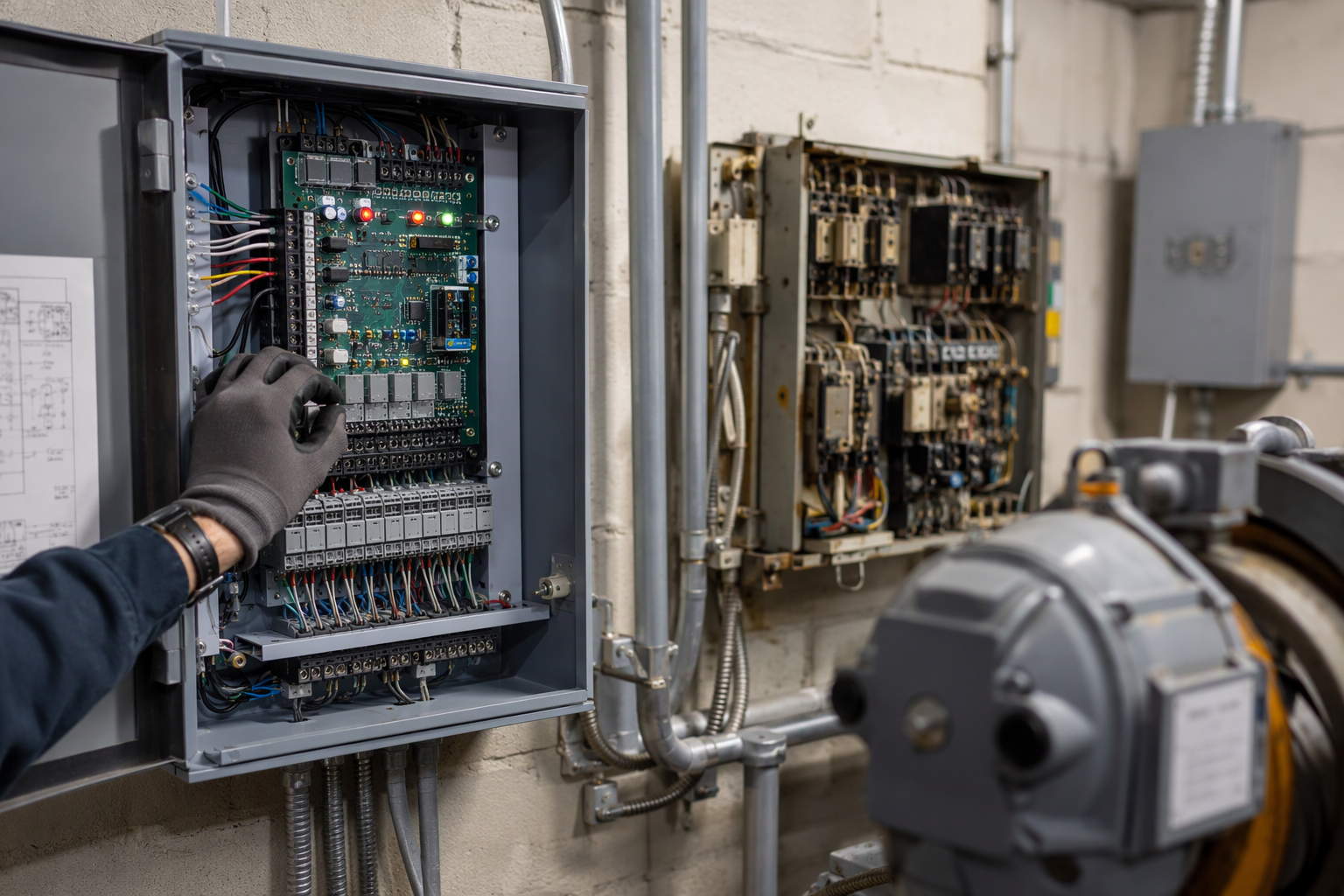
- Control system modernization – Replacing aging relay-logic or early solid-state controllers with modern microprocessor-based controls. New controls improve leveling accuracy, reduce energy consumption, and provide diagnostic data that simplifies future maintenance.
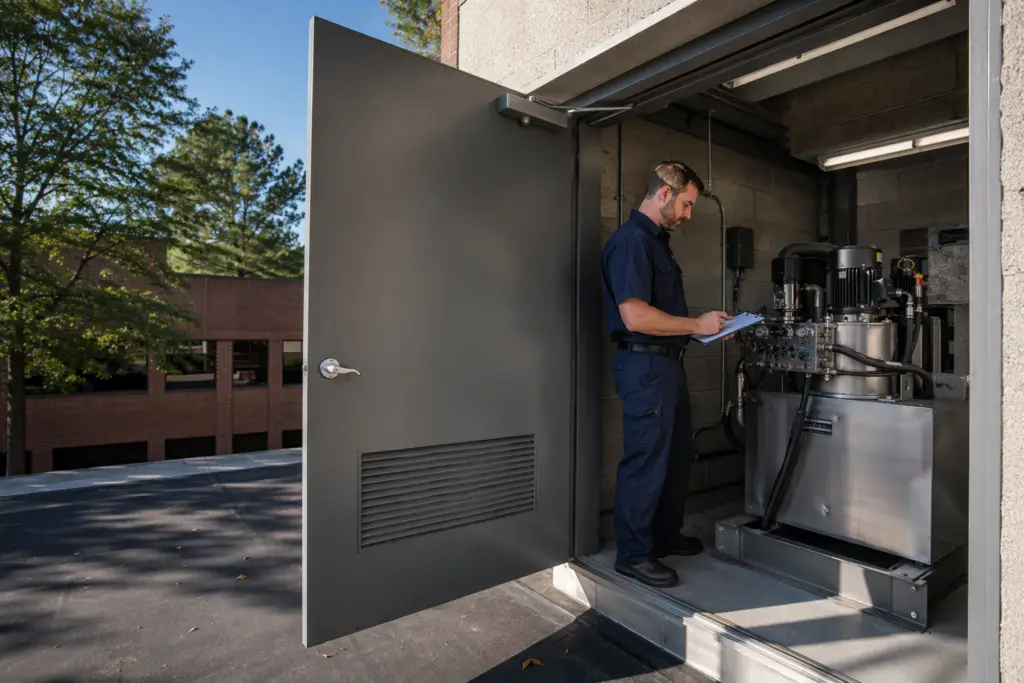
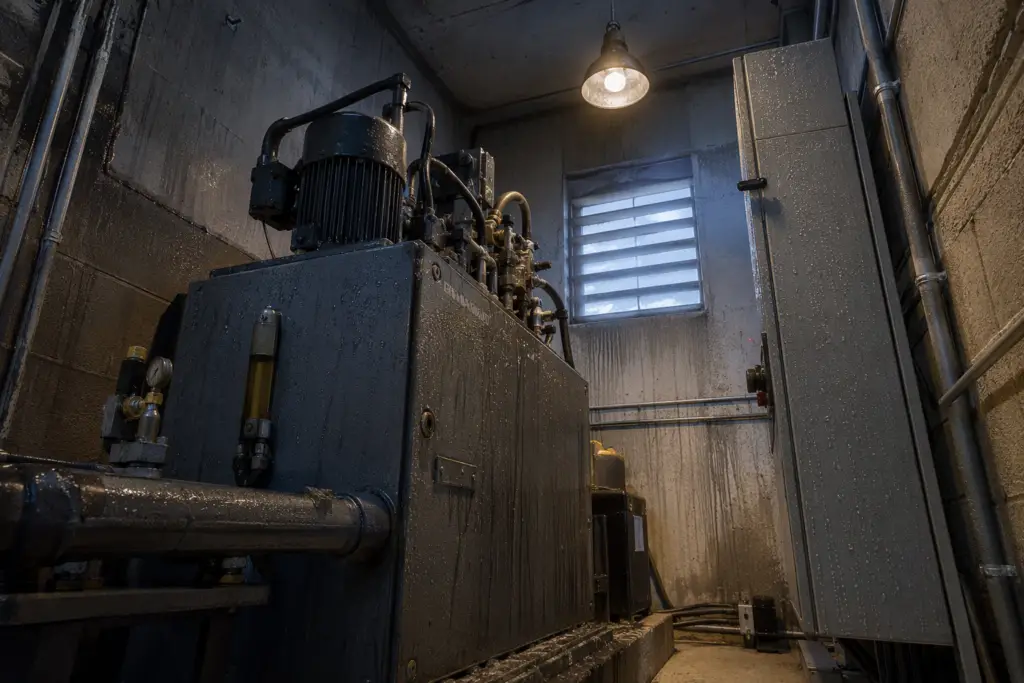
- Hydraulic pump and valve replacement – Upgrading submersible pump units and valve packages eliminates the noise, slow speeds, and oil leaks common in older power units. Modern low-voltage soft-start pump motors also reduce peak demand charges.
- Cylinder rehabilitation or replacement – Single-bottom hydraulic cylinders installed before corrosion-resistant designs became standard are a known environmental and mechanical risk. South Carolina regulations specifically require that newly installed underground hydraulic elevator cylinders be encased in plastic outer containment to limit electrolytic corrosion. Rehabilitation may involve lining the existing cylinder or replacing it with a modern, double-bottom, PVC-encased unit.
- Oil management and leak-prevention upgrades – Installing low-oil sensors, modern rupture valves, and biodegradable hydraulic fluid reduces environmental liability and meets contemporary safety expectations.
- Emergency power and lighting upgrades – South Carolina passenger elevators must have standby power capable of running emergency lighting and the alarm bell for at least four hours if normal power fails. Older installations may not meet this standard without an upgrade to the battery backup or generator interface.
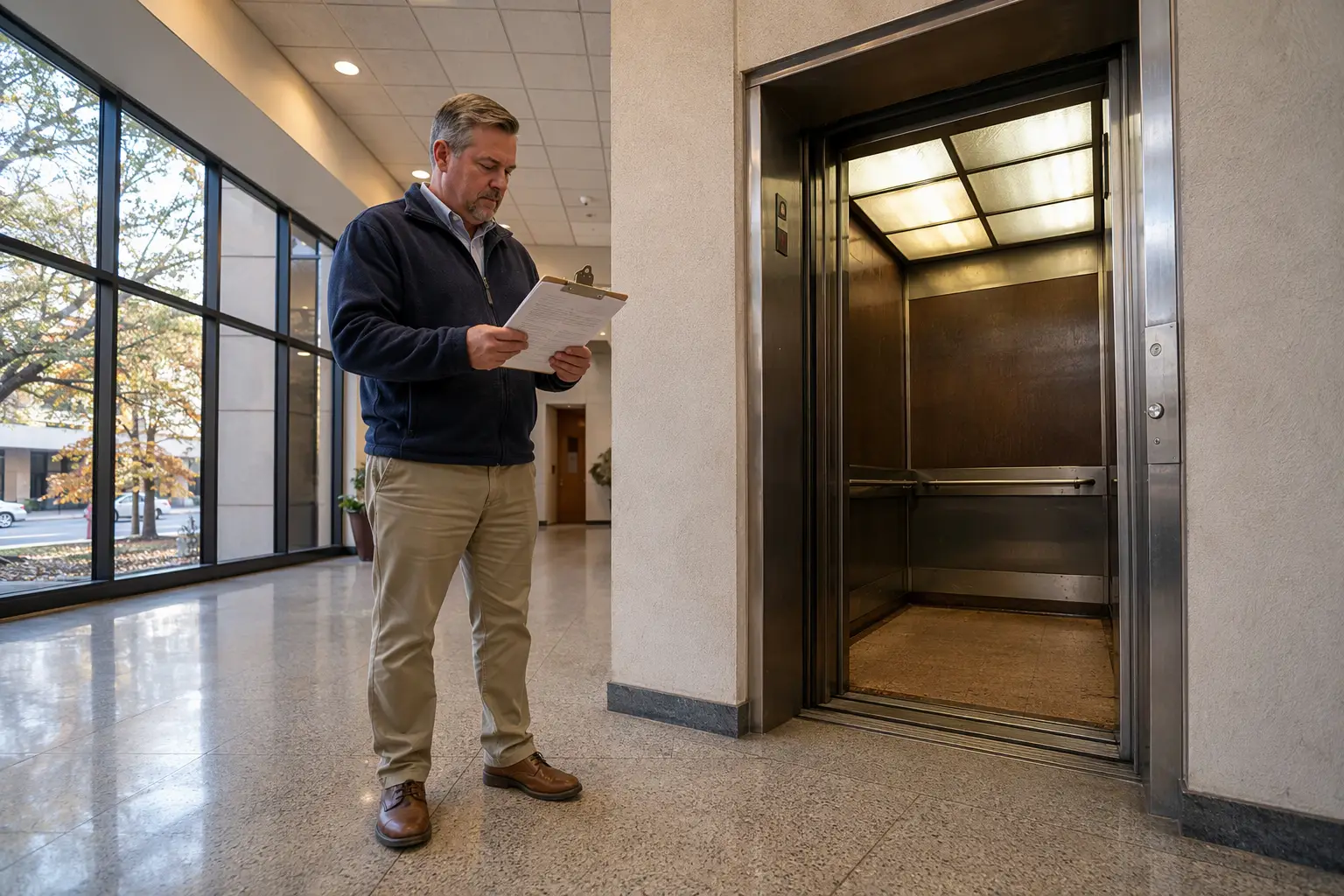
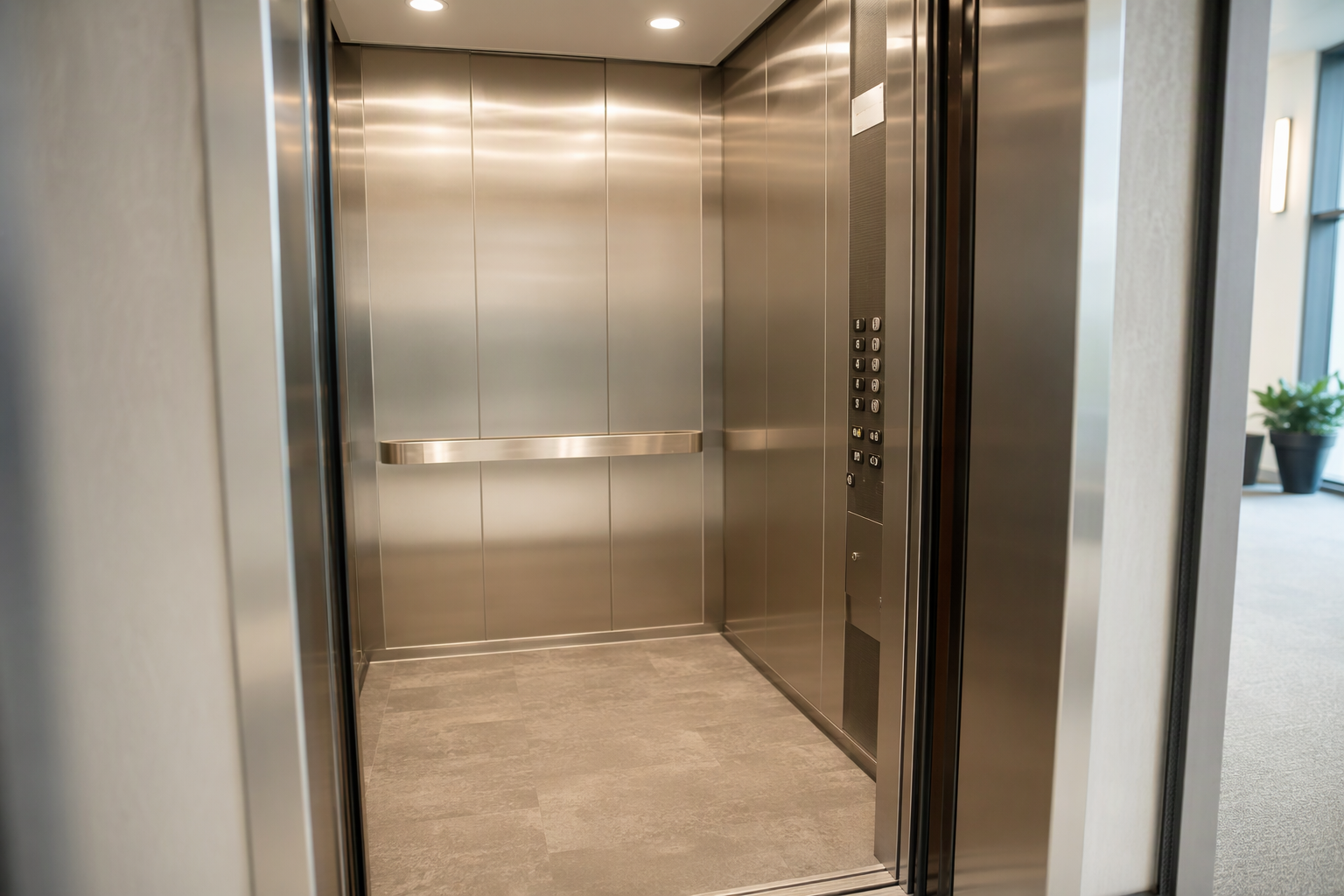
- Cab interior and door system renovation – Updating interior finishes, lighting, flooring, handrails, and door operators improves the passenger experience and can be coordinated with other system work to minimize downtime.
- ADA accessibility retrofits – Bringing controls, cab dimensions, door timing, and signage into alignment with Americans with Disabilities Act requirements protects building owners from accessibility complaints and improves usability for all passengers.
- Full hydraulic-to-machine-room-less (MRL) or traction conversion – In some cases, a complete drive system conversion may be more cost-effective than successive component replacements, particularly when cylinder replacement and control modernization are both needed simultaneously.
Why does the age of a hydraulic elevator affect modernization decisions?
Equipment age determines which code edition governs the installation and, consequently, which upgrades are required versus optional. Under South Carolina’s elevator statute (S.C. Code Title 41, Chapter 16) and S.C. Code of Regulations Chapter 71, Article 5 (Regulations 71-5000 through 71-5700), elevators placed in service before July 1, 1986 must comply with the 1986 edition of ANSI A17.3, the safety code for existing elevators and escalators. Equipment installed or substantially altered after that date is subject to the edition of ASME A17.1/CSA B44 in effect when the construction permit was issued. South Carolina currently enforces the ASME A17.1-2019/CSA B44:19 edition, adopted effective July 23, 2021, for new permits.
Understanding which code tier applies to a specific elevator is the first step in scoping any modernization project, because alterations can trigger compliance with current code requirements across the affected systems.
What South Carolina regulatory steps are required before beginning a modernization project?
South Carolina law requires a state construction permit before any elevator facility is erected, constructed, altered, or installed. Building owners should not begin physical work until this permit is secured through the South Carolina Department of Labor, Licensing and Regulation (LLR), Office of Elevators and Amusement Rides. Key compliance milestones include:
- Confirm the existing elevator’s registration and current operating certificate are valid — no elevator facility may be operated without both a certificate of registration and an operating certificate from the state.
- Engage a qualified elevator contractor to scope the work and prepare permit documentation for submission to the LLR.
- Obtain the state construction permit before any alteration work begins.
- Complete the modernization work in accordance with the applicable ASME A17.1 edition and South Carolina regulations.
- Arrange for a post-alteration inspection. Required inspections may be made only by state inspectors or by licensed special inspectors; a special inspector’s report may be accepted in place of a state inspection. Note that a special inspector may not inspect an elevator on which the inspector or the inspector’s employer has a current service or warranty contract.
- Obtain the updated operating certificate and display it — or a copy — conspicuously inside the elevator car before returning the unit to service.
How does modernization affect annual inspection and certification obligations?
South Carolina requires commercial elevators to be inspected at installation, registration, alteration or repair, and at least once a year after that before the operating certificate is renewed. A modernization project that qualifies as an alteration triggers an inspection at the conclusion of the work, in addition to the standard annual cycle. Building owners should factor inspection scheduling into the project timeline to avoid lapses in the operating certificate, which would require the elevator to be taken out of service.
What energy and environmental benefits does hydraulic modernization deliver?
Modern submersible pump units draw significantly less power than the open-tank power units found in older hydraulic installations. Variable-frequency drives and soft-start technology reduce peak electrical demand, which can lower utility costs in larger commercial buildings. On the environmental side, replacing a deteriorating single-bottom cylinder with a code-compliant, PVC-encased unit and switching to biodegradable hydraulic fluid reduces the risk of soil and groundwater contamination—a liability concern that has become increasingly important for property owners and lenders in South Carolina’s commercial real estate market.
How should building owners prioritize modernization when budget is limited?
When a full modernization is not immediately feasible, a phased approach allows owners to address the most critical safety and compliance items first. A practical prioritization framework includes:
- Address any active code violations or items cited during the most recent annual inspection—these carry direct regulatory and liability consequences.
- Assess the hydraulic cylinder condition to evaluate corrosion and leakage risk, since cylinder failure can result in extended downtime and environmental remediation costs.
- Upgrade the control system and valve package, as these components affect safety, leveling, and reliability most directly.
- Improve emergency power and life-safety systems to meet the standby-power requirements under South Carolina law.
- Schedule cab interior, door operator, and ADA improvements in a subsequent phase once critical mechanical systems are stabilized.
How does ADA compliance factor into hydraulic elevator modernization in South Carolina?
The Americans with Disabilities Act applies to places of public accommodation and commercial facilities regardless of building age, and modernization projects present a practical opportunity to bring elevator controls, signage, cab dimensions, and door operation into full ADA compliance. Items commonly addressed during modernization include Braille and tactile button panels, audible and visual floor indicators, door open-time adjustments, and threshold leveling accuracy. While the ADA establishes the federal floor, South Carolina’s adopted ASME A17.1-2019/CSA B44:19 code also contains accessibility-related technical requirements that apply when systems are altered.
What should Columbia-area commercial building owners look for in a hydraulic elevator modernization partner?
Selecting the right service partner in the South Carolina market matters because the regulatory environment is specific—from LLR permitting to the state’s unique firefighters’ service key requirement (the five-pin S.C. #1000 key on new installations) to the PVC cylinder encasement rule. Building owners benefit most from a partner with demonstrated familiarity with the LLR’s permitting and inspection process, experience working across South Carolina’s commercial property types—including office buildings, healthcare facilities, retail centers, and multifamily properties—and the ability to perform both the modernization work and ongoing annual maintenance so that all service history remains in one place for inspection documentation purposes.
Carolina Elevator Service serves commercial building owners throughout Columbia and South Carolina, providing modernization assessments, permit support, and ongoing maintenance that keeps hydraulic elevators operating safely and in compliance with state and federal requirements.
Schedule a free consultation with Carolina Elevator Service at 803-865-1400.
Need elevator service you can rely on? Carolina Elevator Service is ready to help.