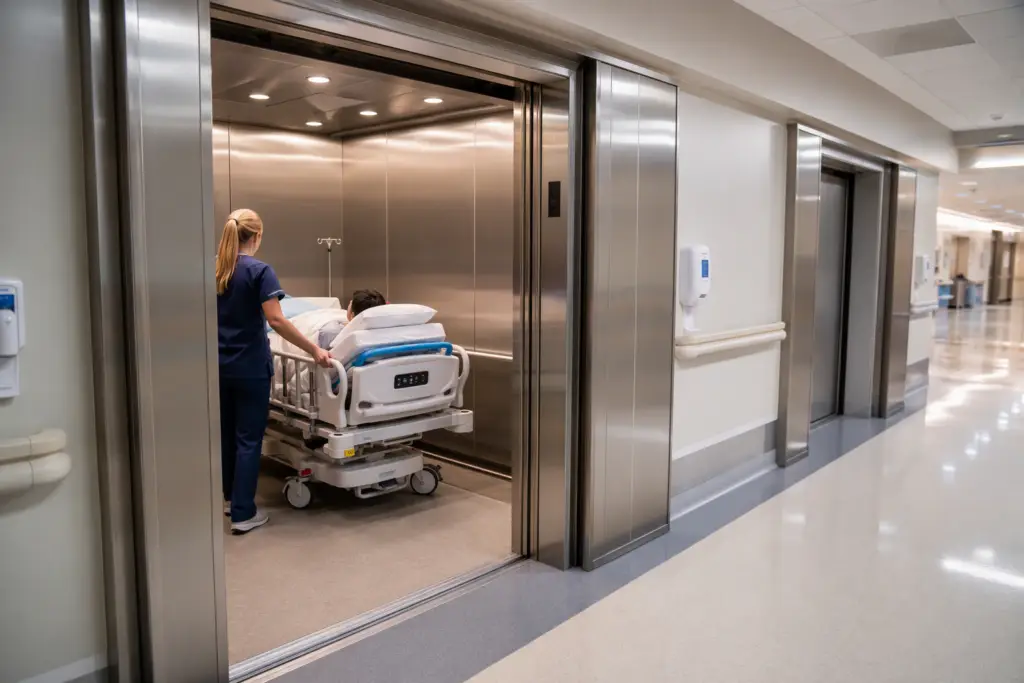
How Much Does It Cost to Install a New Elevator in a Commercial Building?
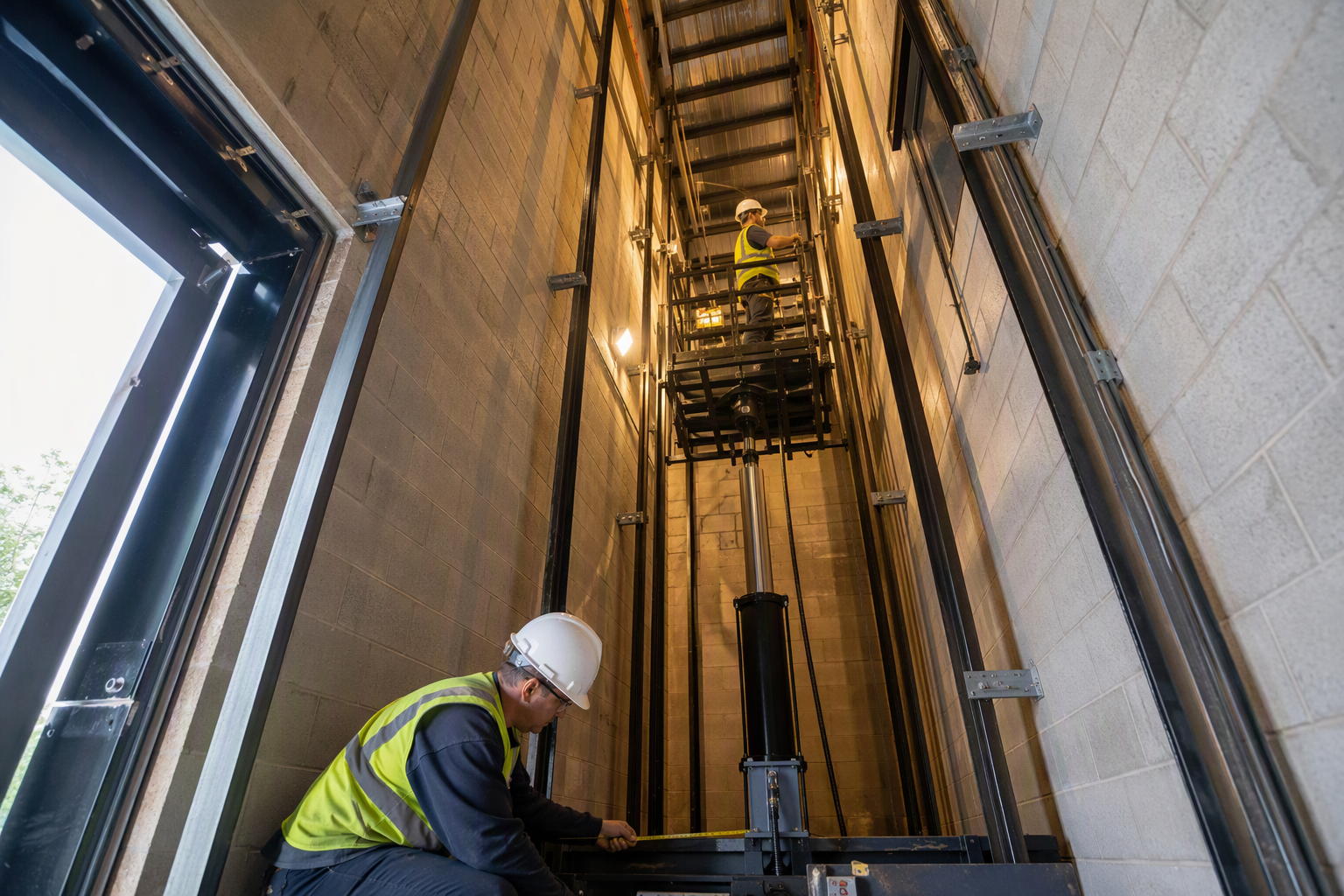
Commercial elevator installation is one of the most consequential infrastructure investments a building owner or developer can make. The total project cost depends on a wide range of variables — from the type of elevator system selected to the complexity of shaft construction, local permitting requirements in South Carolina, and ongoing compliance obligations under federal accessibility law. This FAQ hub addresses every major question decision-makers ask when planning a new commercial elevator installation in Columbia, SC and the surrounding region.
What Is the General Cost Range for Installing a New Commercial Elevator?
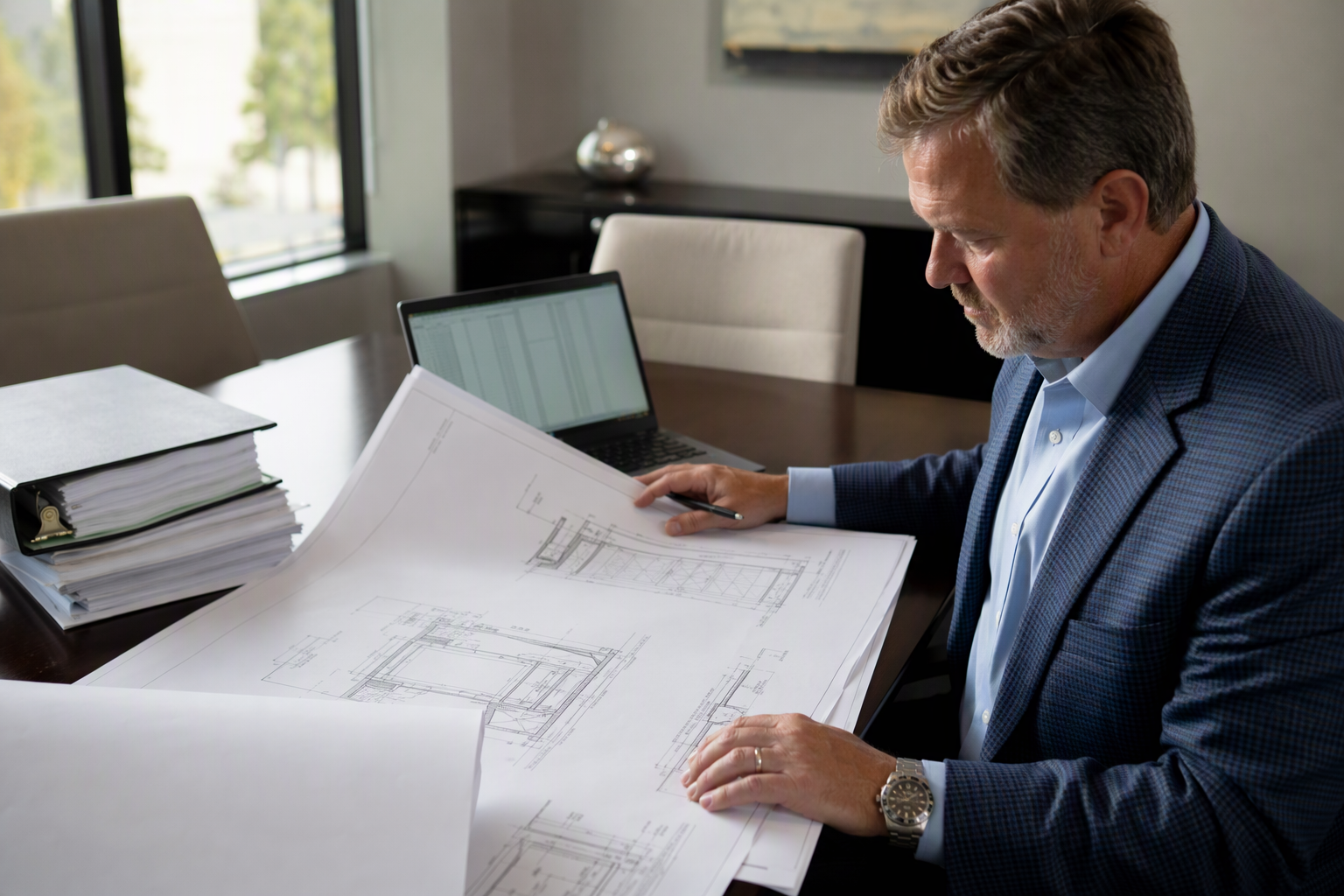
Commercial elevator installation costs vary widely depending on elevator type, building configuration, and site-specific requirements, with hydraulic systems generally representing the lower end of the investment and traction systems representing the higher end.
Rather than quoting a single figure that would be misleading without a site assessment, it is more useful to understand the cost drivers. Hydraulic elevators — common in low-rise commercial buildings up to four or five stories — tend to have lower equipment costs but require underground cylinder installation in many configurations. Machine-room-less (MRL) traction elevators eliminate the need for a dedicated machine room, which can reduce construction costs in certain building types. High-rise traction elevators involve more complex hoistway engineering, heavier structural requirements, and greater electrical infrastructure investment.
Additional cost layers include shaft construction (if no existing hoistway is present), pit excavation, overhead clearance modifications, electrical service upgrades, fire alarm integration, and South Carolina Department of Labor, Licensing and Regulation (LLR) permitting fees. A detailed quote from a qualified elevator contractor is the only reliable way to establish an accurate project budget.
What Are the Main Types of Commercial Elevators and How Do They Compare on Cost?
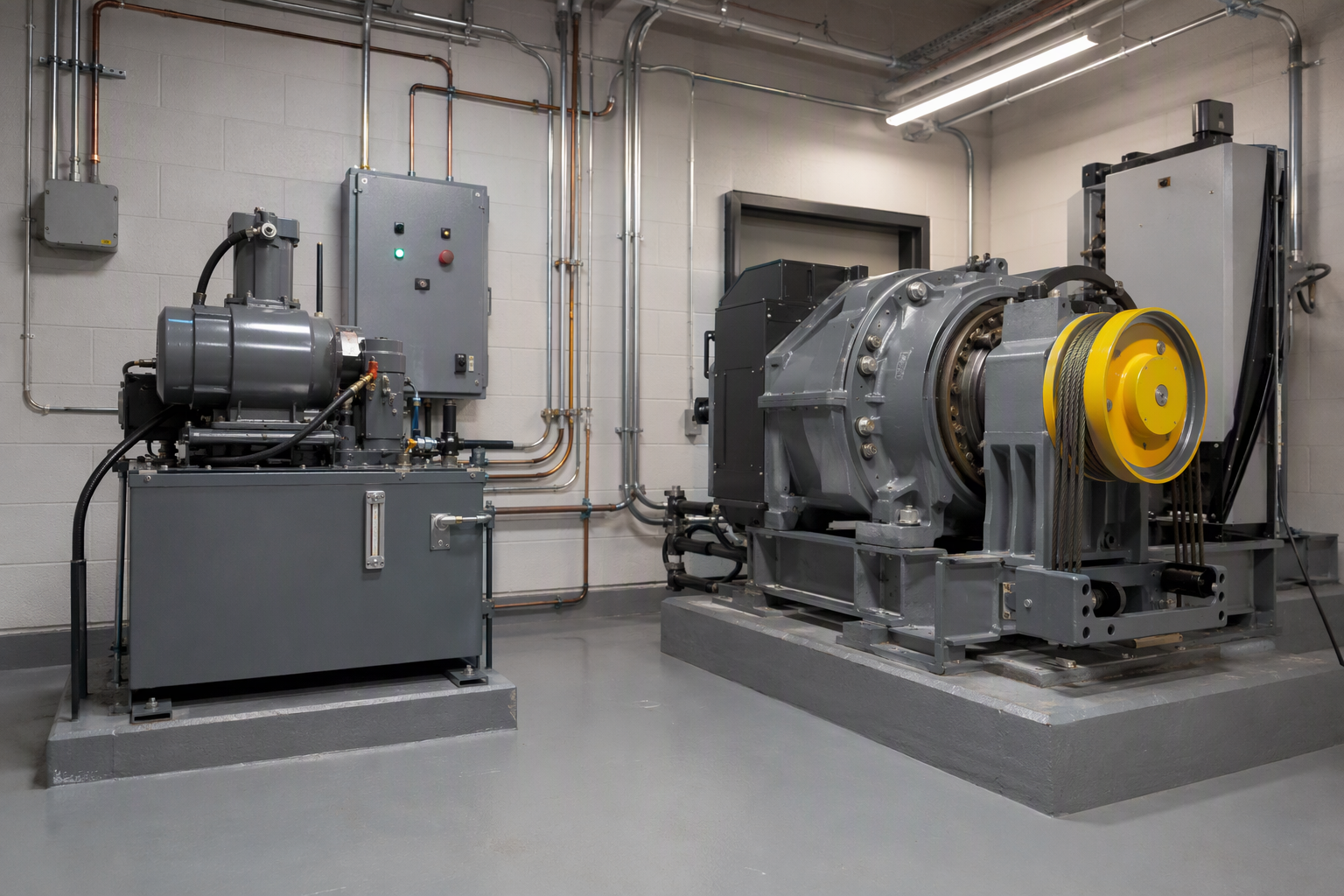
The three primary commercial elevator categories — hydraulic, geared traction, and gearless traction — differ meaningfully in upfront equipment cost, installation complexity, energy consumption, and long-term maintenance expense.
| Elevator Type | Typical Building Height | Machine Room Required? | Relative Upfront Cost | Energy Profile | Common Use Case |
|---|---|---|---|---|---|
| Hydraulic (conventional) | 2–5 stories | Yes (small) | Lower | Higher (pump motor) | Low-rise offices, retail, medical clinics |
| Machine-Room-Less (MRL) Traction | 3–20 stories | No | Mid-range | Lower | Mid-rise offices, hotels, mixed-use |
| Geared Traction | Up to ~20 stories | Yes | Mid-to-high | Moderate | Mid-rise commercial, healthcare |
| Gearless Traction | High-rise | Yes (overhead or basement) | Highest | Lowest per trip (variable frequency drive) | High-rise office towers, hospitals |
Each system also carries different long-term maintenance profiles. Hydraulic systems require periodic fluid monitoring and potential cylinder inspections, while traction systems require rope and sheave maintenance. Carolina Elevator Service advises clients to factor in total cost of ownership — not just installation — when selecting an elevator type for a new commercial project.
What Factors Have the Biggest Impact on Total Installation Cost?
The single largest cost variable is typically whether an existing hoistway is available or whether one must be constructed from scratch.
Buildings undergoing new construction have the advantage of incorporating the hoistway into the structural design from the beginning, which is generally more cost-effective than retrofitting an existing building. Retrofit installations require detailed structural engineering analysis, potential floor penetrations, load-bearing modifications, and coordination with the existing mechanical, electrical, and plumbing systems.
Other high-impact cost variables include:
- Number of stops: Each additional floor served adds equipment, wiring, and labor costs.
- Cab size and capacity: Larger cabs rated for heavier loads (freight elevators, for example) require heavier structural support and more powerful drive systems.
- Cab finishes: Architectural-grade interiors with custom panels, flooring, and lighting significantly increase equipment costs above standard commercial finishes.
- Pit depth and overhead clearance: ASME A17.1 prescribes minimum pit depths and overhead clearances that must be achieved; buildings that do not meet these minimums require structural modifications.
- Electrical service: Many older commercial buildings require panel upgrades or dedicated circuits to support elevator power demands.
- Permitting and inspections: South Carolina requires elevator permits, inspections, and certificates of operation administered through the SC LLR.
What Building Code and Safety Standards Govern Commercial Elevator Installation in South Carolina?
All commercial elevator installations in South Carolina must comply with the ASME A17.1 Safety Code for Elevators and Escalators, which is the foundational federal safety standard adopted and enforced at the state level.
South Carolina’s elevator safety program is administered by the SC Department of Labor, Licensing and Regulation. The state’s elevator safety laws require that all new elevator installations obtain a permit before work begins, pass a witnessing inspection by a state-licensed elevator inspector upon completion, and receive a certificate of operation before the elevator may be placed into service. Ongoing periodic inspections are also required to maintain a valid certificate of operation.
The ASME A17.1 code addresses every technical aspect of installation, including hoistway construction, safety devices, car and counterweight clearances, pit requirements, machine room conditions, electrical requirements, and emergency operations. Working with a contractor who understands current code requirements — including the edition of ASME A17.1 currently adopted by South Carolina — is essential to avoiding costly rework after inspection.
How Do ADA Requirements Affect Commercial Elevator Installation Costs?
The Americans with Disabilities Act (ADA) mandates elevator accessibility in most multi-story commercial buildings, and compliance requirements directly influence design decisions and costs.
Under the ADA, elevators in commercial buildings must meet accessibility standards covering cab dimensions, door clear widths, hall and car call button heights, floor indicators, leveling accuracy, and braille/tactile signage. Buildings that are newly constructed or undergoing substantial alteration must meet current ADA Standards for Accessible Design. Key cost implications include ensuring the cab interior meets minimum clear floor space requirements, installing two-way emergency communication systems compliant with ADA, and providing tactile and audible floor identification systems.
Failing to incorporate ADA compliance from the design phase often results in expensive change orders or post-installation modifications. Engaging a qualified elevator contractor early in the design process — before construction documents are finalized — is strongly advisable.
Are There Specific Permitting Requirements for Commercial Elevator Installation in Columbia, SC?
Yes — any new elevator installation in Columbia, SC requires both a state elevator permit from the SC LLR and coordination with local building officials for the overall construction permit governing the hoistway and associated structural work.
The SC LLR elevator permit process requires submission of plans and specifications by a licensed elevator contractor before installation begins. Upon completion, a state-licensed elevator inspector must witness a full acceptance inspection. The elevator cannot legally be placed into public service until a valid certificate of operation is issued. Building owners should account for permitting timelines in their project schedules, as inspection availability and plan review periods can affect the overall project timeline.
Carolina Elevator Service has extensive experience navigating the South Carolina permitting process for new commercial installations, helping clients in Columbia and the surrounding area manage documentation, coordinate inspections, and achieve code compliance efficiently.
How Long Does It Take to Install a New Commercial Elevator?
The installation timeline for a new commercial elevator depends heavily on whether the project is new construction or a retrofit, the elevator type, hoistway readiness, equipment lead times, and the permitting and inspection schedule.
In a new construction scenario where the hoistway is built concurrently with the structure, the elevator installation phase itself — meaning equipment installation, wiring, and commissioning — generally occurs late in the construction schedule after the hoistway is structurally complete and weathertight. Equipment lead times from manufacturers can be a significant scheduling factor, as custom or semi-custom elevator equipment often requires several months of production time. In retrofit installations, hoistway construction typically precedes elevator installation and can extend the total project duration considerably. Permitting, plan review, and final witnessing inspections add additional time that must be built into the schedule.
What Is the Step-by-Step Process for Planning a Commercial Elevator Installation?
A successful commercial elevator installation follows a structured planning and execution process that begins well before any physical work starts.
- Conduct a needs assessment: Determine the building’s traffic patterns, required capacity, number of stops, and any special use requirements (freight, accessibility-only, etc.).
- Engage an elevator consultant or qualified contractor early: A qualified elevator contractor can evaluate the existing or planned hoistway, identify structural requirements, and advise on the most appropriate elevator type for the application.
- Complete a site assessment: Evaluate pit depth, overhead clearance, machine room space (if required), electrical panel capacity, and structural load capacity.
- Develop construction documents: Coordinate with the project architect and structural engineer to ensure hoistway dimensions, pit depth, overhead height, and structural provisions meet ASME A17.1 requirements.
- Submit for SC LLR elevator permit: File plans and specifications with the SC Department of Labor, Licensing and Regulation for permit approval before beginning elevator work.
- Order equipment: Place the elevator equipment order after permit approval, accounting for manufacturer lead times.
- Complete hoistway construction: Coordinate structural, electrical, and mechanical trades to prepare the hoistway and machine space before elevator installation begins.
- Install elevator equipment: A licensed elevator contractor installs the equipment in accordance with approved plans and ASME A17.1 requirements.
- Conduct pre-inspection testing: The contractor performs all required tests and verifies compliance before requesting a state inspection.
- Schedule and pass the SC LLR witnessing inspection: A state-licensed elevator inspector witnesses required acceptance tests.
- Obtain certificate of operation: Upon passing inspection, the SC LLR issues a certificate of operation, authorizing the elevator for public use.
What Are the Ongoing Costs After a Commercial Elevator Is Installed?
Installation cost is only the beginning — building owners must budget for periodic maintenance, required inspections, and eventual modernization throughout the elevator’s service life.
Ongoing cost categories include a preventive maintenance agreement with a licensed elevator service company, annual or periodic inspections required to maintain the South Carolina certificate of operation, repairs arising from wear or component failure, and periodic modernization of controls, drive systems, or safety components as the elevator ages and codes evolve. Maintenance agreements vary in scope from basic lubrication and adjustment packages to full-coverage agreements that include parts and labor for repairs. The appropriate scope of a maintenance contract depends on the building type, elevator usage intensity, and the owner’s risk tolerance. Carolina Elevator Service provides maintenance programs tailored to the needs of commercial building owners in the Columbia, SC area.
How Does Elevator Type Affect Long-Term Maintenance Costs?
Different elevator systems have different maintenance profiles, and the long-term maintenance cost implication of the initial equipment choice is a factor that building owners should weigh carefully.
Hydraulic elevators require monitoring of hydraulic fluid levels and condition, periodic testing of the hydraulic cylinder and seals, and potential environmental compliance considerations related to underground cylinders. Traction elevators require inspection and replacement of wire ropes on a condition-based schedule, maintenance of sheaves and brake systems, and lubrication of guide rails and rollers. Modern gearless traction elevators with permanent magnet motors and variable frequency drives tend to have fewer mechanical components subject to wear compared to older geared systems, which can translate to reduced maintenance frequency over time. Regardless of system type, a consistent preventive maintenance program is the most cost-effective way to extend equipment life and minimize unplanned downtime.
What Safety Inspections Are Required for Commercial Elevators in South Carolina?
South Carolina requires periodic inspections of all commercial elevators to maintain a valid certificate of operation, with inspections conducted by state-licensed elevator inspectors.
Under South Carolina’s elevator safety program administered by the SC LLR, elevators must be inspected at regular intervals and must pass all required tests to maintain their operating certificate. The current South Carolina program includes routine periodic inspections as well as periodic category testing requirements aligned with the ASME A17.1 Safety Code for Elevators and Escalators. Building owners and property managers are responsible for ensuring inspections are scheduled and that any deficiencies noted during inspection are corrected promptly. Operating an elevator with an expired or suspended certificate of operation is a violation of South Carolina law. Carolina Elevator Service assists building owners in Columbia with scheduling required inspections and maintaining complete inspection records.
What Is the Difference Between a New Installation and an Elevator Modernization?
A new installation involves placing a complete elevator system in a building that either has no elevator or is replacing an entire system, while modernization involves upgrading major components — such as controls, drive systems, or cab interiors — of an existing elevator.
For buildings that already have an aging elevator, modernization is often a cost-effective alternative to full replacement. Modernization projects commonly address obsolete relay logic controls (replaced with microprocessor-based controls), worn drive systems, dated cab interiors, and components that no longer comply with current code requirements. However, there are situations where the extent of required upgrades makes full replacement more economical than modernization — particularly when the existing hoistway equipment is heavily worn, the original installation no longer meets current ASME A17.1 or ADA requirements, or parts availability for the existing system is severely limited. A qualified elevator contractor can evaluate the existing system and provide an honest comparison of modernization versus replacement costs and benefits.
How Do You Choose the Right Elevator Contractor for a Commercial Installation in South Carolina?
Selecting a qualified elevator contractor requires verifying licensure with the SC LLR, evaluating technical experience with the specific elevator type being installed, and assessing the contractor’s familiarity with South Carolina code requirements and the local inspection process.
South Carolina requires elevator contractors to be licensed through the SC LLR. Building owners should confirm that any contractor they consider holds a current, valid South Carolina elevator contractor license. Beyond licensure, relevant considerations include the contractor’s experience with projects of similar type and scale, their relationship with elevator equipment manufacturers, their track record with the SC LLR inspection process, and their capacity to provide ongoing maintenance service after installation — since continuity of service from the installing contractor can simplify warranty administration and ongoing maintenance. Carolina Elevator Service is a certified elevator service company serving commercial clients throughout the Columbia, SC region.
Can Any Commercial Building Have an Elevator Installed, or Are There Structural Limitations?
While virtually any multi-story commercial building can be equipped with an elevator, the structural, spatial, and mechanical feasibility of installation varies significantly between buildings, and a professional site assessment is necessary to identify any limiting factors.
Key structural considerations include whether the building can accommodate a hoistway of sufficient dimensions to meet ASME A17.1 minimum clearance requirements, whether the pit depth required by code can be achieved given foundation conditions, whether adequate overhead clearance exists above the top floor served, and whether the building’s electrical infrastructure can support the elevator’s power requirements. In some retrofit situations, limited pit depth has been addressed through the use of shallow-pit hydraulic systems or low-pit MRL traction systems, though these solutions have their own cost and code compliance implications that must be evaluated carefully. A thorough site assessment is the only reliable way to determine feasibility and identify the most appropriate solution for a specific building.
What Are the Energy Efficiency Considerations for a New Commercial Elevator?
Energy efficiency is an increasingly important consideration in commercial elevator specification, and modern elevator systems offer significantly improved energy performance compared to older technologies.
Key energy-related factors include the drive system type — variable frequency drive (VFD) systems on traction elevators reduce energy consumption by matching motor speed to actual load and travel requirements. Regenerative drives, available on some traction elevator systems, can return energy to the building’s electrical system during descent or when a loaded cab travels down, potentially reducing net energy consumption. LED cab lighting and energy-saving standby modes for cab lighting and ventilation are additional efficiency features available on modern systems. Building owners pursuing LEED certification or other green building standards should discuss energy performance specifications with their elevator contractor during the design phase to ensure the selected system contributes to the project’s sustainability goals.
What Happens If a Commercial Elevator Fails Inspection in South Carolina?
If a commercial elevator fails a required inspection in South Carolina, the SC LLR may issue a notice of violation, require the elevator to be taken out of service, or place conditions on continued operation until identified deficiencies are corrected.
The appropriate response to a failed inspection follows a clear sequence:
- Review the inspection report: Obtain a copy of the inspector’s written findings and identify all cited deficiencies.
- Contact a licensed elevator service company immediately: Engage a qualified contractor to evaluate the deficiencies and provide a scope of corrective work.
- Prioritize life-safety items: Deficiencies that pose an immediate safety risk must be addressed before the elevator is returned to service.
- Complete corrective repairs: Have all cited deficiencies corrected by a licensed elevator contractor in accordance with applicable ASME A17.1 requirements.
- Document all work performed: Maintain records of parts replaced, tests conducted, and technician certifications.
- Request a re-inspection: Contact the SC LLR to schedule a follow-up inspection to verify that all deficiencies have been corrected.
- Obtain an updated certificate of operation: Once the elevator passes re-inspection, ensure the updated certificate is posted in the elevator as required by South Carolina law.
Building owners should never allow an elevator with a suspended or revoked certificate of operation to carry passengers. The liability exposure from operating a non-compliant elevator is substantial.
How Does Building Height Affect Elevator Selection and Cost for Commercial Projects?
Building height is one of the most fundamental determinants of elevator type selection, and the relationship between height and appropriate system type has direct implications for installation cost and complexity.
Low-rise buildings of two to four or five stories are frequently well-served by hydraulic elevator systems, which offer reliable performance and a lower equipment cost point for shorter travel distances. As building height increases beyond the practical range of hydraulic systems — generally considered to be around five stories, though this depends on the specific hydraulic system design — traction systems become the appropriate choice. Mid-rise buildings commonly use MRL traction or geared traction systems, while high-rise buildings require gearless traction systems capable of higher speeds and longer travel distances. High-speed, high-rise traction elevators involve more sophisticated engineering, heavier structural requirements in the hoistway, and more complex controls — all of which contribute to higher installation costs relative to low-rise hydraulic systems.
What Questions Should a Building Owner Ask When Getting Quotes for a Commercial Elevator Installation?
Obtaining competitive and comparable quotes for a commercial elevator installation requires asking the right questions to ensure that all bids address the same scope and that critical items are not being omitted to create a lower apparent price.
Important questions to ask every elevator contractor bidding on a commercial installation include:
- Is the bid based on a complete scope including hoistway preparation, pit work, electrical rough-in, and all permits, or does it cover equipment and installation only?
- What edition of ASME A17.1 does the specified equipment comply with, and has the contractor confirmed it meets the edition currently adopted by South Carolina?
- What is the equipment manufacturer, and what are the lead times for the specified system?
- What warranty is provided on the equipment and on labor?
- What is the contractor’s process for managing the SC LLR permit application and coordinating the witnessing inspection?
- Does the contractor offer ongoing maintenance service, and what are the terms of their maintenance agreement?
- Are there any site conditions — pit depth, overhead clearance, electrical service — that could result in additional costs beyond the quoted scope?
- What are the payment terms, and how are change orders handled?
What Is the Relationship Between Elevator Installation and Fire and Life Safety Compliance in Commercial Buildings?
Commercial elevator installations intersect with fire and life safety requirements in several important ways, and coordination between the elevator contractor, the fire alarm contractor, and the building’s fire protection engineer is essential.
Under ASME A17.1, elevators must be equipped with firefighters’ emergency operation (FEO) features, which cause the elevator to return to a designated landing and open its doors upon activation of the building’s fire alarm system. This requires electrical interconnection between the elevator control system and the building’s fire alarm panel, which must be coordinated during design and installation. Machine rooms and hoistways also have specific fire protection requirements that intersect with the building’s overall fire and life safety design. Additionally, OSHA standards govern worker safety during elevator installation and maintenance activities, which licensed elevator contractors must comply with throughout the project.
Why Should Columbia, SC Building Owners Choose a Local Elevator Service Company?
Working with a locally based, South Carolina-licensed elevator contractor offers meaningful practical advantages over engaging an out-of-state or national company with limited local presence.
A local elevator service company maintains familiarity with the SC LLR inspection process, the specific AHJs (authorities having jurisdiction) in the Columbia area, and the logistical realities of working in the local construction market. Local contractors can respond more readily to service needs, are accountable to their local business community, and often have established working relationships with local building officials and state inspectors that facilitate smoother permitting and inspection experiences. Carolina Elevator Service is based in South Carolina and focuses exclusively on serving commercial building owners and property managers in the Columbia, SC region, bringing localized knowledge of the South Carolina regulatory environment to every new installation project.
Get a Professional Assessment for Your Commercial Elevator Project
Every commercial elevator installation is unique, and accurate cost and feasibility information requires a qualified professional to evaluate your specific building, use case, and compliance requirements. Carolina Elevator Service provides comprehensive elevator assessments for commercial building owners and developers in Columbia, SC and the surrounding area — covering elevator type selection, hoistway feasibility, ASME A17.1 and ADA compliance requirements, and South Carolina permitting guidance.
Contact Carolina Elevator Service for a free elevator assessment: 803-865-1400