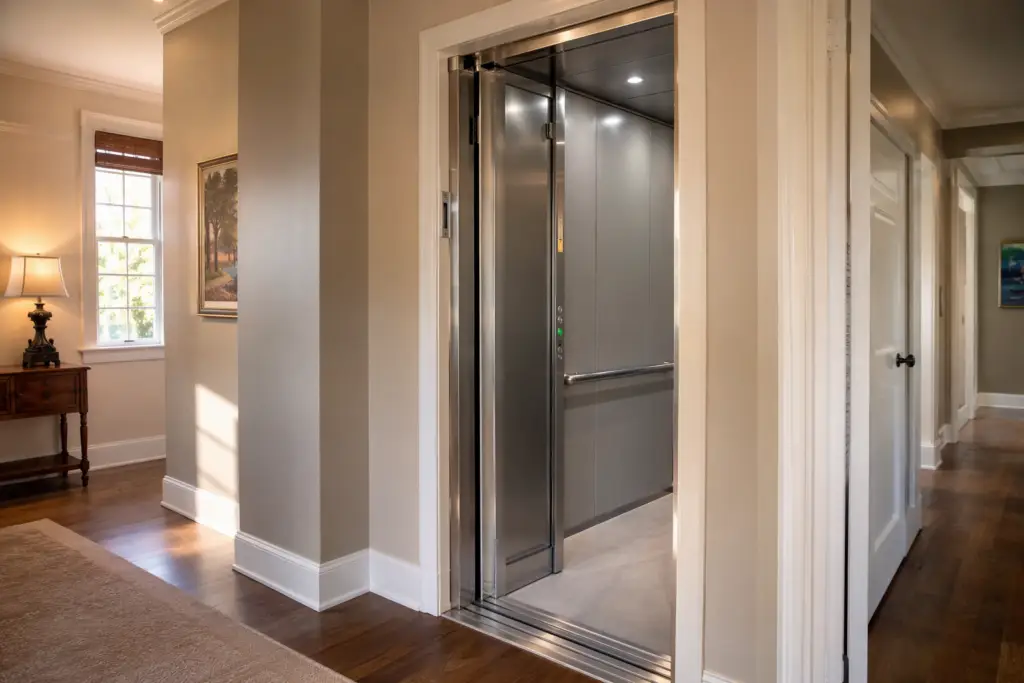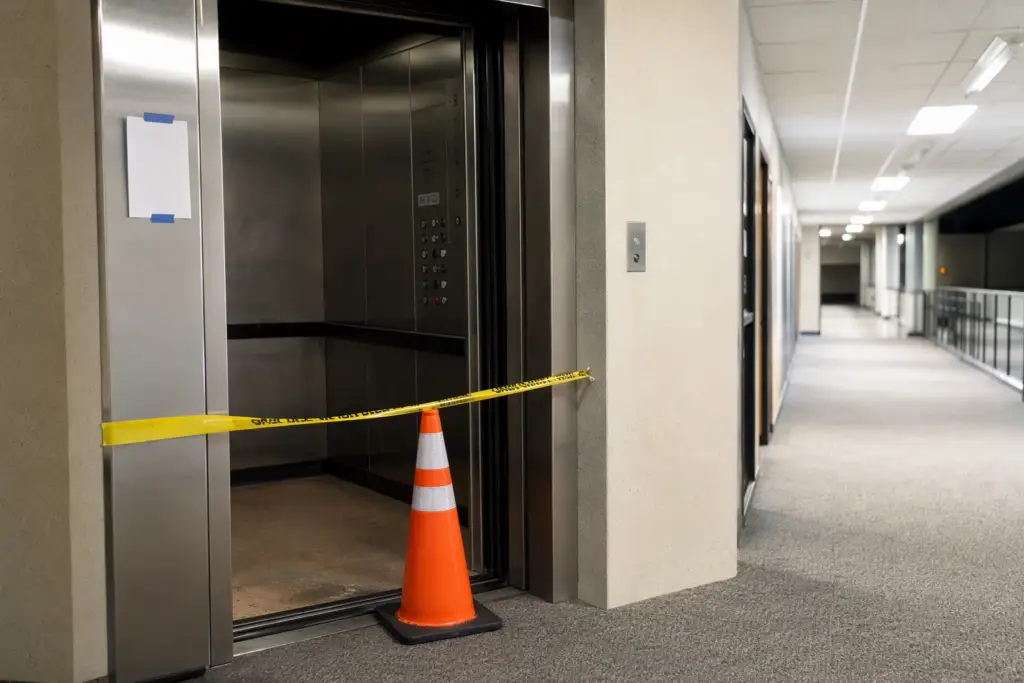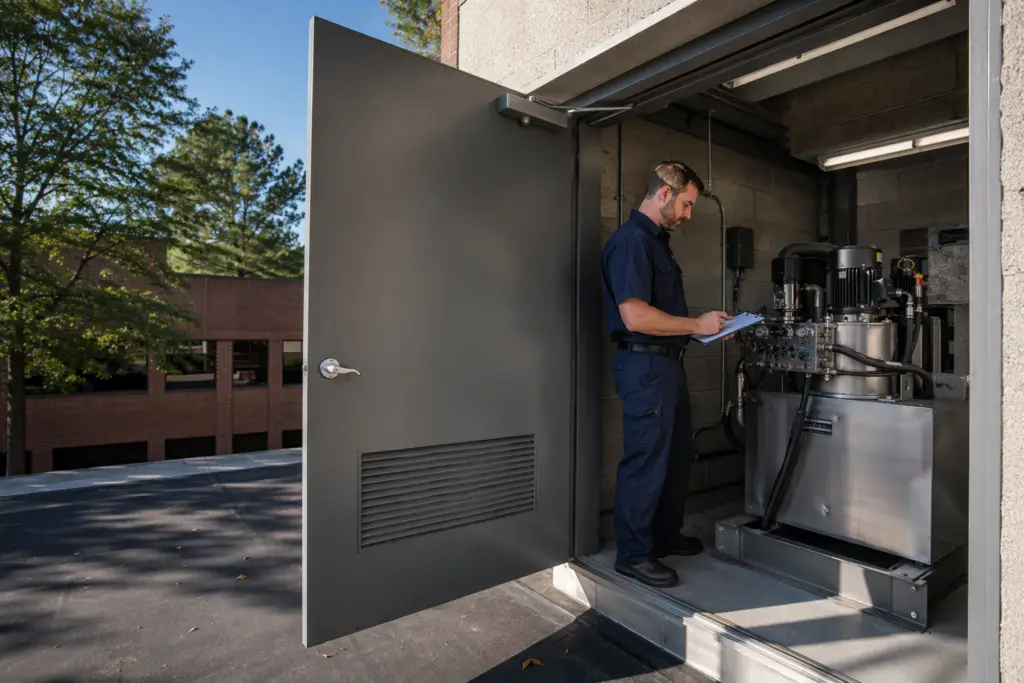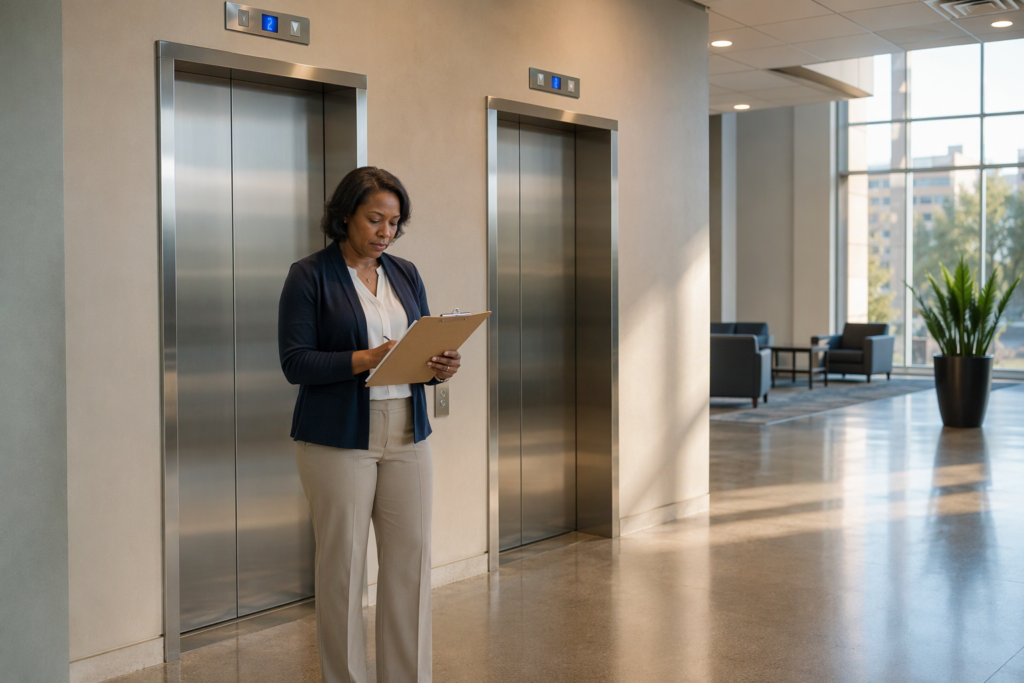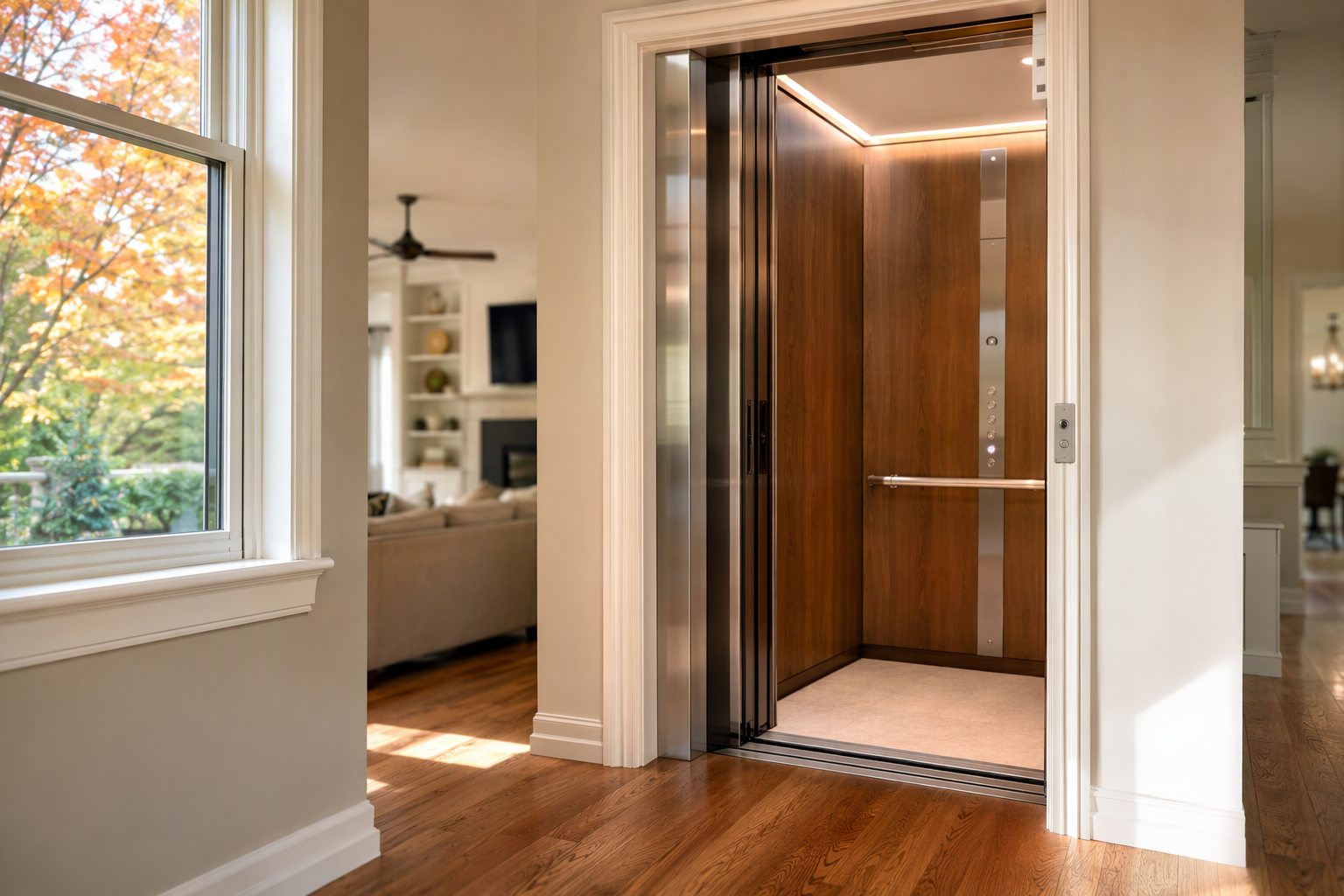
Homeowners in Columbia, SC looking for a trusted residential elevator service company can rely on Carolina Elevator Service for inspections, preventive maintenance, repairs, and code compliance guidance. The company operates in South Carolina and is familiar with the requirements of the South Carolina Department of Labor, Licensing and Regulation (LLR), Office of Elevators and Amusement Rides, as well as the ASME A17.1/CSA B44 Safety Code for Elevators and Escalators.
What does a residential elevator service company actually do?
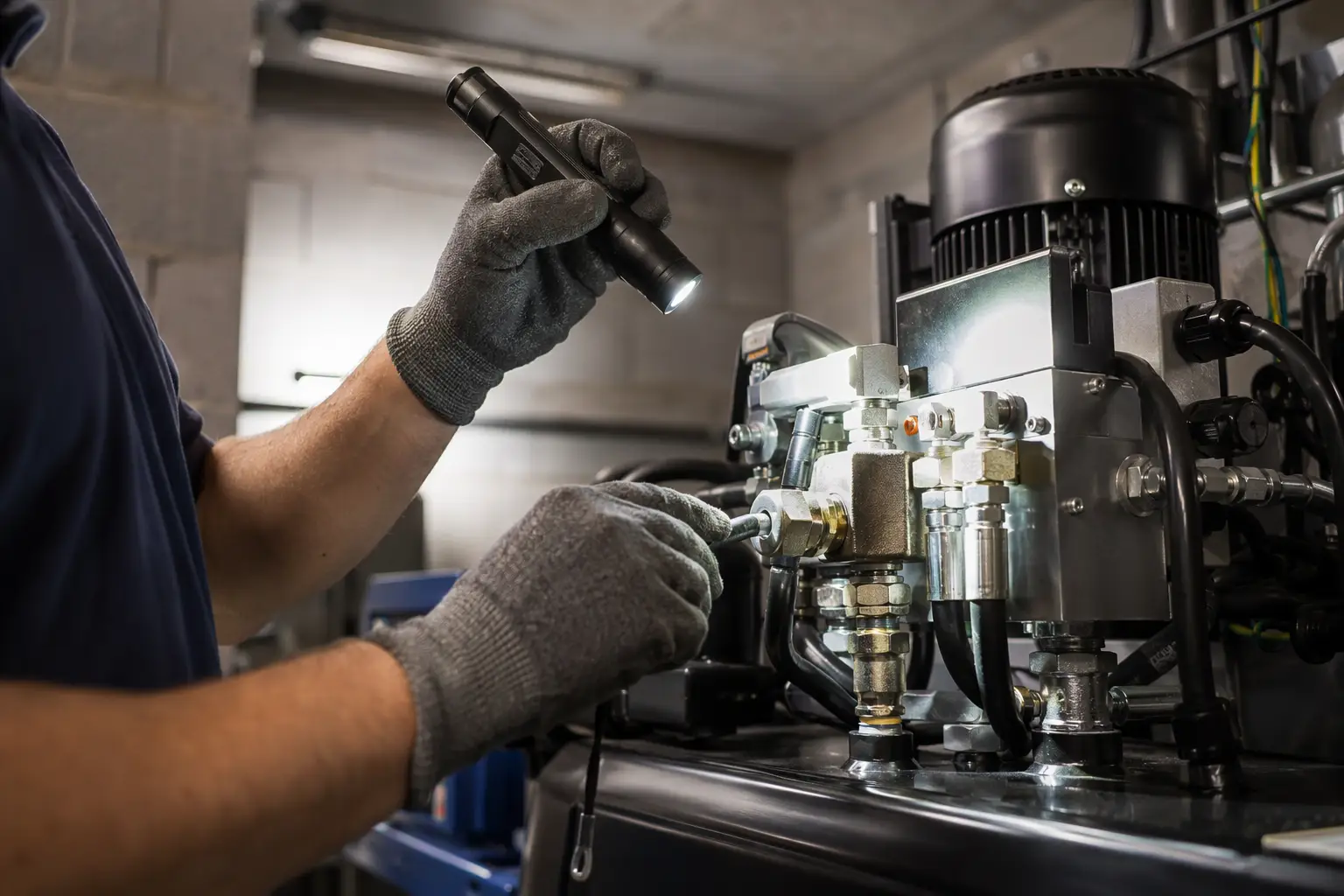
A residential elevator service company inspects, maintains, repairs, and modernizes home elevators to keep them operating safely and in compliance with applicable codes.
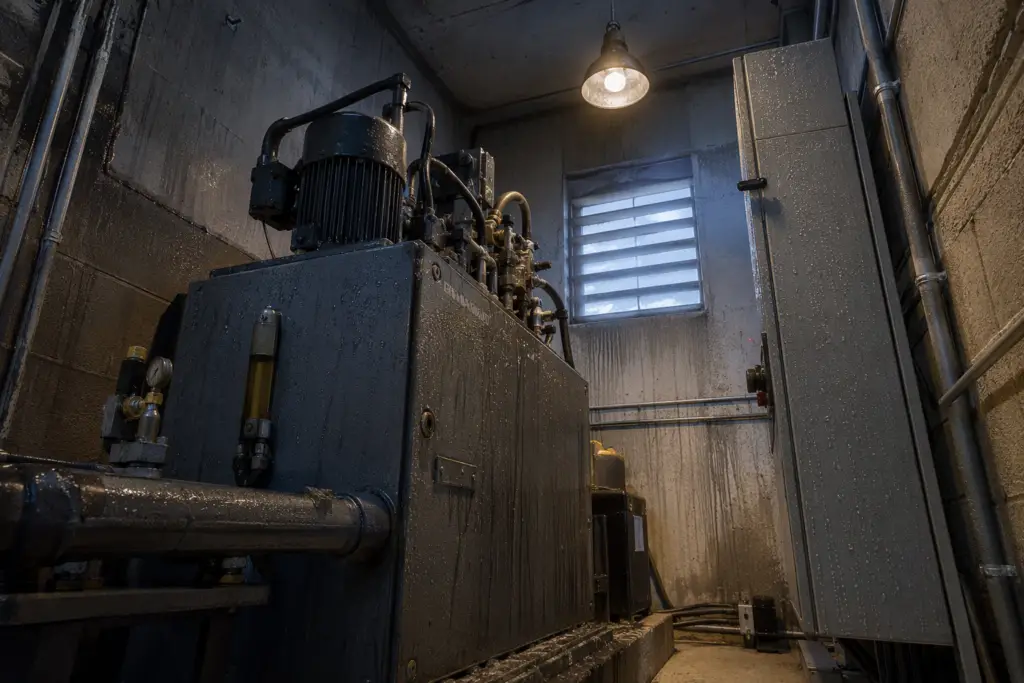
Specifically, a qualified service provider will conduct routine preventive maintenance visits, lubricate mechanical components, test safety devices such as overspeed governors and safeties, inspect hydraulic fluid systems for leaks, verify door interlock operation, test emergency lighting and alarm systems, and check that all electrical components meet code. When issues are found, the technician repairs or replaces worn or defective parts. For elevators that have aged significantly, the company may also propose modernization—replacing outdated controls, cab finishes, door operators, or drive systems to restore performance and extend service life.
Beyond mechanical work, a service company guides homeowners through regulatory obligations. In South Carolina, the owner of an elevator facility bears the statutory duty to keep every elevator in safe operating condition and in conformance with state regulations under S.C. Code Title 41, Chapter 16. A knowledgeable service partner helps the owner meet that obligation.
Does South Carolina require residential home elevators to be inspected?
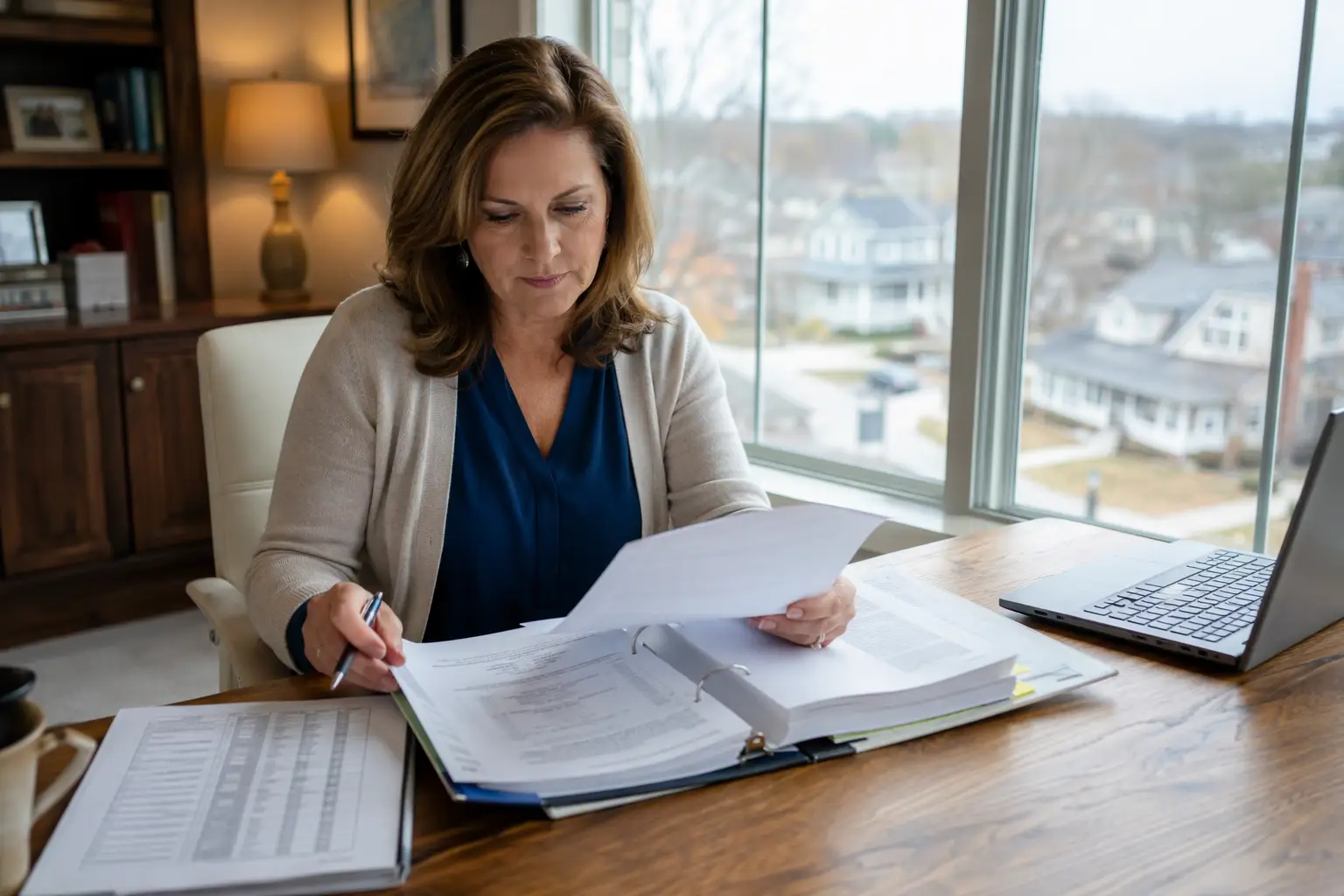
South Carolina’s elevator code explicitly exempts equipment installed in a single private dwelling, so the mandatory state inspection and operating-certificate requirements do not apply to a true single-family home elevator.
Under S.C. Code Title 41, Chapter 16 and S.C. Code of Regulations Chapter 71, Article 5, the South Carolina Elevator Code covers elevators in public, commercial, and multi-family settings but carves out an exemption for equipment in a single private dwelling. That means a traditional single-family home elevator is not required by state law to hold an operating certificate or undergo mandatory annual state inspection.
However, the exemption does not mean that safety inspections are unimportant. Home elevators age, components wear, and safety devices can fail without warning. Industry guidance under the ASME A17.1/CSA B44 Safety Code for Elevators and Escalators—the standard South Carolina has adopted for new elevator facilities—establishes detailed safety requirements that represent engineering best practice even where mandatory inspection is not required. Many elevator professionals and insurance carriers recommend periodic professional inspections for private residential units as well.
If the dwelling is a condominium, apartment building, or any multi-unit structure, the private-dwelling exemption does not apply, and state inspection, registration, and operating-certificate requirements are in effect.
What types of residential elevators can a service company work on?
A full-service elevator company can typically service hydraulic home elevators, winding-drum (cable-driven) elevators, pneumatic vacuum elevators, and wheelchair platform lifts.
Each technology has distinct service requirements:
- Hydraulic elevators use a pump, fluid reservoir, and cylinder to raise the cab. Service involves monitoring fluid levels and quality, inspecting the cylinder and seals for leaks, and testing pressure-relief valves. In South Carolina, newly installed underground hydraulic elevator cylinders must be encased in plastic outer containment to limit electrolytic corrosion—an important code detail that affects underground installations.
- Winding-drum elevators rely on a motor-driven drum that winds cables to lift the cab. Service focuses on cable condition, drum wear, brake adjustment, and limit-switch function.
- Machine-room-less (MRL) traction elevators use a compact drive mounted in the hoistway; service emphasizes drive electronics, guide rail lubrication, and sheave condition.
- Pneumatic vacuum elevators use air pressure differentials. Service involves inspecting seals, valves, and the turbine or vacuum pump.
- Vertical platform lifts (wheelchair lifts) serve users with mobility limitations. In South Carolina, handicap lifts are inspected on a five-year cycle when they are subject to state inspection requirements. ADA compliance considerations also apply when a lift serves as an accessible means of entry in covered facilities.
What should homeowners look for when choosing a residential elevator service company?
Homeowners should prioritize a company with demonstrated knowledge of ASME A17.1 safety requirements, familiarity with South Carolina’s regulatory framework, a clear written service agreement, and a consistent local presence.
Specific factors to evaluate include:
- Code familiarity: The company should understand South Carolina’s adopted edition of ASME A17.1 (the 2019 edition, adopted effective July 23, 2021) and know which exemptions apply to private dwellings versus regulated facilities.
- Written scope of work: Every maintenance visit and repair should be documented. Ask for a written maintenance agreement that lists exactly which components are inspected on each visit.
- Local presence: A company based in or near Columbia, SC can respond to service calls without the delays associated with technicians dispatched from distant markets.
- Manufacturer relationships: Relationships with major elevator and lift manufacturers mean access to genuine replacement parts rather than substitutes.
- Transparent communication: A trustworthy company explains findings in plain language, provides written estimates before proceeding with repairs, and does not pressure homeowners into unnecessary work.
Carolina Elevator Service is based in Columbia, SC, and serves residential and commercial customers throughout the area with these principles in mind.
How often should a residential elevator be serviced?
For private residential elevators, most elevator professionals recommend at minimum an annual inspection and maintenance visit, with additional visits scheduled based on usage frequency and equipment age.
Although South Carolina’s mandatory annual inspection requirement applies to regulated elevator facilities rather than single private dwelling units, the underlying engineering rationale for annual service is sound regardless of regulatory obligation. Annual visits allow a technician to identify wear on cables, sheaves, guide shoes, and door components before those issues become failures. High-use residential elevators—for example, in multi-story homes where the elevator is used multiple times daily by family members or caregivers—benefit from more frequent maintenance intervals.
For regulated facilities in South Carolina, the law is specific: elevators must be inspected at installation, registration, alteration or repair, and at least once a year before the operating certificate is renewed. Handicap lifts follow a five-year inspection cycle, and manlifts, television tower elevators, and special-purpose elevators follow a seven-year cycle under South Carolina regulations.
What happens during a professional elevator maintenance visit?
A professional maintenance visit covers a systematic inspection of mechanical, electrical, hydraulic, and safety systems, followed by any needed adjustments, lubrication, or minor repairs.
A typical maintenance visit for a residential elevator includes these steps:
- Review any reported issues or unusual behavior with the homeowner before beginning work.
- Inspect the machine room or drive unit: check motor operation, drive belts or sheaves, brake adjustment, and fluid levels (for hydraulic units).
- Examine the hoistway: check guide rails for alignment and lubrication, inspect cables or chains for wear and tension (for traction or drum units), and look for signs of water intrusion or structural damage.
- Test all safety devices: overspeed governor, safety catches, buffer condition, final limit switches, and slack-rope devices where applicable.
- Inspect the door system: test interlocks on every landing, check door operator clutch and gibs, and verify that doors will not open unless the cab is at the landing.
- Test the cab interior: emergency lighting, alarm bell, communication device, lighting, and the displayed operating certificate (where required by law).
- Perform any required lubrication of guide rails, rollers, hangers, and mechanical linkages per the manufacturer’s recommendations.
- Document all findings and provide the homeowner with a written report, noting any items that require follow-up repair.
What are the most common residential elevator problems that require a service call?
The most common service call reasons include doors that fail to close or lock properly, hydraulic fluid leaks, unusual noises during travel, leveling issues at landings, and control system faults.
Door interlock failures are among the most critical safety concerns because elevator doors must not allow the cab to move unless all landing doors and the car door are fully closed and locked. A malfunctioning interlock can prevent operation entirely—a built-in safety feature—or in degraded conditions may allow an unsafe condition. Either way, it requires prompt attention.
Hydraulic fluid leaks not only reduce system pressure and cause slow or erratic operation but also create environmental hazards. South Carolina’s requirement for plastic outer containment on underground cylinders reflects the environmental risk that hydraulic fluid poses to soil and groundwater.
Leveling problems—where the cab stops slightly above or below the floor—create a tripping hazard and are often caused by worn guide shoes, valve issues (hydraulic), or encoder drift (traction). Control system faults, including error codes on modern microprocessor-driven units, typically require a technician with the manufacturer’s diagnostic tools.
Does the ADA apply to residential elevators?
The ADA generally applies to elevators in places of public accommodation and commercial facilities, not to private single-family homes; however, ADA compliance becomes relevant when a residential elevator serves as an accessible means of entry in a covered multi-family or commercial context.
Under ADA requirements, new construction and alterations of places of public accommodation and commercial facilities must meet accessibility standards, and elevators are a primary means of providing vertical access in covered buildings. Multi-family housing with four or more units built for first occupancy after March 13, 1991 is covered by the Fair Housing Act’s accessibility requirements, which have their own set of design standards.
For a true single-family private residence, the ADA does not impose requirements. However, homeowners adding a residential elevator for a family member with a mobility limitation should still consider ADA-aligned dimensions—such as minimum cab size and control height—as a practical accessibility standard, even when not legally mandated. A service company familiar with both ADA and ASME standards can advise on whether an existing installation meets those benchmarks.
What permits are required to install a new residential elevator in South Carolina?
In South Carolina, a state construction permit from the LLR Office of Elevators and Amusement Rides is required before any elevator facility is erected, constructed, altered, or installed—even when the installation is in a private residence that would otherwise be exempt from ongoing operating requirements.
The permit requirement applies at the construction phase under S.C. Code Title 41, Chapter 16. The permit process ensures that plans are reviewed for compliance with the adopted edition of ASME A17.1 before construction begins. For new elevator facilities, compliance must be with the ASME A17.1 edition in effect when the permit is issued—currently the 2019 edition.
Local building permits may also be required by the municipality or county, and homeowners should confirm requirements with their local building authority. Because the South Carolina Elevator Code preempts local ordinances that conflict with it, any local rule inconsistent with state elevator code is void, but local building departments may still have jurisdiction over structural, electrical, and architectural aspects of the installation.
Working with an experienced elevator company from the planning stage helps ensure that permit applications are complete and accurate and that the design meets code before construction begins.
What is the difference between elevator repair and elevator modernization?
Repair addresses specific failed or worn components to restore normal operation, while modernization replaces major systems—controls, drive, door operators, or cab—to bring an aging elevator up to current performance and safety standards.
Repair is appropriate when a discrete component such as a motor, valve, door interlock, or safety device has failed and the rest of the system is in serviceable condition. Modernization makes sense when an elevator is operating but its core systems are outdated, parts are no longer available, or the safety architecture no longer reflects current code expectations under ASME A17.1.
A key regulatory consideration in South Carolina: an alteration to an existing elevator facility triggers the state construction permit requirement and, depending on the scope, may require the altered portion to comply with the currently adopted edition of ASME A17.1. South Carolina elevator facilities in operation before July 1, 1986, must comply with the 1986 edition of ANSI A17.3, the safety code for existing elevators and escalators, for pre-existing conditions not covered by the alteration.
A reputable service company will help the homeowner or building owner understand which approach is cost-effective and what code implications each path carries.
How does South Carolina’s inspection system work for regulated elevator facilities?
South Carolina requires that regulated elevator facilities be inspected by either state inspectors employed by the LLR Office of Elevators and Amusement Rides or by licensed special inspectors, and no elevator facility may operate without a valid operating certificate and registration.
Under S.C. Code Title 41, Chapter 16 and S.C. Code of Regulations Chapter 71, Article 5:
- Both a certificate of registration and an operating certificate are required before any regulated elevator facility can be operated.
- The operating certificate, or a certified copy, must be displayed conspicuously inside each elevator car.
- Inspections are required at installation, registration, alteration or repair, and at least once annually before certificate renewal.
- Special inspectors must be licensed and meet the qualifications in the 2018 edition of QEI-1, the American National Standard for Qualification of Elevator Inspectors.
- A special inspector may not inspect an elevator on which the inspector or the inspector’s employer has a current service or warranty contract—a conflict-of-interest rule designed to ensure inspection independence.
This independence requirement means that the company providing maintenance service and the company providing the mandatory inspection cannot be the same entity if the inspection is performed by a special inspector. Building owners should factor this into their vendor relationships.
What should building owners do immediately after an elevator accident or serious incident?
Under South Carolina law, an accident that seriously injures anyone other than an employee must be reported to the state before the end of the next working day.
If a serious incident occurs, building owners and property managers should follow these steps in order:
- Ensure the safety of all occupants—evacuate anyone trapped in the cab using proper procedures and contact emergency services if needed.
- Take the elevator out of service immediately by switching it to the off position or placing it in an inspection mode; do not allow further use until the cause is identified.
- Contact the South Carolina Department of Labor, Licensing and Regulation (LLR), Office of Elevators and Amusement Rides to report the incident before the end of the next working day, as required by S.C. Code Title 41, Chapter 16.
- Preserve the scene and do not alter or repair any components until the state has been notified and has indicated whether an inspection is required before return to service.
- Contact your elevator service company to arrange an inspection and identify the cause of the incident.
- Document everything: photographs, witness statements, maintenance records, and the timeline of events.
- Notify your property insurance carrier and legal counsel as appropriate.
How do standby power requirements affect residential and commercial elevators in South Carolina?
South Carolina requires that passenger elevators have standby power capable of running emergency lighting and the alarm bell for at least four hours if normal power fails.
This requirement under South Carolina’s adopted regulations reflects the broader emergency preparedness principles in ASME A17.1. The practical implication for building owners is that the emergency lighting battery and alarm bell circuit must be tested regularly to confirm they can sustain operation for the required duration. A maintenance program that neglects battery testing leaves a building out of compliance and, more importantly, leaves occupants at risk of being trapped in an unlit cab with no means to signal for help.
For single-family home elevators where the state code exemption applies, standby power is not mandated, but it remains a sound safety investment—particularly in homes where elderly or mobility-impaired individuals rely on the elevator daily.
What is a firefighters’ service requirement and does it apply to residential elevators?
Firefighters’ service is a code-required feature on many commercial and multi-family elevator installations that allows fire department personnel to control elevator operation during an emergency; South Carolina specifies that new installations use the five-pin S.C. #1000 key.
Under South Carolina’s elevator regulations, new elevator installations subject to state code must include firefighters’ service capability operable with the five-pin S.C. #1000 key. This standardizes the key used by fire departments across the state so responders can operate any elevator in an emergency without carrying multiple keys.
For single private dwelling elevators exempt from the state code, firefighters’ service is not mandated by South Carolina law. However, the feature is worth discussing with a service company during modernization or new installation planning, particularly in larger residential properties.
ASME A17.1 contains detailed requirements for firefighters’ emergency operation (Phase I and Phase II), and those provisions are incorporated into South Carolina’s adopted edition of the code for regulated facilities.
How does elevator maintenance affect homeowner insurance and property value?
A documented maintenance history can support insurance claims after mechanical failures and may positively influence property valuation by demonstrating that a significant home system has been professionally maintained.
Insurance carriers that cover residential elevators typically look for evidence that the equipment has been regularly serviced. If a failure occurs and no maintenance records exist, the carrier may dispute whether the damage resulted from neglect. Written service reports from each maintenance visit create an auditable record that protects the homeowner.
From a property value perspective, home elevators are a premium feature in multi-story homes, particularly those marketed to buyers who may have aging-in-place considerations. A well-maintained elevator with up-to-date components is a selling asset; an elevator with deferred maintenance or unknown service history can become a negotiating liability or a contingency item requiring inspection before closing.
Carolina Elevator Service provides written documentation of every service visit, giving homeowners the records they need for insurance, resale, and regulatory purposes.
What is the difference between a maintenance contract and a full-service contract for elevators?
A maintenance contract typically covers scheduled inspections and routine adjustments, while a full-service contract also covers the cost of parts and labor for repairs discovered during those visits or that arise between scheduled service dates.
| Contract Type | Scheduled Preventive Visits | Labor for Repairs | Parts Coverage | Emergency Call Coverage | Best Suited For |
|---|---|---|---|---|---|
| Maintenance Only | Yes | Not included (billed separately) | Not included | Not included | Newer elevators with low repair history |
| Maintenance + Labor | Yes | Included | Not included (parts billed separately) | Often included | Mid-age elevators in moderate use |
| Full-Service (Comprehensive) | Yes | Included | Included (with exclusions) | Typically included | Older elevators or high-use applications |
| Inspection Only | Inspection visit only | Not included | Not included | Not included | Owner-maintained units seeking compliance documentation |
When reviewing any contract, owners should confirm exactly which components and failure modes are excluded. Common exclusions include vandalism damage, cosmetic cab components, and proprietary parts that require the original equipment manufacturer. A service company should walk the owner through the contract terms before signing.
Can an elevator be modernized without triggering a full code upgrade in South Carolina?
Partial modernizations may limit the scope of code compliance required to the altered portion of the system, but any alteration to a regulated elevator facility in South Carolina requires a state construction permit and must comply with the currently adopted edition of ASME A17.1 for the work performed.
Under S.C. Code Title 41, Chapter 16, a state construction permit is required before any elevator facility is altered. The applicable ASME A17.1 provisions address alteration requirements and define what constitutes an alteration versus a repair. A skilled elevator service company can help building owners understand the distinction before work begins—a critical planning step because proceeding with an alteration without a permit creates regulatory and liability exposure.
For older facilities, South Carolina’s requirement that pre-1986 installations comply with the 1986 edition of ANSI A17.3 for existing conditions means that the baseline for unaltered portions of a legacy system differs from what applies to newly altered components. Navigating this dual-standard environment requires a service company with strong code knowledge.
What questions should homeowners ask a potential elevator service company before hiring them?
Homeowners should ask about the company’s familiarity with their specific elevator type and brand, how they document service visits, what their service agreement covers, and how they handle emergency calls.
A structured list of recommended questions:
- What elevator brands and drive types do your technicians regularly service?
- Are you familiar with the South Carolina Department of Labor, Licensing and Regulation’s elevator requirements, including the private-dwelling exemption and permit obligations?
- Will you provide a written report after every maintenance visit?
- What does your service agreement explicitly cover and exclude?
- How do you handle parts sourcing—do you use OEM parts or aftermarket alternatives?
- Can you provide references from residential elevator customers in the Columbia, SC area?
- If you identify a code deficiency during maintenance, how do you communicate that to me and what is your process for remediation?
- How do you approach the conflict-of-interest rule for special inspections if my elevator is in a regulated facility?
A company that answers these questions clearly and in writing demonstrates the transparency and technical depth that homeowners and building owners should expect.
Why should Columbia SC homeowners choose a locally based elevator service company?
A locally based elevator service company in Columbia, SC understands South Carolina’s specific regulatory environment, maintains relationships with the LLR Office of Elevators and Amusement Rides, and can respond to service needs without the logistical delays of a company dispatched from another market.
South Carolina’s elevator regulatory framework—governed by S.C. Code Title 41, Chapter 16 and S.C. Code of Regulations Chapter 71, Article 5—has state-specific requirements such as the five-pin S.C. #1000 firefighters’ key, the plastic outer containment requirement for underground hydraulic cylinders, and the QEI-1 qualification standard for special inspectors. A company operating primarily in another state may be unfamiliar with these South Carolina-specific details.
Local companies also tend to be more accountable to the communities they serve. Reputation in a regional market is built over years of consistent service, and a locally based company has stronger incentive to resolve issues thoroughly the first time. Carolina Elevator Service is based in Columbia, SC, and focuses specifically on South Carolina customers—meaning its operational knowledge, vendor relationships, and regulatory familiarity are aligned with the market it serves.
What ongoing responsibilities does a building owner have for elevator safety in South Carolina?
Under South Carolina law, the owner bears the duty to keep every elevator facility in safe operating condition and in conformance with state regulations at all times.
This owner-responsibility principle under S.C. Code Title 41, Chapter 16 means that compliance is ultimately the building owner’s obligation, not the service company’s—though a competent service partner is essential to fulfilling it. Practical ongoing responsibilities include:
- Ensuring the elevator’s operating certificate is current and displayed conspicuously inside the cab for regulated facilities.
- Scheduling and completing annual inspections before the operating certificate renewal deadline.
- Reporting serious accidents to the LLR before the end of the next working day.
- Obtaining a state construction permit before any alteration or installation work begins.
- Maintaining records of all inspections, maintenance visits, and repairs.
- Taking the elevator out of service immediately if a condition is found that could pose a danger to users.
A service relationship with a qualified company like Carolina Elevator Service gives building owners a structured framework to meet these responsibilities and documentation to demonstrate that they have done so.
Contact Carolina Elevator Service for a free elevator assessment at 803-865-1400.
Need elevator service you can rely on? Carolina Elevator Service is ready to help.