Commercial Elevator Maintenance Cost Per Year: What It Is & What Affects the Price
Annual elevator maintenance costs in commercial buildings typically range from a few thousand dollars for a basic, low-use hydraulic unit to well over ten thousand dollars for a high-traffic traction elevator in a large office or medical facility. The single most important cost driver is the type of maintenance contract a building owner selects. A full-service contract covering parts and labor costs considerably more upfront than a limited oil-and-grease contract, but it substantially reduces exposure to costly unplanned repairs. Buildings that defer maintenance consistently face higher long-term expenditures, plus the risk of regulatory non-compliance under ASME A17.1 Safety Code for Elevators and Escalators and South Carolina inspection requirements.
What Is the Typical Annual Elevator Maintenance Cost for a Commercial Building?
There is no single universal price because elevator maintenance costs depend on a combination of equipment variables, contract structure, building characteristics, and local labor markets. Rather than citing a single figure that may not reflect South Carolina market conditions, it is more useful to understand the cost spectrum by contract tier:
- Oil-and-grease (lubrication-only) contracts cover routine lubrication, basic adjustments, and minor cleaning. These carry the lowest annual fee but leave building owners responsible for nearly all parts and labor costs when components fail.
- Comprehensive maintenance contracts cover parts, labor, callbacks, and emergency service. They carry the highest annual fee but provide the most predictable cost structure and typically include priority response.
- Intermediate contracts fall between these tiers, covering labor and certain parts while excluding major components such as motors, controllers, or hydraulic cylinders.
Building owners in South Carolina should request itemized proposals from licensed elevator contractors and compare what each tier actually covers before making a decision based on price alone.
What Are the Main Factors That Affect Elevator Maintenance Cost?
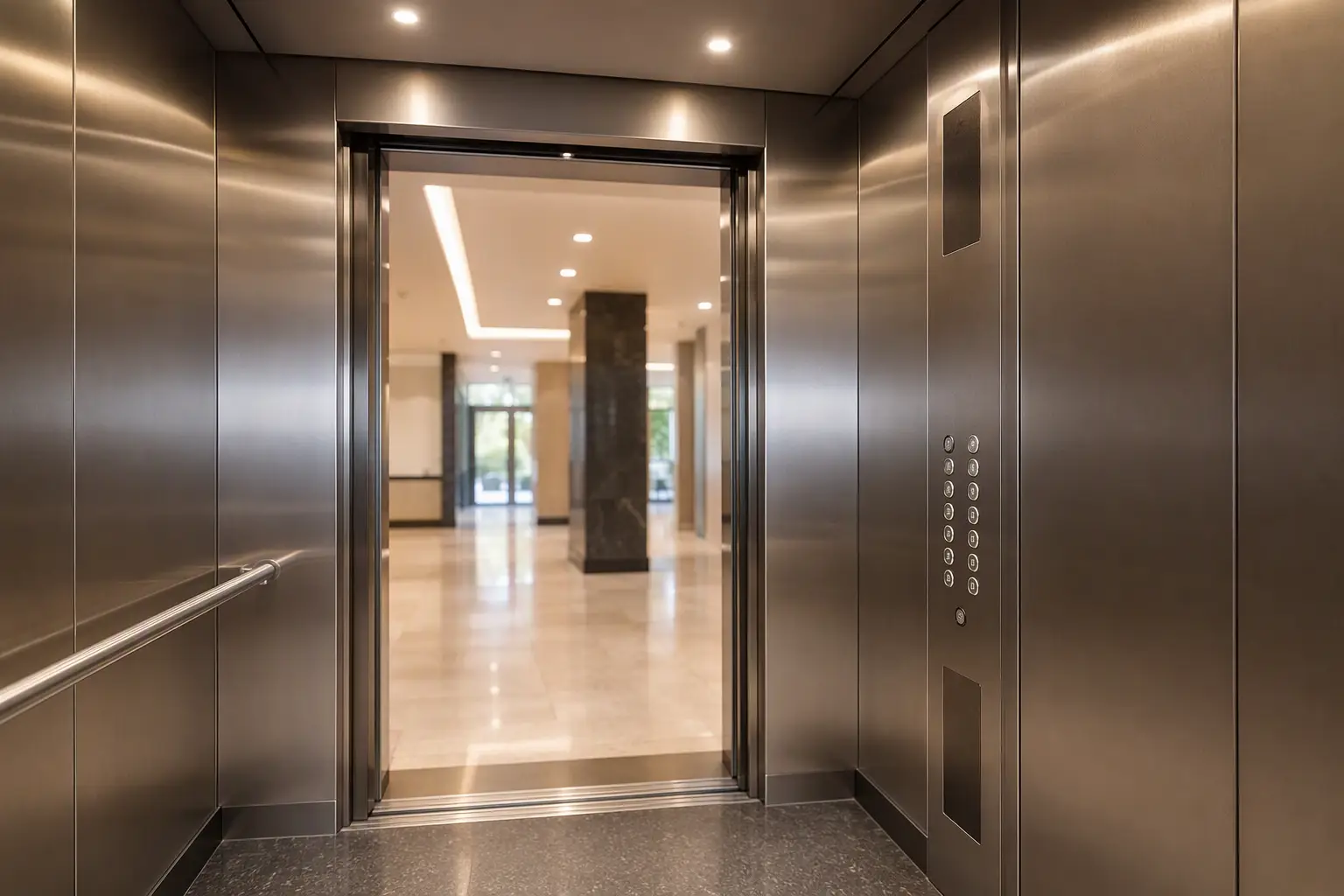
1. Elevator Type
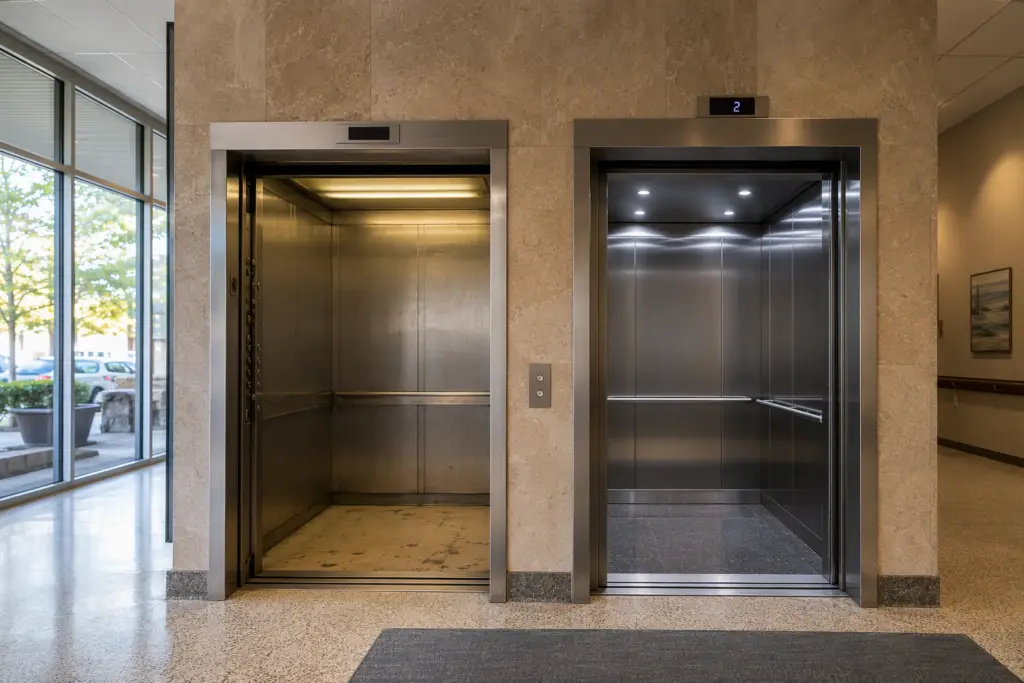
Hydraulic elevators, common in low-rise commercial buildings, generally cost less to maintain than traction (cable-driven) elevators. Machine-room-less (MRL) traction elevators may require specialized technician training and proprietary parts, both of which can increase service costs. High-speed gearless traction elevators found in mid-rise and high-rise settings are typically the most expensive to maintain.
2. Age and Condition of the Equipment
Older elevators — particularly those approaching or past the threshold at which ASME A17.3 Safety Code for Existing Elevators and Escalators modernization requirements may apply — tend to generate higher maintenance costs. Aging components wear faster, replacement parts for older models can be difficult to source, and outdated control systems are more prone to failure.
3. Usage Volume and Traffic Patterns
An elevator in a high-traffic retail center or hospital performs many more cycles per day than one in a small professional office building. High cycle counts accelerate wear on doors, rollers, cables, and hydraulic seals. Maintenance contracts for high-use elevators often require more frequent service visits, which increases the annual cost.
4. Number of Elevators and Floors Served
Multi-elevator buildings may qualify for volume pricing from service contractors. However, each additional elevator also adds to the total maintenance budget. Taller buildings place greater mechanical demands on equipment, particularly on cable systems and motor drives, contributing to higher per-unit costs.
5. Maintenance Contract Scope
As described above, the scope of coverage chosen — lubrication-only versus comprehensive — is one of the largest variables in annual cost. A lubrication-only contract may appear significantly cheaper but can result in unexpectedly high repair invoices when components fail outside the contract’s coverage.
6. Local Labor Market
Elevator technician labor rates vary by region and are influenced by local demand, proximity to major metro areas, and the availability of certified technicians. South Carolina building owners in larger markets such as Columbia, Charleston, and Greenville may experience different pricing than those in smaller or rural areas.
7. Code Compliance and Required Upgrades
South Carolina elevator inspections are governed by state authority, and elevators must also meet federal baseline requirements under ASME A17.1. When an inspection reveals deficiencies, correction costs are in addition to routine maintenance fees. ADA (Americans with Disabilities Act) accessibility requirements can also generate capital expenditure that, while not a recurring maintenance cost, affects the total elevator budget.
8. Emergency and Callback Frequency
Buildings with older or poorly maintained elevators tend to generate more emergency service calls. Under contracts that exclude callback labor, each service call adds direct cost. Under comprehensive contracts, callbacks are included — making contract scope selection particularly important for high-risk or aging equipment.
What Does a Standard Commercial Elevator Maintenance Contract Include?
A well-structured maintenance contract typically covers the following, though the exact scope varies by contractor and tier:
- Scheduled preventive maintenance visits (frequency varies by contract — monthly, quarterly, or semi-annual)
- Lubrication of moving components
- Adjustment of doors, safeties, leveling, and speed governors
- Cleaning of machine rooms, pits, and hoistways
- Testing of safety devices
- Callback response for entrapments and outages (included in comprehensive contracts)
- Parts replacement for normal wear items (scope depends on contract tier)
- Documentation and records to support South Carolina inspection requirements
Major components — such as motors, hydraulic cylinders, controllers, and cab interiors — are typically excluded from all but the most premium contracts and are negotiated as separate line items or capital projects.
What Code Requirements Drive Elevator Maintenance Costs in South Carolina?
South Carolina requires periodic elevator inspections by the state’s elevator safety program. These inspections verify compliance with applicable editions of ASME A17.1 Safety Code for Elevators and Escalators for new installations and ASME A17.3 Safety Code for Existing Elevators and Escalators for existing equipment. Elevators that fail inspection may be ordered out of service until deficiencies are corrected, creating both direct repair costs and business disruption costs for building owners.
OSHA also governs worker safety related to elevator maintenance operations. Service contractors must follow established lockout/tagout and confined space entry protocols when working in pits and machine rooms, which affects how efficiently and safely maintenance visits are conducted.
ADA compliance under Title II and Title III of the ADA requires that elevators in places of public accommodation and commercial facilities remain operational and accessible. An elevator that frequently goes out of service due to deferred maintenance can expose building owners to ADA-related complaints and legal liability, adding indirect cost to the maintenance equation.
How Often Should a Commercial Elevator Be Serviced?
Service frequency is typically defined by the maintenance contract and reflects the elevator’s usage volume, age, and type. High-traffic elevators in hospitals, hotels, or large office buildings commonly receive monthly preventive maintenance visits. Lower-use elevators in small professional offices may be serviced quarterly. The frequency specified in the contract directly affects annual cost — more visits mean higher annual fees, but also better early detection of developing problems before they become expensive failures.
South Carolina state inspections occur on a schedule set by the state elevator safety authority, independent of the maintenance contract. Building owners are responsible for ensuring the elevator is accessible and maintained well enough to pass these inspections.
What Is the Cost of Elevator Repairs Versus Maintenance?
Maintenance and repair are related but distinct cost categories. Routine maintenance is a predictable, recurring cost. Repairs — whether corrective (fixing a broken component) or mandated (correcting a code violation found during inspection) — are variable and can be significant.
Common repair categories that fall outside typical maintenance contract coverage include:
- Controller replacement or modernization
- Hydraulic cylinder replacement (particularly for older single-bottom cylinders)
- Hoist rope and sheave replacement on traction elevators
- Door operator replacement
- Cab modernization for ADA compliance
- Safety device upgrades required under ASME A17.3
Buildings that invest in comprehensive preventive maintenance tend to experience fewer emergency repairs and can often plan capital repairs on a predictable schedule rather than reacting to sudden failures.
How Does Elevator Age Affect Annual Maintenance Cost?
Elevator age is one of the most significant predictors of total annual maintenance cost. As elevators age, wear accelerates across multiple systems simultaneously — hydraulic seals, door equipment, control electronics, and mechanical components all degrade. Older elevators also face a growing risk of obsolescence: proprietary parts for discontinued models become scarce, driving up both parts cost and lead times for repairs.
Under ASME A17.3, existing elevators may be required to incorporate certain safety upgrades when major alterations are performed. Building owners planning major repairs on aging elevators should consult with a licensed elevator contractor to understand whether those repairs will trigger modernization requirements that add to project cost.
What Is the Difference Between a Full-Service and a Limited Maintenance Contract?
A full-service (comprehensive) maintenance contract transfers most of the variable cost risk to the service contractor. The building owner pays a predictable annual fee, and the contractor covers parts, labor, callbacks, and emergency service within the contract’s defined scope. This structure benefits buildings with older equipment, high usage, or ownership teams that prefer cost predictability.
A limited (oil-and-grease or parts-excluded) contract keeps the annual base fee low but leaves the building owner financially exposed to repair costs. This structure can be appropriate for newer elevators still under manufacturer warranty or for very low-use installations where failure risk is minimal. However, buildings that select limited contracts should maintain a capital reserve for unplanned repairs.
What Are the Industry Trends for Elevator Maintenance in 2025 and 2026?
Several qualitative trends are shaping commercial elevator maintenance costs and practices heading into 2025 and 2026:
- Remote monitoring technology: More elevator contractors are offering IoT-enabled monitoring systems that detect performance anomalies before they cause failures. While these systems add to contract cost, they can reduce emergency service calls and extend component life.
- Technician workforce constraints: The elevator industry nationally faces ongoing challenges recruiting and retaining qualified technicians. In South Carolina and across the Southeast, this dynamic can affect service response availability and may put upward pressure on labor rates.
- Energy efficiency modernization: Older hydraulic elevators — particularly those with non-submersible cylinders — face increasing pressure from building owners and sustainability programs to modernize to more energy-efficient systems. Modernization projects involve capital cost but can reduce long-term operating and maintenance expenses.
- Code edition updates: ASME periodically updates the A17.1 and A17.3 codes. Building owners and facility managers should work with licensed contractors to understand how adopted code editions in South Carolina may affect compliance requirements for their equipment in 2026 and beyond.
- Rising parts and materials costs: Supply chain pressures that emerged in recent years have continued to affect elevator parts availability and pricing. Building owners negotiating new maintenance contracts should discuss how parts cost escalation is handled within multi-year agreements.
How Should a Building Owner Evaluate Elevator Maintenance Proposals?
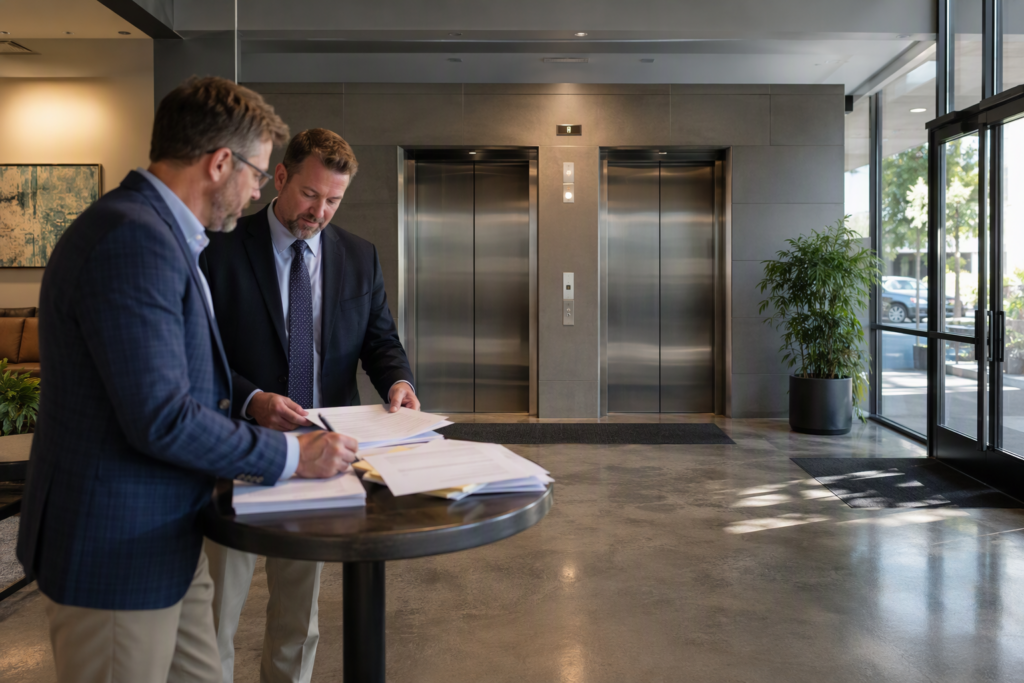
Comparing elevator maintenance proposals requires more than reviewing the annual fee. Building owners should evaluate:
- Confirm the contractor holds all required South Carolina elevator contractor licenses and that their technicians are properly qualified.
- Request a detailed list of what is included and excluded in each tier offered.
- Ask how callback and emergency service is handled, including response expectations and whether callbacks are billed separately.
- Understand how parts costs are handled — whether they are included, billed at cost, or marked up above a published price list.
- Review the contractor’s process for documenting maintenance visits and providing inspection-ready records.
- Ask whether the contractor uses original equipment manufacturer (OEM) parts or aftermarket alternatives, and how warranty implications are handled.
- Evaluate the contractor’s familiarity with South Carolina state inspection procedures and their track record supporting buildings through state inspections.
- Understand escalation clauses in multi-year contracts — how and when fees can increase, and under what conditions.
What Happens If Elevator Maintenance Is Deferred?
Deferred elevator maintenance creates compounding risk across several dimensions. Mechanically, small worn components that would have been inexpensive to address during routine service can cause cascading failures in adjacent systems, dramatically increasing repair costs. Operationally, unplanned outages disrupt building tenants and occupants. Legally, a poorly maintained elevator that fails inspection can be placed out of service by the state authority, and an elevator involved in a personal injury incident where maintenance records are inadequate exposes building owners to significant liability.
From an ADA standpoint under Title III, commercial facilities are expected to keep elevators operational. Extended outages due to deferred maintenance that render a building inaccessible to people with disabilities can generate formal complaints and legal action.
Does Building Type Affect Elevator Maintenance Cost?
Building type affects both the intensity of use and the regulatory environment, both of which influence maintenance cost. Key examples include:
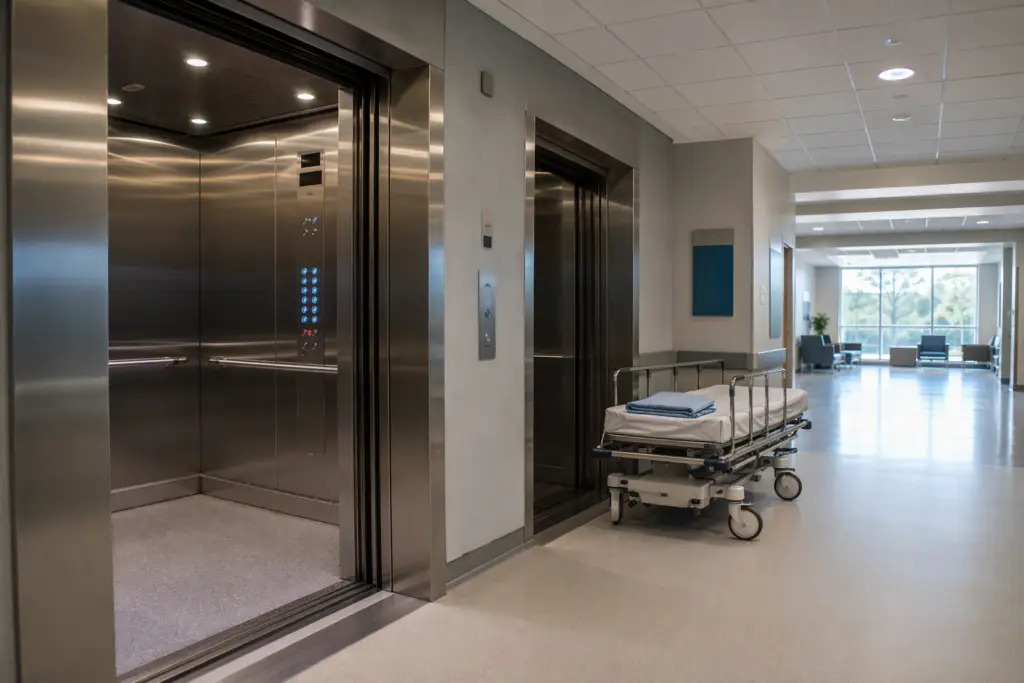
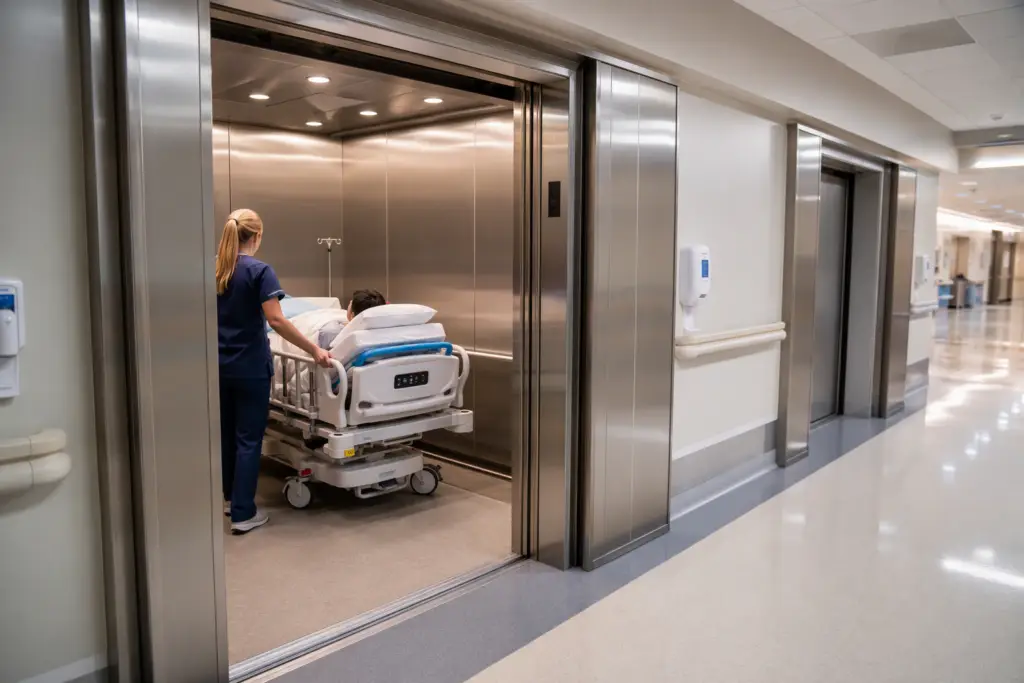
- Healthcare facilities depend on elevators for patient transport, making reliability critical and justifying comprehensive contracts with strong response provisions.
- Hotels and hospitality operate elevators around the clock with high guest traffic, accelerating wear and increasing service frequency needs.
- Office buildings experience peak-load patterns (morning, lunch, and evening rush) that stress door equipment and leveling systems more than steady-use applications.
- Retail and mixed-use buildings may have elevators serving freight as well as passenger functions, with freight-use elevators generally experiencing higher wear rates.
- Multi-family residential buildings fall under different regulatory pathways in some jurisdictions but still require compliant maintenance programs under applicable ASME standards.
How Can a Data-Driven Maintenance Program Reduce Long-Term Elevator Costs?
A data-driven approach to elevator maintenance focuses on analyzing performance trends — callback frequency, door cycle counts, leveling accuracy, and hydraulic pressure readings — to predict and prevent failures rather than simply responding to them. Carolina Elevator Service approaches commercial elevator maintenance as a data-informed discipline, helping South Carolina building owners understand their equipment’s actual condition and make defensible, cost-effective maintenance and modernization decisions based on equipment performance rather than assumptions.
Proactive documentation also creates a clear compliance record for South Carolina state inspections and supports building owners in demonstrating due diligence if a safety question ever arises. For South Carolina commercial building owners managing one elevator or a multi-unit portfolio, working with a service provider that treats maintenance records as a strategic asset — not just paperwork — meaningfully reduces both financial and regulatory risk.
What Is the Relationship Between Elevator Maintenance and Insurance Costs?
Commercial property and liability insurers increasingly scrutinize elevator maintenance records as part of underwriting and claims processes. A well-documented maintenance history, supported by consistent service records and passed state inspections, can favorably influence coverage terms. Conversely, a history of missed inspections, lapsed service, or documented deficiencies that were not corrected promptly can complicate claims and, in some cases, affect coverage outcomes. Building owners should confirm with their insurance advisors how elevator maintenance records factor into their specific policies.
What Steps Should a Building Owner Take After Receiving an Elevator Inspection Deficiency Notice?
- Review the deficiency notice carefully to identify whether the elevator has been placed out of service or issued a conditional pass with a correction deadline.
- Contact a licensed South Carolina elevator contractor promptly — do not attempt to operate a condemned elevator.
- Request a written assessment of the deficiency and a repair scope with itemized costs before authorizing work.
- Confirm that the proposed repair addresses the specific code violation cited, referencing the applicable ASME A17.1 or A17.3 requirement.
- Ensure repairs are performed by licensed technicians and that the contractor provides documentation of work completed for submission to the state authority.
- Schedule the reinspection with the state and retain all paperwork — the correction notice, work order, and reinspection certificate — for your building’s compliance file.
- Review whether the deficiency points to a broader maintenance gap that should prompt a contract review or equipment modernization assessment.
Summary: Key Cost Drivers at a Glance
| Cost Driver | Effect on Annual Maintenance Cost |
|---|---|
| Elevator type (hydraulic vs. traction vs. MRL) | Hydraulic typically lower; MRL and high-speed traction typically higher |
| Equipment age | Older elevators generally cost more to maintain and repair |
| Usage volume (daily cycles) | High cycle counts accelerate wear and increase service frequency needs |
| Contract scope (limited vs. comprehensive) | Comprehensive costs more annually but reduces variable repair exposure |
| Number of elevators and floors served | More units increase total budget; taller buildings increase per-unit cost |
| Code compliance status | Non-compliant equipment requires correction costs on top of maintenance fees |
| Emergency callback frequency | High callback rates add cost under limited contracts; included in comprehensive |
| Local labor market (South Carolina) | Regional technician availability and rates influence pricing |
Note: This table reflects qualitative cost driver relationships based on industry-standard maintenance practices. No specific dollar figures are represented without an attributable source.
Ready to Get an Accurate Elevator Maintenance Cost Assessment for Your South Carolina Building?
Understanding what drives your elevator’s maintenance cost is the first step toward budgeting accurately, avoiding costly surprises, and keeping your building compliant with South Carolina inspection requirements and ASME A17.1 and A17.3 standards. Carolina Elevator Service works with commercial building owners across South Carolina to assess equipment condition, review existing maintenance contracts, and recommend data-driven service programs matched to each building’s actual needs.
Contact Carolina Elevator Service for a free elevator assessment: 803-865-1400
Need elevator service you can rely on? Carolina Elevator Service is ready to help.